Frozen Chocolate Mousse Recipe

I’ve been watching a lot of cooking shows recently that left me craving chocolate. Flipping through The Fannie Farmer Cookbook, I found a recipe for frozen chocolate mousse that is easy and delicious .

Pour 1 cup of cold milk in a heavy saucepan. Sprinkle 1 envelope of gelatin over the milk and let it stand for 5 minutes. This allows the gelatin to soften.

Stir this mixture. Then add 2 ounces unsweetened chocolate and ¾ cup sugar and stir. Cook over medium low heat, stirring constantly, until chocolate is melted and the mixture is blended.

Pour into a bowl and chill until lukewarm.

While that chills a few minutes, whip 2 cups of heavy cream until it forms soft peaks.

Remove the chocolate mixture from the fridge and then gently fold the whipped cream into it. Pour the chocolate mousse into a mold and freeze.

An alternative: I wanted to use part of my mousse as a layer in a cake so I lined a cake pan with parchment paper and poured some inside. This was frozen until ready to put on the cake. (A yummy choice!)

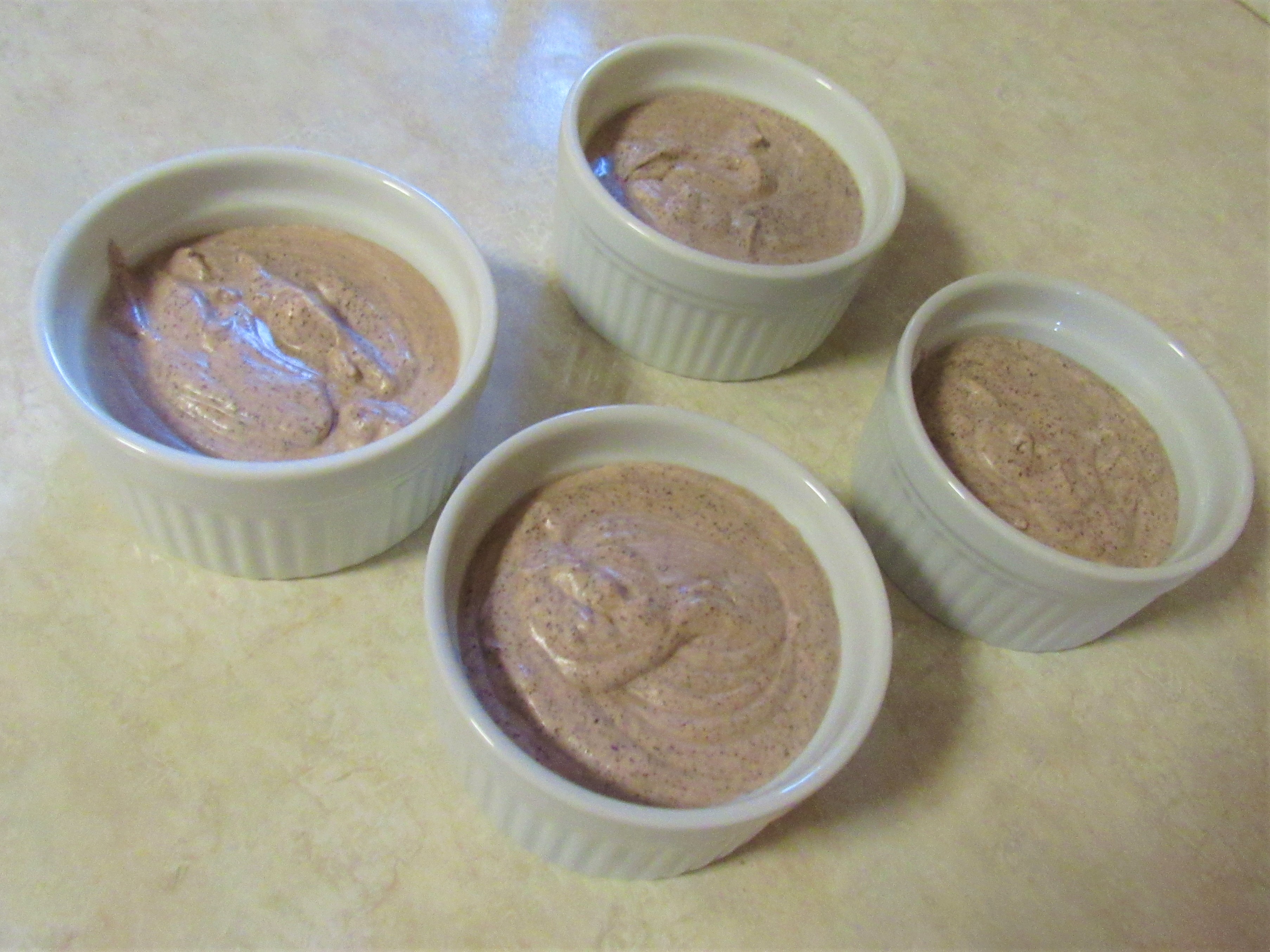
The rest I placed in individual serving ramekins.

Delicious! Smooth and creamy and chocolatey. Everyone who tried this devoured it. This chocolate mousse is a hit!

-Sandra Merville Hart

Sources

Revised by Cunningham, Marion and Laber, Jeri. The Fannie Farmer Cookbook, Alfred A Knopf Inc., 1983.


Meatloaf Recipe

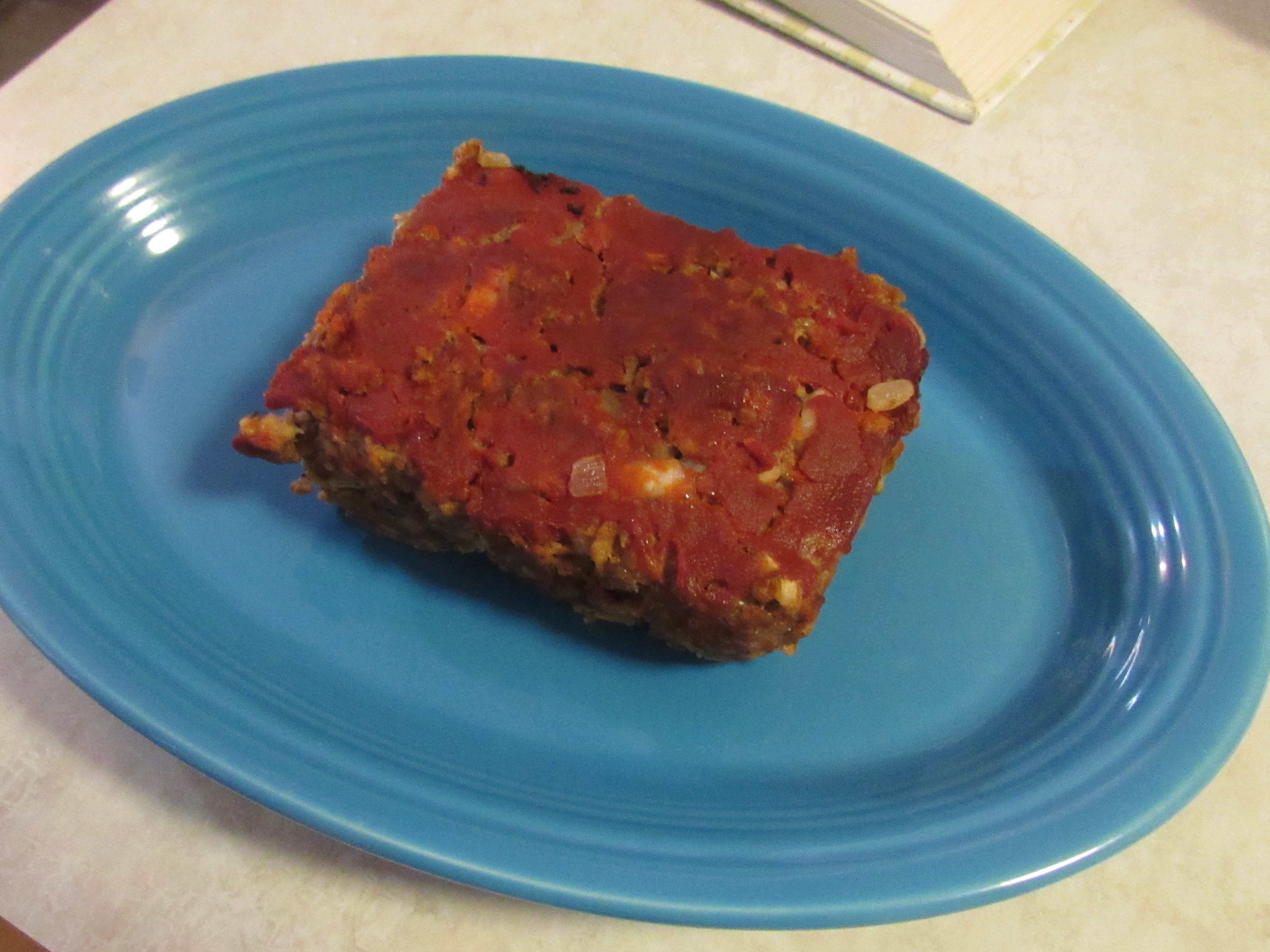
When I was a child, meatloaf was a staple in my home. I don’t know my mom’s recipe so I rarely make it. When I found this recipe in The Fannie Farmer Cookbook, I was excited to try it.

The cookbook offers a few variations of its standard recipe. I chose Meat Loaf with Parsley and Tomato. I chose to remain light (1/2 teaspoon of dried) on the parsley because it called for ¼ cup of minced parsley and I know from past experience that this seasoning packs of lot of flavor.

Preheat oven to 350 degrees.

Chop one onion and set aside. (I didn’t use the whole onion because it was too much for my taste. Instead I used about ¾ of a medium-sized onion.)

Prepare two cups of freshly made bread crumbs or buy them. I like the flavor of Panko bread crumbs, so I used them. (It was a great choice!)

Butter two loaf pans or use cooking spray.

Mix together 2 cups of bread crumbs with the reserved chopped onion. Add 2 pounds of ground beef and mix together. (I find using my hands is easier than a spoon.)

Then stir in 2 slightly beaten eggs, 1 ½ teaspoon salt, ½ teaspoon ground black pepper, ½ teaspoon parsley, ½ teaspoon basil, and ¾ cup tomato sauce. Blend this all together.

Divide it into two and pat it into place in the loaf pans. Pour ¾ cup tomato sauce on the top of the unbaked loaves.

Bake for 45 minutes.

This is a good recipe. I liked the texture. When hot, I tasted the basil and thought about omitting it for the next time. Then I had a cold meatloaf sandwich the next day. Yum! The basil is not as strong in cold meatloaf.

This comforting dish gave me a nostalgic feeling for all those childhood suppers. I hope you enjoy it, too.

-Sandra Merville Hart

Sources

Revised by Cunningham, Marion and Laber, Jeri. The Fannie Farmer Cookbook, Alfred A Knopf Inc., 1983.


Using Food to Enhance Story Settings

Today’s post has been written by JPC Allen, friend and fellow author in “Christian Fiction Off the Beaten Path”—welcome to Historical Nibbles, JPC!

Food, like music, is a universal language. People connect with one another over mutual likes, dislikes, cooking techniques, and fond experiences with food. Writers can connect with readers using food to explore characters, enhance settings, and establish plot points.

Explore character

In my YA Christmas mystery, “A Rose from the Ashes”, my main character is Rae Riley, a nineteen-year-old, who is living on her own in a tiny apartment on the salary she makes as clerk at a library. She often mentions food, especially snagging free food at a church lunch or Christmas party.

All these remarks about food tell readers, without actually stating it, that Rae doesn’t have much money. It’s a concern for any young adult, and I hope it makes a connection with readers.

Enhance setting

Two scenes in “A Rose from the Ashes” are centered around food. One is a church lunch. Rae is invited by a grandmother to eat with her family. The aromas of chili and soup make Rae hungry. She stays to clean up after the lunch to see if she can get any leftovers to take home. These activities with food show how Rae is welcomed at the church. The grandmother has given Rae homemade food in the past, demonstrating that she cares for Rae.

Establish plot points

If I need to slow the narrative, a great way to do it is to sit my characters down to a meal. It’s also a very effective way to impart information to the reader as my characters talk while they eat. But I have to be careful and not take this opportunity to dump too much information.

What memorable meals have you read about in books?

-JPC Allen

JPC Allen is holding a book giveaway on her site! Click here for details.
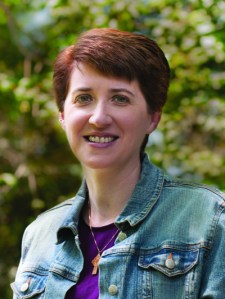
 

BIO

JPC Allen started her writing career in second grade with an homage to Scooby Doo. She’s been tracking down mysteries ever since. A former children’s librarian, she is a member of ACFW and has written mystery short stories for Mt. Zion Ridge Press. Online, she offers writing tips and prompts to beginning writers. She also leads writing workshops for tweens, teens, and adults, encouraging them to discover the adventure of writing. A lifelong Buckeye, she has deep roots in the Mountain State. Join the adventure on her blog.
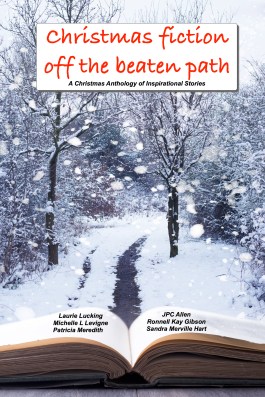
 

Book Blurb

Christmas fiction off the beaten path

 Not your Granny’s Christmas stories …

Step off the beaten path and enjoy six stories that look beyond the expected, the traditional, the tried-and-true.

Inspired by the song, “Mary Did You Know?” – a mother’s memories of events leading up to and following that one holy night. MARY DID YOU KNOW? By Patricia Meredith

A young woman seeking her own identity searches for the man who tried to kill her and her mother on Christmas Eve twenty years before. A ROSE FROM THE ASHES. By JPC Allen

Princess, tower, sorceress, dragon, brave knight, clever peasant – combine these ingredients into a Christmas-time story that isn’t quite what you’d expect. RETURN TO CALLIDORA. By Laurie Lucking

Anticipating tough financial times, the decision not to buy or exchanged presents leads to some painful and surprising revelations for a hardworking man and his family. NOT THIS YEAR. By Sandra Merville Hart

Years ago, a gunman and a store full of hostages learned some important lessons about faith and pain and what really matters in life – and the echoes from that day continued to the present. THOSE WHO STAYED. By Ronnell Kay Gibson

A community of refugees, a brutal winter, a doorway to another world – a touch of magic creating holiday joy for others leads to a Christmas wish fulfilled. CRYSTAL CHRISTMAS. By Michelle L. Levigne

Amazon, Barnes and Noble, 24Symbols, Kobo


Fannie Farmer’s Tips for Cake Flour

I purchased The Fannie Farmer Cookbook in an antique store. This book was originally published in 1896. Fannie Farmer’s name is still well-known today.

In the chapter for Cakes, the author gives some tips about the ingredients.

It turns out there are a few decisions to make about the flour used in recipes.

Firstly, all flour should be stored in airtight containers.

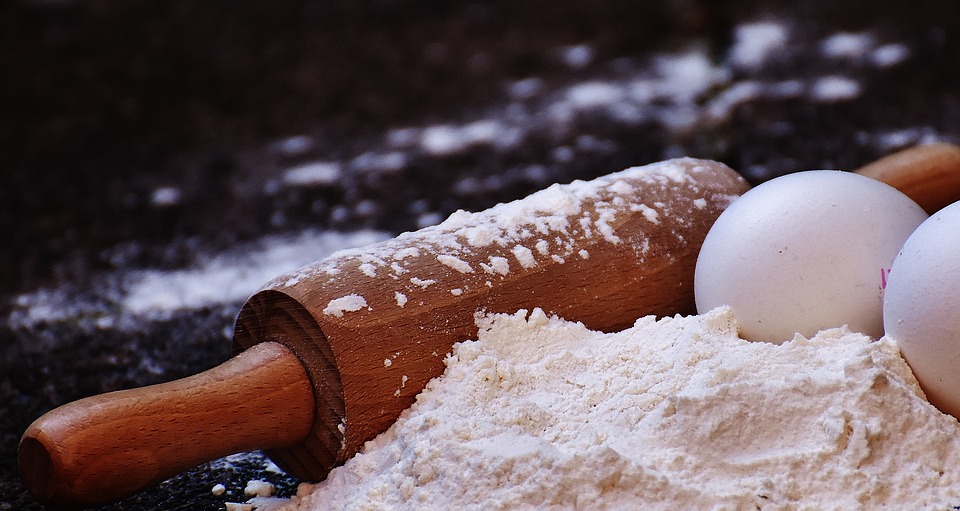
Secondly, some recipes call for cake flour, which has less gluten and more starch than all-purpose flour. Cake flour makes lighter cakes and can be used in any cake recipe.

Cakes made with all-purpose flour are also good, though sometimes using cake flour makes a significant difference.

Tip: If you don’t have cake flour on hand: for every cup of all-purpose flour, use 2 tablespoons less of flour in the recipe. Alternately, if you have cake flour and want to substitute it for all-purpose flour, use 2 tablespoons more of cake flour for every cup.

Thirdly, don’t use quick-mixing all-purpose flour as a substitute for cake flour. Also, don’t substitute with self-rising flour because it has both leavening and salt.

Fourthly, sifting lightens flour and mixes the dry ingredients. In older recipes, all flour was supposed to be sifted. However, flour is sifted many times during the packaging process today (1896) and the cookbook authors found that this extra step of sifting flour made no difference, except in refined cakes like angel food or sponge cakes because lighter flour makes it easier to fold in beaten egg whites.

When not sifting the flour, scoop it into the measuring cup and the level it off with a knife.

-Sandra Merville Hart

Sources

Revised by Cunningham, Marion and Laber, Jeri. The Fannie Farmer Cookbook, Alfred A Knopf Inc., 1983.


Economical Dinner Suggestions

We all have our “go to” choices for inexpensive suppers when we’re waiting for that next paycheck.

The author of 1877 Cookbook Buckeye Cookery and Practical Housekeeping included several meal choices for economical dinners.

First suggestion:

Spare ribs, cabbage, roast potatoes, rice pudding, and fruit.

Second suggestion:

Codfish, egg sauce, parsnips, horseradish, Lancashire pie, pickles, bread, and custard pie.

Third suggestion:

Boiled pork, beans, greens, potatoes, and green currant pie.

Fourth suggestion:

Fish, baked tomatoes, potato cakes, applesauce, and bread pudding.

Fifth suggestion:

Boiled beef, boiled potatoes, squash, lima beans, sliced tomatoes, and apple tapioca pudding.

Sixth suggestion:

Roast beef and potatoes, meatless bean soup, apple butter, macaroni with cheese, and custard pie.

Seventh suggestion:

Broiled chicken, meatless tomato soup, turnips, fricasseed potatoes, fresh fruit, and tomato toast.

What a list! There are some good ideas here. I had to look up Lancashire pie—it’s a potato and onion pie. I think I’ll have to try this soon.

Chicken is more of a supper staple than fish at our house, but if we lived beside the lake or ocean that might not be the case.

How about you? Did you find any gems in these lists?

-Sandra Merville Hart

Sources

Compiled from Original Recipes. Buckeye Cookery and Practical Housekeeping, Applewood Books, 1877.


Corn Rolls Recipe

The author of 1877 Cookbook Buckeye Cookery and Practical Housekeeping included meal suggestions. A fall breakfast meal suggestion is: fried trout; Graham mush; beef croquette; pork steak; boiled Irish potatoes; baked sweet potatoes; bread; corn rolls; coffee; and cocoa. I imagine an everyday breakfast did not include all these dishes.

The cookbook includes recipes for some of these. Today I’m sharing one for corn rolls from cook Mrs. Capt. J.P. Rea.

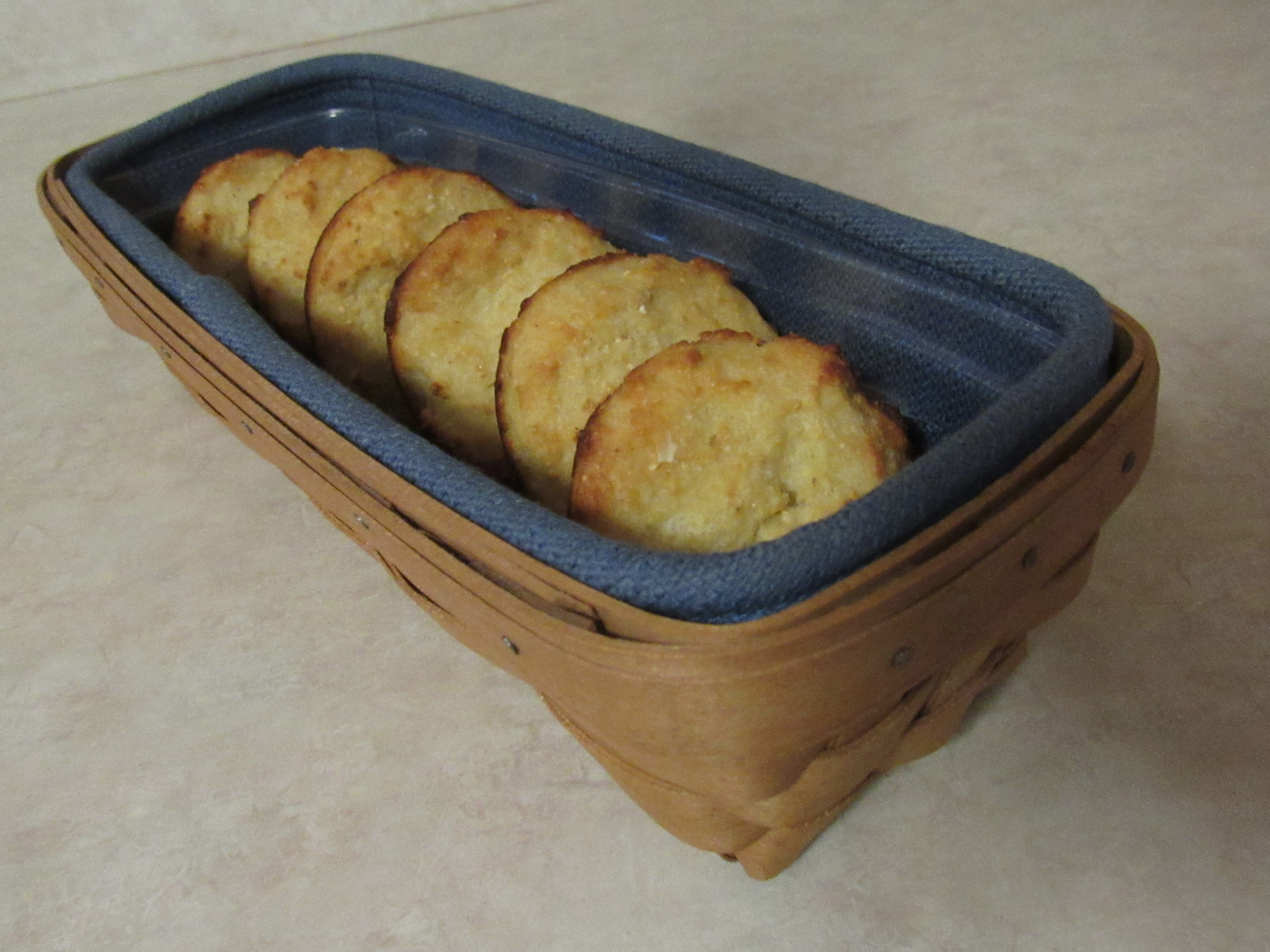
If you happen to own a gem pan, bake these in it.

Preheat oven to 425 degrees. Spray cooking spray on a muffin pan.

Beat 3 eggs and set aside.

Combine 2 cups of corn meal, 2 tablespoons of sugar, and 1 teaspoon of salt in a medium mixing bowl. Mix well.

In a small saucepan, heat 2 cups of milk to boiling. Then add the milk to the corn meal mixture. Allow this to cool and then stir in the eggs.

Spoon the batter into the prepared muffin pan.

Bake at 425 degrees for about 25 minutes.

I tasted a bit of sweetness from the sugar in these rolls so it was slightly sweet corn muffin. It’s a nice, easy recipe that can be prepared from ingredients usually stocked in pantries. Enjoy!

-Sandra Merville Hart

Sources

Compiled from Original Recipes. Buckeye Cookery and Practical Housekeeping, Applewood Books, 1877.


Corn Mush Recipe

The author of 1877 Cookbook Buckeye Cookery and Practical Housekeeping included meal suggestions. A spring breakfast meal suggestion is: fried ham; Graham bread: fried mush; scrambled eggs; radishes; potatoes boiled in jackets; coffee; tea; and chocolate. What time would you have to get up?!? 😊

The cookbook includes recipes for some of these. Today I’m sharing one for corn mush from Mrs. W.W. Woods, the 1877 cook.

Mrs. Woods gave no ingredient measurements so I looked at a few modern recipes to give me an idea how much water to boil.

Preheat oven to 375 degrees. Spray cooking spray or grease a skillet or loaf pan.

Boil 3 cups of water in a large saucepan. Stir in ½ teaspoon of salt.

A LITTLE BIT AT A TIME, add 1 cup of cornmeal to the boiling water. Prevent lumps by sifting the cornmeal through your fingers. Stir constantly over medium high heat until all the cornmeal is added.

Remove from the burner. Because it’s difficult to boil the mush thoroughly enough to cook it without scorching, Mrs. Woods put her kettle directly into the oven and baked it for an hour. Since she recommended stirring the mixture using a 2-foot paddle with a 2-inch blade that was 7 inches long, it’s safe to say she made huge batches at a time. My “paddle” was an ordinary wooden spoon! 😊

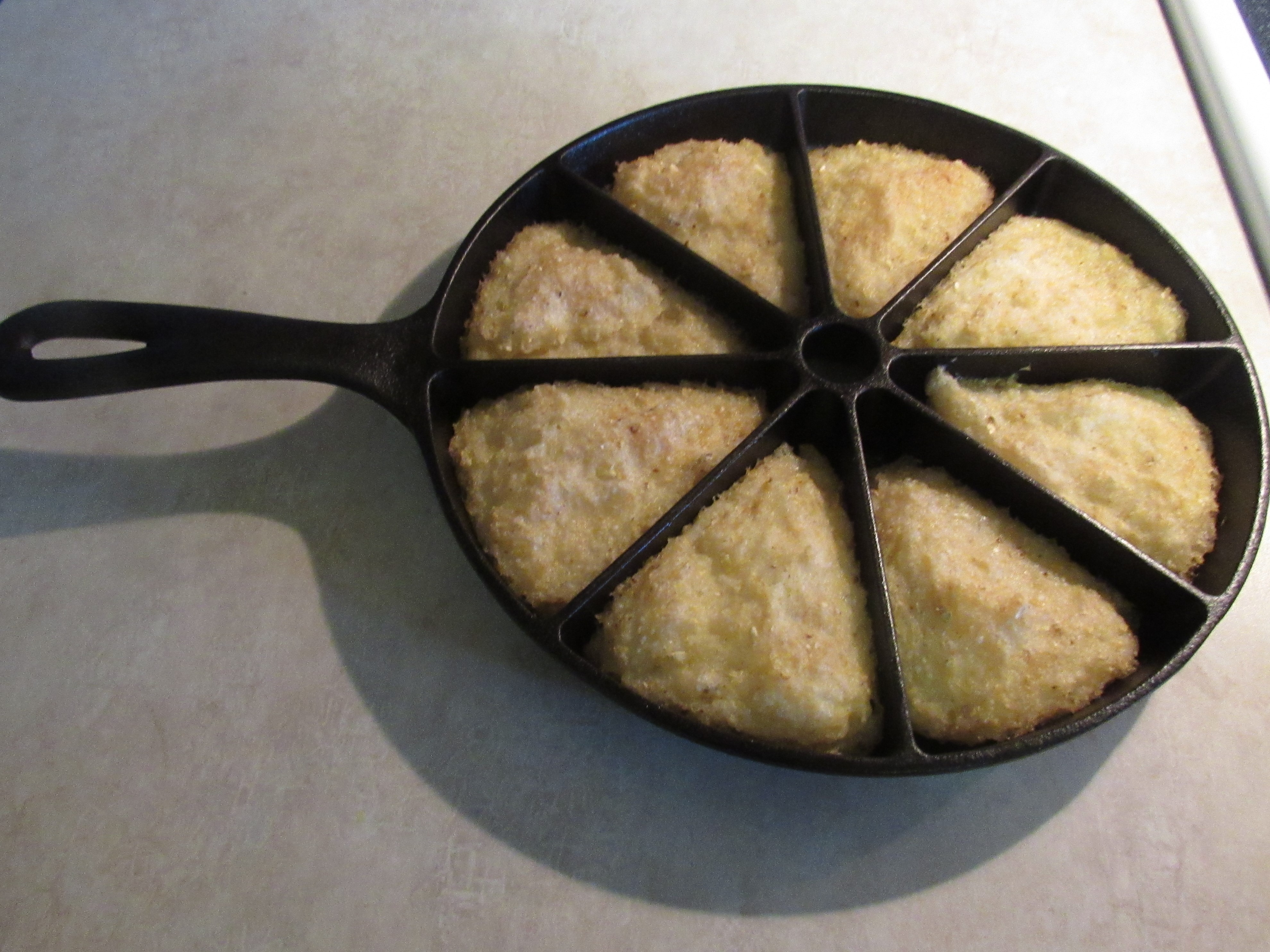
I transferred the mush to a sectioned-skillet for baking and it still took about an hour. I then chilled it in the fridge for frying later. (Baking and chilling the mush in a loaf pan makes it easier to slice for frying.)

Once chilled, beat 2-3 eggs in one bowl. Bread crumbs should go in a different bowl.

While the Crisco or lard heats, dip the mush slices into the egg mixture and then the bread crumbs. Fry until golden brown.

I enjoyed the baked corn mush as a nice side dish. The fried mush was delicious—I liked it better than I imagined I would. Frying the mush enhanced the flavor. I liked it both baked and fried. To save the calories, I’d eat it baked.

-Sandra Merville Hart

Sources

Compiled from Original Recipes. Buckeye Cookery and Practical Housekeeping, Applewood Books, 1877.


Welsh Rarebit Recipe

I found this recipe in my 1877 Cookbook Buckeye Cookery and Practical Housekeeping and was surprised to discover this is really a type of open-faced grilled cheese. Modern recipes used a creamy cheese sauce. This old-fashioned recipe actual talks about both types.

Preheat oven to 425 degrees.

Toast 4 slices of bread. (I used rye bread for myself and white bread for my husband.)

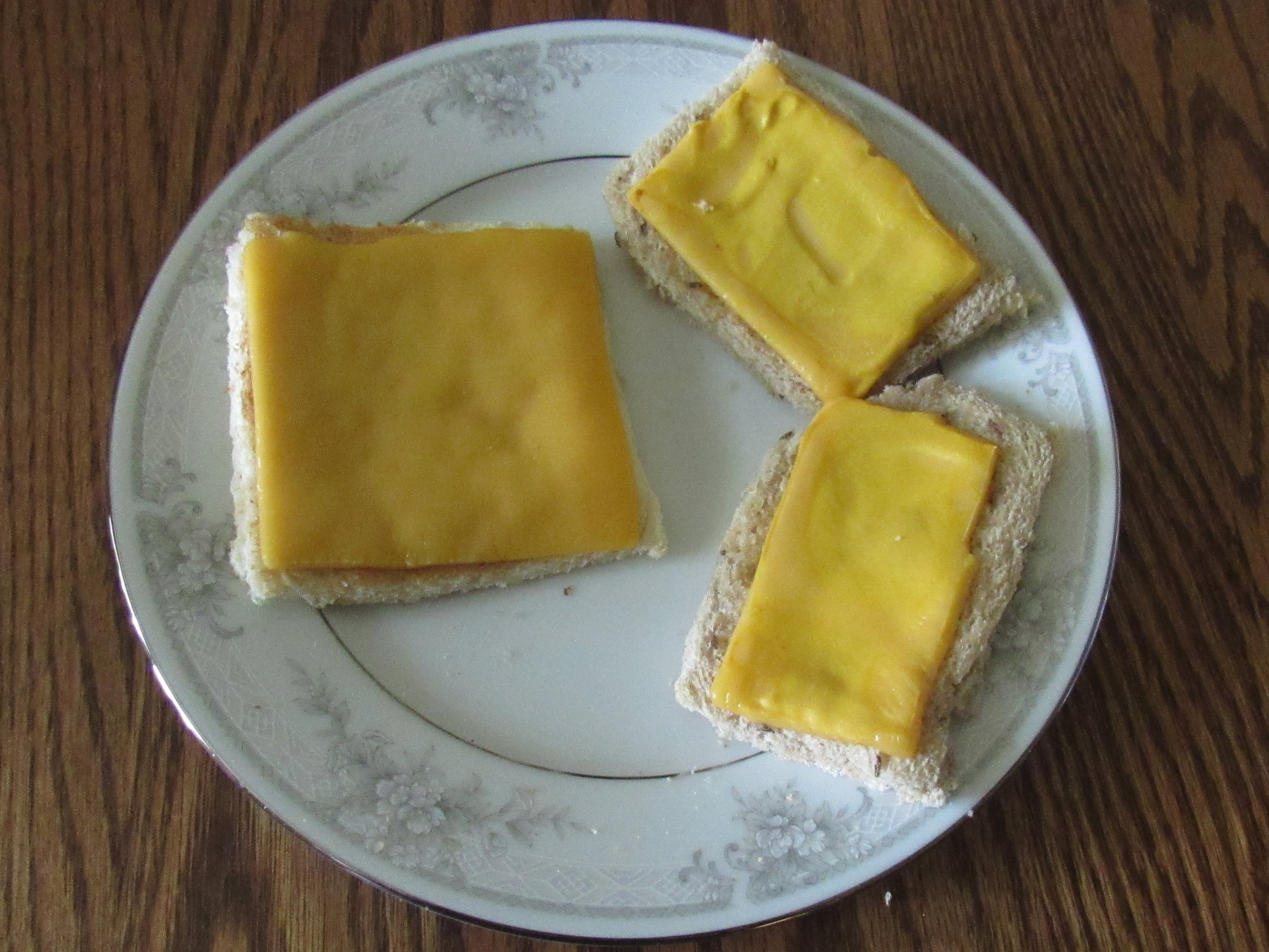
Cut the crusts off the toasted bread. Spread butter over the toast. Add a layer of cheese. (I used American cheese, but vary this for your favorites. Shredded cheeses will also work.)

Spread a thin layer of mustard on top of the cheese. Place the prepared slices on a pie plate or cookie sheet. Heat these in the oven until the cheese melts.

Serve immediately.

This is a tasty, fun way to put a spin on grilled cheese sandwiches.

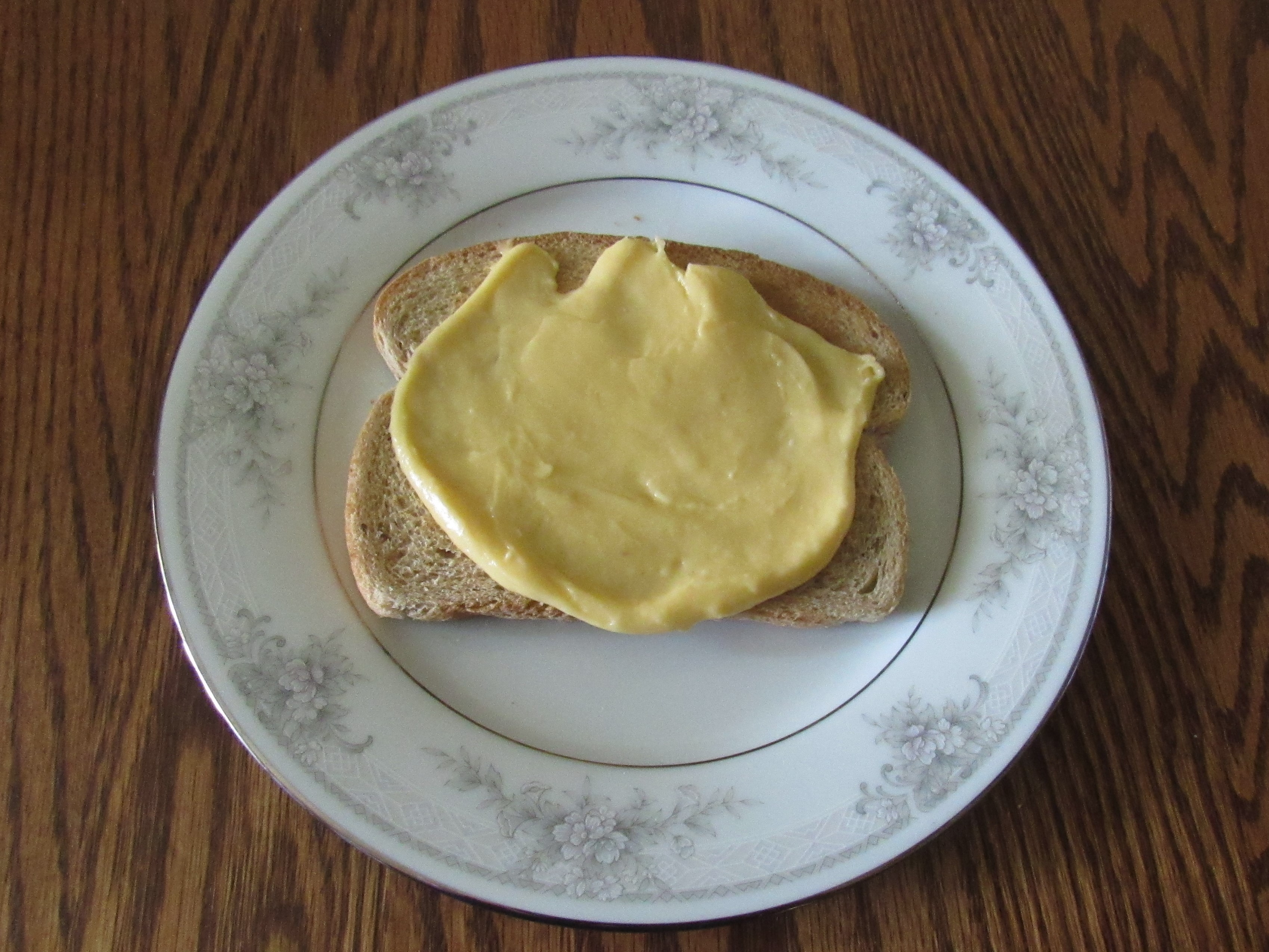
The 1877 cook gave a second option of toasting the bread and adding melted cheese, which seems to be the more modern version. She gave no recipe for this, so I’ll give mine.

Over medium heat, melt 2 tablespoons of butter in a saucepan and then stir in a tablespoon of flour. Pour in ½ cup of cream (makes a thick, creamy sauce or use milk for a thinner sauce.) Stir constantly until it begins to bubble. (It can scorch easily.)

Remove the pan from the burner. Then add about 1/4 cup of cheddar cheese. I added a little American cheese because cheddar doesn’t melt smoothly.

Stir until smooth and spoon over toast.

I liked this second option even better. The creamy cheese was another variation on the classic sandwich—and very filling.

-Sandra Merville Hart

Sources

Compiled from Original Recipes. Buckeye Cookery and Practical Housekeeping, Applewood Books, 1877.


Economical Breakfast Suggestions

A few dishes we might think of today for inexpensive breakfasts include cereal, oatmeal, scrambled eggs, toast, and pancakes.

The author of 1877 Cookbook Buckeye Cookery and Practical Housekeeping included meal choices for economical breakfasts back in her day.

Her first suggestion:

Ham and eggs, baked potatoes, hash, hominy, and Graham gems (Graham muffins) with coffee to drink.

Her second suggestion:

Breakfast stew or fish, tomatoes, fried Graham mush, applesauce, potatoes, and either toast or cornbread. Coffee to drink.

It’s funny how 140 years can change our ideas of breakfast foods. Most of us think of hash browns as an acceptable breakfast side dish but not baked potatoes.

Ham and eggs are still a staple and I serve applesauce for breakfast, but what about hominy? Have you even heard of fried Graham mush?

These are the kind of gems that are hidden in our history—and I love discovering them to include in my novels. 😊

-Sandra Merville Hart

Sources

Compiled from Original Recipes. Buckeye Cookery and Practical Housekeeping, Applewood Books, 1877.


Saratoga Potatoes Recipe

The author of 1877 Cookbook Buckeye Cookery and Practical Housekeeping included meal suggestions. A summertime breakfast suggestion is: nutmeg melons; fried fish; Saratoga potatoes; sliced tomatoes; Minnesota rolls; bread; coffee; tea; and chocolate.

The cookbook includes recipes for some of these. Today I’m sharing one for Saratoga Potatoes from Mrs. Jasper Sager.

I quickly scanned the recipe for what I thought were fried potatoes—a breakfast side dish. I was wrong.

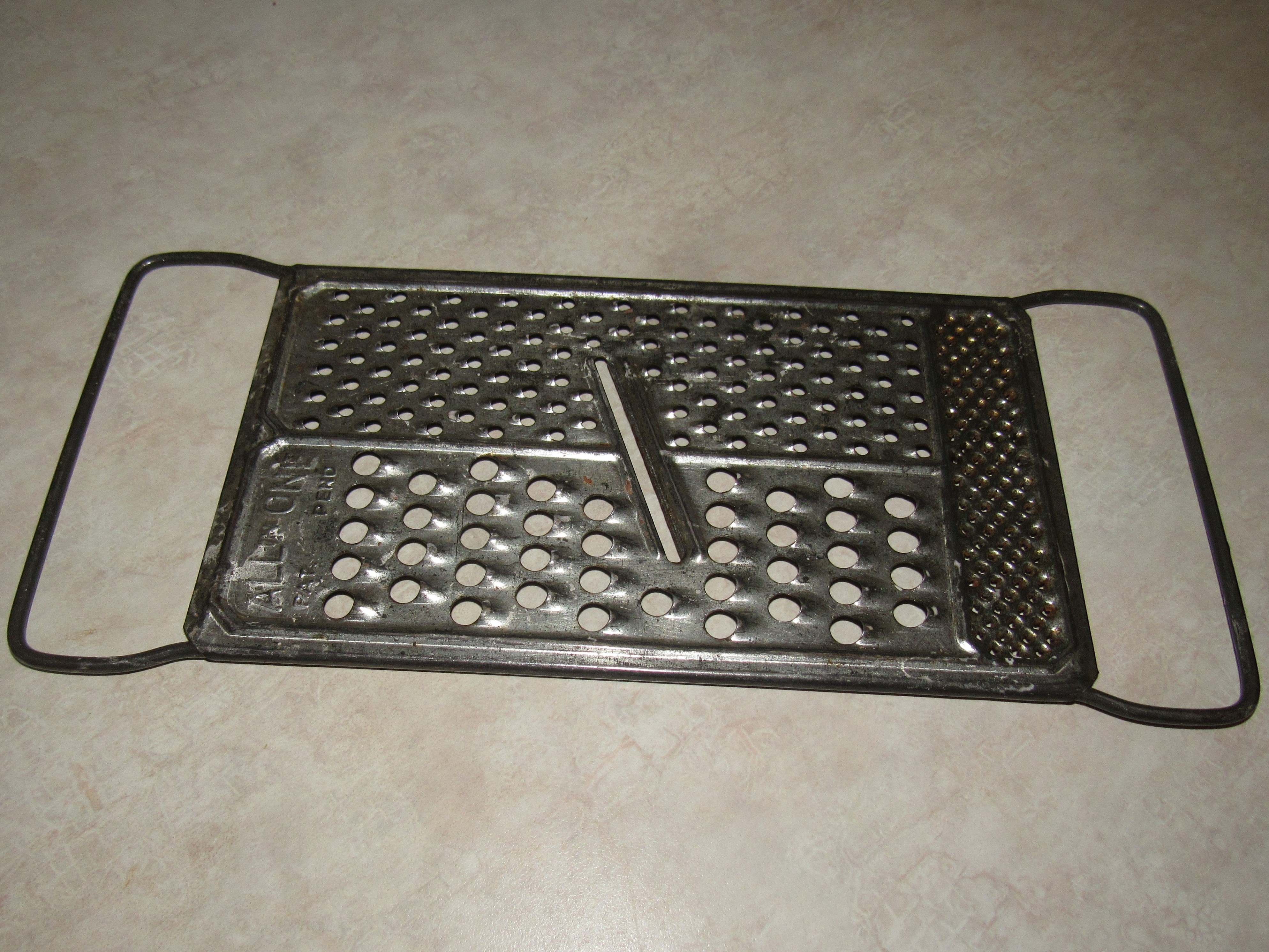
Pare (peel) four large potatoes. Slice them thinly in a slaw cutter. I have my mother’s slaw cutter that we used to shred cabbage, carrots, cheese, etc. It has a slicer in the middle that looked promising for producing thin potato. It worked beautifully.

It wasn’t until I saw the paper-thin slices that I realized I was making potato chips. I’ve eaten Saratoga chips at restaurants but never made them.

Slice the potatoes lengthwise for larger chips.

Place the sliced potatoes in ice water as they can brown quickly when exposed to air.

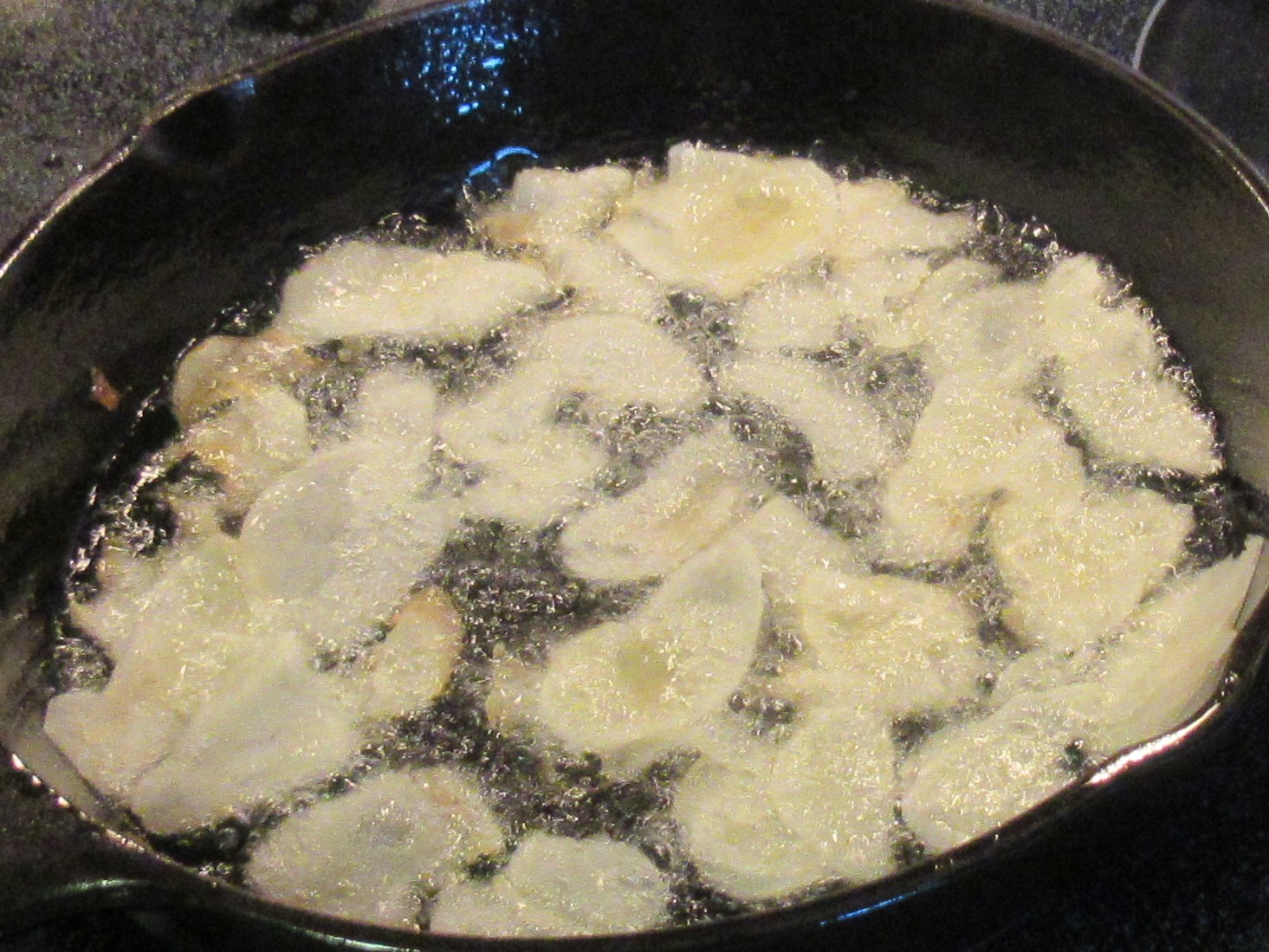
Mrs. Sager used “boiling lard” to fry her potatoes. I don’t own a deep fryer—my cast iron skillet worked fine.

I heated shortening over a medium-high heat. To prevent possible burns, I didn’t allow it to boil.

As the shortening melts, pick up a handful of potatoes and gently squeeze the excess water from them. Then place on a clean towel or paper towel and dry thoroughly. (I went through three towels with this batch.)

When the oil is hot enough, place dried potato slices into the skillet a few at a time. Try not put them on top of each other. Cook carefully on both sides until they are lightly browned. Remove potatoes and drain on paper towels.

I asked my husband to taste the first batch to see if they were overdone, underdone, or just right.

“These are good.” He filled a plate and began munching.

Apparently, they were just right.

Frying them a handful at a time required several batches. As each batch takes a minute or less, these were quickly done.

I took some to my sister’s house a couple of hours later. Her family loved them. They must be eaten soon after frying. I think I’ll make these as a fun novelty dish for an upcoming picnic.

What surprised me most is that potato chips were considered breakfast food in the 1870s! Our teenagers had told us for years that snacks like chips are breakfast food. Did they read this cookbook??? 😊

History is filled with surprises. That’s why I love learning about our past.

-Sandra Merville Hart

Sources

Compiled from Original Recipes. Buckeye Cookery and Practical Housekeeping, Applewood Books, 1877.