Graham Muffins Recipe

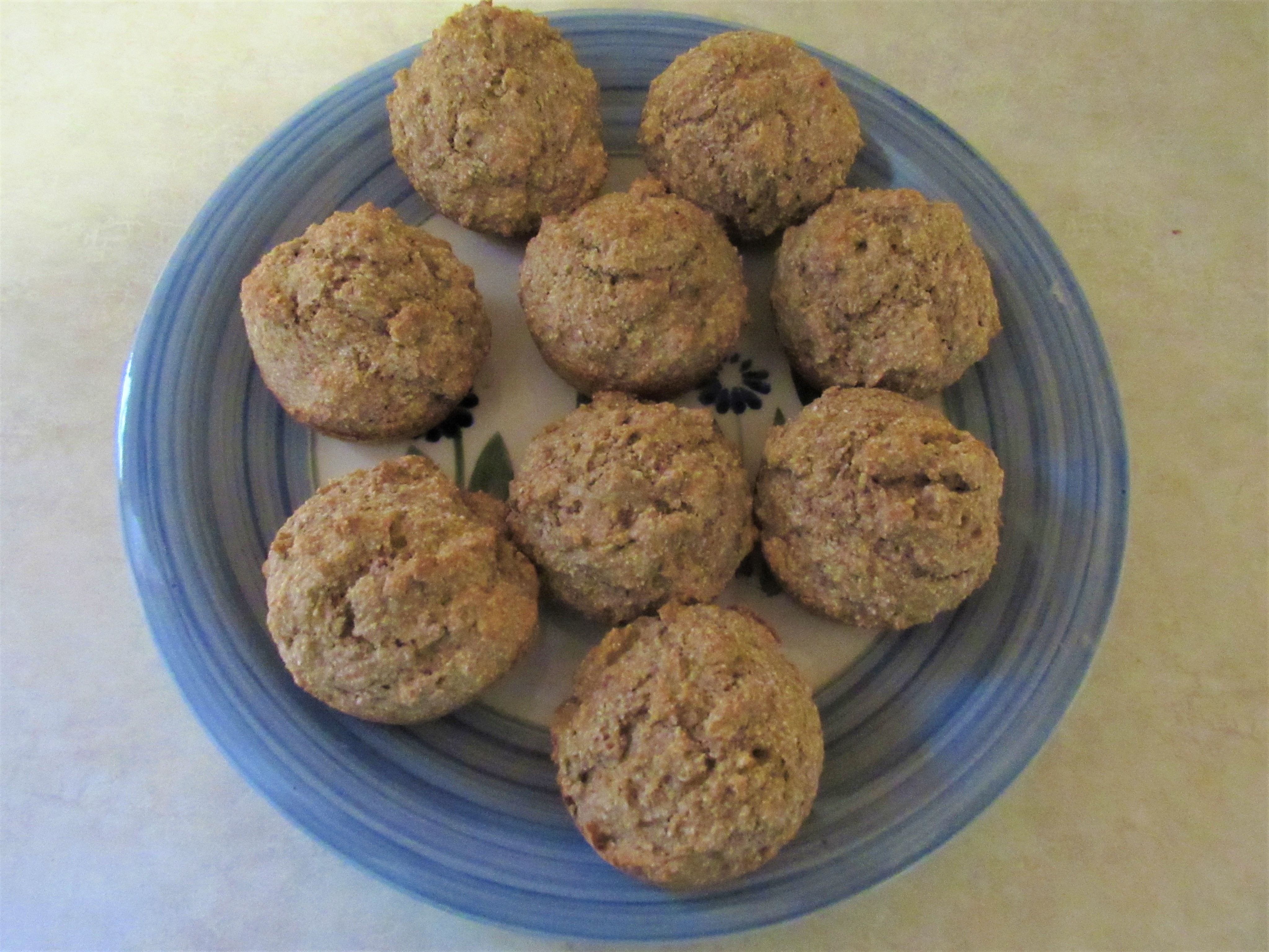
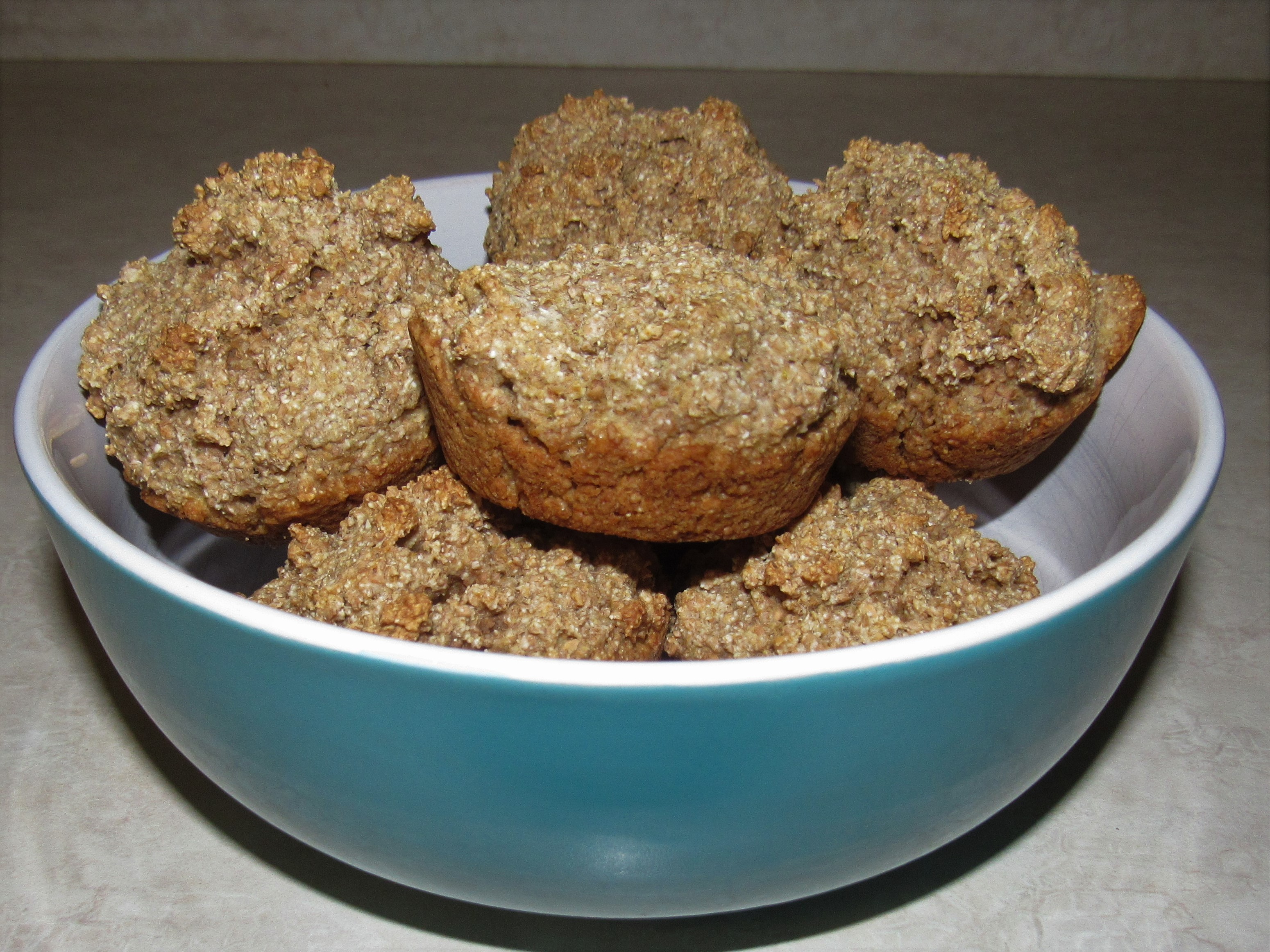
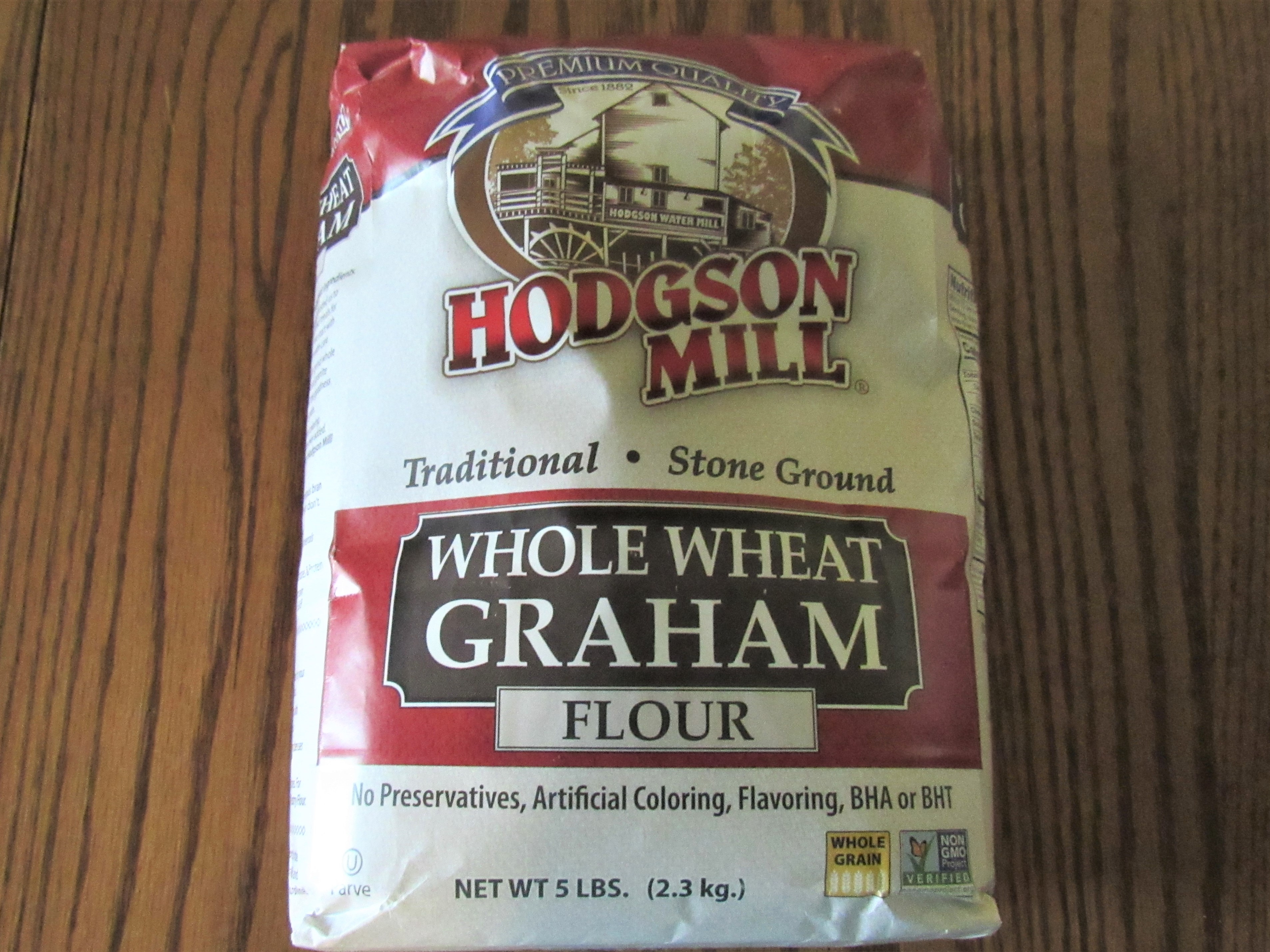
I bought some Whole Wheat Graham Flour for another recipe and had plenty left to try this 1870s recipe for Graham Muffins from Mrs. R. L. Partridge.

Preheat oven to 425 degrees. Spray cooking spray on a muffin pan or use cupcake liners.

The first ingredient is 1 cup of sour milk. To make this, stir 1 tablespoon of vinegar or lemon juice per cup of milk. (If you don’t have either of these, use 1 teaspoon of cream of tartar.) Set it aside to rest for 5 minutes.

In a separate bowl, mix 1 ½ cups Graham flour, ½ teaspoon of baking soda, and ½ teaspoon of salt.

Stir 1 tablespoon of brown sugar into the sour milk.

Add the Graham flour mixture and stir well. Spoon the batter into the prepared muffin pan.

Bake at 425 degrees for 15 minutes.

These hearty gems reminded me of bran muffins. They are dense and rather plain. I put apple butter on it, which tasted delicious.

I recently made Good Graham Gems. The recipe has a few more ingredients but these muffins taste very similar to them.

-Sandra Merville Hart

Sources

Compiled from Original Recipes. Buckeye Cookery and Practical Housekeeping, Applewood Books, 1877.

Eating Hearty in 1896

Today’s post was written by fellow author and friend, Linda W. Yezak. I loved learning about the Harvey Girls in Linda’s novella, Loving a Harvey Girl, from the Smitten Collection “The Cowboys.” It’s so wonderful for me to be in this Western romance collection with three other talented authors! Welcome to Historical Nibbles, Linda!

Back when the Atchison, Topeka, and the Santa Fe Railroads were the travel mode of choice, restauranteurs learned how to get more than their fair share of the passengers’ coins. As the train engineers replenished the water for their steam engines, hungry passengers would file to the establishments in search of food and refreshment. But often the locals got dollar signs in their eyes and honesty floated out the window. Special tricks included overcharging the out-of-towners, scraping leftovers together and serving them to the next crowd, and accepting pay in advance for food that wouldn’t be served before the train left the station.

That’s where Fred Harvey came in. Around 1870, he approached the president of the ATSF railway, Charlie Morse, about an idea to open Harvey House restaurants and hotels all along the train’s stops to assure great food at a fair price to the passengers. Within fifteen years, he had seventeen Harvey Houses, all staffed by women he picked, generally from “back east,” and trained in Kansas.

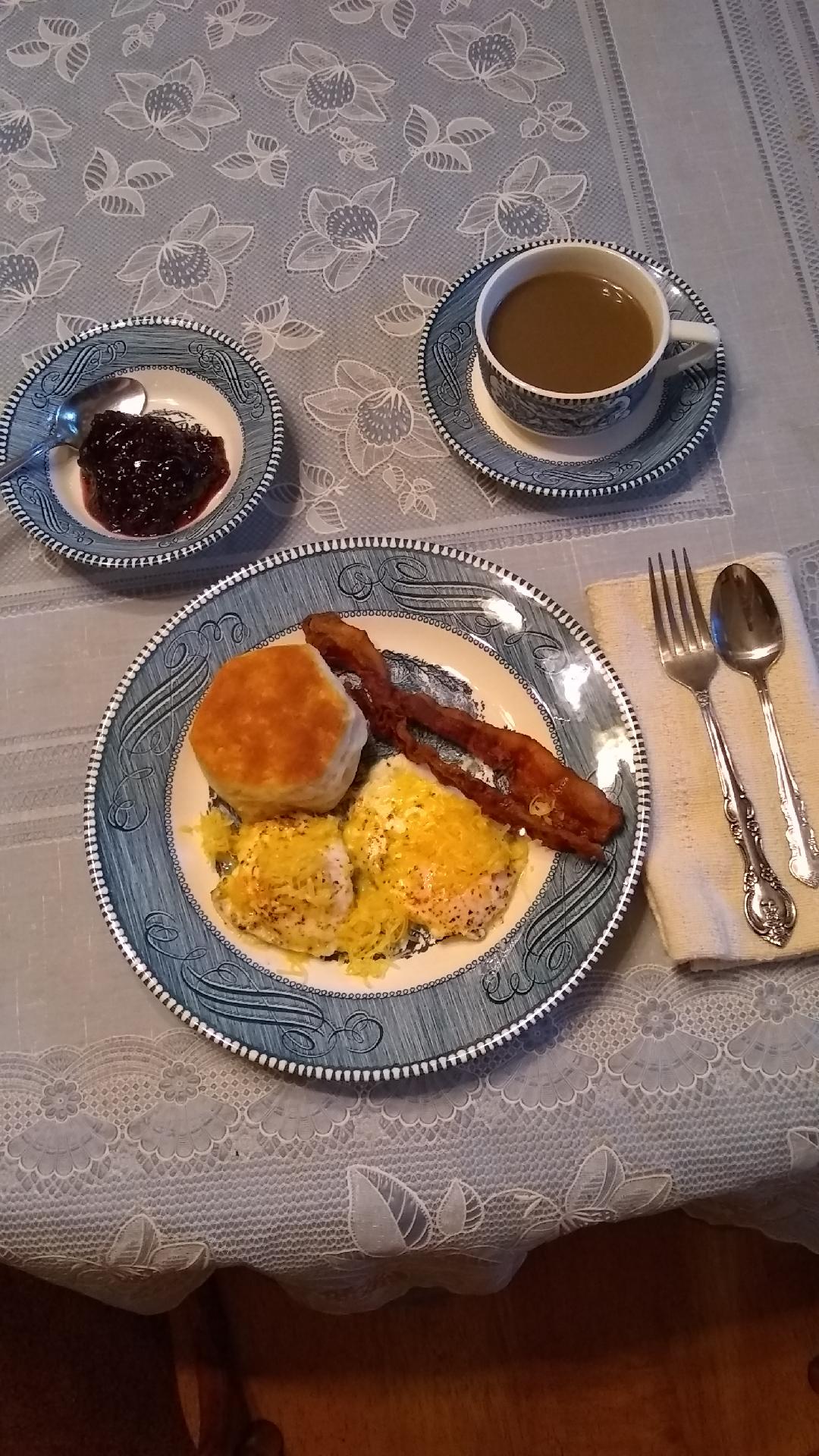
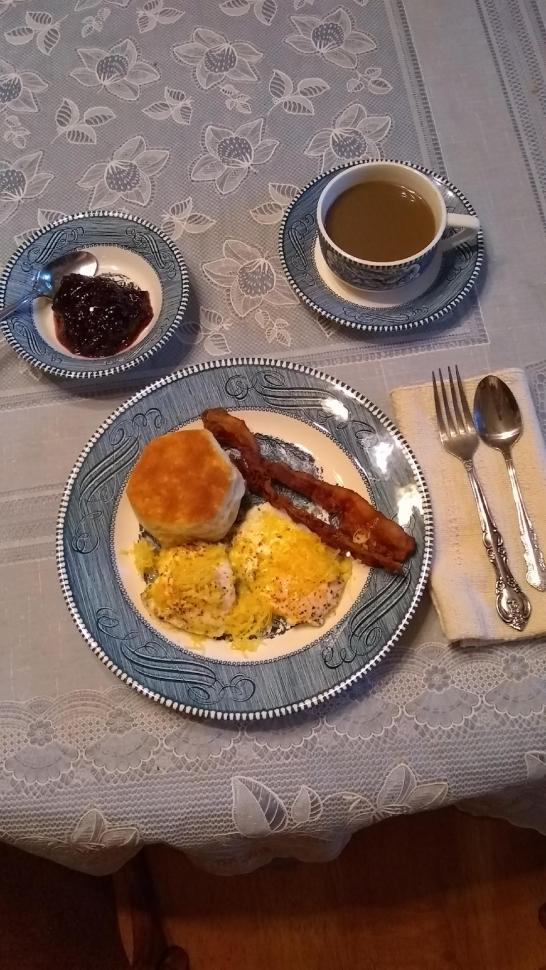
By 1896, Fannie Farmer published her cookbook, The Boston Cooking-School Cookbook, that came complete with actual measurements. Until that point, a pinch of this and a heap of that probably made up the instructions in most recipes. Though the title indicates the cookbook was from Boston, I imagine it became a staple across the nation before long, and it wouldn’t surprise me if ol’ Fred Harvey didn’t use it himself for his restaurants. If he did, I’d be willing to bet “Eggs à la Suisse” would be one of the Harvey Girls’ favorites among the breakfast dishes. Incredibly easy to make, this dish could feed lots of people in no time, but this recipe is just for two—or maybe one, depending on how hungry he is.

4 eggs

½ cup cream

1 tablespoon butter

2 tablespoons shredded cheese

salt

pepper

cayenne

Melt the butter in a small omelet pan, then add the cream. As the cream warms up, slip the eggs in one at a time. Sprinkle with the seasonings. When the whites get firm, top the eggs with cheese and serve hot.

Combine this with bacon and biscuits, and you have a hearty meal.

-Linda Yezak

Linda Yezak

About Linda

Linda W. Yezak lives with her husband and their funky feline, PB, in a forest in deep East Texas, where tall tales abound and exaggeration is an art form. She has a deep and abiding love for her Lord, her family, and salted caramel. And coffee—with a caramel creamer. Author of award-winning books and short stories, she didn’t begin writing professionally until she turned fifty. Taking on a new career every half century is a good thing. Connect with her on her website , Amazon page , and BookBub.

Loving a Harvey Girl by Linda W. Yezak

Eva Knowles can’t imagine why the local preacher doesn’t like Harvey Girls—women who work serving tables instead of finding a husband and falling in love. But if Eva can get the handsome and wayward cowboy Cal Stephens to join her in church, maybe the reverend will accept the girls. Or maybe she’ll forfeit her job for a husband, hearth, and home!

Amazon 

Lighthouse Publishing of the Carolinas  Save money and use coupon code SandraMHart for a 20% discount on Lighthouse Publishing books!
Sour Dough Starter Survived Through the Centuries

Today’s post has been written by fellow author and friend, Cindy Ervin Huff. We’ve both written novellas that are included in “The Cowboys” Smitten collection. Cindy’s story in the collection is a page turner! Welcome to Historical Nibbles, Cindy!

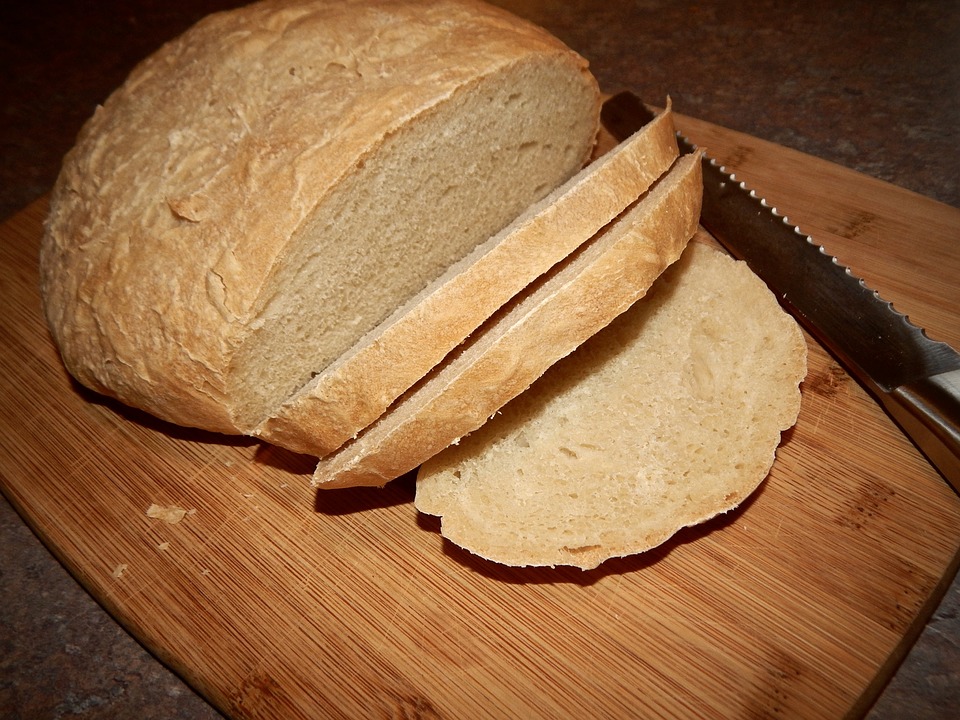
 People often think of sourdough bread as part and parcel of the Old West. You might be surprised to know sourdough bread has been around since ancient Egypt. The naturally occurring yeast in the air is what sours the dough causing fermentation. The fermented goo causes the bread to rise.

Sourdough Bread gets its name from its tangy smell.

Equal parts of flour and water are mixed together and left to ferment to create the mother dough. Salt or sugar are part of the base in some recipes. Each day the mixture is stirred, and more flour and water added. Usually it takes five days before the mixture is bubbly and ready to use. Sourdough starter will live for years if fed daily.

Pioneers heading west kept a crock of sourdough starter secured in their wagon. This hardy starter survived the trail and became a staple in the new homestead. Gifting a neighbor with a cup of sourdough starter was not uncommon. The starters often had different flavors based on their origin. The bacteria in the air in New York is different from the bacteria in San Francisco. Taking a bit of raw dough from the day’s baking and adding it to the starter preserved the unique flavor. It was used for pancakes and other recipes in place of baking powder or yeast.

Most modern sourdough recipes add a teaspoon of yeast to shorten the fermentation time.

Pioneers kept it close at hand and passed the starter down through the generations.

My novella Healing Hearts, part of The Cowboy Collection, is set in 1868. Genny, my heroine, received some starter as a gift from a friend and brought it with her to Kansas.

-Cindy Ervin Huff

About Cindy

Cindy Ervin Huff is a multi-published, award inning author of Historical and Contemporary Romance. She has been featured in numerous periodicals over the last thirty years. Cindy is a member of ACFW, Mentor for Word Weavers. founding member of the Aurora, Illinois, chapter of Word Weavers, and a Christian Writer’s Guild alumni. Visit her on her blog www.jubileewriter.wordpress.com.

Healing Hearts by Cindy Ervin Huff

Lonnie Holt’s external scars remind him of his failures, his internal scars torment him. Genny Collins seeks safety at the ranch once owned by Lonnie’s uncle. When Lonnie and his brother arrive, sparks fly and distrust abounds. While Lonnie and Genny fight the love growing between them, his past haunts him, and her past pays them a visit.

Buy Links to The Cowboys:

Amazon

Lighthouse Publishing of the Carolinas  Save money and use coupon code SandraMHart for a 20% discount on Lighthouse Publishing books!


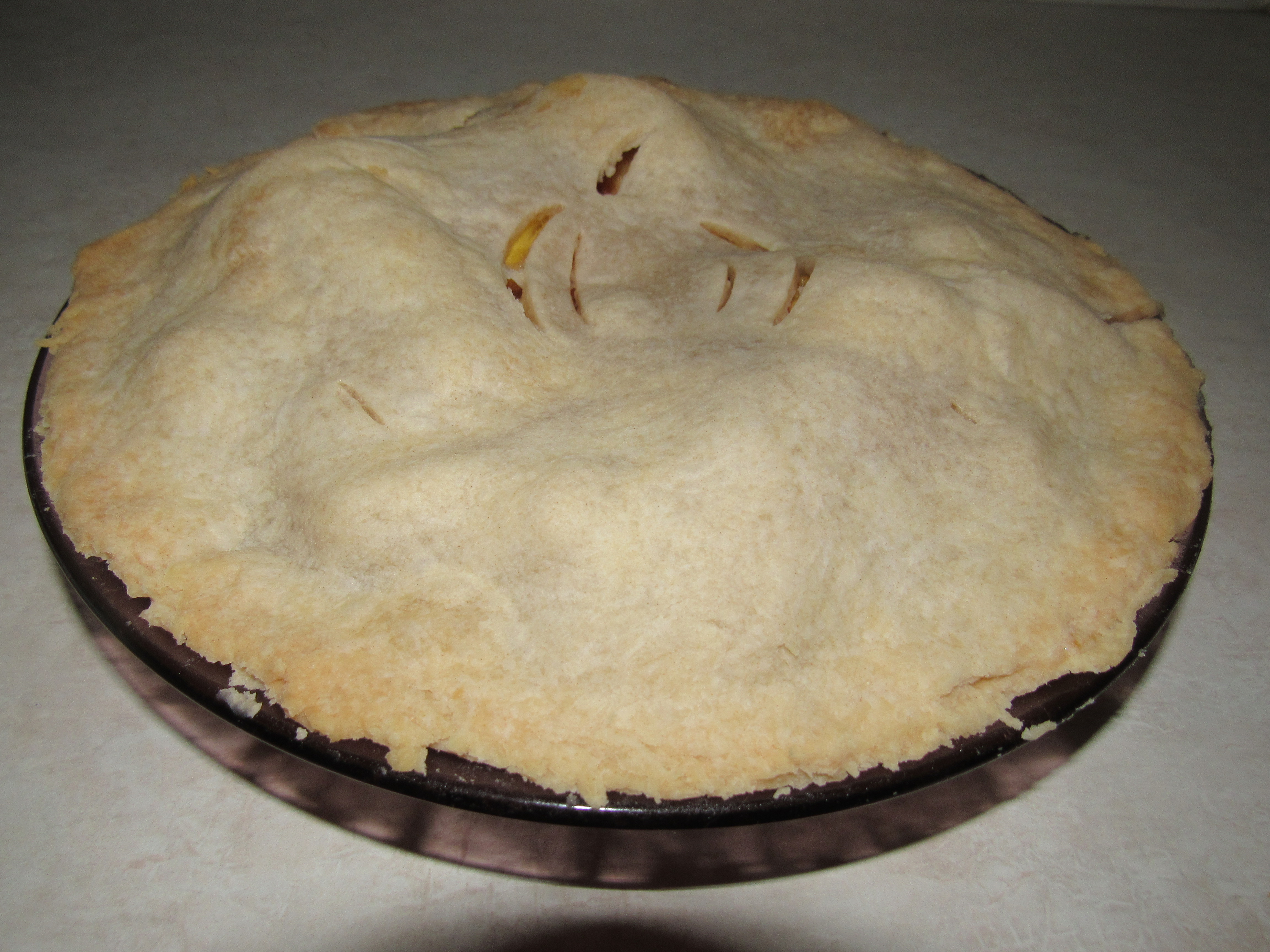
Fresh Peach Pie Recipe

This recipe is from The Fannie Farmer Cookbook, which was originally published in 1896.

Prepare a double-pie crust dough for a 9-inch pie. I used my mom’s pie crust recipe.

Preheat the oven to 425 degrees.

The recipe calls for 4 cups of fresh peaches, peeled and sliced. I used 5 large peaches, which provided more than 4 cups. Fruit cooks down while baking so I tend to be generous with the amounts.

The cookbook gave a hint on peeling the peaches that I remember using years ago. Submerge the peaches into boiling water for 1-2 minutes. Immediately place the fruit into cold water. This softens the skin for easier peeling.

You will need 1 tablespoon of lemon juice. If using fresh lemon, prepare the juice now.

Stir together 1 cup of sugar with 4 tablespoons of flour in a large mixing bowl and mix well. Add the peaches and lemon juice. Toss these together until the sugar mixture coats the peaches completely.

Arrange the fruit in the bottom pie crust and then cover it with a top crust. Crimp sides together and cut several vents.

Bake for 10 minutes on 425 and then reduce to 350 for 30-40 minutes, until browned.

This pie is delicious! Though it is a little sweet, I loved it. Fresh peach pie is a delicious dessert on a hot summer day.

Abby Cox, the main character in my Trail’s End novella in “The Cowboys” collection, runs a restaurant in Abilene, Kansas, in 1870. Wade Chadwick, a Texas cowboy, takes a temporary job in her kitchen, freeing Abby to cook for her guests. One dessert served in her diner is peach pie. Writing those scenes made me hungry for the delicious dessert!

-Sandra Merville Hart

Sources

Revised by Cunningham, Marion and Laber, Jeri. The Fannie Farmer Cookbook, Alfred A Knopf Inc., 1983.

Trail’s End by Sandra Merville Hart

Wade Chadwick has no money until his boss’s cattle sell, so he takes a kitchen job at Abby’s Home Cooking. The beautiful and prickly owner adds spice to his workday. Abby Cox hires the down-and-out cowboy even though the word cowboy leaves a bad taste in her mouth. Just as she’s ready to trust Wade with her heart, money starts to disappear … and so does her brother.

Amazon

Good Graham Gems Recipe

The author of 1877 Cookbook Buckeye Cookery and Practical Housekeeping included meal suggestions. A summertime breakfast meal suggestion is: fried fish; milk toast; boiled eggs; fruit; frizzled beef; Graham gems; tea; and chocolate. What a big breakfast!

The cookbook includes recipes for some of these. Today I’m sharing one for Good Graham Gems from cook Mrs. J.H.S.

If you happen to own a gem pan, bake these in it. Otherwise, a muffin pan works fine.

Preheat oven to 425 degrees. Spray cooking spray on a muffin pan or use cupcake liners.

The first ingredient is 1 cup of sour milk. To make this, stir 1 tablespoon of vinegar or lemon juice per cup of milk. Set it aside to rest for 5 minutes.

Beat 1 egg and set aside.

Melt 1 teaspoon of lard (I used shortening) and set aside.

In a separate bowl, mix 1 ½ cups Graham flour, ½ teaspoon of baking soda, and ½ teaspoon of salt.

Stir 1 teaspoon of brown sugar into the sour milk. Add the melted shortening and beaten egg. Stir.

Add the Graham flour mixture and stir well. It should make a stiff enough batter to drop from a spoon into the prepared muffin pan.

Bake at 425 degrees for 15 minutes.

These hearty gems reminded me of bran muffins. They are dense and rather plain. I put apple butter on it, which tasted delicious.

-Sandra Merville Hart

Sources

Compiled from Original Recipes. Buckeye Cookery and Practical Housekeeping, Applewood Books, 1877.

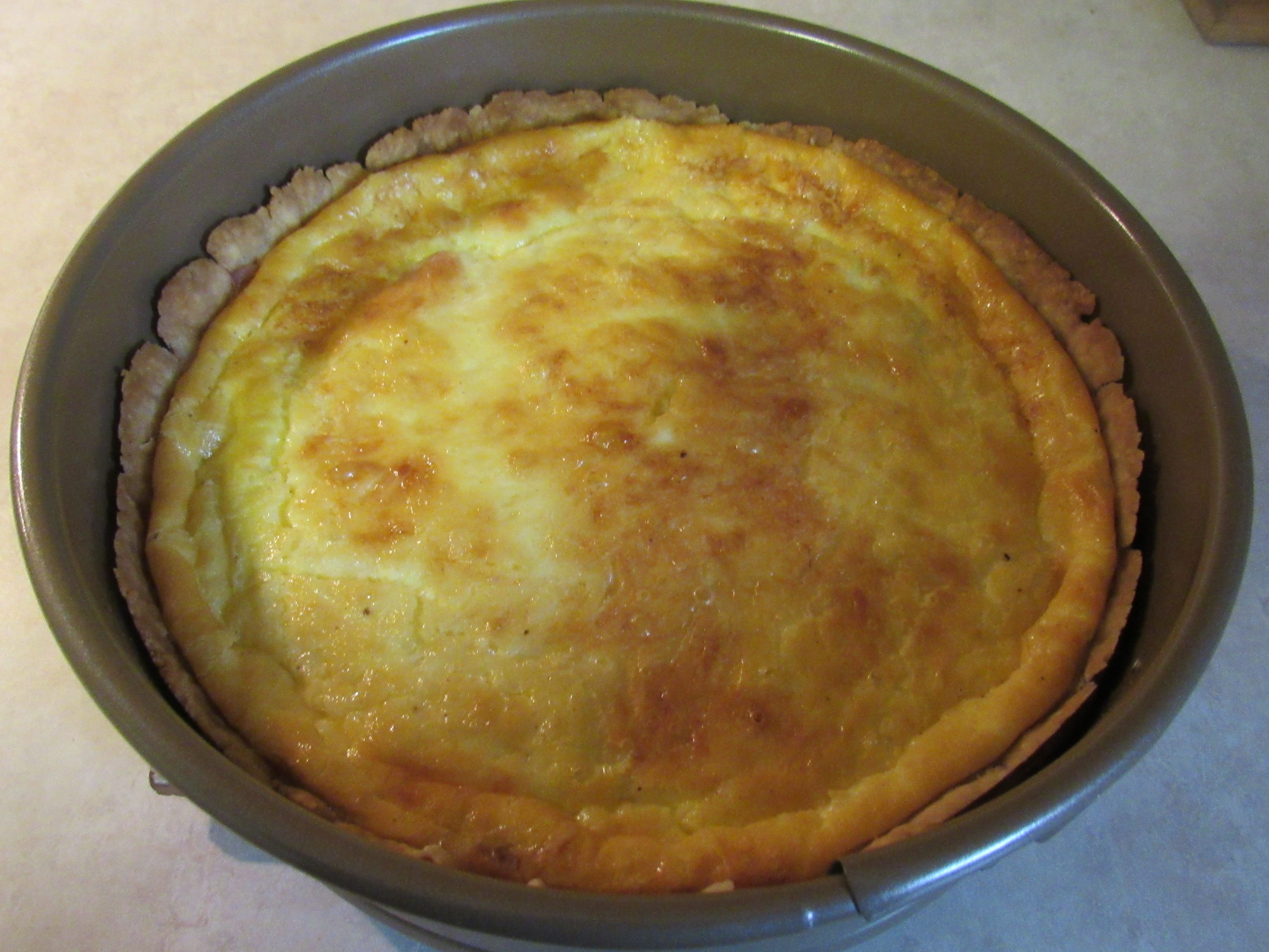
Cheese and Bacon Quiche Recipe

This recipe is from The Fannie Farmer Cookbook, which was originally published in 1896.

I needed to take a dish to a writers meeting. Since this quiche can be served hot or cold, I decided to try it.

Prepare a tart pastry.

Preheat oven to 425 degrees.

Fry 10 slices of bacon until crisp. Crumble the bacon into pieces. When cool, arrange these over the bottom of the partially-baked tart pastry shell. Then layer 1 ¼ cups of shredded Swiss cheese over the bacon.

Combine together 4 eggs, 2 cups of light cream (I had heavy cream on hand so I used that), ½ teaspoon salt, 1/8 teaspoon nutmeg, and a pinch of cayenne. (I didn’t have any cayenne so I omitted it.) Stir the custard.

Ladle the custard over the bacon and cheese.

Bake at 425 for 15 minutes. Then reduce heat to 350 and bake another 30 minutes or until a knife inserted in the middle is clean.

Serve in wedges, hot or cold.

I thought this quiche was good cold and even better hot. Delicious breakfast/brunch dish. For me, the amount of bacon could be reduced about 25%, but it was really good as written.

I’d love to hear if you try it.

-Sandra Merville Hart

Sources

Revised by Cunningham, Marion and Laber, Jeri. The Fannie Farmer Cookbook, Alfred A Knopf Inc., 1983.

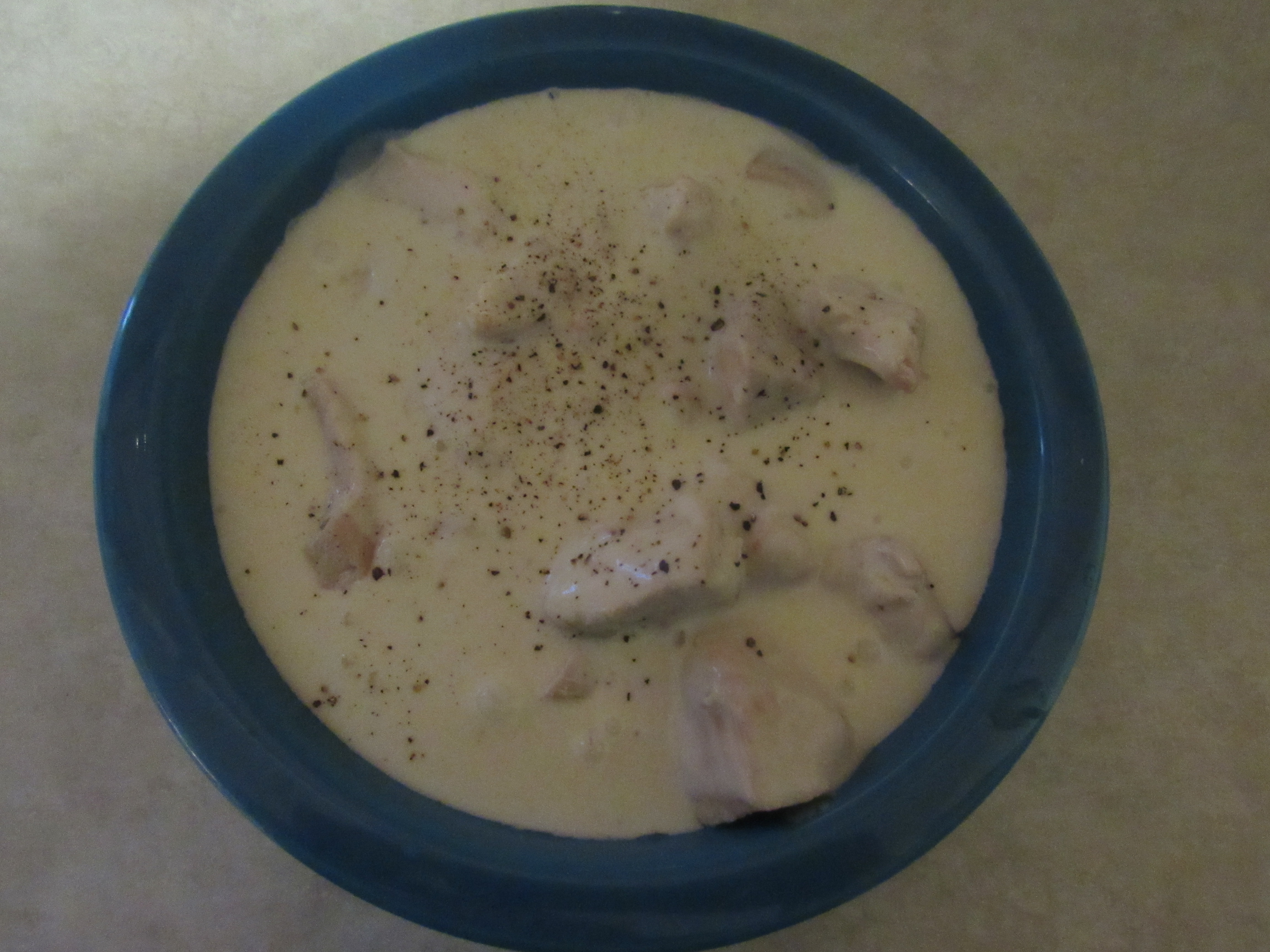
Chicken Fricassee Recipe

This recipe is from The Fannie Farmer Cookbook, which was originally published in 1896.

To my knowledge, I’ve never eaten chicken fricassee so I decided to try it.

The original recipe serves 6. I halved the portions but am giving you the ingredients for 6.

Slice 1 onion and set aside. Cut 2 celery ribs into large piece and set aside. Slice 1 carrot and set aside. You will need 2 tablespoons of lemon juice later. If using fresh lemon, prepare the juice now.

Boil a few cups of water, enough to cover the chicken.

Rinse and pat dry 5 pounds of chicken. Cut into large pieces. (I cut the chicken in smaller pieces.)

Melt 4 tablespoons of butter with 2 tablespoons of oil in a Dutch oven. Brown the chicken on all sides.

Reduce heat to low. Pour enough boiling water over the chicken to cover it. Then add the onion, carrot, celery and 1 bay leaf. Cover and simmer 40-45 minutes.

Remove chicken and keep warm. Strain the broth.

The fricassee sauce requires the broth to reduce to 1 ½ cups. I had way more chicken stock than this (great to freeze for future recipes!), I placed 2 cups of the broth back in the Dutch oven to boil and then reduce to 1 ½ cups.

Melt 4 tablespoons of butter in a medium saucepan over medium high heat. Stir in 4 tablespoons of flour. Slowly add the broth and 1 cup of heavy cream to the saucepan. Reduce heat to simmer 4-5 minutes, until the sauce is thick and smooth.

Remove from heat. Add 2 tablespoons of lemon juice, salt to taste (I used ½ teaspoon), and freshly ground pepper. Spoon over the chicken and serve.

Delicious! I gobbled this down. I loved this chicken dish—so happy to find a new chicken meal for my family. The creamy sauce melted in my mouth, perfectly enhancing the flavor of the chicken.

I will make this again. I’d love to hear if you try it.

-Sandra Merville Hart

Sources

Revised by Cunningham, Marion and Laber, Jeri. The Fannie Farmer Cookbook, Alfred A Knopf Inc., 1983.


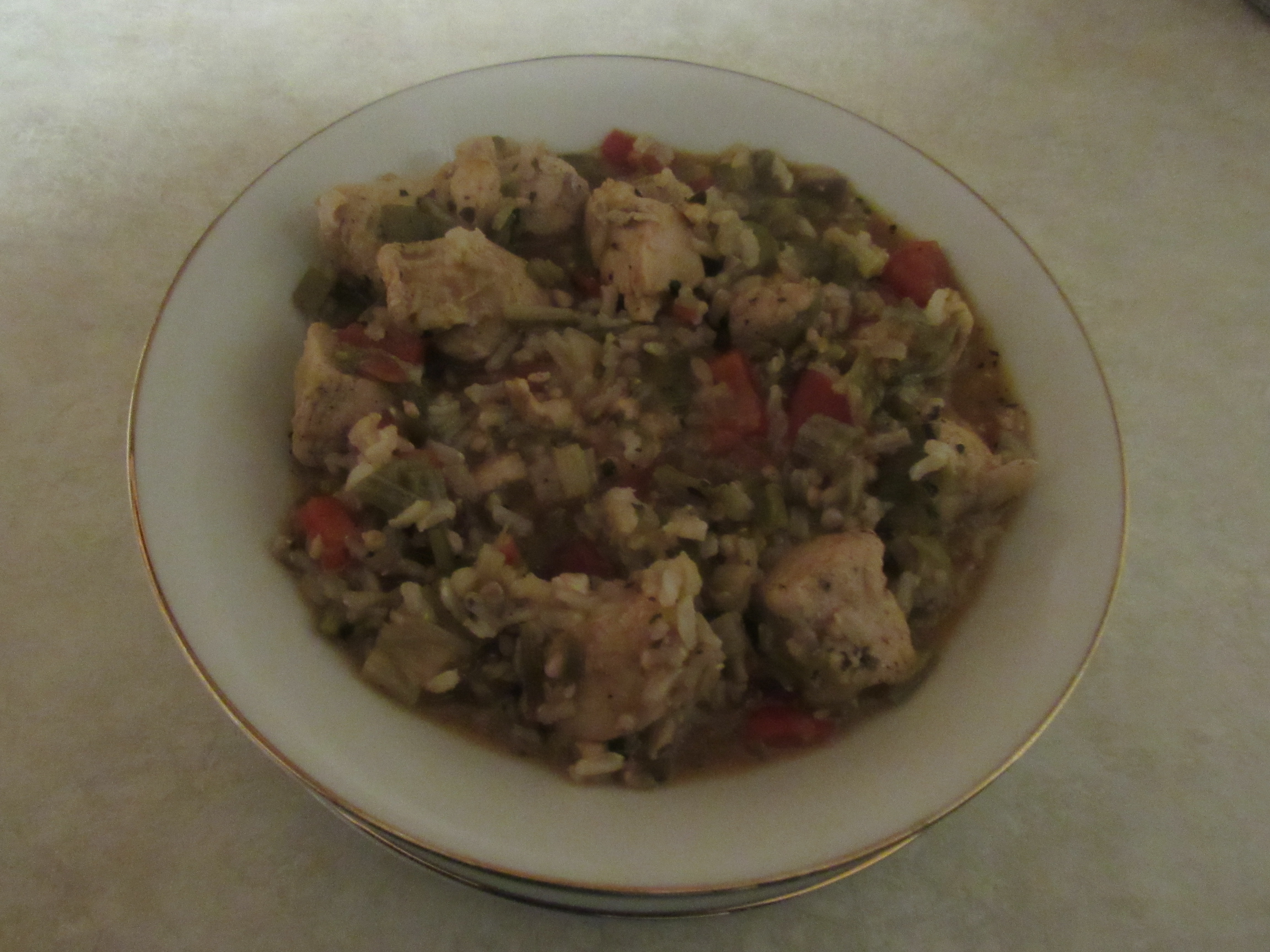
Chicken Gumbo Soup Recipe

This recipe is from The Fannie Farmer Cookbook, which was originally published in 1896.

I love chicken gumbo soup and am always on the lookout for recipes. This makes 4 servings.

Chop half of an onion and set aside.

Chop 1 sweet red pepper. You will need ½ cup for this soup.

You will need either 1 can of diced tomatoes or 1 1/2 cups of fresh chopped tomatoes.

Prepare 1 cup of cooked rice.

Boil 3 cups of water.

Rinse and pat dry 3 pounds of chicken. Cut into 8 pieces. (I prefer smaller pieces, so I cut them in about 2-inch cubes.)

Melt 3 tablespoons of bacon fat in a Dutch oven and brown chicken on all sides. (The recipe called for a large skillet but my largest skillet didn’t hold all the ingredients.) Remove the chicken and set aside.

Add onion, 4 cups of okra, and red pepper to the Dutch oven. Over medium heat, cook for about 5 minutes, stirring constantly. Add tomatoes, 2 teaspoons of basil, and 3 cups of boiling water. Add chicken and 1 teaspoon of salt.

Reducing heat to low, cover and simmer 30-40 minutes. Mix in the rice and cook an additional 5 minutes.

Serve in soup bowls.

Delicious! I really like this soup. My mom made it differently when I was a child, but this was very good, too. It’s a spicy, comforting soup.

I will make this again. I’d love to hear if you try it.

-Sandra Merville Hart

Sources

Revised by Cunningham, Marion and Laber, Jeri. The Fannie Farmer Cookbook, Alfred A Knopf Inc., 1983.


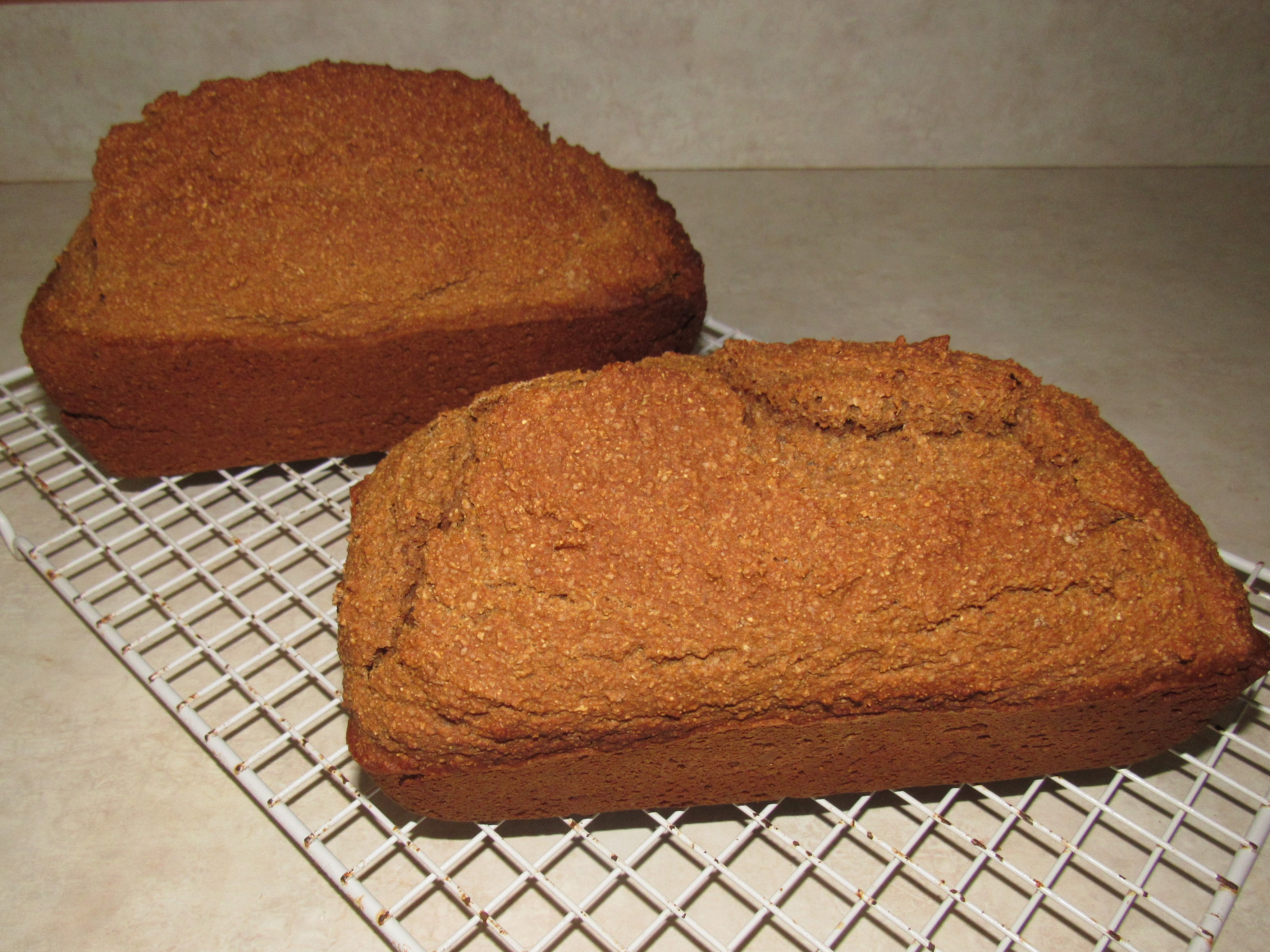
Quick Graham Bread Recipe

The author of 1877 Cookbook Buckeye Cookery and Practical Housekeeping included meal suggestions. A springtime breakfast meal suggestion is: fried ham, scrambled eggs, fried mush, potatoes boiled in jackets, Graham bread, radishes, coffee, tea, and chocolate. Sounds like a lot of food!

The cookbook includes recipes for some of these. Today I’m sharing one for Quick Graham Bread. This recipe from Mrs. E.J.W. makes 2 loaves. Next time I will halve the ingredients.

Preheat oven to 375 degrees. Grease a bread baking pan or use cooking spray.

The first ingredient is 3 cups of sour milk. To make this, stir 1 tablespoon of vinegar or lemon juice per cup of milk so I added 3 tablespoons of vinegar and set it aside to rest for at least 5 minutes.

Dissolve 2 teaspoons of baking soda in a small amount of hot water and set aside.

Stir ½ cup molasses into the sour milk. Add 1 teaspoon of salt and the dissolved soda. Stir. Add “as much Graham flour as can be stirred in with a spoon.” I used about 6 ½ cups.

Immediately pour into prepared bread pan and bake about 45 minutes.

Molasses gives this bread a sweet flavor, but not sweet like banana bread or blueberry bread. I ate it with salami and cream cheese, which gave the whole sandwich an unusual flavor that I enjoyed. I think it would taste good with chicken salad or ham salad.

This makes a hearty bread.

-Sandra Merville Hart

Sources

Compiled from Original Recipes. Buckeye Cookery and Practical Housekeeping, Applewood Books, 1877.


Tart Pastry Recipe

This tart pastry recipe is from The Fannie Farmer Cookbook, which was originally published in 1896.

I was making following a cheese and bacon quiche recipe that called for a tart pastry.

Preheat oven to 425 degrees.

Separate 1 egg and set aside the yolk. You won’t need the egg white for this recipe.

Mix 1 cup of flour and ¼ teaspoon of salt in a medium mixing bowl. (If you want sweet dough, add 1 ½ tablespoons of sugar. Since I needed for quiche, I did not add sugar.)

Cut 6 tablespoons of cold butter into small pieces. Then blend the butter into the flour with your fingers until it resembles tiny peas or coarse meal. (You can use a pastry blender if you like but I used my fingers.) This takes several minutes.

In another bowl, whisk the egg yolk with 2 tablespoons of water. Add it to the flour mixture. With your hands, work this dough together until smooth and it forms a ball.

Wrap in plastic and refrigerate at least 20 minutes. I gave it about 40 minutes.

The recipe says that this can be rolling with a rolling pin, but the cook suggested patting it, piece by piece, into place into a springform pan or pie pan with your hands. I used the latter method and a springform pan.

Take pieces of dough and pat it in place on the pan using the heel of your hand. Work it over the bottom and then up the sides. Try to get it even. It should be thick enough to hold the filling but not too thick around the bottom edge. This takes a few minutes.

Follow the recipe for the filling you will add from here. Or, after using a fork to add tiny air holes to the bottom, bake at 425 degrees for 12 minutes. If using a springform pan, remove the sides when ready to serving.

-Sandra Merville Hart

Sources

Revised by Cunningham, Marion and Laber, Jeri. The Fannie Farmer Cookbook, Alfred A Knopf Inc., 1983.