1870s Advice on Exterminating Bedbugs

The problem of bedbugs is not a new one. My dad used to say to us, “Sleep tight and don’t let the bedbugs bite.” We never had bedbugs but that sure didn’t sound pleasant. It must have been a Southern way to say “good night.”

The author of Buckeye Cookery and Practical Housekeeping, an 1877 book, gives a few remedies to exterminate bedbugs.

Inspect beds for vermin in July and August. Proper steps should take care of the problem.

  • Scald every crack with hot water, taking care not to damage bed furniture. If the hot water harms the varnish, wet a cloth with oil or turpentine and rub the spot immediately.
  • Another method of extermination is to fill crevices with salt. Wash the bed furniture with either a strong brine (salty water) or kerosene. (Kerosene seems like it would injure the furniture to me.)
  • A third method is to mix 1 part quicksilver to twenty parts egg whites. Using a feather, apply this mixture in every crevice on bed and throughout the room. This will kill bedbugs.

The original author advises that, if any of the above recipes are followed faithfully, the pests will be removed.

I (Sandra Merville Hart) cannot vouch for any of the recipes since I’ve not tried them. I share them because it’s an interesting part of our history. As a writer of historical novels, I’m always on the lookout for fascinating facts to include in my stories. You never know–this fit into one of them someday.

-Sandra Merville Hart

Sources

Compiled from Original Recipes. Buckeye Cookery and Practical Housekeeping, Applewood Books, 1877.

1870s Tips for Keeping Bugs Out of the Home

Under the heading of “General Suggestions,” I found several interesting tips about keeping bugs out of the home in an 1877 book, Buckeye Cookery and Practical Housekeeping.

To keep red ants away, store a small bag of sulphur in a cupboard or drawer.

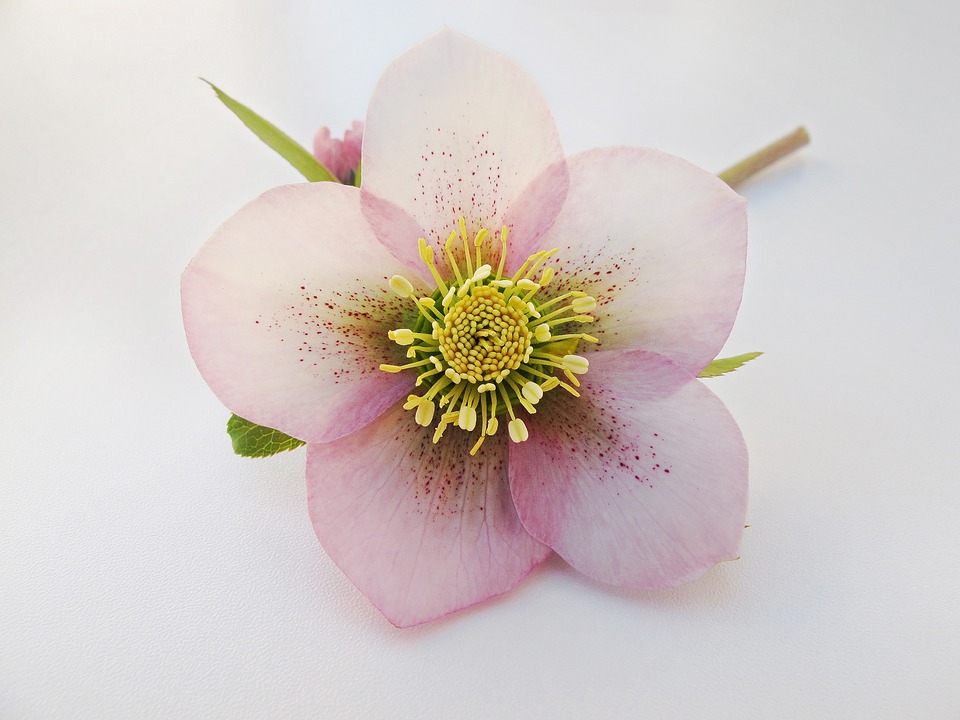
Having a problem with cockroaches? Sprinkle hellebore (a winter flower also known as a Christmas Rose) over the floor at night. Cockroaches eat the poisonous plant.

To keep moths away: Add 1 ounce of gum-camphor and 1 ounce of powdered red pepper to 8 ounces of alcohol. Mix together and allow it to set for a week and then strain it. Sprinkle clothing with the strained solution then wrap the clothes in strong paper or cloth.

To keep moths out of the carpet, wash the floor with benzine or turpentine before laying the carpet.

Flies on gilt frames? Boil 3 to 4 onions in a pint of water. Brush on the mixture with a soft brush. (I’m assuming it is cooled when applying.)

Alum is crystalline powder used in cooking vegetables and fruits. It is also used in pickling. If you have a problem with ants and other insects, dissolve 2 pounds of alum in 3 quarts of water. Brush hot solution over crevices where ants are found.

Alum is also good to keeping moths away from furs. Dust powdered alum into the roots of the fur.

As a writer of historical novels, I’m always looking for fascinating facts to include in my stories. It’s fun to find out how folks lived and coped with issues a century or two ago.

-Sandra Merville Hart

Sources

Compiled from Original Recipes. Buckeye Cookery and Practical Housekeeping, Applewood Books, 1877.

“Helleborus niger – Christmas Rose,” Cornell University, 2018/12/22

https://poisonousplants.ansci.cornell.edu/christmasrose/christmasrose.html.

“Spices,” McCormick, 2018/12/22 https://www.mccormick.com/spices-and-flavors/herbs-and-spices/spices/alum.

Cornbread Recipe from Mingus Mill Cornmeal

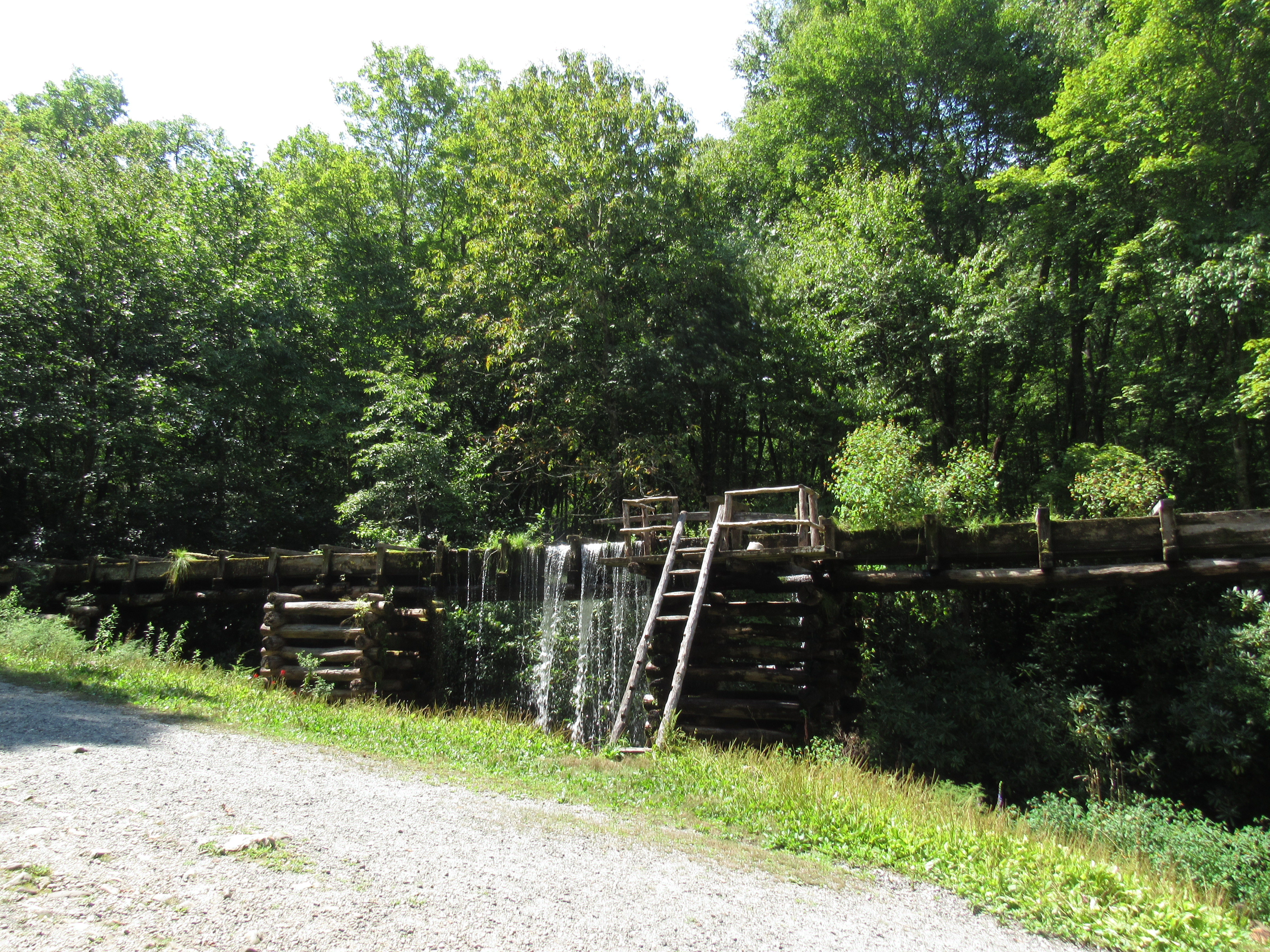
On the way to a North Carolina beach last summer, my husband and I planned to spend a few hours in Cherokee. As we neared Cherokee, we saw a sign for Mingus Mill and decided to explore it. The mill is a short walk from the parking lot. We crossed a foot bridge over a beautiful mountain stream to arrive at the still operating mill.

The historic grist mill was built in 1886 at its current location in the Great Smoky Mountains National Park. The mill, which uses a water-powered turbine, is also a museum where visitors can learn about the milling process.

This beautiful, peaceful place is about two miles from Cherokee and is well worth stopping.

Cornmeal and wheat flour are sold at the mill. What a treat to talk with the miller who had milled the cornmeal that morning. I couldn’t resist the temptation and purchased both. How fun to buy meal and flour that is tied shut with a string!

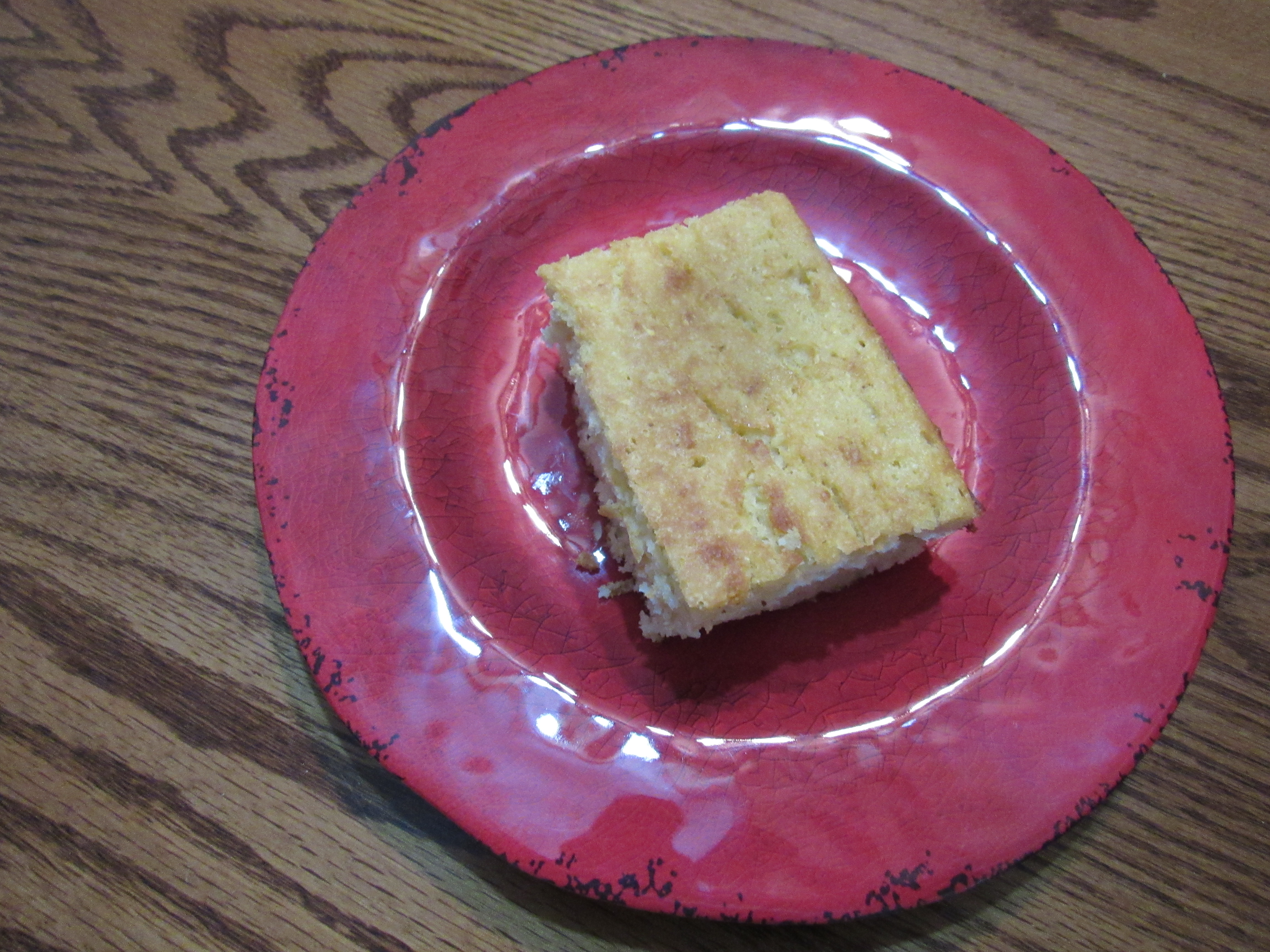
This week I followed their suggested recipe for cornbread and used it to make cornbread dressing.

The cornmeal makes a heartier cornbread—and more filling. It was hit at a recent family gathering. The remaining cornmeal went back into storage in the refrigerator so we’ll enjoy cornbread another day.

If you are in the area, stop by. The mill is open daily mid-March through mid-November from 9:00 am to 5:00 pm.

-Sandra Merville Hart

Sources

“Mingus Mill,” Greatsmokies.com, 2018/12/26 https://www.greatsmokies.com/mingus-mill/.

“Mountain Farm Museum and Mingus Mill,” National Park Service, 2018/12/26 https://www.nps.gov/grsm/planyourvisit/mfm.htm.

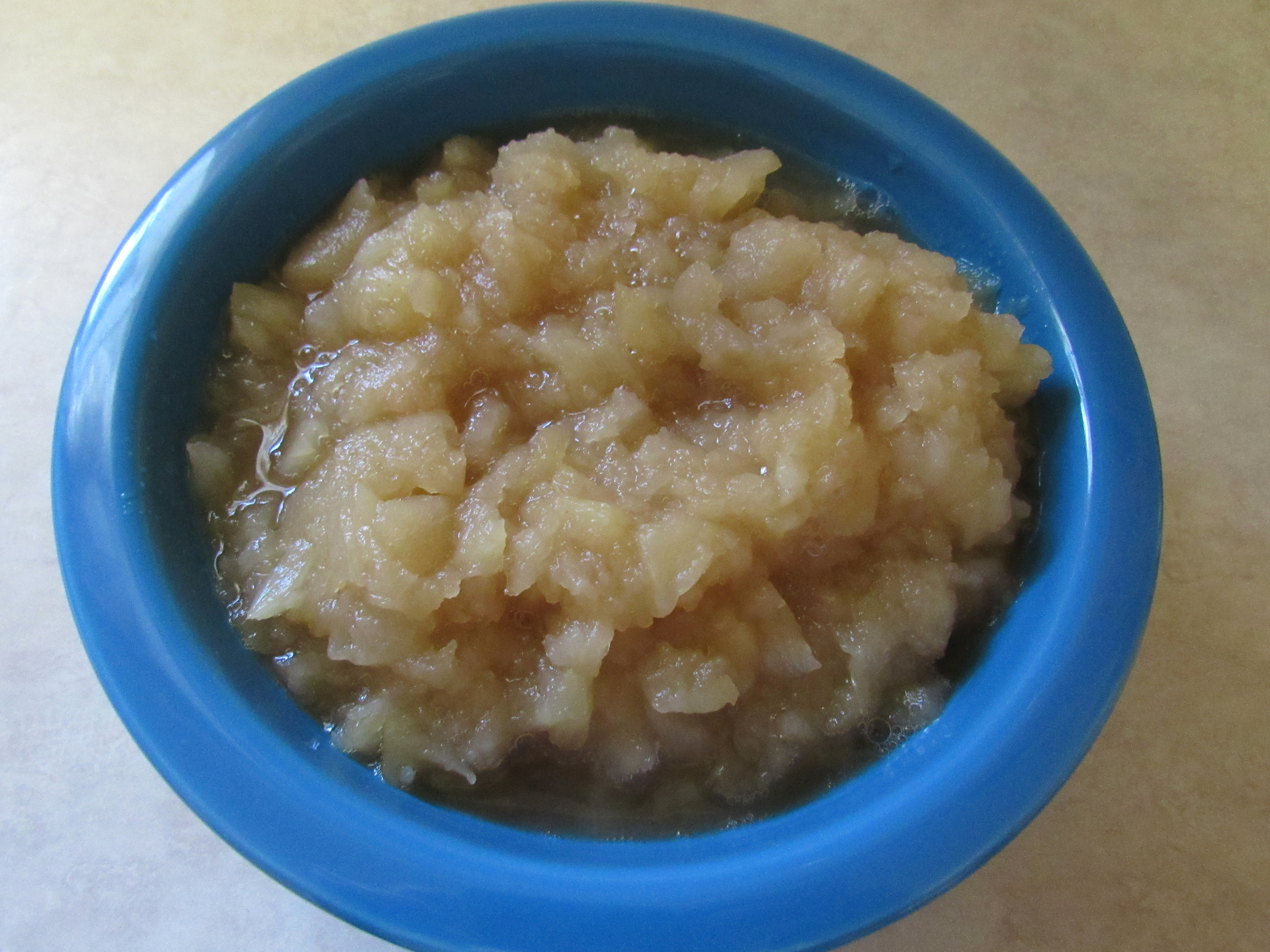
Apple Cider Applesauce

I needed to prepare a side dish, a dessert, and a fruit dish for a recent family dinner. I found a recipe for applesauce in an 1877 book, Buckeye Cookery and Practical Housekeeping and decided to try it.

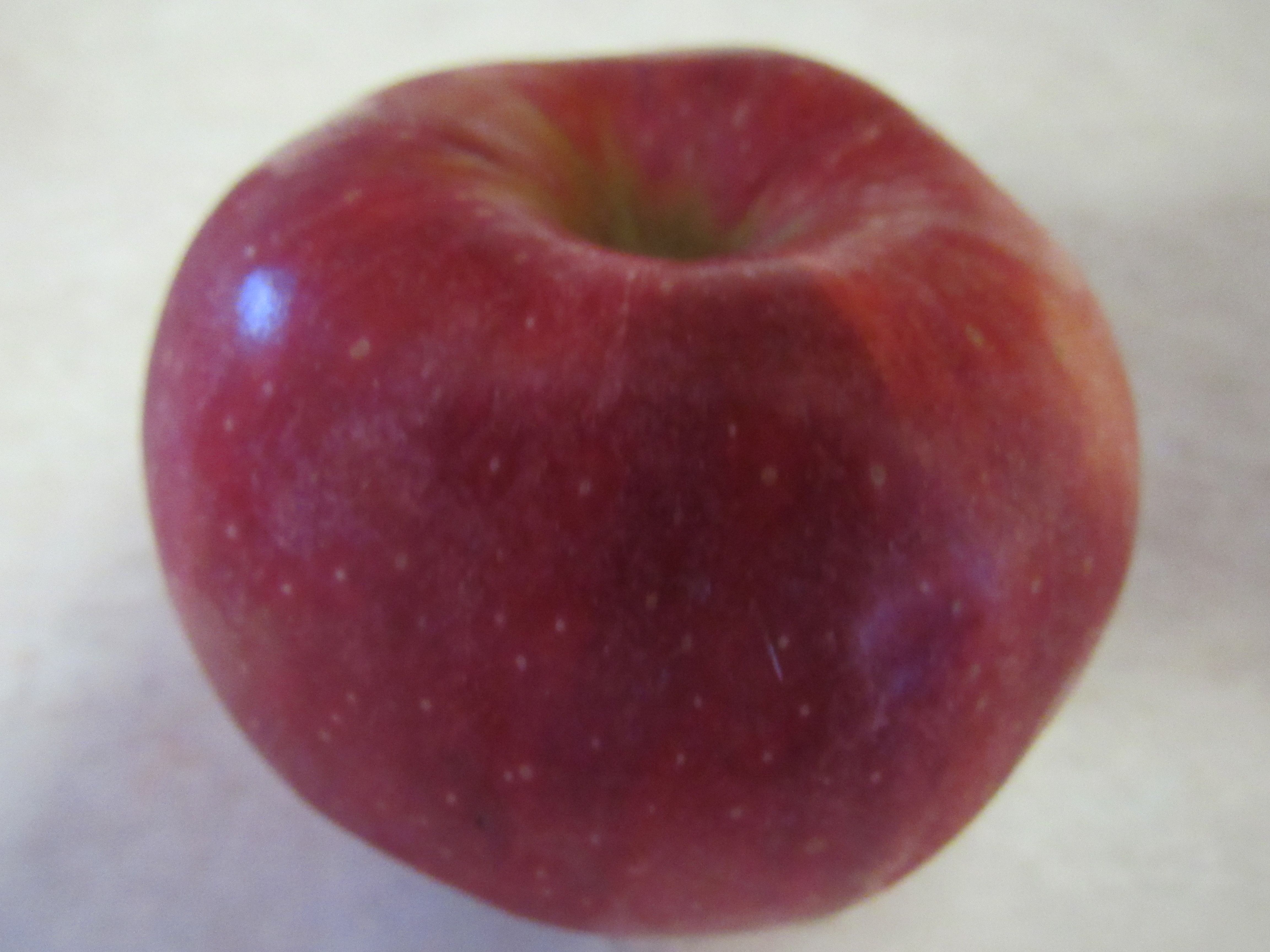
The local grocery store sold several types of apples. I usually choose Granny Smith for pies but didn’t know if that type was best for applesauce. I chose Gala apples. Not only are they my daughter’s favorite brand, but they also are good for cooking and sauces.

Mrs. W. W. W.’s recipe called for enough apples to fill a gallon-sized porcelain kettle. I didn’t need that much so I bought 8 apples.

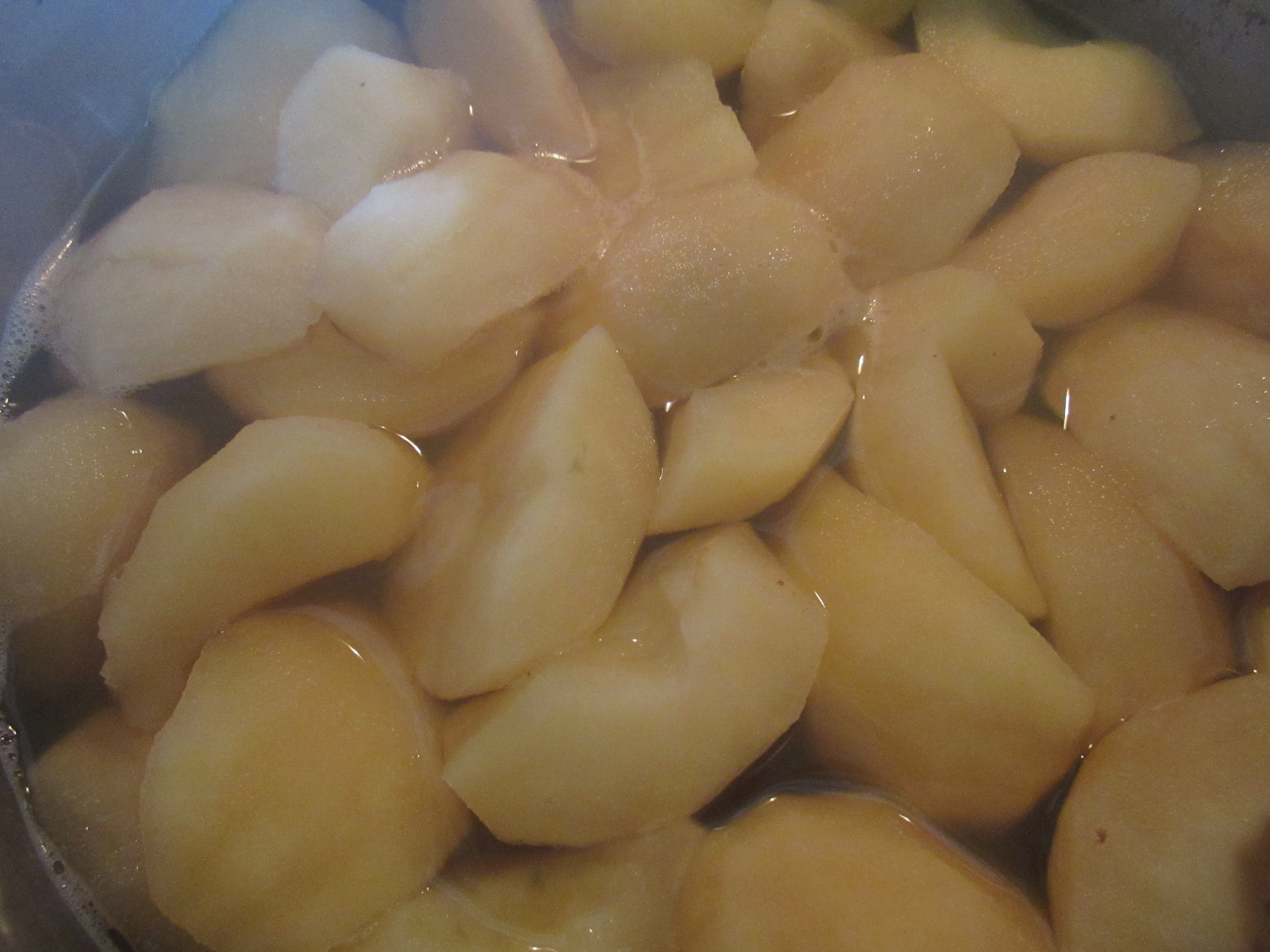
I heated ½ gallon of apple cider in a large kettle to boiling while I peeled, cored, and quartered the fresh apples. Evidently, I’m pretty slow because the cider began to boil before the apples were all quartered. I turned it off until the apples were peeled.

Wash apples and drain. Then add the fresh fruit slowly into the hot cider. Gently boil on a medium heat.

Mrs. W. advised covering the kettle with a plate and keep it on until done. (This keeps the apples from dropping to the bottom and scorching.) I used a plate instead of a lid, allowing an opening for air to escape so the liquid wouldn’t boil over.

Mrs. W. only said to cook the apples until done. I cooked them about 25 minutes when they were very tender. I think they’d have been fine if removed from heat after 20 minutes.

I set them aside to cool. Then the excess cider was drained from the apples. I left about a cup of cider in the cooked apples—you might like more or less.

I mashed the apples but left them a little chunky. That was the recipe—no sugar or spices. I fully intended to add brown sugar, cinnamon, and vanilla flavoring.

It didn’t need them. The applesauce tasted sweet and delicious.

I will make this again for my family. Hope your family enjoys it!

-Sandra Merville Hart

Sources

Compiled from Original Recipes. Buckeye Cookery and Practical Housekeeping, Applewood Books, 1877.

1870s Recipe for Magic Furniture Polish

Ever wonder what folks used to polish their furniture a century or two ago? I found a recipe for Magic Furniture Polish in an 1877 book, Buckeye Cookery and Practical Housekeeping.

Start with a cup of alcohol, which is the only ingredient on this list that I keep at my home.

Add one half ounce of resin. (The gum or sap of some trees, such as pine, produces a yellow or brown substance called resin. It is used in medicine and varnishes.)

Next, a half-ounce of gum-shellac is added. (Shellac is purified lac used in varnishes, inks, and paints. Old phonograph records—78 rpm—contained shellac.)

A few drops of aniline brown are then added to the mixture. I’d never heard of this. According to Merriam Webster Dictionary, aniline is a poisonous oily liquid obtained by reducing nitrobenzene.

Let this mixture stand overnight.

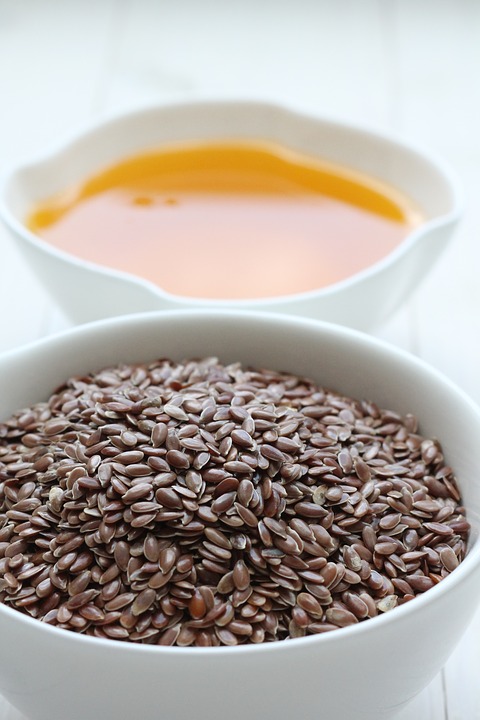
The next day, add the final 2 ingredients—12 ounces of raw linseed oil and 1 cup spirits of turpentine. Linseed oil is yellowish drying oil obtained from flaxseed. It’s used in ink, paint, and varnish. Used as a solvent, spirits of turpentine—also called turpentine and oil of turpentine—is distilled resin from trees.

Shake the mixture well before applying with cotton flannel. Rub dry with a different cloth.

My furniture polish doesn’t list ingredients so I don’t know if these have changed over the years. Kind of fun to find out how folks lived a century or two ago.

-Sandra Merville Hart

Sources

American Heritage® Dictionary of the English Language, Fifth Edition. Copyright © 2016 by Houghton Mifflin Harcourt Publishing Company. Published by Houghton Mifflin Harcourt Publishing Company. All rights reserved.

“Aniline,” Merriam Webster, 2018/12/26 https://www.merriam-webster.com/dictionary/aniline.

Compiled from Original Recipes. Buckeye Cookery and Practical Housekeeping, Applewood Books, 1877.

“Linseed Oil,” Merriam Webster, 2018/12/26 https://www.merriam-webster.com/dictionary/linseed%20oil.

“Resin,” Merriam Webster, 2018/12/26 https://www.merriam-webster.com/dictionary/resin.

“Turpentine,” Wikipedia, 2018/12/26 https://en.wikipedia.org/wiki/Turpentine.

Lemon Snaps Recipe from 1877

When my sister asked me to bring lots of cookies to her Super Bowl party, I took that as an invitation to try a few old-fashioned recipes. Mrs. E. L. C. of Springfield is the 1877 baker who shared this cookie recipe.

Though the original baker left out a few important details, I’m happy to say that I only had to make this recipe once—and the cookies were a hit! Or since this was for a Super Bowl party, maybe I should say they were a touchdown. 😊

Dissolve ½ teaspoon of baking soda into 2 teaspoons of hot water. Set aside.

Cream together 1 cup of sugar and 10 tablespoons of butter. Stir in the prepared baking soda.

Mrs. C. simply said to flavor with lemon. I added the zest of 2 lemons, the juice of 1 lemon, and ½ teaspoon of lemon extract to the batter.

Since this was for a Super Bowl party where one of the teams wore yellow, I added yellow food coloring to the batter.

Mrs. C. was another one who advised adding “flour enough to roll thin.” I used 1 ½ cups of flour, blending into the wet ingredients a little at a time.

Lightly flour the counter and rolling pin and then roll out the batter. Cut into desired shapes.

Spray a baking sheet with cooking spray or line with parchment paper. The cookies flatten while baking so allow room between them. Bake cookies at 350 degrees about 9 – 11 minutes.

Delicious! Wonderful lemony flavor really came through. Guests loved the texture and flavor. If you like lemony desserts, this is the cookie for you.

I’d definitely make these again.

I’d love to hear if you try it.

-Sandra Merville Hart

Sources

Compiled from Original Recipes. Buckeye Cookery and Practical Housekeeping, Applewood Books, 1877.


Molasses Cookies Recipe from 1877

When my sister asked me to bring lots of cookies to her Super Bowl party, I took that as an invitation to try a few old-fashioned recipes. The 1877 baker who shared this cookie recipe is Miss J. O. DeForest of Norwalk.

Miss DeForest advised bakers to add “flour enough to roll out.” No measurements. One of the problems with following older recipes is that they leave out important details. In trying to figure out how much flour was needed, I had to make the batter twice. Perhaps I grumbled a little, as I dumped the first batch in the garbage, that the reason Miss DeForest left out the measurement is that she couldn’t figure it out either. But, since I was alone in my kitchen, only my stand mixer and I know that for sure. It’s more likely that this baker was like my grandmother—an excellent cook!—who never measured anything.

Add 1 teaspoon of baking soda to 3 cups of flour. Mix or sift together and set aside.

Mix 1 ¼ cups of sugar and ½ cup butter until blended. (I used a mixer.) Stir in ¼ cup of molasses.

Whisk 1 egg and then mix it into the batter.

Add the flour mixture, a little at a time, to the wet ingredients.

Lightly flour the counter and rolling pin and then roll out the batter. Cut into desired shapes.

Spray a cookie sheet with cooking spray or line with parchment paper. Bake cookies at 350 degrees until lightly browned, about 11 – 14 minutes.

The cookies had a great texture. Even with only ¼ cup of molasses, that sweet tangy flavor really came through. If you don’t like molasses, you won’t like these cookies. This is not a common flavor these days, and most guests at the party flocked toward the other types. My husband liked them a lot.

Honey, molasses, and sugar were all used to sweeten foods in earlier centuries. As a little girl, I remember that my grandfather considered molasses a big treat.

I’d make these again—just not for another Super Bowl party.

I’d love to hear if you try it.

-Sandra Merville Hart

Sources

Compiled from Original Recipes. Buckeye Cookery and Practical Housekeeping, Applewood Books, 1877.


Sand Tarts Recipe from 1877

“Bring cookies to my Super Bowl party,” my sister told me. “Make a lot of them.”

She left it wide open for me to try old-fashioned recipes. I found this sand tarts recipe in an 1877 cookbook. I’d never eaten—or even heard of—this type of cookie so I compared it to a few recipes online. Modern recipes used confectioner’s sugar, with a few other changes as well. My purpose is to follow Miss Clara G. Phellis’s recipe as closely as possible.

Nothing ventured, nothing gained, right?

I made this recipe once using confectioner’s sugar, but the mixture was too dry to roll out. I tried again with sugar and it worked fine.

Add 1 ½ teaspoons of cinnamon to ½ cup of sugar. Mix together and set aside.

I used a stand mixer to cream ½ cup of butter into 1 cup of sugar in a mixing bowl until blended well. Whisk 1 egg and add it to the mixture. Then add 1 1/2 cups of flour a little at a time, mixing until all the flour is incorporated into the mixture.

(My dough was too dry so I had to add another egg, which made it slightly wet. If this happens for you, add flour, a little at time, for a final mixing.)

Roll out the dough in a thin layer and then cut the cookies into squares.

Bake on a cookie sheet at 325 degrees for 9 minutes.

While the cookies bake, use your mixer to whip two egg whites until creamy—but not stiff.

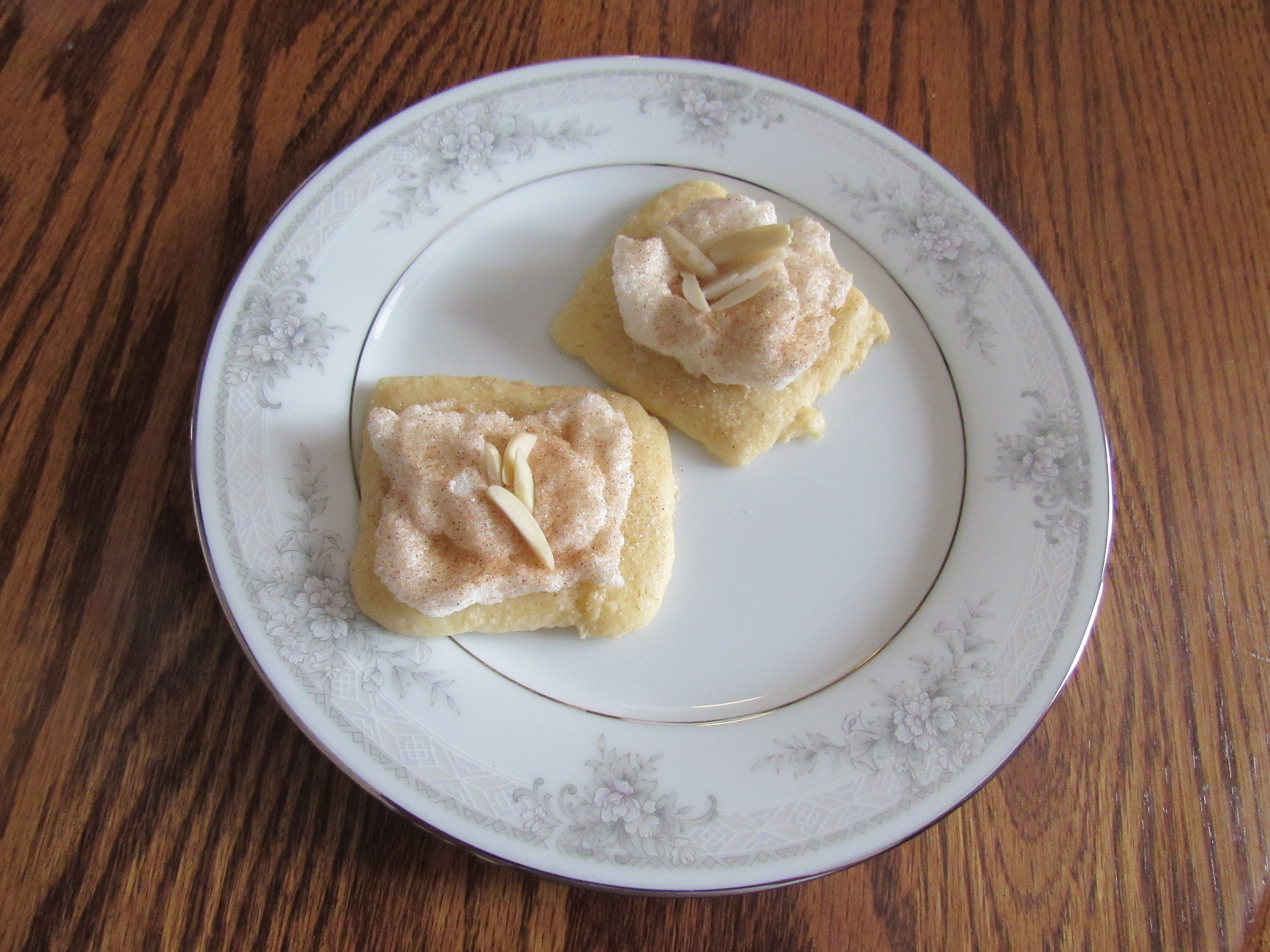
Remove the cookies from the oven after about 9 minutes. Put a dollop of meringue on each cookie or pipe it on. Then sprinkle with the cinnamon sugar. Add slivered almonds on top and return to the oven for a couple of minutes to lightly brown the meringue. (Bake longer for a crisper cookie.)

I liked it very much. The cinnamon sugar was a nice touch. Guests liked the soft texture of the cookie and the light cinnamon flavor.

Modern cookie recipes don’t use the meringue. Instead they are rolled in confectioner’s sugar and dropped onto the cookie sheet.

I’d love to hear if you try it.

-Sandra Merville Hart

Sources

Compiled from Original Recipes. Buckeye Cookery and Practical Housekeeping, Applewood Books, 1877.


1870s Advice on Maintaining the Sitting Room

As the sitting room in the nineteenth century was the most used, the author of Buckeye Cookery and Practical Housekeeping advised homemakers to make it the most pleasant one in the home. This compares to the family rooms of today.

If mats were kept at the door, the room could get by with one cleaning a week.

Don’t lay Brussels carpet (a heavy wool rug with a strong linen backing) in the family’s room because they hold a lot of dust and are difficult to clean.

Moths often get under the carpet. To prevent this, mix coarse black pepper with camphor-gum. Spread in thick proportions all around the carpet edges.

When cleaning with oil-cloth, use warm water (no soap.) Mixing milk into the water improves the cleaning.

Have a soiled carpet in the winter? Sprinkle snow onto the stains and sweep before it melts.

Attach a scrap bag to the sewing machine for bits of cloth and thread to keep them off the floor.

“Wire doors and mosquito-nettings” allow fresh air inside the home while keeping out the flies.

Wash windows weekly. Wipe doors after sweeping.

Interesting advice!

-Sandra Merville Hart

Sources

Compiled from Original Recipes. Buckeye Cookery and Practical Housekeeping, Applewood Books, 1877.

1870s Advice on Sweeping Rugs

My parents’ home had hardwood floors so I did not learn how to vacuum until in my late teens. All of the old historic homes I’ve toured have rugs in most rooms. As a writer of historical novels, I’m always fascinated with old traditions. How fun to find advice of an 1870s author about cleaning her parlor.

Thoroughly clean the parlor once or twice a week.

Cover books, statues, and other tough-to-dust articles with cloth covers called “dusters.” Open blinds to allow sunlight inside the room. If it’s not windy or stormy, open the windows.

Check the ceiling for cobwebs.

Sprinkle “moistened bran, salt, damp coffee-grounds, or tea-leaves” on the carpet. There are no suggestions on how long to leave this on the rug. Whether these products improve odors or help in cleaning is not clear.

While one of these products stays on the carpet, clean edges and corners of the room with a stiff whisk-broom and a sharp, pointed stick. Using a feather duster, remove cobwebs. Brush curtains and frames.

Move furniture from one section of the room. Sweep with short, light strokes toward the center of the room by drawing the broom. Then go back and sweep a second time with longer, forceful strokes. Sweep the area a third time using long “vigorous” strokes.

The author calculated it would take 20 minutes to sweep a large room this way, but clean rugs are worth the effort. Cleaning this way extends the life of the carpet. It also freshens and brightens the fabric.

Interesting advice!

-Sandra Merville Hart

Sources

Compiled from Original Recipes. Buckeye Cookery and Practical Housekeeping, Applewood Books, 1877.