Gingerbread Loaf Recipe

Today’s post was written by fellow author and dear friend, Carole Brown. Her gingerbread recipe sounds delicious! Welcome back to Historical Nibbles, Carole!

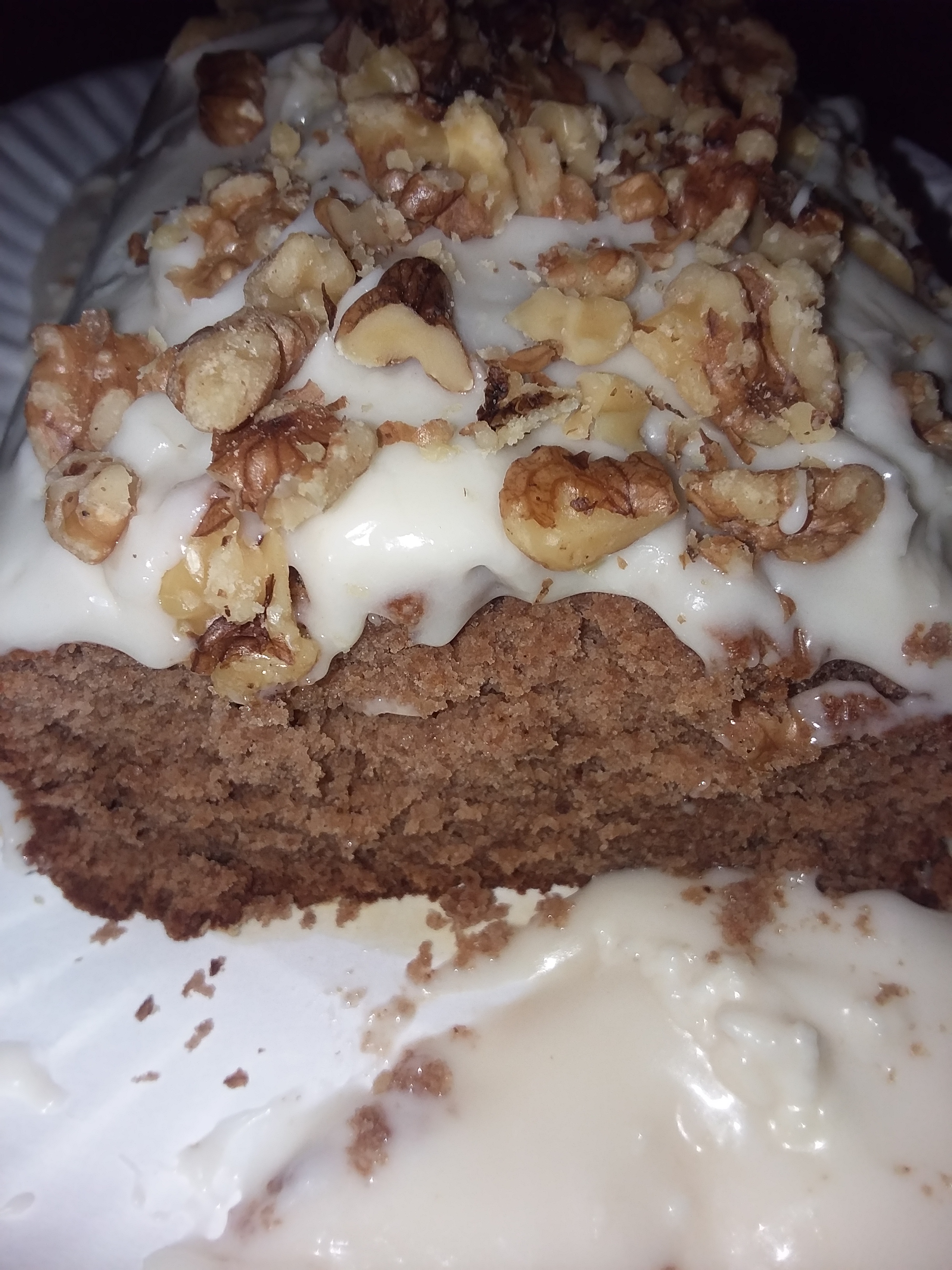
During WWII most people’s food was rationed. Luxuries such as nuts, milk, sugar and eggs were sometimes hard to come by making delights like gingerbread non-available throughout the war. Everyone was touched by the rationing and all encouraged to participate in “giving up” for the soldiers and the war.

In Christmas Angels, elderly Mr. Albert, Abigail’s boarding house neighbor shares his loaf of gingerbread that another resident (Dana) had given him. Though reluctant to eat any of his treat, knowing how hard the ingredients were to come by, Abigail can’t resist. Both Mr. Albert and Abigail enjoy a special blessing through Neighbor Dana’s generosity.

 May you be blessed as you feast on this moist, delightfully spiced dessert.

 Gingerbread Loaf

Ingredients for the loaf:
1 stick real butter, at room temperature
1 cup sugar
1/2 tsp vanilla extract
1 large egg
1 cup of applesauce
1 1/2 cups all-purpose flour
1 tsp baking soda
1 tsp salt
2 tsp ground ginger
2 tsp ground cinnamon
1 tsp ground cloves
1/2 tsp nutmeg
chopped walnuts, for topping (optional)

for the frosting:
1/2 block (4 oz.) cream cheese, room temperature
1 tsp vanilla extract
1 1/2 – 2 cups powdered sugar

Preheat oven to 350F degrees. Spray a 9×5 loaf pan lightly with nonstick cooking spray (or shortening and flour). Using a stand mixer or an electric mixer, cream together the butter and the sugar until fluffy.

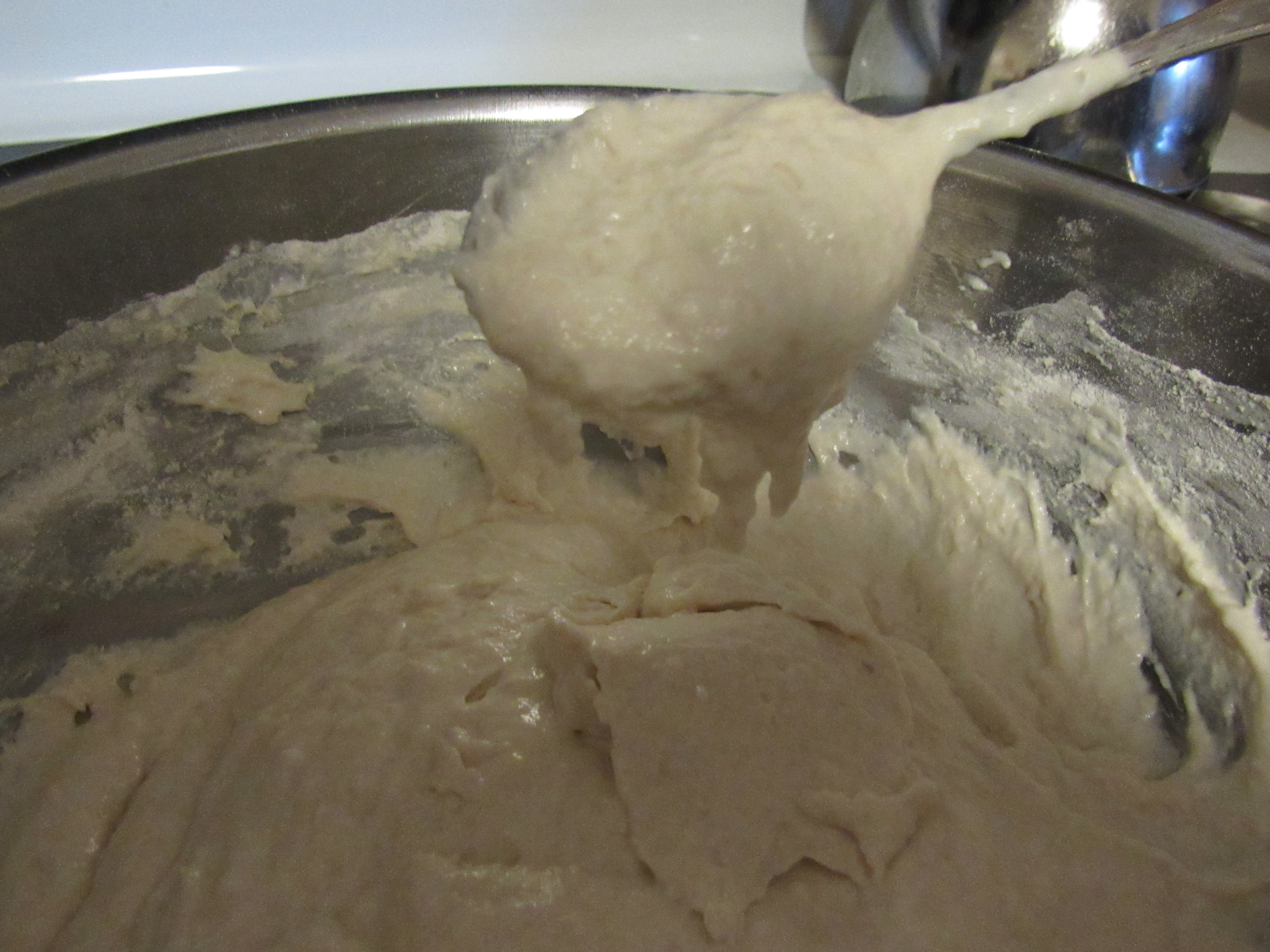
Beat in the vanilla and the egg. Blend in the apple butter (or applesauce.)

Slowly add the flour, baking soda, salt, and spices (ginger, cinnamon, cloves and nutmeg.)

When everything is mixed, pour the batter into your loaf pan. Bake for about 55 minutes until it is risen and a toothpick comes out clean. Let cool completely on a rack before frosting.

To make the frosting, beat the cream cheese with the vanilla and then add 2 cups of the powdered sugar and beat until smooth and creamy. Add a little more sugar if it’s not as thick as you like.

-Carole Brown

Christmas Angels Blurb

Her mother called her a failure, and maybe she was. Her husband was gone—in the service, yes, but if he loved her—really loved her, why didn’t he write? Or call? Or send the money she needed?

She was scared too, afraid of being alone, and though she loved this sweet little bundle of joy—her baby—well, was she smart enough and strong enough to raise her? She didn’t mind doing without all the nice things she’d love to have, but not being able to provide luxuries like Christmas trees, ornaments and presents for her baby girl was beyond enduring.

What she needed was a miracle…and that wasn’t going to happen.

Amazon link

Carole’s Bio:

Besides being a member and active participant of many writing groups, Carole Brown enjoys mentoring beginning writers. An author of ten books, she loves to weave suspense and tough topics into her books, along with a touch of romance and whimsy, and is always on the lookout for outstanding titles and catchy ideas. She and her husband reside in SE Ohio but have ministered and counseled nationally and internationally. Together, they enjoy their grandsons, traveling, gardening, good food, the simple life, and did she mention their grandsons?

Find her on her blog!


Rye Coffee

As the Civil War continued, food became scarce for folks in the South. Southerners also had a hard time obtaining coffee. They seemed to be just addicted to the beverage—especially soldiers—as people are today so they searched for substitutes. Rye was one of the substitutes.

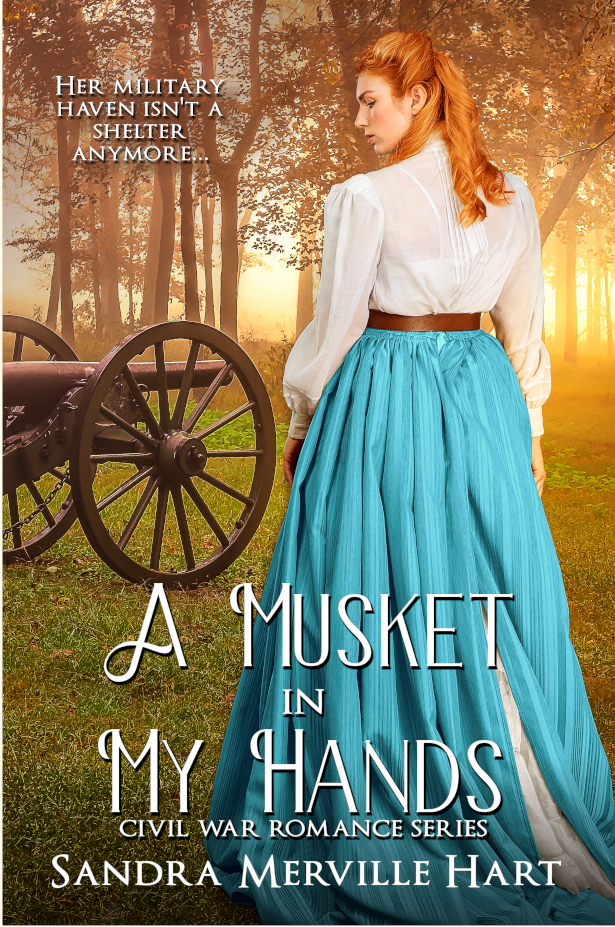
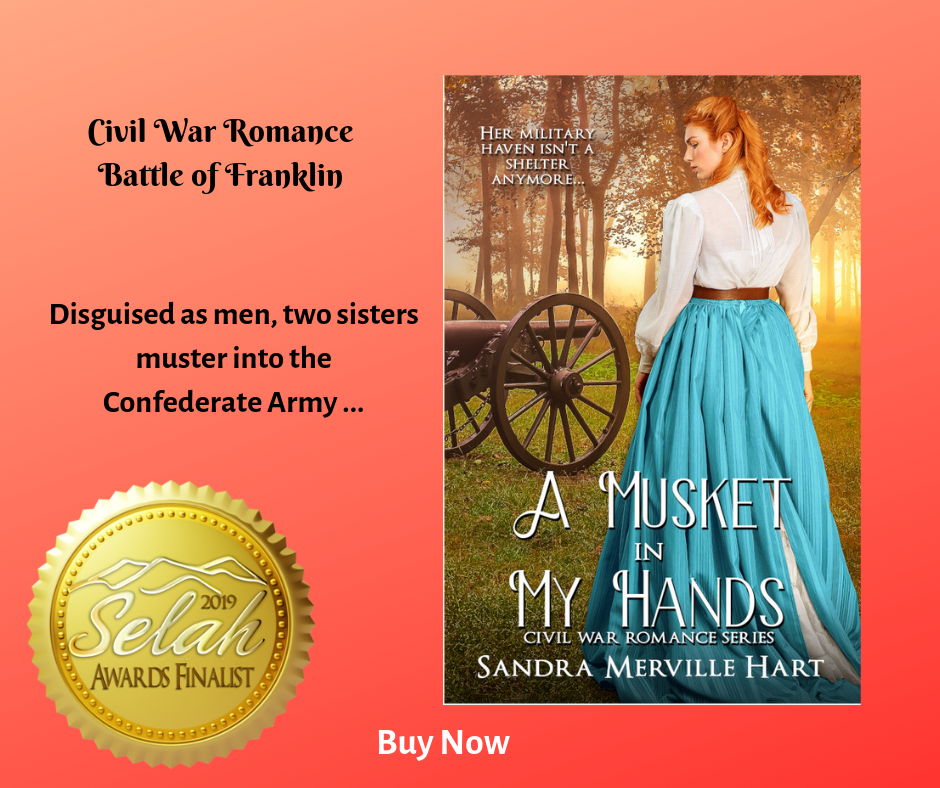
In an early scene in my Civil War romance, A Musket in My Hands, the protagonist, Callie, does not have coffee beans to make her pa a cup of coffee. Instead she offers to fix him a cup from rye that she’d boiled and dried.

Though I am not a coffee drinker, I wanted to prepare rye for coffee. There is a recipe in Confederate Home Cooking.

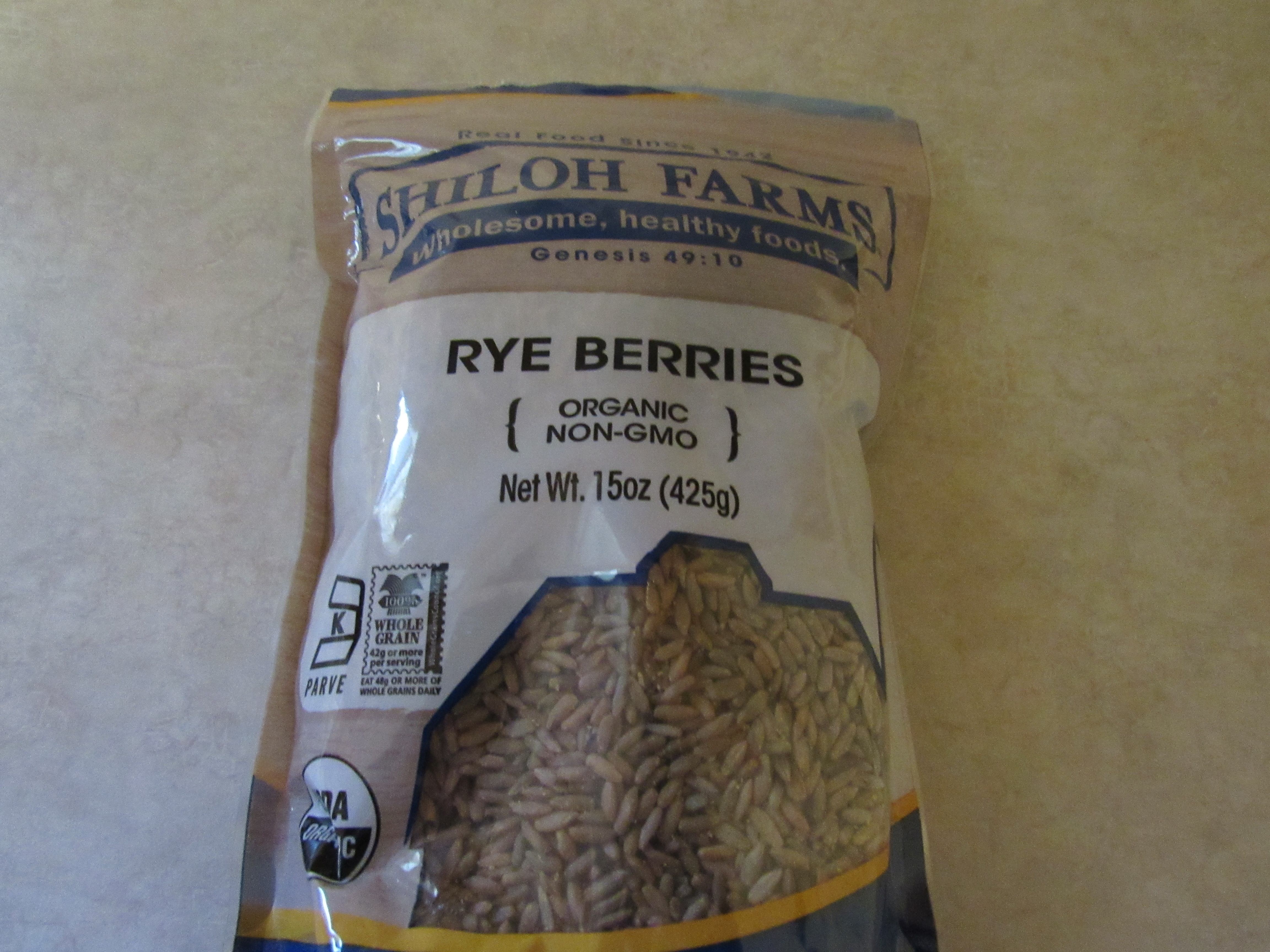
Finding rye berries was the greatest challenge. A specialty food store near me sells them.

I’ve never seen or tasted rye coffee so this was a learning process. The recipe mentioned “parching” after drying, so I reached out to Southern cooks for help with this term. Parching means roasting, which makes sense. (Thanks, Charlotte and Debra!)

I boiled ¼ cup of rye on a medium high heat for 10 minutes. By experimenting, I discovered that longer than 10 minutes begins to split the grain, which the recipe advises against.

Boiling softened the grain, expanding it over double the original size. The water was a clear, brown broth.

The rye was drained and then set aside while I lined a cookie sheet with parchment paper. The oven was preheated to 275 degrees to dry the rye.

After spreading a thin layer of rye over the parchment paper, I set the cookie sheet into the oven, stirring the rye every five minutes. After 10 minutes, most of the grain was dry. After 15 minutes, it was removed from the oven.

While the oven preheated to 450 degrees, the rye was transferred onto a fresh piece of parchment paper on the cookie sheet.

Because the oven was so hot, I kept a close eye on the roasting process, checking the rye every 2 minutes. After 10 minutes, I removed them from the oven.

Many homes in the Civil War era had coffee grinders. I don’t own one so I ground the roasted rye with a rolling pin. Worked pretty well.

Then I experimented with how soldiers in camp might have made the coffee. Using 1 teaspoon of ground rye in each case, I tried the following:

1) Poured boiling water into a cup with the rye and let it steep about 5 minutes.  (left side of main photo)

2) Boiled water with rye—strongest coffee flavor. (middle)

3) NOT the way soldiers made coffee but applicable for folks today—a single-serving coffee maker. (right side of main photo)

All of these tasted like coffee to me. Granted, I am not a coffee drinker, but I agree that this probably worked well as a coffee substitute for soldiers. Though #2 made the strongest coffee, the others tasted almost as strong.

Tasting the beverage made me wonder if roasting it 2 minutes less would enhance the flavor. I will try roasting for only 8 minutes next time.

This was a fun experiment! I’d love to hear if you try it.

-Sandra Merville Hart

Sources

Mitchell, Patricia B. Confederate Home Cooking, 2014.

Sweet Potato Biscuits

Sweet potatoes were a staple food during the Civil War. They grow in humid warm areas. Many large plantations had root cellars to store them.

When the leaves begin yellowing in fall, farmers harvest the roots. After brushing the sweet potatoes clean, the curing process begins. Potatoes are stacked in the field and covered with sand. Farmers leave them alone for weeks. Once the curing process is done, they may be stored several months.

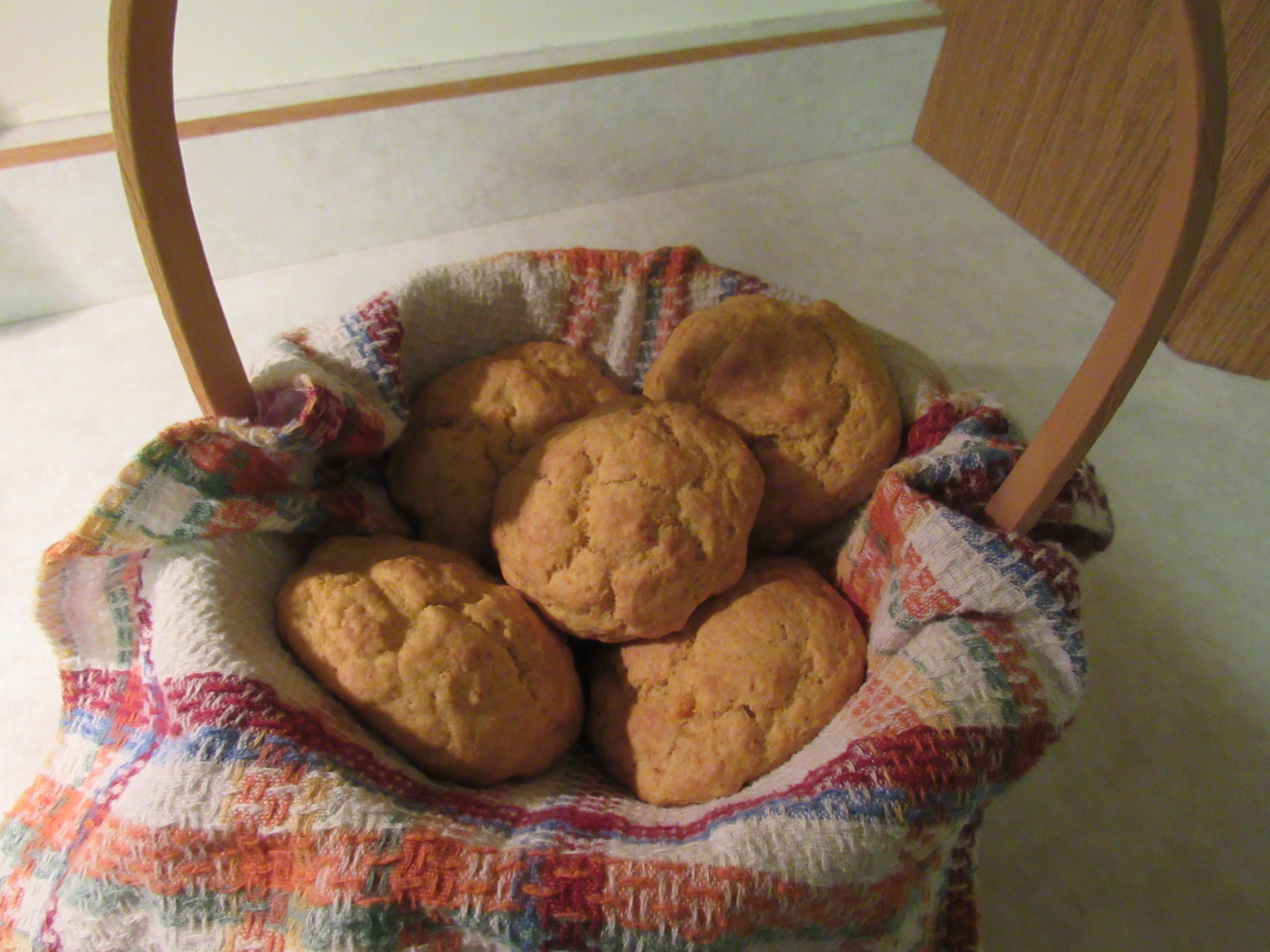
Sweet potatoes may be baked, boiled, stewed, mashed, or fried. They were often used in pies, cakes, and puddings. As in the case of Civil War soldiers in my historical romance,  A Musket in My Hands, many Southerners liked sweet potato biscuits. I had to try them.

For my sweet potato biscuits, I followed the recipe of a well-known modern Southern cook—Paula Deen. Here’s the link to her recipe.

My dad preferred large home-made biscuits so I tend to follow his wishes even now that he’s not here to eat them. This recipe, meant to make 15-18 biscuits, made 5 large biscuits for me.

This was my first time eating this type of biscuit. They are delicious! The sweet potato flavor is light and pleasant, enhancing the biscuit without overpowering it.

I am already thinking ahead to holiday gatherings where I can bring them. Thanksgiving?

I’d love to hear if you try it.

-Sandra Merville Hart

Sources

Deen, Paula. “Sweet Potato Biscuits,” Paula Deen, 2018/09/27 https://www.pauladeen.com/recipe/sweet-potato-biscuits/.

“Food,” History Central, 2018/09/27 https://www.historycentral.com/CivilWar/AMERICA/food.html.

“Sweet Potato,” Encyclopedia.com, 2018/09/27 https://www.encyclopedia.com/plants-and-animals/plants/plants/sweet-potato.

Corn Oysters Recipe

Around the time of the Civil War, corn fritters were commonly called corn oysters because the fritters resembled fried oysters.

Callie, my female protagonist in my Civil War romance A Musket in My Hands, made corn fritters several times while masquerading as a soldier in the Confederate Army of Tennessee. When I found this recipe shared by Mrs. H.B.S. in Buckeye Cookery and Practical Housekeeping, I looked forward to trying it.

I cut the corn off two ears of corn. It yielded 1 ½ cups of corn so I modified the recipe in the book for this amount of the vegetable.

Stir ¾ cup milk into 1 ½ cups of fresh corn. Add ¼ cup flour, 1 teaspoon butter, and 1 beaten egg. Salt and pepper to taste—I added ¼ teaspoon of each.

A cast iron skillet or griddle works well for frying the fritters. Heat the skillet over medium high heat and then lower to medium while cooking. Melt about 1 tablespoon of butter in the skillet.

Use a tablespoon to drop batter into the skillet. The batter is very runny and it flattens out like a small pancake. Watch carefully as it browns quickly. Then flip it over. This seems to be an acquired art as I tore several fritters while turning them.

But boy, are they tasty! I loved the fresh corn and lightly fried flavor.

This is a quick, easy recipe. The longest part of the preparation is slicing corn off the cob—and that does not take long. I will make them again.

I’d love to hear if you try it.

-Sandra Merville Hart

Sources

Compiled from Original Recipes. Buckeye Cookery and Practical Housekeeping, Applewood Books, 1877.


Stuffed Baked Fish

Today’s post is by talented editor and fellow author, Pegg Thomas. Welcome back to Historical Nibbles, Pegg!

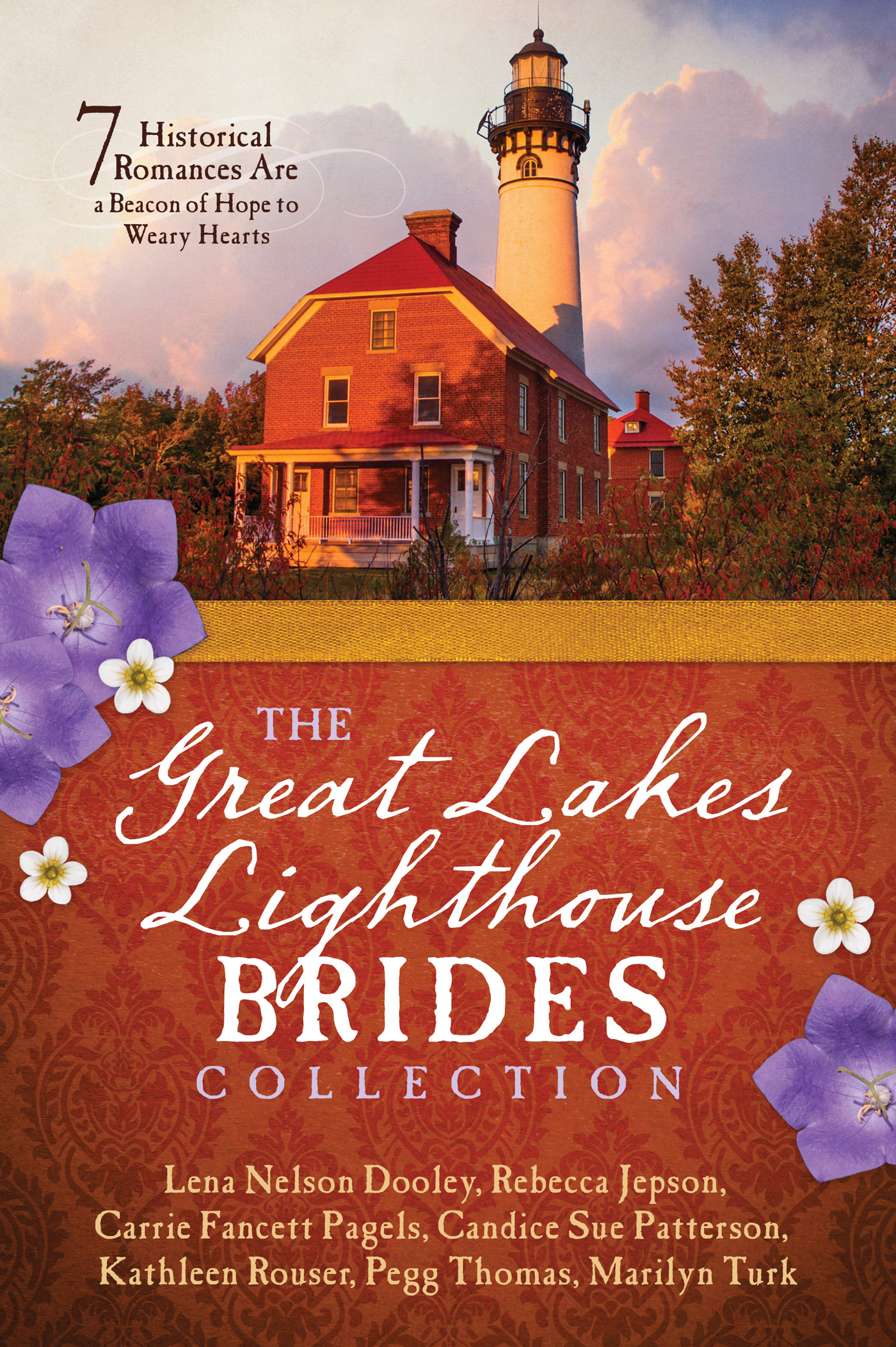
My story in The Great Lakes Lighthouse Brides collection, Anna’s Tower, is set on Thunder Bay Island near Alpena, Michigan. There was a thriving fishing village there in the 1800s, so I went looking for a fish recipe that might have been enjoyed by Anna and the rest of the characters living at Thunder Bay Lighthouse in 1883.

From Cement City Cookbook, Alpena, Michigan, 1910

STUFFED BAKED FISH

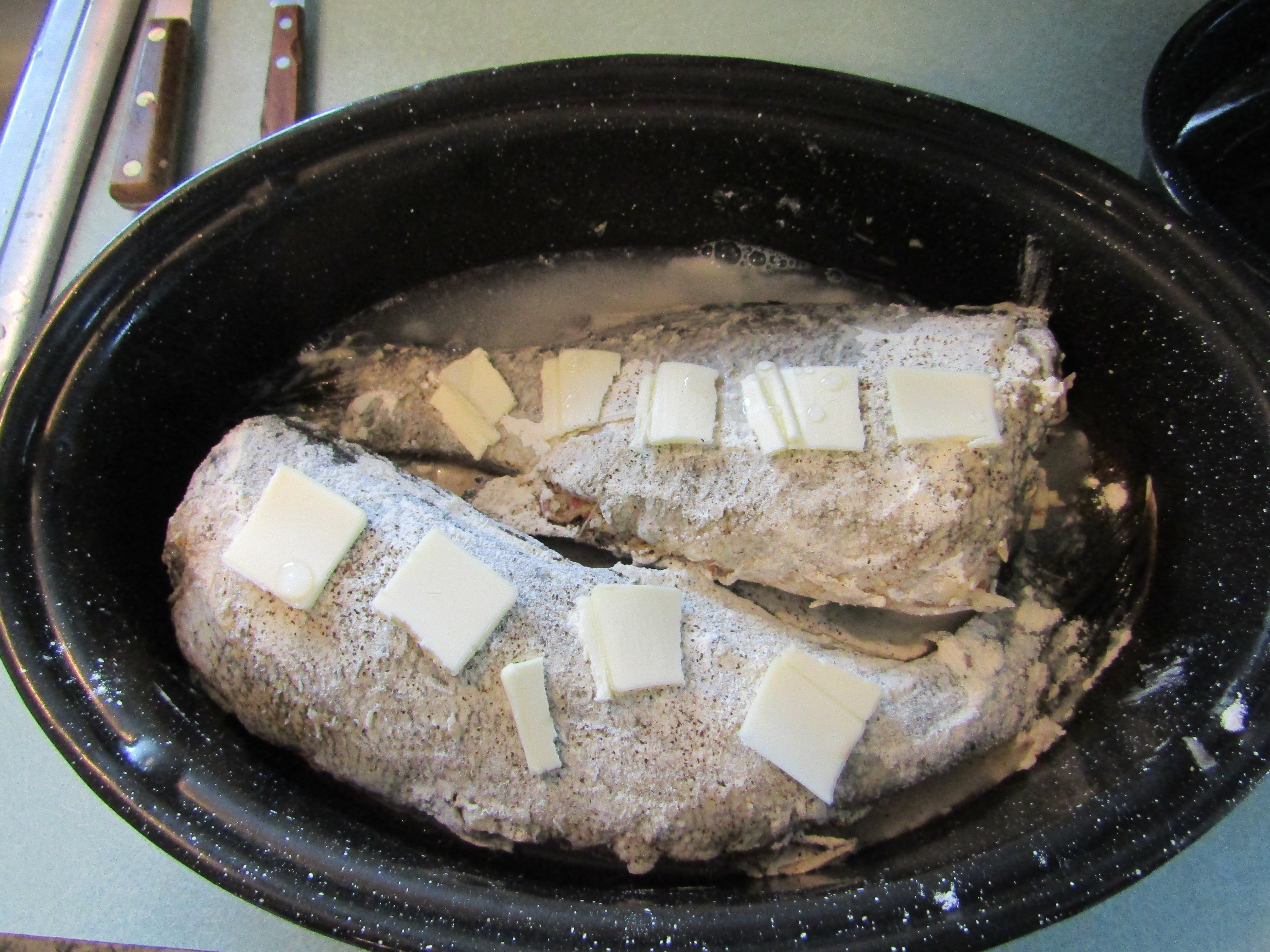
After cleaning fish, wipe out inside and rub in a little salt. Make a dressing of raw potatoes, chopped fine, and season with salt, pepper, onion and poultry savory. Stuff the fish with this dressing, sew it up and dredge with flour. Pepper and salt the whole and put pieces of pork or butter over the top, and 1 cup of water. Bake slowly 1 1/2 hours. Garnish the whole with chip potatoes or lemon.

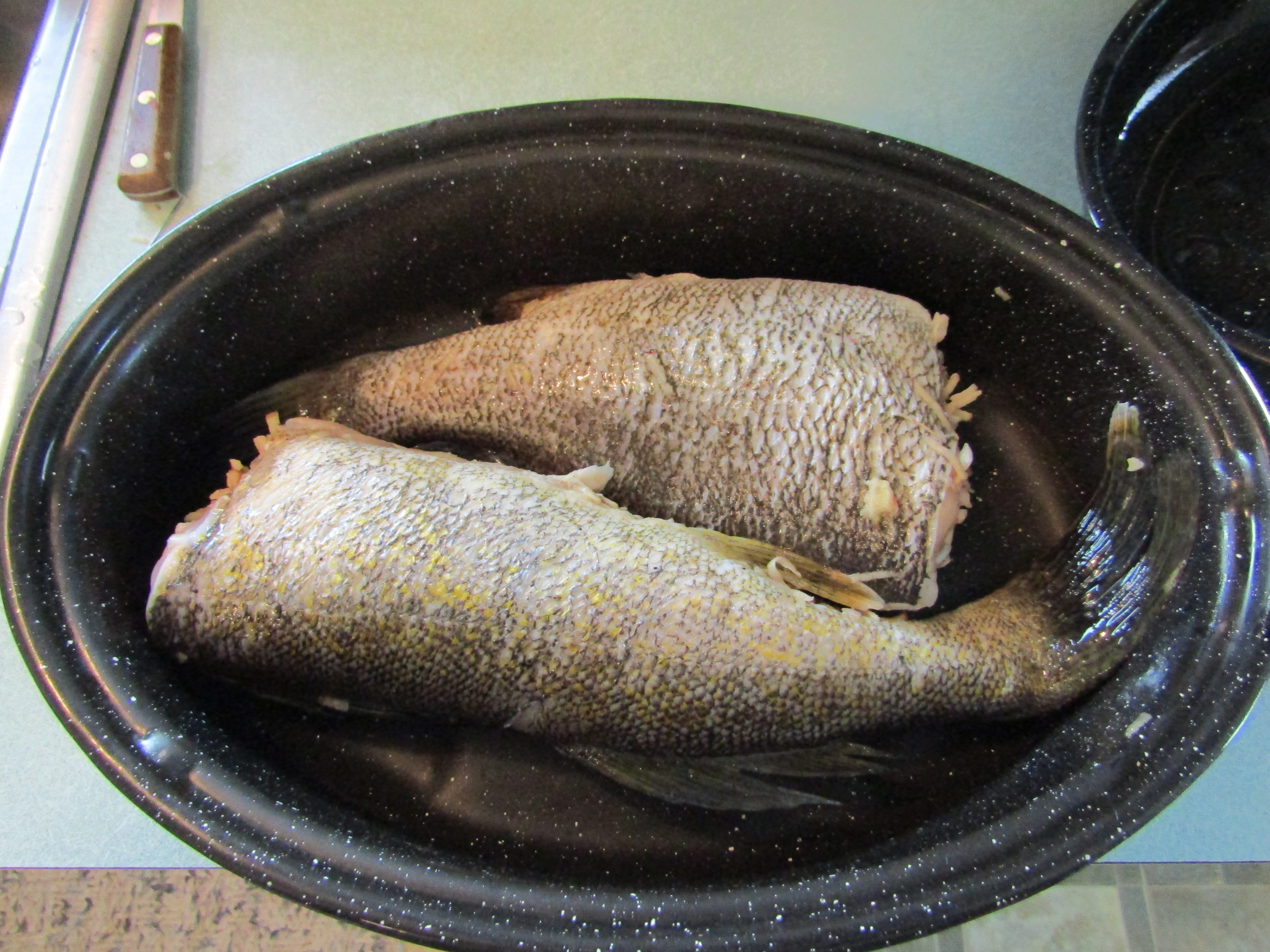
My first challenge was finding a whole fish. It seems that not one single grocery or market in the county sells whole fish. That left one option … catching our own.

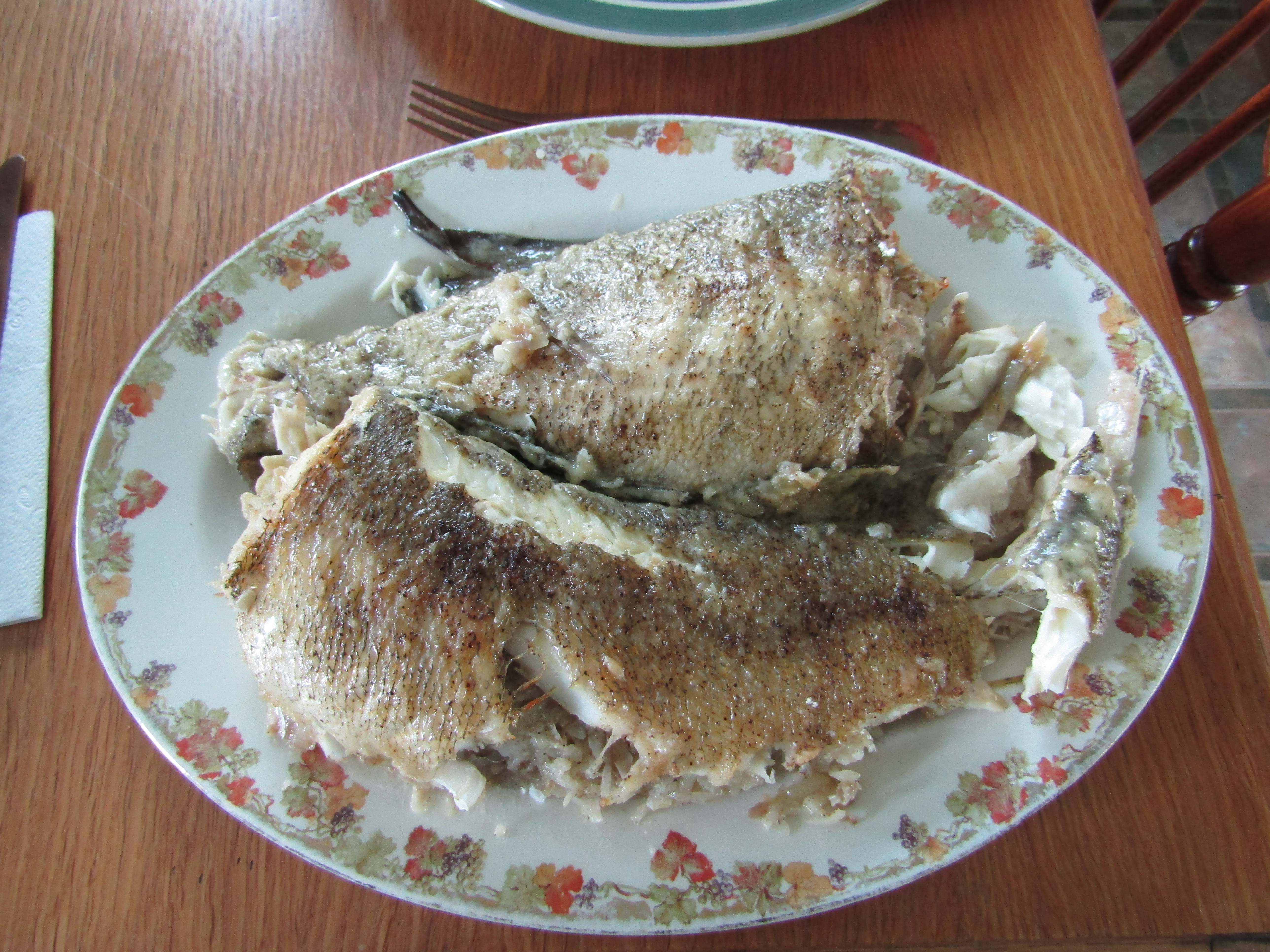
A call to our friend, Steve Benedict, resulted in a Friday evening spent on a pontoon at Lake Winyah. My husband caught a 16” small mouth bass, and Steve caught a 20” walleye. I caught a perch that was, ahem, a little under optimum size. Two fish were more than enough.

I’ve never been very good at following recipes. I view them as loose guidelines. To be historically accurate, we should have left the heads on the fish. But today’s diner has a bit of an aversion to an entrée that stares back from the platter. So the heads were removed. I grated the potatoes instead of chopping fine. It was faster. I have no idea what poultry savory is, so I used salt, pepper, and a little rubbed sage. The recipe doesn’t say whether or not to cover the roasting pan, so I did. A slow oven is about 325 degrees, and that worked out perfectly at an hour and a half.

Then, just to be bold and daring, I invited Steve and his wife plus another couple from church to come to dinner and be guinea pigs. Because if I’m going to have an epic fail, I want witnesses. Thankfully―it wasn’t! It was very tasty. If I ever do it again, I’ll omit dredging the fish in flour. And, to be honest, I’d probably fillet the fish and sew the two fillets together. I’m spoiled. I like the bones removed before the fish is cooked. Still, it was fun to play with this recipe from yesteryear.

-Pegg Thomas

Anna’s Tower is Pegg’s novella, part of The Great Lakes Lighthouse Brides collection.

 Blurb:

Anna’s dream of running the lighthouse was difficult enough to achieve, but then a Russian stowaway was left on the island, and that complicated everything.

Amazon

 About Pegg

Pegg Thomas lives on a hobby farm in Northern Michigan with Michael, her husband of *mumble* years. A life-long history geek, she writes “History with a Touch of Humor.” When not working or writing, Pegg can be found in her barn, her garden, her kitchen, or sitting at her spinning wheel creating yarn to turn into her signature wool shawls. Connect with Pegg on her blog at https://peggthomas.com/.


Spoon Biscuit Recipe

There is a scene my Civil War romance, A Musket in My Hands, where spoon bread is a great treat for Confederate soldiers in the Army of Tennessee. A spoon bread recipe from Confederate Home Cooking uses cornmeal, not flour as this biscuit recipe from Buckeye Cookery and Practical Housekeeping cookbook does. The bread recipe also begins with scalding the milk, which the Buckeye Cookery cook (Mrs. A.B. Morey) does not mention for making the biscuits.

Flour was pretty scarce in most of the South after the Civil War started. By 1864—when my story begins—corn meal was a staple for most of the breads for Southerners.

Pour 2 cups of buttermilk into a medium-sized mixing bowl. Stir in one teaspoon of baking soda and one teaspoon of salt.

Melt 2 tablespoons of shortening and stir into the mixture.

Then Mrs. Morey advises adding enough flour to achieve a stiff batter. This was 2 ½ cups of flour for me.

These were dropped by spoon into a gem pan. These pans resemble modern muffin pans. I sprayed my mini muffin pan with cooking spray and dropped the thick batter into the small slots.

Bake the biscuits at 400 degrees until lightly browned, about twenty minutes—longer if using larger muffin pans.

The biscuits were good but somewhat bland. It seemed that this type of bread was probably spread with jellies, jams, and fruit butters such as apple butter. I tried it with apple butter and liked it much better. Though my husband liked them plain, I’m thinking of making sausage gravy to go with the leftover biscuits from this batch. Yum!

I had extra batter so I baked the spoon biscuit dough in a small loaf pan. This made a thick, hearty loaf of bread.

I’d love to hear if you try it.

-Sandra Merville Hart

Sources

Compiled from Original Recipes. Buckeye Cookery and Practical Housekeeping, Applewood Books, 1877.

Mitchell, Patricia B. Confederate Home Cooking, 1991.


Rice Pudding Recipe

There is a scene my Civil War romance A Musket in My Hands  where rice pudding is a great treat for sisters who have disguised themselves as Confederate soldiers in the Army of Tennessee. This recipe from Buckeye Cookery and Practical Housekeeping cookbook published in 1877 would have been similar to the pudding served to Callie and Louisa.

Add a teaspoon of salt to two cups of water in medium-sized kettle. When water boils, add one cup of rice (not instant) and simmer until dry. (This took about a half hour for long grain brown rice.)

Stir a teaspoon of corn starch into 2 cups of milk. Pour this into the cooked rice. Return to a boil.

Separate two eggs.

Beat ½ cup of sugar into the egg yolks and stir into the rice mixture. Remove from heat.

Grate the rind of 1 lemon. Stir this into the rice along with the juice of 1 lemon.

Spoon the mixture into custard cups, leaving room at the top for meringue topping.

Pour an inch or two of water into a large baking dish and arrange the custard cups inside.

Bake at 350 degrees for about 30 minutes.

Toward the end of that time, add 2 tablespoons of sugar to the reserved egg whites and beat with a mixer until white and stiff. Remove the pudding from the oven and spread the meringue over the top. Return the pudding to the over to lightly brown the topping.

I allowed these to cool before eating. I like rice dishes and I liked this dessert. The tangy taste of the lemon is there but did not overpower the dish. The sweet taste was not overly sweet. My husband also enjoyed the pudding.

I’d love to hear if you try it.

-Sandra Merville Hart

Sources

Compiled from Original Recipes. Buckeye Cookery and Practical Housekeeping, Applewood Books, 1877.

Toby’s Troubles Recipe

Today’s post is written by fellow author and sweet friend, Carole Brown. Welcome back to Historical Nibbles, Carole!

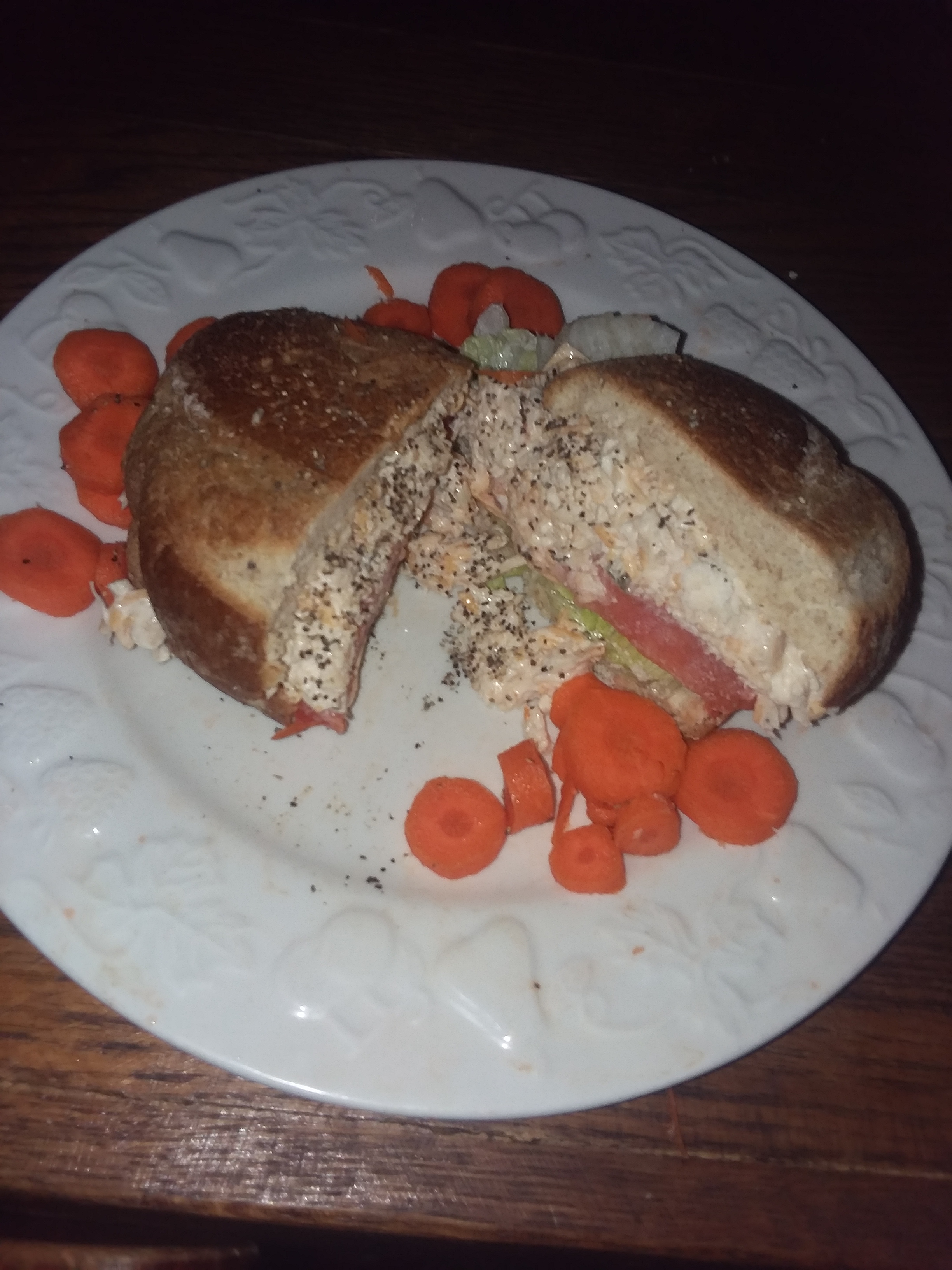
A delicious Tuna Salad from The Coffee Shop in Toby’s Troubles that has a light kicky tartness (due to the dip and lemon juice), but is utterly delicious.

I love writing seemingly minor details into my books that add a touch of realism and hominess. On Toby and Amy’s lunch date, Toby teases Amy with an original menu item on sale from The Coffee Shop because it is one of Amy’s favorites. Hence, The Tuna Salad Sandwich.

I like to encourage those who try this recipe to experiment with the ingredients. Start light with some of the ingredients, then add more to satisfy your taste. Or switch an item with a different, special touch you crave.  Be inventive.

Tuna Salad Mix:

Fresh tuna, chopped (or 1 can, 5 oz. chunk Tuna, light)

2 tbsp of Spinach dip

1 tsp of lemon juice

1/3 cup of plain Greek yogurt

¼ cup Mozzarella cheese (or your choice of cheese)

Sea salt and pepper to taste

Lightly mix these ingredients together. Then choose one of the following:

Breads:

Wheat swirled bread, buttered, and lightly toasted and sliced in half

Warmed floured tortilla shells

Eat on top of chilled and halved cucumber slices with centers scooped out

Eat as a salad on a plate with crackers or tortilla chips or Fritos

Then add:

One thick slice of tomato

Spinach leaf(s)

A dash of Parmesan cheese on top

-Carole Brown

Toby’s Troubles Blurb:

Everyone loves Toby Gibson. A co-owner of Undiscovered Treasures, a unique shop of antiques, collectibles and junk, Toby is friendly, generous to a fault, the director of the local plays in Appleton and supports his church’s youth functions. But the minute his sister, Caroline, and her new husband take off for their honeymoon, a “ghost” begins to haunt the shop—or maybe it’s just an intruder. If so, Toby has no idea for what the thing is looking. To add to his troubles, he suspects Amy not only is bidding for the property he’s wanted forever, but is in love with him. And he’s not interested.

Amy Sanderson who owns the only flower shop in Appleton—Bloomin’ Life—is drawn into capturing Toby’s “ghost” when her own business is damaged by a destructive intruder. Having loved Toby since a teenager, she’s more than willing to join forces with him. But she has no interest in being his best friend or a sister to him. And if she has to resort to schemes of outbidding him at his frequent auction attendances to get his attention, then so be it. She can be just as stubborn as the man who’s determined to ignore her love.

In between the break-ins, destruction of property, thefts and personal competitions against each other, Amy and Toby work together to find the thief who seems so determined to find a valuable item, he’ll stop at nothing.

Amazon

Bio:

Besides being a member and active participant of many writing groups, Carole Brown enjoys mentoring beginning writers. An author of ten books, she loves to weave suspense and tough topics into her books, along with a touch of romance and whimsy, and is always on the lookout for outstanding titles and catchy ideas. She and her husband reside in SE Ohio but have ministered and counseled nationally and internationally. Together, they enjoy their grandsons, traveling, gardening, good food, the simple life, and did she mention their grandsons?

Connect with Carole on her blog and Twitter.


Corn Cakes Recipe

Since Callie, my female protagonist in my third Civil War romance A Musket in My Hands , made corn cakes so often while disguising herself as a Confederate soldier, I could not wait to make them. This recipe from Buckeye Cookery and Practical Housekeeping cookbook published in 1877 would have been similar to Callie’s—except as a soldier in the Confederate army, she lacked some of the ingredients.

The recipe calls for equal amounts of corn meal and buttermilk. I quickly saw that this mixture would not be thick enough to make into a patty for frying so I doubled the corn meal to two cups.

Combine two cups of cornmeal with one teaspoon of baking soda and one teaspoon of salt. Beat one egg and add to the cornmeal mixture. Stir in one cup of buttermilk.

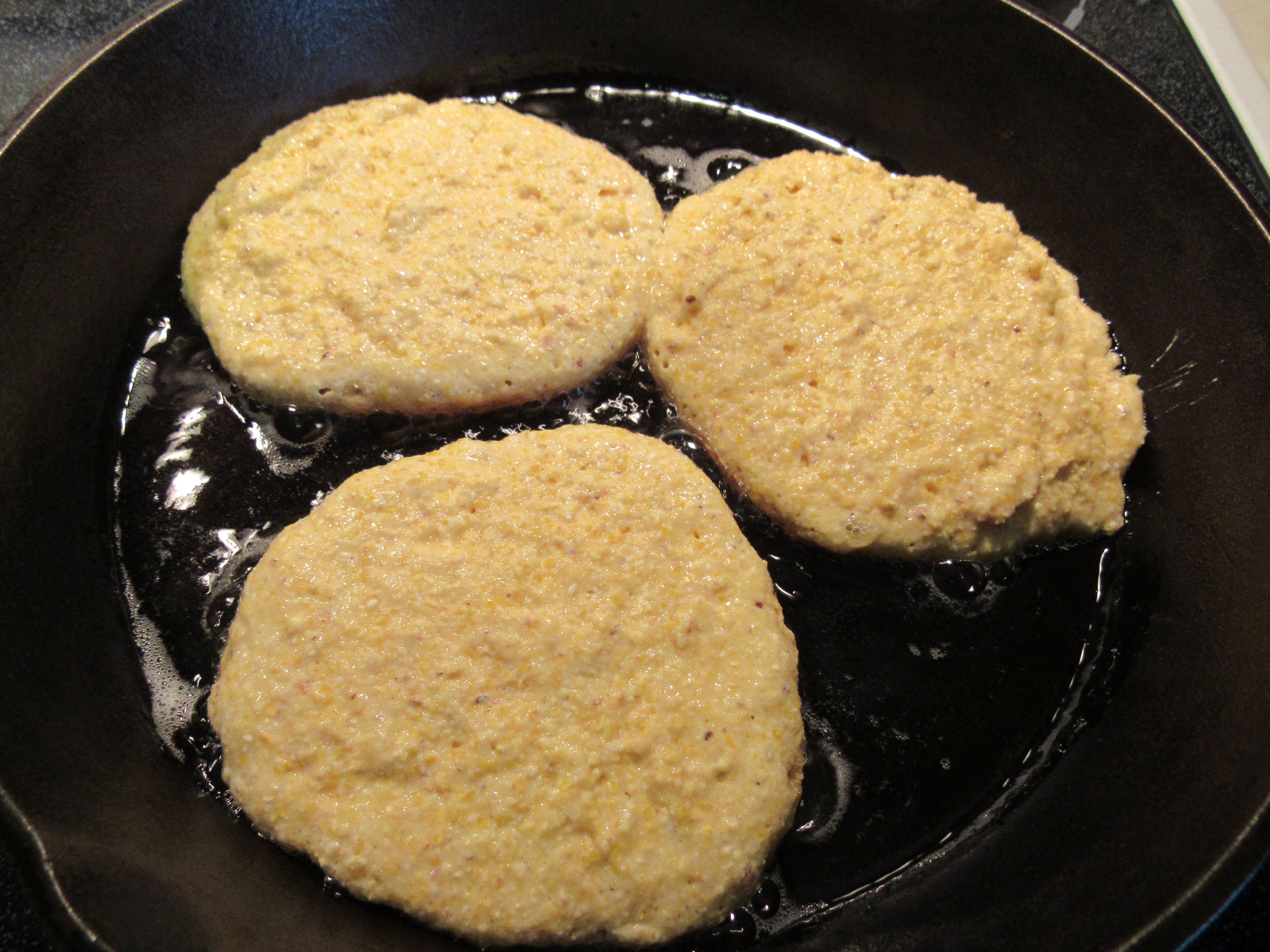
Melt a tablespoon of shortening in a skillet on a medium high heat. Take a portion of the cornmeal batter and form it into a cake. Carefully place it in the hot skillet. You can fry about 3 at a time, depending on the size of the cakes.

Lower the heat to medium. These cook quickly so flip them over after a minute or two to brown on the other side.

My batter made 6 corn cakes. Yum! They are filling but not enough to feed a soldier hungry from a long march, like the characters from my novel.

I’d love to hear if you try it.

-Sandra Merville Hart

Sources

Compiled from Original Recipes. Buckeye Cookery and Practical Housekeeping, Applewood Books, 1877.


Buckeye Cake Recipe

Since my novella, Surprised by Love , recently released in the “From the Lake to the River” collection of Ohio locations written by Ohio writers, I couldn’t resist trying this 1877 recipe for Buckeye Cake. The recipe was submitted by Mrs. W. W. W. for the Buckeye Cookery and Practical Housekeeping cookbook published in 1877.

This makes an 8×8 cake. Preheat oven to 350 degrees.

Stir 1 teaspoon of baking soda into 2 cups of flour. Set aside.

Give 1 cup of raisins a rough chop then dredge into a little flour. (I used the flour mixture above and then removed the raisins and kept them separate until ready to add to the batter.)

Separate the yolks and egg whites of 3 eggs into 2 bowls. Beat the yolks and set aside.

Beat the egg whites into a stiff froth and set aside.

Cream ½ cup butter with 1 cup of sugar. Add the egg yolks and ½ cup of buttermilk.

Hint: The recipe calls for sour milk, which was another name for buttermilk 150 years ago. If you don’t have buttermilk, add a teaspoon of vinegar to regular milk. Let this set about 15 minutes and then it’s ready to use in the recipe.

Stir in the flour mixture. Then fold in the beaten egg whites. Lastly, fold in the raisins. I loved the fluffy and creamy texture of the batter!

Bake 25 – 30 minutes or until lightly browned.

Since buckeye candies are made of peanut butter and chocolate, it seemed fitting to use Chocolate Peanut Butter Frosting. Delicious frosting!

I loved the cake with this icing. However, I didn’t enjoy the raisins in the cake. Next time, I may substitute chocolate chips for the raisins or omit completely.

I’d love to hear if you try it.

-Sandra Merville Hart

Sources

“Chocolate Peanut Butter Frosting,” Taste of Home, 2018/09/26 https://www.tasteofhome.com/recipes/chocolate-peanut-butter-frosting/.

Compiled from Original Recipes. Buckeye Cookery and Practical Housekeeping, Applewood Books, 1877.

“Soured Milk,” Wikipedia.com, 2018/09/26 https://en.wikipedia.org/wiki/Soured_milk.