White Sauce for Boiled Fowls

This looked like an easy recipe from an 1841 cookbook, so I thought I’d give it a try.

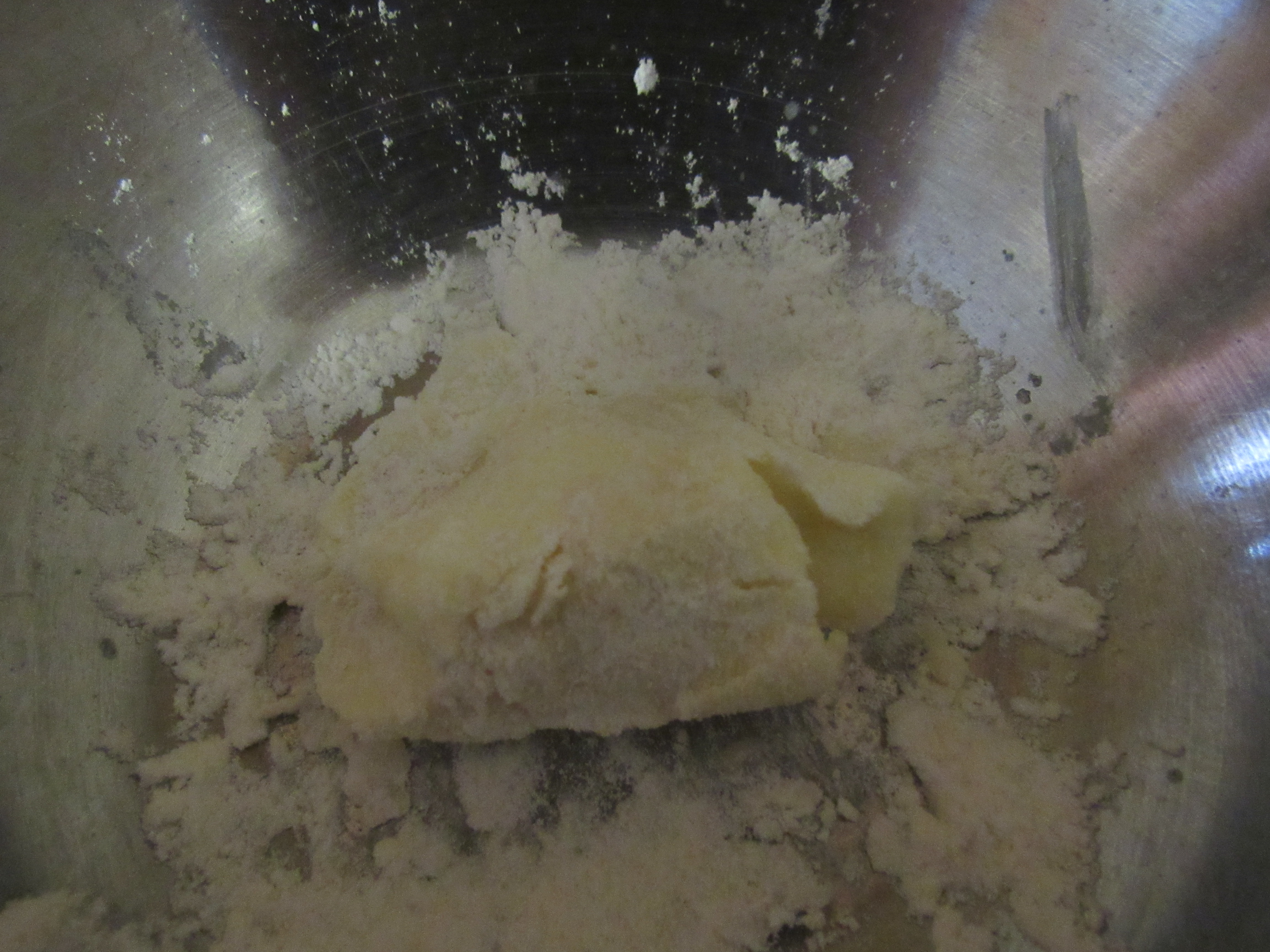
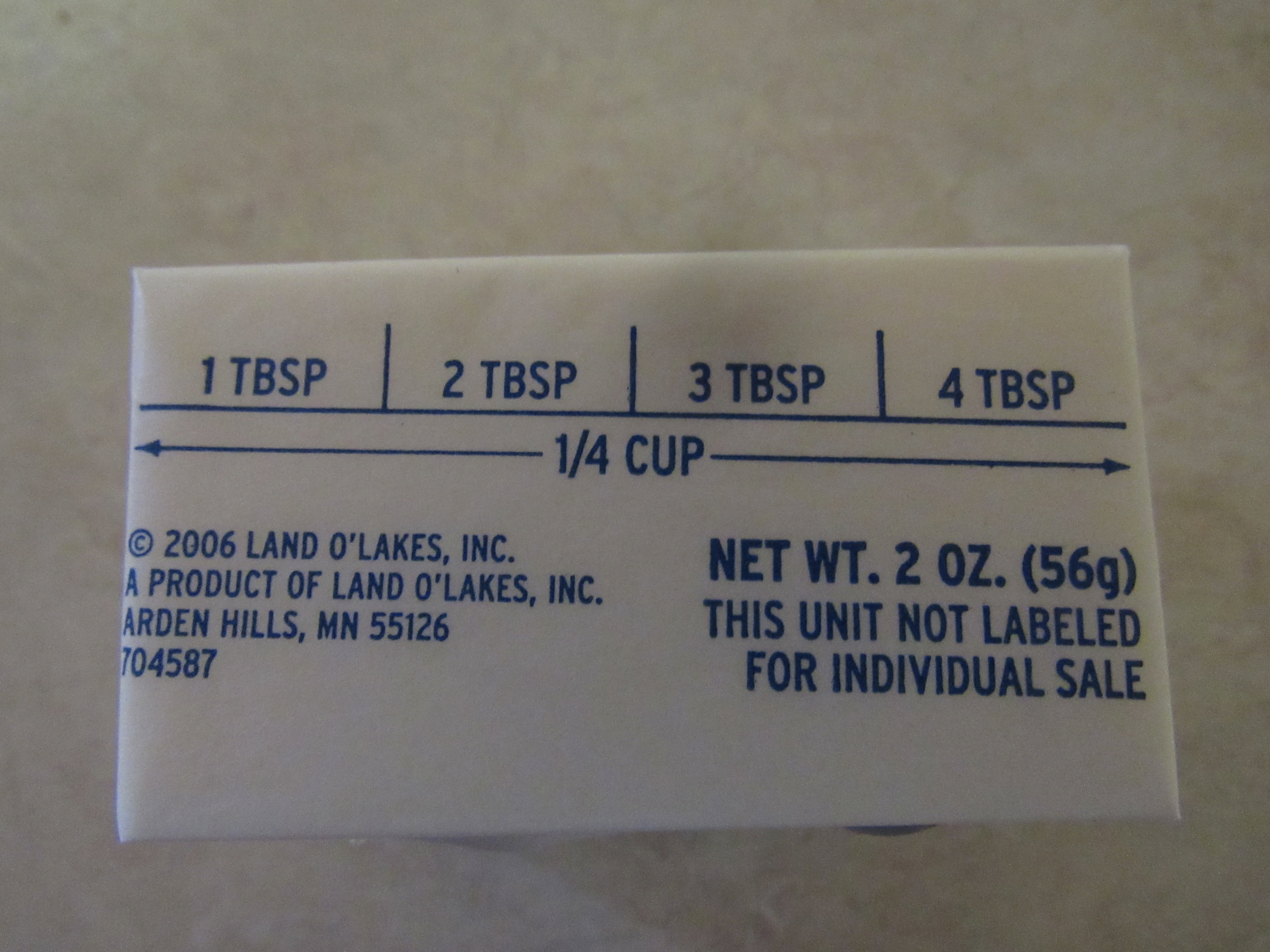
Take a tablespoon of butter and knead it about a teaspoon of flour into it. The flour quickly works into the butter.

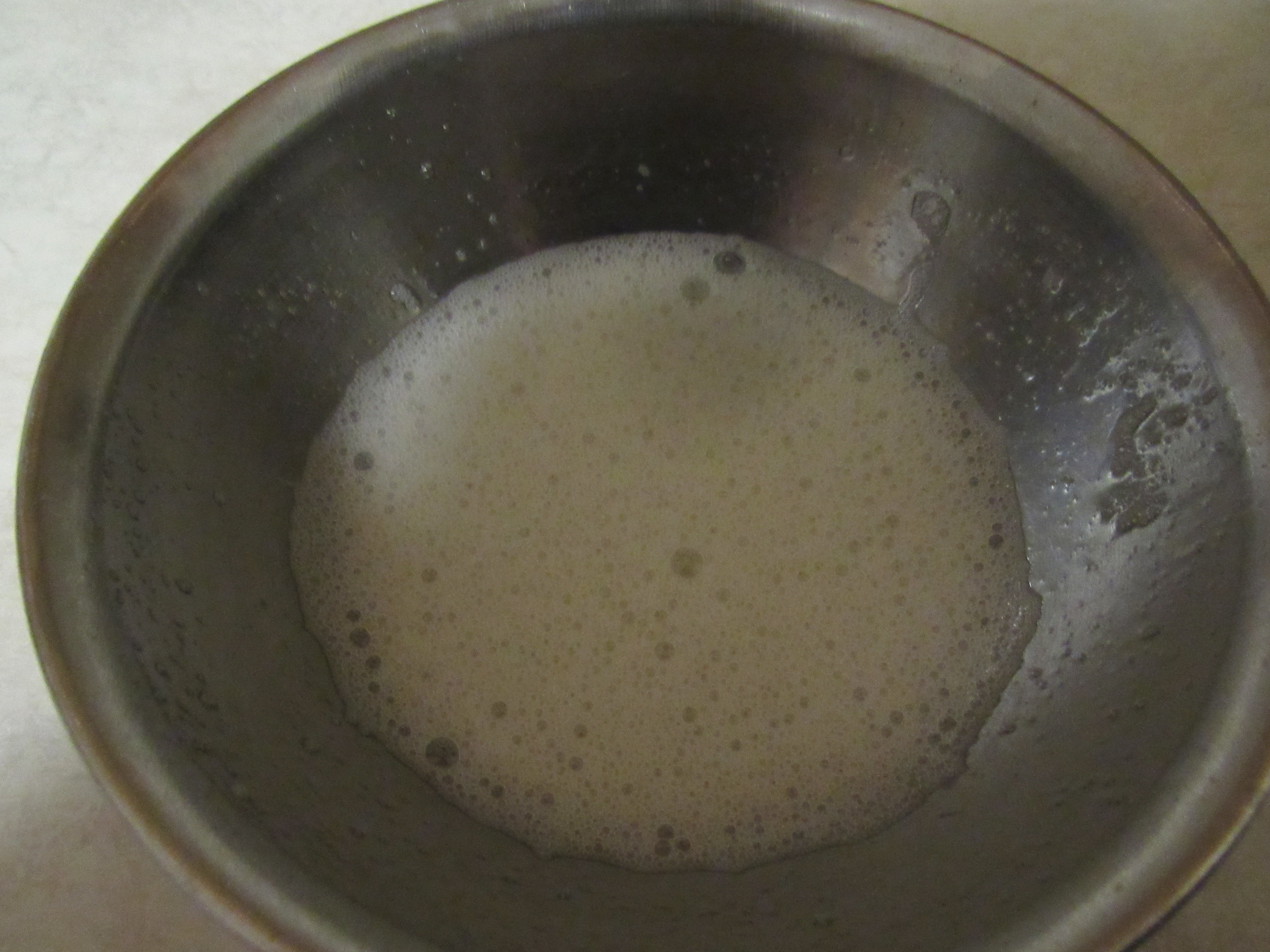
Whip a teaspoon of cream with 1 egg yolk and set aside.

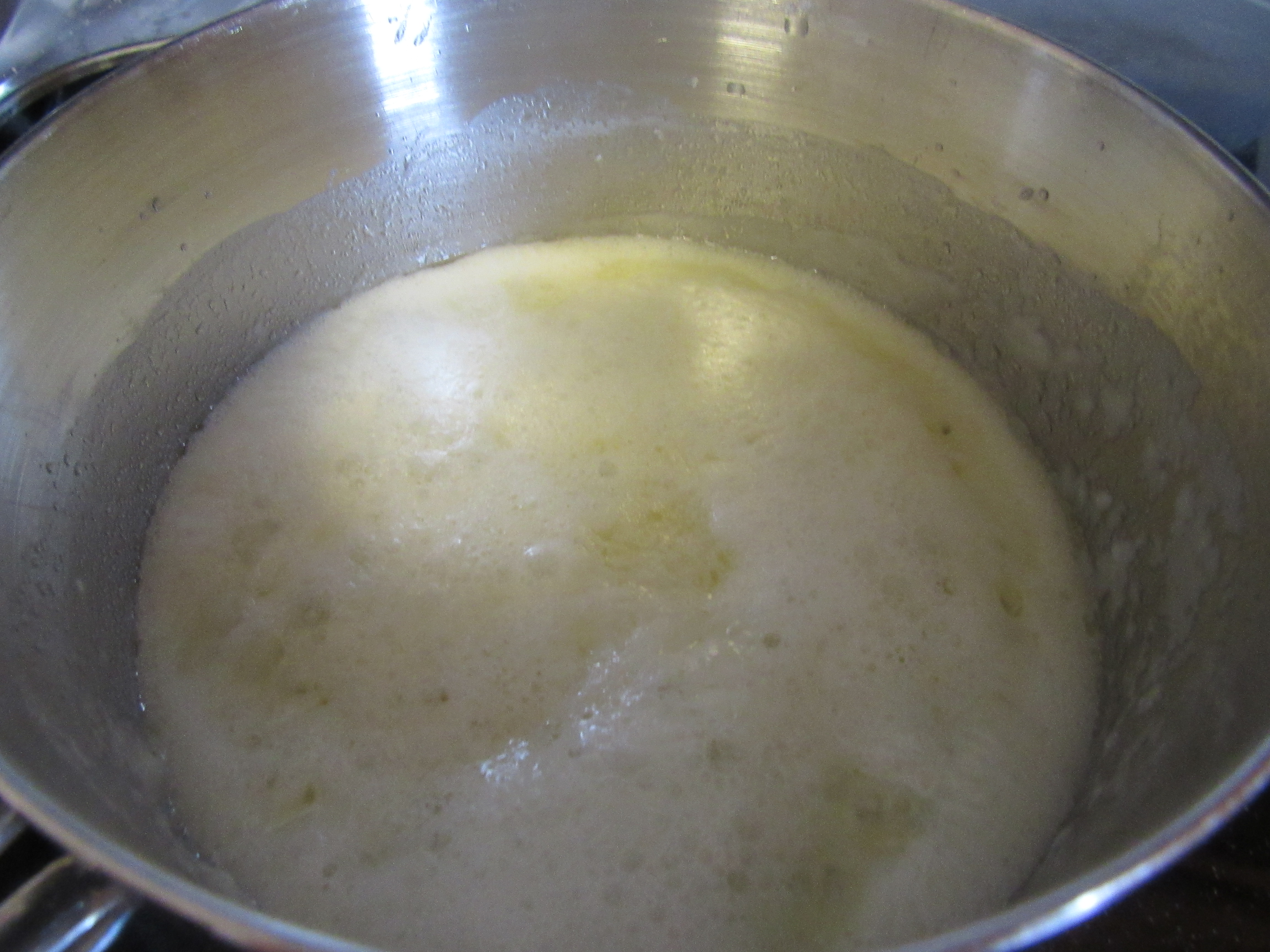
In a small saucepan, add ½ cup of milk with the butter. Heat over medium heat until the butter melts.

Add the egg mixture. Stirring constantly, heat until boiling. Let it boil a minute or two to cook the flour and egg.

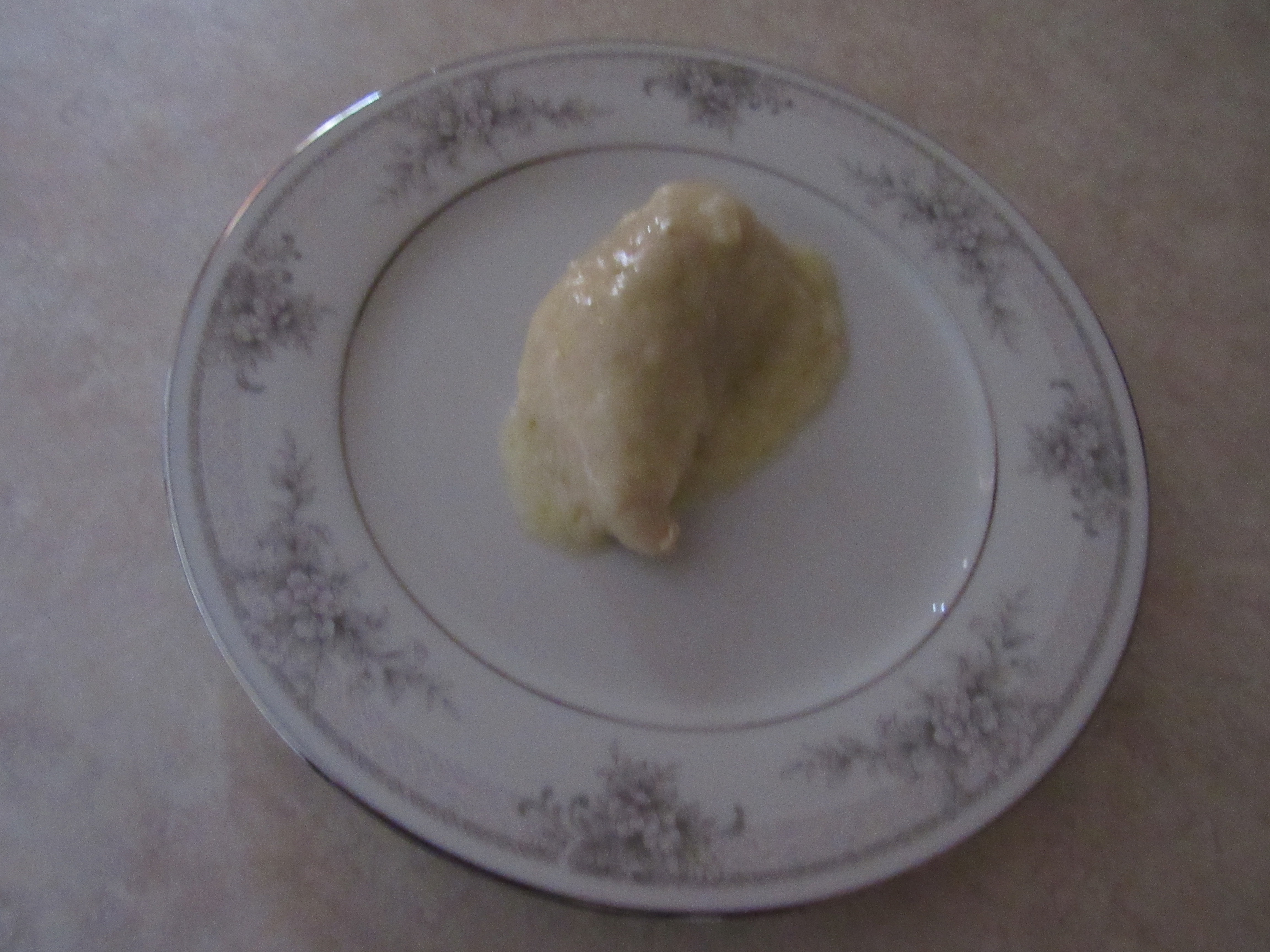
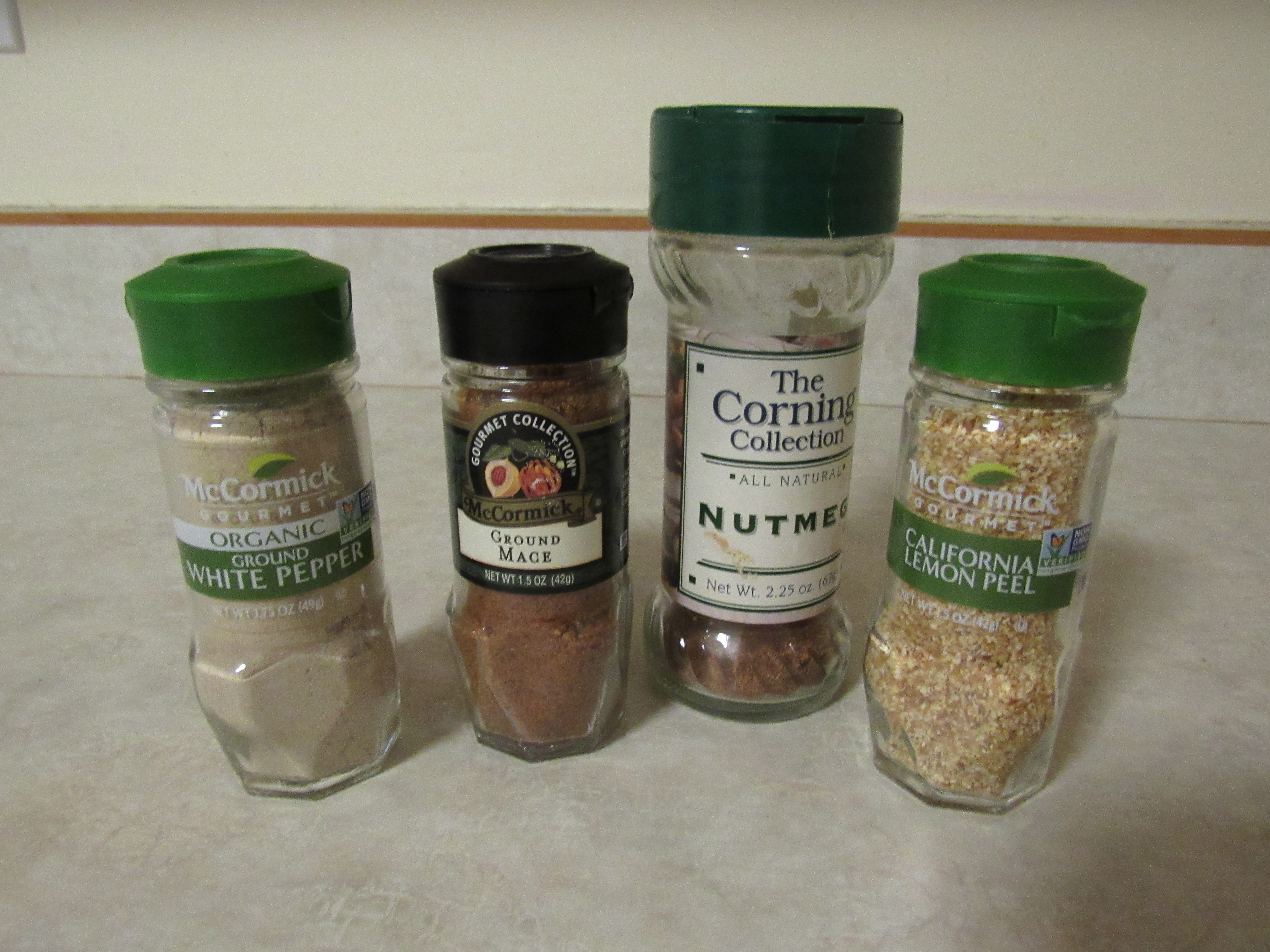
This becomes a beautiful light and creamy sauce.

Delicious! My husband and I tried it on chicken. We both liked it, though I felt it needed a tiny bit of salt.

I will be making this again.

I’d love to hear if you try it.

-Sandra Merville Hart

Sources

Hale, Sarah Josepha. Early American Cookery, Dover Publications, Inc., 1996.


Bread Sauce Recipe from 1841

When I saw this recipe under the “Gravies” section in an 1841 cookbook, I thought I’d give it a try.

Finely chop a small onion. This recipe calls for onion that “has been boiled in three waters.” The cook didn’t explain why this was important.

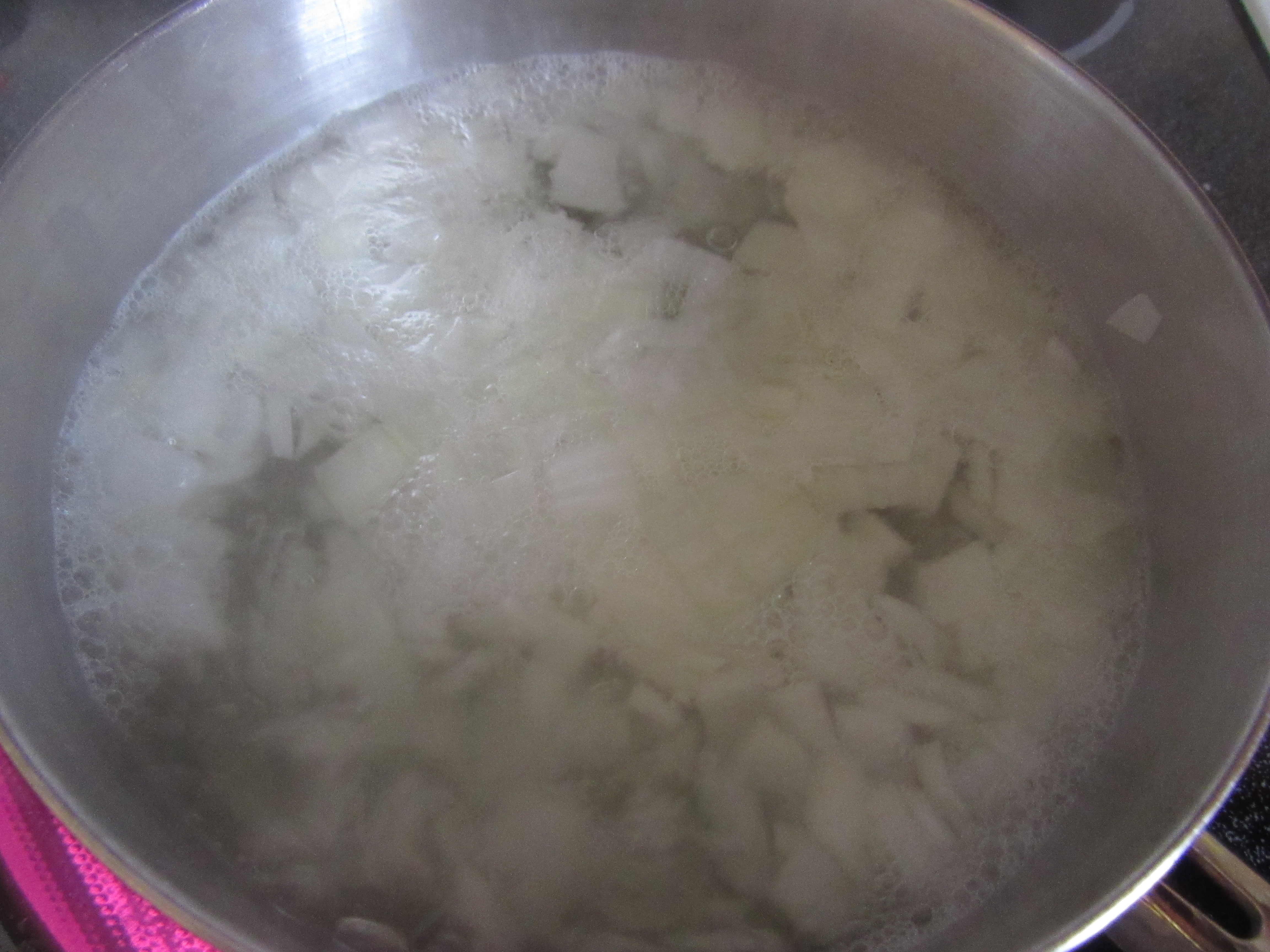
In a small saucepan, boil the onion in water. When it begins to boil, remove from heat and strain the onion through a colander. Return onion to the pan with fresh water. Repeat until the onion has boiled in three waters.

Set the strained onion aside.

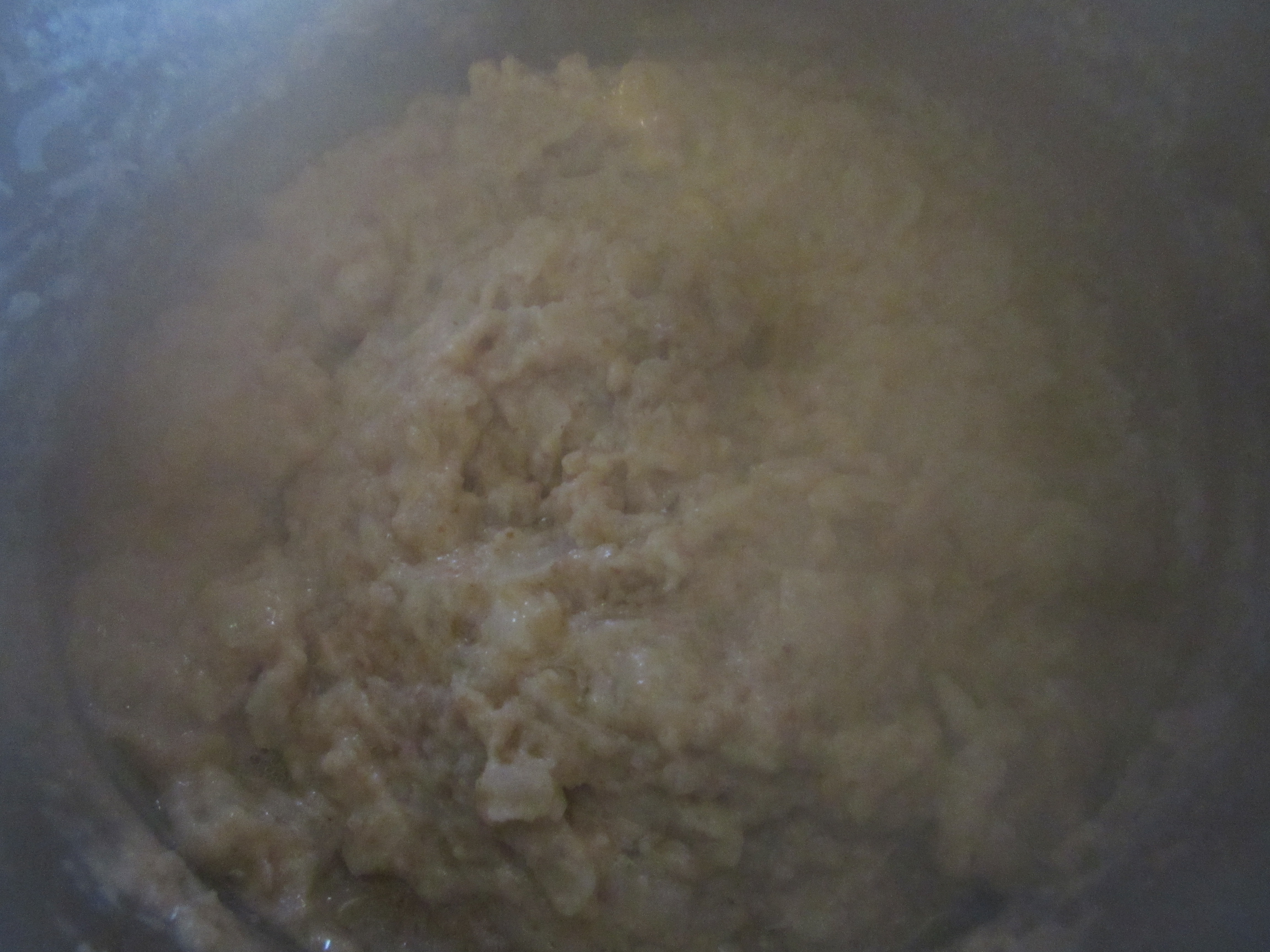
In a small saucepan, add 1 cup of milk and ½ cup of bread crumbs. Heat on medium high just until boiling. Then stir in the reserved onion. Reduce heat to simmer the mixture for 20 minutes, stirring occasionally.

The recipe called for butter the size of a walnut. I guessed this to be about 3 tablespoons. After the mixture simmers about 20 minutes, add 3 tablespoons butter. Return to a boil and then remove from the heat.

I tried this on chicken and expected to enjoy the flavor more than I did. The onion flavor was pretty strong … not my favorite. The grainy consistency of the sauce might pair better with roast beef.

I’d love to hear if you try it.

-Sandra Merville Hart

Sources

Hale, Sarah Josepha. Early American Cookery, Dover Publications, Inc., 1996.


Egg Sauce Recipe from 1841

When I saw this recipe under the “Gravies” section in an 1841 cookbook, it didn’t look very appetizing. I sometimes eat boiled eggs for breakfast and thought this was worth a try.

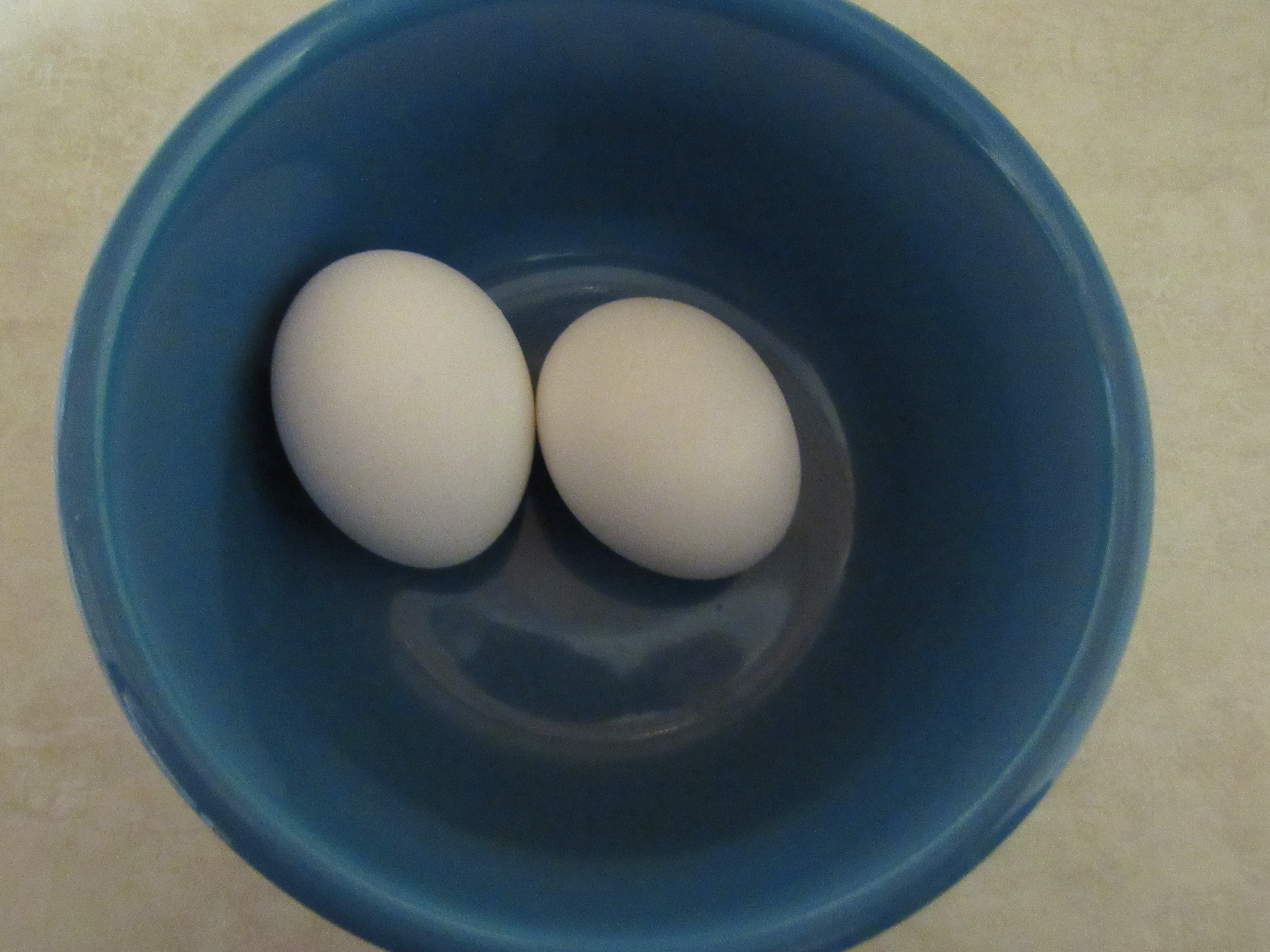
Hard boil two eggs. When cooled, chop them and set aside.

Cut a ¼ cup of butter into small pieces. Put these in small saucepan with a heaping teaspoon of flour and 1 tablespoon of milk.

Stir the ingredients and melt on a medium heat.

Once melted, add 6 tablespoons of water and stir.

Let the mixture cook without stirring for 1 minute. Then pick up the pan and let the melted butter roll around the butter. Set it back on the burner and leave it alone for another minute. Roll the mixture again.

Repeat this until it begins to simmer, probably two or three times. Then do nothing until the mixture boils. It will be as thick as cream when done.

Stir in the reserved eggs.

I tried this egg mixture on chicken. Yummy! The egg sauce was even delicious by itself, though I added a little salt to the finished dish.

I’d love to hear if you try it.

-Sandra Merville Hart

Sources

Hale, Sarah Josepha. Early American Cookery, Dover Publications, Inc., 1996.


Melted Butter Recipe from 1841

I thought melted butter was simply … melted butter.

It was so fun to find this recipe listed under “Gravies” in an 1841 cookbook. I had to try it.

The cook advises to always use the best quality of sweet butter.

Cut a ¼ cup of butter into small pieces. Put these in small saucepan with a heaping teaspoon of flour and 1 tablespoon of milk.

Stir the ingredients and melt on a medium heat.

Once melted, add 6 tablespoons of water and stir.

Let the mixture cook without stirring for 1 minute. Then pick up the pan and let the melted butter roll around the pan. Set it back on the burner and leave it alone for another minute. Roll the mixture again.

Repeat this until it begins to simmer, probably two or three times. Then do nothing until the mixture boils. (Mine took about 2 minutes.) It will be as thick as cream when done.

My husband and I tried this on chicken. Yummy! My husband is a picky eater and he found it delicious, too.

Yay! We found a new idea for dinners simply by adding this butter.

I’d love to hear if you try it.

-Sandra Merville Hart

Sources

Hale, Sarah Josepha. Early American Cookery, Dover Publications, Inc., 1996.


Delicate Cake Recipe from 1877

Delicate cakes sound as if they are light and airy. I found this recipe in an 1877 cookbook and decided to try it.

Since the original recipe called for 6 eggs, I halved the ingredients.

Cream ¼ cup butter with 1 cup sugar. Whisk 3 egg whites until frothy and add to the mixture. Add the zest of one orange or lemon. (I used an orange.)

In a separate bowl, combine 1 ½ cups flour, ½ teaspoon cream of tartar, and ¼ teaspoon baking soda. (The recipe doesn’t call for salt but add ½ teaspoon of salt if using all-purpose flour.)

Stir flour mixture into wet ingredients, alternating with 1/3 cup milk + 1 tablespoon.

Prepare a springform baking pan with cooking spray. Add batter and bake at 350 until done, about 25 to 30 minutes.

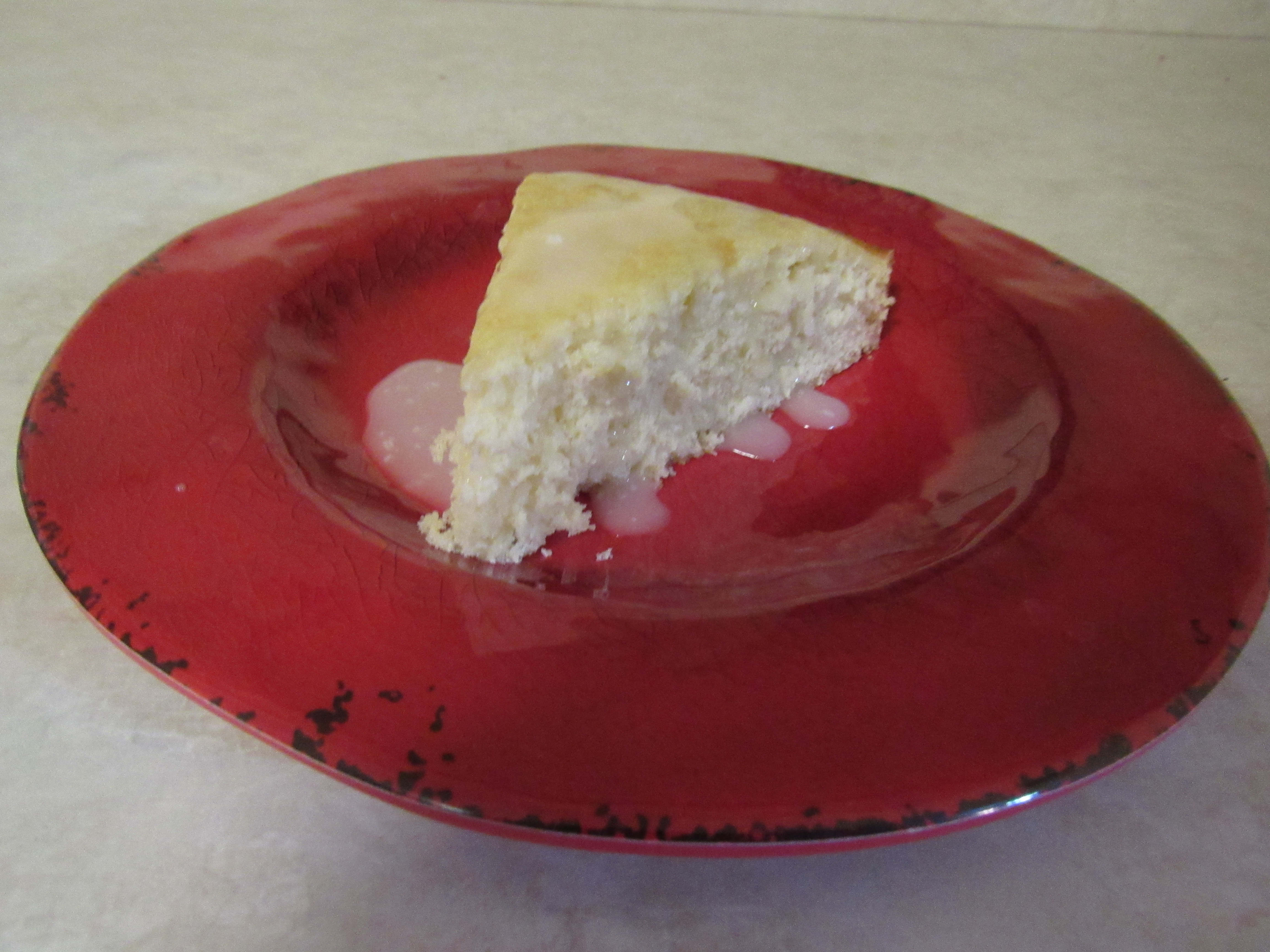
I drizzled a glaze (powdered sugar mixed with a little water) on each serving. This is a delicious cake with a delicate hint of orange. I plan to make it again.

This recipe is from Miss Mary E. Miller.

I’d love to hear if you try it.

-Sandra Merville Hart

Sources

Compiled from Original Recipes. Buckeye Cookery and Practical Housekeeping, Applewood Books, 1877.


Hard Money Cake Recipe from 1877

I’d never heard of money cakes until finding this recipe in an 1877 cookbook. Photos of money cakes on the Internet show rolled up singles fashioned in the shape of a cake and given at weddings and graduations.

This cake is made of two batters—one represents gold, the other represents silver.

Since the original recipe called for 8 eggs, I calculated the portions for using 2 eggs. This smaller portion still made an 8 x 8 cake.

To make the sour milk required for this recipe, pour a cup of milk into a glass and stir in 1 teaspoon of vinegar. Set aside until needed.

Gold batter:

Cream ¼ cup butter with 1/2 cup sugar. Add yolk of 2 eggs, ½ teaspoon of lemon extract, and ½ teaspoon of vanilla extract.

In a separate bowl, combine 1 cup flour and ¼ teaspoon baking soda, and 1 teaspoon cornstarch powder. (The recipe doesn’t call for salt but add ½ teaspoon of salt if using all-purpose flour.)

Stir flour mixture into wet ingredients, alternating with 1/4 cup sour milk. This makes thick batter. If you prefer, add more milk, teaspoon by teaspoon, until it is the desired consistency.

Set batter aside while making the silver portion.

Silver batter:

Cream ¼ cup butter with 1/2 cup sugar. Whisk 2 egg whites until frothy and add to the mixture. Add ½ teaspoon of almond extract or peach extract. (I used almond extract.)

In a separate bowl, combine 1 cup flour and ¼ teaspoon baking soda, and 1 teaspoon cornstarch powder. (The recipe doesn’t call for salt but add ½ teaspoon of salt if using all-purpose flour.)

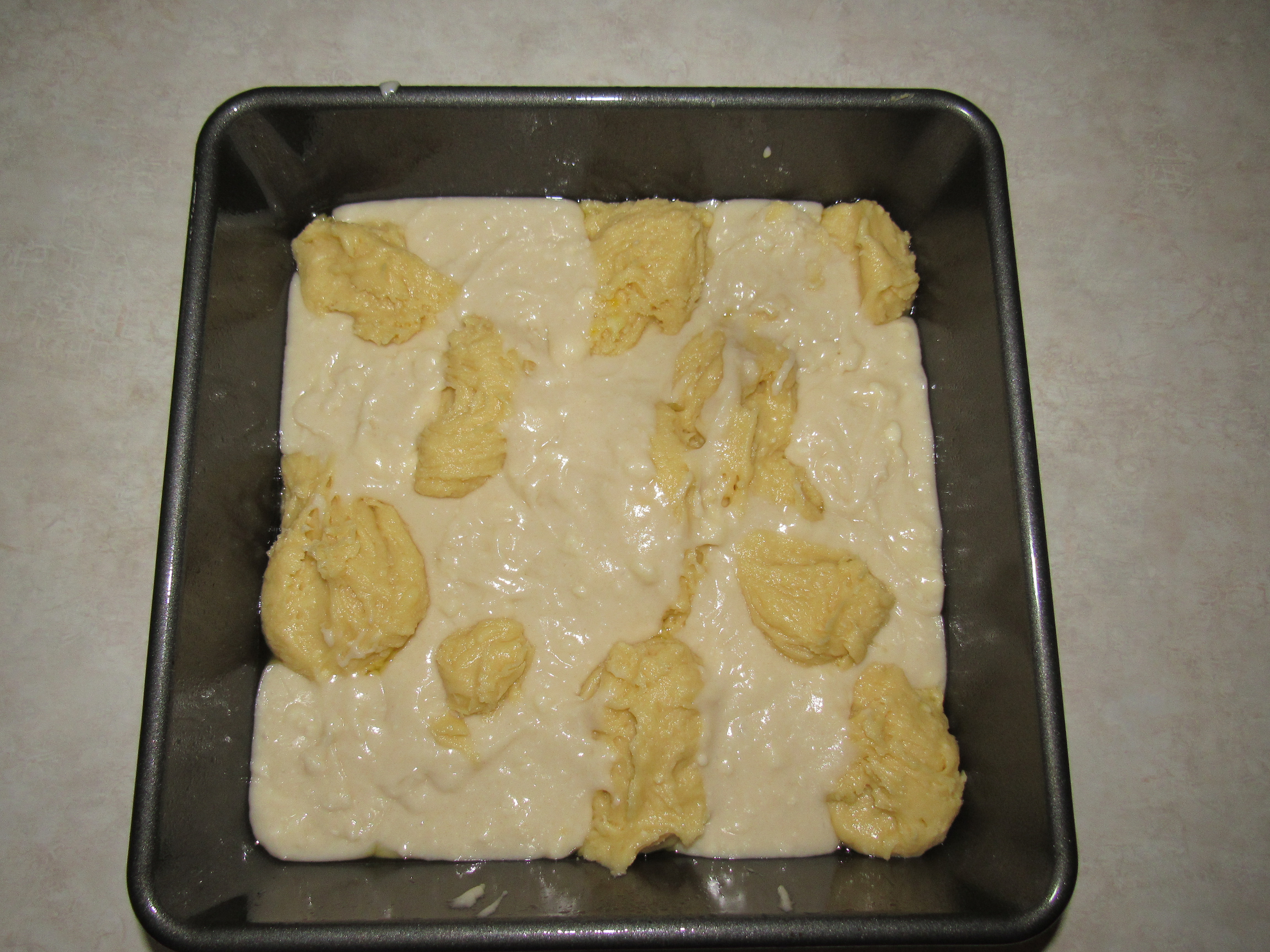
Stir flour mixture into wet ingredients, alternating with 1/4 cup sour milk. This batter is white (not silver!) and thinner than the gold batter because of the frothy egg whites.

Spray an 8 x 8 baking pan with cooking spray. Spoon in the batter, alternating gold and silver.

Bake at 350 until done, about 25 to 30 minutes.

This cake needs no icing. If you choose, drizzle on a glaze (powdered sugar mixed with a little water.)

Yummy!

Hard money cakes are more of a coffee cake consistency. With one bite having an almond flavor and the next tasting of lemon, it is a delicious cake. The colors of the baked cake weren’t gold and silver, but food coloring in the batters can enhance this.

This can be a fun cake for celebrations of graduations or job promotions.

This recipe is from Miss Emma Fisher, 1877 cook.

I’d love to hear if you try it.

-Sandra Merville Hart

Sources

Compiled from Original Recipes. Buckeye Cookery and Practical Housekeeping, Applewood Books, 1877.


Feather Cake Recipe from 1877

I’d never heard of feather cakes until stumbling across this recipe in an 1877 cookbook. After I made it, a quick search on the Internet showed that this old-fashioned recipe can still be found—and it’s baked in a loaf pan. I baked it in a springform pan—whoops!

Oh, well. You will know before baking. 😊

Since I simply wanted to try the recipe, I halved the ingredients. Double the ingredients for a larger loaf.

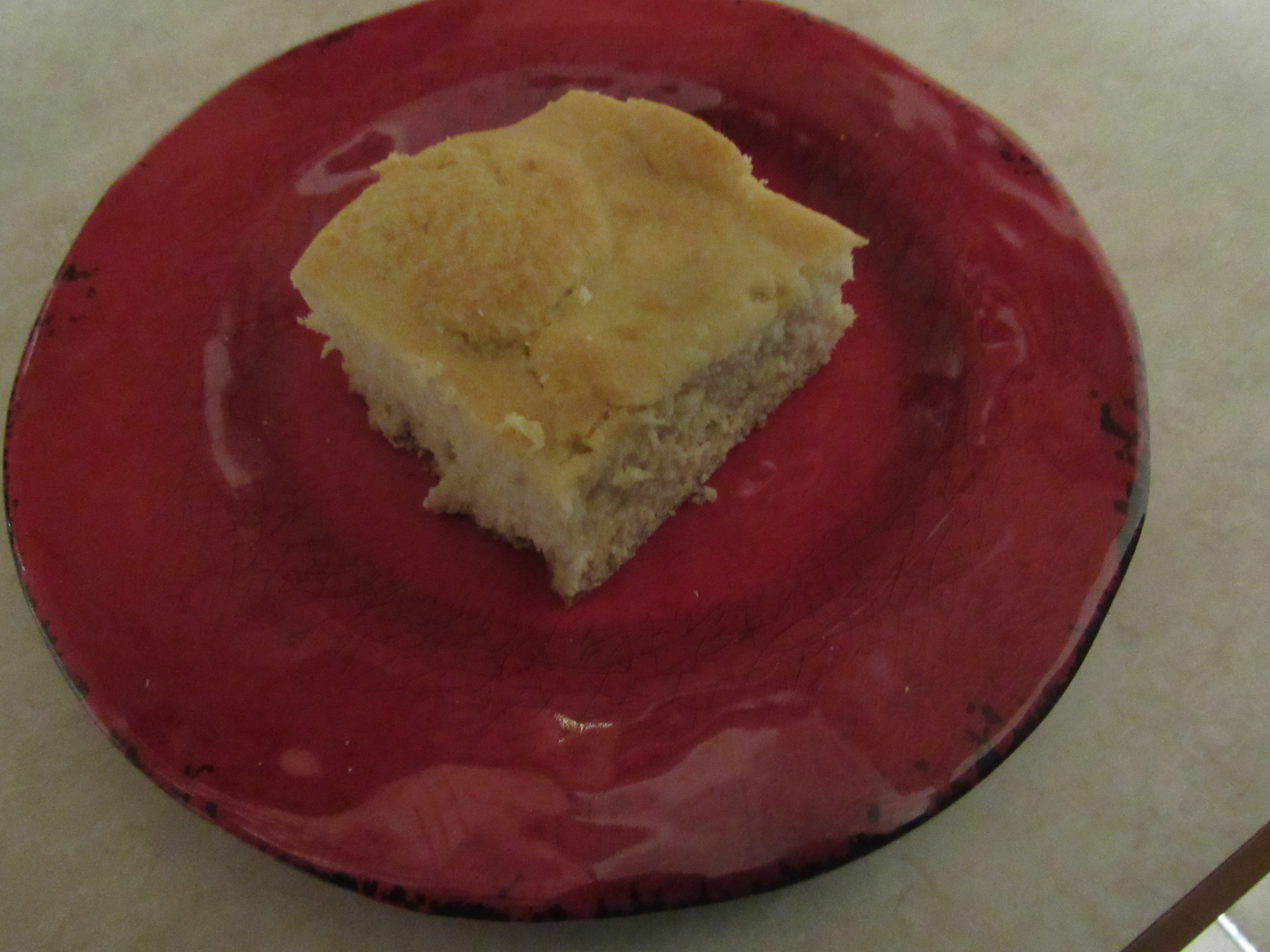
Cream ¼ cup butter with 1 cup sugar. Add 2 eggs. Add the zest of 1 lemon.

In a separate bowl, combine 1 1/2 cups flour and 1 teaspoon baking powder. (The recipe doesn’t call for salt but add ½ teaspoon of salt if using all-purpose flour.)

Stir flour mixture into wet ingredients, alternating with ½ cup milk.

As mentioned above, I baked this in springform pan but it is traditionally baked in a loaf pan.

Bake at 350 until done, about 25 to 30 minutes.

I served this cake with a glaze drizzle (powdered sugar mixed with a little water.) Yummy!

I expected a “feather cake” to have a lighter consistency. It was dense and sweet with a nice hint of lemon.

This recipe is from Mrs. E. I. C. of Springfield.

I’d love to hear if you try it.

-Sandra Merville Hart

Sources

Compiled from Original Recipes. Buckeye Cookery and Practical Housekeeping, Applewood Books, 1877.


Chocolate Cake Recipe from 1877

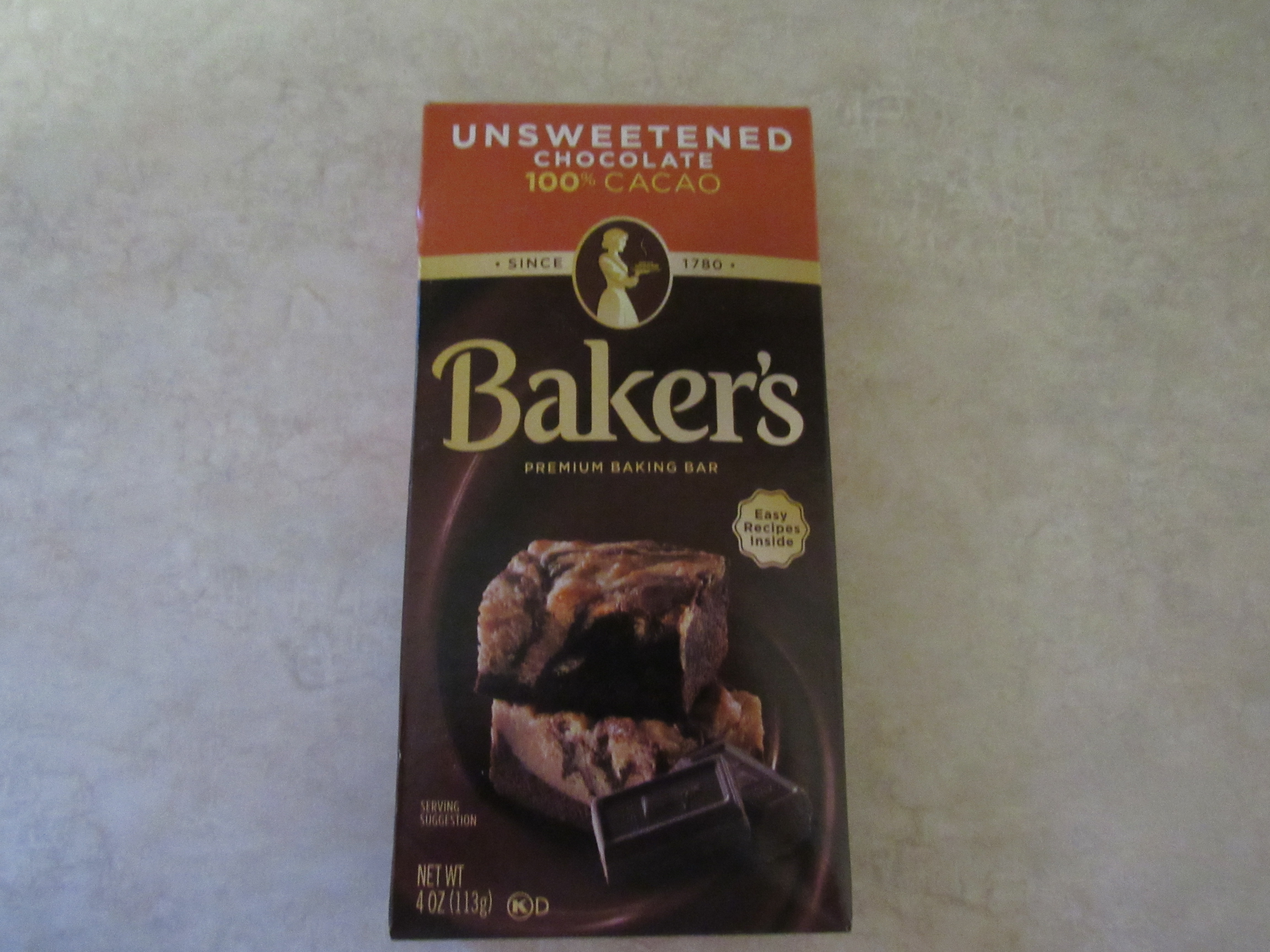
I was surprised to see “Baker’s chocolate” listed as an ingredient in an 1877 recipe. I researched and found that Dr. James Baker bought a chocolate company from Mrs. John Hannon. Her husband didn’t return from sailing to the West Indies and she sold it in 1780.

Dr. Baker changed the name to Baker Chocolate Company. How fun that the company still thrives today!

Since I simply wanted to try the recipe, I halved the ingredients. This gave 2 thin layers. Double the ingredients for normal proportions.

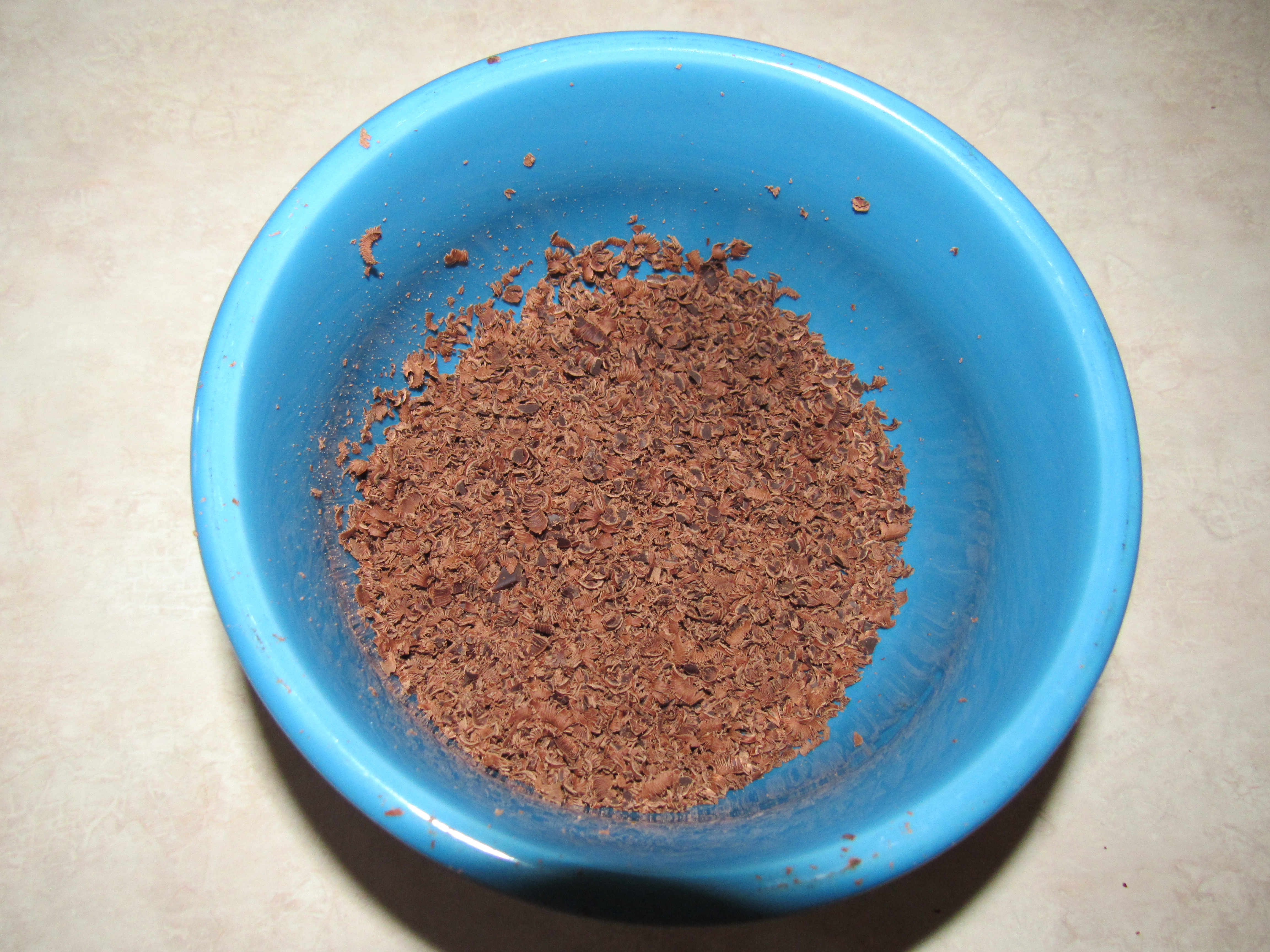
Grate 5 tablespoons of unsweetened Baker’s chocolate. (This is a little over an ounce—not enough for this chocolate lover. I’d suggest increasing this to 2 ounces.)

Cream ½ cup of butter with 1 ½ cups of brown sugar. Add 3 egg yolks.

In a separate bowl, combine 2 cups flour, 1 ½ teaspoons baking powder, and the chocolate. (The recipe doesn’t call for salt but add a teaspoon of salt if using all-purpose flour.)

Stir flour mixture into wet ingredients, alternating with ½ cup milk.

I made this into a thin 2-layer cake, but a single layer or an 8 x 8 pan will work fine.

Bake at 350 until done, about 25 to 30 minutes.

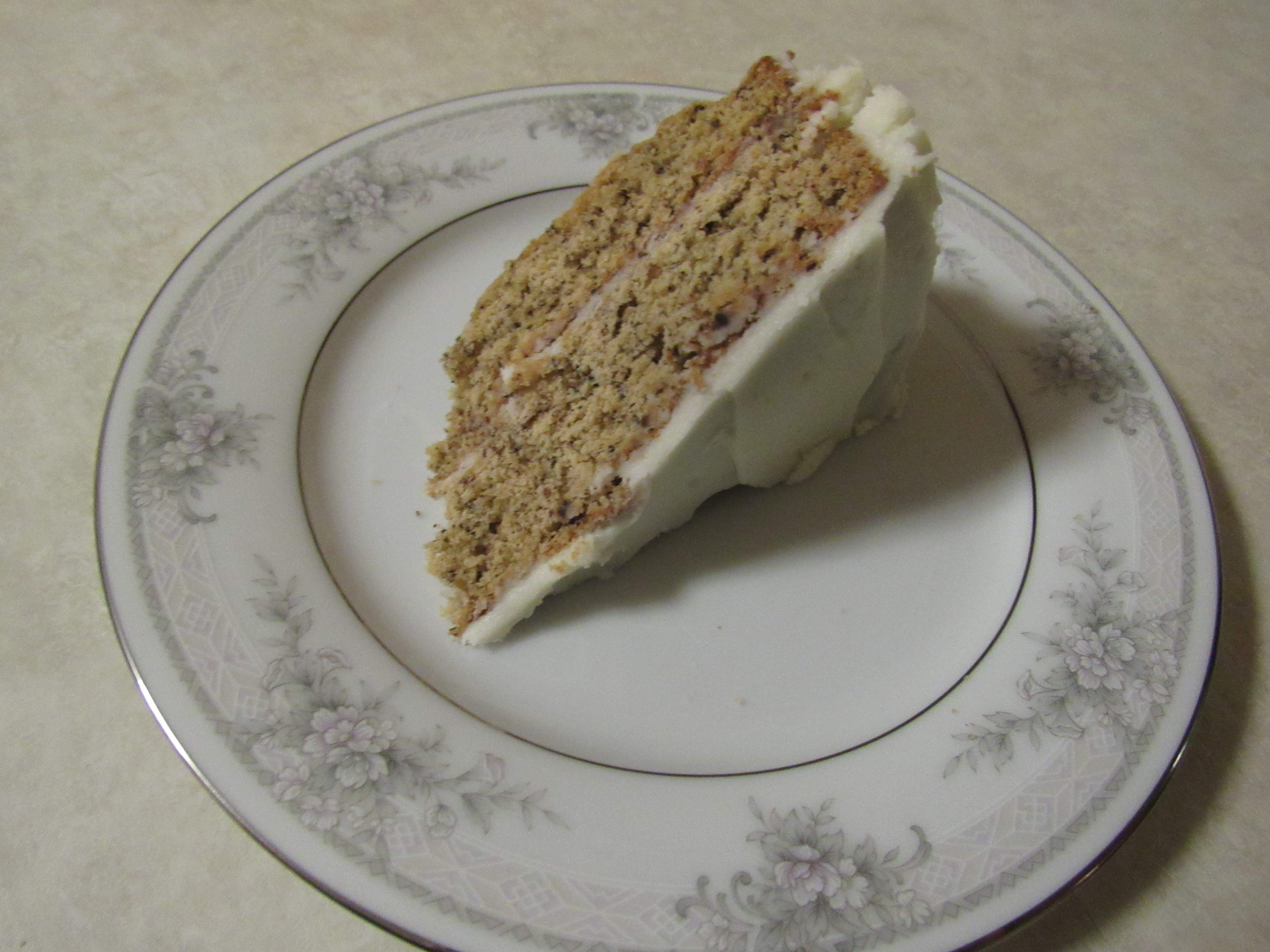
There were no suggestions for icing so I made a buttercream frosting.

This cake did not have a strong chocolate flavor. The amount of brown sugar made it a very sweet cake. I will at least double the chocolate next time. Instead of grating the chocolate, I will melt it with the butter and then mix in the sugar.

The look and texture of the cake more resembles a spice cake. It goes to show how tastes have changed over the years.

This recipe is from Mrs. Frank Woods Robinson of Kenton.

I’d love to hear if you try it.

-Sandra Merville Hart

Sources

“Baker’s Chocolate,” Wikipedia.com, 2018/03/25 https://en.wikipedia.org/wiki/Baker%27s_Chocolate.

Compiled from Original Recipes. Buckeye Cookery and Practical Housekeeping, Applewood Books, 1877.


Agnes Hopper’s Apple Nut Cake

Today’s post is written by fellow author, Carol Heilman. She’s in the midst of a move and has taken time to share a recipe from her newly released novel. Thanks, Carol, and welcome to Historical Nibbles!

This recipe was taken from an apple cookbook I picked up at the First Baptist Church annual garage sale. I found the book in a box of shoes and handbags and such. Tattered and torn, I never would have given it a second thought, but it was resting on top of a red purse that had caught my eye. Well sir, I tucked the book underneath one arm while I purchased that purse, which was genuine leather and soft as a baby’s behind, and the saleslady said I could have the cookbook for free.

Apple nut cake became my Charlie’s favorite, and he especially liked it warm, along with a cup of strong, black coffee. I hope you enjoy it as much as he did.

2 C Sugar

1 C Vegetable oil

3 eggs, beaten

3 C Flour, plain

1 teaspoon Baking soda

½ teaspoon Salt

6 Medium apples, peeled & diced. Granny Smith works well or any tart, firm cooking apple.

1 Cup chopped nuts (I used walnuts and toast them in the oven first)

2 teaspoon natural Vanilla.

Hint: Homemade vanilla is the best. All you need is a couple of vanilla beans, vodka, and a jar with a tight lid. A mason jar will do, but you have to plan ahead. It takes about two months for the vanilla to reach its peak. And remember to shake the jar every few days.

TOPPING

1 C brown sugar

½ C (1 stick) Butter

¼ C milk

  1. Preheat oven to 350 degrees. Lightly oil or spray 9×13 baking pan or dish.
  2. Mix sugar, oil, & eggs in large bowl. Beat well.
  3. Add flour, baking soda, salt. (I mixed the dry ingredients together first.) Add apples, nuts, & vanilla & beat with large wooden spoon until combined thoroughly.
  4. Scrape batter into pan. Bake 1 hour. (Mine took 55 minutes.)
  5. TO MAKE TOPPING: Boil together, brown sugar, butter & milk for 2½ minutes, right before you take cake from oven.
  6. When cake is done, immediately poke long tines of a fork down through cake & pour topping over cake. Serve warm or let cool.
  7. Freezes well

-Carol Heilman

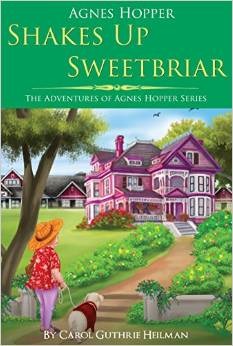
Agnes Hopper Shakes Up Sweetbriar, Book One

Recently widowed, Agnes Hopper’s small farmhouse burns to the ground. She, along with her pet pig, Miss Margaret, moves in with her daughter. After six months they agree they cannot possibly live together. Agnes then moves into a local retirement home, Sweetbriar Manor, but she soon realizes the administrator runs a tight ship for sinister reasons. Can Agnes find another place to call home? Or will she stay to become the voice for her new friends?

Agnes Hopper Bets On Murder, Book Two

Feisty Agnes has a spending addiction that could leave her penniless and homeless.

When she visits the cemetery to talk with her husband, Charlie, she discovers the dead body of his best friend. The local sheriff declares the man died of natural causes, but Agnes promises Charlie, she will uncover the truth. She becomes a senior sleuth while she and her friends try to save Sweetbriar Manor from being sold and turned into a halfway house.

Can Agnes curtail her spending and stop the sale while looking for a murderer?

Or will the murderer stop her first?

Author Bio

Carol Heilman, a coal miner’s daughter, married her high school sweetheart, a farmer’s son. She began writing family stories for newspapers and magazines. One day her mother said, “We don’t have any secrets anymore!”


Carol’s book series, Agnes Hopper Shakes Up Sweetbriar and Agnes Hopper Bets on Murder, was inspired by her mother’s spunky spirit and her dad’s humor.

Buy her book at Amazon
1841 Seasonings for White Sauces, Fricassees, and Ragout

I found a Seasoning recipe for white sauces, ragouts, and fricassees in an 1841 cookbook.

Ragouts are highly-seasoned meat stews. White sauce, made from white roux and milk, is the base of other sauces. Fricassees are stewed meats or vegetables that are served in a white sauce.

Select a small mixing bowl.

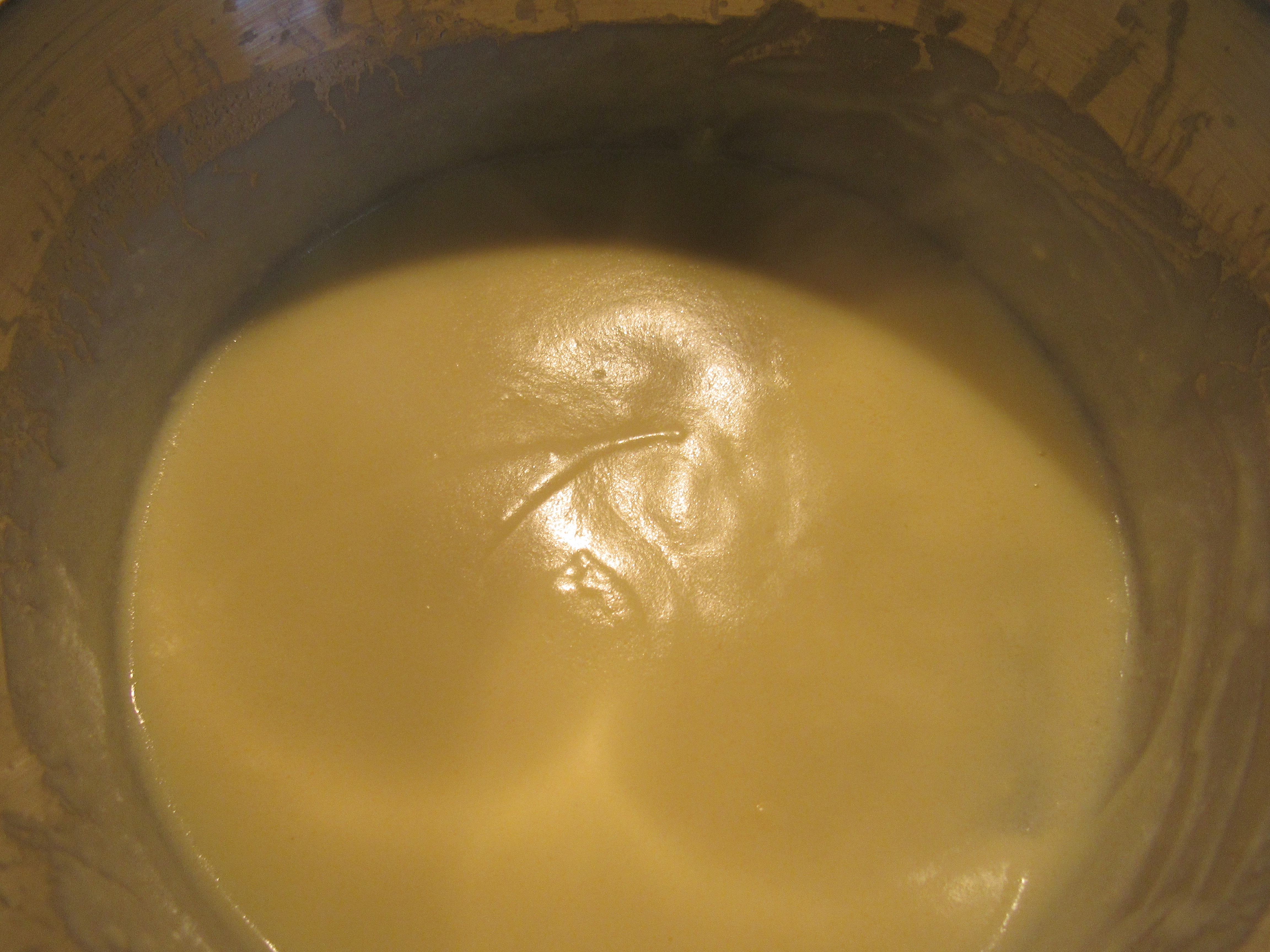
1 tablespoon white pepper

1 tablespoon nutmeg

1 tablespoon mace

1 tablespoon dried lemon peel

Mix ingredients together.

Store in closed container until needed in white sauces, fricassees, and ragouts.

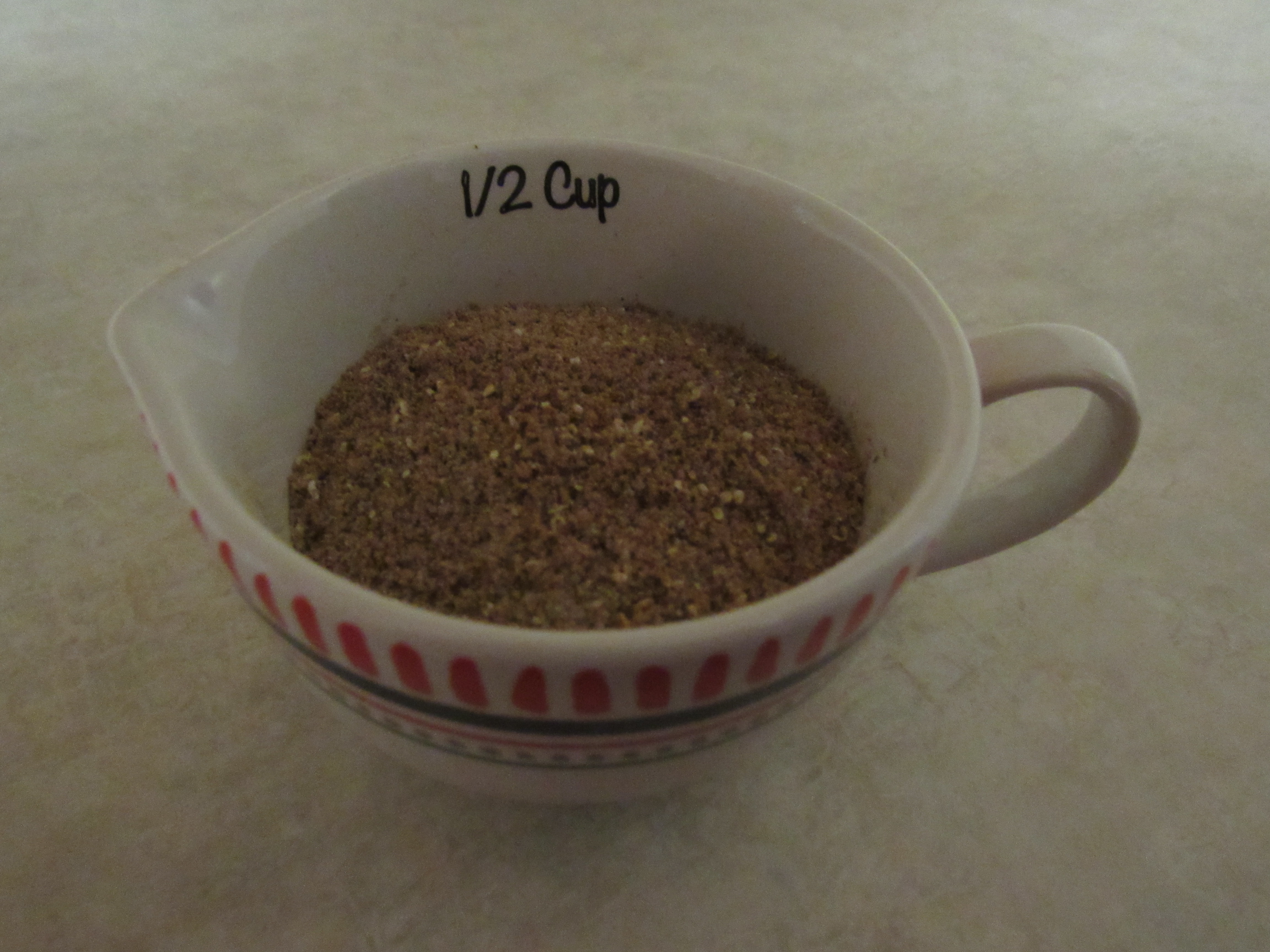
To try out the seasoning blend, I made baked macaroni and cheese using the Basic White Sauce Recipe from Taste of Home. I prepared the sauce as directed and then added cheese. I added about ¼ teaspoon of the seasoning mixture to the sauce and baked as usual.

The extra flavors changed the dish enough that it did not taste like macaroni and cheese to me, but wasn’t bad.

It’s also worth a try in stews, which often benefit from extra flavor.

I’d love to hear if you try this recipe in your cooking.

-Sandra Merville Hart

Sources

Gelzer, Lois. Taste of Home, 2018/01/21 https://www.tasteofhome.com/recipes/basic-white-sauce.

Hale, Sarah Josepha. Early American Cookery: “The Good Housekeeper” 1841, Dover Publications, Inc., 1996.