Cornmeal Gruel Recipe

This is Dr. Davenport’s recipe, found in an 1877 cookbook under “Food for the Sick.”

Dr. Davenport, Milford Center, Ohio, used this recipe thirty years earlier. He shared this “old and very valuable recipe” with 1877 cooks. Gruels were often given to sick or wounded Civil War soldiers.

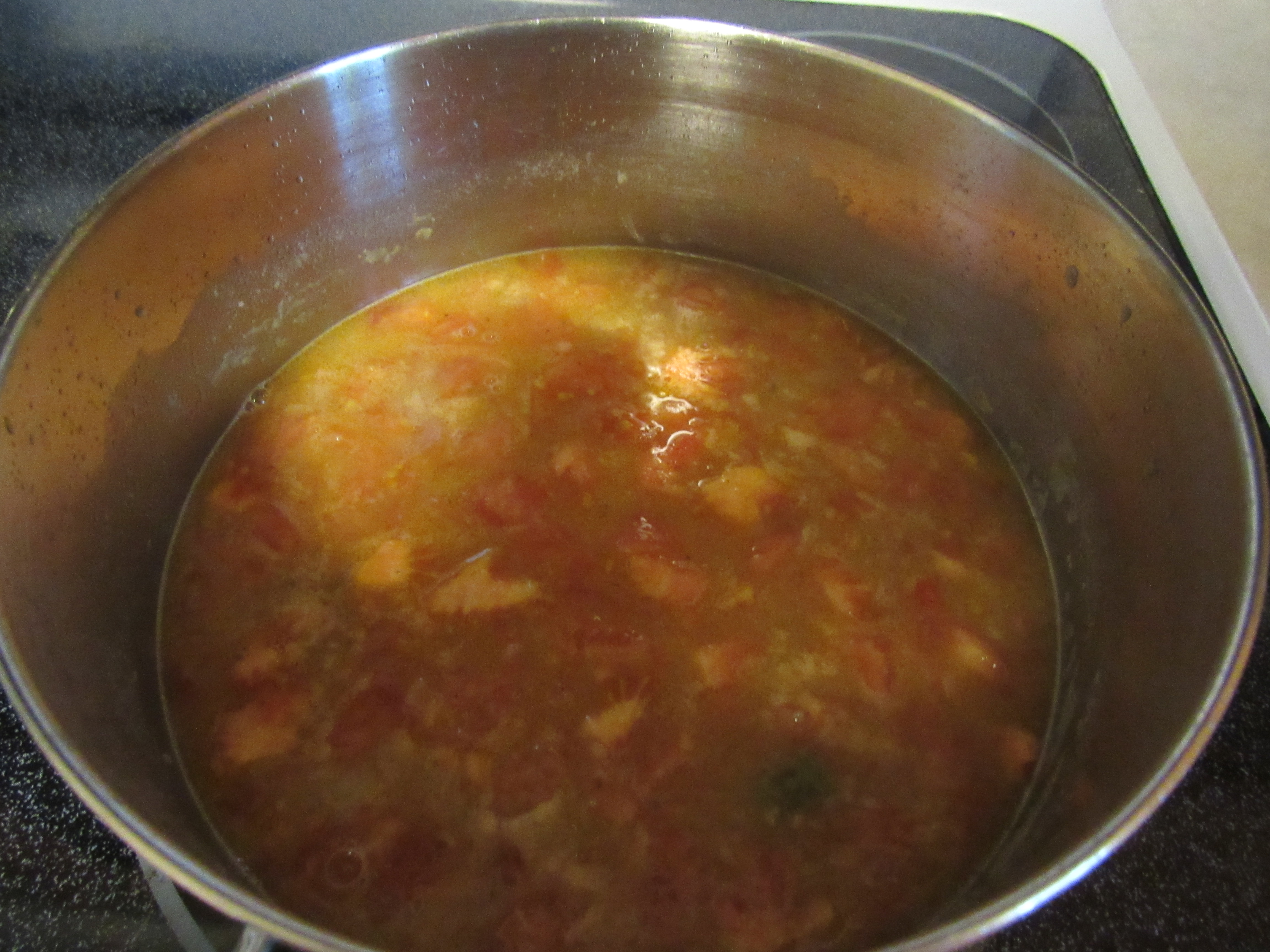
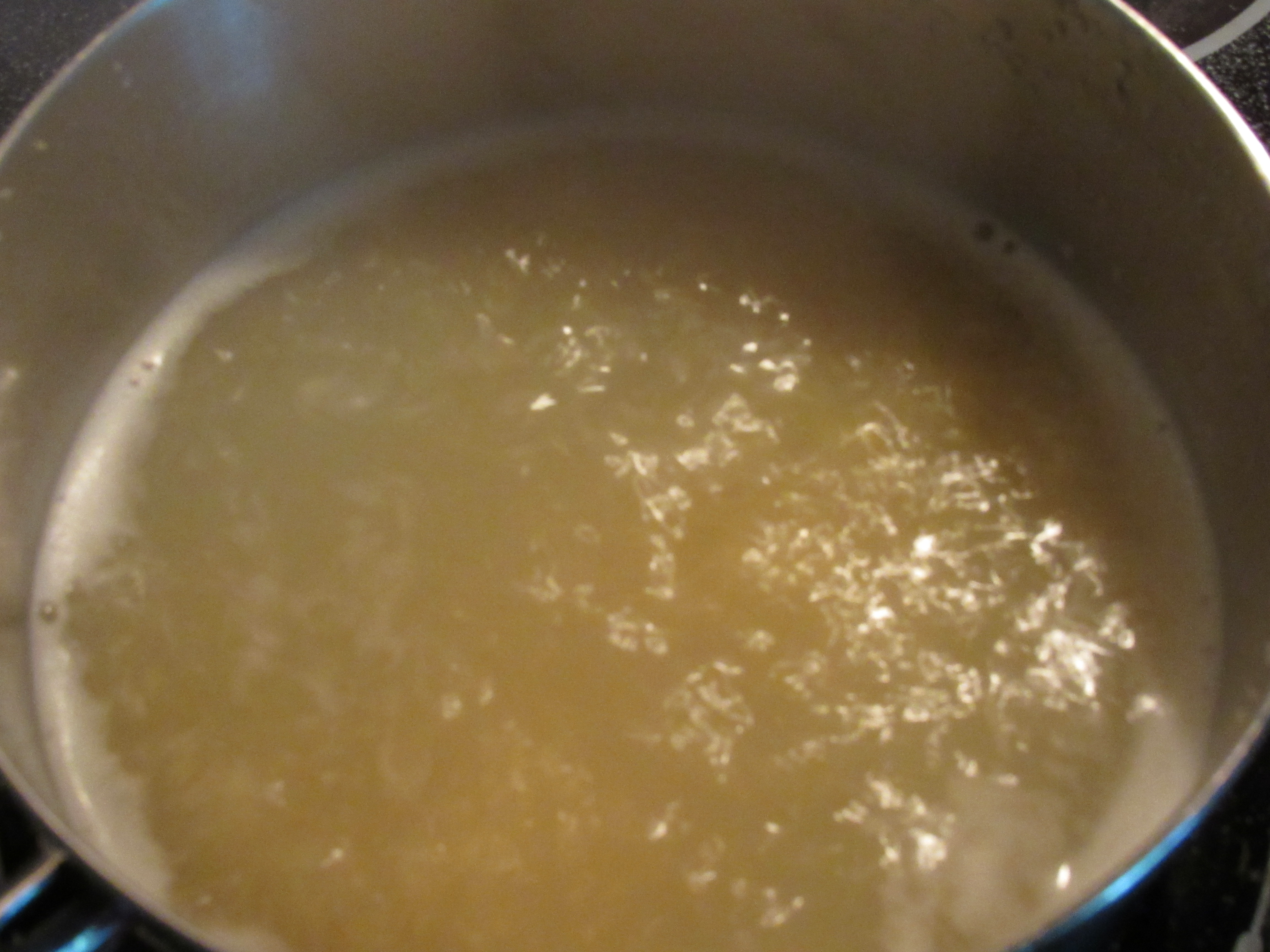
Boil 3 pints of water.

Stir 2 tablespoons of cold water into 2 tablespoons of cornmeal. Add to the boiling water with a pinch of salt.

Reduce to medium heat and cook for 20 minutes.

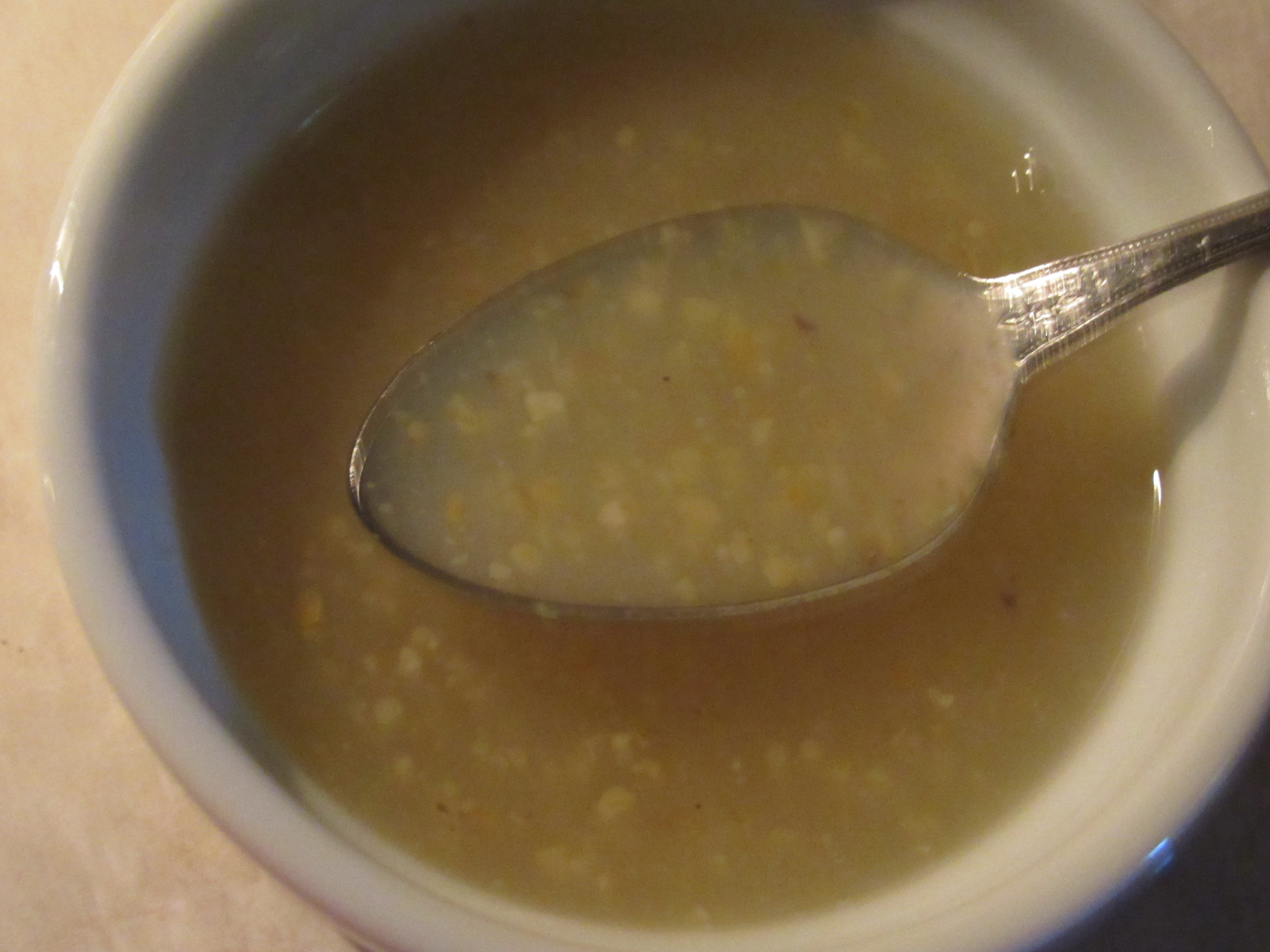
Remove from heat. Let it settle. If the patient is very sick, pour off the water on top and serve this way. The broth is grainy and a bit thicker than might be expected.

It tasted okay.

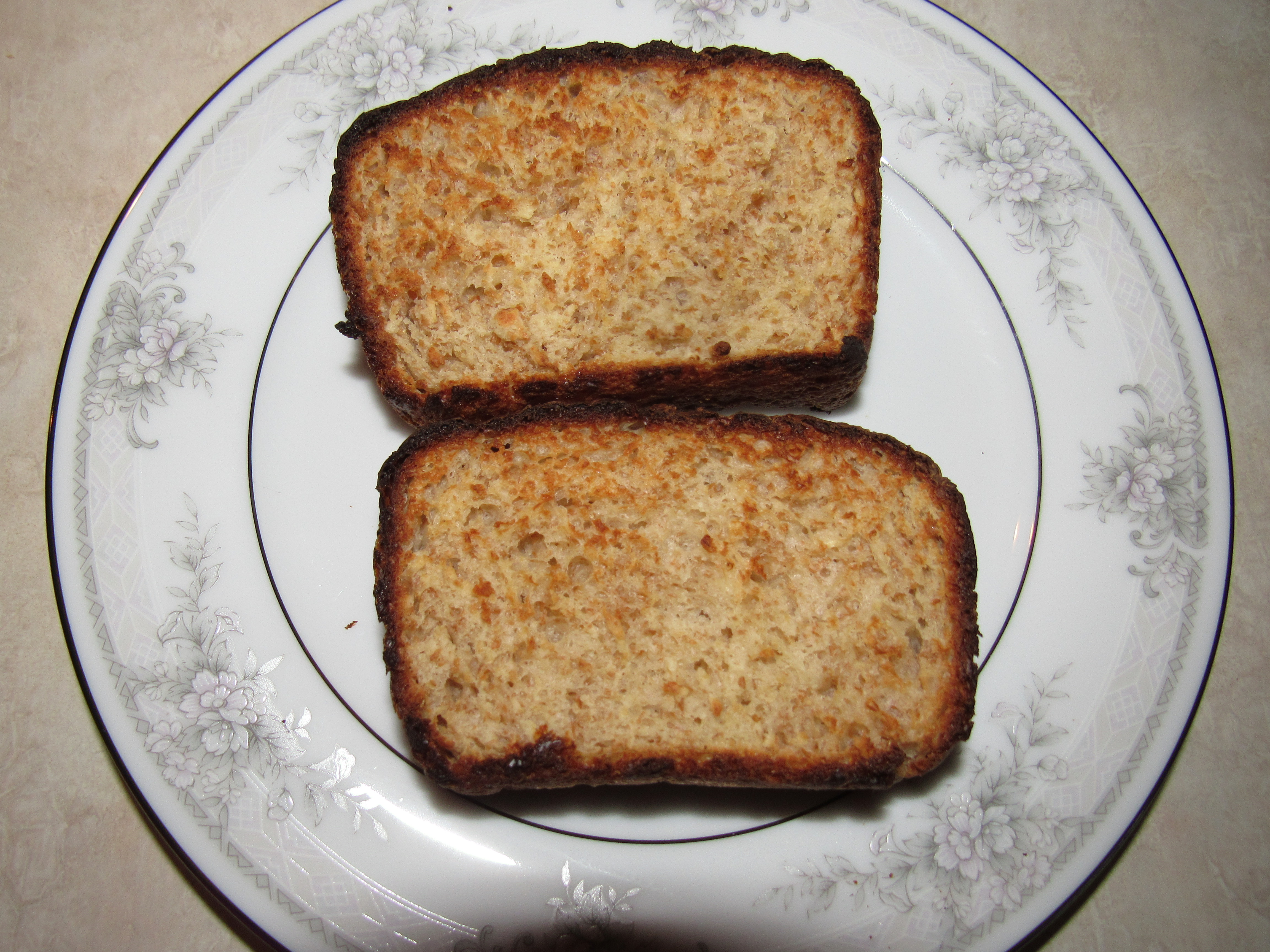
If this broth will be given to a convalescing patient, toast a piece of bread. They ate hearty breads 150 years ago, so buy a dense bread such as Italian bread. I made my own. I baked some delicious  Bran bread  and toasted two slices for this gruel.

Pour the broth into a bowl. Add 2 tablespoons of light or heavy cream, 2 teaspoons of sugar, ½ teaspoon of cinnamon, and 1/8 teaspoon of ginger. Nutmeg can be substituted for the ginger. Stir well.

Break the toast into pieces and add to the gruel.

Eat immediately.

The broth has a pleasant, sweet taste. I’m not a cereal lover, but broths with bread added have a little in common with cereals.

Dr. Davenport found these to be a nourishing meal for those on a laxative diet. Hmm. Maybe just eat this in moderation.

I’d love to hear if you try this. Enjoy!

-Sandra Merville Hart

Sources

Compiled from Original Recipes. Buckeye Cookery and Practical Housekeeping, Applewood Books, 1877.


Here Comes the Bridal Cake

Today’s post is written by my dear friend and fellow author, Catherine Castle. Her newest novel, A Groom for Mama, just released. She has a fun, witty style of writing that captivates readers. I can’t wait to read this novel. Welcome, Catherine!

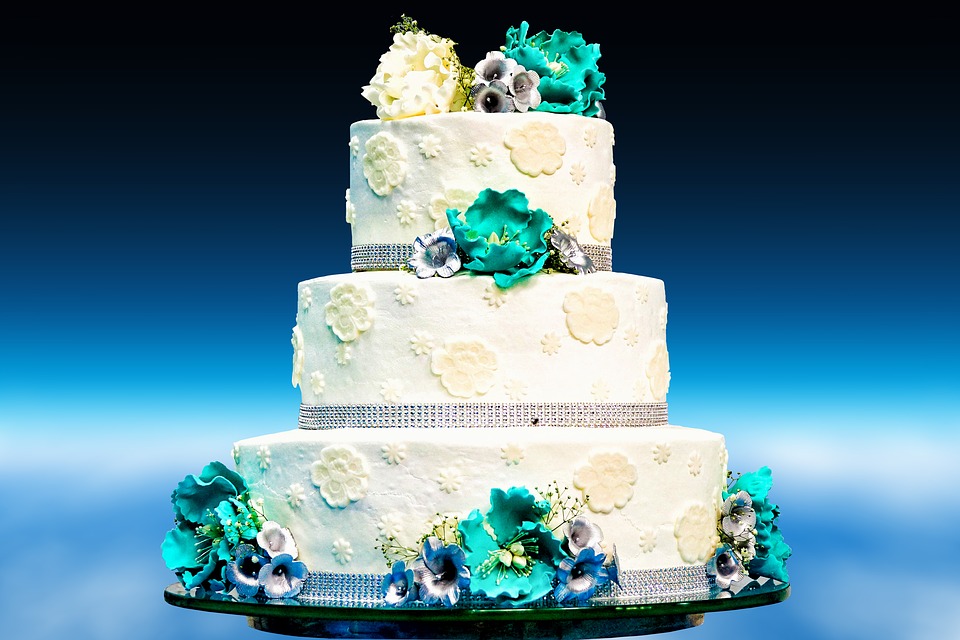
If there’s one thing we know about wedding cakes today, it’s that they come in a wide variety of style, flavors and sizes. If you look on the internet you can find wedding cakes ranging from simple two or three layers to towering monstrosities or multi-flavored cakes connected with plastic bridges and even individual cupcakes. But nowhere have I seen a wedding cake that resembles the one the groom broke over his bride’s head in Roman times. In ancient history, and even up to Victorian times, the wedding cake bore little resemblance to the sweet confections of today.

In ancient Rome, the bridal cake was a simple, unsweetened barley loaf. The groom would eat part of the loaf and break the remainder over the bride’s head. This was a symbolic act thought to bring prosperity and good fortune to the couple. Wedding guests would try to eat the crumbs from the cake so they could also share in the good fortune showered down on the bride’s head.

In medieval England, the bridal cake was composed of buns or small cakes. Stories remain from accounts telling of stacking the cakes as high as they would go. If the bride and groom were able to kiss over the tall stack it was thought they would have a life of prosperity.

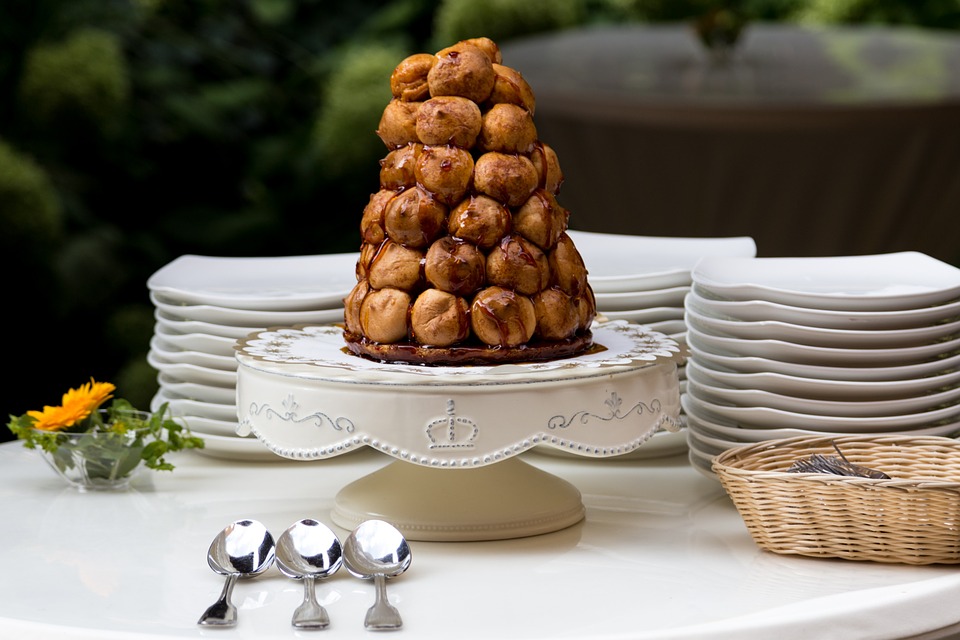
By the 1660s the story is told of a French chef who was traveling through England and saw the stacked pile of cakes at a wedding. After returning home he devised a method of constructing rounded cakes or buns into a tower form called a Croquembouch. This tiered pile of cakes became the traditional French wedding cake. Today it’s common to place a Croquembouch on top of a more modern layer cake.

From the mid-1700s a Bride’s Pie was introduced at wedding meals.  The pie, which was a meat pie, not a sweetened concoction, was filled with sweetbread, mincemeat, or mutton. Bride’s cakes, which were more like fruitcake than the typical white batter cakes we associate with today’s weddings, might also be eaten.

Groom’s cakes appeared in the 1880s and were typically darker-colored fruitcakes that were much smaller than the bride’s cake. Bride’s cakes, in Colonial times, were very rich creations, often reserved for the wealthy who could afford the ingredients. Because they were so labor intensive to make, the cakes were made weeks ahead of the wedding and soaked in alcohol to preserve them for the wedding date.

In the 1800s bride fruitcakes were still the norm.  Below is a typical recipe for a wedding cake from an 1833 recipe book, courtesy of http://www.foodtimeline.org/foodcakes.html#weddingcake

[1833]
“Wedding Cake

Good common wedding cake may be made thus: Four pounds of flour, three pounds of butter, three pounds of sugar, four pounds of currants, two pounds of raisins, twenty-four eggs, half a pint of brandy, or lemon-brandy, one ounce of mace, and three nutmegs. A little molasses makes it dark colored, which is desirable. Half a pound of citron improves it; but it is not necessary. To be baked two hours and a half, or three hours. After the oven is cleared, it is well to shut the door for eight or ten minutes, to let the violence of the heat subside, before cake or bread is put in. To make icing for your wedding cake, beat the whites of eggs to an entire froth, and to each egg add five teaspoonfuls of sifted loaf sugar, gradually; beat it a great while. Put it on when your cake is hot, or cold, as is most convenient. It will dry in a warm room, as short distance from a gentle fire, or in a warm oven.”
The American Frugal Housewife, Mrs. Child, Boston [1833] (p. 72)

In 1840, Queen Victoria introduced the white-icing tiered cake that we know today as a “wedding cake.”  The cake was iced in ‘royal icing’, which had been invented specifically for the royal wedding cake. Although the cake looked different on the outside, the batter was still the traditional fruitcake of the bride’s cake. The first tiered cakes, including Queen Victoria’s cake, had layers that were not edible. It wasn’t until 1882 when the first tiered cake with all-edible layers appeared at the wedding of Prince Leopold, Duke of Albany. Even today, our English friends choose the traditional fruitcake batter for their wedding cakes. Prince William and Kate’s wedding cake was made with a fruitcake batter, as was his mother’s and his grandmother’s.

Wedding toppers appeared in the 1940s, and by the 1950s, American brides began moving away from the traditional fruitcake of Colonial America. Today, you’ll find wedding cakes in many styles, themes, and flavors. If you can dream it, there will be someone who can make it.

Until I started working on this blog I hadn’t thought much about what kind of cake my characters would have, but I think it would look a lot like the one on my book cover. And Mama would have been sitting on a layer just as she is in the cover. After all, she was Cupid’s helper.

-Catherine Castle

A Groom for Mama –a sweet, romantic comedy by Catherine Castle, from Soul Mate Publishing

 A Groom for Mama Blurb: Beverly Walters is dying, and before she goes she has one wish—to find a groom for her daughter. To get the deed done, Mama enlists the dating service of Jack Somerset, Allison’s former boyfriend.

The last thing corporate-climbing Allison wants is a husband. Furious with Mama’s meddling, and a bit more interested in Jack than she wants to admit, Allison agrees to the scheme as long as Mama promises to search for a cure for her terminal illness.

A cross-country trip from Nevada to Ohio ensues, with a string of disastrous dates along the way, as the trio hunts for treatment and A Groom For Mama.

Buy link: Amazon

 About the Author:

Multi-award-winning author Catherine Castle has been writing all her life. Before beginning her career as a romance writer she worked part-time as a freelance writer. She has over 600 articles and photographs to her credit, under her real name, in the Christian and secular market. Besides writing, Catherine loves traveling with her husband, singing, and attending theatre. In the winter she loves to quilt and has a lot of UFOs (unfinished objects) in her sewing case. In the summer her favorite place to be is in her garden. She’s passionate about gardening and even won a “Best Hillside Garden” award from the local gardening club.

Her debut inspiration romantic suspense, The Nun and the Narc, from Soul Mate Publishing was an ACFW Genesis Finalist, a 2014 EPIC finalist, and the winner of the 2014 Beverly Hills Book Award and the 2014 RONE Award. Her most recent release, A Groom for Mama, is a sweet romantic comedy from Soul Mate Publishing.  Both books are available on Amazon.

Contact links:

Catherine’s website

Catherine’s blog

Catherine’s Amazon author page

Catherine’s Goodreads

Twitter    @AuthorCCastle

Facebook

Stitches Thru Time

SMP authors blog site


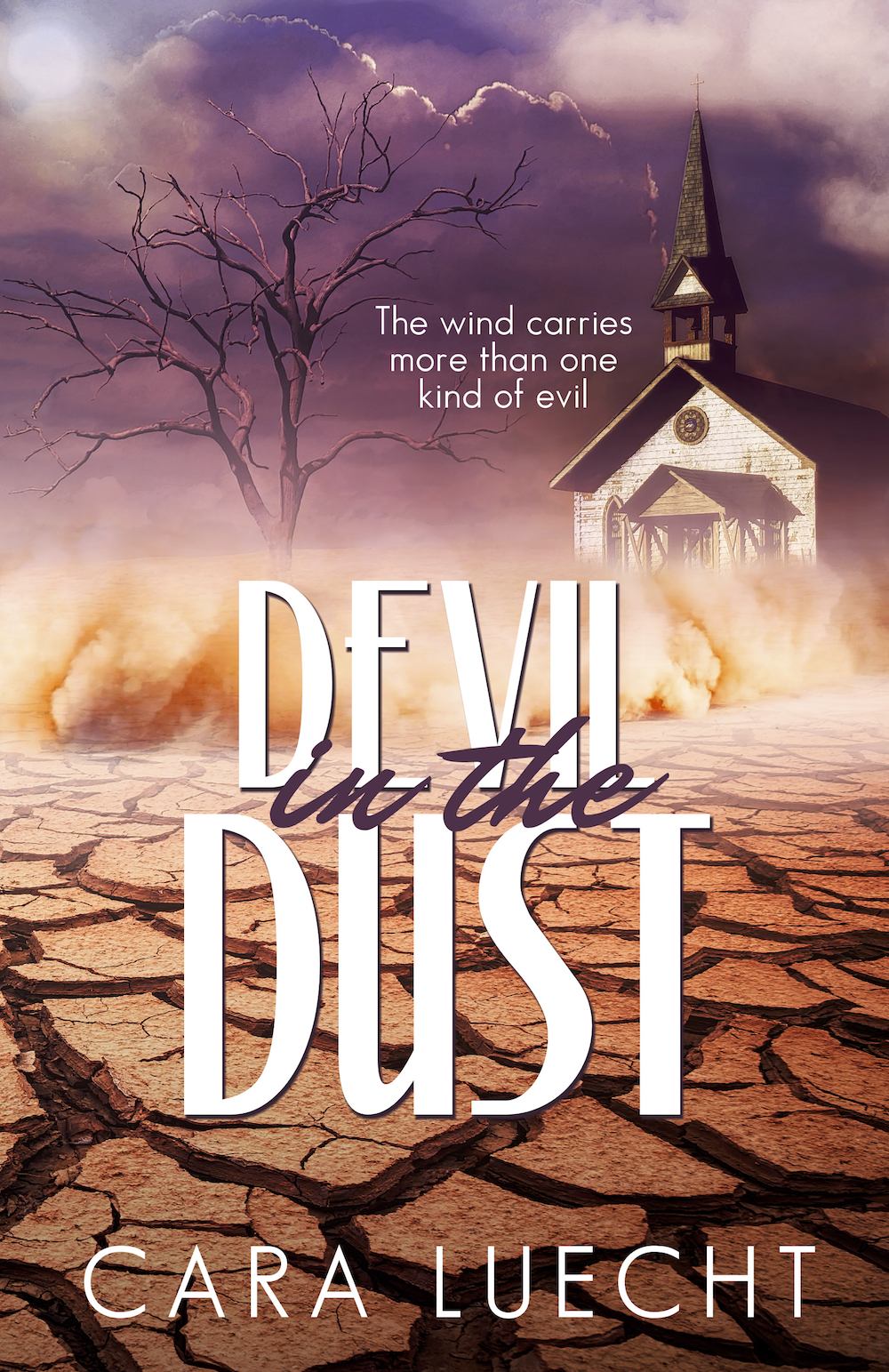
Devil in the Dust by Cara Luecht

The author drew me into the 1930s right away. The story starts slowly and builds.

Many have already moved to California to escape the terrible dust that covers everything. The pastor, Peter, and his wife, Lillian, do their best to support the few families left in their Oklahoma town.

Emma’s husband is missing. Was he hurt? Or had he abandoned Emma and her five hungry children?

At 15, Jessie can’t stand to watch her younger siblings get by on so little food. With her father missing, there is no money to buy more food. There has to be something she can do to make things better.

Then a stranger drives a fancy car into town.

This story is told in multiple viewpoints, giving readers a glimpse into how tragedies suffered color your vision when nature itself seems to turn against farming families.

The author did a wonderful job of creating an authentic feel of the Dust Bowl in the 1930s. The characters’ choices and thoughts ring true to the time. This novel robbed me of a few hours of sleep!

Definitely recommend.

-Sandra Merville Hart

LPC Books   Use coupon code SandraMHart for a 20% discount on Lighthouse Publishing books!


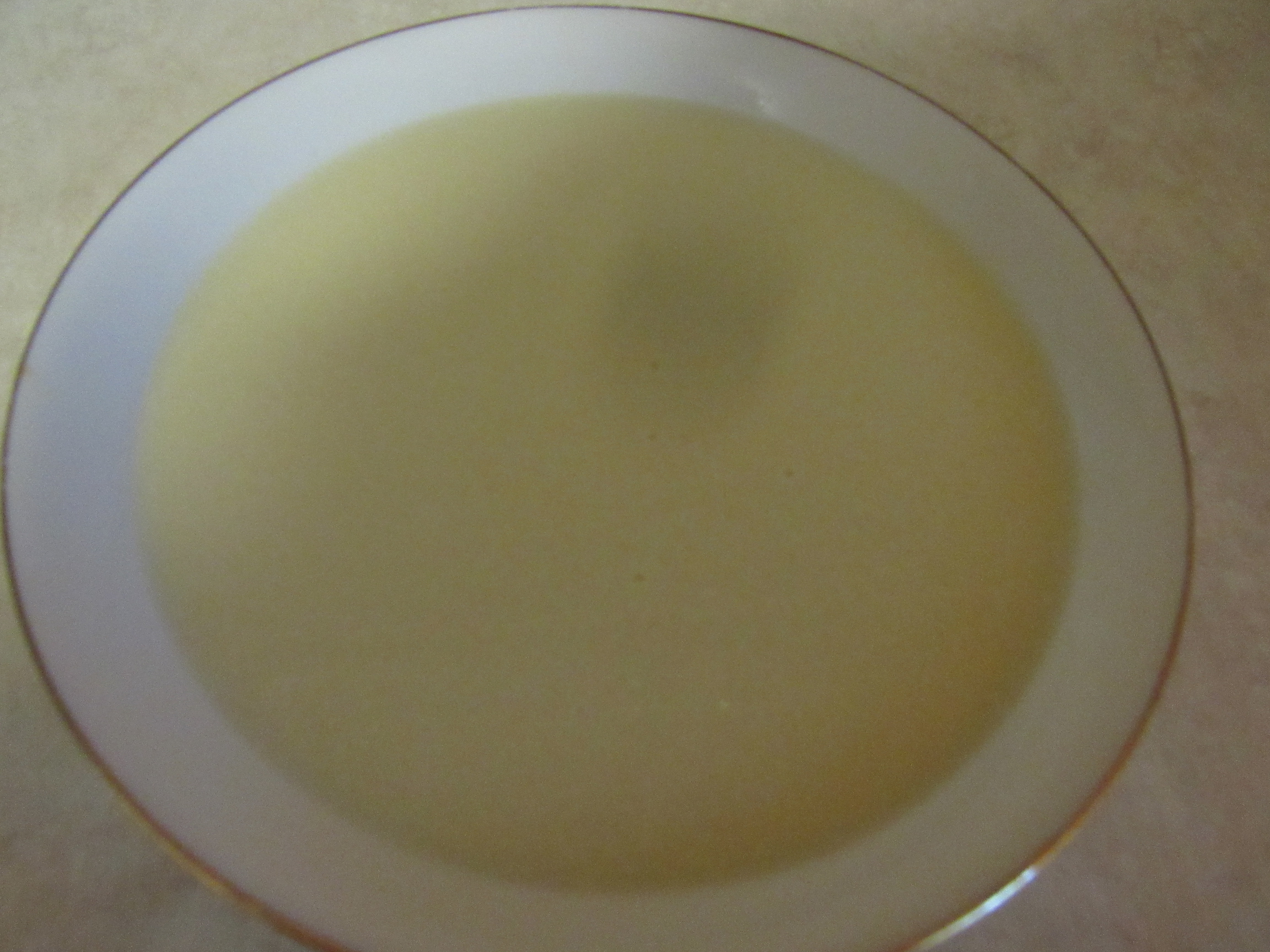
Cream of Cucumber Soup Recipe

I found The Fannie Farmer Cookbook, originally published in 1896, in an antique store. Fannie Farmer’s name is still well-known today.

Stock, water enriched by the food cooked in it, is an important ingredient in numerous soups. Homemade stock brings full-bodied flavor to recipes. The recipe for the chicken stock used in this recipe is found  here.

To make this soup, finely chop enough onion to give 3 tablespoons and set aside.

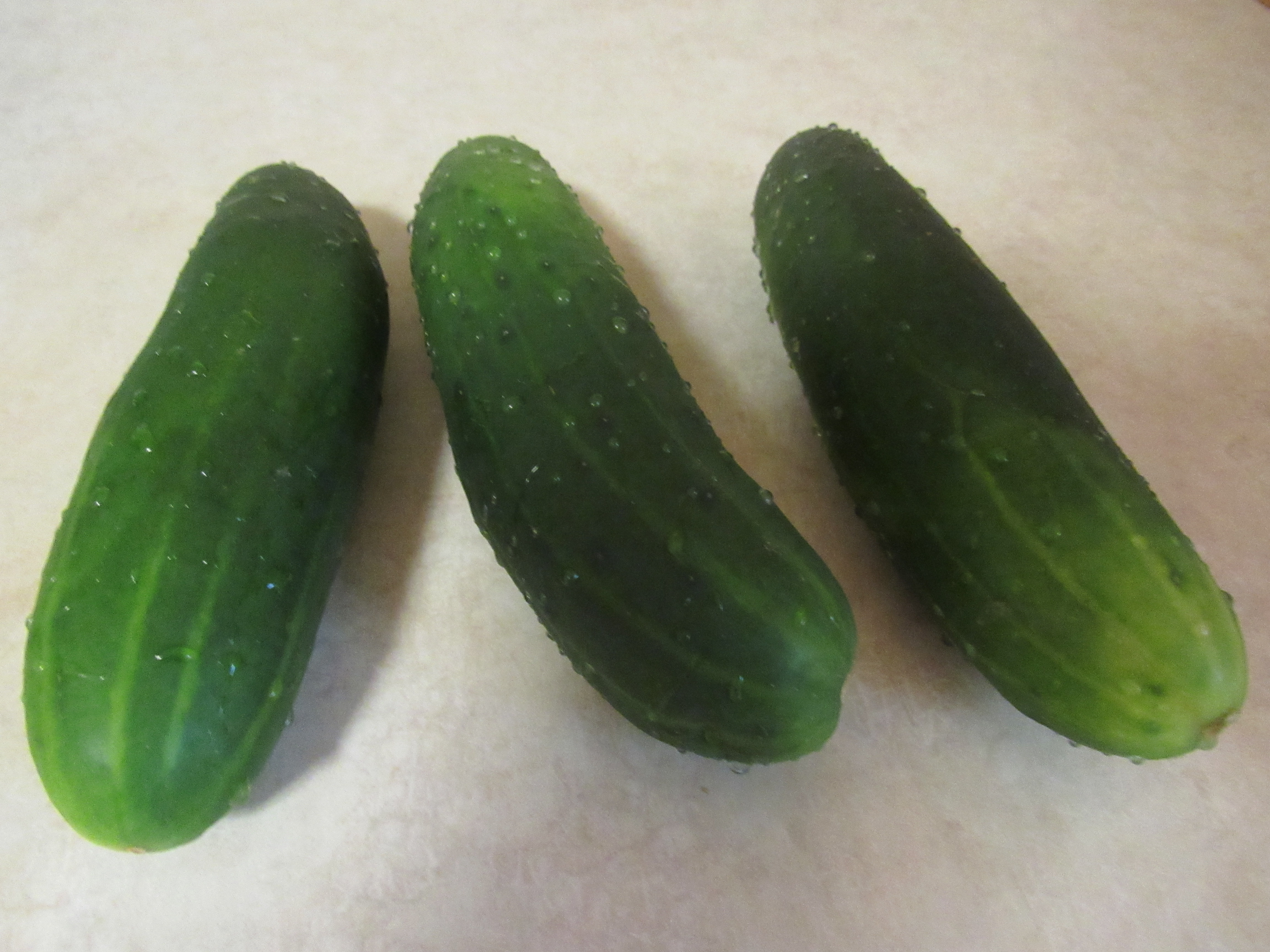
Peel 3 large cucumbers. Remove the seeds and then slice them.

Melt 2 tablespoons of butter in a medium saucepan over low heat. Stir in onion and cucumber. Cook for 10 minutes, stirring frequently.

Stir in 3 tablespoons of flour. Cook about 1 ½ minutes.

Add 3 cups of chicken stock or chicken broth. (I had run out of stock so I used broth instead.) Stir in 1 cup of milk. Turn burner to a medium high heat until soup boils.

Remove from heat. Puree the soup in a blender or food processor. Strain the broth. Rinse the saucepan before returning the strained soup to it.

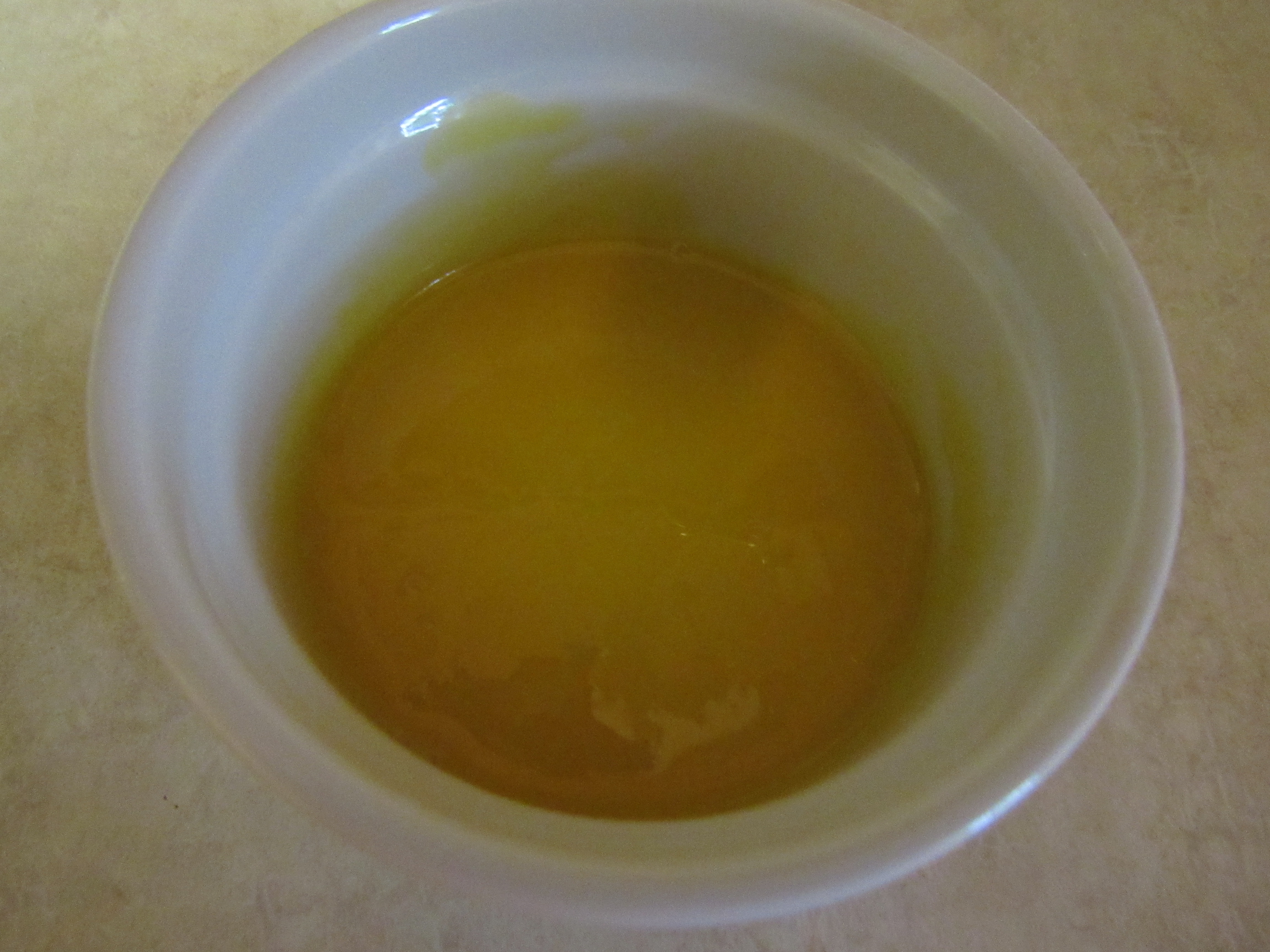
Beat 2 egg yolks. Stir these into the soup. Add ½ cup light or heavy cream (I used heavy cream) and ½ teaspoon salt or salt to taste. Reheat the soup until hot, stirring frequently. Do not boil.

This is the first time I’ve made this type of soup. There is a light, refreshing taste of cucumber. I thought it tasted delicious and will make it again.

This recipe makes 7 one-cup servings.

-Sandra Merville Hart

Sources

Revised by Cunningham, Marion and Laber, Jeri. The Fannie Farmer Cookbook, Alfred A Knopf Inc., 1983.


Mulled Buttermilk

“Excellent for convalescing patients” was the way a recipe in an 1877 cookbook described mulled buttermilk.

Given the date of the cookbook, wounded soldiers during Civil War probably received this drink in hospitals. As a historical novelist, I’m always interested in learning tidbits from our history. It’s fun to add authentic details such as this one when a story requires it.

Boil a cup of buttermilk over a medium high heat. The consistency of the milk completely changes. The thick, creamy liquid thins to a grainy consistency of water.

Beat one egg yolk. Temper the yolk by stirring in a couple of tablespoons of the hot buttermilk. Add the tempered yolk to the boiling buttermilk. Stir and allow the mixture to return to a boil. I stirred the mixture while cooking.

Pour into a glass and drink. I allowed it to cool slightly before trying it. One sip was enough. I did not like this.

There is a second recipe for mulled buttermilk.

Forgetting the egg yolk, put a heaping tablespoon of flour into a glass. Pour in 1/3 cup of cold buttermilk and stir well. If this is not enough liquid for the flour to assimilate into the liquid after a brisk stir, add more buttermilk—a tablespoon at a time—until it is combined into a thick,  pourable liquid. Set this aside.

When the cup of buttermilk initially boils, add the buttermilk thickening to the saucepan. Return to a boil, cooking an additional minute to make sure the flour is done.

I really liked this second alternative. The thicker beverage tasted better to me.

And it is good for patients. If you lived one hundred fifty years ago, you would have drunk mulled buttermilk when you were sick.

Good luck! I’d love to hear if you try this recipe.

-Sandra Merville Hart

Sources

Compiled from Original Recipes. Buckeye Cookery and Practical Housekeeping, Applewood Books, 1877.


Bran Biscuit Recipe

This is Mrs. L.S. Williston’s yummy recipe for Bran Biscuits. It was found in an 1877 cookbook under “Food for the Sick.”

Mrs. Williston lived in Jamestown, New York. She recommended buying Davis & Taylor’s wheat bran and even provided their street address in Boston. She served these biscuits for breakfast. If any remained, they were toasted to serve for tea or “split for dinner.”

Preheat oven to 425 degrees.

Measure 5 cups of flour in a large mixing bowl and scoop a well in the center.

Scald one cup of wheat bran with one cup of boiling water. When the bran cools, spoon it into the well at the center of the flour.

A “half cup of good yeast” was Mrs. Williston’s next ingredient. As I’ve discovered by making other historical recipes, yeast was a little different 150 years ago. I added 1 tablespoon of yeast on top of the wheat bran, but 2 teaspoons would also be fine.

Add 2 tablespoons of sugar and 1 teaspoon of salt. Add 1 ¾ milk. You may need a little more—just enough to make a soft dough. It will be thicker than batter.

Cover. Place in a warm place and allow it to rise. Mrs. Williston allowed her dough to rise overnight; mine had almost doubled in 1 ½ hours.

Mrs. Williston baked her biscuits in a patty pan or a gem pan—similar to a cupcake/muffin pan. Heat an empty cupcake pan. Then spoon dough into the cupcake holders. (I found it much easier to do this by hand. Tip—rinse your hands in warm water frequently when working with this type of dough.)

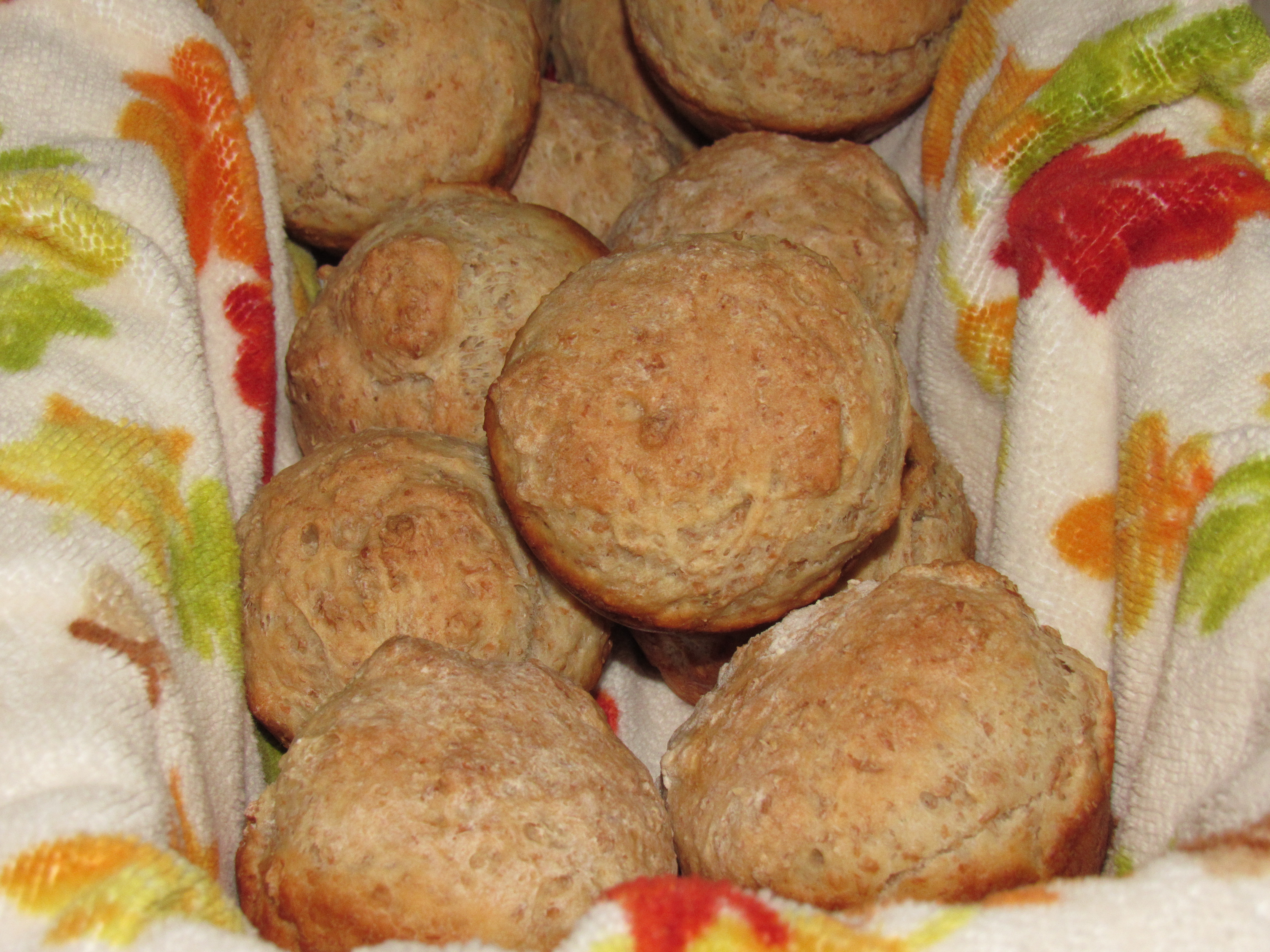
Bake at 425 for 20 to 25 minutes or until lightly browned. Mine baked perfectly at 23 minutes.

I baked a dozen biscuits and put the rest of the dough in a bread pan. The bread dough continued to rise while the biscuits baked.

Bake bread at 425 for about 25 minutes.

The delicious aroma had me eating a biscuit while still pretty warm. Yummy! These were a big hit at my house. I’ll have to make them again.

I’d love to hear if you try this. Enjoy!

-Sandra Merville Hart

Sources

Compiled from Original Recipes. Buckeye Cookery and Practical Housekeeping, Applewood Books, 1877.


Fever Drink Recipe

This recipe for Fever Drink doesn’t say if it treats a fever or if it soothes patients who are running a temperature. It was found in an 1877 cookbook under “Food for the Sick.”

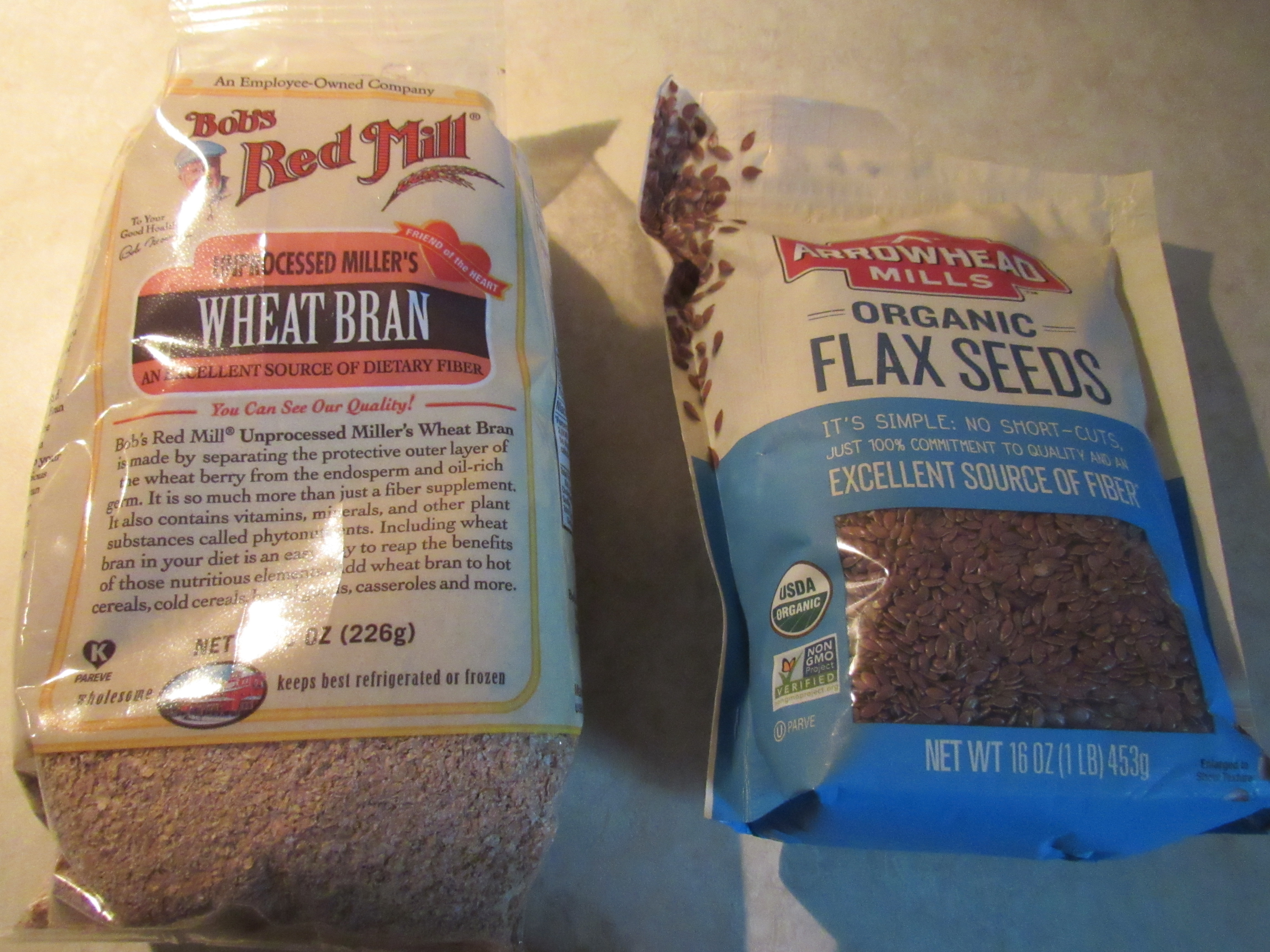
Flax seed is one of the ingredients in this beverage. I don’t know if this was readily available 150 years ago. However, the recipe doesn’t give any ingredient measurements. This makes me believe that cooks knew how to prepare it.

Given the date of the cookbook, I’m guessing Civil War soldiers drank this for fevers whenever it was available. Its use seems to have died out because I couldn’t find anything else about it. I love to bring historical practices to light.

Figuring out the ingredient measurements the first time was a complete guess. The recipe said to add boiling water to flax seeds, so I used ¼ cup of flax seeds with 1 cup of water and set it aside. The seeds were supposed to become “ropy.”

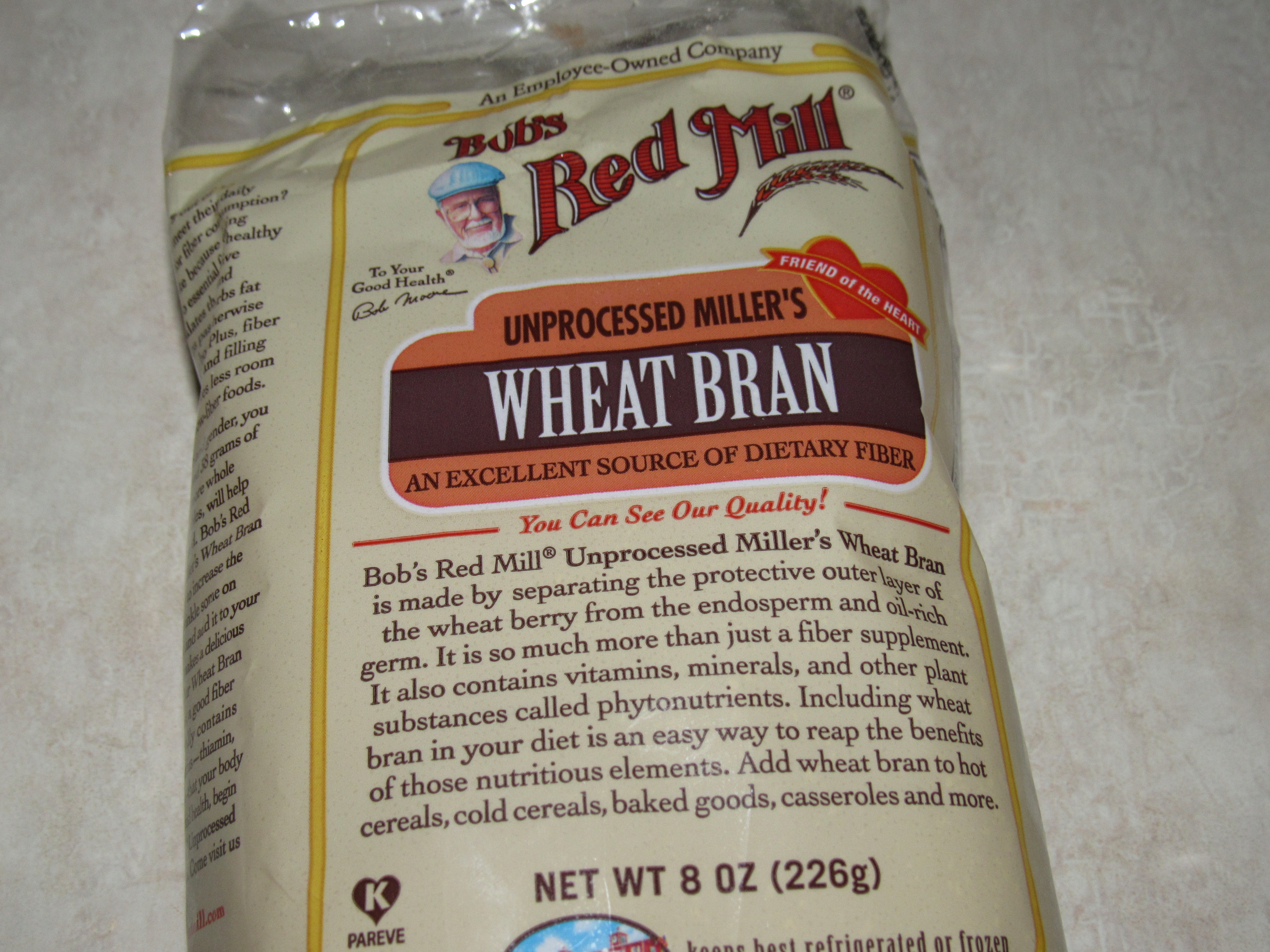
It also said to “pour cold water over wheat bran.” I chose to try ¼ cup of wheat bran and added ¾ cup of cold water to a small saucepan. (Some of you are probably already laughing.)

I brought this to a gentle boil and lowered to a medium heat. It was supposed to boil for 30 minutes. The wheat bran boiled dry in 10 minutes. I added more water, but quickly realized I had used too much wheat bran.

To make matters worse, there was no change in the flax seeds—definitely not ropy.

I started over. This time I tried to figure out the right ratio for only 1 glass of Fever Drink.

I added a cup of boiling water to 1 teaspoon of flax seeds and set aside.

I put 1 tablespoon of wheat bran into a small saucepan with 2 cups of water. I stirred it occasionally and it reduced quite a bit. After 30 minutes, I strained it twice. It made ½ cup of wheat bran broth.

The recipe also called for lemon juice and sugar—lemonade. I added 1 tablespoon of sugar to the juice of 1 lemon. It was the perfect amount.

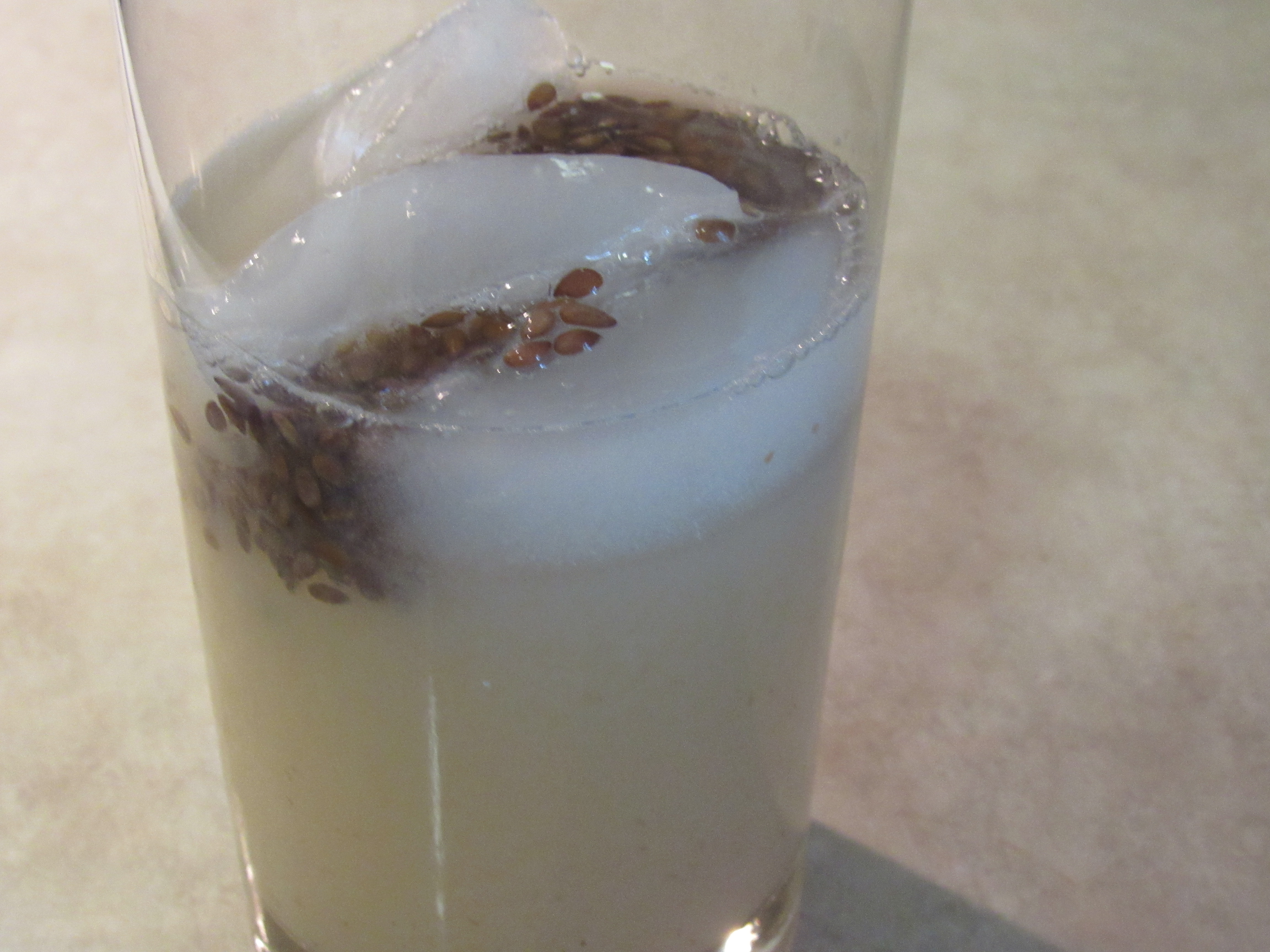
I stirred the lemonade into the wheat bran broth. Though it was probably traditionally served hot, I decided to drink it cold. I added ice to the glass.

The flax seeds softened but never became ropy. I added these to the drink. The bran flavor was equally as strong as the lemon flavor. Lemonade improved the beverage though I can’t say I liked it.

A friend told me that flax seed powder is available. This might be a good alternative for regular flax seeds in this beverage.

The measurements used in the second try—1 tablespoon wheat bran to 1 teaspoon flax seeds—seemed to work well. I don’t know if this is the correct combination they used to ease a feverish patient. Since the 1877 cook didn’t divulge that secret, it remains a guess.

And I didn’t have a fever when I drank the Fever Drink so I can’t say how well it works.

I’d love to hear if you try this. Enjoy!

-Sandra Merville Hart

Sources

Compiled from Original Recipes. Buckeye Cookery and Practical Housekeeping, Applewood Books, 1877.


Crust Coffee Recipe

Not a drop of coffee in this recipe for Crust Coffee!It was found in an 1877 cookbook under “Food for the Sick.”

The ingredients make this an easy recipe for cooks and nurses to give to patients. It was probably given to wounded soldiers during Civil War.

The first ingredient is toasted bread, which was heartier 150 years ago than white bread readily available on grocery store shelves. I made a loaf of white bread in my bread machine and baked it in the oven. This gave me bread slices with denser consistency.

I toasted sliced bread “very brown” under the oven broiler. It felt more authentic than sliding them into a toaster.

I boiled water and poured a couple of tablespoons of it on the toasted bread. (Sounds very unappetizing—I agree. That’s one reason a denser bread is necessary.) Drain the excess.

Stir 1 teaspoon of sugar into 1 tablespoon of heavy cream. Pour the mixture over the bread.

Sprinkle on some nutmeg and enjoy.

It was actually pretty tasty.

I had followed a historical recipe for Baked Milk.  I wanted to try Crust Coffee with baked milk.

I made the Crust Coffee again, exchanging heavy cream for baked milk. Not bad. I liked the familiar flavor of heavy cream better, but the other is also good.

I’ve often given my daughter toast when she was ill. I can definitely understand why this was given to convalescing patients. It seems like a treat with the sugar and nutmeg.

I’d love to hear from you if you try this dish. Enjoy!

-Sandra Merville Hart

Sources

Compiled from Original Recipes. Buckeye Cookery and Practical Housekeeping, Applewood Books, 1877.


Baked Milk

“Weak persons” can drink baked milk, according to a recipe in an 1877 cookbook under “Food for the Sick.”

Nurses probably gave this beverage to wounded soldiers during Civil War. As a historical novelist, I love to add authentic details like this when a story requires it.

Since this was totally new to me, the brief recipe instructions left me wondering. I did an Internet search. According to Wikipedia, room temperature storage for baked milk is safe up to 40 hours.

The 1877 recipe called for baking 2 quart jars of milk for 8 to 10 hours. I used 2 pint jars. Early cooks tied writing paper over the mouth of the jars.

I experimented. One Mason pint jar opening was covered with copier paper fastened by a rubber band. I closed the other with a Mason jar lid.

To allow room for the milk to boil, I added only 1 ½ cups of milk to each jar. These were placed inside a dish with about 2 inches of cold water.

I placed this inside the oven and then turned it on, setting the temperature to 350 degrees.

The liquid slowly reduced. A layer of brown grew around the rim. After 4 hours, a burning smell alerted me. They were removed from the oven.

Milk in the lidded jar had burned and tasted burned. I removed a layer of brown crust in the papered jar—missing from the lidded jar—and tasted the now beige liquid. Not bad, but it wasn’t “thick as cream” as the recipe suggested.

I tried again. I used the same amount of milk—12 ounces—and used another paper covering. This time I tied it on with string. (Not surprisingly, the rubber band melted on the first one. It was quicker to put on, but not the best idea.)

I cooked it for 8 hours in a 350-degree oven. It was baked inside a dish half-filled with water. As the water level receded, it was slowly refilled with water almost boiling hot.

Turn off oven after 8 hours. Allow the jar to cool.

The milk reduced to about half in that time, with the same brown rings and layer as previously. The tan liquid wasn’t as thick as expected, but tasted surprisingly good. I’m not a fan of white milk, but I liked it prepared this way.

It’s been sitting on my kitchen counter for 40 hours and still looks good. I refrigerated the beverage and liked it even better.

Milk was baked for weak persons. Convalescing patients. I’m not a health professional, but that suggests that baked milk is easier to digest.

I’d love to hear from you if you try this dish. Enjoy!

-Sandra Merville Hart

Sources

“Baked Milk,” Wikipedia, 2017/05/09 https://en.wikipedia.org/wiki/Baked_milk.

Compiled from Original Recipes. Buckeye Cookery and Practical Housekeeping, Applewood Books, 1877.


Buttermilk Stew

A recipe in an 1877 cookbook for Buttermilk Stew was included in a section titled “Food for the Sick.”

Research involves a lot of reading for historical novelists, but I don’t remember reading about this type of stew. Civil War nurses and cooks likely fed it to wounded soldiers. I love learning about our history. It’s fun to add authentic details like this when a story requires it.

Boil one pint of buttermilk over a medium high heat. I allowed it to boil less than a minute before removing from the heat. The consistency of the milk completely changed. The thick, creamy liquid thinned to a grainy consistency of water.

A “small lump of butter” called for in the original recipe became a tablespoon of butter to this modern cook.

When that melted, I added 2 tablespoons of sugar—a complete guess as the recipe said to “sweeten to taste.” I added more because adding ginger was an option. Ginger has such a strong flavor.

I added ¼ teaspoon ground ginger. Cooks may substitute honey for sugar.

The consistency remained like water as it cooled. It had a very strange flavor. It tasted like buttermilk though different. The sugar overpowered the ginger, so I’d suggest decreasing it to only a tablespoon. Ginger is optional.

After only a couple of sips, I pushed it aside. It wasn’t terrible. I can understand that thinning out the buttermilk made it easier for ailing patients to digest.

Good luck! I’d love to hear if you try this recipe.

-Sandra Merville Hart

Sources

Compiled from Original Recipes. Buckeye Cookery and Practical Housekeeping, Applewood Books, 1877.