Soldier’s Letter – Civil War

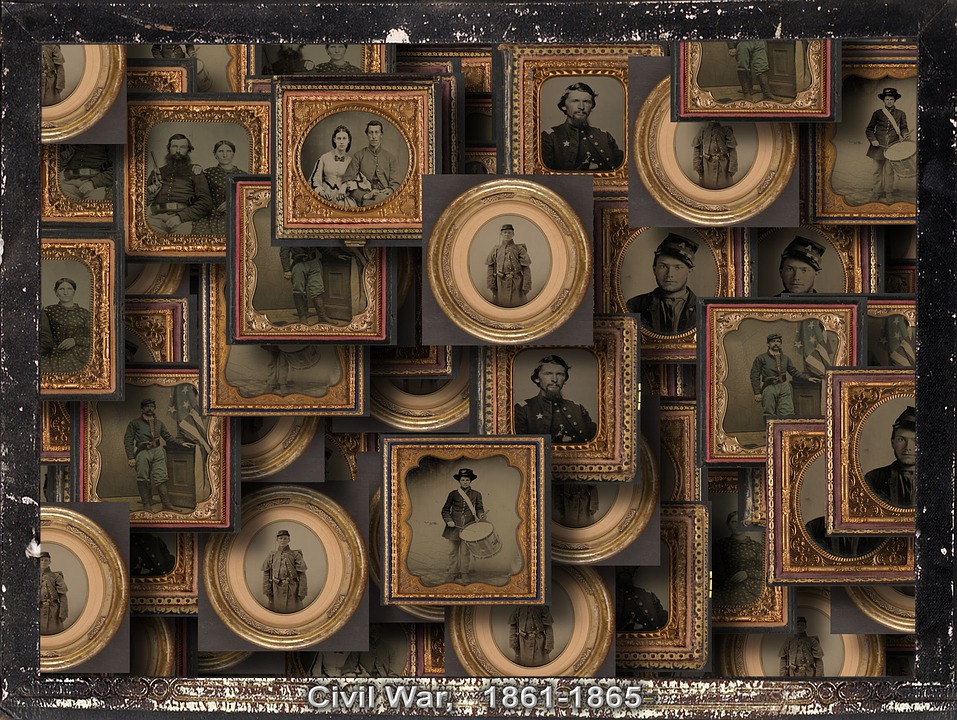
american-civil-war-316987_960_720

Civil War soldiers loved to receive letters from home. Wives, mothers, and sweethearts also sent care packages to their soldiers. Even if a pie didn’t survive postal delivery intact, men still devoured every edible crumb with a thankful heart.

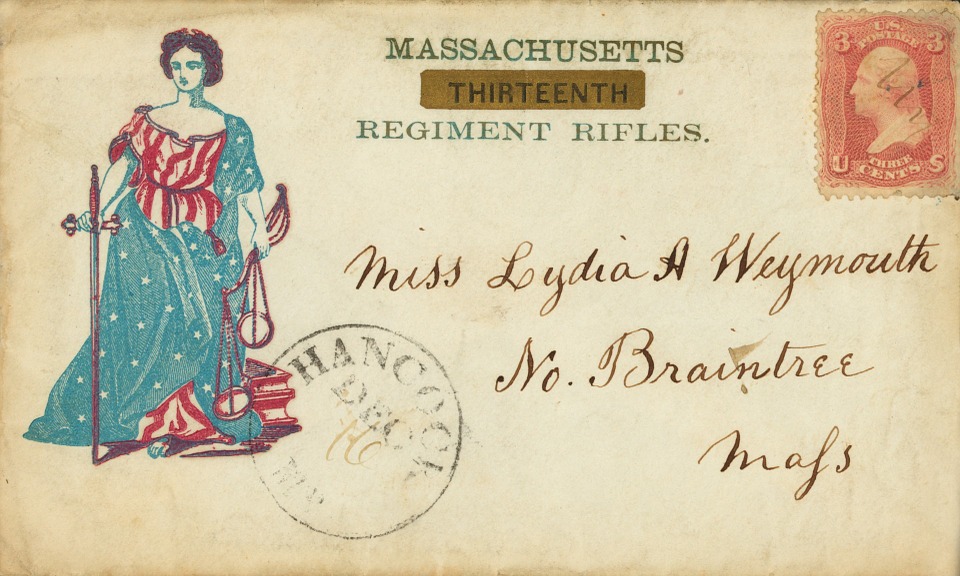
Soldiers purchased envelopes to send their replies back home. One of the fun traditions of the time was that these envelopes were decorated by those who manufactured them.

Flags, patriotic scenes, portraits of Union generals, and army camp scenes were printed on the envelopes, or “covers” as they were also called.

John D. Billings, Union soldier and author of Hardtack and Coffee, wrote of a young man who collected over 7,000 decorated envelopes from the war—each with a unique design.

Some featured specific regiments, listing battles where they fought.

Billings kept a few envelopes from his days in the war. One contained a 34-star border, a star for every state in the Union at the time. An eagle held a shield and a streamer which read, “Love one another.”

Another from his collection showed a drawing of the earth with “United States” printed on it and an American eagle above it. The inscription was “What God has joined, let no man put asunder.”

A third was a sketch of a man with moneybags riding horseback at breakneck speed. The inscription: “Floyd off for the South. All the Seceding States ask is to be let alone.”

One showed President Washington’s portrait with the inscription of “A Southern Man with Union Principles.”
images-1194186_960_720Billings wrote that the designs expressed the feelings of Northerners.

Union soldiers received envelopes from the U.S. Christian Commission with their organization’s stamp and the words “Soldier’s Letter.”

The Postmaster General allowed soldiers to send letters without stamps, representing prepayment, beginning in 1864. They had to write “Soldier’s Letter” on the envelope.

One soldier wrote the following verse for the Postmaster General:

Soldier’s letter, nary red,

       Hardtack and no soft bread,

       Postmaster, please put it through,

       I’ve nary cent, but six months due.”

-Sandra Merville Hart

Sources

“American Civil War Soldier Letters Home,” Americancivilwar.com, 2017/02/08 http://americancivilwar.com/kids_zone/soldiers_letters_civil_war.html.

Billings, John D. Hardtack & Coffee, University of Nebraska Press, 1993.
 

Co. “Aytch” First Tennessee Regiment by Sam R. Watkins

Subtitles: Maury Grays, First Tennessee Regiment

A Side Show of the Big Show

Sam Watkins was a private in Company H (Company “Aytch”) of the First Tennessee Regiment. On May 11, 1861, this Confederate soldier left Nashville with his regiment and was still in the army when General Joe Johnston surrendered on April 26, 1865.

What sights he saw.

Sam didn’t write a history of the war. Instead he records anecdotes and experiences of life as a Confederate soldier. He speaks honestly of the horrors he experienced in battles, as part of General Braxton Bragg’s army, and in witnessing his comrades’ deaths.

He often remarks that “abler pens than mine” could do the story better justice. Sam, you did well. Readers like me felt your pain across the years. I felt the terror you must have endured when General Bragg ordered a reserve line to stand behind the fighting line and shoot anyone who ran away.

I felt your pride when a young woman invited “a tattered soldier” to supper and accepted your arm in escort.

I felt your gut-wrenching sadness to see your army decimated.

You showed that a general can resign with honor but when privates resign it is considered desertion.

Sam intended to include additional notes in a second printing of the book, but seems to have been unable to raise enough to fund the publishing costs. His great-granddaughter, Ruth Hill Fulton McAllister, included his notes in this edition. I love the poem included in the appendix—“A Land Without Ruins” written by Father Abram Joseph Ryan, the poet laureate of the Confederacy. Here’s a quote from the last stanza:

For out of the gloom future brightness is born,

        As after the night looms the sunrise of morn;

        And the graves of the dead, with the grass overgrown,

        May yet form the footstool of Liberty’s throne,

        And each single wreck in the war-path of Might,

        Shall yet be a rock in the temple of Right!”

An insightful look into the everyday life and thoughts of a Confederate soldier. Great book for lovers of the Civil War and American History.

-Sandra Merville Hart


Apple Pie Recipe Without Apples used by Confederate Soldiers

blog-130

Recipes used to be called ‘receipts.’ Confederate soldiers were often low on supplies and had to make do with ingredients found nearby.

I found an intriguing recipe called “Apple Pie Without Apples” in an 1863 book, Confederate Receipt Book. I had to make this one.

The main ingredient is crackers. Civil War soldiers ate hard tack, which John D. Billings describes in his book, Hard Tack and Coffee, as “a plain flour-and-water biscuit.”

Billings, a Civil War soldier, had two of these crackers while writing his book that published in 1887. (It doesn’t say if the hard tack was baked during the war.) When measured, he found they were 3 1/8 inches by 2 7/8 inches and almost ½ inch thick.

This apple pie recipe uses crackers. The soldiers would have used hard tack because that was available.

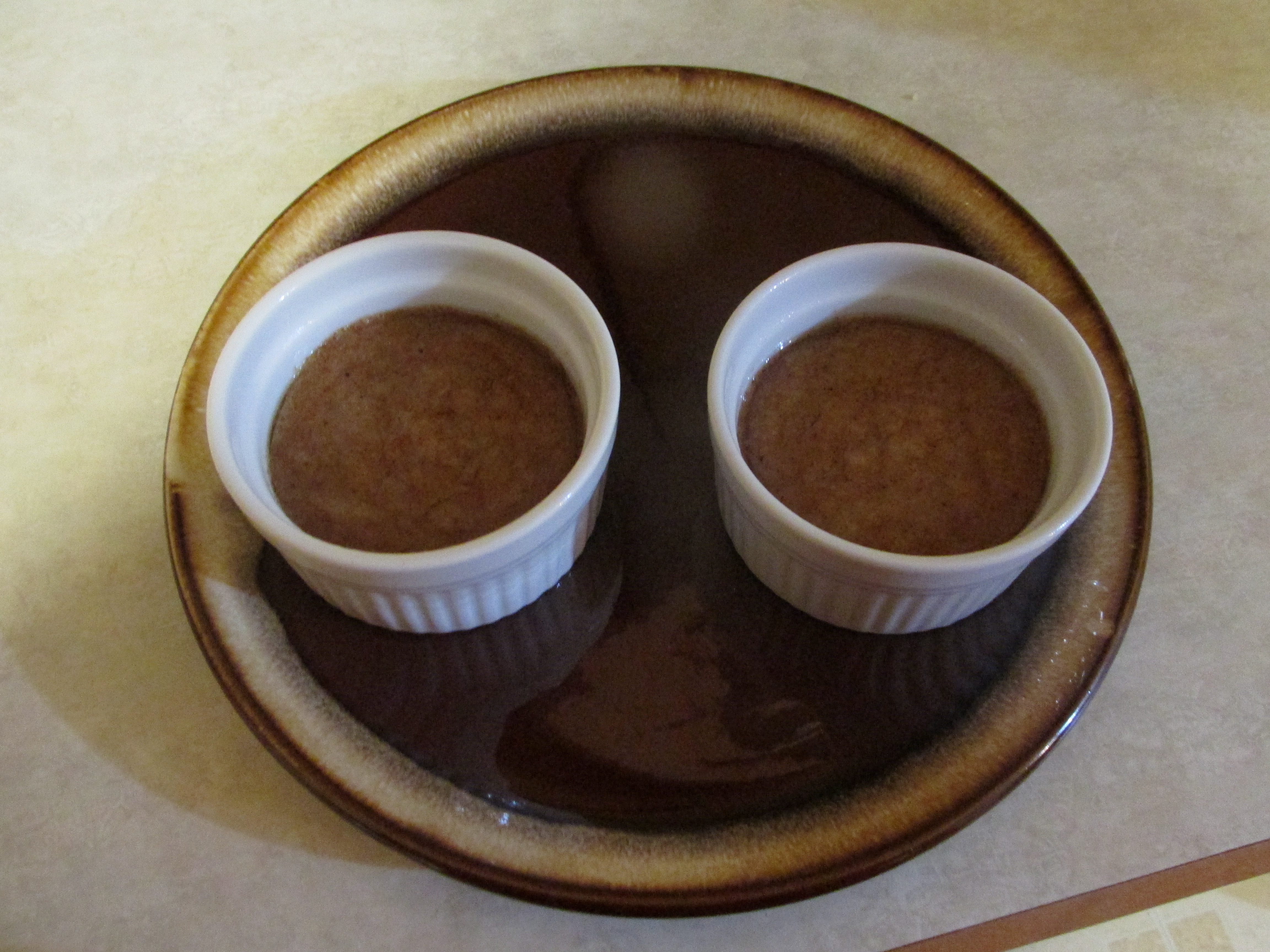
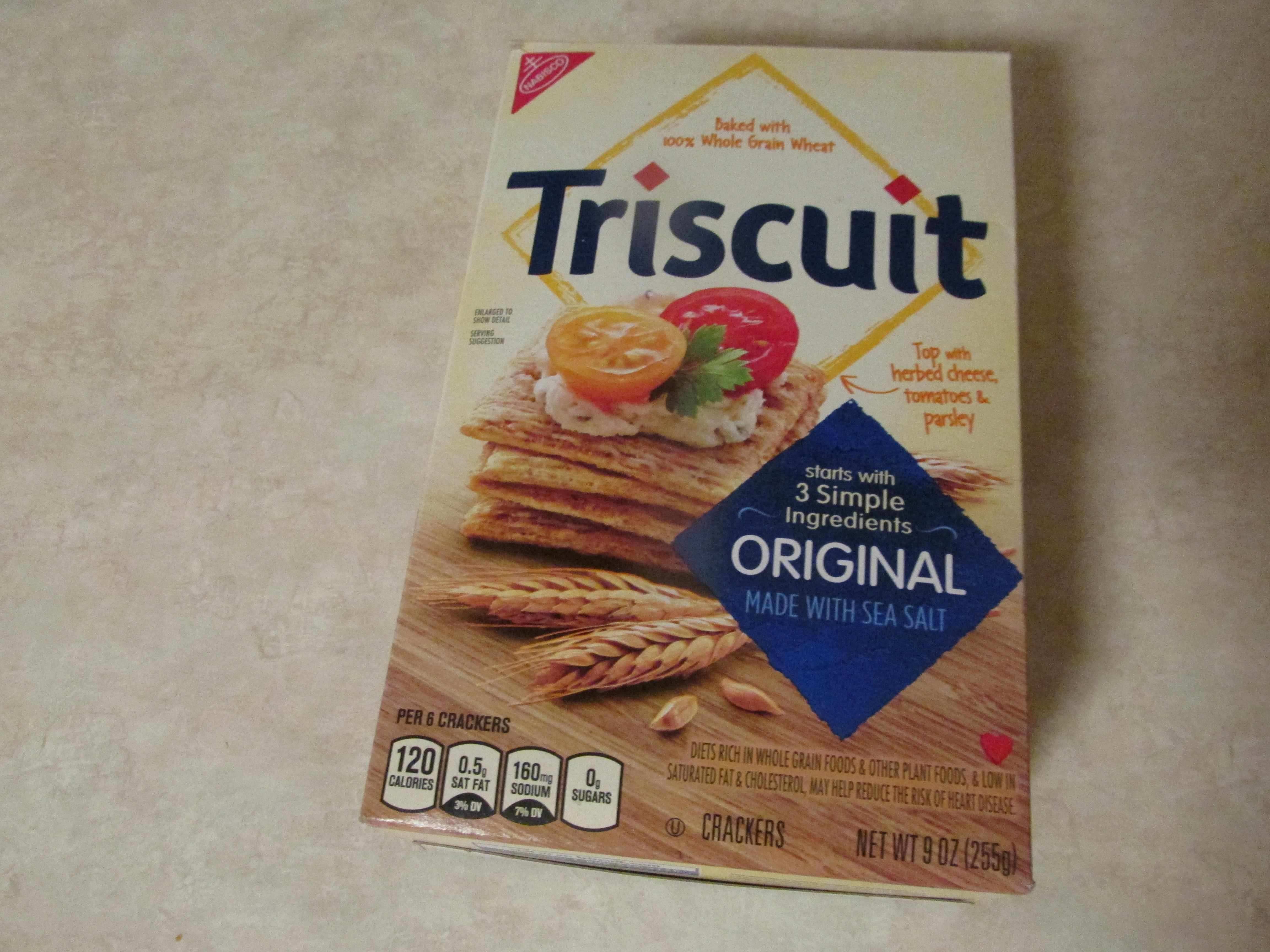
blog-127Place crackers in a small bowl. (Not having hard tack on hand, I thought Triscuits might be an acceptable substitute.  I used 20 of these crackers. Regular crackers would also be fine.) Soak these in water until soft. For our modern crackers, this takes about five minutes. I can’t imagine how long soldiers soaked the hard tack.

Empty excess water. Mash the softened crackers.

Add 1 teaspoon cream of tartar, ¼ cup sugar, 2 tablespoons melted butter, and ½ teaspoon nutmeg to the crackers. Mix together.

Spray ramekins with cooking spray. Spoon mixture into ramekins until about 2/3 full and bake at 350 degrees for 15-20 minutes.

My husband tried it first. “It’s strange. It doesn’t taste like apple pie.”

I had to agree. This recipe does not taste like apple pie. I didn’t really care for it.

Soldiers probably didn’t have cinnamon too often in camp but this spice would definitely enhance the flavor. In the next batch I added a teaspoon of cinnamon along with the nutmeg.

Both my husband and I agreed that cinnamon improved the “appleless” pie. Though it was a strange and unfamiliar dessert, I’m happy I tried it. It would make a fun dish at Civil War reenactments.

For the Confederate soldier starving for his mother’s apple pie, eating this dessert probably gave him a nostalgic taste of home.

-Sandra Merville Hart

Sources

A Compilation of Over One Hundred Receipts, Adapted to the Times. Confederate Receipt Book, Applewood Books, 1863.

Billings, John D. Hardtack & Coffee, University of Nebraska Press, 1993.
 

Civil War: Union Army Rations

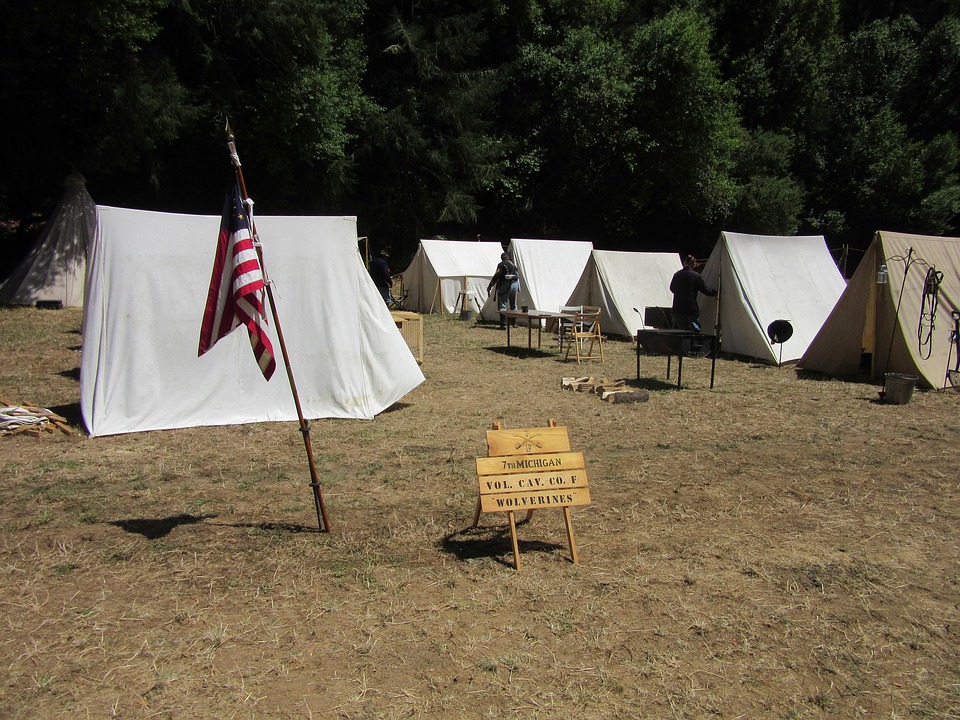
camp-1786750_960_720

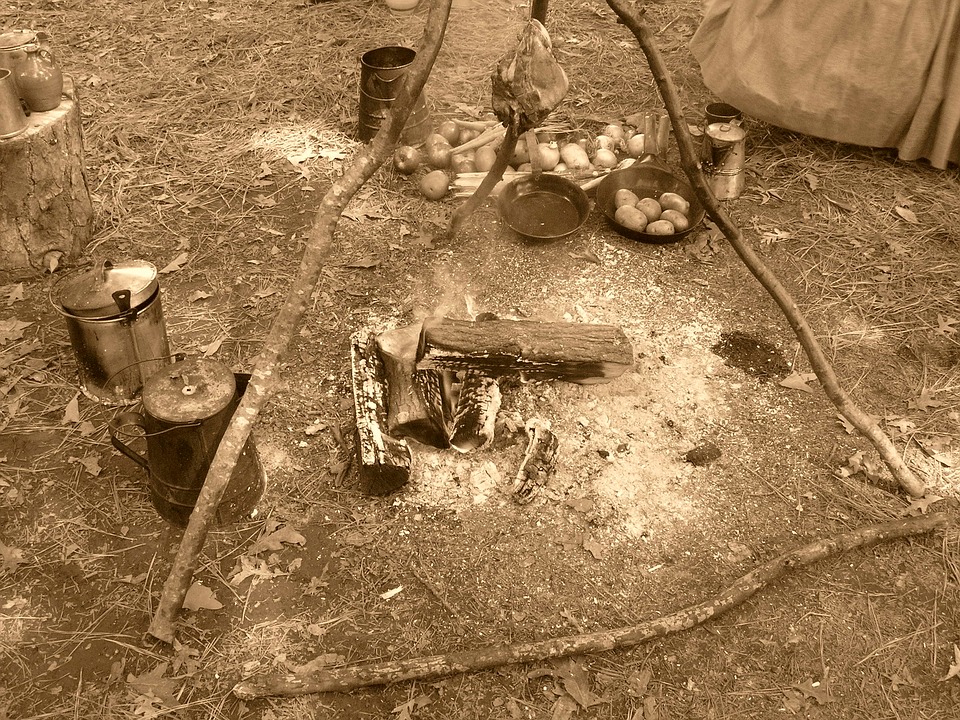
John D. Billings was a Union Army soldier. Billings served as a private in the Tenth Massachusetts Battery for three years. He wrote Hardtack & Coffee, a wonderful book originally published in 1887.

These are the normal rations he received as a private:

Salt pork, fresh beef, salt beef

Ham or bacon were rarely issued

Hard bread, soft bread, flour

Potatoes, occasionally an onion

Beans, rice, split pease (peas)

Dried apples, dried peaches

Desiccated vegetables

Sugar, molasses

Coffee, tea

Vinegar

Salt, pepper

Candles, soap

Soldiers didn’t receive all these rations at the same time. Only one meat was issued at a time and that was usually pork. Soldiers received either hard bread, soft bread, or flour. They drew beans or rice or peas.

Soldiers were entitled to the following as a single day’s rations:

12 oz. pork (or bacon) or 20 oz. salt beef or fresh beef;

22 oz. soft bread (or flour) or 16 oz. hard bread or 20 oz. corn meal

For every hundred rations (soldiers received a share of these):

One peck of pease (peas) or beans;

10 pounds of rice or hominy;

10 pounds of green coffee or 8 pounds of roasted ground coffee or 1 ½ pounds of tea

15 pounds of sugar

20 oz. of candles

4 pounds of soap

2 quarts of salt

4 quarts of vinegar

4 oz. of pepper

Half bushel of potatoes when practicable

1 quart of molasses

In addition, desicatted vegetables were also issued. These were large round cakes of compressed vegetables, about two inches thick. They had to be soaked to be edible and even then, there was some doubt about the wisdom of eating it. Soldiers dubbed them “desecrated vegetables.”

According to Abner Small, 16th Maine, none of his comrades could figure out what was in it. Charles E. Davis, 13th Massachusetts, thought it tasted, when cooked, like herb tea.

Pickled cabbage, dried fruits, vegetables, and pickles were sometimes included in rations to prevent scurvy.

According to Billings, these were the rations given to the rank and file soldiers, as privates were sometimes called.

-Sandra Merville Hart

Sources

Billings, John D. Hardtack & Coffee, University of Nebraska Press, 1993.
“Hungry? How about worm castles and desecrated vegetables?” CivilWar.org, 2017/02/08 http://www.civilwar.org/education/pdfs/civil-war-curriculum-food.pdf.


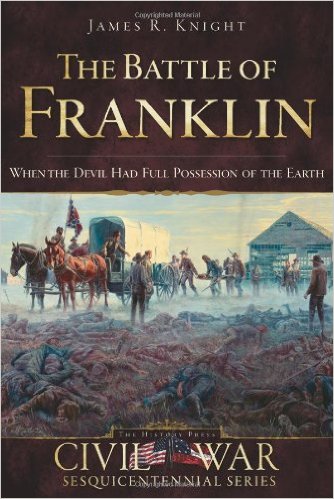
The Battle of Franklin by James R. Knight

51nuuk2o6fl-_sx332_bo1204203200_

The Civil War Battle of Franklin, Tennessee, was several hours of intense fighting, some of the most tragic of the whole  war.

Knight’s full title, The Battle of Franklin: When the Devil Had Full Possession of the Earth, sums up the horror of that fateful day and evening of November 30, 1864.

The author shares eye-witness descriptions and accounts of the battle and the days leading up to it. Readers may feel, as I did, that they are experiencing the terrible fighting through the accounts. Well-written book for lovers of the Civil War and American History.

-Sandra Merville Hart

Amazon

Biscuit Recipe Used by Confederate Soldiers

blog-124

by Sandra Merville Hart

Confederate soldiers were often low on supplies and food rations. They had to make do with ingredients found nearby.

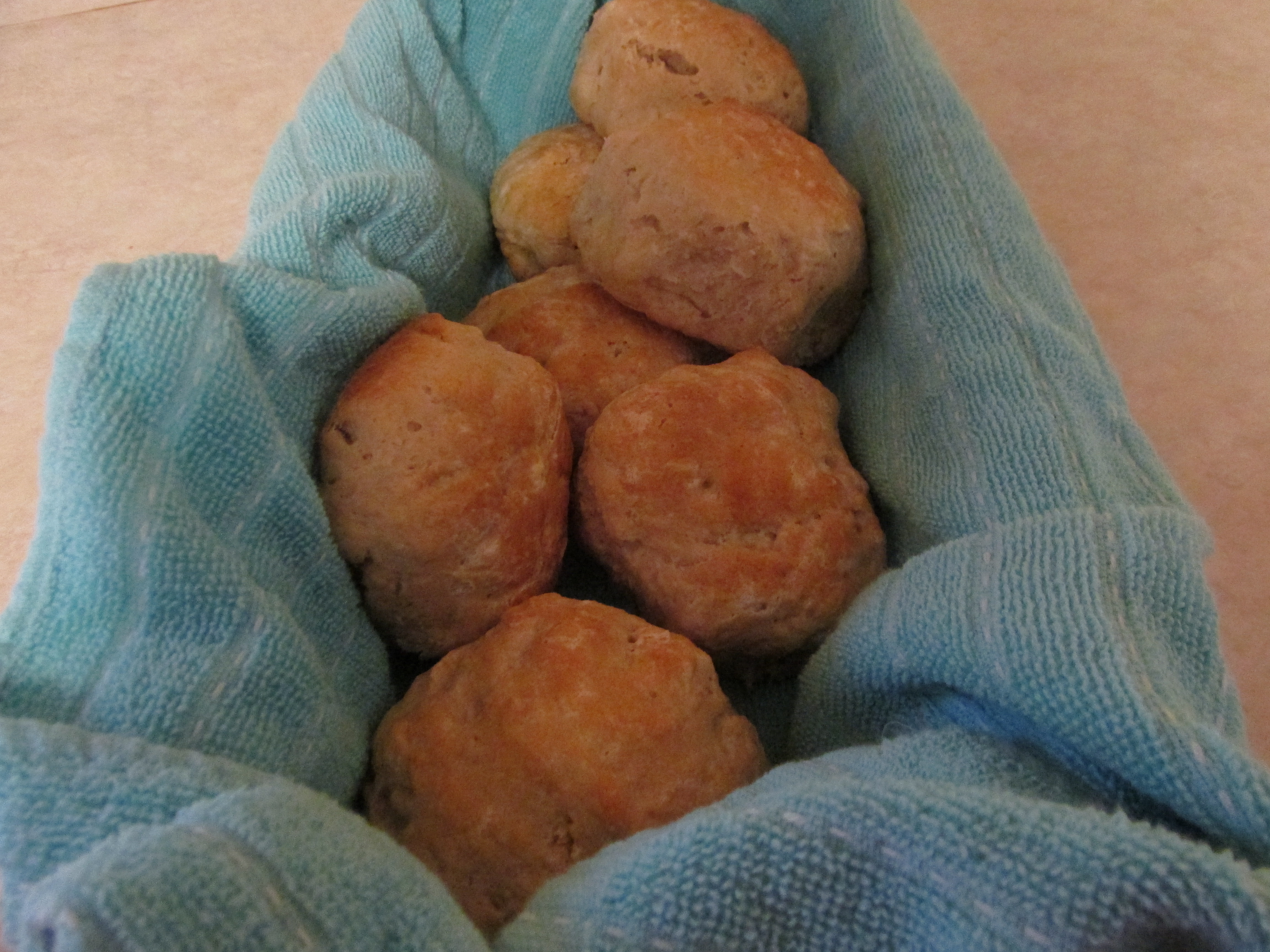
Confederates published a fun book of recipes in 1863 called Confederate Receipt Book. I tried one of the biscuit recipes.

In reading the recipe before starting, one thing that struck me was that they used cream of tartar. Other food recipes called for tartaric acid. I hadn’t used that in biscuits and wondered if it was a readily-available ingredient for Southern soldiers.

A little research showed that many plants, including grapes, have tartaric acid, which is an organic acid. The process of making wine creates cream of tartar. It is a leavening agent.

Since food supplies were often scarce for Southern soldiers, it makes sense that they used whatever they had on hand and adapted it.

blog-110Measure 4 cups of all-purpose flour into a mixing bowl. Add 3 teaspoons of cream of tartar and mix thoroughly.

Add 2 tablespoons of shortening. Use a fork to cut the shortening into the flour mixture. It won’t look much differently after combined because it’s not a lot of shortening. Most modern recipes call for ½ cup or ¾ cup of shortening (or butter) but I wanted to try the Confederate soldiers’ recipe so I didn’t alter it.

Dissolve 1 teaspoon of baking soda into about 1 ½ cups of warm water. Stir and add to the dry ingredients to make a dough. If more water is needed, add a little at a time until the dough is the right consistency.

You may notice, as I did, that there is no salt in this recipe. I didn’t add any.

I imagined that soldiers baked their biscuits in a skillet. I greased the skillet with shortening—not cooking spray because the men in Civil War camps didn’t have that.

I baked my biscuits in a 425 oven for twenty minutes and then increased the temperature to 450 for another 4 or 5 minutes because they were taking longer than normal. I usually bake food at 425 if the recipe calls for 450 because it’s easy to burn. Next time I will bake these biscuits at 450 for 12 to 14 minutes or until lightly browned.

blog-117They rose nicely in the oven, almost doubling. They looked great. The consistency was really nice, but I missed the salt. It would have tasted better with a teaspoon of salt in the flour mixture.

I wondered at first if salt was often in short supply. Maybe that was the reason for omitting salt from biscuits.

Then another possibility occurred to me. Salting meat was a way of preserving it before refrigeration. If the meat was already salty, the soldier probably didn’t need it in the biscuits, too.

Most Civil War soldiers didn’t know much about cooking at the beginning of the war. Mothers, wives, and sisters usually did the cooking and baking back at home. The men adapted pretty well . . . and even published a few of their recipes!


Amazon page for Sandra Merville Hart


Sources

A Compilation of Over One Hundred Receipts, Adapted to the Times. Confederate Receipt Book, Applewood Books, 1863.

“Tartaric Acid,” Wikipedia.com, 2017/02/06 https://en.wikipedia.org/wiki/Tartaric_acid.

Civil War: Hardtack and Salt Horse

camp-1569046_960_720

John D. Billings, a Union Army soldier, served as a private in the Tenth Massachusetts Battery for three years. He taught school after the war. He also wrote Hardtack & Coffee, a book originally published in 1887.

Billings talks about food rations. As a soldier in the Army of the Potomac, he did not remember being without rations more than a day or so. Wagon trains were often several hours behind when on the march or in battle. Soldiers generally had advance notice of a delay in receiving their rations and ate sparingly of food they still had in their haversack.

The quality of the food left something to be desired. Armies served quantities of stale beef or salted beef (soldiers referred to salted meat as “salt horse”) or unwholesome pork.

Hardtack, a plain flour-and-water biscuit, was often so hard that soldiers couldn’t bite it. A strong fist blow could break them. According to Billings, soaking hardtack didn’t soften it. Instead the soaked cracker eventually turned elastic like gutta-percha, a tough plastic material resembling rubber. Yuck!

Another problem with hardtack is that they were sometimes moldy and wet when privates received them. Billings believed the crackers had been packaged too soon, perhaps still warm from the oven. Hardtack also got damp in wet weather when stacked at railroad depots awaiting trains to take them to army camps. Billings blamed inspectors’ negligence for food, ruined by rain or sleet, reaching the army camps.

It gets worse. You may want to skip the next paragraph.

Hardtack sometimes became infested with weevils and maggots in storage. This problem wasn’t usually enough to keep them from being distributed. Soldiers still drew the infested crackers as rations.

Nine pieces of hardtack were a single ration for some regiments while ten pieces were given in others. It was usually not a problem either way; there was enough for those who wanted a larger number because some soldiers refused to accept them at all.

-Sandra Merville Hart

Sources

Billings, John D. Hardtack & Coffee, University of Nebraska Press, 1993.
“Gutta-Percha,” Merriam-Webster, Incorporated, 2017/02/08 https://www.merriam-webster.com/dictionary/gutta%E2%80%93percha.

“Salt Horse,” Merriam-Webster, Incorporated, 2017/02/08 https://www.merriam-webster.com/dictionary/salt%20horse.


Charcoal Tooth Powder

toothpaste-1786388_960_720

Recipes used to be called ‘receipts.’ Confederate soldiers were often low on supplies and had to make do with ingredients found nearby.

Confederates published a fun book of recipes in 1863 called Confederate Receipt Book. It contains a variety of recipes for many things needed in an army camp. One of them is a recipe for making tooth powder from charcoal.

Charcoal is made by burning wood, so Confederate soldiers would have had an abundance of this in their army camps.

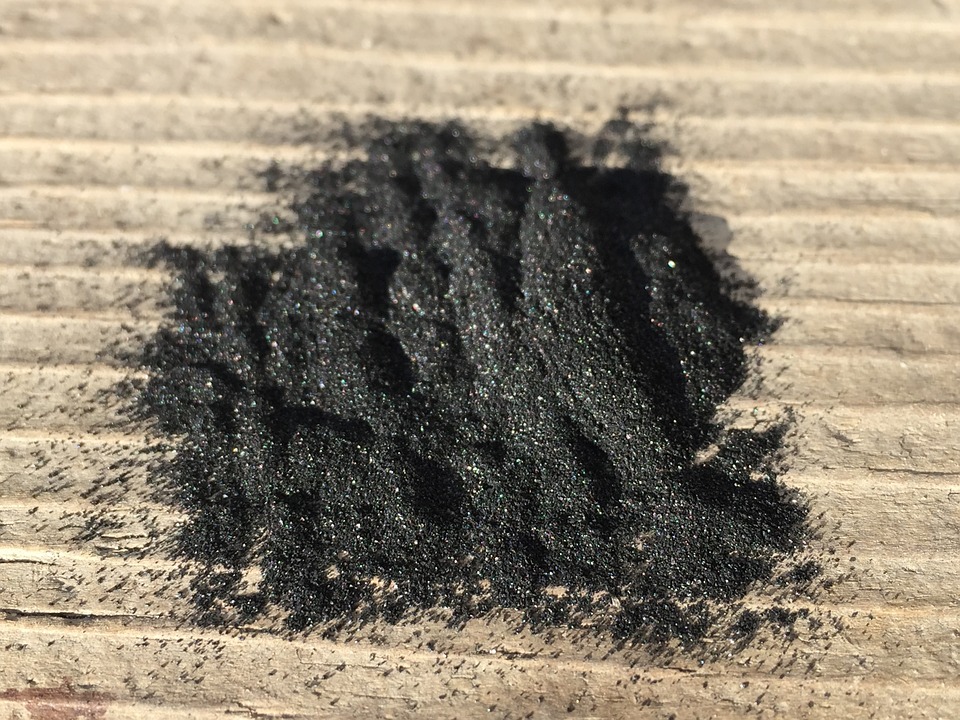
charcoal-powder-1053836_960_720To make tooth powder, pound charcoal in a mortar as finely as possible, or it could be ground in a mill. Sift it well.

Apply to teeth twice a week. According to Confederate soldiers, it kept teeth a beautiful white and also freshened breath. Gums also benefited from the treatment as it made them “firm and comfortable.”

Grinding charcoal in a mortar using small amounts of water kept the dust from flying around. It was also easier to use when stored in water.

There are currently charcoal toothpastes on the market. This old-fashioned tradition for cleaning teeth seems to be making a come-back but experts warn they don’t know the long-term effects.

Still, it’s fun to watch wisdom from the past making a reappearance from history.

-Sandra Merville Hart

Sources

A Compilation of Over One Hundred Receipts, Adapted to the Times. Confederate Receipt Book, Applewood Books, 1863.

“Charcoal,” Merriam-Webster, 2017/02/03 https://www.merriam-webster.com/dictionary/charcoal.

Mulpeter, Kathleen. “Is it safe to Whiten your Teeth with Activated Charcoal Toothpaste?” Health, 2017/02/03 http://www.health.com/oral-health/charcoal-toothpaste.