Depression Cake Recipe

by Sandra Merville Hart

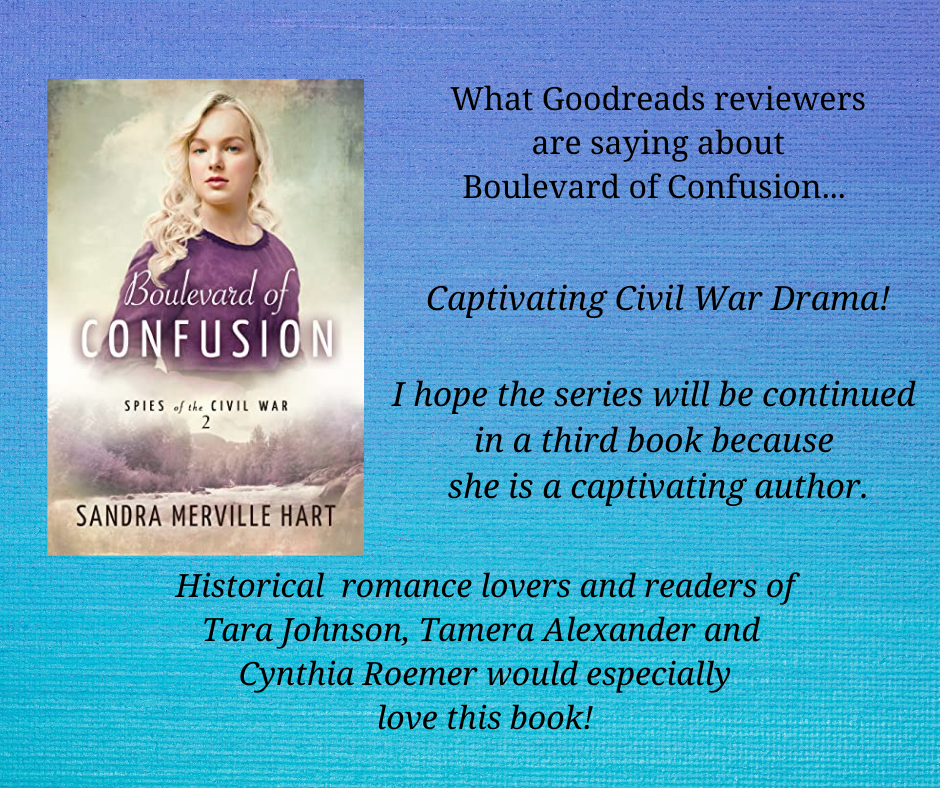
The family cook in my latest release, Boulevard of Confusion, Book 2 in my “Spies of the Civil War” series, was also a talented baker. She bakes pies, cakes, and cobblers that no one turns down. After writing these scenes, I was ready to bake.

I found a fun recipe in a child’s cookbook, The U.S. History Cookbook: Delicious Recipes and Exciting Events from the Past, that my three-year-old granddaughter could help me prepare.

Ingredients

1 cup shortening

2 cups water

2 cups raisins

1 teaspoon ground cinnamon

1 teaspoon ground nutmeg

1 teaspoon ground allspice

½ teaspoon ground cloves

2 cups sugar

Vegetable oil cooking spray

3 cups all-purpose flour

1 teaspoon baking soda

Preheat the oven to 350 degrees. Spray a 9 x 13 pan with cooking spray.

This is an easy recipe to get the children involved in baking. My granddaughter loves to add ingredients and stir them together. She tells me when it’s stirred enough. (She’s usually right but when I don’t agree, I can sneak in a few quick stirs. 😊)

Combine the first eight ingredients in a large saucepan. Stir them together but the shortening makes this challenging. Cook over a medium heat for ten minutes. Stir the raisin mixture as soon the shortening began melting. Then stir it a couple of times while it cooks to make sure it doesn’t stick.

Remove the raisin mixture from the heat and allow it to cool for ten minutes.

Sift the flour and baking soda together into the cooled batter. Stir it all together just until combined. Pour into the prepared pan.

Bake for 45 minutes.

I thought it looked a little plain so I sprinkled confectioner sugar on top.

You’ll love this moist cake if you like raisins. My picky three-year-old granddaughter doesn’t like raisins, yet loved this cake. She kept coming back for more.

During the Depression, eggs, butter, and milk were expensive ingredients. This recipe doesn’t have any of these—and I didn’t miss them.

Delicious and easy, this is one I’ll make again!

Sources

D’Amico, Joan and Drummond, Ed.D., R.D., Karen Eich. The U.S. History Cookbook: Delicious Recipes and Exciting Events from the Past, Jossey-Bass, A Wiley Imprint, 2003.

Baking Powder Recipe from 1870s

by Sandra Merville Hart

It always thrills me to find recipes for something I never dreamed of making. I thought of baking powder as something to buy from the grocery store. What a surprise it was to find a recipe for baking powder in my 1877 cookbook!

In fact, I knew I had to use it in one of my novels. The hero in Byway to Danger, Book 3 in my “Spies of the Civil War” series, was also a talented baker. Our heroine works as his assistant and she makes baking powder in one of the scenes. 😊

It’s amazingly quick and easy—even with a three-year-old helping. 😊

To make ½ cup of baking powder:

Sift together 4 tablespoons cream of tartar, 2 tablespoons baking soda, and 2 tablespoons corn starch.

I sifted these twice to blend them well. It makes a soft mixture. My granddaughter loved poking it with her finger.

It’s so easy! I stored my baking powder in a plastic container. I’m almost out of my store-bought baking powder and will add my mixture to the tin when it’s empty.

Happy baking!

Sources

Compiled from Original Recipes. Buckeye Cookery and Practical Housekeeping, Applewood Books, 1877.

Breakfast Cake Recipe from 1870s

by Sandra Merville Hart

It’s always nice to find an easy recipe for those days when there’s a desire to bake something but not a lot of time. This breakfast cake recipe from 1877 is one of those recipes.

Miss Emily L. Burnham of South Norwalk, Connecticut, is the 1870s cook who wrote this recipe…or should I say, this list of ingredients. These old recipes tend to be extremely brief. In fact, these first 2 paragraphs are longer than her entire recipe!

Miss Emily’s instructions were to bake this in a quick oven. This usually means about 400 or 425 degrees for the modern baker. Other recipes for similar breakfast cakes baked them at 350, so I preheated my oven to 350 and then turned it up to 375 during the bake. Lesson learned: preheat oven to 375.

Sift together 4 cups of flour and 1 teaspoon baking soda. Stir in 2 teaspoons of cream of tartar, 2 tablespoons sugar and two tablespoons softened butter.

In a separate bowl, beat 2 eggs. Add the beaten eggs to the dry ingredients. Stir in 1 cup of milk.

The dough is thick, like bread. Knead it together like you would a pie crust, until it binds together.

Lightly spray a loaf pan with cooking spray. Bake the cake 25-30 minutes or until lightly browned. This makes 6 – 8 servings.

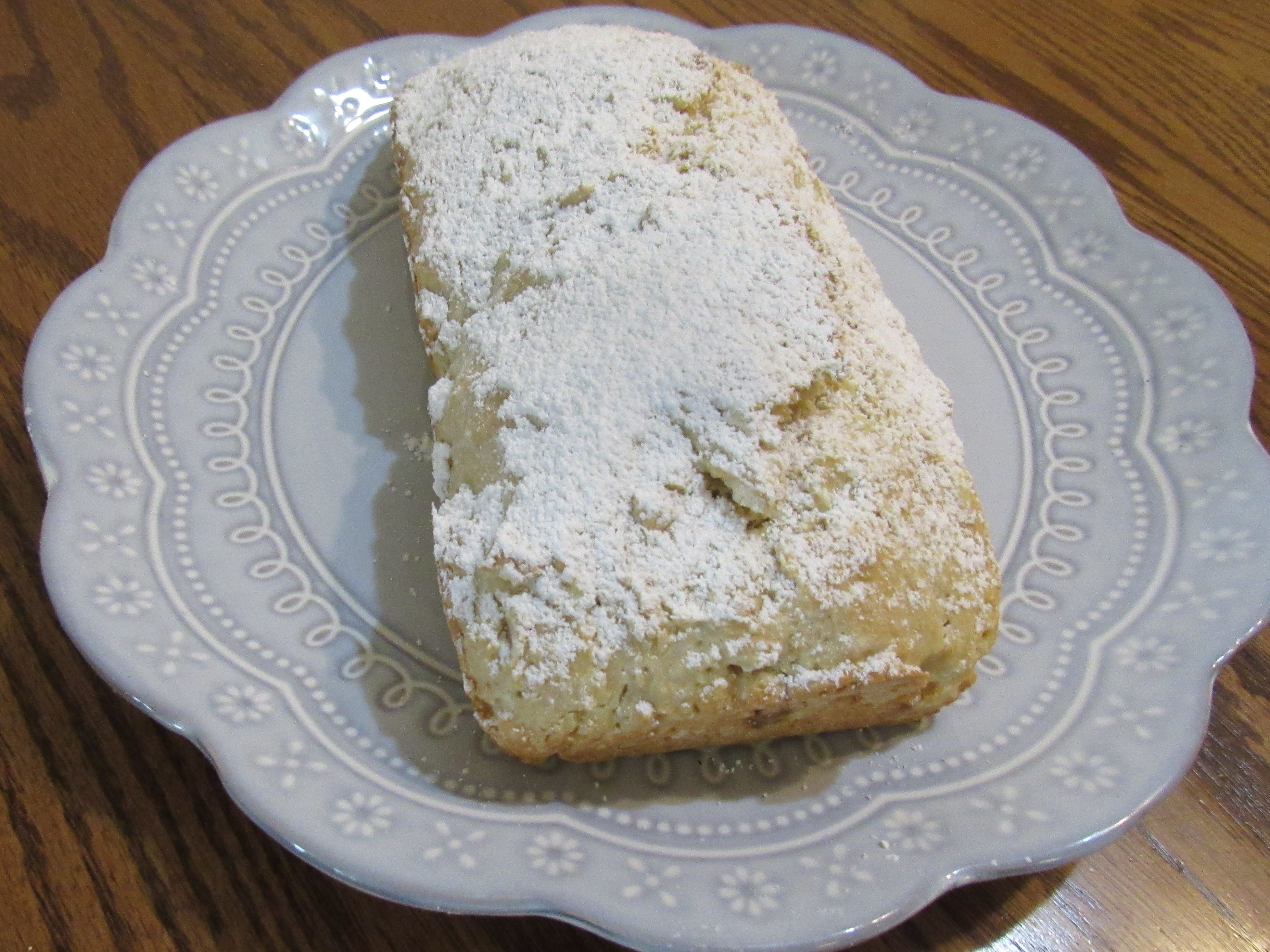
The texture of the inside is between that of a cake and a muffin. This cake is not sweet at all. I dusted it with powdered sugar. This not only improved the appearance, it also gave the cake just the right amount of sweetness for me.

A quick, easy recipe that is made from items already in the pantry always makes me happy.

The family cook in my latest release, Boulevard of Confusion, Book 2 in my “Spies of the Civil War” series, was also a talented baker. She bakes pies, cakes, and cobblers that no one turns down. Writing these scenes gave me a longing for baking!

Sources

Compiled from Original Recipes. Buckeye Cookery and Practical Housekeeping, Applewood Books, 1877.

Peach Cobbler Recipe from the 1870s

by Sandra Merville Hart

The family cook in my latest release, Boulevard of Confusion, Book 2 in my “Spies of the Civil War” series, was also a talented baker. She bakes pies, cakes, and cobblers that no one turns down. Writing these scenes made me nostalgic for my grandmother’s cobblers. She was always too impatient to teach her daughters and granddaughters her recipes. Sadly, those cobbler recipe secrets died with her.

The next best thing was searching my 1877 cookbook. I found one for plum cobbler. Miss S. Alice Melching, who wrote the recipe, noted that it worked for any canned fruit.

Preheat the oven to 375 degrees.

For the peach filling:

Stir in ¾ cup sugar (Miss Alice’s recipe calls for a coffee-cup of sugar and I guessed that to be about ¾ cup) into 2 large cans sliced peaches (29 oz. each.) Canned peaches come with light or heavy syrup. I used a little of the syrup with the filling, since Miss Alice left out a lot of details. I didn’t measure it, but it was probably about ½ cup.

For the pie crust and lattice top layer:

Melt 4 tablespoons lard (I used shortening.) Sift together 4 cups of flour, ½ teaspoon salt, and 2 teaspoons of baking powder. Add the melted shortening. Stir in 2/3 cup milk or water. (I chose milk.) After watching my grandmother cook with her hands instead of a spoon all those years, I like to mix the dough with my hands too. Knead it until it holds together.

Sprinkle flour lightly over a table or counter. Divide the dough in half. Roll the dough thinly for the bottom layer. Then arrange it in your baking dish. I used an 8 x 8 pan for mine but a pie pan will work fine.  

Hint: To prevent fruit juices from soaking into the pie crust, Miss Alice suggests mixing 3 tablespoons flour with 2 tablespoons sugar and sprinkling it over the bottom crust.

Add the filling onto the pie crust.

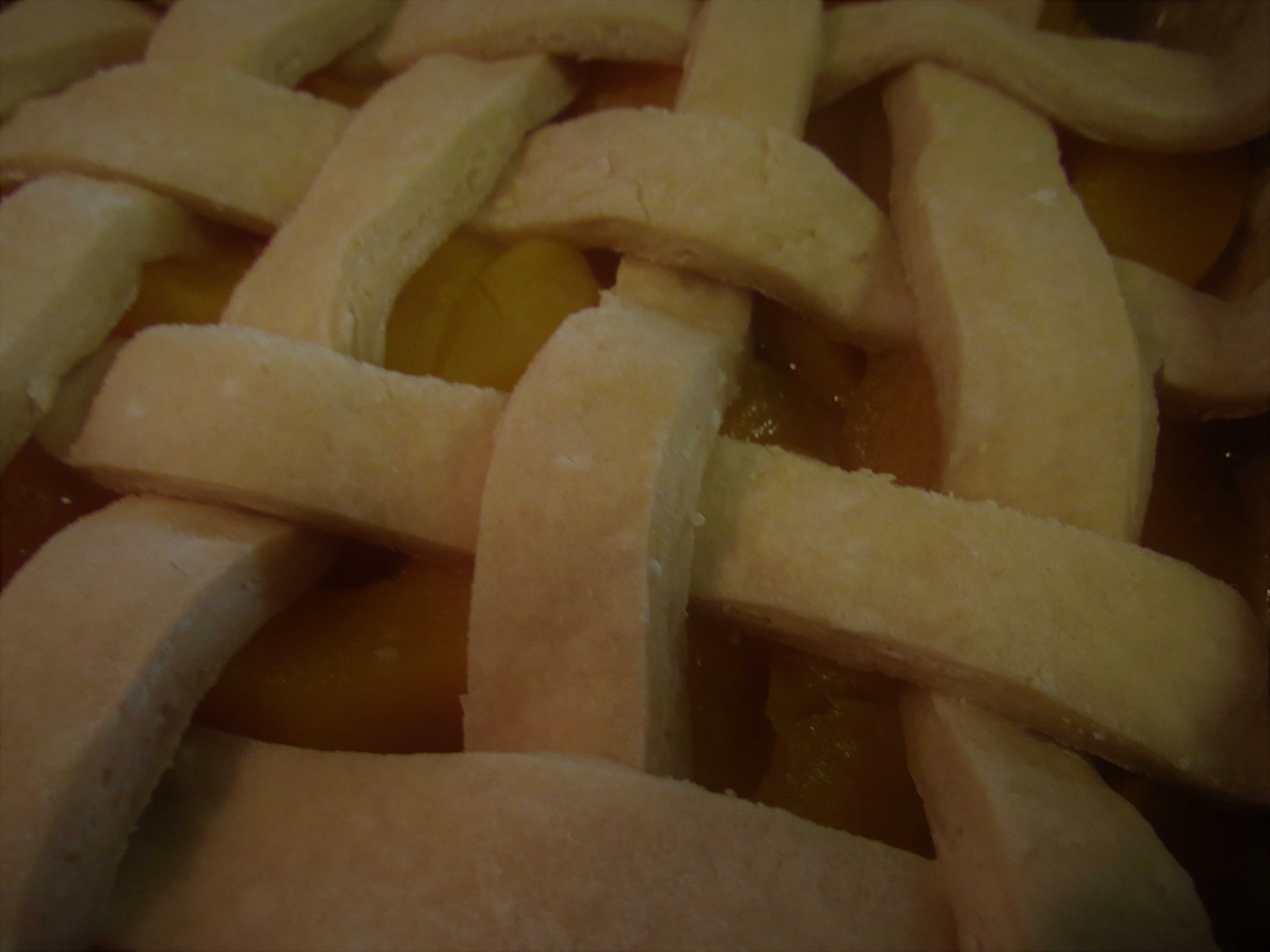
Take the other half of dough and roll it. Slice it into ½ inch strips and arrange these strips into a lattice top.

Bake 25 – 30 minutes or until the crust is lightly browned. This makes 10 – 12 servings.

The aroma took me back to childhood memories of my grandmother’s cooking.

I couldn’t wait to try it so I ate a piece warm from the oven. It was a delicious treat after lunch. My husband and I enjoyed it as dessert after supper. He liked it and is looking forward to another serving peach cobbler. (I’m writing this before daylight. I think it might be my breakfast. 😊)

I’d love to hear if you try it.

Sources

Compiled from Original Recipes. Buckeye Cookery and Practical Housekeeping, Applewood Books, 1877.

19th Century Advice for Organizing Closet Space

by Sandra Merville Hart

Arranging closet space seems to have been as challenging in the post-Civil War as it is for many people today. This 19th century advisor didn’t feel that lack of time excused a cluttered closet. Instead, the author felt that organization was the answer. Putting a system in place and then maintaining it actually lessens the amount of time it takes to clean. Also, you won’t spend hours looking for items if everything is in its place.

It’s important to note that many homes in the 1800s didn’t have closets. Folks stored their clothing in armoires, chests, and hung them on hooks. I’ve visited many old houses where there were no closets in the bedrooms, even in wealthier homes. Having this storage space built into bedrooms is a definite convenience.

Our 19th century had plenty of advise about organizing a closet that also applies to armoires.

If shelves aren’t already installed in closets, install them. (This seems to be something that our homebuilders agree on because most modern closets already have them.)

Put in plenty of hooks to hang clothing. (This has largely been replaced by closet rods and hangers.) The author suggested arranging clothes by type to make them easier to find.

Hanging too many items close together makes them difficult to find. It can also wrinkle the clothing. Allow ample room for clothes so they don’t lose their shape in the closet.

Don’t toss clothing in the closet floor. Hang the items to keep them nice.

Don’t place boots and shoes on the closet floor. Make shoe pockets out of calico fabric to store shoes.

Never keep anything on the closet floor to prevent stepping on them.

Never toss items into the closet to keep them out of sight because “hiding dirtiness does not cure it.”

There is timely advice in these tips from the 1870s. Now, I have some closets that need my attention. 😊

Sources

Compiled from Original Recipes. Buckeye Cookery and Practical Housekeeping, Applewood Books, 1877.

19th Century Advice for Table Manners

by Sandra Merville Hart

Good table manners are perhaps not as important to some these days as they were a century ago, but they still matter. As the 19th century advisor points out, good manners are a “kind consideration” of the feelings of others and all began for sound reasons. Most of this advice is still followed today.

Remove gloves after sitting at the table. Lay them in your lap beneath the napkin.

Food goes to the mouth—not the other way around.

Chew quietly with closed lips.

Cut food with a knife but eat with a fork.

If a fork can’t hold the food, use a spoon.

Don’t lean your arms on the table or sit too far back.

It’s good for your health to eat slowly—and it’s considered good manners.

Bread should be broken, not cut. Don’t crumble it into soup or gravy.

It’s considered bad manners to mix food on the plate.

Eat fish with a fork.

Cut game or chicken, but don’t hold it with the bones in your fingers.

Hold oranges with a fork and peel them without breaking the inner skin.

Don’t cut pastry with a knife. Break it apart and eat with a fork.

Bread and butter is a dish for dessert. (Surprising!)

Never help yourself to anything on the table using your own utensils.

Never pick your teeth at the table.

When eating a cherry-stone or other substances removed from the mouth, pass them into a napkin held to your lips and then return it to the plate.

Try to ignore accidental spills.

When done with your meal, place your fork and knife side by side on the plate with the handles to the right.

Most of these tips from the 1870s have stood the test of time. As an author of historical novels, tips like these enhance my understanding of the time period.

Sources

Compiled from Original Recipes. Buckeye Cookery and Practical Housekeeping, Applewood Books, 1877.

19th Century Advice for Hosting a Meal

by Sandra Merville Hart

Most of the dinners I host are for family and friends so it was fun to read the following advice from the 1870s. Much of this is sound advice for today’s dinner parties.

Warm the plates in winter but don’t let them get hot.

It’s considered vulgar to overload a guest’s plate or to insist on second helpings.

Don’t offer too many dishes for the meal. It makes a coarse display. The author suggests soup, fish with one vegetable, a roast with one or two vegetables, a salad and cheese, and dessert as a sensible meal.

Sauces and jellies aren’t side dishes. Serve them on the dinner plate.

Invite congenial (friendly) folks to your parties.

Never overcrowd your dining table.

Novel dishes are a fun addition at parties, but NEVER experiment on your guests by serving a dish you’ve made for the first time. (Wise advice.)

Pour water from the right side and serve everything else from the left.

The hostess continues to eat until all the guests finish.

Use individual salt dishes at breakfast. (Salt and pepper shakers weren’t commonly used until the 1920s.) Serve salt in a cruet with a dish and spoon, set on each end of the table at dinner to give “less of a hotel air.”

Serve fruit after pudding and pies.

Coffee is served last. Place cream and sugar in the cup before pouring the coffee. If guests like milk in their coffee, serve it scalding hot.

When serving hot tea, pour the tea into the cup before adding cream and sugar.

Some of these hosting tips from the 1870s have stood the test of time while others—like the individual salt dishes—have changed. As an author of historical novels, these tips enhance my understanding of the time period.

Sources

Compiled from Original Recipes. Buckeye Cookery and Practical Housekeeping, Applewood Books, 1877.

Lemon Snaps Recipe

by Sandra Merville Hart

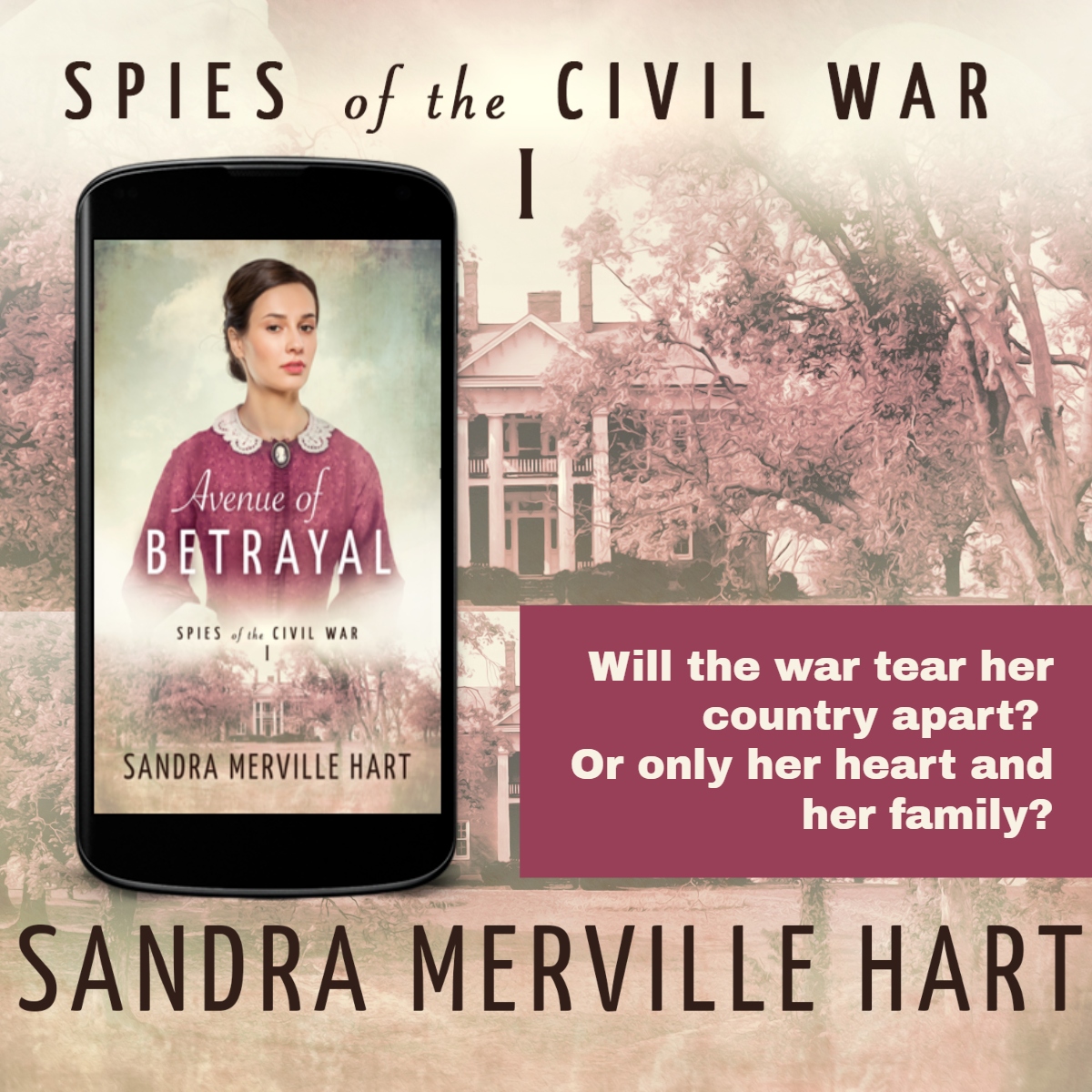
A character in Book 1 of my “Spies of the Civil War” series, Avenue of Betrayal, bakes lemon cookies in the story. This talented cook earns the praise of soldiers far from home when she serves these delicious lemon cookies at parties. I’m sharing a recipe that’s over a century and a half old to show the way Rebecca, my character, prepared them in the novel.

The original 1877 baker who shared this cookie recipe is Mrs. E. L. C. of Springfield.

Ingredients

½ teaspoon baking soda

1 cup sugar

10 tablespoons butter

2 lemons

½ teaspoon lemon extract

1 ½ cups all-purpose flour

Dissolve ½ teaspoon of baking soda into 2 teaspoons of hot water. Set aside.

Cream together 1 cup of sugar and 10 tablespoons of butter. Stir in the prepared baking soda.

Mrs. C. simply said to flavor with lemon. I added the zest of 2 lemons, the juice of 1 lemon, and ½ teaspoon of lemon extract to the batter.

Mrs. C. was another one who advised adding “flour enough to roll thin.” I used 1 ½ cups of flour, blending into the wet ingredients a little at a time.

Lightly flour the counter and rolling pin and then roll out the batter. Cut into desired shapes.

Spray a baking sheet with cooking spray or line with parchment paper. The cookies flatten while baking so allow room between them. Bake cookies at 350 degrees about 9 – 11 minutes.

Delicious! Wonderful lemony flavor really came through. Guests loved the texture and flavor. If you like lemony desserts, this is the cookie for you.

Though the original baker left out a few important details, I’m happy to say that I only had to make this recipe once—and the cookies were a hit!  

I’d definitely make these again.

I’d love to hear if you try it.

Sources

Compiled from Original Recipes. Buckeye Cookery and Practical Housekeeping, Applewood Books, 1877.


Chicken Croquettes Recipe

by Sandra Merville Hart

A character in Book 1 of my “Spies of the Civil War” series, Avenue of Betrayal, prepares chicken croquettes for a picnic. She’s a talented cook and everything she makes is a crowd-pleaser. I’ve never made these and it seemed a good idea to try this recipe from an 1877 cookbook, to make them as similar to the way Rebecca, my character, prepared them in the novel.

If you’ve ever tried to follow recipes from 150 years ago, you’re already aware that there’s a lot of guesswork involved. In this particular recipe, it gives the measurement for rice but not the amount of chicken. In fact, the only other hint is that one egg is needed for the actual mixture.

That’s it.

There are actually 2 recipes for chicken croquettes in this book and I studied both of them before creating the following recipe. The original cook for one recipe is Mrs. E. L. Fay, from New York City and the other is anonymous.

Ingredients

1 ½ cups cooked chicken

1 cup cooked rice, white or brown

2 tablespoons butter, melted

3 eggs, separate

¼ cup heavy cream

½ teaspoon salt

¼ teaspoon pepper

½ teaspoon sage

½ – ¾ cup bread crumbs

Shortening

Mince the cooked chicken. Add rice, butter, and cream and stir until moistened. Stir in 1 beaten egg. Season the mixture with sage, salt, and pepper.

I formed them into balls, but they didn’t hold up well in the skillet. I suggest shaping them into patties.

Beat 2 eggs in a bowl. Place bread crumbs in a separate bowl. Dip croquettes into the egg and then roll them in bread crumbs.

Melt shortening in a skillet over medium – medium high heat. (I used a cast iron skillet which cooks evenly so medium heat worked well for me.)

Frying will take 5 – 10 minutes. Turn croquettes gently to brown on all sides. Wooden spoons worked best for me and 2 croquettes still fell apart. (I suggest patties—and a modification in the recipe that I’ll mention at the end.) This made 8 croquettes. Two were a satisfying lunch for me.

What a great recipe for using leftover chicken!

I liked the croquettes. The sage gave a nice flavor without overpowering the rice and chicken. Rice is a favorite of mine, but this is too much rice for 1 ½ cups of chicken. I’d decrease the amount of cooked rice to ½ cup. I believe they will hold together better.

Also, I’ll add ¼ cup of bread crumbs to the croquette batter next time so that it will hold up better while cooking. The original cooks didn’t do this and I try to follow the historic recipes as closely as I can at first to have the dining experience they had.

-Sandra Merville Hart

Sources

Compiled from Original Recipes. Buckeye Cookery and Practical Housekeeping, Applewood Books, 1877.

Cabbage Lasagna

by Sandra Merville Hart

It’s that time of year when folks are counting their calories and/or carbs. I saw a quick video of a cook making this lasagna and decided to try it with ingredients at hand.

This is a delicious low-carb meal that I’ll make again.

1 head of Cabbage

2 – 3 tablespoons of olive oil

1 lb. ground beef

2 cans crushed or diced tomatoes

1 cup shredded carrots

1 yellow onion, diced

1 tsp. dried oregano

Black pepper to taste

2 garlic cloves, minced

1 cup Ricotta cheese

1 cup mozzarella cheese

1 tsp. dried basil or ¼ cup fresh basil

Salt

1 egg, beaten

First, separate the leaves of an entire head of cabbage into stacks. This may take a few minutes.

Add a teaspoon of salt to a large pot of water and begin to boil.

  1. Pour a thin coat of olive oil in a deep skillet—start with 2 tablespoons and add enough to cover the bottom. Next, sauté the carrots and onions together. I didn’t have shredded carrots so I used sliced baby carrots. I also didn’t have an onion so I substituted diced green onions. If you do this, sauté the carrots alone for about 3 minutes, adding the green onions for about a minute.
  2. Add to this mixture the ground beef, oregano, and black pepper. (I used ½ teaspoon of pepper. Use more or less to your taste.)  Brown this over medium high heat.
  3. Once the meat is browned, add 2 cloves of minced garlic. (I didn’t have garlic on hand, so I skipped this step.)
  4. Add basil and 2 cans of crushed tomatoes. I used diced tomatoes and simply broke them down with a wooden spoon while it cooked. I also added 2 tablespoons of chopped scallions for color and flavor. Lower heat to simmer for 20 – 25 minutes.
  5. As soon as the large pot of water is boiling, cook a few cabbage leaves at a time. Use a slotted spoon to remove them once they soften and set them gently to the side because these are your lasagna noodles. Keep the larger leaves separate because you will use them first. This step took longer than I imagined, so allow at least 20 minutes. Keep the water boiling on high and more water may be needed in the pot as it boils down.
  6. When the meat mixture is done simmering, turn off the heat and stir in the beaten egg.
  7. Choose a deep round or square dish so you can make multiple layers. Spray it lightly with cooking spray.
  8. Now you are ready to assemble the lasagna. Select one large leaf to lay on the bottom center. Next, overlap the largest cabbage leaves from the middle so that they go up the sides of the dish, lining it all around and over the top until the dish is completely covered. (You will tuck the pieces hanging over the top onto the lasagna later.)
  9. Spoon on a layer of meat. The add spoons of ricotta cheese in several spots, but no need to cover the meat. Then sprinkle a layer of mozzarella cheese over the ricotta. Next add a layer of cabbage leaves—no need to go up the sides for this layer.
  10. Repeat step 9 above twice. Make sure that the top pieces of cabbage cover the whole dish well, for when you turn it over after baking, it’s the bottom layer. Then tuck the original cabbage pieces hanging over the sides over it.
  11. Bake at 375 degrees for an hour.
  12. Allow it to cool 5 – 10 minutes before turning it out onto a serving plate.

This was a very tasty meal. I have to admit that I missed the garlic flavor so I’ll add it next time. I will also add an extra teaspoon of oregano when I make it next because it wasn’t a strong enough flavor.

I loved eating this low-carb lasagna and found it a comforting meal. My husband doesn’t eat lasagna so I had leftovers for lunch for a few days. I didn’t get tired of it!