Revolutionary War: Washington Fights a Smallpox Epidemic

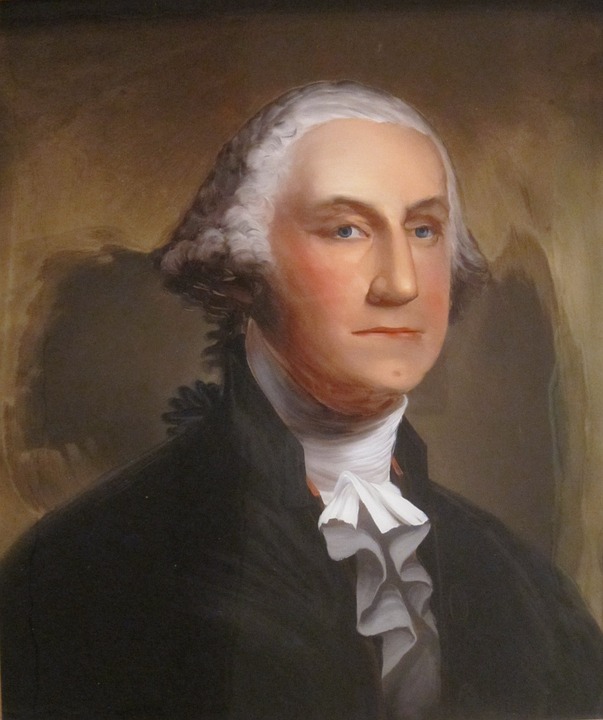
General George Washington had a problem—besides his British enemy. This time it was a silent killer—a disease known as smallpox.

Washington was no stranger to the disease. While in Barbados in November, 1751, he’d suffered through a bout with the disease. After he recovered, he was immune to smallpox.

Variola—the smallpox virus—was brought in by British and German soldiers. The virus caused about 17% of deaths in the Continental Army. The disease also scared off potential recruits.

The practice of inoculations was widespread in Europe. Fearing contamination from the inoculation process, the Continental Congress prohibited army surgeons from doing them. Besides, soldiers would be too ill to fight for about a month after receiving a less-potent form of smallpox.

Yet soldiers were dying. Washington had to do something.

On January 6, 1777, General Washington ordered Dr. William Shippen, Jr. to inoculate all soldiers that came through Philadelphia. He wrote that he feared the disease more than “the Sword of the Enemy.”

Washington then ordered a mass inoculation on February 5, 1777. Though he did this in secret so the enemy wouldn’t know that his soldiers were incapacitated for a time, he did inform Congress of his decision.

Some reports state that deaths from smallpox dropped to 1% in the Continental Army. Isolated infections occurred in the southern campaign but were not the overwhelming problem as had occurred early in the war.

Washington’s decisive actions had saved the army.

-Sandra Merville Hart

Sources

“George Washington and the First Mass Military Inoculation,” The Library of Congress, 2018/03/11 https://www.loc.gov/rr/scitech/GW&smallpoxinoculation.html.

“Ten Facts about Washington and the Revolutionary War,” George Washington’s Mount Vernon, 2018/03/11 http://www.mountvernon.org/george-washington/the-revolutionary-war/ten-facts-about-the-revolutionary-war/.

Thompson, Mary V. “Smallpox,” George Washington’s Mount Vernon, 2018/03/11 http://www.mountvernon.org/digital-encyclopedia/article/smallpox/.


Revolutionary War: The Fate of Unborn Millions

When the Continental Army drove British troops out of Boston, the English soldiers headed to New York City.

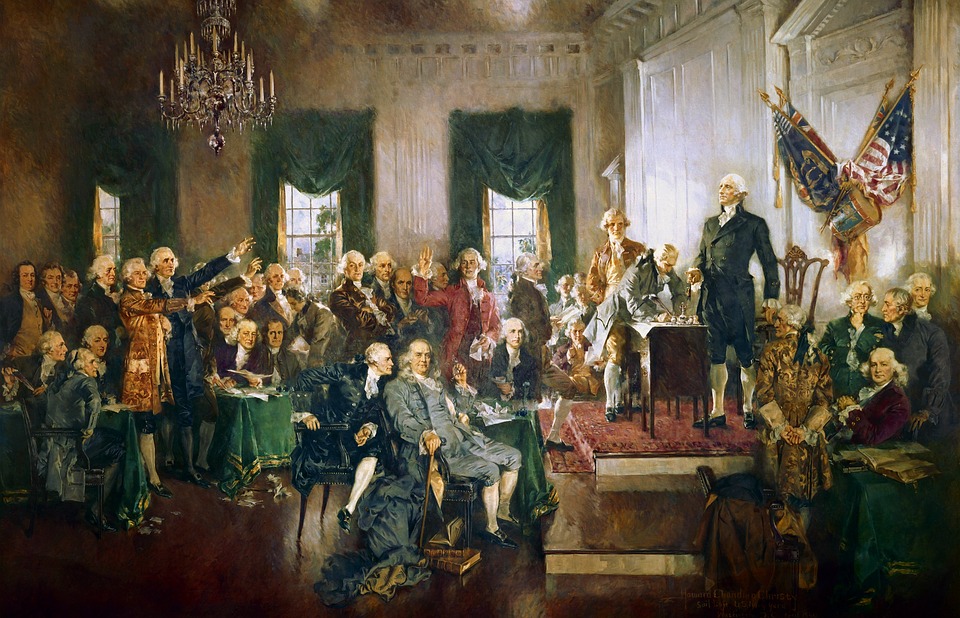
General George Washington knew the importance of the city. He told his troops that “the fate of unborn millions” depended on their courage and on God.

Over the next few weeks, more British troops arrived in New York as the colonial soldiers prepared for battle. The British, under the command of Lieutenant General William Howe, attacked on August 27, 1776. The Continental soldiers fought bravely but were losing the fight.

A heavy storm halted the fighting the next day. It continued until the afternoon of August 29th. Howe decided to postpone the attack for the next day. Washington decided to evacuate while he could. The storm had left behind a thick fog.

Washington, at noon, ordered the quartermaster to impress boats with sails or oars. He needed them by dark.

Oars were wrapped with cloths to muffle the sound. Soldiers loaded horses, supplies, cannons, and ammunition as silently as possible for the first river crossing. Soldiers from a Massachusetts regiment—peacetime fishermen and sailors—served as boat crews.

In the misty fog, the wounded soldiers were transported next and then the rest of the Continental soldiers began to fill the rowboats, canoes, and barges.

Under General Washington’s orders, rearguard kept fires burning to keep the British army from detecting their retreat.

The last troops crossed safely at 6 am.

They had done it. Washington’s plan saved around 9,000 soldiers and most of their horses and supplies. They had slipped away without the enemy’s knowledge.

Even in defeat, Washington proved to be skillful leader.

-Sandra Merville Hart

Sources

Goldstein, Norman. “Escape from New York,” HistoryNet, 2018/03/11 http://www.historynet.com/escape-new-york.htm.

“Ten Facts about Washington and the Revolutionary War,” George Washington’s Mount Vernon, 2018/03/11 http://www.mountvernon.org/george-washington/the-revolutionary-war/ten-facts-about-the-revolutionary-war/.


Multiple Flowers with Multiple Meanings

by Sandra Merville Hart

Floral bouquets are heartwarming gifts, as welcome today as in previous eras. Yet deeper thought was put into both the color and flower choices in the nineteenth century because both held meaning.

Even different shades of the same flower varied in meaning. Both the giver and receiver understood these nuances in bygone centuries.

Various shades of carnations, chrysanthemums, hyacinths, jasmine, lilies, and roses altered the hidden message of the bouquet.

Carnation, light red—Admiration

Carnation, pink—I’ll never forget you, a mother’s undying love, beauty, pride

Carnation, purple—Capriciousness

Carnation, red—Deep love

Carnation, striped—Refusal of love

Carnation, yellow—Rejection, Disdain, Disappointment

Carnation, white—Symbol of democracy, pure love, good luck, innocence, sweet love

Chrysanthemum, red—Love

Chrysanthemum, yellow—Slighted love

Chrysanthemum, white—Truthfulness

Hyacinth, blue—Constancy

Hyacinth, purple—Sorrow

Hyacinth, yellow—Jealousy

Hyacinth, white—Loveliness, prayers for someone

Jasmine, yellow—Grace, elegance

Jasmine, white—Sweet love, amiability

Lily, orange—Hatred

Lily, tiger—Wealth, pride

Lily, yellow—Happy

Lily, white—Purity, virginity

Rose, amethyst—I will love you forever

Rose, blue—Mystery, uniqueness

Rose, coral—Admiration, desire, longevity

Rose, cream—Perfection

Rose, golden—Jealousy

Rose, green—Growth, abundance

Rose, ivory—Grace, charm

Rose, lavender—Love at first sight, rarity, wonder, enchantment

Rose, orange—Energy, desire, enthusiasm, fascination

Rose, peach—Sincerity, modesty, gratitude

Rose, pink—Grace, beauty, youth, innocent love, elegance, sweetness

Rose, red—Love, passion

Rose, rose—Pride, shyness

Rose, white—Innocence, young love, birth, beauty and respect, silence, keep my secret

Rose, yellow—Joy, friendship, I love another, jealousy

Rose, white/pink—Unity, commitment

It’s fun to learn the hidden meaning of flowers. These are fun facts that I, as an author of inspirational historical romances, love to incorporate into my novels!

Sources:

Boeckmann, Catherine. “What Does Each Flower Symbolize?” Almanac, 2025/04/21 https://www.almanac.com/flower-meanings-language-flowers.

“Rose Color Meanings,” Fifty Colors, 2025/04/22 https://fiftyflowers.com/blogs/flowers/rose-color-meanings.

Hawkins, Linda J. The Unspoken Language of Fans & Flowers, Heart to Heart Publishing, 2007.

The Hidden Meaning of Flowers

by Sandra Merville Hart

While researching the secret language of the fan, I discovered some fascinating facts about the hidden meaning of flowers. As a writer of inspirational historical romance novels, I’m always searching for fun facts lost in time.

My grandmother wore a plain silver wedding band. The painted orange blossoms that originally decorated it had long since faded by the time I was born. A century ago, orange blossoms were often part of wedding decorations. Blossoms might have been worn in the bride’s hair or included in the bouquet. Orange blossoms symbolized fidelity, chastity, and loving thoughts.

The gift of flowers held deeper meaning in bygone eras. The type of flower and its shade varied in meaning.

Even the way they were given held hidden meaning. If the giver extended the flowers in the right hand, it meant “yes” while the left hand meant “no.”

There are a myriad of floral meanings—and not all of them are good. Here is a list of popular flowers with their own language:

Amaryllis—Pride

Azalea—Temperance, womanhood

Baby’s Breath—Pure heart, everlasting love

Begonia—Beware

Bluebell—Humility

Borage—Bravery, bluntness

Calla Lily, white—Sophistication, seduction

Carnation, pink—I’ll never forget you, a mother’s undying love, beauty, pride

Carnation, red—Deep love

Carnation, striped—Refusal of love

Carnation, yellow—Rejection, Disdain, Disappointment

Chamomile—Wisdom, patience

Chrysanthemum, red—Love

Chrysanthemum, yellow—Slighted love

Cornflower—Delicacy, felicity, unity

Dahlia—Good taste

Daisy—Innocence, simplicity, gentleness, loyal love

Dandelion—Wishes come true

Eucalyptus—Protection

Forget-me-not—Remembrance, true love, good memories

Gardenia—Secret love, ecstasy

Geranium, red—Comfort, beauty without virtue

Goldenrod—Encouragement, precaution

Hyacinth, blue—Constancy

Hyacinth, purple—Sorrow

Hyacinth, yellow—Jealousy

Hyacinth, white—Loveliness, prayers for someone

Hydrangea—Thanks for understanding, boastfulness

Iris—Faith, wisdom, valor, hope, trust

Jasmine, yellow—Grace, elegance

Larkspur—An open heart

Lavender—Devotion, luck, success

Linden branches—Romance

Lily, orange—Hatred

Lily, tiger—Wealth, pride

Magnolia—Perseverance, sweetness, love of nature

Marigold—Remembrance, grief

Mint—Warmth of feeling, protection from illness

Mistletoe—Fertility

Morning Glory—Affection

Peach blossom—Captive heart

Peony—Wedded bliss, aphrodisiac

Petunia—Don’t despair

Phlox—Proposal of love, agreement

Rose, golden—Jealousy

Rose, lavender—Love at first sight, rarity, wonder, enchantment

Rose, orange—Energy, desire, enthusiasm, fascination

Rose, peach—Sincerity, modesty, gratitude

Rose, pink—Grace, beauty, youth, innocent love, elegance, sweetness

Rose, red—Love, passion

Rose, yellow—Joy, friendship, I love another, jealousy

Sweet Basil—Best wishes

Sweet Pea—Delicate pleasures, birth, goodbye

Thistle—Sternness

Tuberose—Dangerous pleasures

Tulip, white—Lost love

Tulip, yellow—Hopeless love

Verbena—May you get your wish

Zinnia—Thoughts of an absent friend

Those who gave and received floral bouquets would have been aware of the hidden meanings behind the gift two hundred years ago. It’s fun to learn—or perhaps re-learn—about the hidden meaning of flowers.

Sources:

Boeckmann, Catherine. “What Does Each Flower Symbolize?” Almanac, 2025/04/21 https://www.almanac.com/flower-meanings-language-flowers.

“Rose Color Meanings,” Fifty Colors, 2025/04/22 https://fiftyflowers.com/blogs/flowers/rose-color-meanings.

Hawkins, Linda J. The Unspoken Language of Fans & Flowers, Heart to Heart Publishing, 2007.

The Symbolism of the Color of Flowers

by Sandra Merville Hart

I learned as a child that the color of flowers was significant when it came to giving a bouquet. My mother knew what some colors meant—my grandmother knew more. It mattered more to her.

When it comes to gifts, the color of the bouquet was more important a century or two ago in the United States. The significance of the type of flower and its color dates back to ancient Greece and Egypt.

Colors can help create a mood and stimulate or calm our spirits. My parents painted their bedroom red to darken the room when I was a little girl. He worked nights and hoped that the dark room would enable him to sleep during the day. I believe it did help him to sleep. Unfortunately, that room was dark and depressing for the whole family. No one liked it. My mom repainted it to a pale peach, and it brightened not only that room but the entire home.

On the other hand, red is a beautiful choice for flowers. In the nineteenth century, a woman receiving a red bouquet recognized the silent declaration of love. It also could mean passion, strength, respect, and courage. The same young lady might have been disappointed at a gift of yellow flowers because they signified friendship, joy, and health.

A gift of purple flowers signified admiration, success, and tradition while green flowers suggest new life, rebirth, youthfulness, good fortune, and good health.

Blue flowers, representing relaxation, intimacy, and openness, always capture my attention because other colors are more common. A patch of blue morning glories was visible from my grandmother’s window, making them my favorite as a little girl.

A gift of pink flowers would have pleased most recipients because they symbolized happiness, grace, gentleness, and innocence for centuries.

Orange flowers add a splash of color to any room. They stand for warmth, enthusiasm, and joy.

White flowers signify honesty and purity.

In the Victorian era, young ladies would have known the meaning of the different floral colors. As an author of inspirational historical romances, I love discovering tidbits like these for my novels!

Sources:

Boeckmann, Catherine. “What Does Each Flower Symbolize?” Almanac, 2025/04/21 https://www.almanac.com/flower-meanings-language-flowers.

Ellis, Mary Ellen. “Flower Color Symbolism: What do Flower Colors Mean?” Gardening Know How, 2025/04/22 https://www.gardeningknowhow.com/garden-how-to/info/flower-color-symbolism.htm.

“Rose Color Meanings,” Fifty Colors, 2025/04/22 https://fiftyflowers.com/blogs/flowers/rose-color-meanings.

Hawkins, Linda J. The Unspoken Language of Fans & Flowers, Heart to Heart Publishing, 2007.

The Meaning of the Color of Roses

by Sandra Merville Hart

When I was a little girl, my mother told me that receiving a bouquet of roses had different meanings, depending on the color. Back then, I preferred yellow roses. Had someone given me a yellow rose at ten, it would have symbolized friendship.

That discussion sparked my interest all those years ago. Here is a list compiled from a couple of sources:

Rose, amethyst—I will love you forever

Rose, blue—Mystery, uniqueness

Rose, coral—Admiration, desire, longevity

Rose, cream—Perfection

Rose, golden—Jealousy

Rose, green—Growth, abundance

Rose, ivory—Grace, charm

Rose, lavender—Love at first sight, rarity, wonder, enchantment

Rose, orange—Energy, desire, enthusiasm, fascination

Rose, peach—Sincerity, modesty, gratitude

Rose, pink—Grace, beauty, youth, innocent love, elegance, sweetness

Rose, red—Love, passion

Rose, rose—Pride, shyness

Rose, white—Innocence, young love, birth, beauty and respect, silence, keep my secret

Rose, yellow—Joy, friendship, I love another, jealousy

Rose, white/pink—Unity, commitment

Additionally, giving a single rose symbolizes simplicity and perpetual love. A rose bud symbolizes hope and innocence.

In the Victorian era, young ladies would have known the meaning of the different rose colors. I’m an author of inspirational historical romances. I love discovering tidbits like these for my novels!

Sources:

Boeckmann, Catherine. “What Does Each Flower Symbolize?” Almanac, 2025/04/21 https://www.almanac.com/flower-meanings-language-flowers.

“Rose Color Meanings,” Fifty Colors, 2025/04/22 https://fiftyflowers.com/blogs/flowers/rose-color-meanings.

Hawkins, Linda J. The Unspoken Language of Fans & Flowers, Heart to Heart Publishing, 2007.

Grasshopper Weather

by Sandra Merville Hart

I recently read On the Banks of Plum Creek by Laura Ingalls Wilder. Her family moved to Minnesota when she was seven and first stayed in a sod house built into the creek bank. The details of everyday life in the 1870s fascinated me.

The Ingalls family was very poor. They had moved into the sod house too late to plant crops so finances were tight. Laura’s pa put all his hopes on next year’s crop, which promised to be a bountiful one. She dreamed of having all the things they’d done without and eating candy daily.

There was no snow by Thanksgiving of that year. Days were still warm though the nights were chilly. No rain. No more frost. Pa learned that the old-timers called it “grasshopper weather” but no one explained what that meant.

An unusually dry, hot, sunny summer followed. Plump wheat promised a beautiful crop. Pa planned to pay for the farmhouse he’d borrowed the money to build with the bountiful wheat.

Sunshine dimmed at lunchtime a couple of days before the planned harvest. A coming storm blackened the sky. No, not a normal storm. What was it?

Glittering thin snowflake-like matter blocked the sun. No wind. Then brown grasshoppers dropped to the ground, falling on Laura’s head and arms like hail. When she beat at them, they clung to her skin.

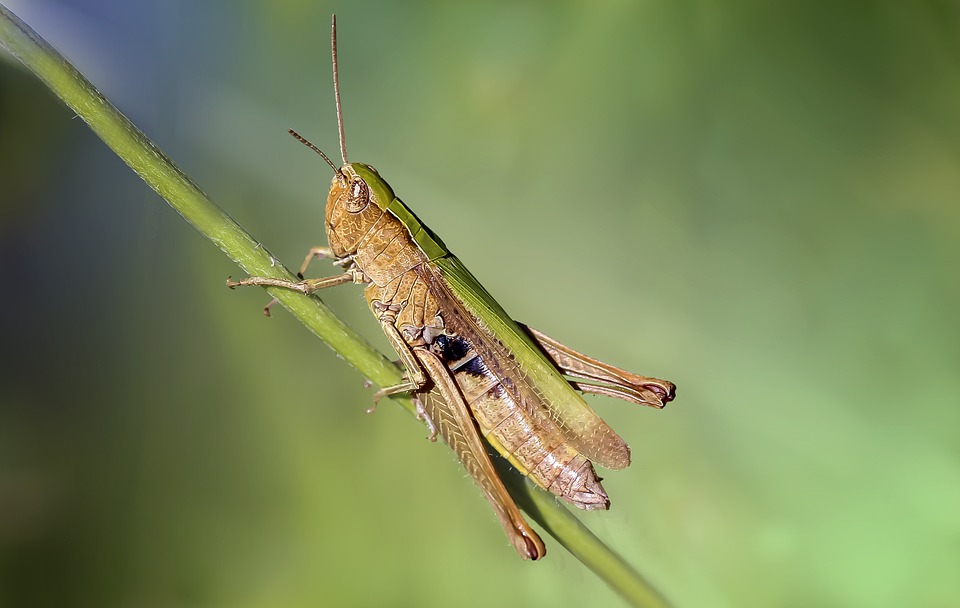
Grasshoppers by the millions ate the wheat crop, prairie grasses, leaves, cornstalks, and every vegetable in the garden. Though all windows were shut, brown grasshoppers came inside the house each time someone entered it.

Laura’s family endured a nightmare.

It’s estimated that one trillion Rocky Mountain locusts descended on the Great Plains in 1874, covering an area around 2,000,000 square miles and causing much devastation.

When large groups of grasshoppers swarm, they’re called locusts. In one day, these swarms can fly as far as 100 miles.

Locusts returned in smaller numbers some years but became extinct early in the 1900s. The arrival of farmers who plowed the prairie grass to grow crops changed the habitat, which many experts believe caused the extinction.   

Sources

“Grasshoppers in On the Banks of Plum Creek.” Study.com, 12 April 2017, study.com/academy/lesson/grasshoppers-in-on-the-banks-of-plum-creek.html.

Nuwer, Rachel. “When Weather Changes, Grasshopper Turns Locust,” The New York Times, 2021/09/29 https://www.nytimes.com/2013/04/09/science/when-weather-changes-grasshopper-turns-locust.html.

Wheeler, John. “Weather Talk: Grasshopper plagues are gone with the wind,” AGWEEK, 2021/09/29 https://www.agweek.com/news/weather/4324688-weather-talk-grasshopper-plagues-are-gone-wind.

Wilder, Laura Ingalls. On the Banks of Plum Creek, HarperTrophy, 1971.

The Chilling Story of the Pied Piper

by Sandra Merville Hart

A recent trip to the beautiful German village of Frankenmuth, Michigan, brought the story behind The Pied Piper to my attention. The tower at the Bavarian Inn tells the story periodically throughout the day to the background of a piper’s music.

A little girl danced to the tune while the story unfolded. I didn’t hear the whole story but learned it was a true one.

It’s a chilling, terrible tale from 1284 AD.

The town of Hamelin in Lower Saxony, Germany, had a problem with rat infestations. A pied piper (“pied” referred to his multicolor clothing) came to town. He promised the leaders that he could solve the problem. They promised to pay him.

The piper played, leading the rats to the Weser River where the rodents drowned.

When he went to collect his payment, the town leaders refused to give him the whole amount. This enraged the musician.

Adults were at church on Saint John and Paul’s Day (June 26th) when the pied piper returned. He played for the children who danced to the music. One-hundred thirty children danced and followed the piper from the village up near the Koppenberg (mountain.)

The Frankenmuth story said that two children were too little to keep up with the older ones. Other versions state that two or three children stayed behind—one blind, one deaf, and one lame. These children told the adults what happened.

Parents listened in horror. Their children had vanished.

Villagers searched for them. Tragically, they were never found.

What happened to them is a mystery. Some believe the piper sold them to recoup his money. One such theorist believes they went to Poland, where derivations of German names common to thirteenth-century Hamelin are found.

Another theory is that the piper forced the children to walk into the Weser River, just as he had done to the rats, and they drowned.

Another theory is he took them to Koppenberg Mountain.

There is a plaque etched in stone on a Pied Piper house that was built in 1602. It bears testimony that 130 Hamelin children were led from town on June 26, 1284 A.D. The children disappeared forever.

The Church of Hamelin, built around 1300, had a stained-glass window telling the Pied Piper story.

Written records of the event begin in 1384 in Hamelin. “It is 100 years since our children left.”

Tragically, this is a true tale.

I remember watching that little girl dance with joy to the music as the tale of the pied piper unfolded. To think it really happened that way chills me.

A cautionary tale, indeed.

Sources

“Pied Piper of Hamelin,” Wikipedia, 2021/07/26 https://en.wikipedia.org/wiki/Pied_Piper_of_Hamelin.

The Editors of Encyclopaedia Britannica. “Hameln,” Britannica.com, 2021/07/26 https://www.britannica.com/place/Hameln#ref250683.

“The Grim Truth Behind the Pied Piper,” BBC.com, 2021/07/26 https://www.bbc.com/travel/article/20200902-the-grim-truth-behind-the-pied-piper.

First Modern Olympics Medals

by Sandra Merville Hart

The first modern Olympic games were held in Athens, Greece, on April 6 – April 15, 1896. The Games of the I Olympiad, as they were called, had an Opening Ceremony and a Closing Ceremony.

The competition began on April 6th. American James Connolly competed in the first event only hours after arriving in Athens. What is now known as the triple jump was then called “the hop, step, and jump,” and it was the first event. His jump was 44 feet 11 ¾ inches—he won first place.

Even more important, James Connolly became the first Olympic champion in the 1896 games—and the first in 1,527 years.

We have grown accustomed to watching our Olympic winners receive medals for their achievement. A gold medal is awarded to the first-place winner, a silver medal goes to second place, and a bronze medal goes to third place.

These weren’t the awards in 1896.

Firstly, only the top two winners received an award. Those coming in third received nothing.

Secondly, first and second place both received three items. Gold medals weren’t awarded in 1896. A silver medal was awarded to first place winners along with an olive branch and a diploma. A bronze/copper medal was given to second place winners. They also received a diploma but instead of an olive branch they were given a laurel branch.

These early medals are rare. A first-place medal from the Games of the I Olympiad held in Athens in 1896 was up for auction in July of 2021. It sold for over $180,000!

Sources

“1896 Summer Olympics,” Wikipedia, 2021/07/23 https://en.wikipedia.org/wiki/1896_Summer_Olympics.

“About the Games,” Olympic Channel Services, 2021/07/25 https://olympics.com/en/olympic-games/athens-1896.

History.com Editors. “10 Things You May not Know about the First Modern Olympics,” A&E Television Networks, 2021/07/23 https://www.history.com/news/10-things-you-may-not-know-about-the-first-olympics.

“Rare Medal from First Modern Olympics Fetches over $180,000,” AP News, 2021/07/23 https://apnews.com/article/2020-tokyo-olympics-lifestyle-sports-europe-sweden-olympic-team-81b60c74804c38f10956fe754bb531d8.

Radford Gatlin’s Store Gives a Town a Name


by Sandra Merville Hart

Settlers from the eastern states of North Carolina, South Carolina, and Virginia had lived in the area of Tennessee now known as Gatlinburg almost a half-century before Radford Gatlin arrived.

North Carolinian Radford Gatlin came to White Oak Flats with his wife and a slave woman in 1854. He purchased property around the mouth of Roaring Fork Creek that extended over from what later became known as Burg Hill to Huckleberry Ridge. He built a home and a store on his land.

Gatlin, a shrewd businessman, hauled merchandise from Sevierville on horseback or on his shoulders because there were no wagon roads. He stocked large quantities of coffee, salt, sugar, guns, axes, rifles, and ammunition—items in great demand. Residents at the time recalled the heavy, clear-toned cowbells sold by the store.

A deeply religious man, Gatlin established a church and called it New Hampshire Baptist Gatlinites. About half the folks attended at first. Crowds dwindled as hard feelings arose against the overbearing and antagonistic preacher. The Gatlins were charged with abusing their servant.

Soon he was forbidden to preach at the church. Around this time, his barn burned. He accused Elisha Ogle of setting the fire. Ogle sued. Gatlin lost and had to sell his land to repay money borrowed to defend himself.

Gatlin paid grant fees on a claim of 50,000 acres that extended to the top of the Great Smokies over toward Maryville in 1855, and it was recorded in Sevierville at the county’s courthouse.

Dick Reagan, the postmaster, was one of Gatlin’s friends. In 1856, the post office was in Gatlin’s store and Reagan named it Gatlinburg in his friend’s honor.

Gatlin’s slave fell ill and died. She is buried in a field about twenty feet east of where Ogle Brothers’ Store once stood. Jane Huskie and James Bohannon are also buried there. Both women are in unmarked graves.

Sentiment in the mountains during the 1850s was for the Union while Gatlin was strongly outspoken in support of the Confederacy. As the Civil War approached, Gatlin gave such a bitter speech that masked men severely beat him one night and ordered him to leave.

No valid claims were found for his vast acreage. Some belonged to prior claims and some was even across North Carolina’s state boundary. Destitute, he left Gatlinburg in 1859 or 1860.

Gatlin moved to Fultonville where he started a school. He wrote textbooks–a reader and a speller–that he used there as a teacher. One of the families kept an old receipt from Gatlin for $4, the cost of their son’s quarterly tuition.

Sources:

“8 Huge Moments in Gatlinburg History and Pigeon Forge History,” Timber Tops Cabin Rentals, 2020/08/23 https://www.yourcabin.com/blog/moments-in-gatlinburg-and-pigeon-forge-history/.

“Gatlinburg, Tennessee,” Wikipedia, 2020/08/24 https://en.wikipedia.org/wiki/Gatlinburg,_Tennessee.

Greve, Jeanette S. The Story of Gatlinburg, Premium Press America, 2003.

“Smoky Mountain History: How Did Gatlinburg, Pigeon Forge and Sevierville Get Their Names?” Visit My Smokies, 2020/08/23 https://www.visitmysmokies.com/blog/gatlinburg/smoky-mountain-history-how-cities-got-their-names/.

“The Story of Gatlinburg,” Gatlinburg Convention and Visitors Bureau, 2020/08/23 https://www.gatlinburg.com/the-history-of-gatlinburg/.