Civil War Battle of Gettyburg’s Numbers

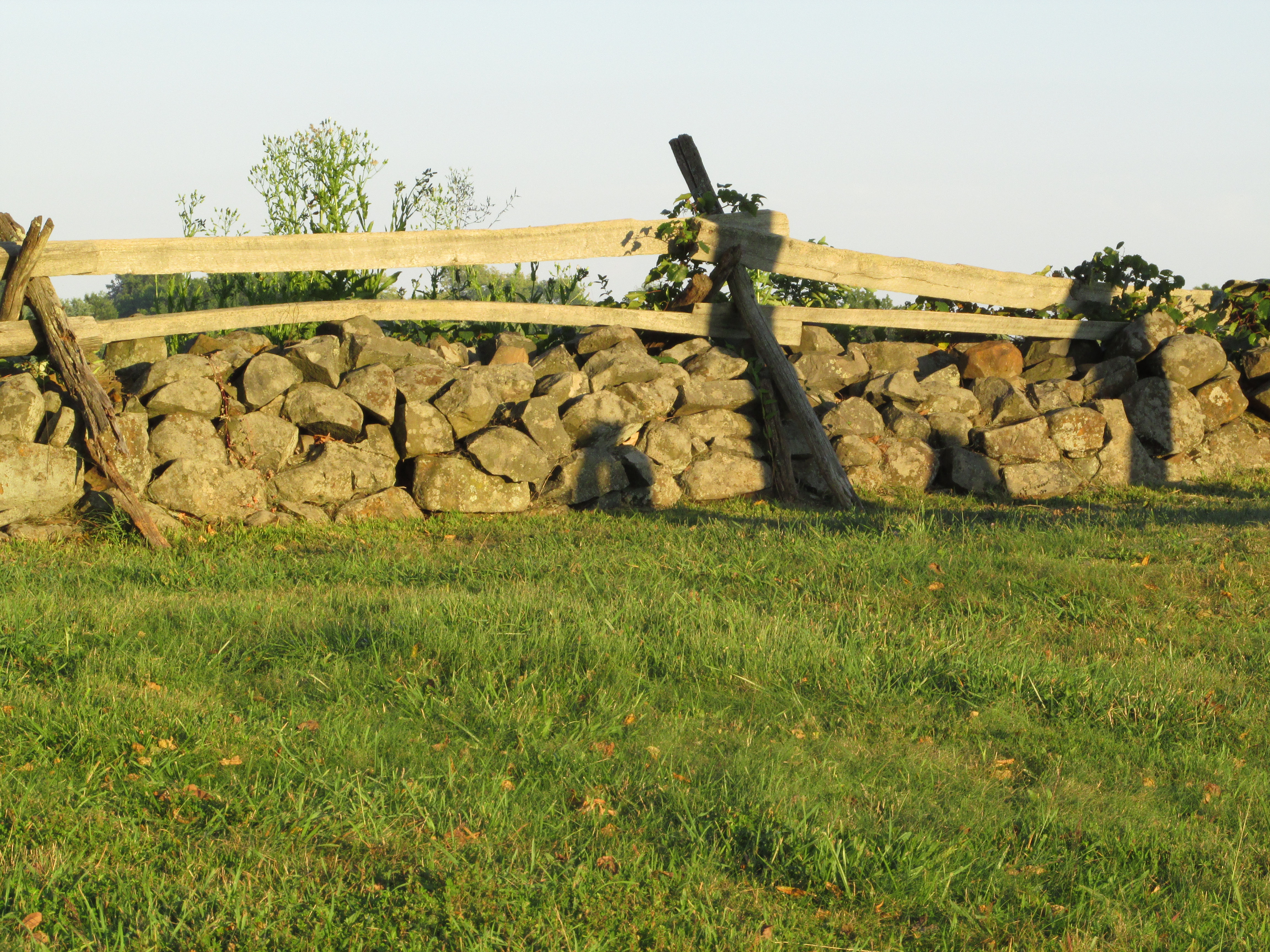
Post and rider fence common around Gettysburg in 1863 — at Gettysburg Battlefield


 With the July 1st—3rd anniversary of the Battle of Gettysburg approaching, I thought it would be fun to dig into some “number” facts pertaining to the battle.

How many soldiers fought in the famous Pennsylvania battle?

Sources disagree on this number due to inaccurate, incomplete, and missing records.

HistoryNet

 82,289 Union soldiers

75,000 Confederate soldiers

157,289 Total

Stone Sentinels

93,700 Union

 70,100 Confederate

163,800  Total

Book of Lists

93,693 Union (Corps Strength)

 70,136 Confederate (Corps Strength)

163,829 Total

Some sources reported round numbers:

Encylopaedia Britannica

94,000 Union

 71,000 Confederate

165,000 Total

The Civil War Battlefield Guide    

170,000+ soldiers fought

When the Smoke Cleared At Gettysburg

172,000+ soldiers fought

As you can see, some of these numbers are very close. The difference between the lowest and highest estimates is 14,711.

How many casualties did both sides suffer?

We first have to understand that casualties were broken down as follows: Killed, Wounded, and Missing. Sources also disagree on this number for the same reasons as above.

HistoryNet

3,155  Union killed

14,529 Union wounded

  5,365 Union missing

23,049 Total Union casualties


3,903  Confederate killed

18,735  Confederate wounded

  5,425  Confederate missing

28,063  Total Confederate casualties


23,049 Union (all casualties)

28,063 Confederate (all casualties)

51,112 Total casualties

Stone Sentinels*

3,150  Union killed

14,500 Union wounded

  5,165  Union missing

22,815  Total Union casualties


4,400  Confederate killed

12,950 Confederate wounded

  5,350  Confederate missing

22,700  Total Confederate casualties


22,815 Union (all casualties)

22,700 Confederate (all casualties)

45,515 Total casualties

*Stone Sentinel acknowledges their estimates are conservative, with actual casualties possibly as high as 51,000.

Book of Lists

22,807 Union (Corps)

22,557 Confederate (Corps)

45,364  Total casualties

When the Smoke Cleared At Gettysburg

3,155  Union killed

14,530 Union wounded

  5,365  Union missing

23,050  Total Union casualties


4,500  Confederate killed

18,750 Confederate wounded

   5,250 Confederate missing

28,500  Total Confederate casualties


23,050 Union (all casualties)

28,500 Confederate (all casualties)

51,550 Total casualties


Some sources reported round numbers:

Encylopaedia Britannica

23,000 Union casualties

28,000 Confederate casualties

51,000 Total casualties

The Civil War Battlefield Guide    

50,000+ Total casualties

Again, some numbers are close. The difference between the lowest and highest estimates is 6,186. It’s been surprising to find so many discrepancies in these numbers. As an author of a Civil War romance set during the Battle of Gettysburg, A Rebel in My HouseI’m often asked these numbers. It’s not an easy answer.

-Sandra Merville Hart

Sources

“Battle of Gettysburg,” Encyclopeadia Britannica, 2018/06/15 https://www.britannica.com/event/Battle-of-Gettysburg.

“Battle of Gettysburg,” HistoryNet, 2018/06/15 http://www.historynet.com/battle-of-gettysburg.

“Battle of Gettysburg Facts,” Stone Sentinels, 2018/06/15 http://gettysburg.stonesentinels.com/battle-of-gettysburg-facts/.

Compiled by Editors of Combined Books. The Civil War Book of Lists, Da Capo Press, 1994.

Edited by Kennedy, Frances H. The Civil War Battlefield Guide, Houghton Mifflin Company, 1990.

Long, E.B and Long, Barbara. The Civil War Day by Day: An Almanac 1861-1865, A Da Capo Paperback, 1971.

Sheldon, George. When the Smoke Cleared at Gettysburg: The Tragic Aftermath of the Bloodiest Battle of the Civil War, Cumberland House, 2003.

Battle at Fort Michilimackinac

Today’s post was written by talented editor and author, Pegg Thomas. The location of her book is a place I’ve longed to visit. Reading and loving one of her stories,  Embattled Hearts, has made me look forward to reading this newest novella.  Welcome to Historical Nibbles, Pegg!

 First, let me help you pronounce that fort, it’s mish-ee-lee-mack-in-aw. Right. Exactly how it’s spelled.

This fort sits at the top of Michigan’s Lower Peninsula, at the point where the two peninsulas are the closest. It’s called the Straits of Mackinac and today is spanned by the very impressive 5-mile-long Mackinac Bridge. The fort has been rebuilt on its original foundation and is the longest ongoing archeological dig in the United States. It’s open for tourists and staffed with a good crew of reenactors to make the experience memorable.

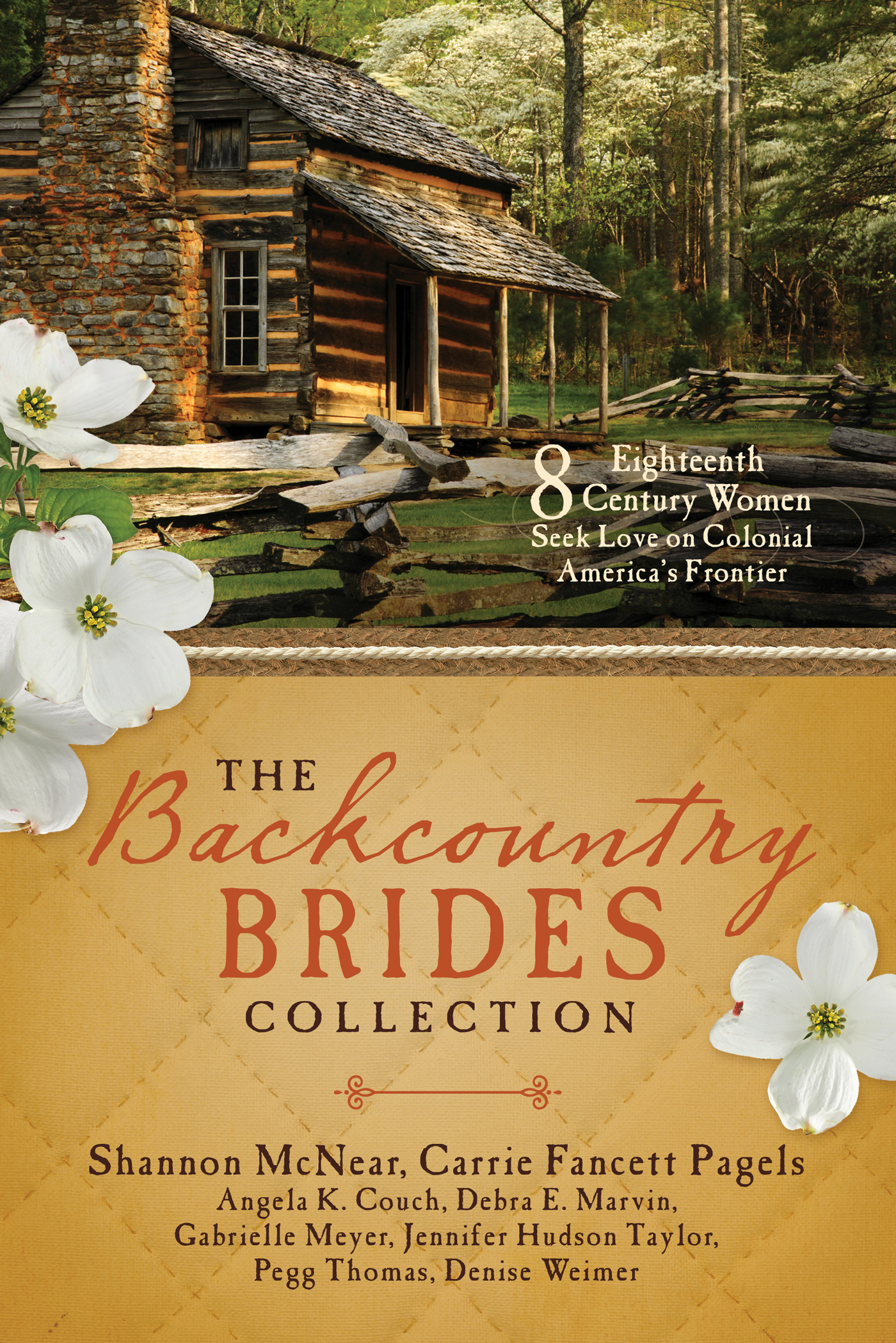
My May release, Her Redcoat, which is part of The Backcountry Brides collection, takes place here in 1763 during the Indian uprising, Pontiac’s Rebellion. While Pontiac organized multiple tribes and led the uprising against Fort Detroit, other Indians who supported him also attacked Fort Pitt and Fort Niagara. Those major forts stood against the attacks, while eight smaller forts were overrun. Including Fort Michilimackinac.

Pontiac and his followers had been used to the level-handed relationship they’d built with the French fur traders. When the British ousted the French and moved into their forts, the Indians rebelled against the arrogant and heavy-handed methods of the British.

In the background of my story is the history of Fort Michilimackinac. The British commander with his forty-some troops was vastly outnumbered by upwards of five hundred warriors. But in his full British arrogance, the commander could not see the danger all around him. He could not believe that savages—as he thought of them—could best the mightiest military in the world.

They did.

The results were devastating. Most of the regular soldiers were slaughtered. The officers were captured and held for ransom. There was one man, a British fur trader, who escaped the attack. He wrote his first-hand account of the story which has been made into the book Attack at Michilimackinac 1763. If you’re interested in this time period and the unrest in the backcountry of Britain’s American colonies, you’ll enjoy this book.

-Pegg Thomas

Bio:

Pegg Thomas lives on a hobby farm in Northern Michigan with Michael, her husband of *mumble* years. A life-long history geek, she writes “History with a Touch of Humor.” When not working or writing, Pegg can be found in her barn, her garden, her kitchen, or sitting at her spinning wheel creating yarn to turn into her signature wool shawls.

Her Redcoat teaser:

Laurette Pettigrew grew up in the northern frontier. Henry Bedlow arrived against his will. Their chance meeting changes everything. Will a deadly clash of cultures keep them from finding happiness?

Buy her book on Amazon or Christianbook.com.

Subscribe to Pegg’s Newsletter.

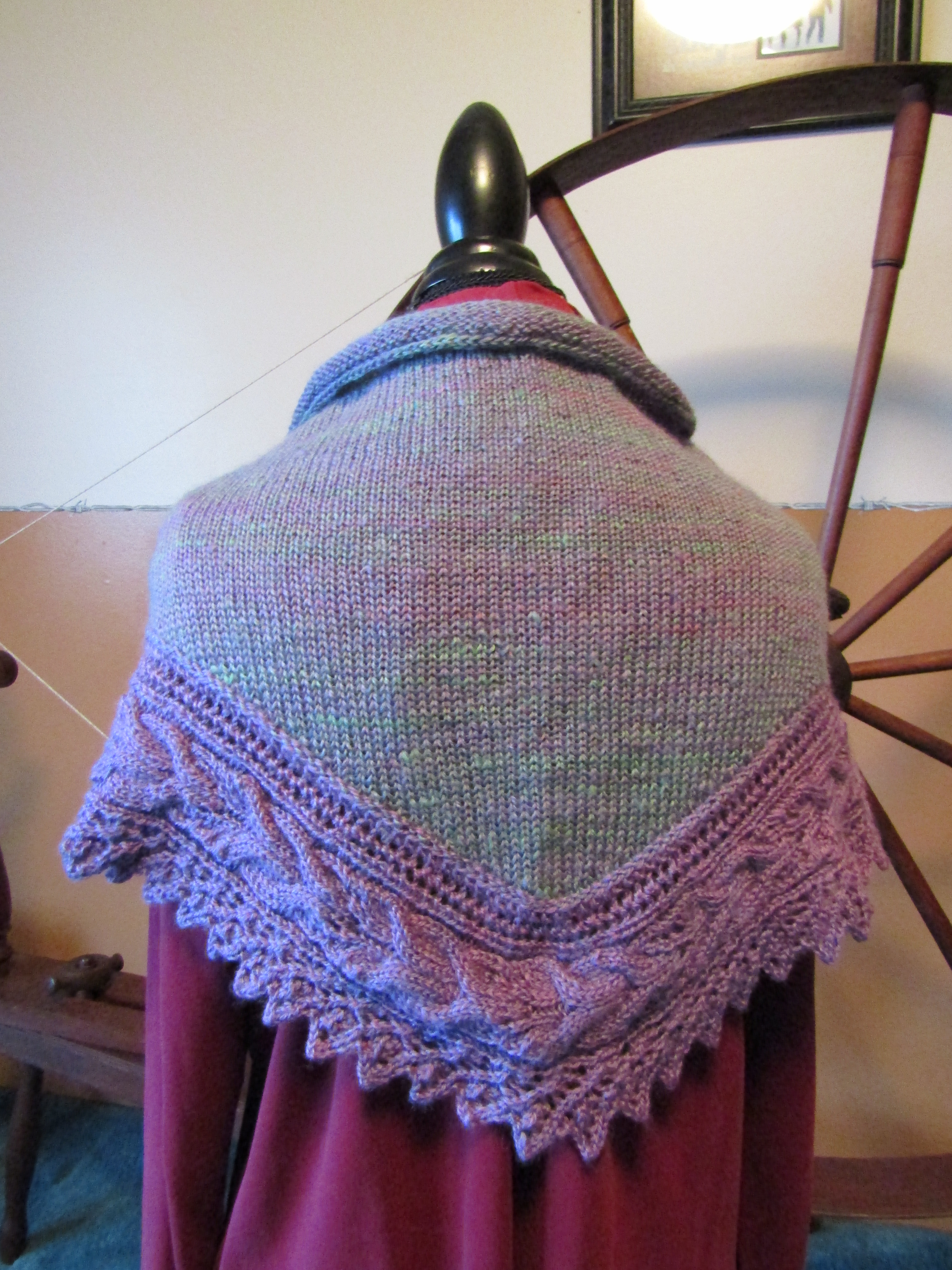
Enter Pegg’s Giveaway for this beautiful shawl by subscribing to her newsletter!

Pegg gives away one of her signature handspun, handknit, wool shawls with the release of each new story. To celebrate the release of Her Redcoat, Pegg is giving away the shawl Northern Lilacs. The Straits of Mackinac are known for their abundance of lilacs each spring and this shawl showcases their varied and gorgeous colors. Everyone who subscribes to Pegg’s newsletter is automatically entered in the drawing.


Colonial Travel with Pack Horses

Magnificent forests lined the hillsides and valleys in Colonial America. Their beauty didn’t make them easier to navigate. Pioneers blazed trails to the west by foot and then by horseback.

Settlers heading westward during this time traveled before roads had been cut. Skinny paths left no room for wagons. They hauled their worldly possessions on pack horses.

By tying each horse to the tail of the one immediately in front, one driver led a line of pack horses. Drivers controlled up to a dozen horses in one line.

Each animal could carry up to two hundred pounds on primitive pack saddles. Pioneers created their own saddles using sturdy, forked limbs, trimmed to fit a particular load. Some frontiersmen made a living by selling their pack saddles in the back woods.

Once these courageous souls settled in Western Pennsylvania or the Ohio country, they made yearly trips back east to sell their produce and replenish supplies. Traveling in caravans, they took ginseng, rye, bear’s grease, snakeroot, and hides back east. They returned with such goods as gunpowder, salt, nails, and iron.

Early U.S. military operations utilized pack horse trains in traveling to confront Native Americans. Captain Robert Benham served as Conductor General of pack horses in the late 1700s, taking part in expeditions with Wayne, Harmar, St. Clair, and Wilkinson.

While at Fort Harmar (near present-day Marietta, Ohio) in June of 1787, Colonel Harmar wrote that the cheapest cost of hiring pack horses was fifty cents a day.

-Sandra Merville Hart

Sources

“Fort Harmar,” Ohio History Central, 2017/04/22  http://www.ohiohistorycentral.org/w/Fort_Harmar.

Schneider, Norris F. The National Road: Main Street of America, The Ohio Historical Society, 1975.

Venable, W.H., LL. D. Westward by Hoof, Wheel, and Keel. Extracted from Footprints of the Pioneers in the Ohio Valley, originally published in 1888.


Conestoga Wagons

The first major highway built by the United States federal government was the National Road. Construction began in 1811 on the road also known as the Cumberland Road because it began in Cumberland, Maryland. By August 1, 1818, the road reached to Wheeling at the Ohio River. (Wheeling was then in Virginia but is now part of West Virginia.)

Settlers moving westward quickly utilized the road through Pennsylvania and Virginia to the new state of Ohio. Their wagons toted all their worldly goods to a new land.

Conestoga wagons were first built by Mennonite Germans near the Conestoga River area of Lancaster County, Pennsylvania, in the early to mid-eighteenth century. Skilled craftsman created a unique curved bed, designed to prevent freight from shifting while climbing steep hills. Chains held the back gate in place while traveling.

Early wagon covers were hempen homespun. Canvas was used later. They soaked the canvas in linseed oil to waterproof the fabric. This covering was stretched over several wooden hoops.

The builders took great pride in their work. They painted the wagons blue, trimmed with red.

Built with broad wheels, four to six horses pulled five-ton loads over dangerous Pennsylvania roads. Conestoga wagons hauled products from the eastern states to settlers in Western Pennsylvania and the Ohio Valley and returned with frontier goods like flour, tobacco, coal, and whiskey.

Strong Conestoga horses bred in the Conestoga area of Pennsylvania could pull these loads about twelve miles per day.

Wagoners made their living by hauling freight from the east to the western frontier and back again. These colorful characters made a journey of 250 miles in about three weeks.

Drivers of Conestoga wagons didn’t sit on a bench and hold the horses’ reins. Wagoners rode the left rear horse or walked alongside the horses. When the wagoner tired of walking, he pulled out a lazy board—a wooden board attached to the side of the wagon—and sat on it.

Railroads had slowed the heavy traffic on the National Road by the 1850s. Conestoga wagons were no longer in demand. Wagoners found new ways to make a living.

But what stories they had to tell to their children and grandchildren.

-Sandra Merville Hart

Sources

“Conestoga Wagon,” History.com, 2017/04/19 http://www.history.com/topics/conestoga-wagon.

“Conestoga Wagon,” Smithsonian National Museum of American History, 2017/04/19 http://americanhistory.si.edu/collections/search/object/nmah_842999.

“Conestoga wagon.” The Columbia Encyclopedia, 6th ed.. . Encyclopedia.com. (April 18, 2017). http://www.encyclopedia.com/reference/encyclopedias-almanacs-transcripts-and-maps/conestoga-wagon.

Edited by Raitz, Karl. A Guide to The National Road, The Johns Hopkins University Press, 1996.

“National Road,” Wikipedia, 2017/04/20 https://en.wikipedia.org/wiki/National_Road.

White, Roger B. “Covered Wagons and the American Frontier,” Smithsonian National Museum of American History, 2017/04/19 http://americanhistory.si.edu/blog/2012/10/conestoga-wagons-and-the-american-frontier.html.

Civil War Bugle Calls

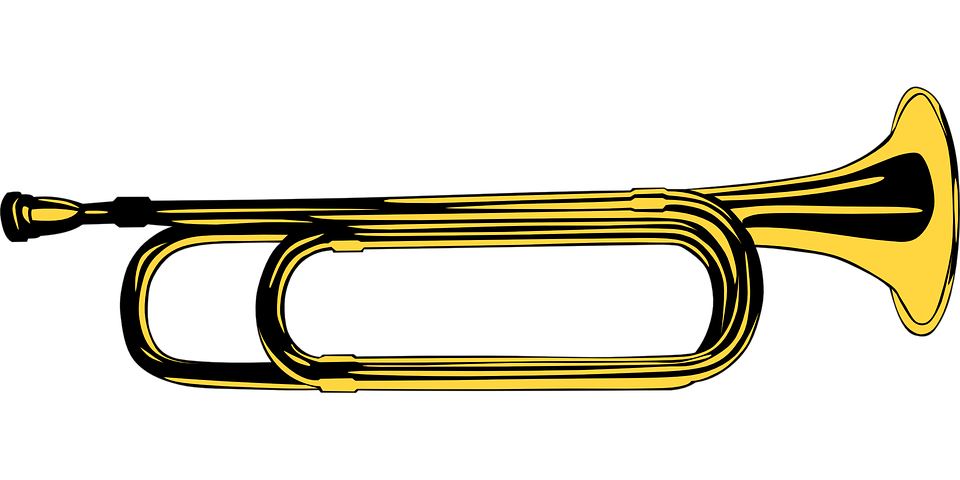
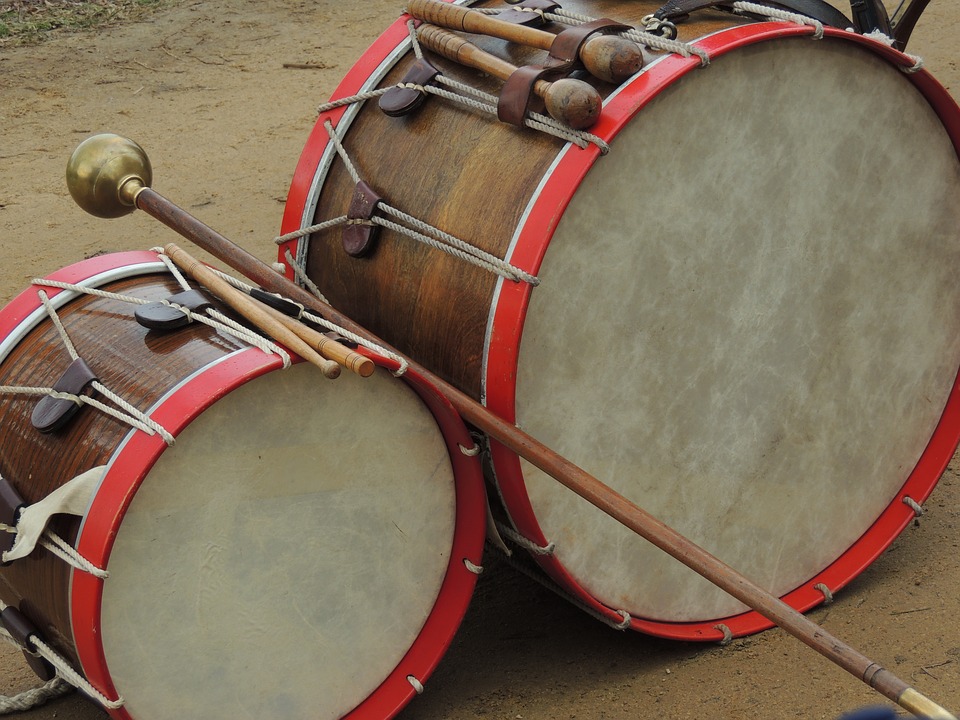
Commands were often given musically during the Civil War. That is to say, by bugle or drum. A general’s voice only carried so far—especially over the din of battle. Soldiers soon learned specific bugle tunes signified that it was time to get up in the morning, for example.

John D. Billings, Union soldier, wrote about a typical day in camp in Hardtack & Coffee.

The first bugle call of the day was “Assembly of Buglers.” It came around 5 am in the summer and 6 am in the winter. Men knew it was time to roll out of their blankets. This unwelcome song always brought grumbling.

“Assembly” came fifteen minutes later. Unless ill or on guard duty, every enlisted man had to be present for his company’s roll call.

When everyone finally stood in line, the bugler played “Reveille.” Soldiers made up words to this song:

       I can’t get ’em up, I can’t get ’em up,

       I can’t get ’em up this morning;

       I can’t get ’em up, I can’t get ’em up,

       I can’t get ’em up today.

After this, “Stable Call” was played. Company drivers went to the picket ropes where they fed and groomed their horses.

“Breakfast Call” came next. Soldiers prepared and ate their breakfast or ate rations provided at the company cookhouse.

“Sick Call” sounded at 8 am. Men who were sick and required medicine proceeded to the surgeon’s tent. Quinine was given for many ailments including headache, stomachache, toothache, coughing, lameness, fever, and ague.

Next came the “Watering Call,” where cavalry and drivers watered their horses and mules. To learn more about the difficulties of watering thousands of animals, click here.

Soldiers cleaned camp, gathered wood and water, built stables, buried horses, and washed gun carriages for “Fatigue Call.”

Next, drum or bugle brought the “Drill Call” where men practiced artillery and other skills. This was practiced much more earlier in the war.

Cannoneers and drivers responded to “Boots and Saddles” as a battery drill.

“Dinner Call” sounded at noon.

Buglers played “Water Call” around 4 pm.

“Stable Call” was blown as a reminder to return horses to the stable.

“Attention” was blown at 5:45 pm, followed by “Assembly” where the soldiers fell in for “Retreat” roll call.

“Assembly of Guard” called soldiers to guard duty. A brass band or fife-and-drum-corps usually followed.

The bugler played “Attention” at 8:30 pm and then “Assembly.” Companies formed lines for the day’s final roll call, “Tattoo.”

Men then had thirty minutes to get ready for bed at 9 pm when “Taps” was played. A drummer then played to end the day.

Follow this link if you’d like to listen to a few of these.

-Sandra Merville Hart

Sources

Billings, John D. Hardtack & Coffee, University of Nebraska Press, 1993.

Villanueva, Jari. “Civil War Bugles Calls,” www/tapsbuglar.com, 2017/03/15 https://archive.org/details/CivilWarBugleCalls/20+Dan+Butterfield.mp3.

Villanueva, Jari. “Twenty Bugles Calls,” United States Air Force Band, 2017/03/14   http://www.usafband.af.mil/shared/media/document/AFD-150220-028.pdf.


Civil War: Union Army Rations

camp-1786750_960_720

John D. Billings was a Union Army soldier. Billings served as a private in the Tenth Massachusetts Battery for three years. He wrote Hardtack & Coffee, a wonderful book originally published in 1887.

These are the normal rations he received as a private:

Salt pork, fresh beef, salt beef

Ham or bacon were rarely issued

Hard bread, soft bread, flour

Potatoes, occasionally an onion

Beans, rice, split pease (peas)

Dried apples, dried peaches

Desiccated vegetables

Sugar, molasses

Coffee, tea

Vinegar

Salt, pepper

Candles, soap

Soldiers didn’t receive all these rations at the same time. Only one meat was issued at a time and that was usually pork. Soldiers received either hard bread, soft bread, or flour. They drew beans or rice or peas.

Soldiers were entitled to the following as a single day’s rations:

12 oz. pork (or bacon) or 20 oz. salt beef or fresh beef;

22 oz. soft bread (or flour) or 16 oz. hard bread or 20 oz. corn meal

For every hundred rations (soldiers received a share of these):

One peck of pease (peas) or beans;

10 pounds of rice or hominy;

10 pounds of green coffee or 8 pounds of roasted ground coffee or 1 ½ pounds of tea

15 pounds of sugar

20 oz. of candles

4 pounds of soap

2 quarts of salt

4 quarts of vinegar

4 oz. of pepper

Half bushel of potatoes when practicable

1 quart of molasses

In addition, desicatted vegetables were also issued. These were large round cakes of compressed vegetables, about two inches thick. They had to be soaked to be edible and even then, there was some doubt about the wisdom of eating it. Soldiers dubbed them “desecrated vegetables.”

According to Abner Small, 16th Maine, none of his comrades could figure out what was in it. Charles E. Davis, 13th Massachusetts, thought it tasted, when cooked, like herb tea.

Pickled cabbage, dried fruits, vegetables, and pickles were sometimes included in rations to prevent scurvy.

According to Billings, these were the rations given to the rank and file soldiers, as privates were sometimes called.

-Sandra Merville Hart

Sources

Billings, John D. Hardtack & Coffee, University of Nebraska Press, 1993.

“Hungry? How about worm castles and desecrated vegetables?” CivilWar.org, 2017/02/08 http://www.civilwar.org/education/pdfs/civil-war-curriculum-food.pdf.


Charcoal Tooth Powder

toothpaste-1786388_960_720

Recipes used to be called ‘receipts.’ Confederate soldiers were often low on supplies and had to make do with ingredients found nearby.

Confederates published a fun book of recipes in 1863 called Confederate Receipt Book. It contains a variety of recipes for many things needed in an army camp. One of them is a recipe for making tooth powder from charcoal.

Charcoal is made by burning wood, so Confederate soldiers would have had an abundance of this in their army camps.

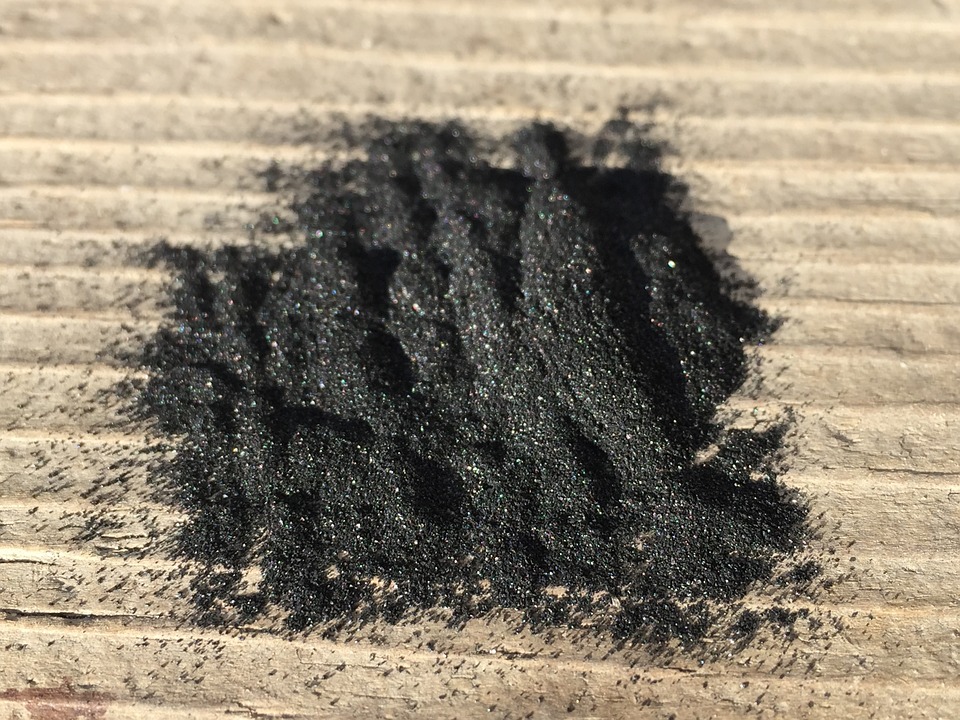
charcoal-powder-1053836_960_720To make tooth powder, pound charcoal in a mortar as finely as possible, or it could be ground in a mill. Sift it well.

Apply to teeth twice a week. According to Confederate soldiers, it kept teeth a beautiful white and also freshened breath. Gums also benefited from the treatment as it made them “firm and comfortable.”

Grinding charcoal in a mortar using small amounts of water kept the dust from flying around. It was also easier to use when stored in water.

There are currently charcoal toothpastes on the market. This old-fashioned tradition for cleaning teeth seems to be making a come-back but experts warn they don’t know the long-term effects.

Still, it’s fun to watch wisdom from the past making a reappearance from history.

-Sandra Merville Hart

Sources

A Compilation of Over One Hundred Receipts, Adapted to the Times. Confederate Receipt Book, Applewood Books, 1863.

“Charcoal,” Merriam-Webster, 2017/02/03 https://www.merriam-webster.com/dictionary/charcoal.

Mulpeter, Kathleen. “Is it safe to Whiten your Teeth with Activated Charcoal Toothpaste?” Health, 2017/02/03 http://www.health.com/oral-health/charcoal-toothpaste.


Making Soap

soap-1215027_960_720

Recipes used to be called ‘receipts.’ Confederate soldiers were often low on supplies and had to make do with ingredients found nearby.

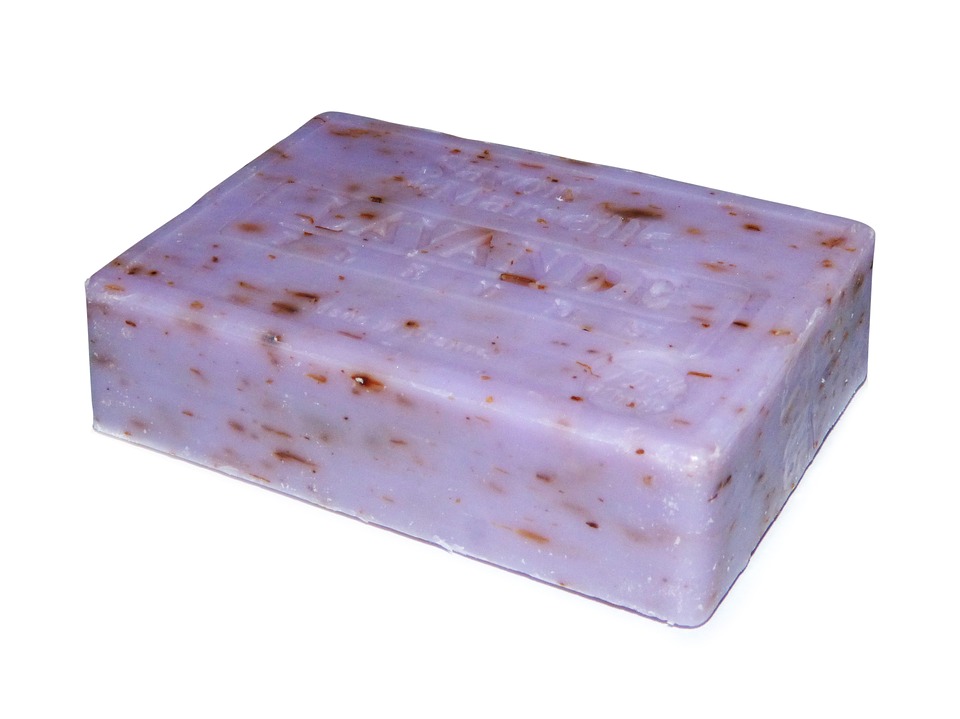
Confederates published a fun book of recipes in 1863 called Confederate Receipt Book. It contains a variety of recipes for many things needed in an army camp. One of them is a recipe for making soap.

Boil 12 quarts of water and pour it over 5 pounds of “unslacked lime.” Terms and spellings of words changed over 150 years. I looked up unslaked lime, which is a white crystalline oxide.

Set aside the lime and water.

laundry-666487_960_720Boil another 12 quarts of water. Dissolve 5 pounds of washing soda in the boiling water. Baking soda, known as sodium bicarbonate, becomes washing soda by heating it.

Once the soda is dissolved, combine the mixtures together. Let it stand for 12 to 24 hours to allow chemicals to react.

After it sets for a day, carefully pour off all clear liquid without disturbing the sediment.

Add 3 ½ pounds of clarified grease and 3 or 4 ounces of rosin, which is a solid resin from pines.

Boil the whole mixture together for an hour. Pour to cool into pans.

Slice into bars for use.

There is no mention how much soap this recipe makes, but it seems like enough for many soldiers to walk away with a bar of soap.

-Sandra Merville Hart

Sources

A Compilation of Over One Hundred Receipts, Adapted to the Times. Confederate Receipt Book, Applewood Books, 1863.

“How do you turn Baking Soda into Washing Soda,” Reference.com, 2017/02/03  https://www.reference.com/home-garden/turn-baking-soda-washing-soda-9d1fdee9f330c19.

“Rosin,” Wikipedia, 2017/02/03 https://en.wikipedia.org/wiki/Rosin.

“Unslaked Lime,” WordNet Dictionary, 2017/02/03 http://www.webster-dictionary.org/definition/unslaked%20lime.


Gumbo Recipe

blog-036

My husband and I invited a few friends over for an “old-fashioned” Christmas party.

I searched for a soup recipe and found one in an 1877 cookbook for Gumbo, submitted by Mrs. E. A. W.

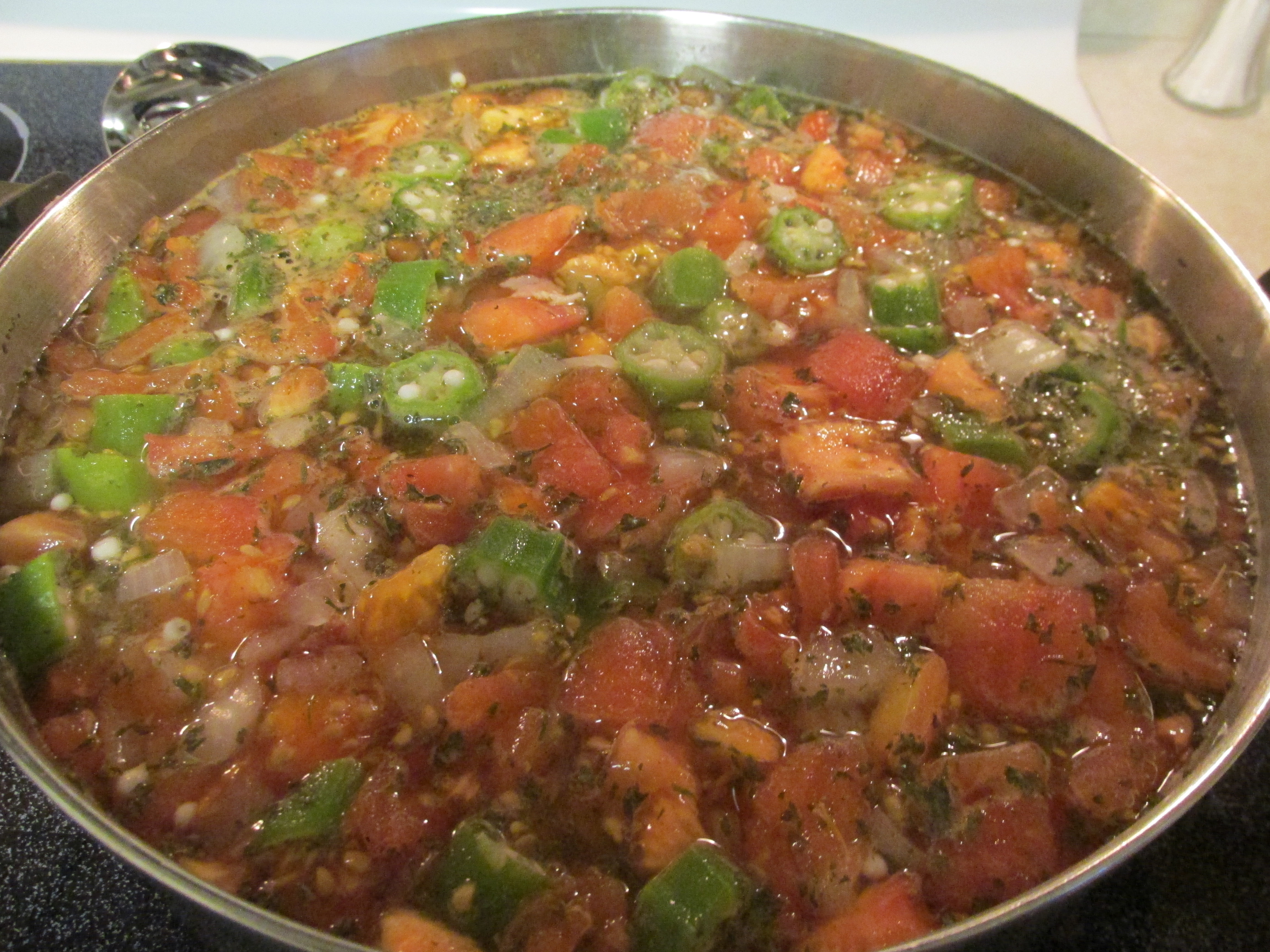
Peel and cut two quarts of tomatoes into bite-sized chunks and set aside.

I couldn’t find a quart of fresh okra in the middle of winter. Frozen cut okra worked well.

Dice a large onion. Fry three strips of bacon in a skillet until they just begin to sizzle. Add the diced onion to the skillet and sauté them together with a wooden spoon.

The bacon should begin to break apart. If it doesn’t, cut it into bite-sized pieces when finished with the sauté.

Pour this mixture into a large stockpot. This recipe filled my 7.5 quart pot. Add tomatoes, okra, two tablespoons parsley flakes, one teaspoon salt, and one teaspoon black pepper. I added chicken stock and then filled the pot the rest of the way with water.

I used medium heat until the gumbo started cooking, which took about thirty minutes at that quantity. Then the heat was lowered a bit to simmer for ninety minutes.

Our guests loved the soup. A dozen people ate a bowl with several returning for seconds. There was still enough gumbo to serve as lunch leftovers for a couple of days.

This is a comforting soup on a cold wintry day. Enjoy!

-Sandra Merville Hart

Sources

Compiled from Original Recipes. Buckeye Cookery and Practical Housekeeping, Applewood Books, 1877.