WWII Gave Job Opportunities to Women

Today’s post was written by fellow author, Linda Shenton Matchett. Welcome to Historical Nibbles, Linda!

When I was growing up, my folks didn’t believe in “girl jobs” and “boy jobs.” Hence, my brothers learned how to cook, wash dishes, and do laundry, and my sister and I learned how to mow the yard and shovel the driveway among other chores. That philosophy is decidedly different from the cultural norms prior to WWII.

Then war came, and men began to leave the workforce in droves. Support for women to seek volunteer and employment opportunities began at the highest level. In one of his fireside chats, President Roosevelt said, “There need no longer be any debate as to the place of women in the business life of this nation. The enlarging war effort calls for the services of every qualified and able-bodied person, man or woman.”

Unfortunately, for the first eighteen months of the war, organizations and employers struggled to go against deep-seated traditions and concepts making them reluctant to hire women. As a result, there were “boy jobs” and “girl jobs.” One of the organizations where a young lady could work or volunteer without recrimination was the United Service Organization (USO). Founded in 1941 by combining the Salvation Army, YMCA, YWCA, National Catholic Community Services, National Travelers Aid Association, and the National Jewish Welfare Board, the USO had over 3,000 clubs worldwide at its height (there are only 160 day).

Despite ties to the military, the USO is not part of the government, but rather a private nonprofit organization. Therefore, fundraising was necessary to finance its operation. Thomas Dewey (FDR’s opponent in the 1944 election) and Prescott Bush (Grandfather of former President George W. Bush) spearheaded the campaign, and more than thirty-three million dollars was raised. Activities were countless: from billiards and boxing to dancing and darts. Services ranged from sewing on insignias to writing letters on behalf of the men. Candy, gum, newspapers, and other items were available for purchase.

Strict rules ensured the clubs were safe places for the junior hostesses-unmarried women typically in their mid-twenties. Senior hostesses acted as chaperones, and the younger hostesses couldn’t dance with the same man more than twice. Soldiers, sailors, and airmen could smoke at the club, but no was liquor served. In addition, formal attire was required of the girls, and the wearing of slacks was forbidden.

For more information about this worthwhile organization, visit http://www.uso.org.

-Linda Shenton Matchett


Blurb: Murder of Convenience

May 1942: Geneva Alexander flees Philadelphia and joins the USO to escape the engagement her parents have arranged for her, only to wind up as the number one suspect in her betrothed’s murder investigation. Diagnosed with Retinitis Pigmentosa, she must find the real killer before she loses her sight…or is convicted for a crime she didn’t commit.

Set in the early days of America’s entry into WWII and featuring cameo appearances from Hollywood stars, Murder of Convenience is a tribute to the individuals who served on the home front, especially those who did so in spite of personal difficulties, reminding us that service always comes as a result of sacrifice. Betrayal, blackmail, and a barrage of unanswered questions… Murder of Convenience is the first in the exciting new “Women of Courage” series.
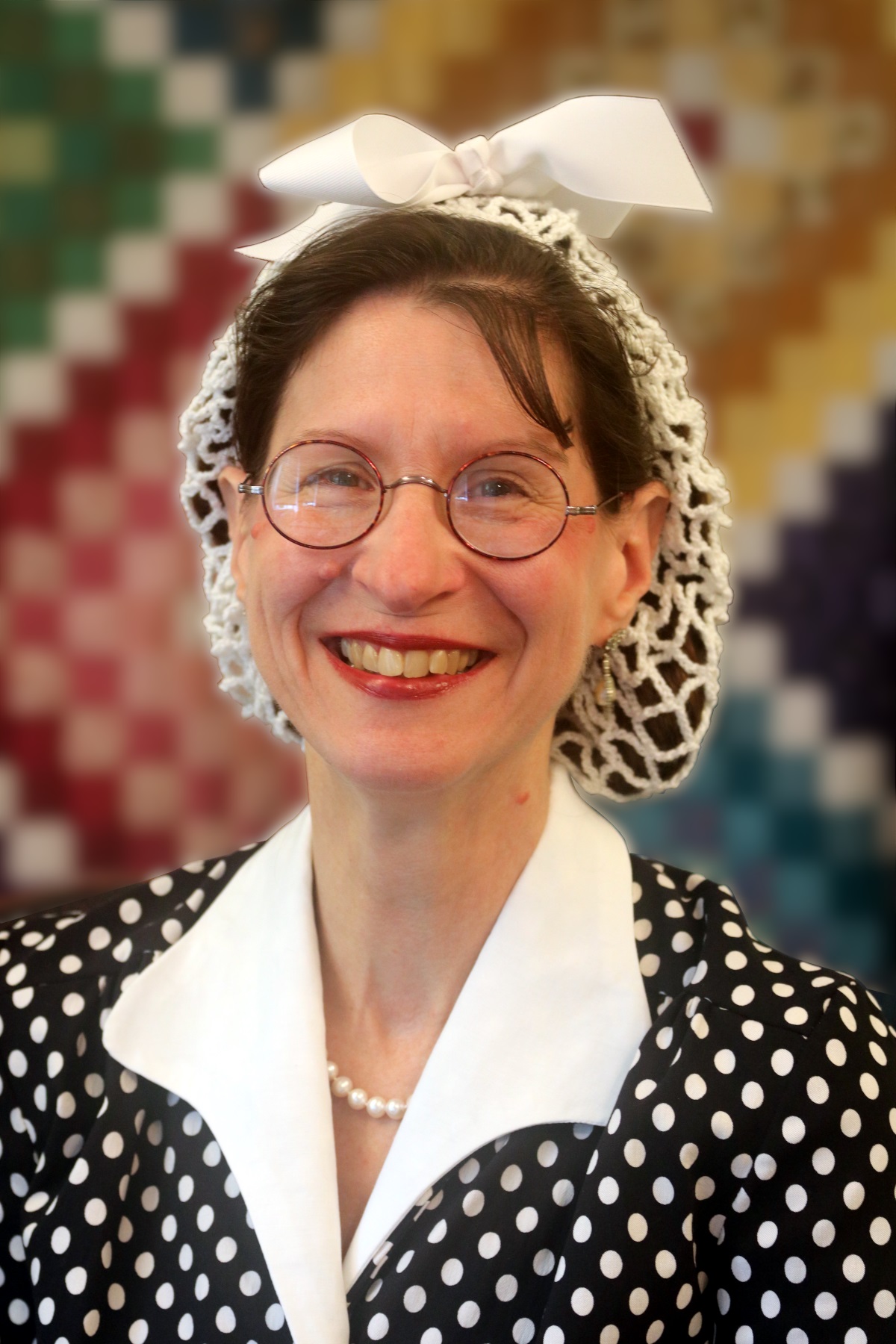
 

Linda’s Bio:

Linda Shenton Matchett is an author, speaker, and history geek. Born in Baltimore, Maryland a stone’s throw from Fort McHenry, Linda has lived in historical places most of her life. A member of ACFW, RWA, and Sisters in Crime, she is also a volunteer docent at the Wright Museum of WWII and a Trustee for the Wolfeboro Public Library. Connect with Linda on her blog. 

Sign up for her newsletter newsletter and receive a free short story, Love’s Bloom!

Amazon


Meet Dr. Margaret Craighill – Trailblazer

Today’s post was written by fellow author, Linda Shenton Matchett. She provides readers with historical background for her novella in a Christmas collection. Welcome, Linda! I am looking forward to reading this story.

Throughout U.S. history, with the exception of the Army Nurse Corps, women had never been used in any uniformed capacity in the armed forces. As WWII dragged on, men continued to enlist or be drafted into combat, leaving vacancies in every corner of the country and overseas. By mid-1943, personnel shortages were at a crisis level. On April 16th, President Roosevelt signed the Sparkman-Johnson bill allowing women to enter the Army and Navy Medical Corps.

Before the ink was dry on the ruling, Dr. Margaret D. Craighill, Dean of the Women’s Medical College of Pennsylvania, requested a leave of absence and became the first female commissioned officer in the Army Medical Corps. A graduate of Johns Hopkins Medical School, Dr. Craighill previously held positions at Johns Hopkins, Bellevue, and Greenwich, and Philadelphia Hospitals.

Her assignment was a perfect fit for her education and experience. Named Women’s Consultant to the Surgeon General of the Army, she commanded the Women’s Health and Welfare Unit and was liaison officer to the Woman’s Army Corps (WAC). She inspected field conditions for all women in the U.S. Army and established the standards for screening WAC applicants and for WACs medical care, including the institution of regular physical exams.

Traveling over 55,000 miles around the globe, Dr. Craighill reported on the condition of 160,000 Army nurses and WAC personnel, squelching the notion that women were unsuited to a military role. She stated that “they were performing remarkably well in extreme climates and challenging work conditions.” As a result of her exemplary service, she was promoted to Lieutenant Colonel and awarded the Legion of Merit.

Not bad for a girl from the tiny village of Southport, NC.

-Linda Shenton Matchett


A Doctor in the House (Part of The Hope of Christmas collection): Dr. Emma O’Sullivan is assigned to a British convalescent hospital, and she leaves behind everything that is familiar. When the handsome widower of the requisitioned property claims she’s incompetent and tries to get her transferred, she must prove to her superiors she’s more than capable. But she’s soon drawn to the good-looking, grieving owner. Will she have to choose between her job and her heart?


Buy Link:  Amazon


Linda Shenton Matchett is an author, journalist, blogger, and history geek. Born in Baltimore, Maryland, a stone’s throw from Fort McHenry, Linda has lived in historical places most of her life. She is a volunteer docent at the Wright Museum of WWII and a trustee for her local public library.


World War II Correspondents

Today’s post is written by fellow historical author, Linda Shenton Matchett. I’m especially excited to read her novel after reading the historical background. Thanks for sharing, Linda!

WWII changed the world, changed America, and changed every person who lived during that time. Cultural and social mores were turned upside down as men went into combat and women filled the void their absences left, taking on roles few had experienced until then.

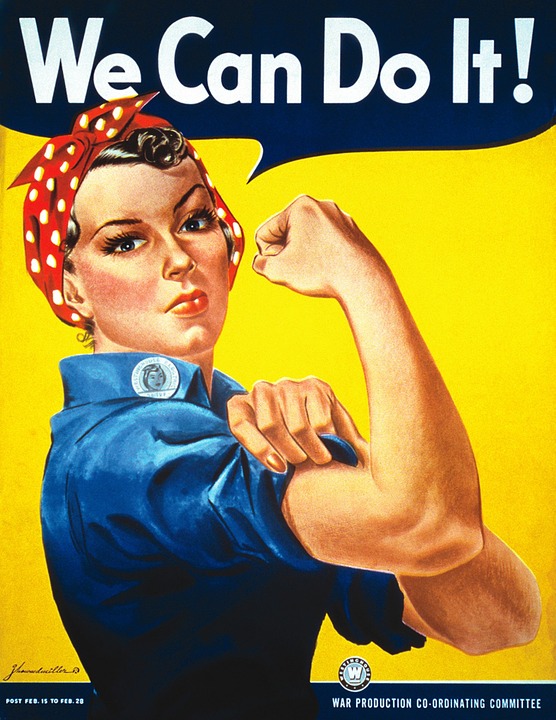
Most of us have heard of Rosie the Riveter, the USO clubmobiles, and the Red Cross facilities, but were you aware that women were also war correspondents? Even after Nellie Bly’s illustrious history as an investigative journalist, most newspapers relegated their female staff to covering society events and columns aimed at the “fairer sex” such as cooking, sewing, and homemaking.

Then Germany invaded Poland and women demanded an opportunity to cover the war. In order to do that they had to receive accreditation. Once obtained, accreditation served as a contract. The Army or Navy would transport the individual into the war zone, provide shelter and food, and send their dispatches back to the U.S. In return, reporters would follow military law and censorship. The process to get certified was lengthy, and as Life photojournalist Margaret Bourke-White said, “By the time you are accredited, you have no secrets from the War Department and neither do your ancestors.”

Of the 1,600 journalists who received the status to wear the coveted armband with a “C,” only 127 were women. The military refused to take these ladies into combat, but a few still managed to experience it. Sometimes the front shifted. Sometimes female reporters managed to get permission to enter the war zone. Sometimes they defied the rules and went to the front by hook or by crook. Successful in the face of opposition, these women fought red tape, condescension, hostility, and vulgarity to research, write, and submit their stories, paving the way for future generations of female journalists.

-Linda Shenton Matchett


Bio: Linda Shenton Matchett is a journalist, blogger, and author. Born in Baltimore, Maryland, a stone’s throw from Fort McHenry, Linda has lived in historical places most of her life. She is a volunteer docent at the Wright Museum of WWII and as a Trustee for the Wolfeboro Public Library. Active in her church, Linda serves as treasurer, usher, choir member, and Bible study leader.


Under Fire Blurb: Journalist Ruth Brown’s sister Jane is pronounced dead after a boating accident in April 1942. Because Jane’s body is missing, Ruth is convinced her sister is still alive. During her investigation, Ruth becomes suspicious about Jane’s job. Eventually Ruth follows clues to war-torn London. By the time she uncovers the truth about Jane’s disappearance, she has stumbled on black marketers, resistance fighters and the IRA—all of whom may want her dead. Available from www.electiopublishing.com or your local bookstore.


Blog Tour continues with Lasagna Recipe and an Interview

Today I am privileged to be a guest on two blogs.

Fellow author, Linda Matchett, interviews me on the first one. Find out what led me to write my newest Civil War romance and why it is set during one of our nation’s best-known battles, the Battle of Gettysburg. Read about it here!

I share a recipe for lasagna that I tweaked from several recipes on Alice Wisler’s blog. It’s a make-ahead recipe that I think your family will like. My family loves it! Find it here!