Battle Above the Clouds (Lookout Mountain)

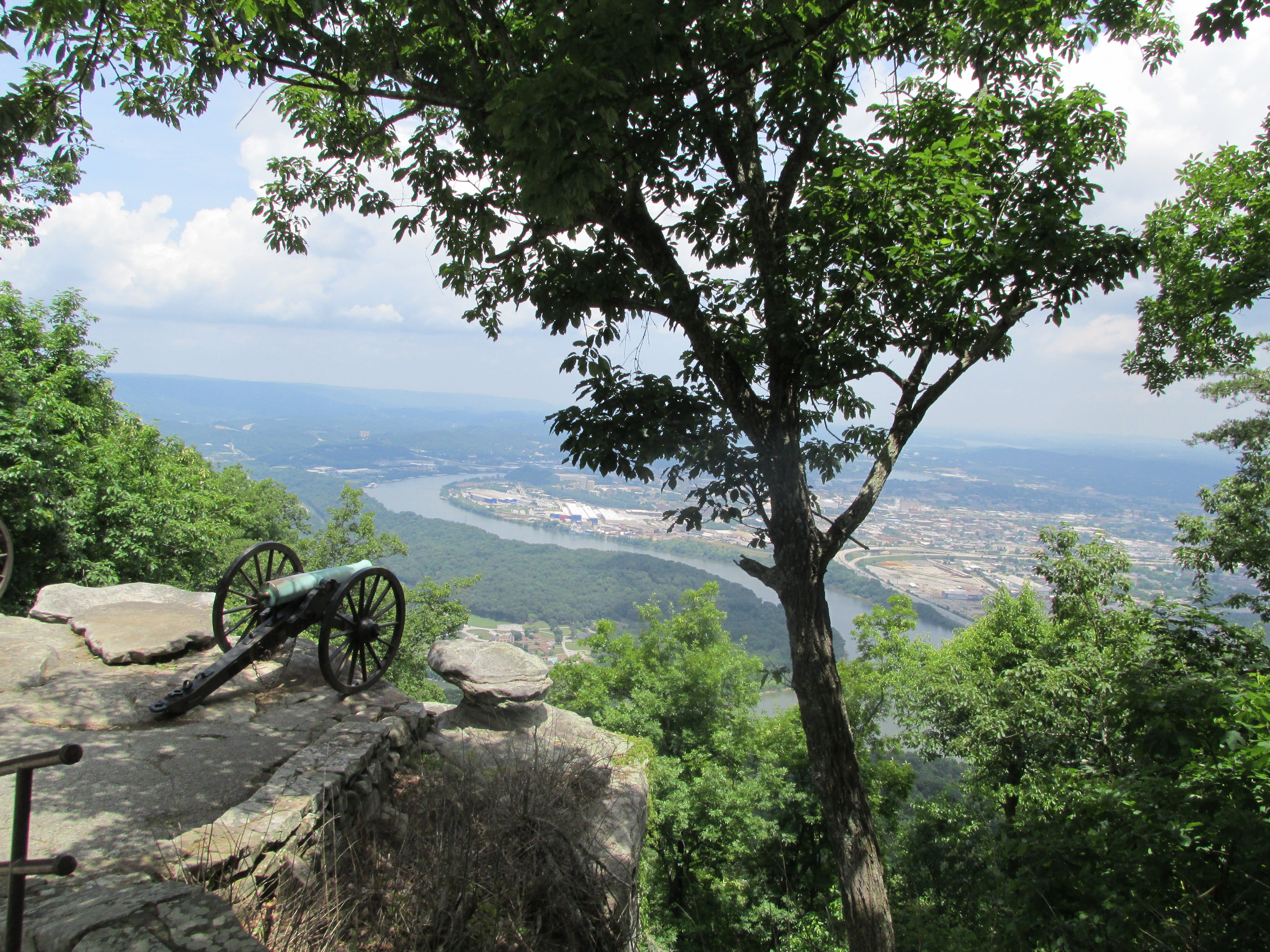
View of Confederate cannons by a rocky cliff with Tennessee River and Chattanooga in the background
View of Confederate cannons by a rocky cliff with Tennessee River and Chattanooga in the background


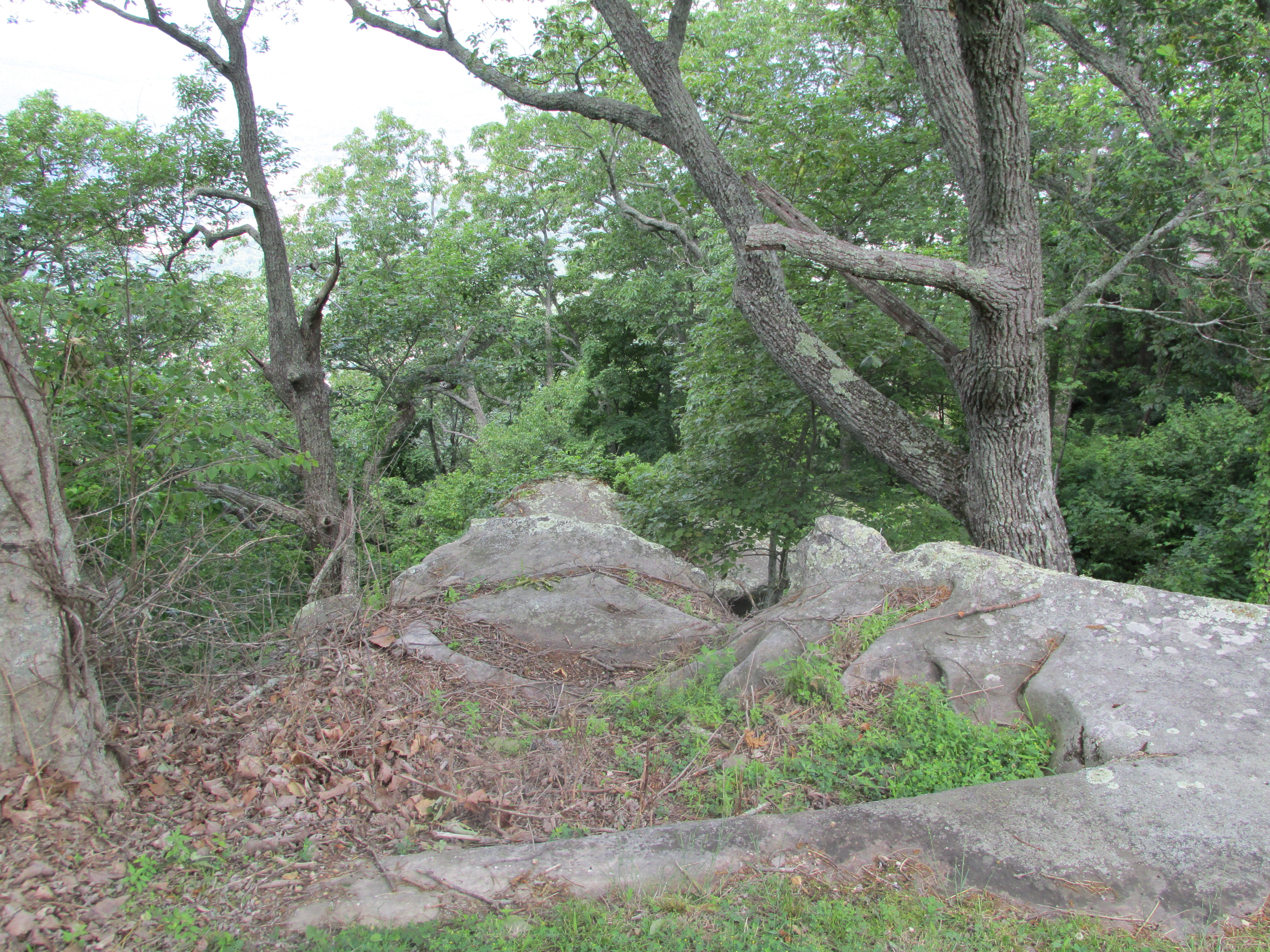
Rugged terrain at Point Park on Lookout Mountain

Rugged terrain at Point Park on Lookout Mountain

Rain fell in the predawn hours of November 24th. Union General Hooker sent Geary’s Division and Whitaker’s brigade of the 4th Corps to climb Lookout Mountain and attack Confederate soldiers there.

They climbed over and around boulders, loose stones, bushes, vines, and thickets of dense timber, going northward along the base of the almost vertical cliff in a dense fog to meet up with Osterhaus’s division.
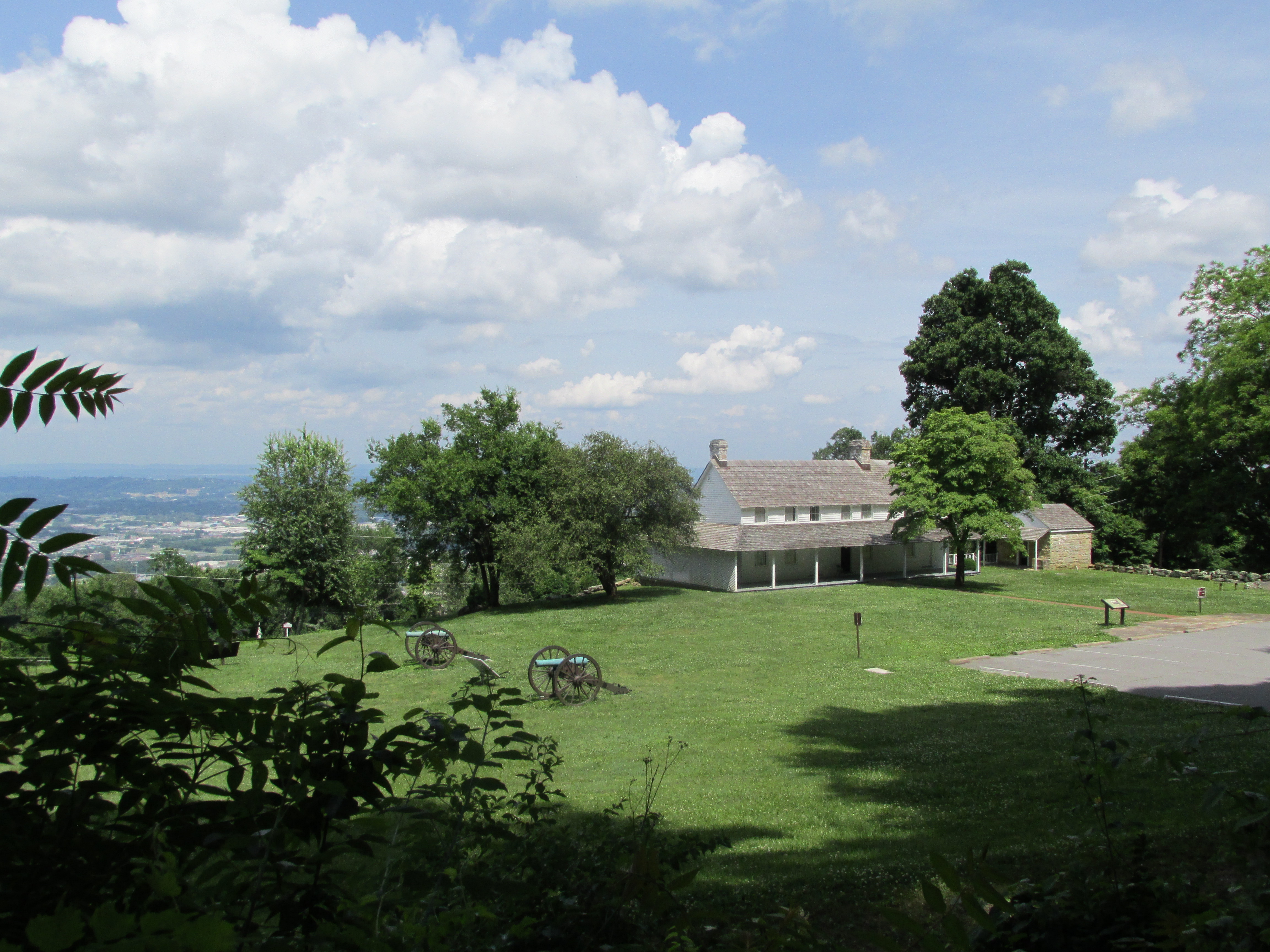
View of Cravens House with Chattanooga in the background

View of Cravens House with Chattanooga in the background

About 10 a.m., Union troops met Confederate troops at Cravens farm where sharp fighting took place. After 3 hours of fighting, Confederates were driven about 400 yards east of Cravens farm. Southern reinforcements arrived about 1 p.m. with additional troops coming thirty minutes later.

img_0136Persistent fog hastened the darkness. At dusk, the clouds blew away. It revealed, in the words of Lieutenant Colonel Joseph S. Fullerton, General Gordon Granger’s chief of staff, “parallel fires of the two armies, extending from the summit of the mountain to its base, looking like streams of burning lava, while in between, the flashes from the skirmishers’ muskets glowed like giant fireflies.”

The battle on Lookout Mountain is also known as The Battle Above the Clouds for the heavy fog that partially covered the mountain.

After the war ended, this photo shows the Reconstruction in Chattanooga.

After the war ended, this photo shows the Reconstruction in Chattanooga.

The rain that fell in the afternoon turned partially to sleet in the higher elevations. An Ohio sergeant wrote the sleet “felt sharp as needles to our faces.”

During the cold night, the sky cleared. Shadows crossed the moon in an eclipse, sending chills down the spine of many watching that had nothing to do with the weather. It was viewed as a bad omen. Private Ralph J. Neal of the Confederate 20th Tennessee and his friends were stricken with a sense of “impending disaster.” The eclipse also gave many of Hooker’s soldiers an eerie feeling.

I’ve written an inspirational Civil War romance, A Stranger On My Land, set on Lookout Mountain, Tennessee. Please read the Prologue to learn Adam’s story and how the wounded Union soldier ends up on Carrie’s property, whose father fights with General Robert E. Lee’s army in Virginia.

Chapter one begins on Lookout Mountain the day after the Battle Above the Clouds.

-Sandra Merville Hart

Amazon

Sources

Korn, Jerry. The Fight for Chattanooga: Chickamauga to Missionary Ridge, Time-Life Books, 1985.

Sword, Wiley. Mountains Touched with Fire: Chattanooga Besieged, 1863, St. Martin’s Press, 1995.

Woodworth, Steven E. Six Armies in Tennessee: The Chickamauga and Chattanooga Campaigns, University of Nebraska Press, 1998.
 

Siege of Chattanooga

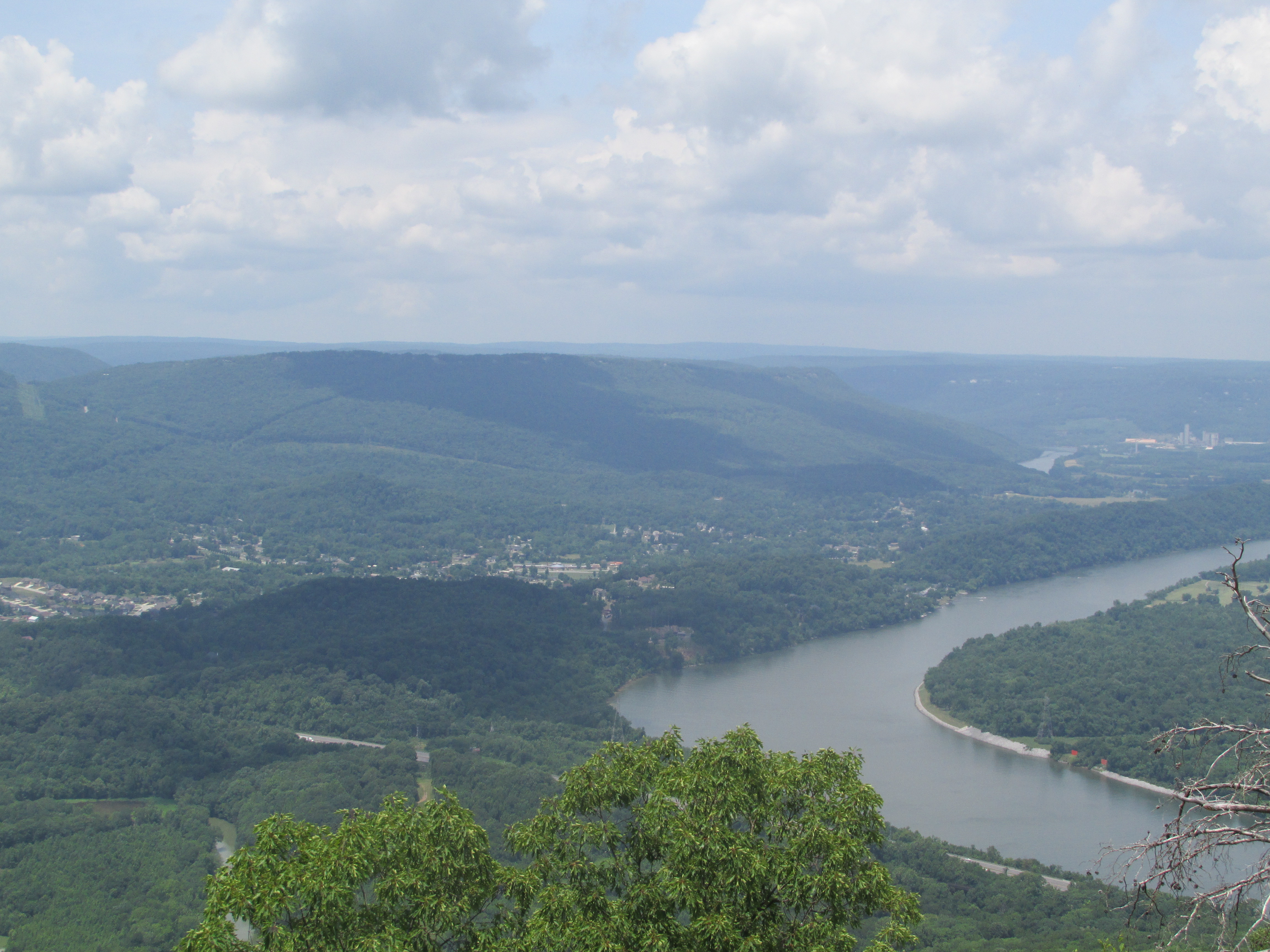
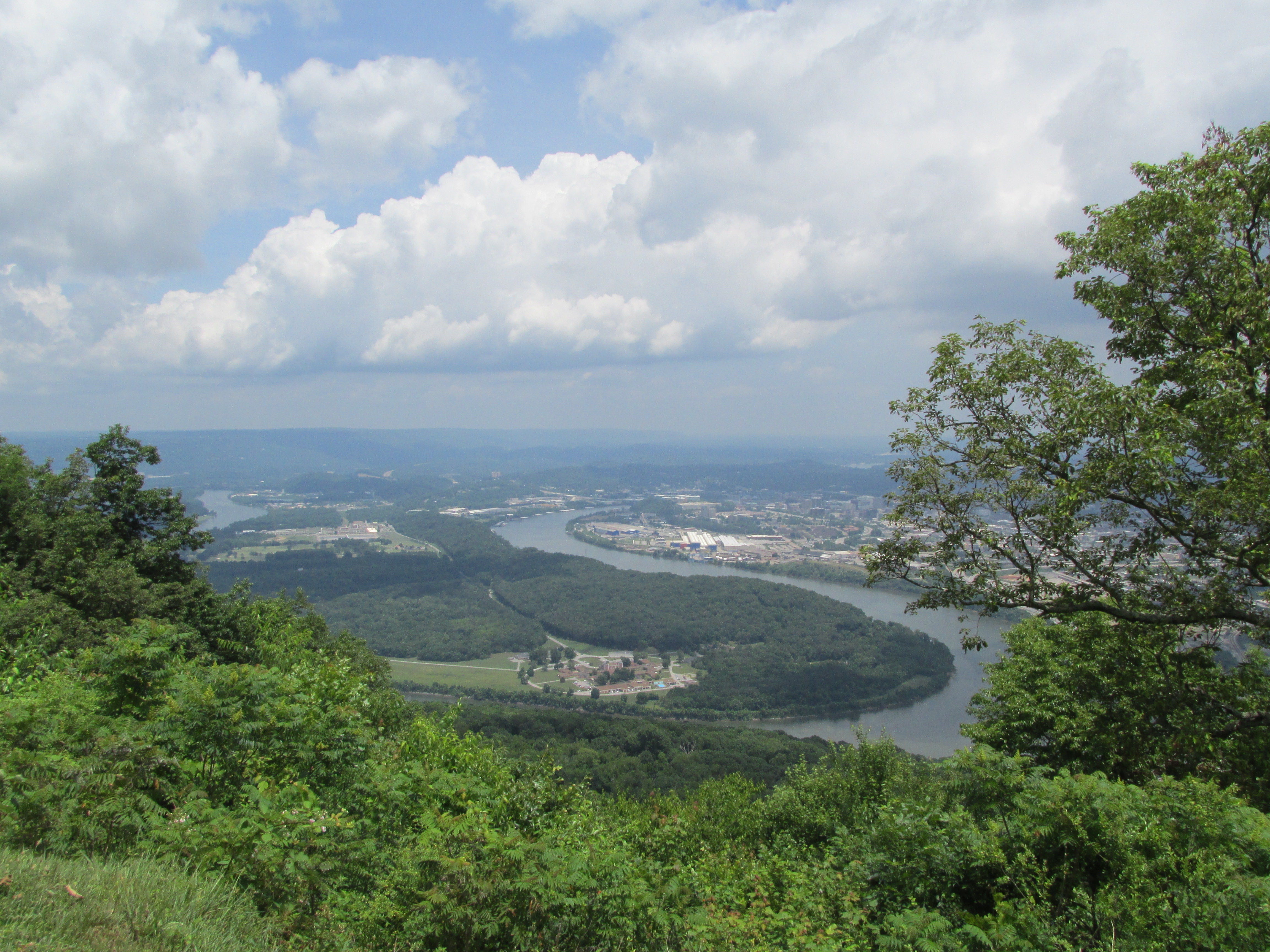
Beautiful view of the Tennessee River and Chattanooga from Point Park on Lookout Mountain

Beautiful view of the Tennessee River and Chattanooga from Point Park on Lookout Mountain

After the Confederates won the Battle of Chickamauga in September of 1863, Union generals anticipated an attack in Chattanooga. Those not working to build up fortifications waited in lines of battle to ward off an attack.

Another major battle didn’t come though some fighting erupted as the two armies met again. Southern soldiers took up positions on Missionary Ridge, which rose to about six hundred feet and formed a wall on the east side of Chattanooga. On the west side of the valley stood the impressive Lookout Mountain. Union General Rosecrans withdrew his troops from this mountain on September twenty-fourth.

Confederate cannons at Point Park Lookout Mountain with a view of Chattanooga and the Tennessee River in the background

Confederate cannons at Point Park Lookout Mountain with a view of Chattanooga and the Tennessee River in the background

The Confederate Army immediately occupied the dominant mountain that rose over two thousand feet above sea level. The southerners placed sharpshooters and artillery along the Tennessee River valley.

This blocked the flow of supplies to the Union Army in Chattanooga and placed them under siege.

Union soldiers waited anxiously for a truce to retrieve the wounded from Chickamauga and bury the dead. Confederate General Bragg allowed Union General Rosecrans to send ambulances and hospital supplies to the thousands of Northern wounded. These ambulance wagons crossed into Confederate lines where southern soldiers took over, picked up the wounded, and returned them as paroled prisoners of war.

Those who stood guard on the picket lines of both sides agreed not to fire on each other. This truce brought about socializing between the soldiers of both lines. They began trading coffee and tobacco or swapping newspapers. Soldiers crossed picket lines to play cards together, building tentative friendships that couldn’t last.

biscuit-crackers-973915_960_720Union supplies dwindled. Soldiers received half-rations of food. They built fortifications and worked harder than normal, but no one received sufficient food. This affected the animals. Mules and horses, so important in moving artillery and supply wagons, started dying by the dozens.

When the food was cut to quarter-rations, many wondered if they would all starve to death in Tennessee. Men lost too much weight to be healthy.

Ipresident-391121_960_720n mid-October, leaders in Washington combined the Departments of the Ohio, the Tennessee, and the Cumberland into the Military Division of the Mississippi and chose General Ulysses S. Grant to command it. Rosecrans was relieved of his command. Maybe Grant could unlock the siege and open supply lines.

IMG_0127After Union troops captured Brown’s Ferry, a supply route to provide food opened. The soldiers called it the “Cracker Line” for the hard squares of bread known as hard tack, a staple in their diet. A few days later, jubilant soldiers drew full rations. Only after stomachs were satisfied did some realize their dire circumstances. Before the shipment arrived, only four boxes of hard tack remained in the commissary warehouses.

Only then did they realize how close to starving the Union Army had come.

-Sandra Merville Hart

Sources

Korn, Jerry. The Fight for Chattanooga: Chickamauga to Missionary Ridge, Time-Life Books, 1985.

Sword, Wiley. Mountains Touched with Fire: Chattanooga Besieged, 1863, St. Martin’s Press, 1995.

Woodworth, Steven E. Six Armies in Tennessee: The Chickamauga and Chattanooga Campaigns, University of Nebraska Press, 1998.