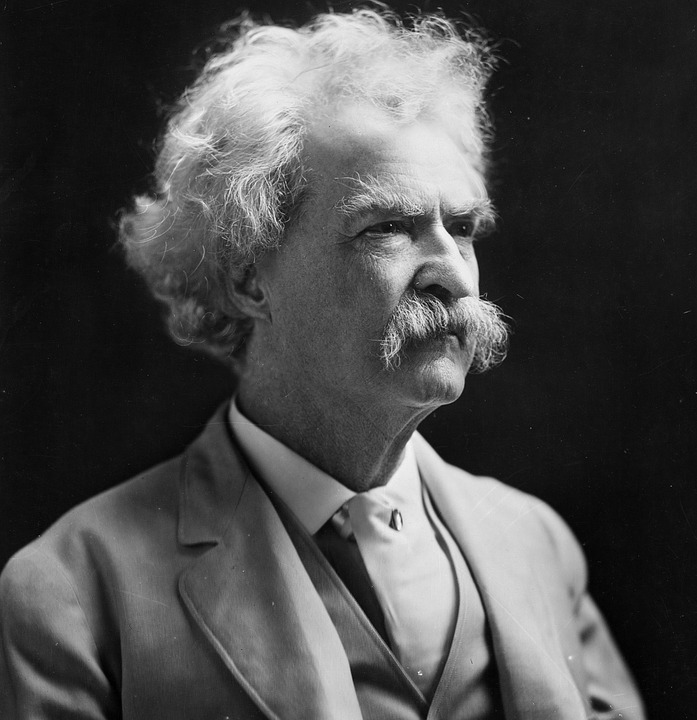
Mark Twain Loses One Million Dollars

by Sandra Merville Hart

Mark Twain’s life was at a pivotal moment in the 1860s.

He was out of the States and in Nevada Territory where fortunes were made and lost mining for silver. He ought to know. His part-ownership in a silver mine had made him a millionaire. Through the worst of misfortunes, Twain lost his interest in the mine in ten days.

What was next for him? He had held a variety of positions: grocery clerk, blacksmithing, bookseller’s clerk, drug store clerk, St. Louis and New Orleans pilot, a printer, private secretary, and silver miner. He felt that he had mastered none of these professions. What does one do after losing a million dollars?

He gave in to misery. He had written letters to Virginia’s Daily Territorial Enterprise, the territory’s main newspaper in earlier days; it always surprised him when the letters were published. It made him question the editors’ judgment. His high opinion of them ebbed because they couldn’t find something better than his literature to print.

As Twain wondered what his future held, a letter came from that same newspaper offering Twain a job as city editor. Though he had so recently been a millionaire, the twenty-five-dollar salary seemed like a fortune. The offer thrilled him.

Then doubts set in. What did he know of editing? He felt unfit for the position. Yet refusing the job meant that he’d soon have to rely on the kindness of others for a meal, and that he had never done.

Necessity forced Twain to accept an editor’s job for which he felt ill-equipped. He arrived in Virginia, Nevada Territory, dressed more as a miner than an editor in a blue woolen shirt, pantaloons stuffed into the top of his boots, slouch hat, and a “universal navy revolver slung to his belt.”

The chief editor, Mr. Goodman, took Twain under his wing and trained him to be a reporter. It wasn’t long before the young man discovered he’d stumbled upon a profession in which he excelled.

What would have happened if Mark Twain hadn’t lost a million dollars? His words may have been lost to us. Such classics as The Adventures of Tom Sawyer, The Adventures of Huckleberry Finn, and The Prince and the Pauper might never have been written.

When we ponder our failures, our rejected works, and lost opportunities, we should remember that situations change. We won’t always feel as we do today. God has the ability to put us in the right place at the right time with the right attitude.

Just like He did with Samuel Clemens, America’s beloved Mark Twain.  

Sources

Twain, Mark. Roughing It, Penguin Books, 1981.

Great White Hurricane of 1888

Heavy snow and wind gusts as high as 85 miles per hour brought whiteout conditions to New York City at midnight on Sunday, March 11, 1888.

Snow drifts had reached the second story of buildings in some areas, yet folks in that city braved the snow on Monday morning to get to work. Many of the elevated trains were blocked by snow drifts, stranding about 15,000 people.

Most city residents who made it to work or school left early—then had a treacherous journey back home.

Railroads and streetcars shut down. Roads were impassible. Train passengers were stuck for days. Two hundred ships wrecked because of the storm.

Telegraph wires fell. Gas lines and water lines—all above-ground—froze.

The storms historic three-day snowfall reached 55 inches in Troy, New York. Snow and high winds affected all those living along the Atlantic coast. About 25% of Americans lived from Washington D.C. to Maine, the area affected by the storm.

Stores ran out of fresh meat, canned meat, and salt meat. Scarce food was sometimes sold to the highest bidder, not to loyal regular customers.

Over 400 people died as a result of this Great White Hurricane—200 were in New York City.

Mark Twain, the beloved author, was stranded at a New York hotel. P.T. Barnum, also stuck at a hotel, entertained other folks likewise stranded at Madison Square Gardens.

-Sandra Merville Hart

Sources

History.com Staff. “Major Blizzards in U.S. History,” History.com, 2018/01/07

http://www.history.com/news/history-lists/major-blizzards-in-u-s-history.

History.com Staff. “March 11, 1888: Great Blizzard of ’88 hits East Coast,” History.com, 2018/01/07

http://www.history.com/this-day-in-history/great-blizzard-of-88-hits-east-coast.

“Surprising Stories: The Great White Hurricane of 1888,” New England Historical Society, 2018/01/07

http://www.newenglandhistoricalsociety.com/great-white-hurricane-of-1888/.


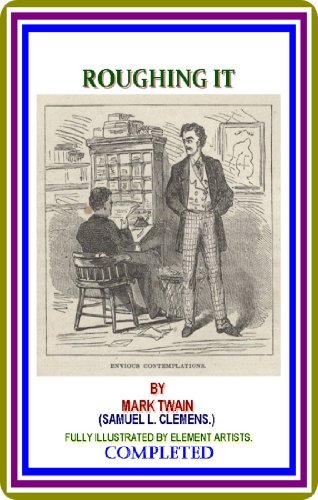
Roughing It by Mark Twain

51fmclac8qlMark Twain, pen name for Samuel Clemens, sets out with his brother in 1861 for the Nevada Territory. The adventures begin right away on a stagecoach trip.

Twain catches “silver fever” that is sweeping through the territory and becomes a miner. His descriptions of characters he encounters and the general attitude of residents in that tough setting makes readers feel as if they joined him in the “Old West.”

His travels take him to San Francisco and Hawaii, a fascinating look at historic locations for modern readers.

Twain uses the fine art of exaggeration in many of the tales found here.

One of my favorite authors!

-Sandra Merville Hart

Amazon

Nothing that Glitters is Gold

calico-4535_960_720

Mark Twain got bit by the fever sweeping the Nevada Territory—silver fever. Reports of great riches in Humboldt County where folks owned feet of silver mines spurred Twain and three other friends to set out on a two-hundred mile journey.

Fifteen days later, they arrived in Unionville during a snowstorm. Eleven cabins and a liberty pole made up the entire village set in a deep canyon. By building a small cabin, they added a twelfth dwelling to the tiny settlement.

minerals-1230032_960_720Twain expected to find silver glittering in the sun. While his companions searched for a mine, he went off on his own. Finally his efforts were rewarded—a stone fragment with shining yellow flecks. He felt almost delirious with joy. He would have been content with silver and he had found gold.

He marked the spot and left in a roundabout way so that anyone watching would not know where he had been. Then he went back to his new mine and picked up a few treasures to show his friends.

Back at the cabin, he couldn’t talk or eat; dreams filled his mind. With monumental news that they would all soon be wealthy, Twain waited for an opportune moment to share his joy with his friends.

He decided to tease them. Hadn’t they been searching for silver and not found any? Did that mean they should give it up and return home?

Mr. Ballou, the oldest and most experienced of the bunch, believed they should try a bit longer.

mark-twain-391112_960_720Twain couldn’t wait to tell them. He offered to show them something certain to interest them and dumped the treasure before them.

His companions scrambled for the stones to hold them close to the candlelight.

Mr. Ballou pronounced his opinion: granite rubbish and glittering mica. The whole pile wasn’t worth ten cents an acre in his estimation.

Twain’s dreams crumbled. They weren’t to be wealthy after all. He commented that all that glittered wasn’t really gold.

Ballou replied that nothing that glittered was gold. Twain learned the hard way that gold in its natural state is dull; only inexpensive metals fool the uninformed with shining outer surfaces.

Twain then observed: “However, like the rest of the world, I still go on underrating men of gold and glorifying men of mica. Commonplace human nature cannot rise above that.”

 -Sandra Merville Hart


Sources

Twain, Mark. Roughing It, Penguin Books, 1981.
Almost an Author post – Seeing His Words in Print Baffles Mark Twain

A3-THin-copy-973-x-200

Mark Twain’s life was at a pivotal moment. What does one do after losing a million dollars?

He was out of the States and in Nevada Territory where fortunes were made and lost while mining for silver in the 1860s. He ought to know; his part-ownership in a silver mine had made him a millionaire. Through the worst of misfortunes, Twain lost his interest in the mine after ten days. His loss ended up being the world’s gain.

Mark Twain Learns the Cost of Traveling West

bonneville-1210139_960_720

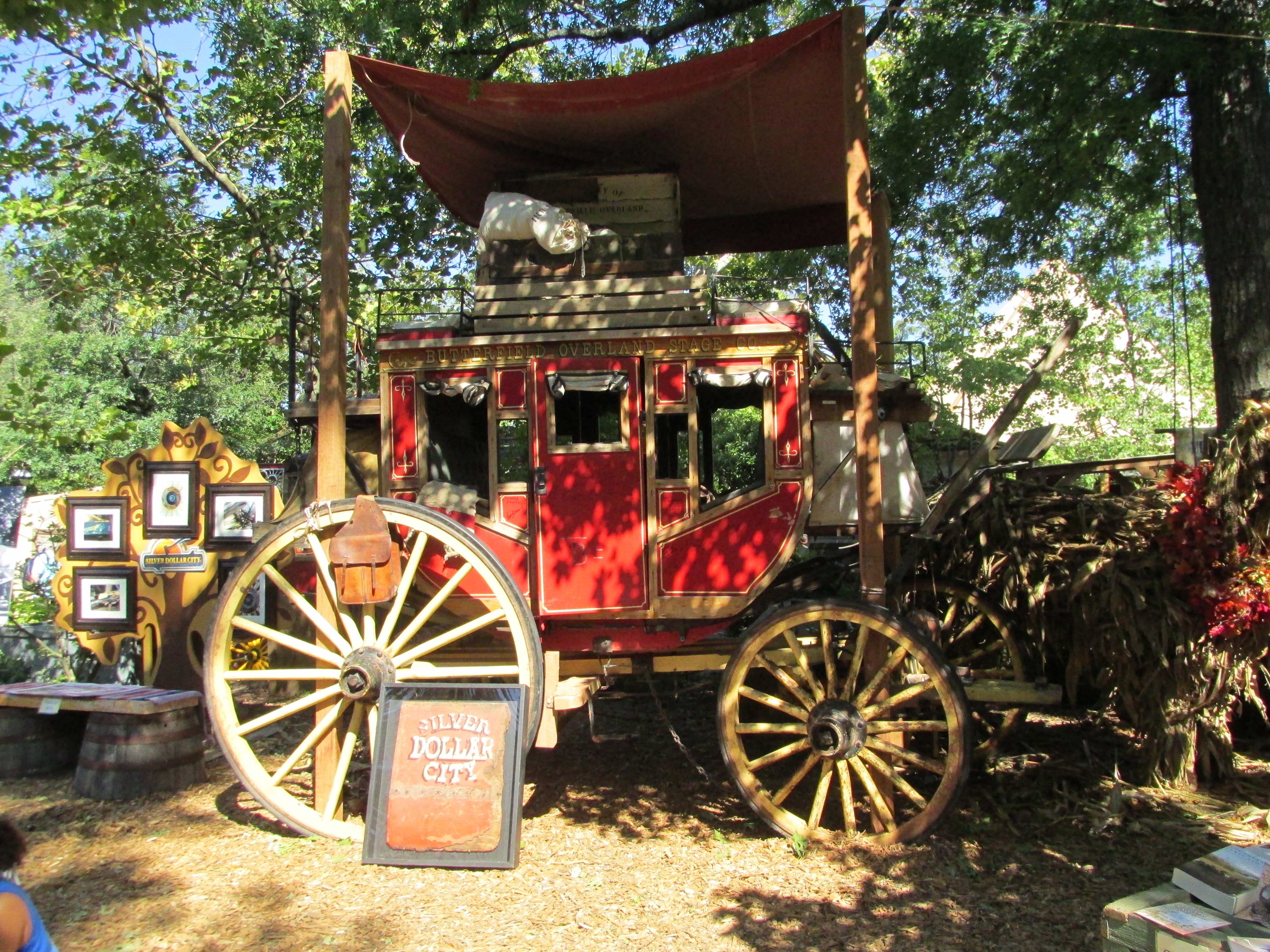
Mark Twain and his brother stopped in Great Salt Lake City while on a stagecoach trip to Nevada in the early 1860s. While at the Salt Lake House, a fellow asked if Twain wanted his boots blacked. Twain agreed and paid him a silver five-cent piece when done.

rupee-1442402_960_720The man laid the coin in his hand and stared as if at a novelty. Stagecoach drivers, mountaineers, and other local folk gathered near to survey the nickel.

Returning the money, the fellow suggested that Twain store his coins in his pocket-book instead of his soul—that way it wouldn’t get so shriveled up!

It was a humiliating lesson that commodities costing far less in the eastern United States were not as cheap in the West. The amount Twain gave was a fair price where he grew up, but not in Great Salt Lake City.

A penny’s worth of goods was available in the East; it bought the smallest amount of purchasable products. The silver nickel was the smallest coin used west of Ohio.

background-21657_960_720Nothing cost less than a dime in Overland City and, as Twain learned the hard way, everything cost at least a quarter in Great Salt Lake City.

Cigars, peaches, candles, newspapers, and chalk pipes—items that normally cost Twain a nickel—went for twenty-five cents in that western city.

Twain and his brother brought along silver coins stored in a shot-bag; the level reduced at an alarming rate at those prices. Though it seemed as if they blew their money on riotous living, their expense records proved that not to be the case.

The brothers quickly learned the realities of residing in the pioneering West. High costs of freighting goods to the area escalated the prices. Pioneers grew accustomed to paying a minimum of twenty-cents for everything, even blushing to remember paying only a nickel for the same items.

The fellows had a good laugh at Twain’s expense that morning at the hotel, perhaps because the same thing happened to them when they were first confronted with the exorbitant prices in the West.

-Sandra Merville Hart


Sources

Twain, Mark. Roughing It, Penguin Books, 1981.

Mark Twain Briefly Holds Property at Lake Tahoe


lake-tahoe-1606969_960_720

The Homestead Act of 1862 allowed United States citizens to file a claim for free federal land, up to 160 acres. This privilege allowed heads of households or adults 21 and over to pay a small registration fee and then live on that property continuously for five years. After that they owned the land. If the owner wanted quicker ownership, he paid $1.25 per acre after a six-month residency.

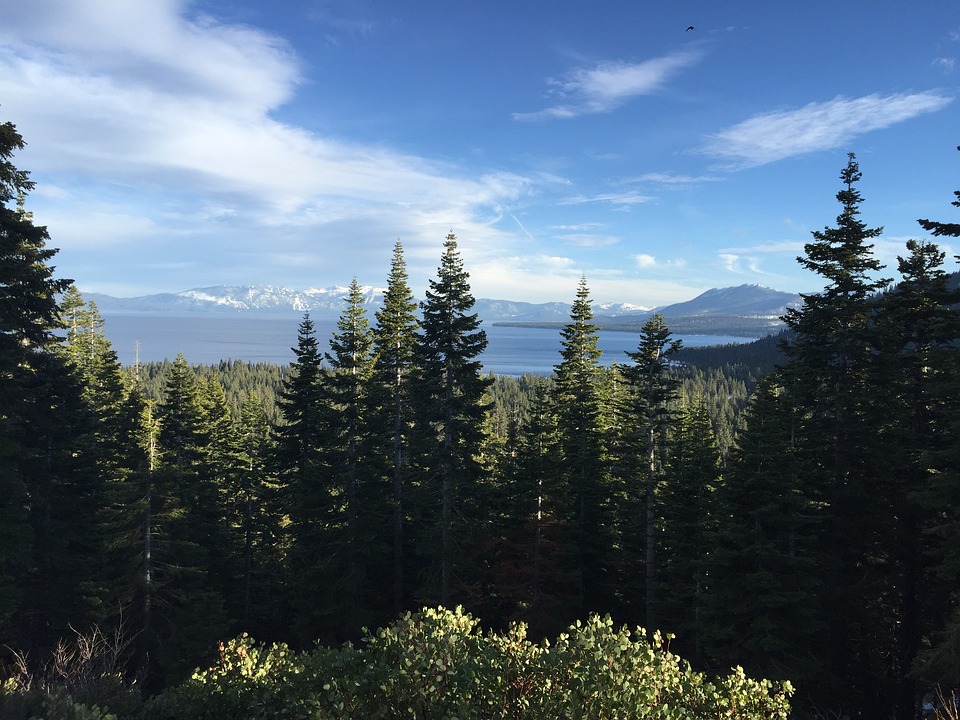
Mark Twain, along with a friend, set out for Lake Tahoe at the end of August with an axe strapped to his back. Brigade members, who were friends of theirs, had timber lands along the lake shore and a camp with provisions. Twain intended to take advantage of the law and build a wooden ranch while staying at the Brigade’s camp. Visions of wealth and dreams for a bright future put a spring in his step.

lake-tahoe-177933_960_720Twain described the bracing air at Lake Tahoe as being “the same the angels breathe.” While fishing in a boat, the clear water made the young men feel as if they floated on air.

After exploring the area, the friends claimed about three hundred acres of dense yellow pine timber land by posting notices on a tree. The next order of business to hold the land was to build a fence, or in this case, cut down trees so they fell to form an enclosure. After the men cut three trees apiece, they decided to “rest their case” there while hoping it was enough to meet the requirement.

lake-tahoe-1697573_960_720Then they turned their attention to building a log home that would be the envy of the Brigade property owners. The first log took so long to trim that the friends decided to build a sapling home. That proved to be a lot of work as well so they settled on a brush house and began living on their new property.

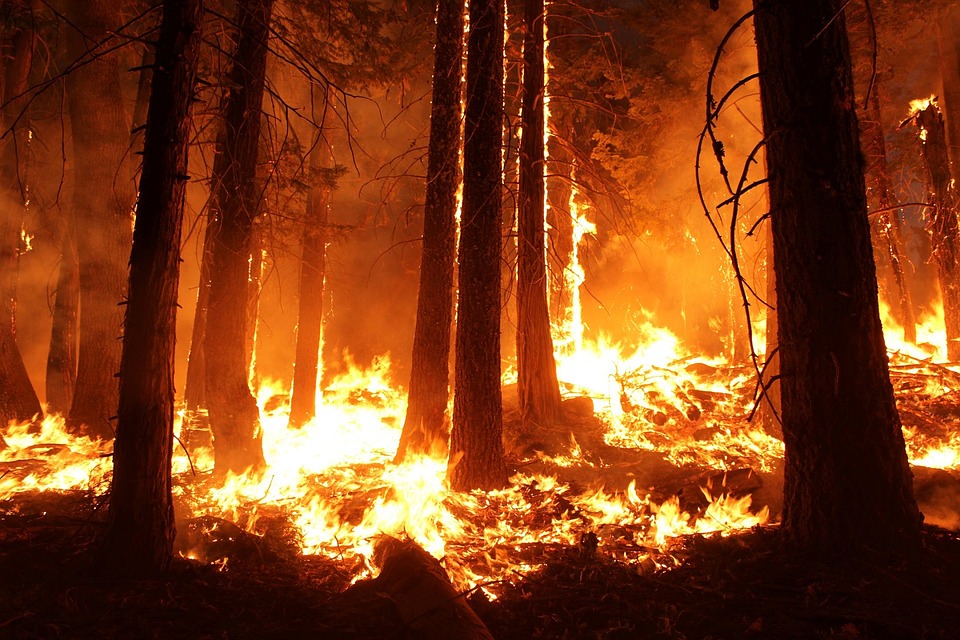
fire-1650781_960_720One evening, Twain lit a fire and then went to retrieve his frying pan to cook bacon for supper. In that short time, the fire took off “galloping all over the premises!” He and his friend, Johnny, retreated to a boat to watch helplessly as dry pine needles lit with fierce speed. Flames roared up nearby ridges.

wildfire-1105209_960_720The fire mirrored in the lake where a horrified Twain sat in his boat. His house and fence were burned up with no insurance. Provisions were gone but the blankets had been in sand and so were saved.

They returned to the Brigade’s camp and ate their provisions. Then Twain and Johnny returned to Carson to explain what happened to the Brigade owners, who forgave them after the pair paid the damages.


-Sandra Merville Hart


Sources

“Homestead Act,” History.com, 2016/09/29 http://www.history.com/topics/homestead-act.

“Homestead Act,” The Library of Congress, 2016/09/29 https://www.loc.gov/rr/program/bib/ourdocs/Homestead.html.

Twain, Mark. Roughing It, Penguin Books, 1981.

Mark Twain Writes of a “Soda Lake” on the Oregon Trail


oregon-264458_960_720

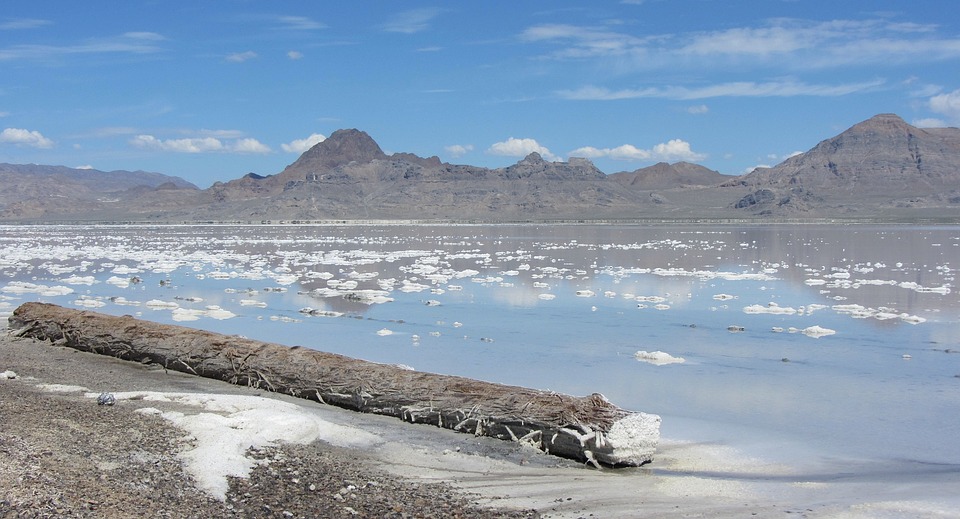
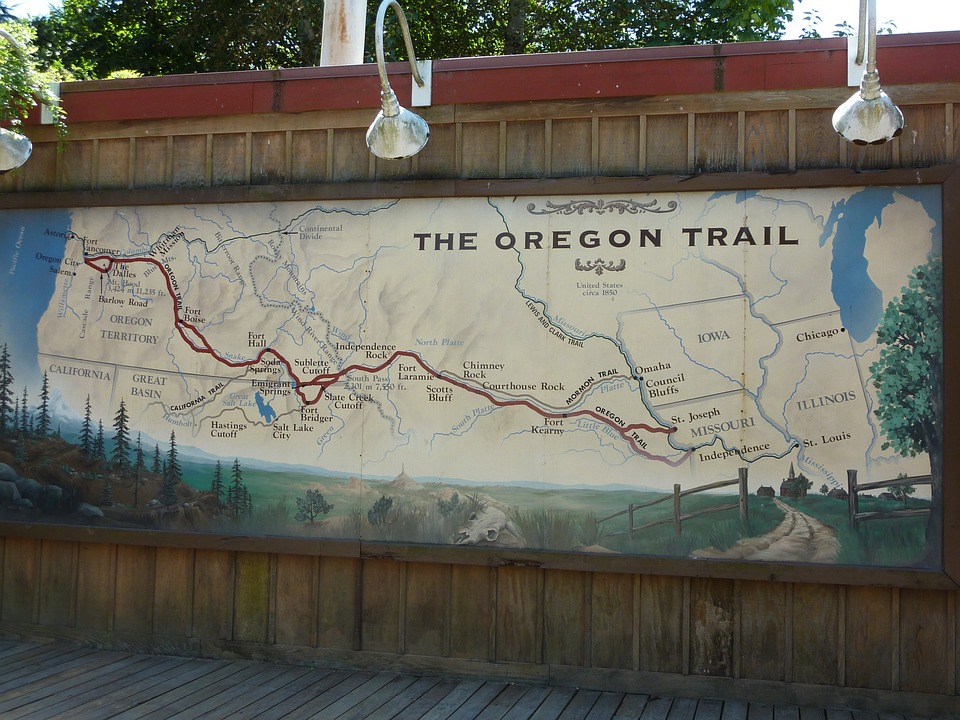
Mark Twain wrote of traveling by stagecoach on the Oregon Trail. One of the fascinating sights he talked about was a dry lake he called “Alkali” or “Soda Lake.” He saw these after passing Independence Rock, located in what is now Alcova, Wyoming.

img_2270The stagecoach driver informed him that Mormons traveled from Great Salt Lake City with wagons to shovel pure saleratus from the dry lake. The driver had seen them haul away two wagon loads a few days before Twain passed by. The Mormons sold the drug for twenty-five cents a pound, a nice profit for a product that cost only their labor.

Carried by the wind, the white powder blew into the travelers’ faces, irritating their eyes. Some early pioneers described the strong odor as smelling like lime or having an “acrid caustic smell.”

baking-soda-768950_960_720The shallow lakes were sometimes dry but might not be depending on the season. The water could be poisonous; animals that refused to stay away from it sometimes sickened and died from drinking it.

Saleratus, or bicarbonate of soda, is a white substance we know as baking soda. Bakers use it as a leavening agent for biscuits, pancakes, cakes, and cookies.

cake-596918_960_720When mixed with water, sodium bicarbonate may treat heartburn and acid indigestion but this comes with a caution: don’t use on a regular basis as an excess may cause Alkalosis.

Make a paste of baking soda and water to relieve pain of burns, insect bites, and stings. This paste also treats the itch caused by allergic reactions to poison oak, poison ivy, and poison sumac—or add a cup of baking soda to bath water.

Baking soda has been used in toothpaste for years and my mother used baking soda and water to brush her teeth when growing up.

mark-twain-391112_960_720What Twain called “Soda Lake” is now known as Playa Lake or Saleratus Lake and is easily seen from Independence Rock.

-Sandra Merville Hart


Sources

“Saleratus Lake,” The Wyoming State Historical Society, 2016/09/27 http://www.wyohistory.org/encyclopedia/saleratus-lake.

“Sodium bicarbonate,” The Free Dictionary by Farlex, 2016/09/27 http://medical-dictionary.thefreedictionary.com/saleratus.

“Sodium bicarbonate,” Wikipedia, 2016/09/27, https://en.wikipedia.org/wiki/Sodium_bicarbonate.

Twain, Mark. Roughing it, Penguin Books, 1985.


Mark Twain Glimpses a Pony Express Rider on a Delivery

mark-twain-391112_960_720

It can’t be said the Mark Twain met a Pony Express Rider on his stagecoach trip from Missouri to Carson City, Nevada.

He and his brother deeply desired to see a “pony-rider.” A few streaked past during the night, hailing the passengers who didn’t get their heads out the windows quickly enough to catch a glimpse of the man racing by.

But Twain hoped for better luck during daylight hours. The driver alerted his passengers to look behind them.

All Twain saw at first was a moving speck on the prairie. In two seconds, the speck became a horse and rider sweeping closer.

Twain kept his gaze trained on the pony-rider. Hoofs fluttered against the ground as he neared.

The driver whooped and hollered. The rider’s only answer was a wave as he burst past the coach.

Then the man disappeared on the road ahead in a cloud of dust.

It ended so quickly that Twain almost wondered if he actually witnessed the rider racing past.

Twain was about twenty-five at that time and full of adventure. Did that adventurous spirit long to join the ranks of those chosen few?

The author who gave us such characters as Tom Sawyer and Huckleberry Finn probably would have ridden one of the relays if asked.

-Sandra Merville Hart

Sources

Twain, Mark. Roughing It, Penguin Books, 1985.


Mark Twain’s Observations about Pony Express Riders

mark-twain-391112_960_720

Pony Express Riders delivered mail from 1860 – 1861. Mark Twain traveled west by stagecoach during this time and longed to see one of the riders.

Twain and his fellow travelers hoped to spot one of the “pony-riders” on their way from St. Joseph, Missouri, to Sacramento, California. It took a remarkable eight days for letters to travel 1,900 miles, an unheard-of speed.

Before seeing a pony-rider, Twain already had an idea what to expect. Small men filled with spirit and endurance rode fifty miles by day or night.

Splendid horses “fed and lodged like a gentleman” raced at top speeds for ten miles or so until reaching the next relay station. The rider crashed up to two men holding a fresh steed. He mounted the new horse and transferred the precious mailbag “in the twinkling of an eye” and was off again in a cloud of dust.

Riders wore thin, close-fitting clothing and a skull-cap. His pantaloons were tucked into his boots “like a race-rider.” He carried no weapons.

Horses traveled lightly, too. A small racing saddle hid a blanket if one existed.

A child’s primer would fill one of the two mail pockets. Mostly business or newspaper letters filled these mail bags; postage alone was five dollars per letter.

Forty pony-riders rode west toward California at the same time as forty traveled east toward Missouri all day and night, in spite of bad weather.

Stagecoaches traveled between 100 and 125 miles in twenty-four hours; pony-riders managed about 250 miles.

-Sandra Merville Hart

Sources

“Pony Express,” Wikipedia, The Free Encyclopedia, 2016/06/03 https://en.wikipedia.org/wiki/Pony_Express.

Twain, Mark. Roughing It, Penguin Books, 1985.