by Pegg Thomas
Welcome back to gifted author, Pegg Thomas! Pegg was the editor for three of my early books. Her latest release, Henri’s Regret, published on July 1st! To celebrate, she has an offer for a free book. Read on to discover the details. She’s sharing a recipe for delicious Orange Muffins with us. Thanks for joining us today, Pegg!
Prior to the invention of chemical leaveners—particularly baking powder—all breads were leavened by yeast. But once baking powder became popular in the mid-1800s, quick breads soared in popularity across America. Women didn’t have to plan the day before to have a yeast batter or dough ready for baking. Anyone could whip up a muffin batter or biscuit dough and have them out of the oven to serve within the hour. What a luxury!
I enjoy making muffins for breakfast, and these orange muffins are my favorite.
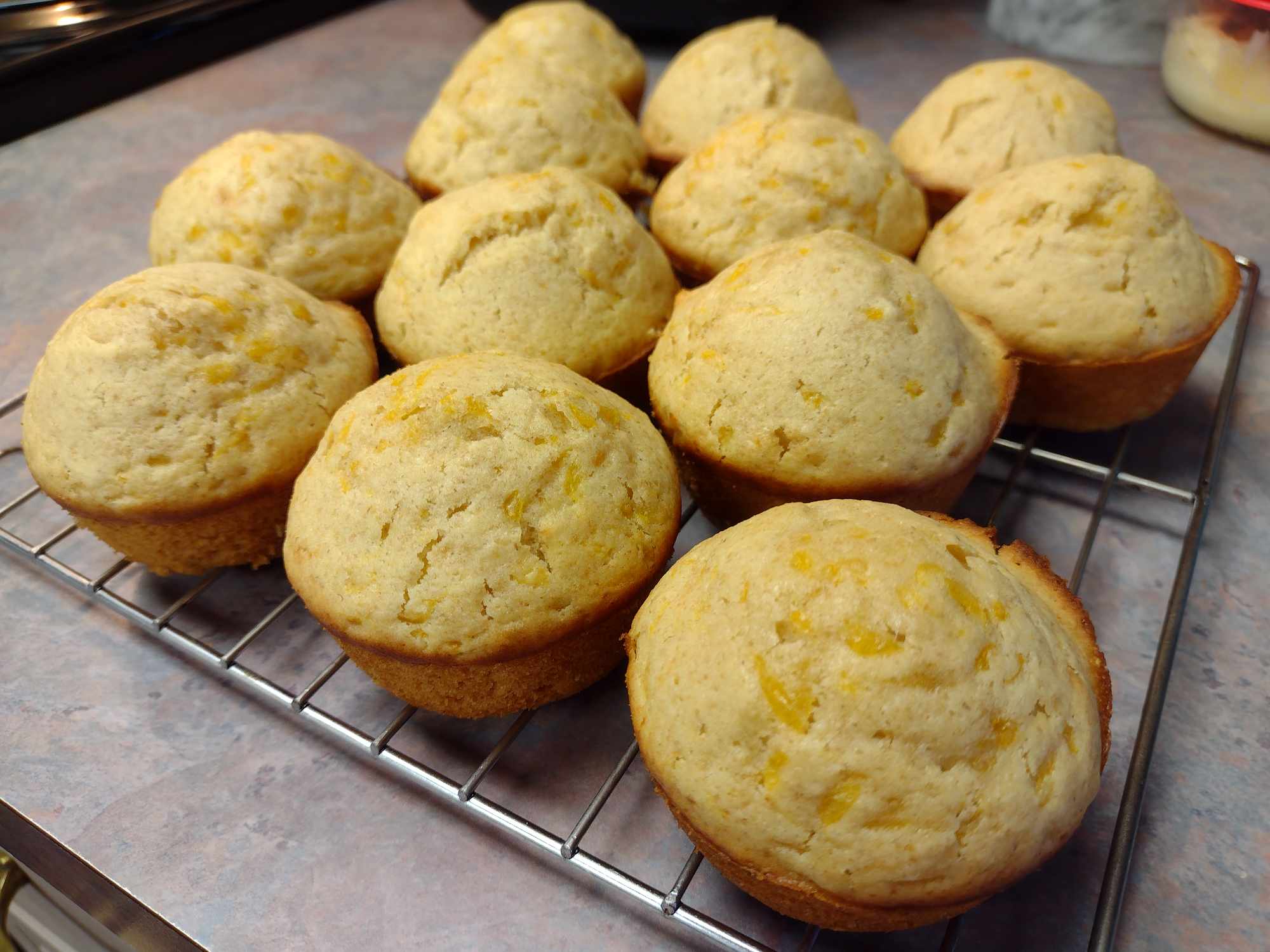
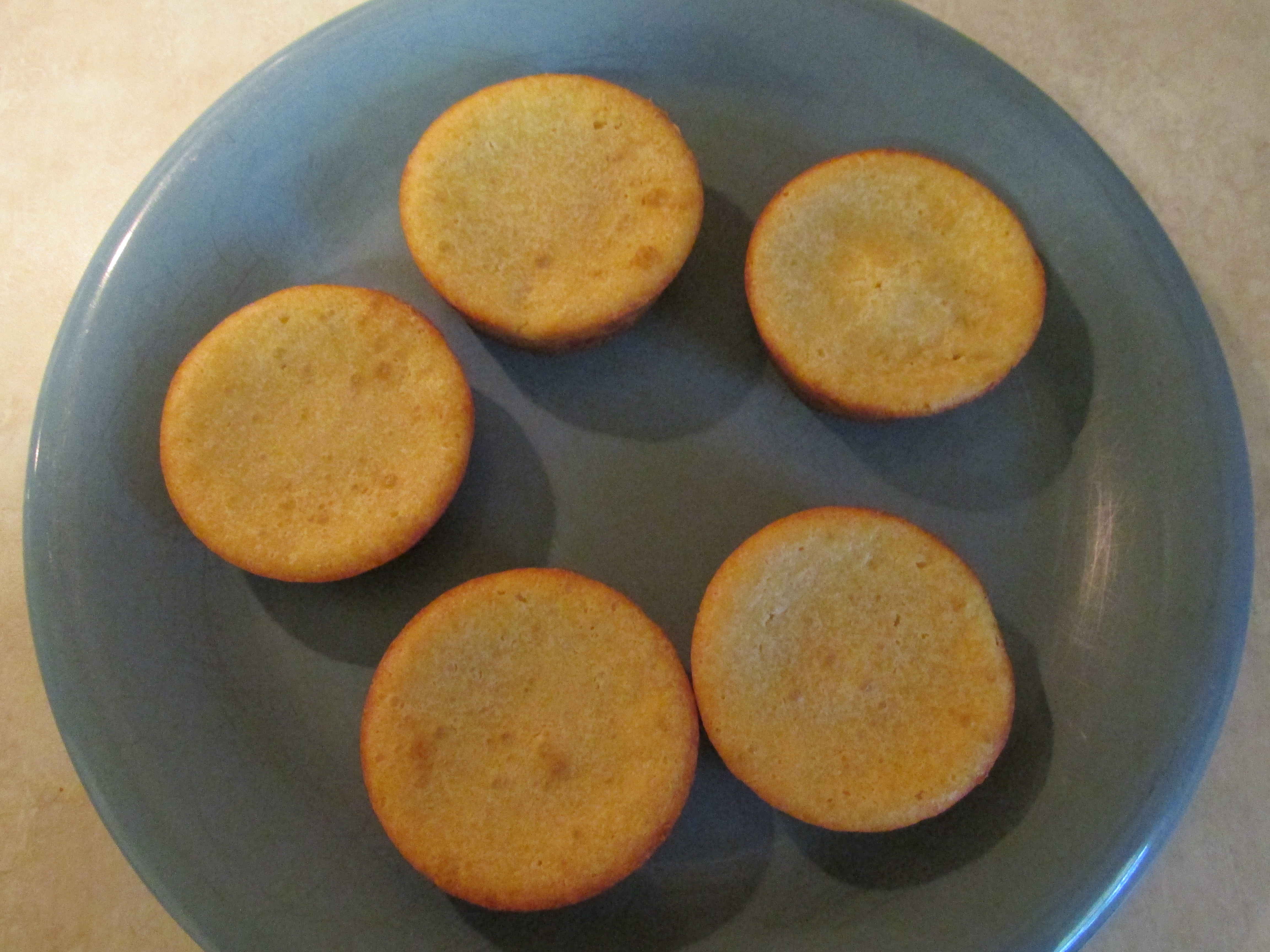
Orange Muffins
11oz can Mandarin oranges
1 egg
½ cup sugar
Milk
¼ cup oil
½ cup whole wheat flour
1 ½ cups all-purpose flour
1 Tbsp baking powder
½ teas salt
Preheat oven to 400 degrees. Grease a 12-slot muffin tin or use paper inserts. Drain liquid from oranges into a measuring cup. Add enough milk to measure 1 cup. (The milk will curdle.) Mix drained oranges with egg and sugar in a mixing bowl until orange segments break apart. Stir in liquid and oil. Add dry ingredients and stir just until blended. Distribute evenly into the 12 muffin slots. Bake for 15 – 18 minutes, until muffins are done. Remove immediately from the tin and cool on a wire rack.
Fun fact: the term English Muffin was coined in the U.S. by Samuel Bath Thomas in 1880.
To celebrate her newest release Pegg is offering a free eBook of Henri’s Regret, the prequel to her Forts of Refuge Series when you subscribe to her newsletter. https://dashboard.mailerlite.com/forms/756469/109549774328301212/share

Henri’s Regret
Frenchman Henri Geroux can’t sign the oath of loyalty to the British after the end of the French and Indian War. He leaves his home behind and sets out on an adventure with his Ottawa friend, Dances Away. But heading west to trap beaver doesn’t mean he outruns his problems. Faced with a dangerous journey into an unknown land, he and Dances Away get caught up in more than they’d bargained for.
BIO:
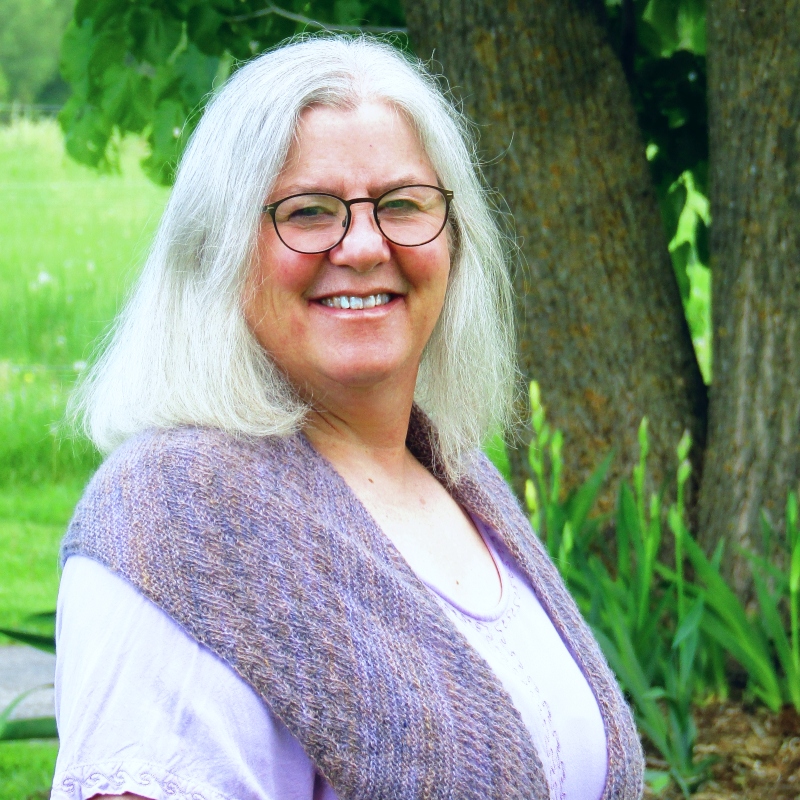
Pegg Thomas lives in Michigan’s beautiful Upper Peninsula with Michael, her husband of *mumble* years. Besides writing, she enjoys a variety of crafts including spinning sheep’s wool into yarn and knitting her signature wool shawls. Together, she and Michael enjoy camping, fishing, gardening, boat-nerding (you have to be a Great Lakes person to know about that), and thoroughbred horse racing.
A life-long history geek, it’s no surprise that historical fiction is her genre. Colonial America and the Civil War era are favorite time periods to both read and write. She often takes inspiration from her own family tree, with 3 of her grandparents having lineage going back in America to the mid-1600s. Her favorite type of book centers on a great fiction story surrounded by factual historical events.
 Sandra Merville Hart