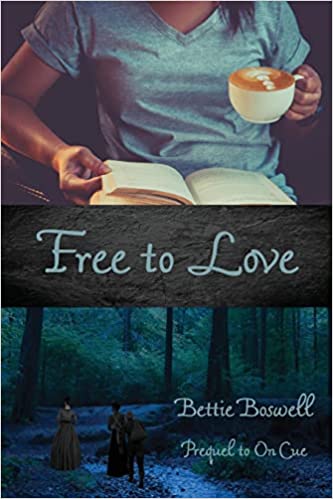
by Bettie Boswell
Today’s post is by an author friend, Bettie Boswell. She shares some historical background for her new release. I’m looking forward to reading it. Welcome back, Bettie!
Canals played an important role in United States history, bringing goods to parts of the land where large ships could not pass. The completion of the Ohio Miami Canal took place right before trains began to compete with commercial trade. Before trains took over the majority of that business, people enjoyed pleasant trips on passenger canal boats or shared a smelly ride with livestock, freight, and mail on packet boats traveling the waterway, spanning from the Cincinnati area to Toledo, Ohio.
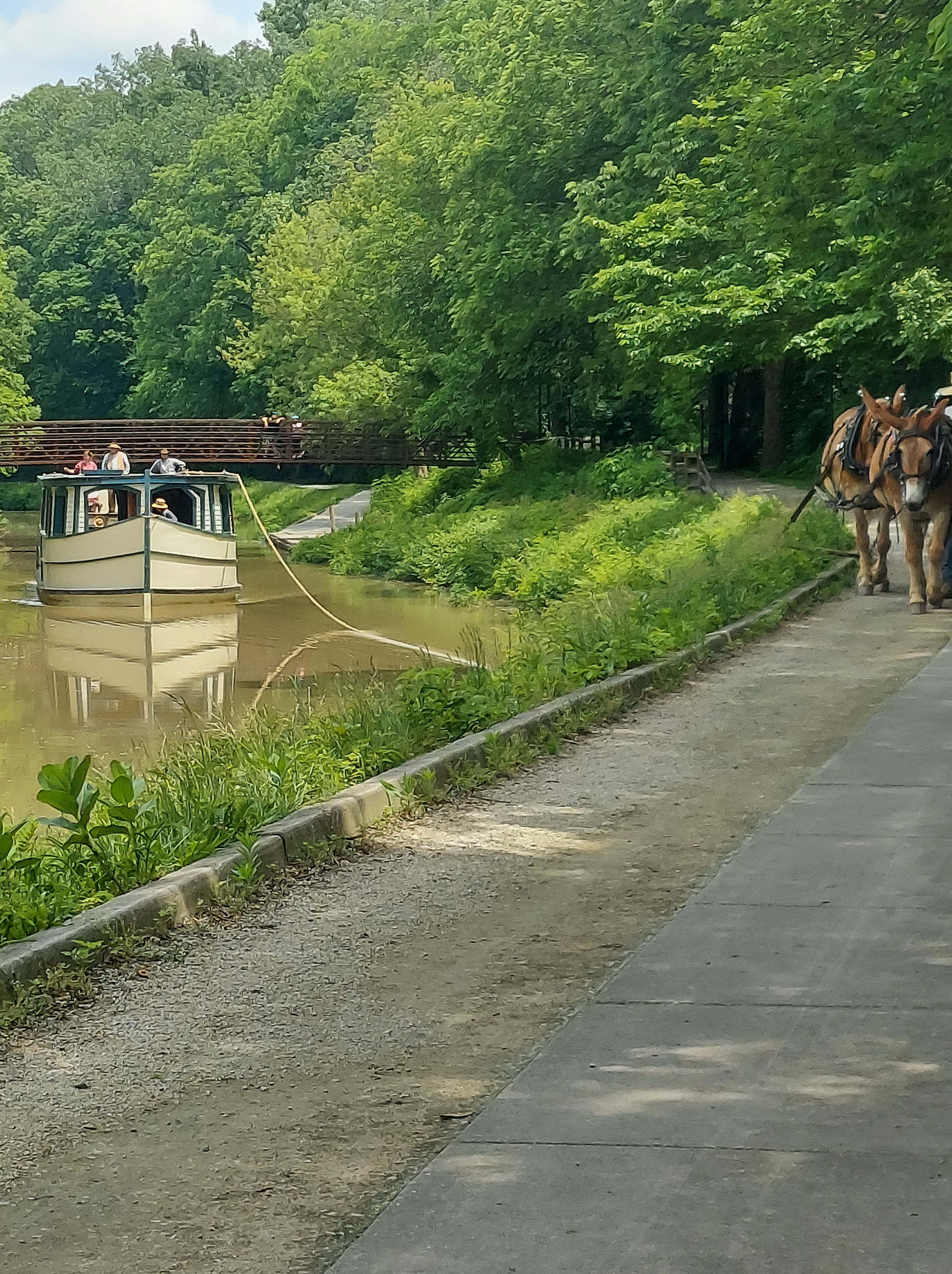
Though the popularity of doing business on the canal faded in the 1840s, the route provided a physical map for those seeking freedom from slavery. The towpath became a popular guidepost for those following the Underground Railroad. Once escapees made it to the Toledo area, there were people who provided transportation to Detroit, Michigan, where the span between Canada and the United States narrowed enough for a short journey to a safe country. Toledo Metroparks still maintains a short stretch of the canal at lock 44 in Grand Rapids, Ohio. I had the privilege to ride on the Volunteer canal boat recently and was entertained with storytelling re-enactors.
In my latest book, Free to Love, I included several scenes that involve riding a canal boat and using it as a trail for the Underground Railroad. Ohio was a free state but it was not always a safe state so the journey north continued to be hazardous even after people reached states that supported freedom. Slave catchers lived as far north as Maumee, Ohio and would sometimes send people into slavery even if they had papers saying they were not bound in slavery. Helping someone on their way to freedom might mean imprisonment for a good-hearted Ohioan of any race.
About Bettie
Bettie Boswell has always loved to read and write. That interest helped her create musicals for both church and school and eventually she decided to write and illustrate stories to share with the world. Her writing interests extend from children’s to adult and from fiction to nonfiction. Free to Love is a prequel to her first novel, On Cue.
Pitch-As Ginny writes her musical, inspiration comes from journals about Missy and her maid, bound together by slavery and blood, journeying toward freedom and love. Early and her mistress have always been together. When Missy’s family forces Early into an arranged marriage with George, also held in slavery, their relationship will be forever changed. Will Early and George find a love that can survive the trials of a forced marriage and perilous journey?
 Sandra Merville Hart