Apple Pie Recipe Without Apples used by Confederate Soldiers

blog-130

Recipes used to be called ‘receipts.’ Confederate soldiers were often low on supplies and had to make do with ingredients found nearby.

I found an intriguing recipe called “Apple Pie Without Apples” in an 1863 book, Confederate Receipt Book. I had to make this one.

The main ingredient is crackers. Civil War soldiers ate hard tack, which John D. Billings describes in his book, Hard Tack and Coffee, as “a plain flour-and-water biscuit.”

Billings, a Civil War soldier, had two of these crackers while writing his book that published in 1887. (It doesn’t say if the hard tack was baked during the war.) When measured, he found they were 3 1/8 inches by 2 7/8 inches and almost ½ inch thick.

This apple pie recipe uses crackers. The soldiers would have used hard tack because that was available.
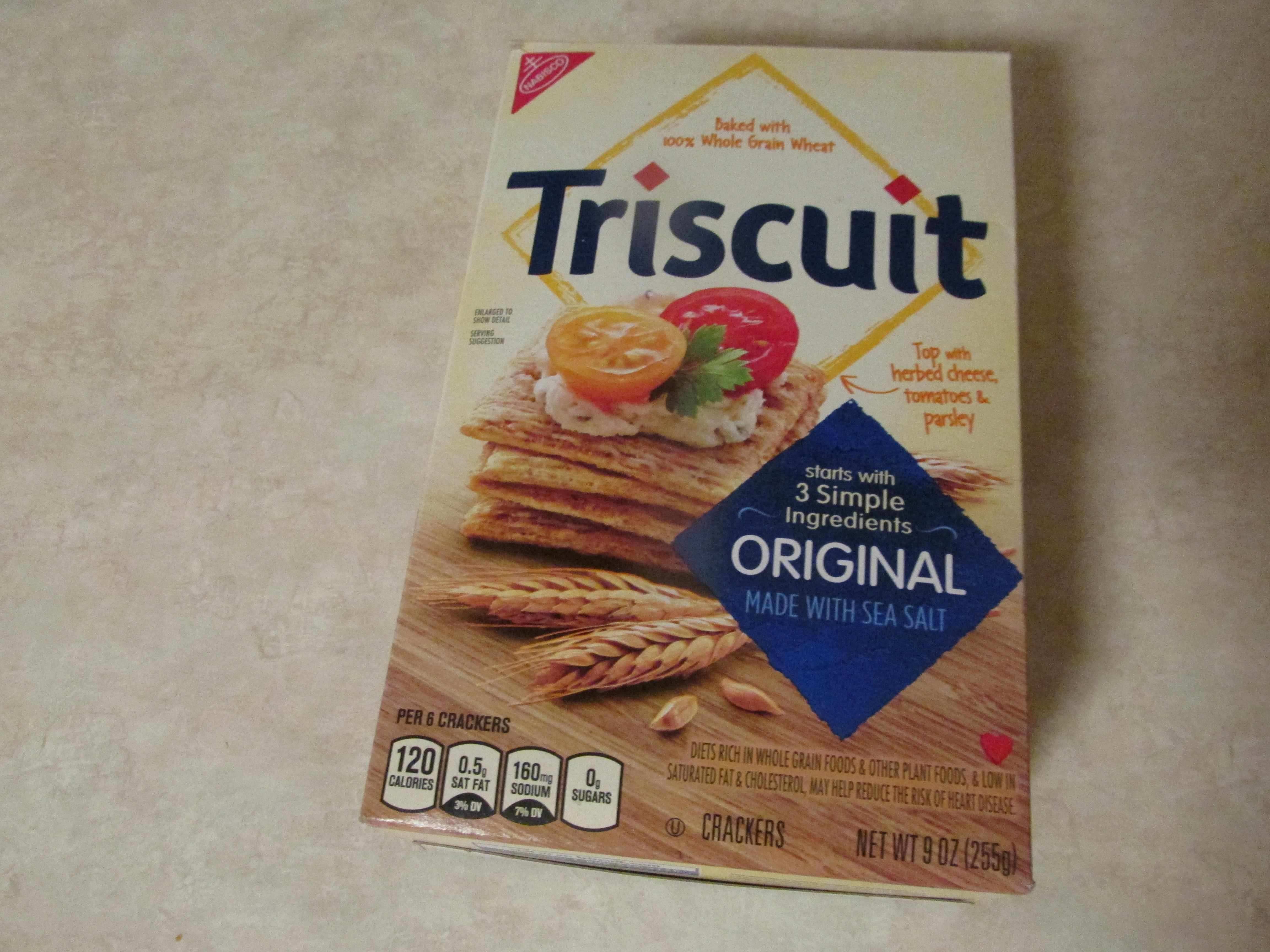
blog-127Place crackers in a small bowl. (Not having hard tack on hand, I thought Triscuits might be an acceptable substitute.  I used 20 of these crackers. Regular crackers would also be fine.) Soak these in water until soft. For our modern crackers, this takes about five minutes. I can’t imagine how long soldiers soaked the hard tack.

Empty excess water. Mash the softened crackers.

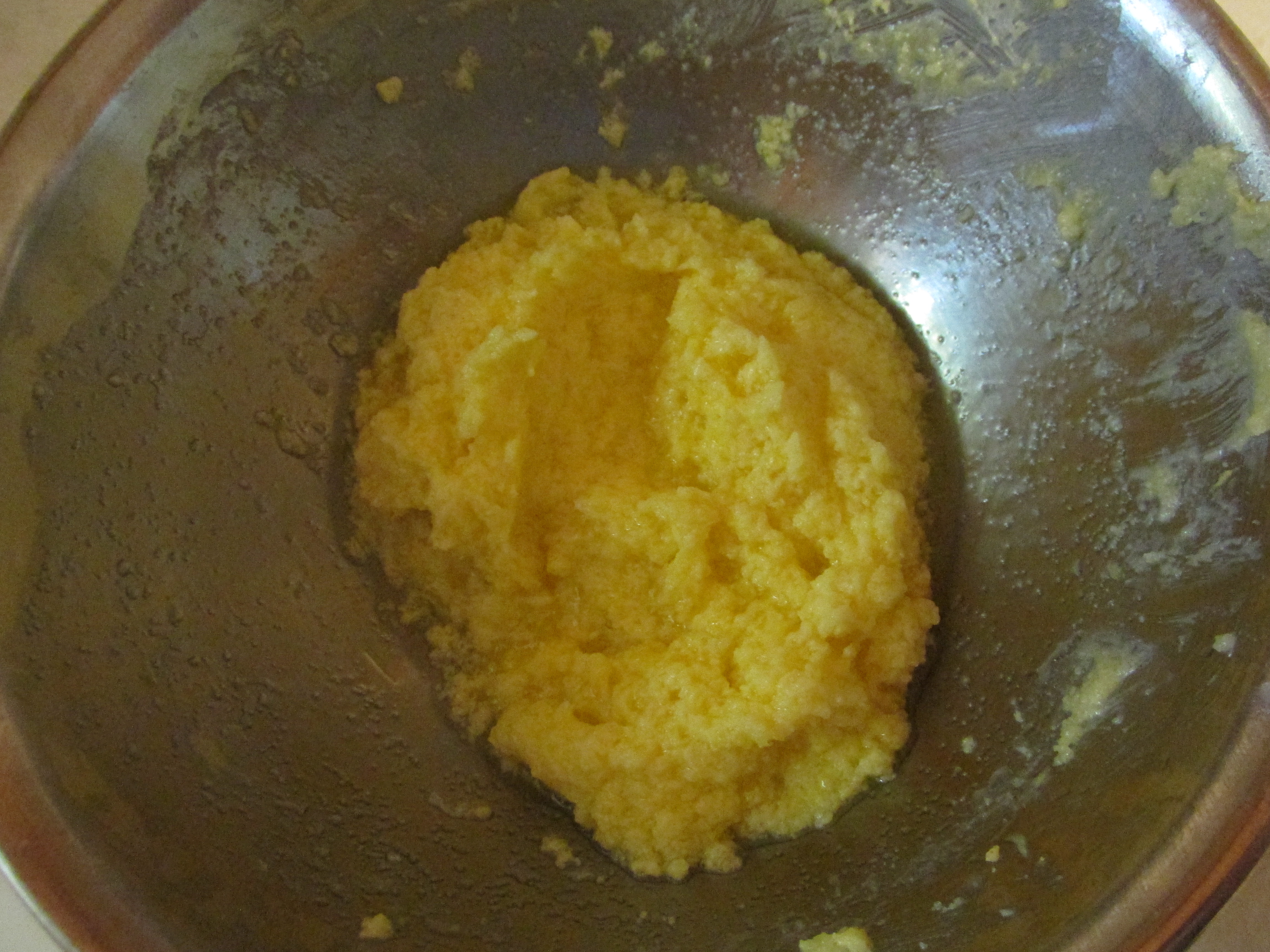
Add 1 teaspoon cream of tartar, ¼ cup sugar, 2 tablespoons melted butter, and ½ teaspoon nutmeg to the crackers. Mix together.

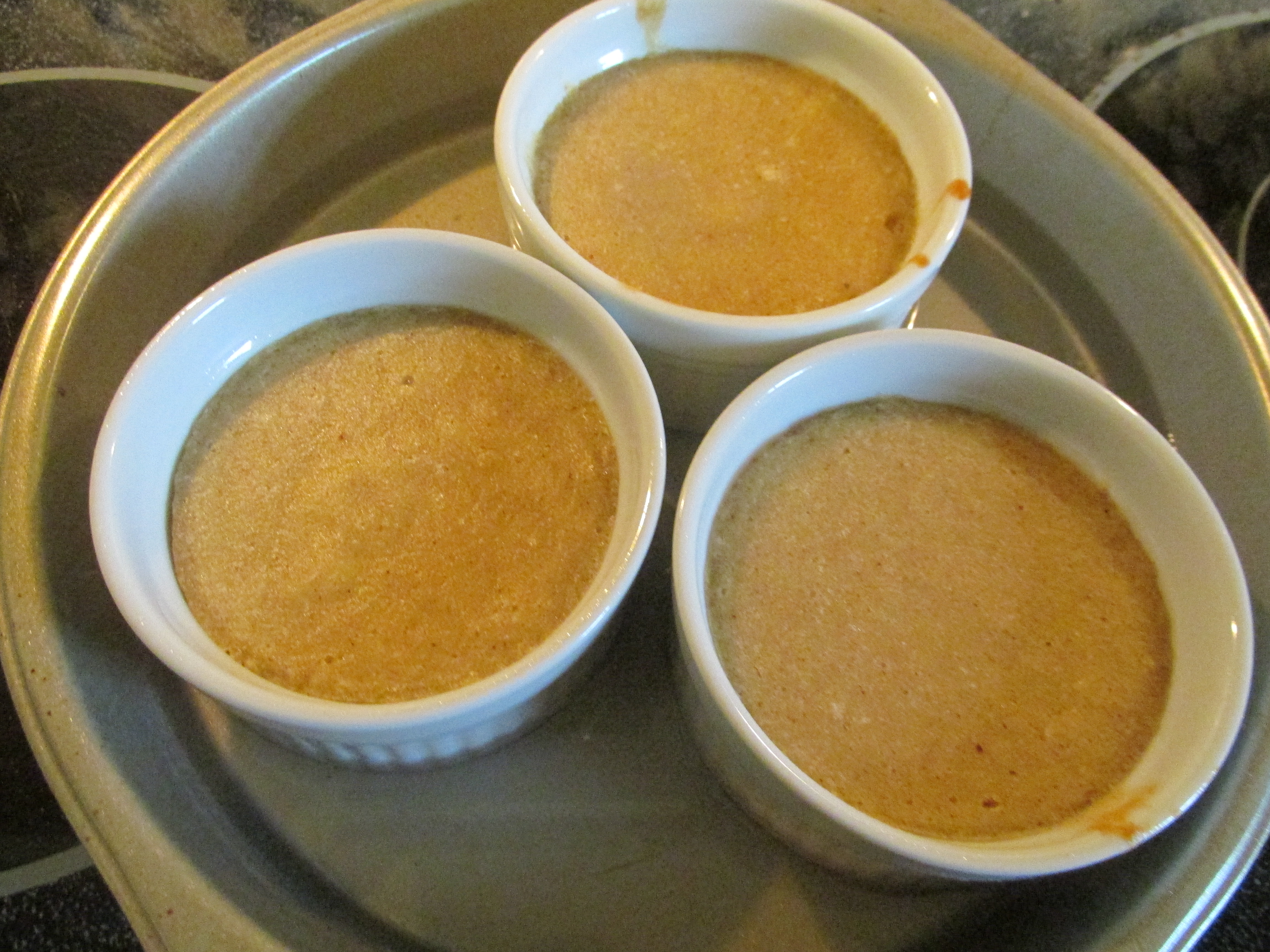
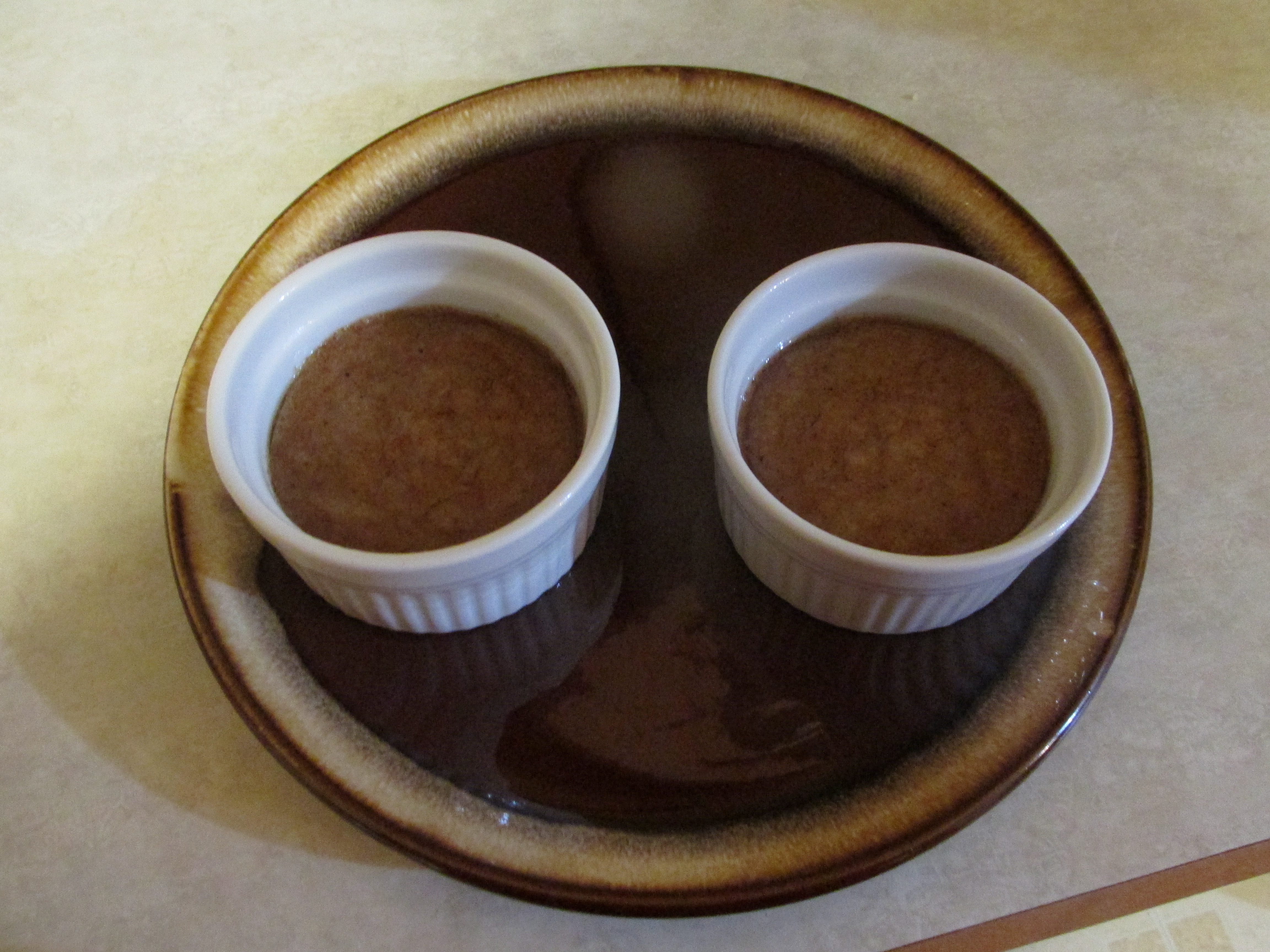
Spray ramekins with cooking spray. Spoon mixture into ramekins until about 2/3 full and bake at 350 degrees for 15-20 minutes.

My husband tried it first. “It’s strange. It doesn’t taste like apple pie.”

I had to agree. This recipe does not taste like apple pie. I didn’t really care for it.

Soldiers probably didn’t have cinnamon too often in camp but this spice would definitely enhance the flavor. In the next batch I added a teaspoon of cinnamon along with the nutmeg.

Both my husband and I agreed that cinnamon improved the “appleless” pie. Though it was a strange and unfamiliar dessert, I’m happy I tried it. It would make a fun dish at Civil War reenactments.

For the Confederate soldier starving for his mother’s apple pie, eating this dessert probably gave him a nostalgic taste of home.

-Sandra Merville Hart

Sources

A Compilation of Over One Hundred Receipts, Adapted to the Times. Confederate Receipt Book, Applewood Books, 1863.

Billings, John D. Hardtack & Coffee, University of Nebraska Press, 1993.
 

Potato Pudding Recipe

blog-077

I found a recipe for potato pudding in an 1877 cookbook, Buckeye Cookery. I’d never eaten or even heard of this type of pudding and decided to try it.

The recipes in this cookbook generally leave a lot to the imagination, but ingredient measurements were given for this one.

Peel six potatoes, cut into small wedges and then cook them on the stovetop. When they are soft and fork-tender, mash them finely.

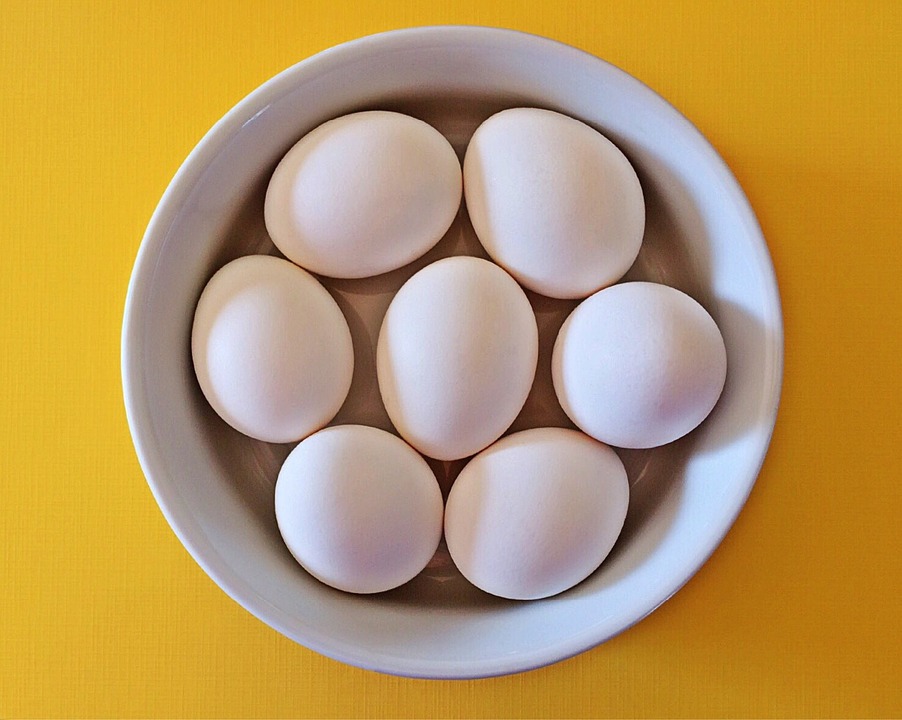
Separate 5 eggs and reserve 2 egg whites in another bowl. Beat egg yolks and stir into the potatoes. Add a cup of sugar and ½ cup of butter and stir well.

Beat 3 of the egg whites to a stiff froth. Fold into the potato mixture.

Grate one lemon rind and add this and its lemon juice and stir. Add 2 cups of milk or cream and ½ teaspoon of salt.

I baked it at 350 degrees for about an hour. Then I whipped the remaining 2 egg whites with 2 tablespoons of sugar until white and fluffy. This was used as icing for the pudding.

blog-069It smelled good but tasted strangely. Lemon and potatoes didn’t get along well together.

I decided to remake this recipe leaving out the lemon altogether. Instead I used cinnamon and nutmeg.

The quantities given made 6 single serving ramekins besides filling a medium baking dish. I chose to cut this down to a third of the quantities suggested.

Using 2 potatoes, 2 eggs, 1/3 cup sugar, 2 tablespoons butter, 2/3 cup milk, ½ teaspoon cinnamon, ¼ teaspoon nutmeg, and ½ teaspoon salt, I omitted the lemon components and followed the recipe above.

This mixture gave 5 ramekins, which were baked in a larger pan. The ramekins sat in an inch of hot water and baked in a 350-degree oven for 40 minutes. Then I whipped an egg white with a tablespoon of sugar and spread the meringue over the top.

This turned out much better. I refrigerated the pudding. Chilling it improved the flavor.

The original recipe is from 1877 cook, Mrs. Gov. Ingersoll from Connecticut.

-Sandra Merville Hart

Sources

Compiled from Original Recipes. Buckeye Cookery and Practical Housekeeping, Applewood Books, 1877.


Old-fashioned Plum Pudding

img_2482


by Sandra Merville Hart

In the spirit of traditional cooking and baking for Christmas, I searched for long-ago recipes made for the holiday feast. Plum pudding was often served at the meal. Though there were several recipes in an 1877 cookbook and one in an 1841 cookbook, they all had one thing in common—none of them used plums! No fresh plums, dried plums, or prunes were called for in any plum pudding. That surprised me.

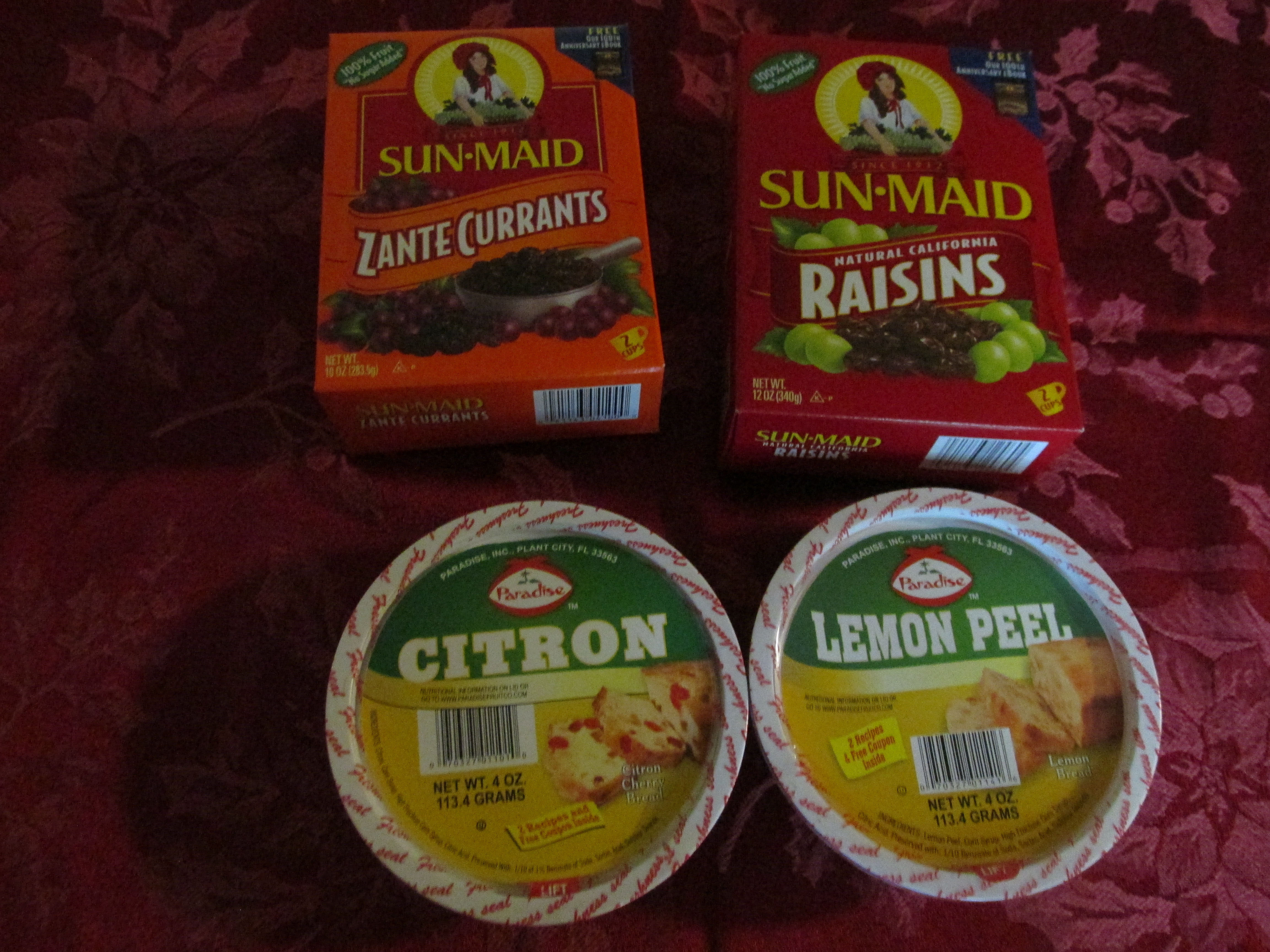
img_2472I decided to try an 1840s recipe for plum pudding. Shopping for a few of the ingredients was challenging: currants, candied lemon, and candied citron were harder to find than raisins.

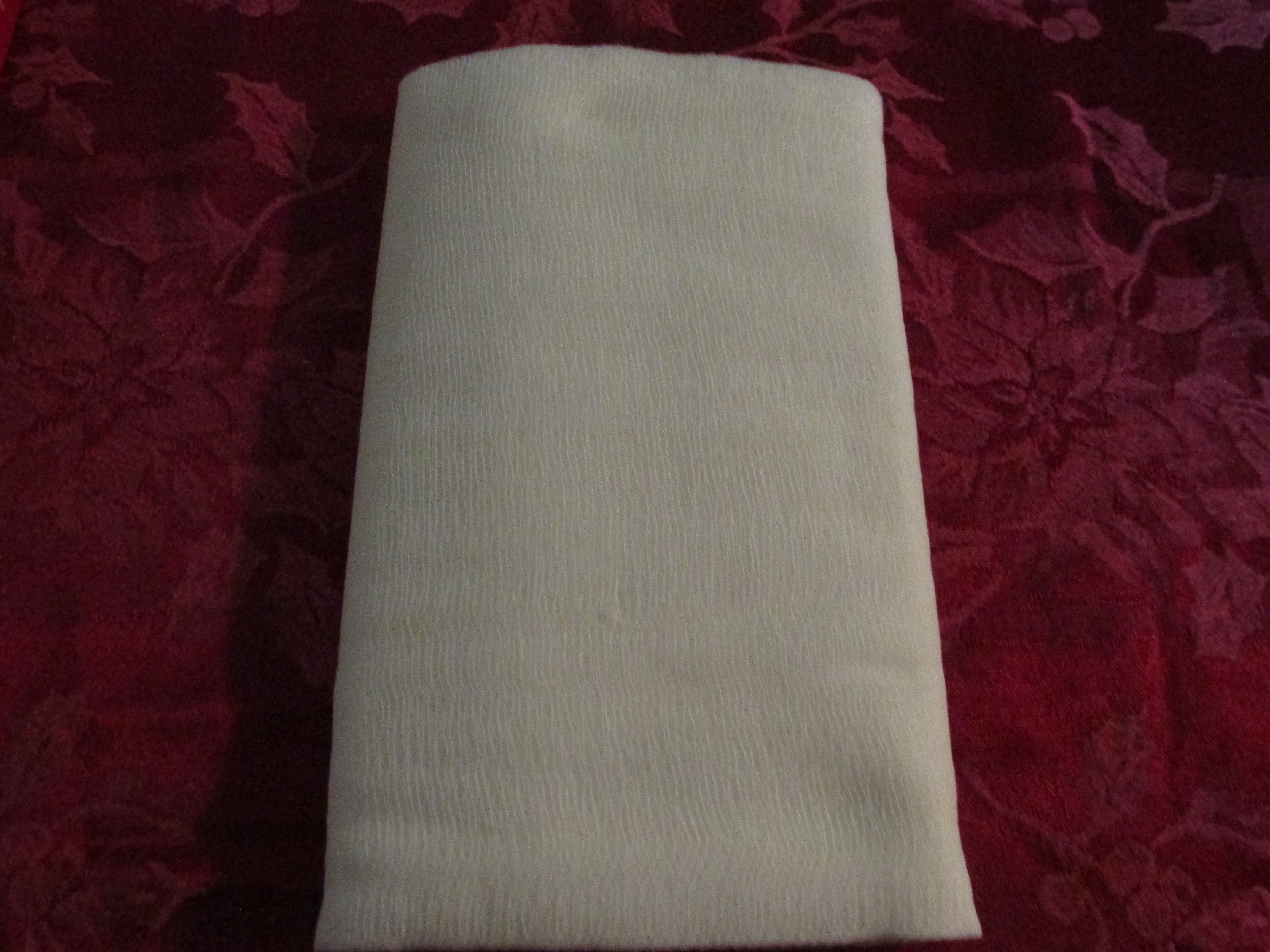
The pudding was to be boiled in a “fine, close linen cloth.” I intended to use cheesecloth, which advertised steaming as one of its culinary uses. The paper-thin weave on the cloth gave me second thoughts. Since I had baked One-two-three-four Pudding in the oven and then steamed it, I decided to do that instead with this plum pudding.

img_2473In a large bowl, cream together ½ pound of butter (2 sticks) and ½ cup of sugar. (The 1841 recipe called for a half-pound of chopped suet—the hard white fat found on kidneys and loins of sheep or cattle—but this can be substituted for butter.) Beat 4 eggs separately and add to creamed mixture. Then add one teaspoon each of nutmeg, cinnamon, and ground mace. Mix well.

Combine ½ cup flour, ½ cup bread crumbs, and 1 teaspoon of salt in a separate bowl. Add 1 cup of raisins to the dry mixture and coat them. (I used my hands instead of a spoon for this part.) Then add 1 cup of currants (these look like tiny raisins) and coat these as well.

Add a heaping tablespoon of candied lemon and a heaping tablespoon of candied citron to the dry mixture and stir to coat. (I forgot to add these until after baking, so I scattered them over the top before steaming. This worked fine, too.)

Use cooking spray on an 8×8 pan to bake the pudding at 375 degrees for 30 minutes. Then I steamed the plum pudding over a kettle of boiling water for two hours. (I will use a glass baking dish next time and steam it in the oven. My goal is to learn how our early bakers prepared recipes.)

img_2479For pudding sauce, cream together 4 tablespoons of butter and ½ cup of sugar. Then stir in a teaspoon of vanilla extract or use a ½ teaspoon of nutmeg if you prefer. Cook in a saucepan over medium heat until gently bubbling. Pour over individual servings.

With the candied fruit, it looked—and tasted!—a whole lot like those fruit cakes my dad used to purchase at Christmas. If you like fruit cakes, you will probably enjoy this plum pudding.

The sauce tasted delicious but those who don’t love vanilla as much as I do may prefer to use only a ½ teaspoon.

I’d love to hear if you try this recipe!

Sources

Hale, Sarah Josepha. Early American Cookery, Dover Publications, Applewood Books,  1996.


Roasting a Turkey over the Fire – 1840s Recipe

turkey-448992_960_720

Roasted turkey appears to be as popular for Thanksgiving dinner in the 1840s as it is today, though hard-working cooks prepared their meat a bit differently back then.

butter-1449453_960_720Hale suggested making the stuffing using two cups of bread crumbs and one cup of butter. (Minced suet—the hard white fat found on kidneys and loins of sheep or cattle—could be substituted for the butter. Modern cooks will likely choose butter.) Beat three egg yolks well and then add about a teaspoon of finely chopped parsley, a fourth of a grated nutmeg, and one teaspoon of powdered lemon peel. Add teaspoon of allspice and salt. This mixture is then added to the bread and butter until thoroughly combined.

eggs-1278166_960_720She gave an alternate suggestion for stuffing: beat two egg yolks then combine with cup of sausage and a cup of bread crumbs.

Use either of these bread mixtures to stuff the turkey.

Dredge the turkey all over with flour then lay it in front of the fire with the stuffing side closest to the flame. The recipe does not mention a roasting pan though it seems likely they used something to protect the meat from scorching, possibly a cold gridiron as is used for broiling chicken in another recipe.

Hale mentioned that placing a strip of paper over the breast bone prevents scorching.

Until the turkey begins to produce drippings, baste with either butter or water with salt. Then use turkey drippings to baste the meat.

backdrop-22024_960_720When the meat is almost done, dredge it with flour once more and then baste it with butter.

Hale advises that large turkeys require three hours of roasting, though no mention was made of actual number of pounds.

Roasted turkey was often consumed with ham or tongue. Stewed cranberries were served as a side dish then as now.

-Sandra Merville Hart

Sources

Hale, Sarah Josepha. Early American Cookery, Dover Publications, 1996.


Stewed Carrots

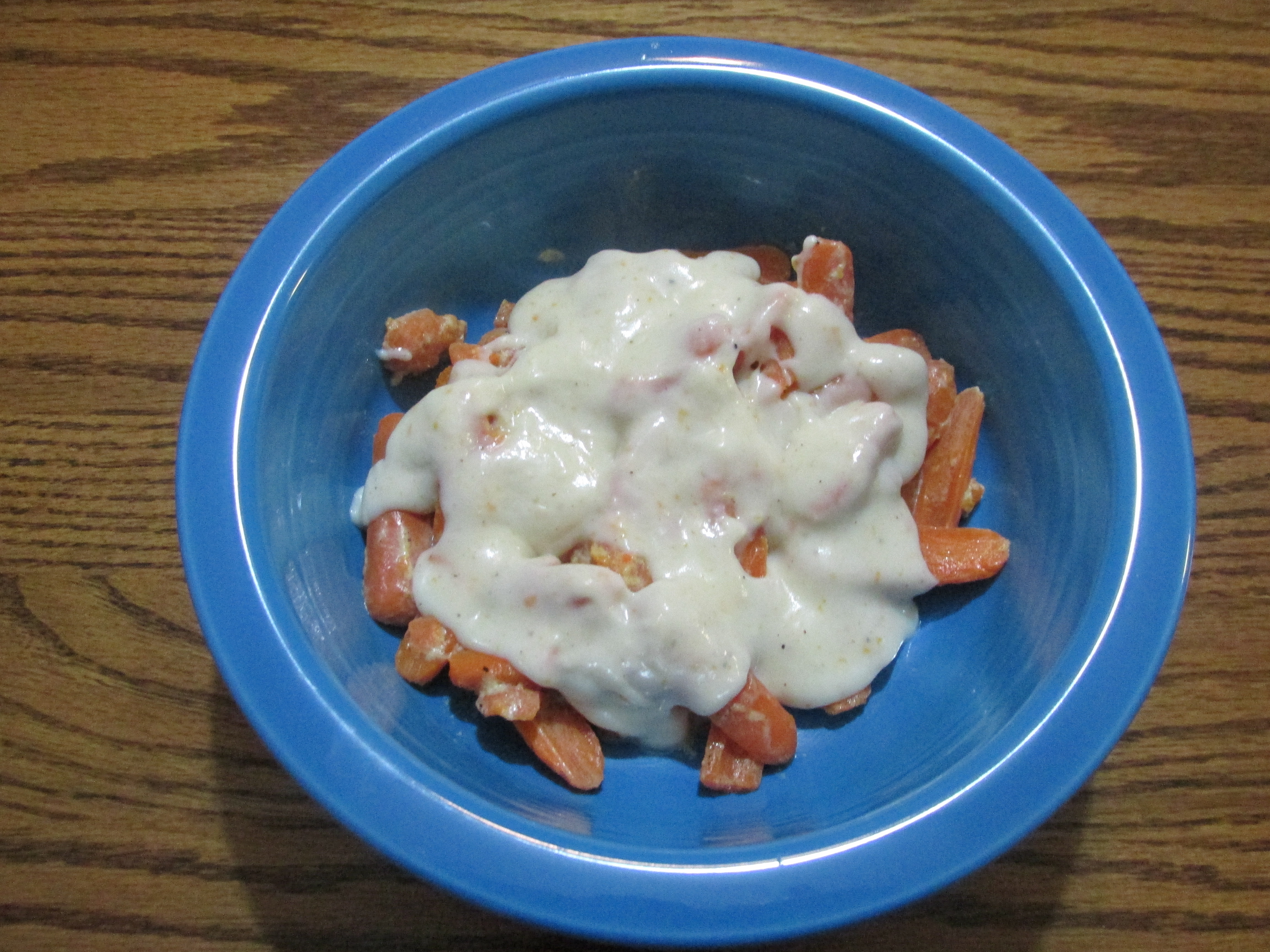
img_2400

I know that a recipe for stewed carrots from an 1877 cookbook isn’t the most exciting dish, but this dish added a bit of flavor and interest to the vegetable.

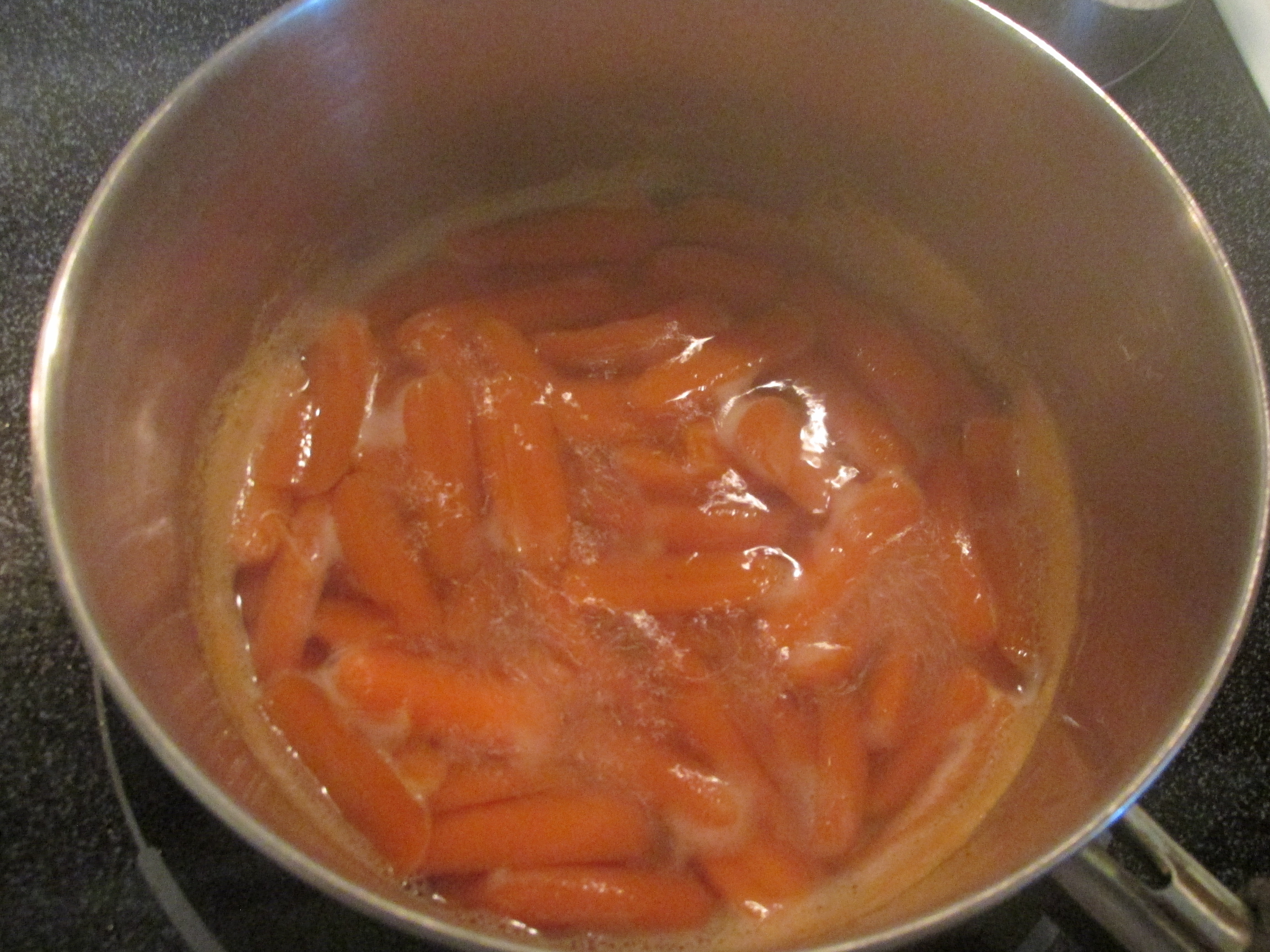
img_2392The carrots I had on hand were the peeled baby carrots. I sliced a half pound of these once lengthwise. Though I usually steam this vegetable, I boiled them as directed by Mrs. C.T.C. on a medium high heat. They were tender and ready for the next step in about a half hour.

In another saucepan, melt two tablespoons of butter and add about a cup of milk. Salt and pepper to taste and then cook over medium low heat for about 10 minutes, stirring often.

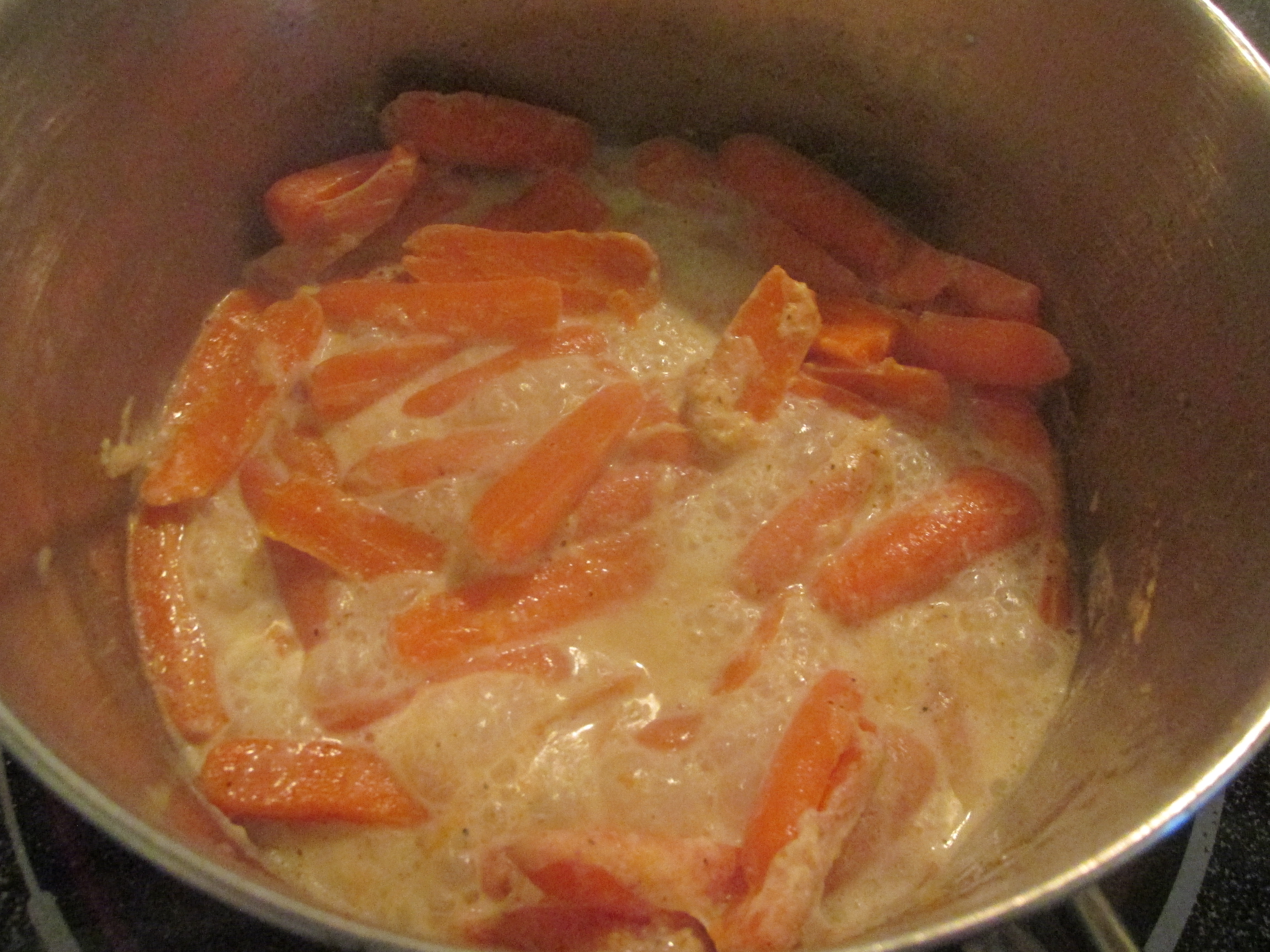
img_2394Remove the carrots by the pan with a slotted spoon into a serving dish. Dissolve a tablespoon of flour in about twice as much water and add to the creamy sauce left in the pot. (Use less flour if you don’t want the sauce to be as thick. Next time I will try a teaspoon of flour for pourable consistency.)

Stirring constantly, allow the gravy to boil at least a minute. Then pour it over the carrots and serve.

Both my husband and I liked carrots prepared this way. If you want to jazz up carrots at supper one evening, consider trying this recipe. The preparations took about an hour.

Enjoy! I’d love to hear if you try this recipe.

-Sandra Merville Hart

Sources

Compiled from Original Recipes. Buckeye Cookery and Practical Housekeeping, Applewood Books, 1877.


Salem Election Cake

img_2422

I ran across two recipes for Election Cakes in an 1877 cookbook. Both boasted that the recipes were over 100 years old. A recipe from the Revolutionary War era–what a fun discovery!

Election Day was a festive occasion as early as 1771. Pioneers celebrated the day with parades, balls, religious ceremonies, and food.

Some traveled far to vote. While folks awaited election results, they socialized. The best bakers loved to demonstrate their skills by participating in banquets. Ladies served huge Election Cakes with coffee and cider.

To get an idea of the quantity provided, one recipe called for thirty quarts of flour and fourteen pounds of sugar! Meant to feed a crowd, these cakes originally were a variation of fruitcake and bread.

My cookbook contained two different recipes for these cakes: Salem Election Cake and Old Hartford Election Cake. Wine, brandy, citron, and raisins were a few of the ingredients in the Hartford cake. The Salem recipe looked deceptively simpler so I tried to make this.

img_2414The original recipe, a simple listing of ingredients without instruction, calls for four pounds of flour—far too much for my needs so I cut that down to two cups.

It also called for a pint of yeast. The Hartford recipe gave measurements for distillery yeast; cooks had to use twice as much of home-brewed yeast. I ended up using far too much for the amount of dough.

My first attempt failed. The second try went better, but the cake failed to rise.

img_2417Then I found a recipe for sponge using our modern yeast on What’s Cooking In America. To ¾ cup warm water, two teaspoons of active dry yeast were added. After stirring, I added ¾ cup all-purpose flour and 1 tablespoon of sugar. This mixture was beaten for 2 minutes. I covered the bowl with plastic wrap and set in a warm place. It was bubbling in about 30 minutes.

While waiting for the sponge, ¾ cup of sugar was creamed with 4 tablespoons of butter. Two beaten eggs were mixed into the creamed sugar.

The original recipe simply calls for “spice.” This leaves the spices and measurements to the imagination.

In a separate bowl, I combined 2 cups of flour, 2 teaspoons cinnamon, 1 teaspoon nutmeg, ½ teaspoon ground cloves, ½ teaspoon ginger, and 1 teaspoon salt.

Though the cake is described as a fruitcake, there is no mention of adding fruit.

After the sponge reached the bubbling stage, I added it to sugar mixture and stirred it together. Then the dry ingredients were stirred in a little at a time.

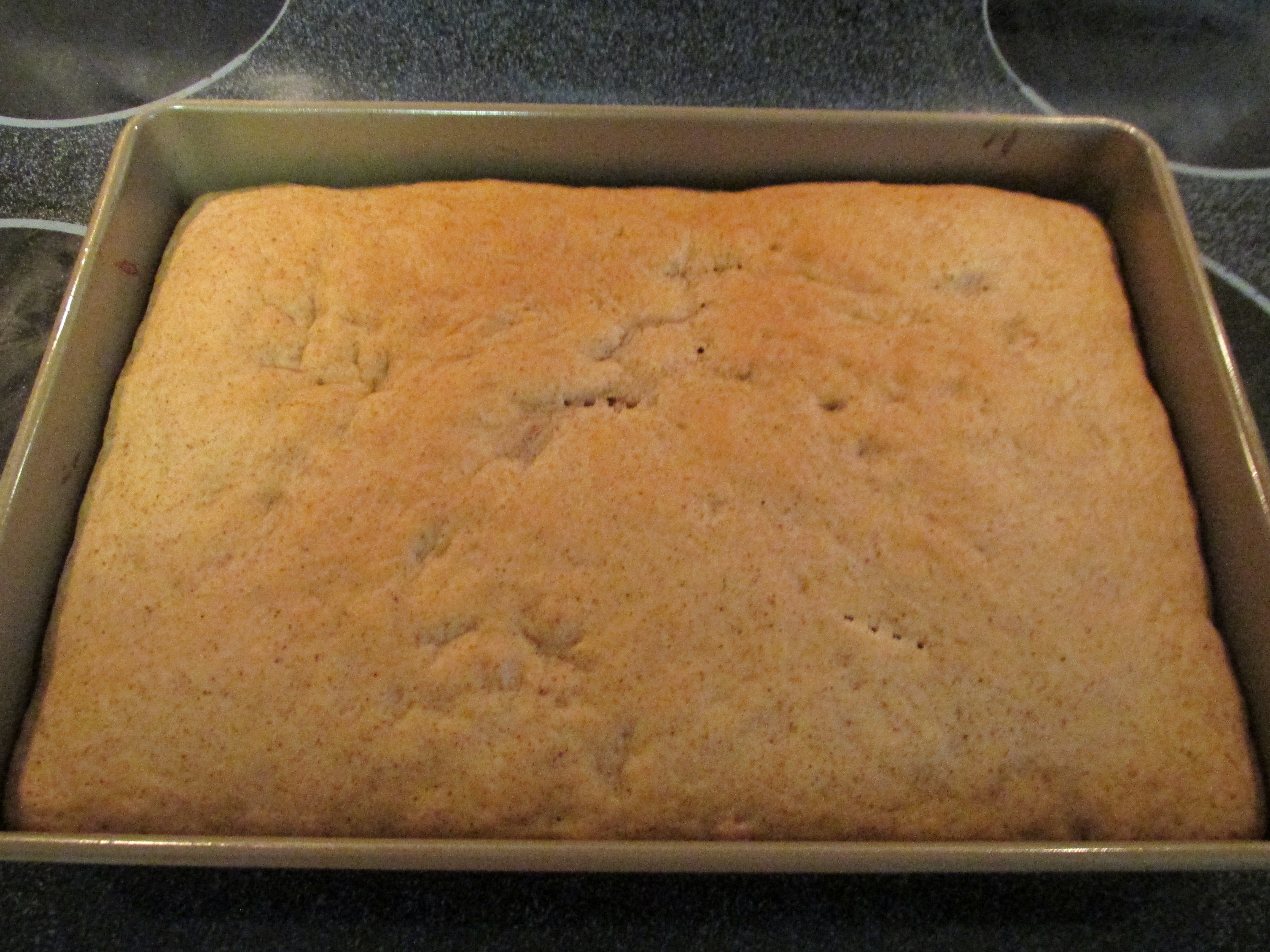
img_2420Place the cake into a pan before the final rise. I used a 13×9 pan. This looked way too large but the cake rises. It was covered with plastic wrap and set on a warm stovetop for three hours. The dough had doubled in size.

The cake baked in a 350-degree oven for twenty minutes. I liked the texture but it wasn’t spicy enough. Plums, raisins, and currants—well floured—were a few of the fruits in some early recipes. Adding one of these may be enough make a more flavorful cake.

Since this is cake/bread, no frosting was suggested in my cookbook. The addition of fruit might be enough.

Election Cakes seem to have gone the way of Election Day parades and balls. The recipe began disappearing from cookbooks around the 1940s.

Enjoy! I’d love to hear if you try this recipe.

-Sandra Merville Hart

Sources

Compiled from Original Recipes. Buckeye Cookery and Practical Housekeeping, Applewood Books, 1877.

“Election Day Cake and History,” What’s Cooking in America, 2016/10/09  https://whatscookingamerica.net/History/Cakes/ElectionCake.htm.

“Salem Dames, Election Cake, and More!” Salem Food Tours, 2016/10/09 http://www.salemfoodtours.com/2012/11/08/salem-dames-election-cake-and-november-news/#.V_rVVeArKM8.

“When Elections were a Piece of Cake,” Connecticuthistory.org, 2016/10/11  http://connecticuthistory.org/when-elections-in-hartford-were-a-piece-of-cake/.

Apple Custard

img_2382

A recipe in an 1877 cookbook for Apple Custard looked delicious. Since I had never made this type of custard, I decided to try it.

Mrs. G.W. Hensel of Quarryville, Pennsylvania, provided this recipe that calls for “mashed stewed apples.”

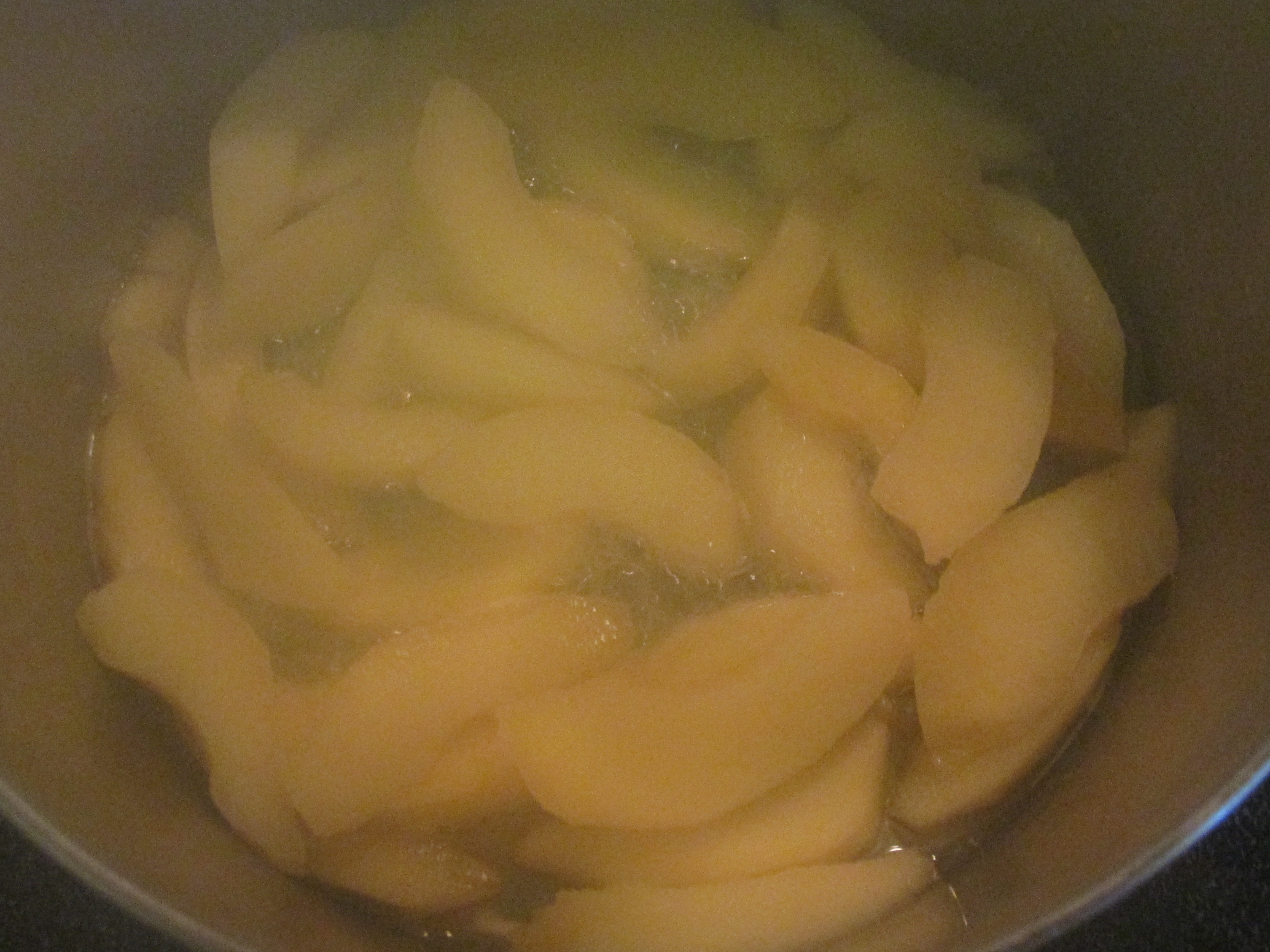
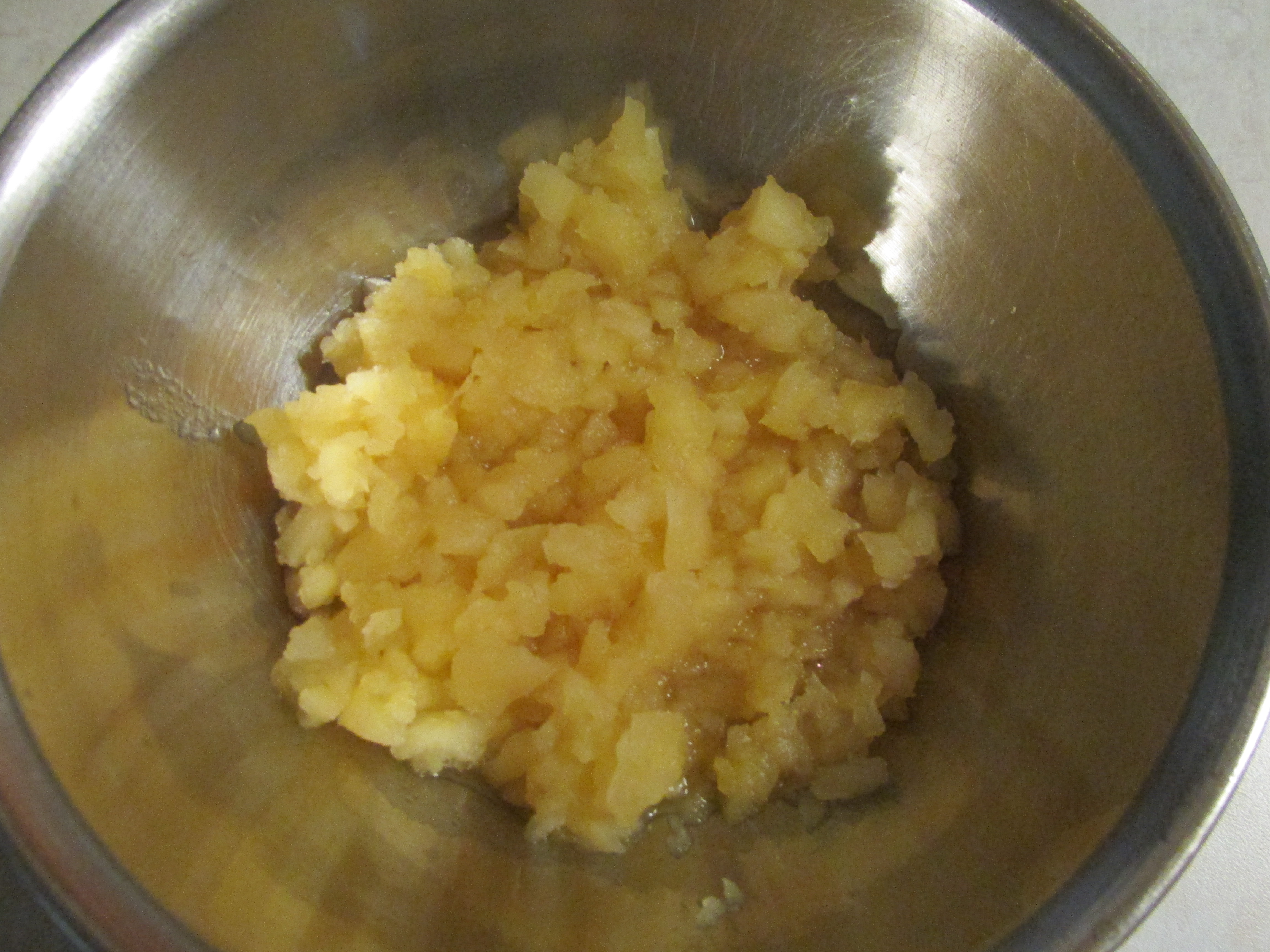
img_2380Eight ounces of apple slices cooked in water over medium heat for about fifty minutes. I replaced water as needed because the apples ran dry a few times. They cooked  until soft enough to mash. I set aside the apples to cool for a few minutes after mashing them.

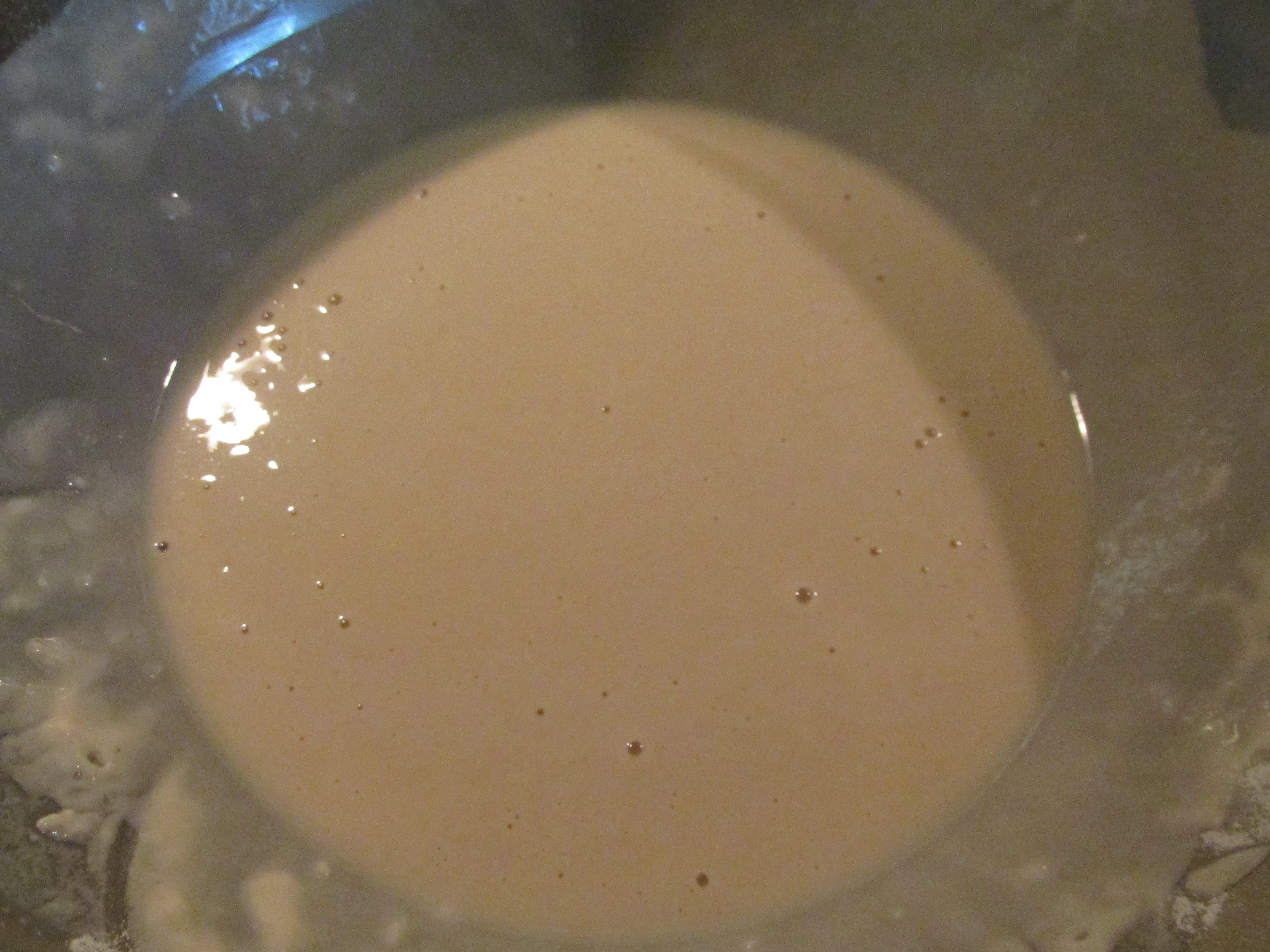
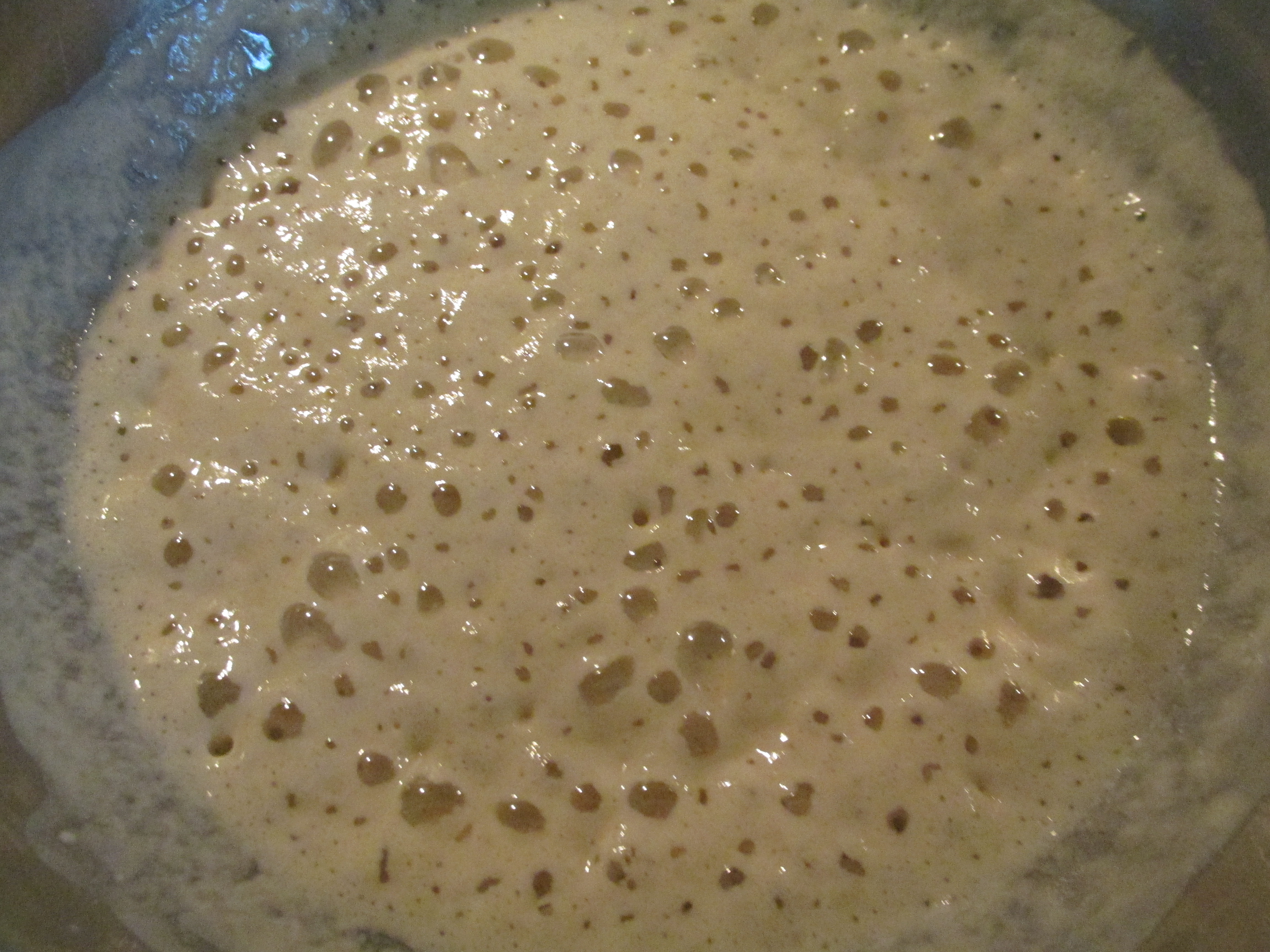
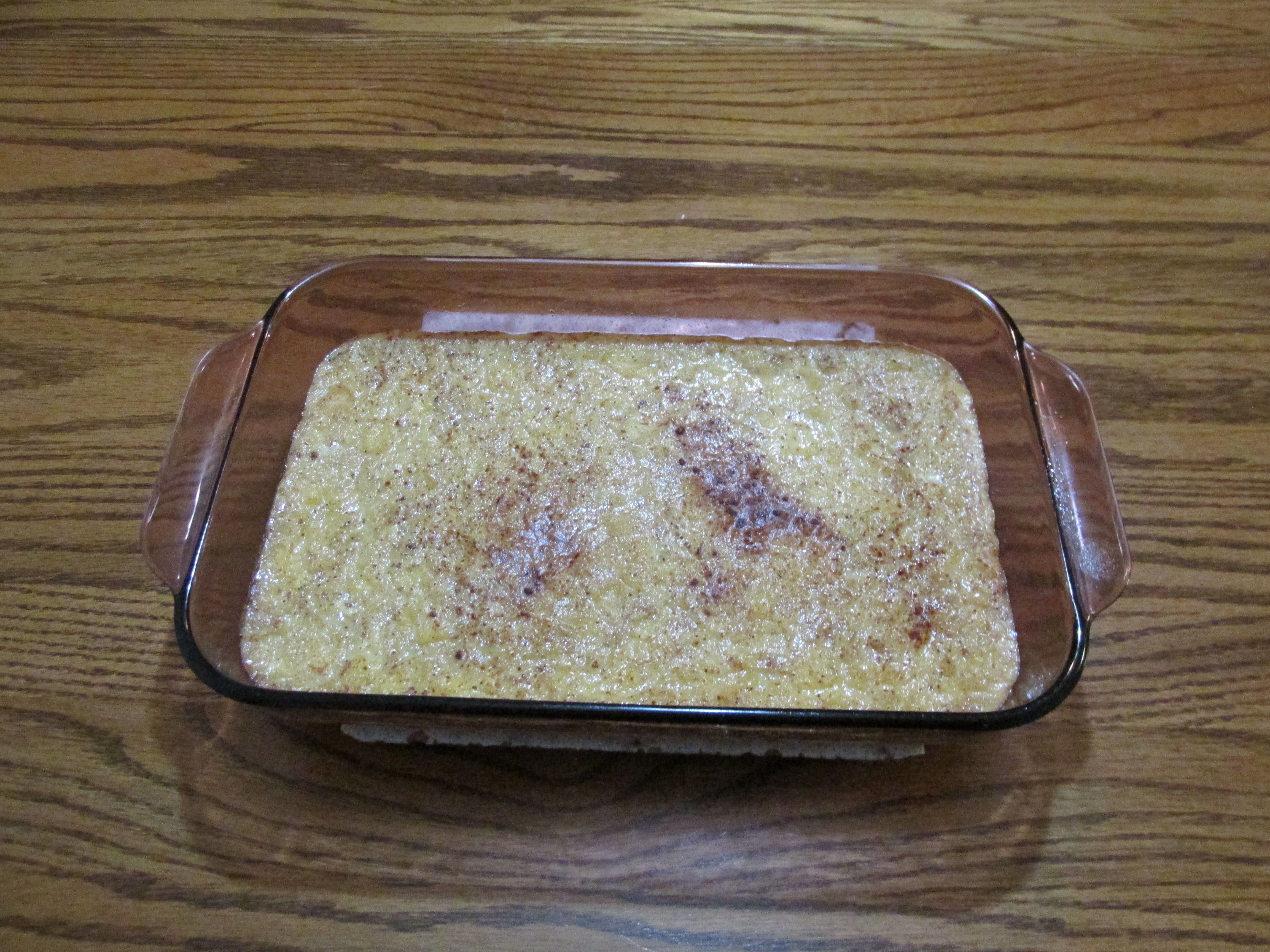
img_2381Add a half cup of sugar to the apples. Stir in one cup of milk and two beaten eggs. I interpreted a “little nutmeg” as a ½ teaspoon. Though it didn’t call for cinnamon, I added about ¼ teaspoon for a bit of added flavor. Then I sprinkled a little on the top for good measure.

Mrs. Hensel instructed cooks to bake the custard slowly. I set the oven to 300 degrees and hoped that was slow enough.

That temperature seems to work. It was very softly set after 45 minutes of baking. I left the custard in the oven for another 10 minutes when it was a bit firmer. After the custard cooled, I saw that it needed more time in the oven, maybe 30 additional minutes or more.

In addition to a longer baking time, the dessert also needed more apples. Next time I will try twice as many apples to the same ratio of other ingredients to see if the taste and texture improve. This one didn’t work for me.

Good luck! I’d love to hear if you try this recipe.

-Sandra Merville Hart

Sources

Compiled from Original Recipes. Buckeye Cookery and Practical Housekeeping, Applewood Books, 1877.


Lemon Butter

img_2376

A recipe in an 1877 cookbook for Apple Butter called for a barrel of new cider and three bushels of apples. At a loss to make that a workable size for a family, I kept searching and saw a recipe for Lemon Butter.

To my knowledge, I’ve never tasted this or even seen this sold in stores.

I combined ½ cup of sugar with two egg yolks. The zest and juice of one lemon was added to this mixture and placed in a kettle.

I used 4 tablespoons of butter for an amount “the size of two eggs.” In reality, it was probably twice that amount but we modern cooks love to cut down on fat and calories. I hoped it was enough.

img_2364The unmelted butter was added to the kettle. The instructions were to boil the mixture ten minutes so I set the burner to a medium high heat.

Bad idea.

Even with constant stirring, what started out as a pleasant yellow batter quickly scorched. After five minutes of boiling, the contents of the pan more resembled chocolate pudding. Needless to say, the whole mess ended up in the garbage with the pan soaking in the sink.

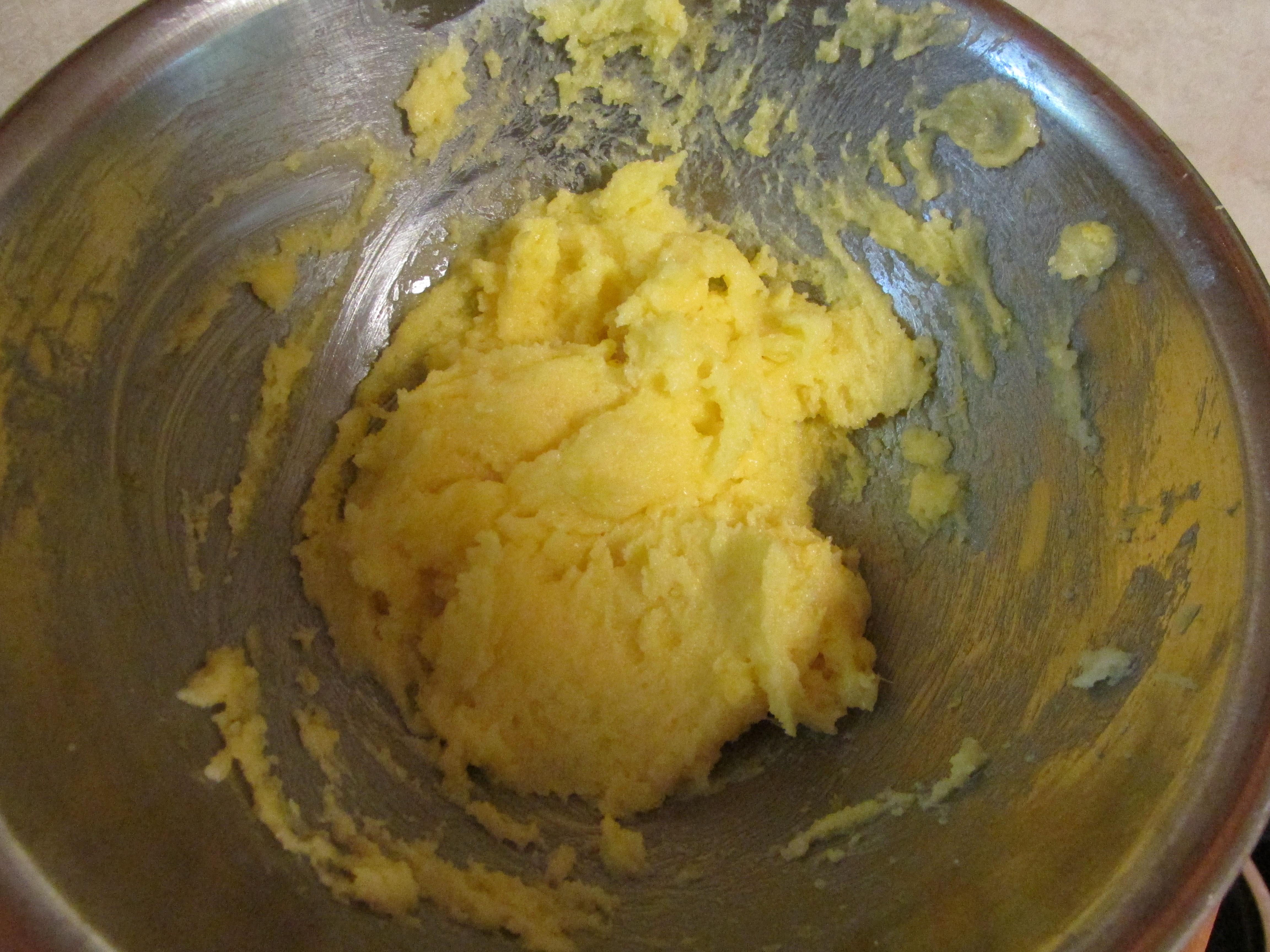
img_2368My second try saw a couple of changes. The ratio of ingredients was kept exactly the same. This time I creamed the sugar and butter together first. Beaten egg yolks were then added. After that, the zest and juice of one lemon were stirred into the mixture.

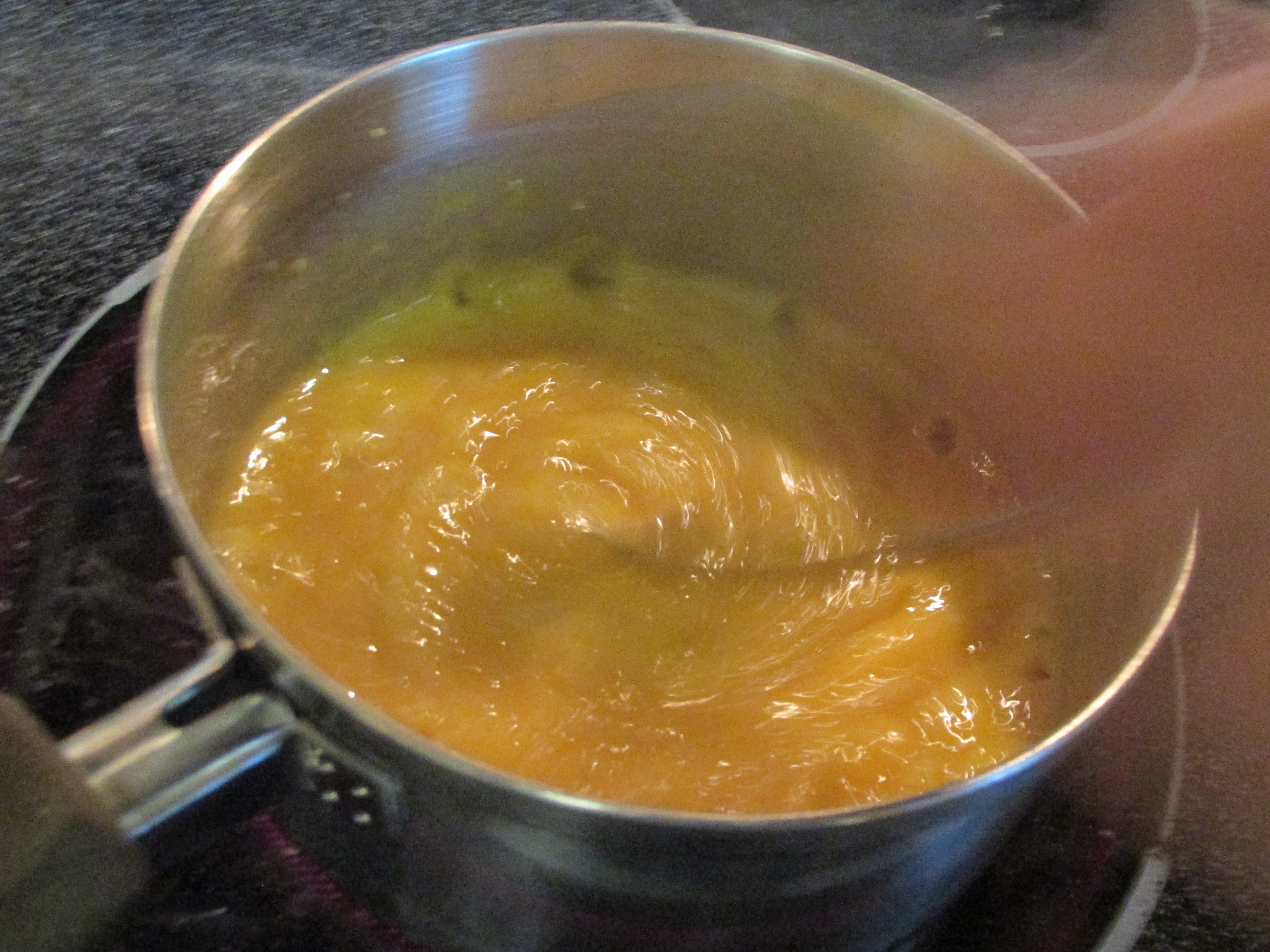
The burner started on a medium heat until the lemon butter began to bubble gently. Stirring constantly, the heat was lowered to maintain gentle simmering every time it started boiling harder. I cooked it for five minutes.

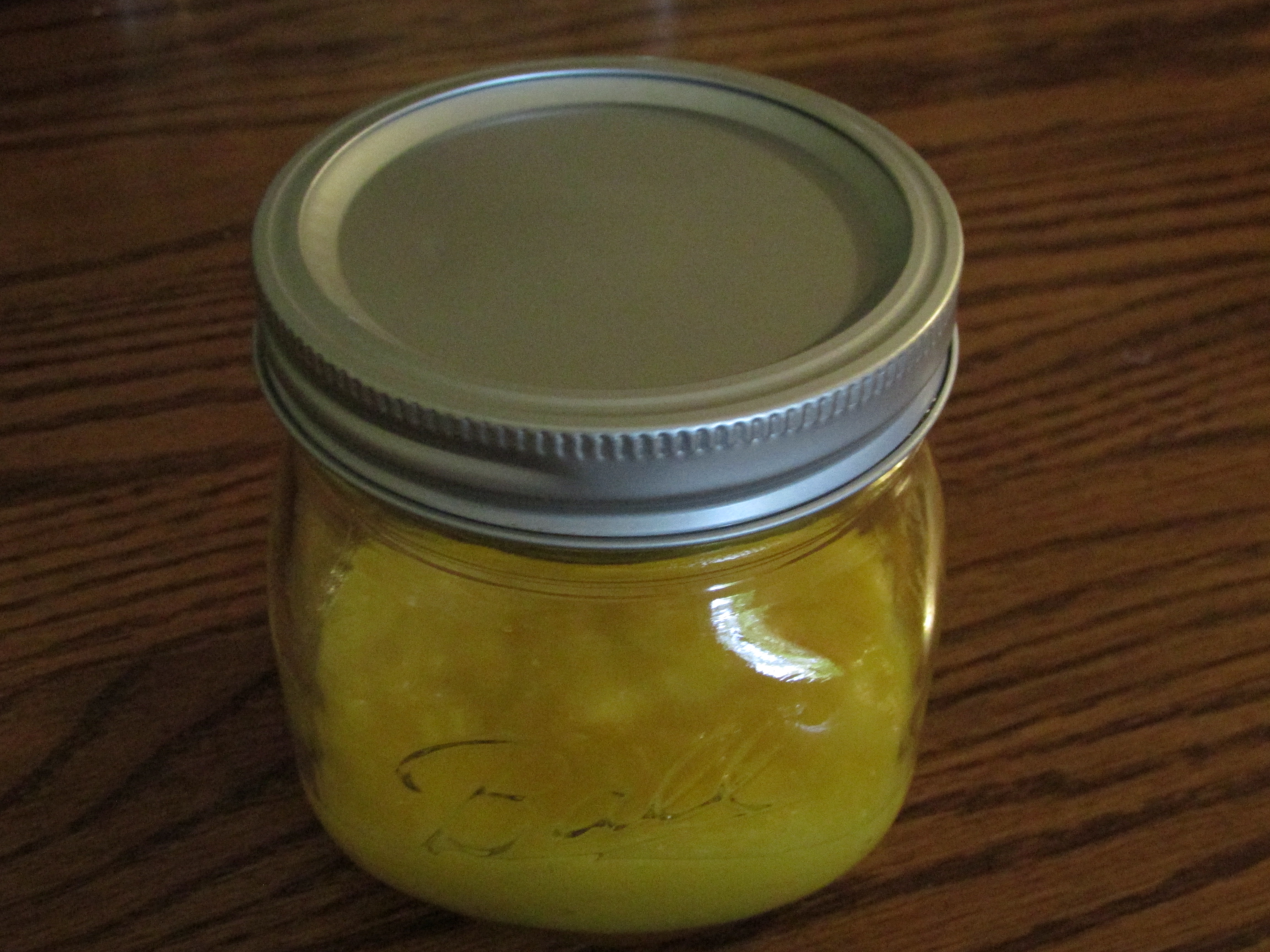
The butter didn’t scorch this time. I poured it into a pint-sized jar as it apparently keeps a long time. As you can see from the photo, it did not make a large quantity. The recipe suggested using lemon butter in tarts; this quantity would make one small tart.

img_2371Though the thick butter tastes delicious, I will double the butter added to the recipe the next time I make it. The lemon juice enhances the flavor yet loosens the batter. The extra butter should improve the consistency.

Good luck! I’d love to hear if you try this recipe.

-Sandra Merville Hart

Sources

Compiled from Original Recipes. Buckeye Cookery and Practical Housekeeping, Applewood Books, 1877.