Grand Canyon National Park

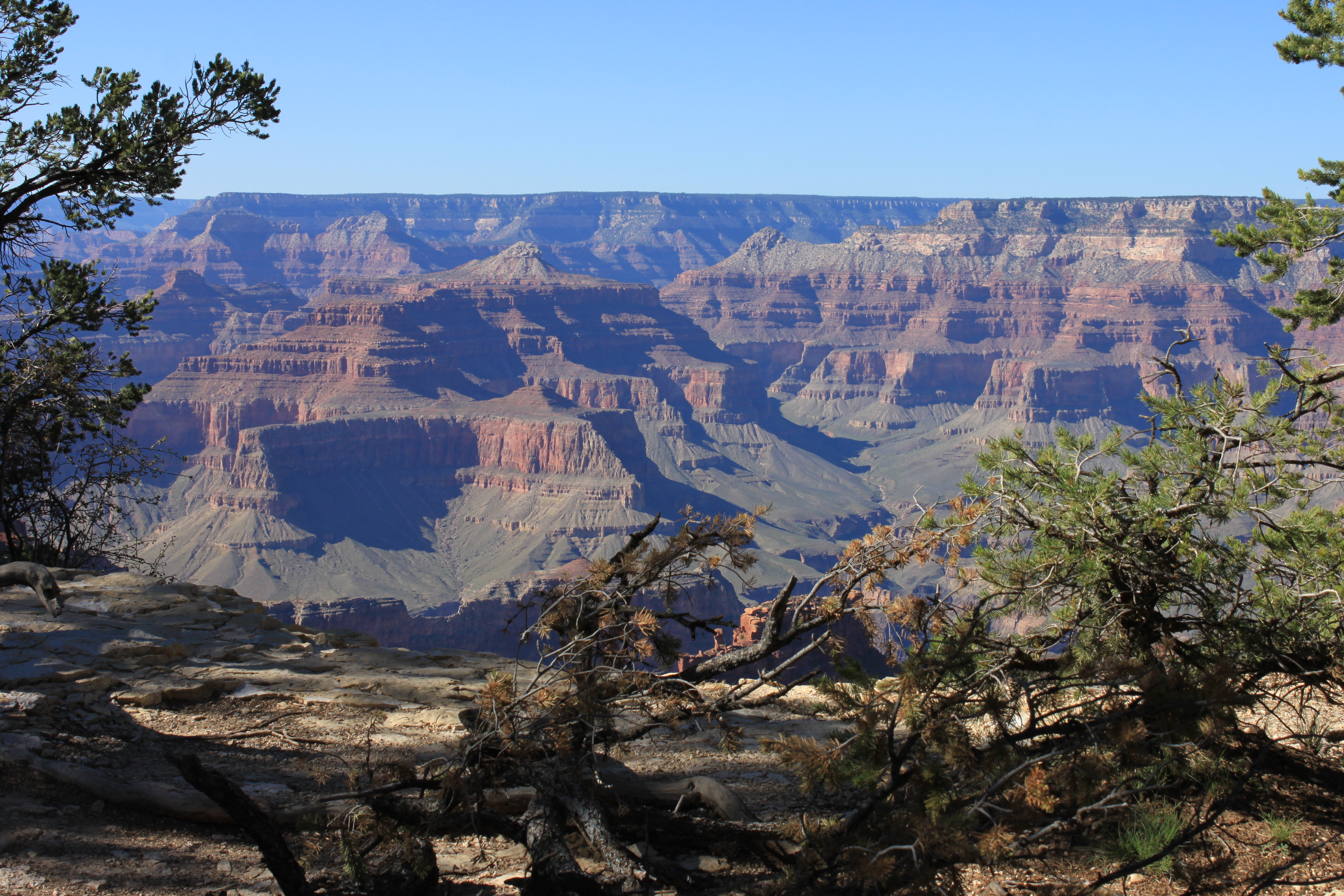
If your family is planning a vacation to Arizona, one of the most beautiful parks in our country is located in that state. The Colorado River carved out a canyon 277 miles long and 18 miles wide that is called Grand Canyon National Park.

When Theodore Roosevelt stood on the rim of the Grand Canyon in 1903, the sight filled him with awe. He said, “It is beyond comparison — beyond description; absolutely unparalleled throughout the wide world.”
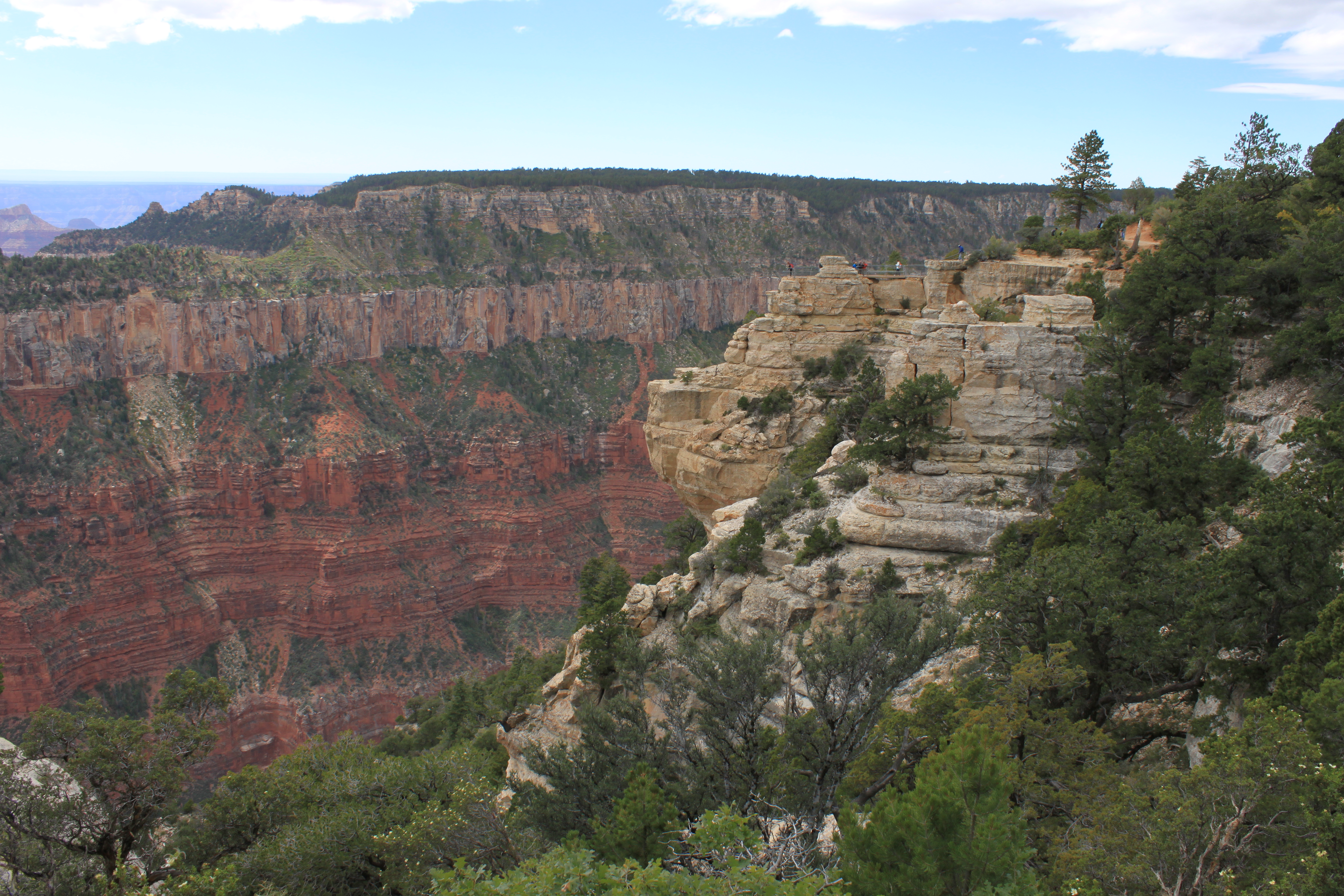
The park was established in 1919 and 5,000,000 people visit it every year. It’s known as one of the Seven Natural Wonders of the World.

Six Native American tribes live in or around Grand Canyon:  Hualapai, Havasupai, Navajo, Paiute, Hopi, and Zuni. This is a sacred place for them.

There are many ways to see the Grand Canyon. Some people take mule trips down into the canyon. Plan ahead to ride a mule because the trips fill up way in advance.
There are hour rides and half-day rides. An overnight ride includes a stay at the Phantom Ranch.

Plane and helicopter rides over the Grand Canyon give a birds-eye view of the park’s beauty.

Others take river trips. There are half-day and full-day water trips on the Colorado River or two to five-day trips. Whitewater rafting trips from Lees Ferry to Diamond Creek are professionally guided but plan ahead—these are reserved a year or two in advance.

Tourists may spot mountain lions, bobcats, coyotes, porcupines, bighorn sheep, mule deer, lizards, and frogs in the park. There are hawks, woodpeckers, owls, and the endangered California condor.

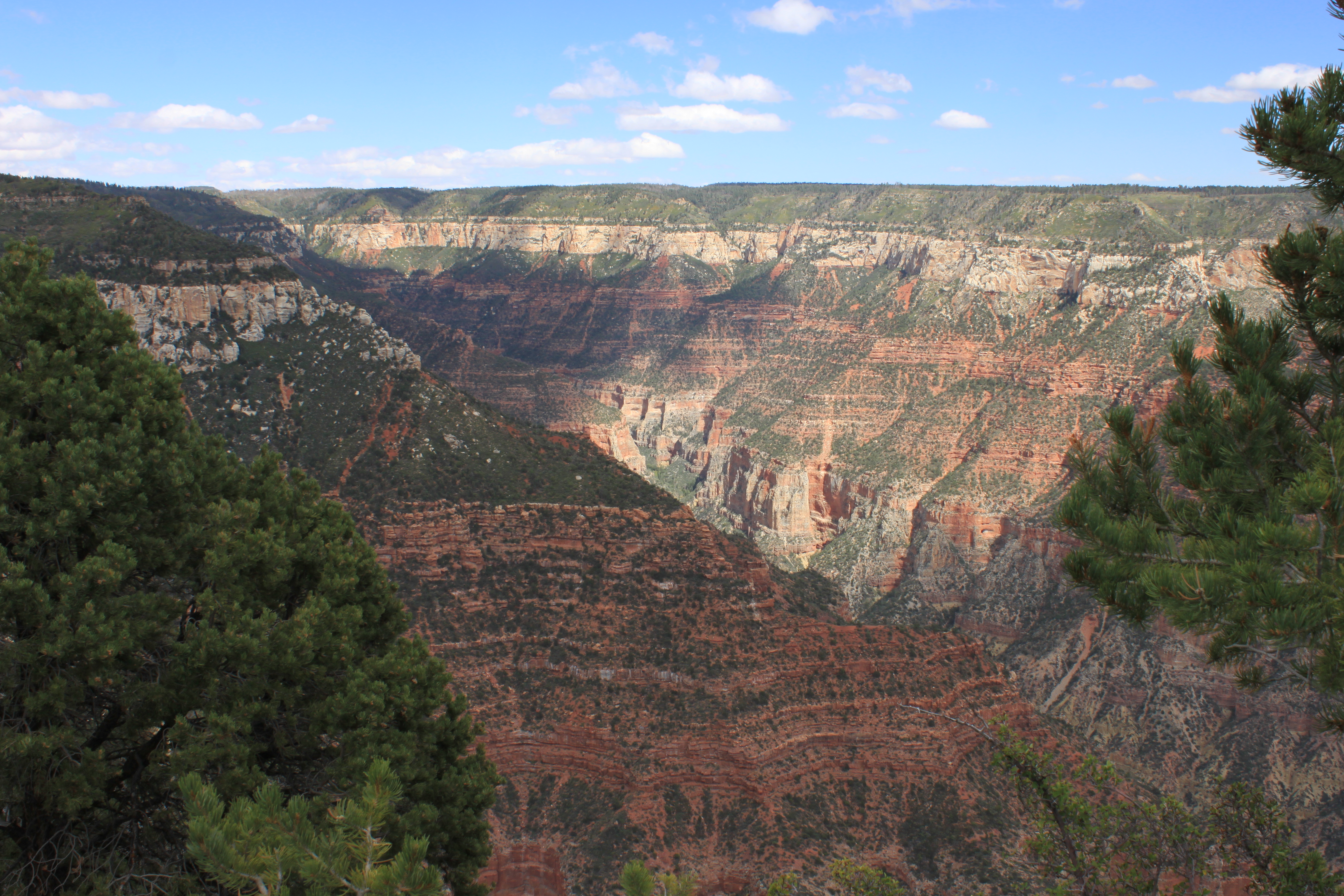
The view from the North Rim at Toroweap Overlook, with the Colorado River a 3,000-foot vertical drop away, is breathtaking. Look and listen for the Lava Falls Rapid.

Snap some photos while there. The beautiful photographs here are used courtesy of Photographer Keith Adams.

-Sandra Merville Hart

Sources:

Flynn, Sarah Wassner. National Geographic Kids: National Parks Guide U.S.A., National Geographic Society, 2012.

“Grand Canyon: Associated Tribes,” National Park Service, 2020/04/06 https://www.nps.gov/grca/learn/historyculture/associated-tribes.htm.

“Grand Canyon: National Park, Arizona,” National Park Service, 2014/12/16 http://www.nps.gov/grca/index.htm.

“Grand Canyon: People,” National Park Service, 2020/04/06 https://www.nps.gov/grca/learn/historyculture/people.htm.

“Grand Canyon Tribes,” Grand Canyon Guru, 2020/04/06 https://grandcanyonguru.com/grand-canyon-classroom/grand-canyon-tribes.

McHugh, Erin. National Parks: A Kid’s Guide to America’s Parks, Monuments, and Landmarks, Black Dog & Leventhal Publishers, Inc., 2012.
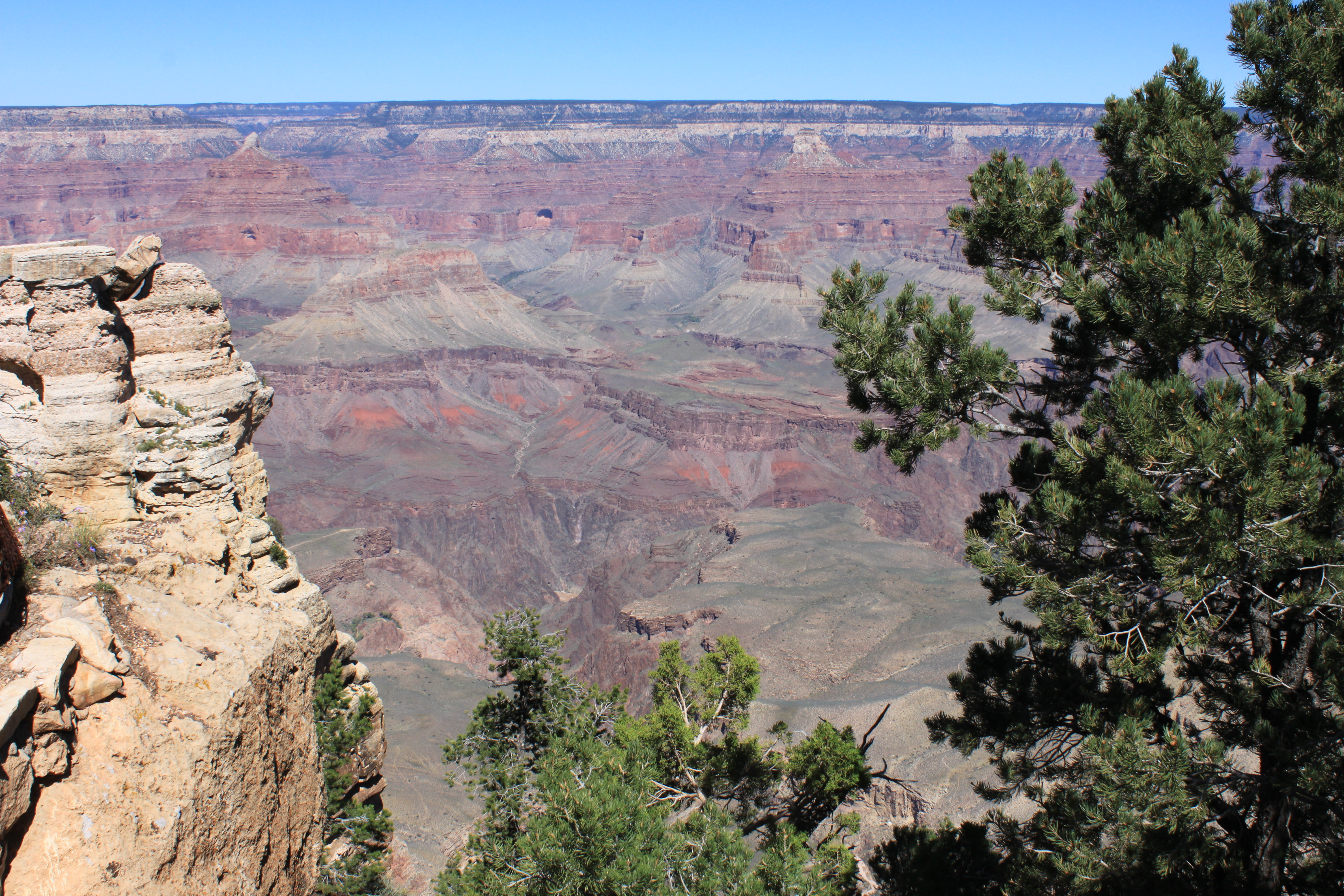
 

Early Exploration of the Grand Canyon

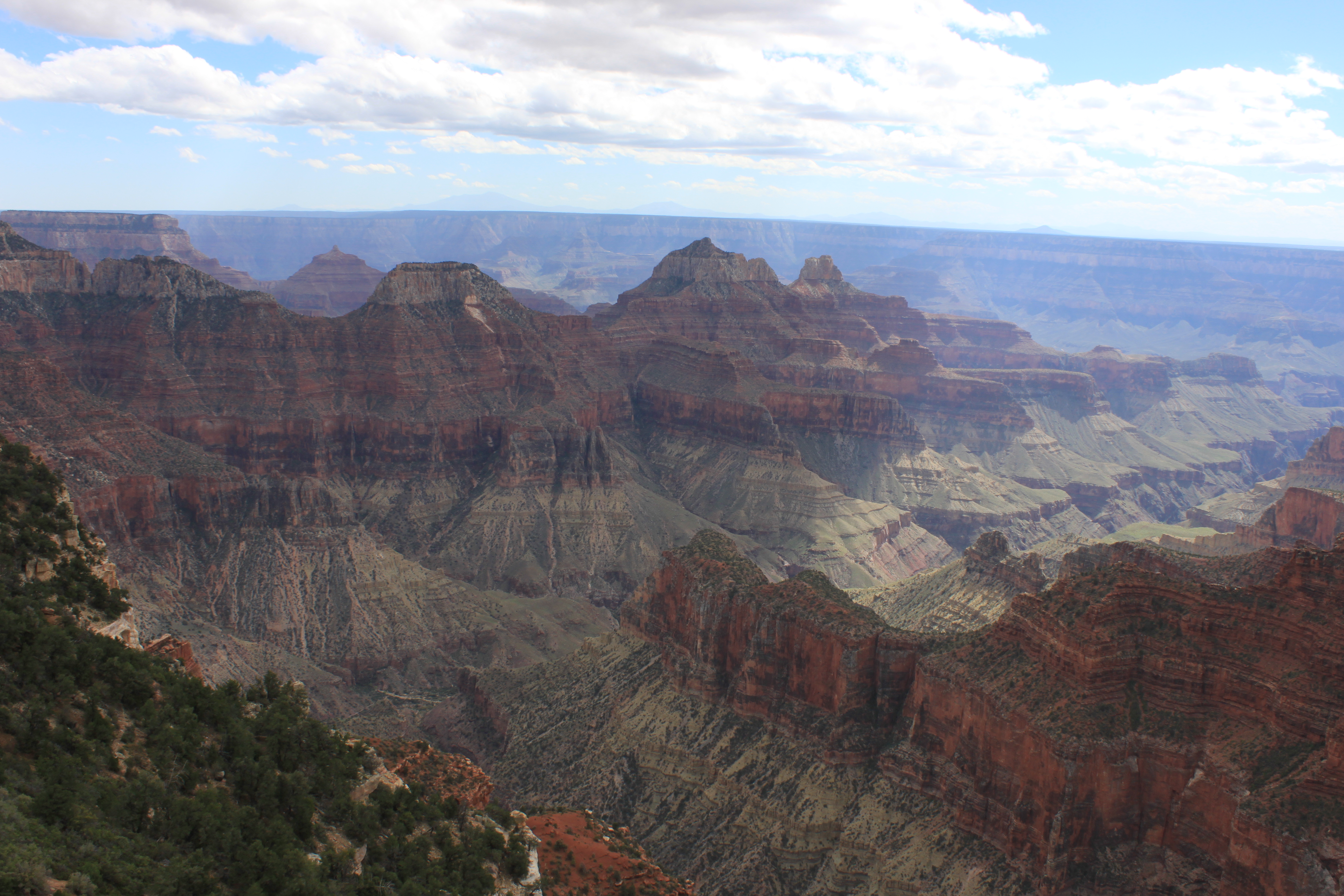
Rugged terrain hindered early exploration of the Grand Canyon.

Francisco Vazquez de Coronado and his army weren’t searching for the Grand Canyon when they arrived at the Hopi Mesas in 1540. Their ultimate goal was to find the Seven Cities of Cibola. Hoping that a “great river” would provide water passage to the Gulf of California, Coronado sent about a dozen soldiers under the leadership of Garcia Lopez de Cardenas to find it.

Hopi guides, warned not to give useful tips about the area by their leaders, escorted them to the Grand Canyon—not the Seven Cities of Cibola, but one of the Seven Natural Wonders of the World.

Observing the canyon, possibly from the South Rim, Cardenas and his soldiers accurately estimated it to be 8 – 10 miles to the other side. The Colorado River a mile below appeared about 6 feet wide—it’s actually 300 feet wide and averages a depth of 40 feet within the Grand Canyon.

Though they had found a waterway to the Gulf of California (the Colorado River flows through the Grand Canyon and eventually reaches the gulf,) the wide river and whitewater rapids weren’t the easy route they’d envisioned. These early Spanish explorers never even made it to the canyon floor. Three soldiers made it about a third of the way down the canyon and then realized the river was much wider than it looked from the rim. They climbed back up the rugged terrain and reported that the river wasn’t navigable for their ships. Cardenas and his men returned to their army and reported an impassable barrier.

In 1857, United States War Department government wanted to explore an upriver route from the Gulf of California. Lt. Joseph Ives led an expedition from the Colorado River Delta near the gulf eastward along the Colorado River in the steamboat Explorer, which struck a rock in the rapids below Black Canyon before reaching the Grand Canyon. A skiff transported his party another 30 miles. Then they walked into the canyon at Diamond Creek.

Ives wasn’t impressed with the Grand Canyon, declaring it “altogether valueless.”

Geologist John Strong Newberry, also on expedition, didn’t agree. His talks with Geologist John Wesley Powell sparked that army man’s interest. In 1869, Major Powell, a Civil War veteran, began explorations later known as the Powell Expeditions. Mountain men, Civil War veterans, and ex-trappers accompanied him. Four boats left Wyoming on the Colorado River toward the Grand Canyon. Rapids in the Lodore Canyon cost them equipment and food when one boat sank.

Powell’s next expeditions was more successful and included scientists, a photographer, and an artist. Photographs, illustrations, and systematic notes detailed rock formations and archaeological locations. They generated public interest.

Geologist Clarence Dutton conducted a geological survey in 1880-81.

In 1882, Santa Fe Railroad reached Flagstaff, Arizona. A year later, tourists traveled by stage coach to the Grand Canyon next year.

Nearly 6 million tourists visited the Grand Canyon last year, though it’s a less arduous trip these days!

-Sandra Merville Hart

**Photos courtesy of Photographer Keith Adams.

Sources:

“Colorado River,” Wikipedia, 2020/04/09 https://en.wikipedia.org/wiki/Colorado_River.

“Grand Canyon: People,” National Park Service, 2020/04/06 https://www.nps.gov/grca/learn/historyculture/people.htm.

“Grand Canyon Trivia,” Grand Canyon Expeditions Company, 2020/04/09 https://www.gcex.com/grand-canyon-trivia/.

History.com editors. “Grand Canyon,” History, 2020/04/06 https://www.history.com/topics/landmarks/grand-canyon.

“History of the Grand Canyon,” Wikipedia, 2020/04/06 https://en.wikipedia.org/wiki/History_of_the_Grand_Canyon_area.

“Joseph Christmas Ives,” Wikipedia, 2020/04/09 https://en.wikipedia.org/wiki/Joseph_Christmas_Ives.


Bryce Canyon National Park

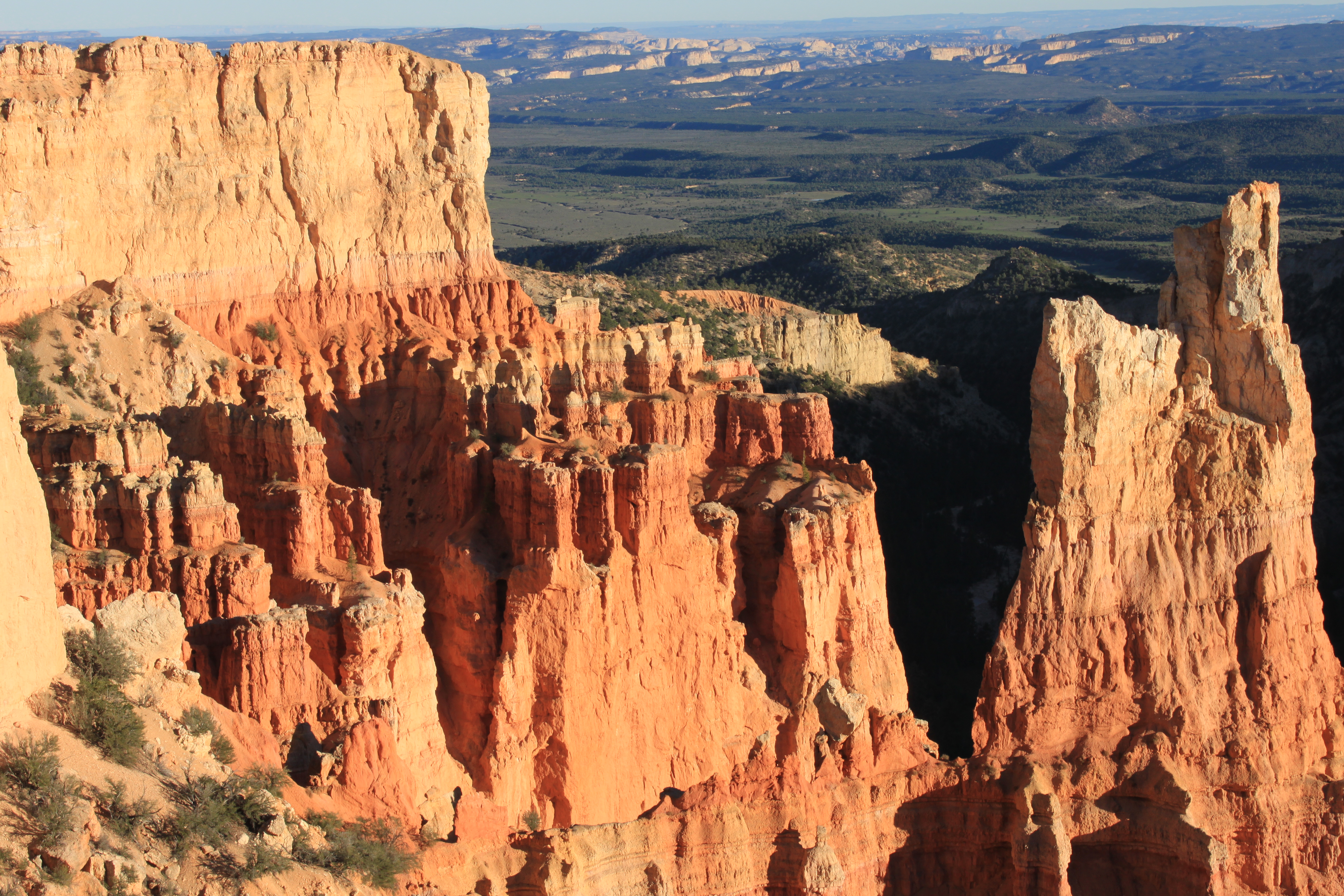
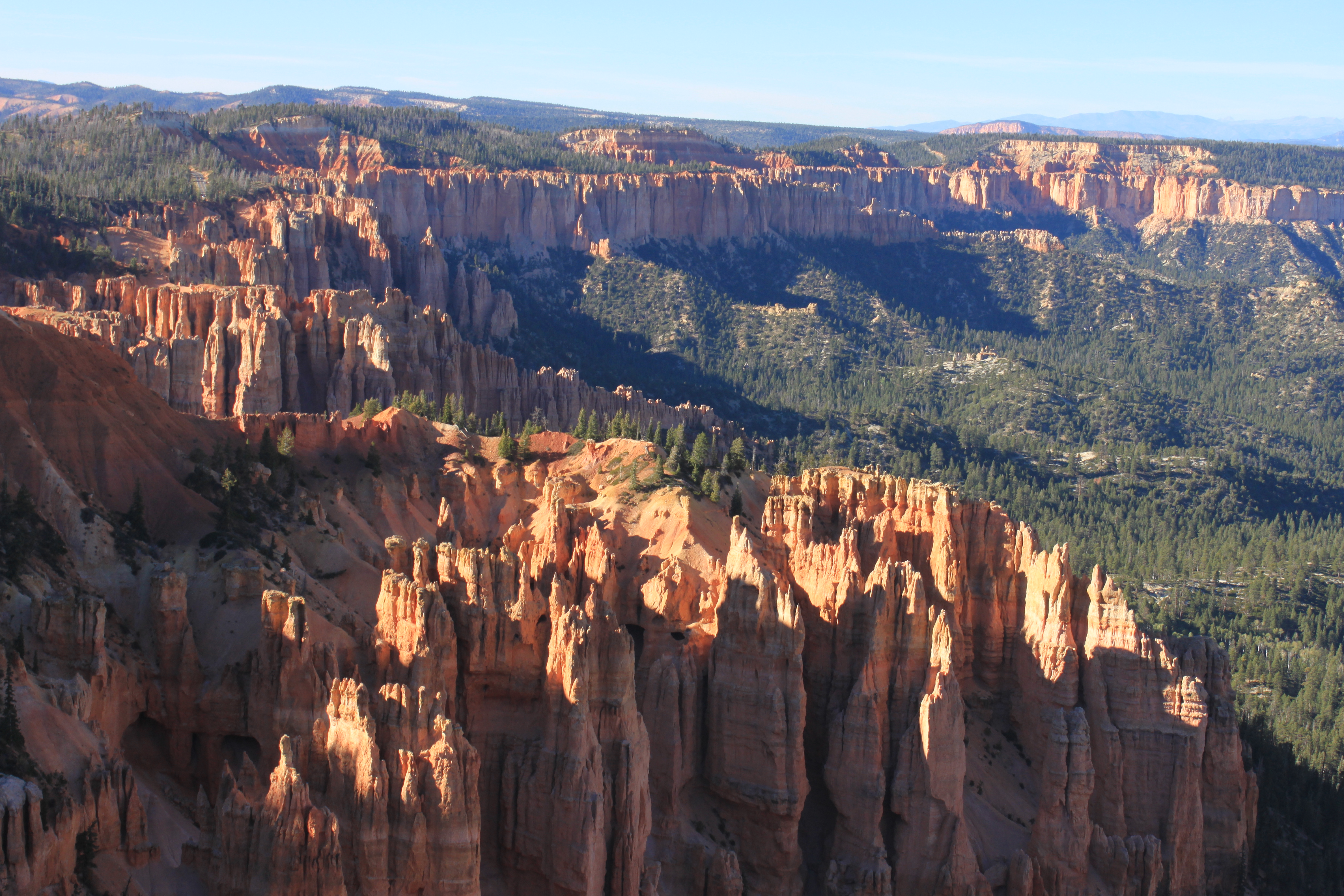
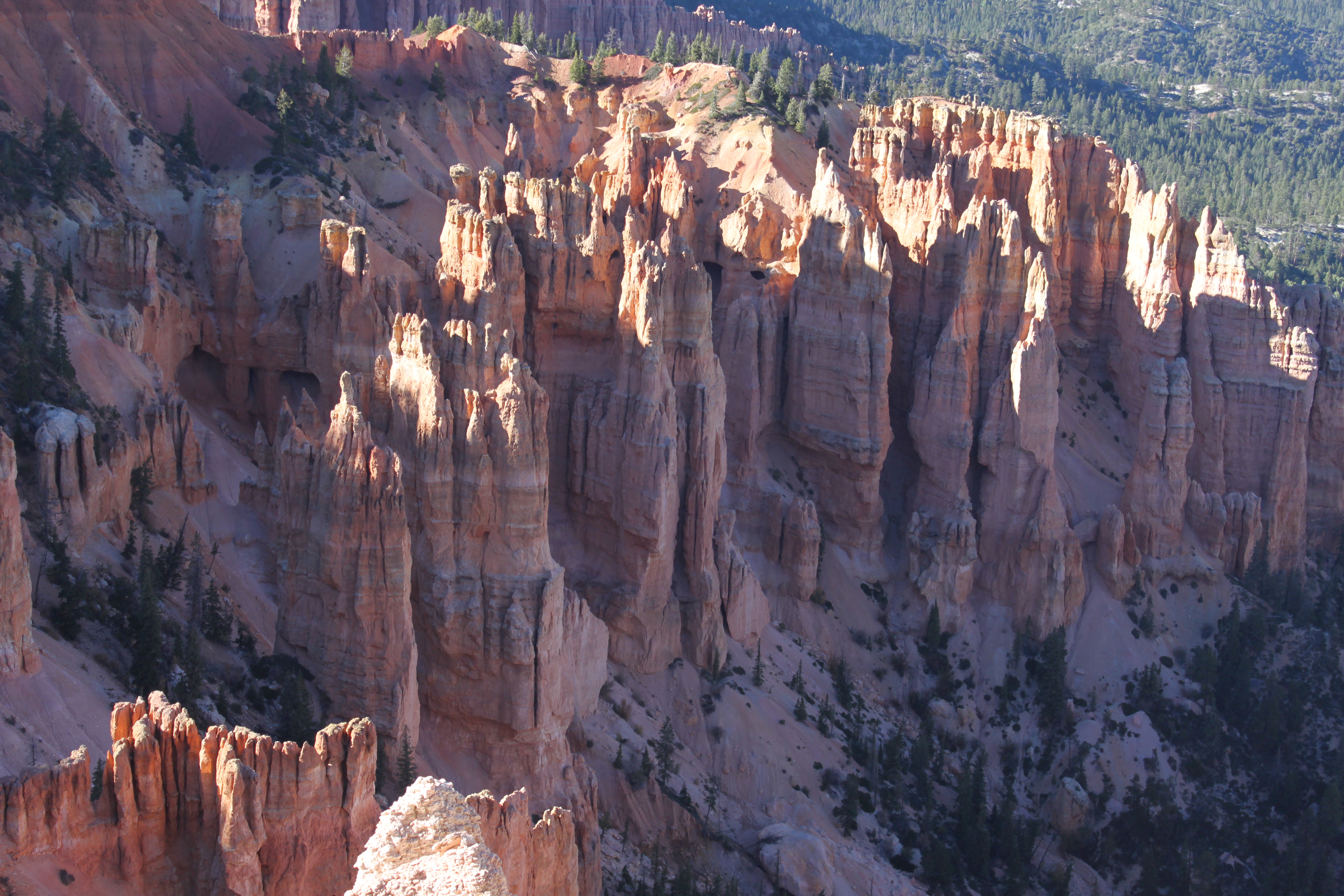
Utah’s Bryce Canyon National Park, established on February 25, 1928, is famous for its oddly-shaped spires of rock called hoodoos.

These columns of multi-tinted rock can be as short as a human adult or as tall as a ten-story building. This variation of size and color creates a breathtaking view. The sporadic placement of hoodoos has fashioned natural mazes. Walk or hike them.

The park’s 35,835 acres contain horseshoe-shaped amphitheaters, slot canyons, and hoodoos. Fir-spruce forests and meadows border the rim, which varies from 8,000 – 9,000 feet.

Star-gazers will love the inky night sky at Bryce Canyon, where some 7,500 stars can be viewed without a telescope. Full moons during night hikes light up the hoodoos but you’ll also need headlamps. The park offers astronomy programs, though you must sign up early for them.

The best place to watch the sun rise is at Inspiration Point. The hoodoos turn red, pink, orange, and yellow in the rising sun. Another beautiful view can be found at Bryce Point. Rainbow Point is a nice picnic spot.

The Bryce Canyon Paintbrush is a beautiful, rare flower that only grows in southern Utah.

Fifty miles of hiking trails, ranger programs, horseback rides, and picnic areas offer plenty to do in the summer. Surprisingly, cross-country skiing and snowshoeing are winter activities. There is a free shuttle between Ruby’s Inn and Bryce Point during summer months.

Looking for a place to stay? The park has two campgrounds and there are hotels in cities nearby like Bryce Canyon City and Tropic.

Park visitors may see the endangered Utah prairie dogs pop their heads out of an underground burrow. Other wildlife includes the pronghorn—the fastest land mammal in the United States. These fast runners can reach speeds of 60 mph.

I’m grateful to Photographer Keith Adams for sharing his beautiful photos of the park with us. Thanks, Keith!

-Sandra Merville Hart

Sources:

“Bryce Canyon: National Park, Utah,” National Park Service, 2020/04/06 http://www.nps.gov/brca/index.htm.

“Bryce Canyon National Park,” Utah Office of Tourism, 2020/04/06, https://www.visitutah.com/places-to-go/parks-outdoors/bryce-canyon/.

Flynn, Sarah Wassner. National Geographic Kids: National Parks Guide U.S.A., National Geographic Society, 2012.

McHugh, Erin. National Parks: A Kid’s Guide to America’s Parks, Monuments, and Landmarks, Black Dog & Leventhal Publishers, Inc., 2012.
Palmerlee, Danny; Bendure, Glenda; Friary, Ned; Karlin, Adam; Matchar, Emily; Sainsbury, Brendan. Discover USA’s Best National Parks, Lonely Planet Publications, 2012.


Yellowstone National Park

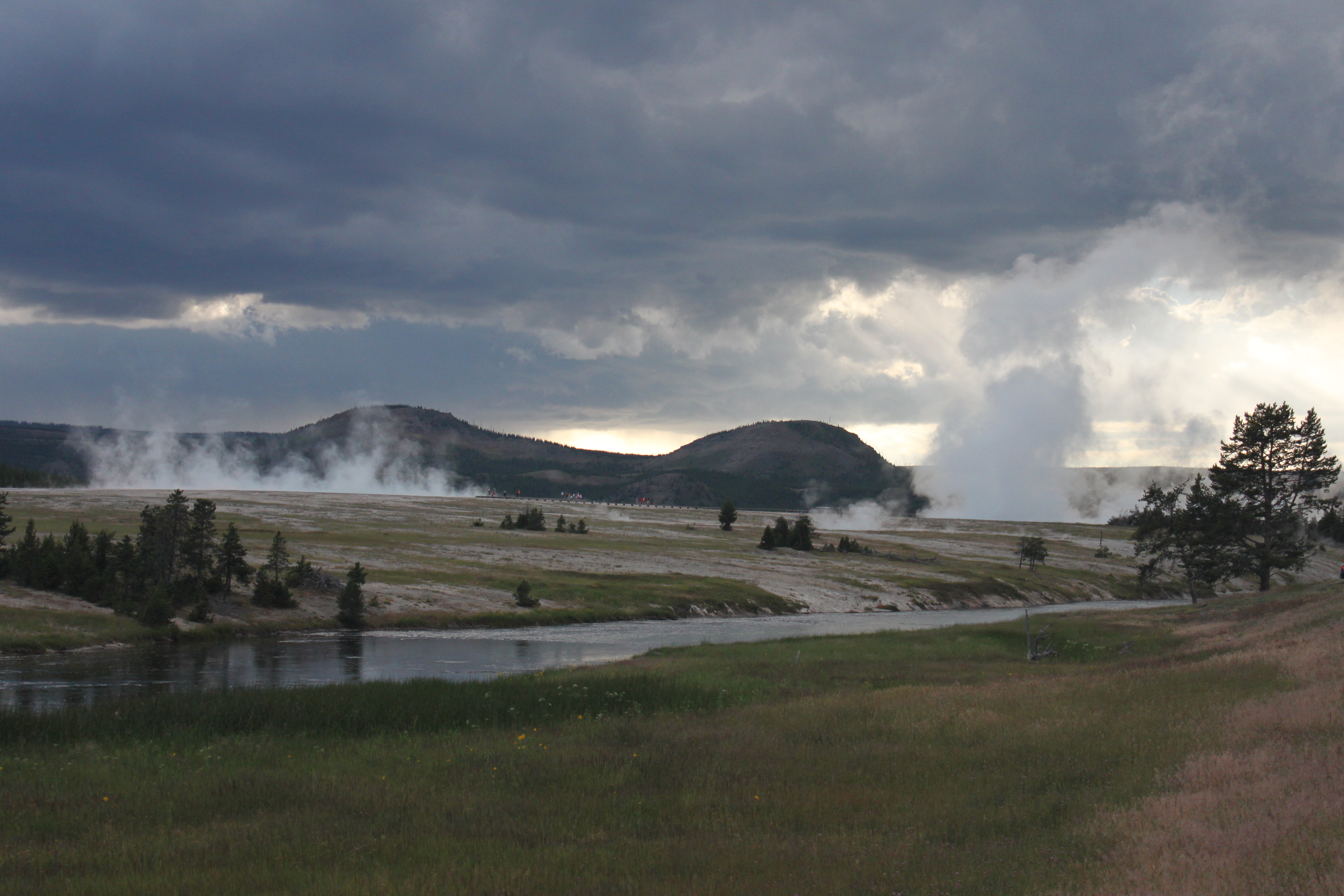
Yellowstone National Park, the oldest national park in the United States, was selected due to the location’s hot springs, mud spots, and geysers. Established in 1872, 96% of the park is in Wyoming and the rest is in Idaho and Montana.

The park is larger than Delaware and Rhode Island combined. Over 3,600,000 annual visitors come to see around 500 geysers and hot springs. There are more active geysers in the park than anywhere else on earth.

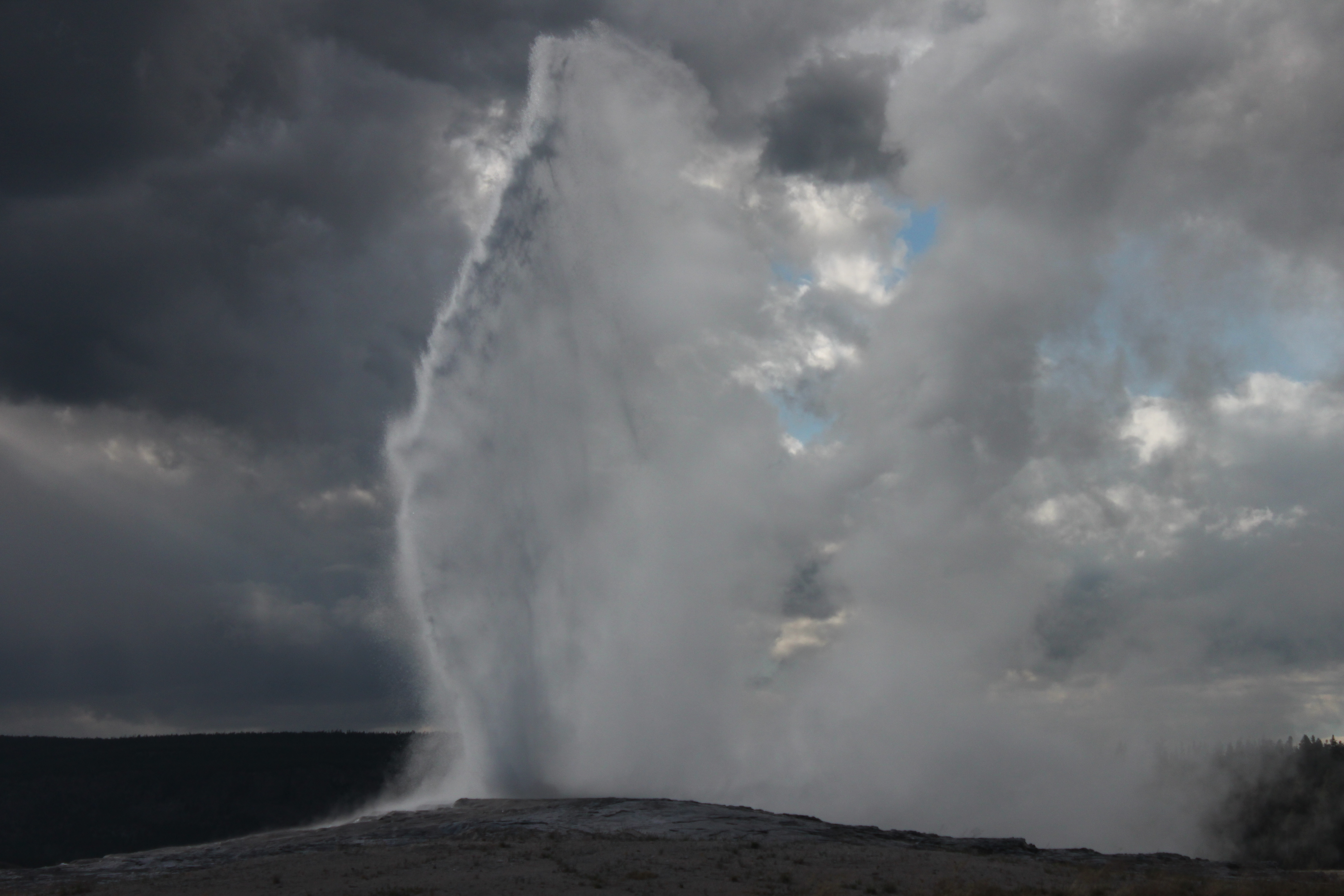
Old Faithful, which erupts at intervals of 60 to 110 minutes, is the park’s best-known geyser. It reaches an impressive height of 106 to 184 feet with eruptions lasting from 1 ½ – 5 minutes.

A fun fact about Old Faithful: in the late 1800s, visitors used the geyser to wash their clothes. They arranged their dirty laundry in the crater and after it erupted the clothes were clean. One problem with this was that it shredded wool clothing. I’m guessing that bachelors took advantage of this convenient way to do laundry!

Though experts don’t expect a major eruption of Yellowstone’s active volcano, it is monitored for the sake of safety.

A surprising number of earthquakes occur in the park each year—from several hundred to thousands. A 4.8 magnitude earthquake occurred on March 30, 2014, the largest since the 1980s. Those in the park and nearby towns felt the tremors.

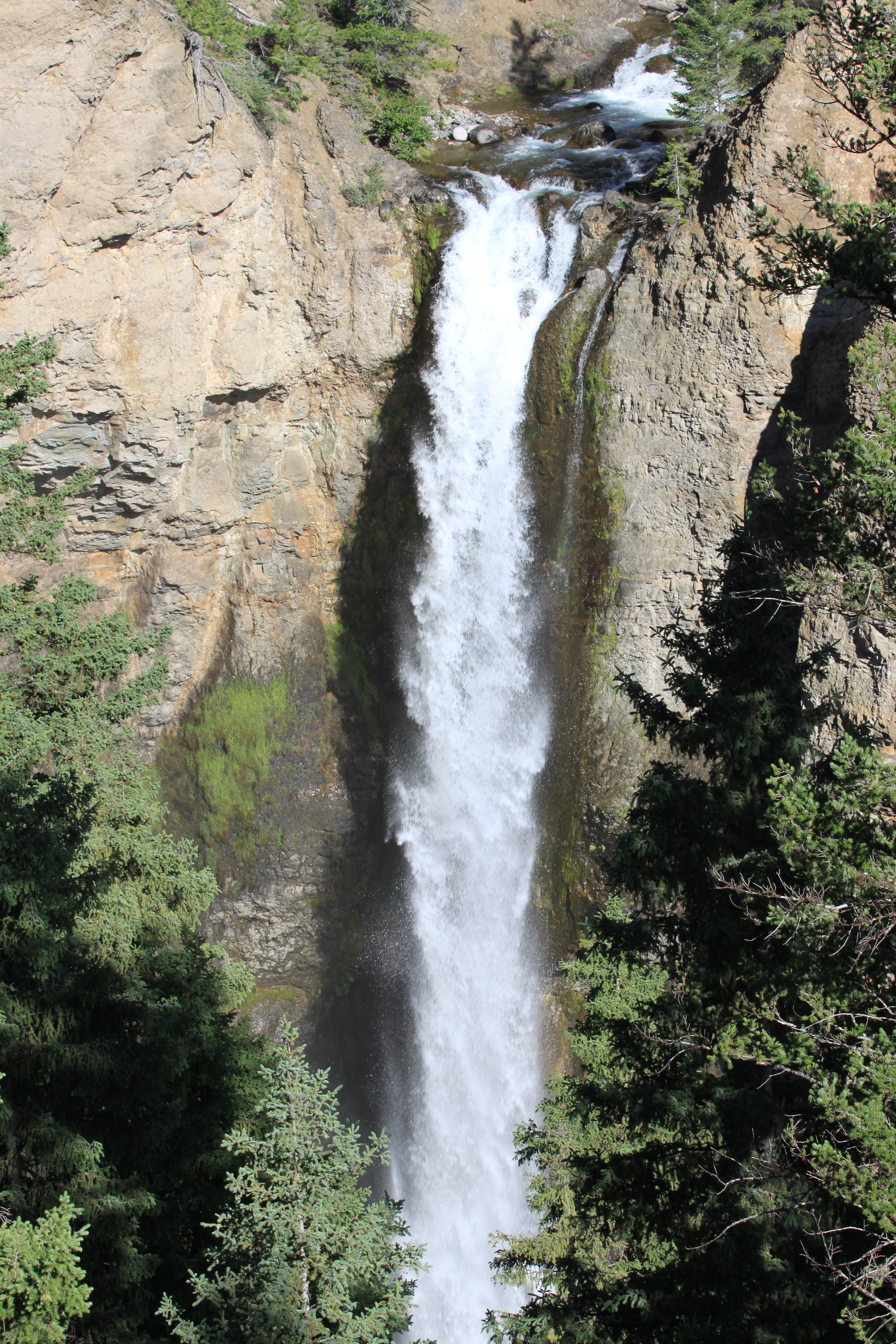
There are almost 300 waterfalls of fifteen feet or higher inside the park. The tallest waterfall, at 308 feet, is Lower Falls of the Yellowstone River.

Elk, mountain lions, trumpeter swans, moose, bison, grizzly bears, and lynx are among the many wild animals who call Yellowstone National Park home.

Have your camera ready to snap a photo. All these beautiful photos are from Keith Adams, photographer. Thanks for sharing them, Keith!

-Sandra Merville Hart

Sources:

Flynn, Sarah Wassner. National Geographic Kids: National Parks Guide U.S.A., National Geographic Society, 2012.

McHugh, Erin. National Parks: A Kid’s Guide to America’s Parks, Monuments, and Landmarks, Black Dog & Leventhal Publishers, Inc., 2012.
Palmerlee, Danny; Bendure, Glenda; Friary, Ned; Karlin, Adam; Matchar, Emily; Sainsbury, Brendan. Discover USA’s Best National Parks, Lonely Planet Publications, 2012.

“Yellowstone: Geology,” National Park Service, 2020/04/06 https://www.nps.gov/yell/learn/nature/geology.htm.

“Yellowstone: National Park, ID, MT, WY,” National Park Service, 2014/12/16 http://www.nps.gov/yell/faqs.htm.