President Washington Declares a Day of Thanksgiving

The Revolutionary War was behind them. The young nation established a new government. Leaders wrote a new United States Constitution. The nation elected its first president. Peace reigned again.

New Jersey Representative Elias Boudinot asked Congress to pass a resolution requesting that President George Washington declare a thanksgiving observance.

Congress passed the resolution. President Washington agreed.

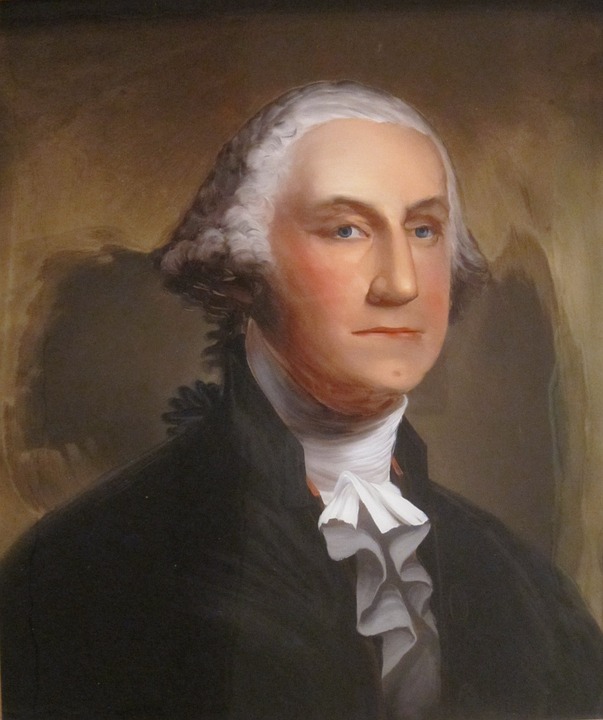
On October 3, 1789, Washington issued a proclamation. Thursday, November 26, 1789 was to be a national day of thanks to God. He reminded Americans that the Almighty’s care and provision had led them through the Revolution and helped them establish a new government and Constitution.

Washington sent the proclamation to state governors, requesting they announce the observance to their citizens. Newspapers printed the announcement.

Public celebrations and church services marked that Thanksgiving day.  Washington attended a church in New York city, St. Paul’s Chapel. He remembered those who were imprisoned for debts in the city by giving them food and beer.

The proclamation did not establish Thanksgiving as a national holiday. Though Washington and other presidents declared days of Thanksgiving from time to time, Lincoln was the one to set aside an annual observance of the day.

-Sandra Merville Hart

Source

Byron, T.K. Ph.D. “Thanksgiving,” Mount Vernon, 2017/10/30 http://www.mountvernon.org/digital-encyclopedia/article/thanksgiving/.


George Washington’s Vision for a National Road

George Washington’s vision for a major road westward likely built over time.

The Ohio Company of Virginia owned a trading post on the Monongahela River, which is now Brownsville, Pennsylvania, in the 1750s. George and his half-brother Lawrence were members of this organization that hired Colonel Thomas Cresap to oversee the blazing of a trail from Cumberland, Maryland, to its trading post in 1752. Cresap hired Delaware Indian Nemacolin who performed the task. The new trail was called Nemacolin’s Path.

The following year, the French occupied Fort Le Boeuf (currently Waterford, Pennyslvania), an area in British territory. Major George Washington, sent by Virginia Governor Robert Dinwiddie to order them to leave, rode his horse over the future National Road. The French ignored the warning.

In 1754, Washington commanded a small army with orders to remove the French from Fort Duquesne (Pittsburgh.) Washington’s small army traveled over ground that would become the National Road. He was ambushed and eventually surrendered.

As aide to British General Edward Braddock, Washington again found himself traveling toward the French at Fort Duquesne in 1755. Braddock ordered 500 axmen to clear a road for his supply wagons and infantry. The army was ambushed again and Braddock was killed.

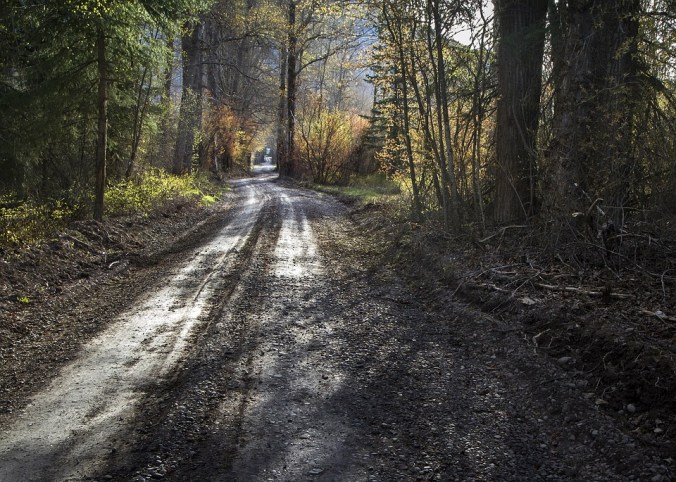
The road his army blazed, marked by stumps and brush, was called Braddock’s Road. It ends near Pittsburgh. Early pioneers preferred packhorse trails over the rough road.
After the Revolutionary War in 1784, Washington focused on his western holdings. He took the same difficult route westward as he’d taken in 1754. Then he called a meeting at a land agent’s cabin on the Cheat River (currently Morgantown, West Virginia) in September of 1784. He asked for opinions on the best route between the upper Potomac to an Ohio River tributary.

A young surveyor, Albert Gallatin, was present at that meeting. He surprised Washington by agreeing that a passage through the mountains of northwestern Virginia (now West Virginia) was the best route. Washington agreed.

Our first President died in 1799 without seeing his vision for a national road realized, but Gallatin didn’t forget. President Thomas Jefferson selected him to become Secretary of the Treasury. One of Gallatin’s duties was the disposition of western public lands.

Gallatin lived in southwestern Pennsylvania. He approved of a road there and assured Jefferson that this type of road was “of primary importance.”

Congress voted on March 29, 1806, to lay a road from Cumberland, Maryland, to Ohio.

Perhaps Gallatin thought of a long-ago meeting in the Virginia wilderness with a famous Revolutionary War general and future President as the National Road was voted into law.

-Sandra Merville Hart

Sources

Day, Reed B. The Cumberland Road: A History of the National Road, Closson Press, 1996.

Schneider, Norris F. The National Road: Main Street of America, The Ohio Historical Society, 1975.

 

President Washington Ends the Whiskey Rebellion

George Washington became the first President of the United States in 1789 to a nation in debt from the Revolutionary War. Alexander Hamilton, Secretary of Treasury, proposed the first national internal revenue tax to reduce the national debt. Congress passed a tax on distilled spirits in 1791.

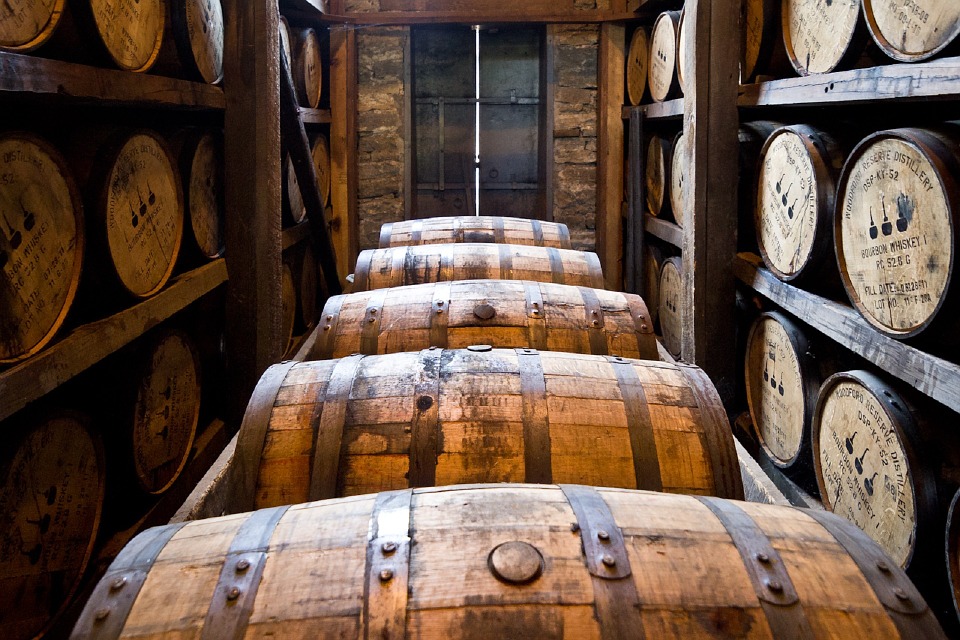
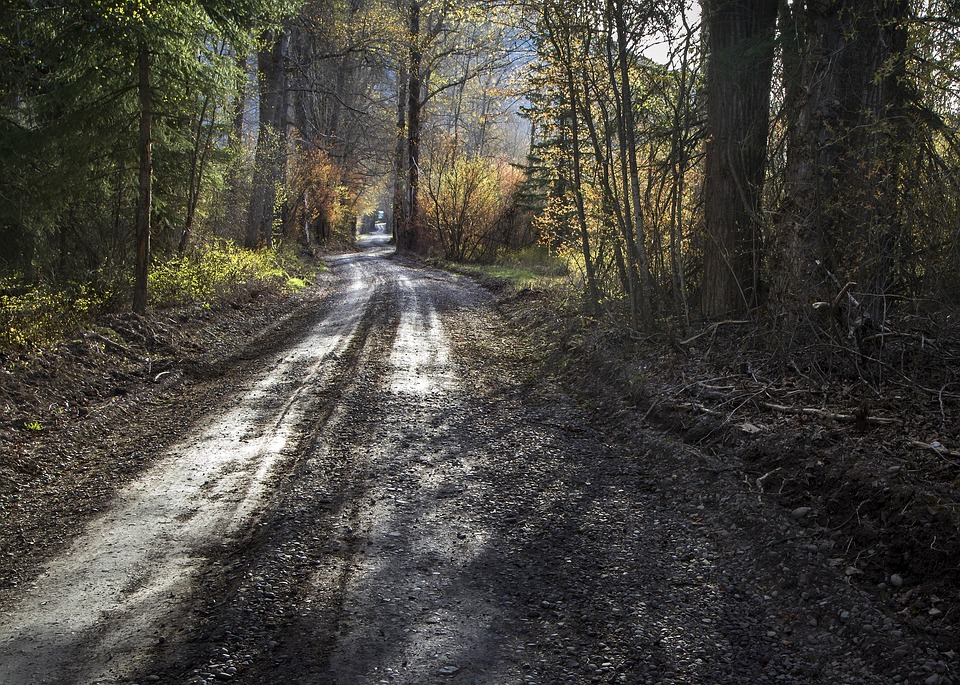
Frontier citizens living in Western Pennsylvania violently opposed the tax. Dangerous roads made it difficult for farmers to haul corn and rye to eastern markets. They often distilled their grain because it was easier to preserve and store.

The excise officers only accepted cash as payment, which was out of the ordinary for the time period. Many refused to pay the tax.

Others resorted to violence. They threatened excise officers, which was enough to make some leave. Other officers were tarred and feathered before deciding to leave.

President Washington issued an admonishment in 1792, hoping to resolve the matter peacefully. Instead the situation escalated.

In July of 1794, about 400 rebels burned the home of a regional tax collection supervisor near Pittsburgh.

Washington responded by leading 12,950 men in a militia force to Western Pennsylvania. Perhaps the former general enjoyed wearing full military dress once again.

The rebels had scattered when the forces reached Pittsburgh. Out of about 150 men tried for treason, only two men were found guilty. President Washington pardoned them.

This historic event marks the only time that a United States President directly commanded ground troops.

-Sandra Merville Hart

Sources

Kotowski, Peter. “Whiskey Rebellion,” George Washington’s Mount Vernon, 2017/04/18 http://www.mountvernon.org/digital-encyclopedia/article/whiskey-rebellion/.

Logsdon, Chris. “Wills Creek,” George Washington’s Mount Vernon, 2017/04/18 http://www.mountvernon.org/digital-encyclopedia/article/wills-creek/.

“Ten Facts about Washington’s Presidency,” George Washington’s Mount Vernon, 2017/04/18  http://www.mountvernon.org/george-washington/the-first-president/ten-facts-about-washingtons-presidency/.

“Whiskey Rebellion,” Encyclopeadia Britannica, Inc., 2017/04/18 https://www.britannica.com/event/Whiskey-Rebellion.

“Whiskey Rebellion,” National Park Service, 2017/04/18 https://www.nps.gov/frhi/learn/historyculture/whiskeyrebellion.htm.