
Writing historical novels requires greater attention to everyday details than when writing contemporary novels. Click here for a few examples of the types of topics a novelist may have to research.
Writing historical novels requires greater attention to everyday details than when writing contemporary novels. Click here for a few examples of the types of topics a novelist may have to research.
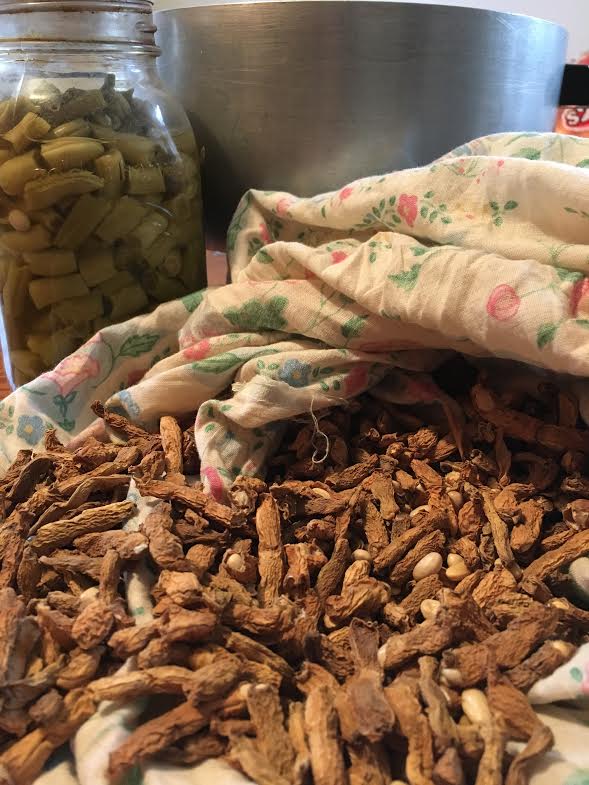 Today’s guest post is written by fellow author and friend, Rebecca Waters. Preparing and eating shuck beans is a childhood memory with her grandmother.
Our ancestors have found many ways to preserve food. It was a necessity. You may be familiar with processing vegetables by canning them or freezing them, but long before modern methods of preservation were available, many vegetables were stored in root cellars or dried and hung in on strings. Dried vegetables were then tied up in cloth sacks to keep through the cold winter months. Today, I offer the recipe for shuck beans, sometimes called “leather britches” because of their brown leathery appearance.
Preserving beans through drying:
Wash, dry, and remove the strings of freshly picked green beans. White Half Runners are best for this recipe.
You can dry the beans either by breaking them up and spreading them out in the sun on a sheet to dry (bring them in every night before dew falls) or by stringing them whole on a thread and hanging them up to dry in the sun or in a dry attic.
Once they are dry they will rattle when shaken. The dried beans can be put in a pillowcase or tied up in a clean piece of cloth and stored until you are ready to cook them.
To prepare beans for cooking, put them in warm water and soak them overnight.
Wash them several times until the water runs clear.
Place the beans in a large kettle and cover with water. Add fatback or salt bacon to the beans. Add salt if needed. Cook two to three hours on low heat until tender.
Because the dried beans are light to carry, both Union and Confederate soldiers could, once camp was established, prepare the beans and indulge in a taste of home. Since shuck beans take a while to cook, this wasn’t a meal for soldiers on the march.
-Rebecca Waters
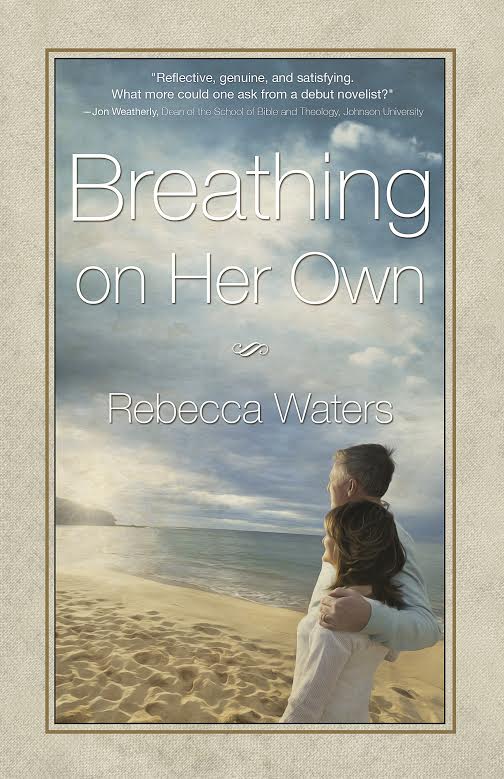 Breathing On Her Own
Molly Tipton and her husband are looking forward to retirement but Molly’s life suddenly spirals out of control when her oldest daughter is involved in a terrible accident. An icy road and a sharp turn leave one woman dead, another clinging to life.
While two families grieve, details emerge that reveal Molly’s daughter was driving under the influence. As she prepares her daughter for the prospect of a vehicular homicide lawsuit, Molly discovers her oldest child is not the only one injured and under attack for past mistakes. If it is true time heals all wounds, what are we to do with our scars?
 About Rebecca:
Rebecca Waters’ freelance work has published in Chicken Soup for the Soul, Standard Publishing’s Lookout Magazine, The Christian Communicator, Church Libraries, and Home Health Aide Digest. Breathing on Her Own is Rebecca’s first novel. As a published author, she shares her writing journey in her weekly blog, A Novel Creation. To learn more about Rebecca or to read A Novel Creation, visit her website.
Lighthouse Publishing of the Carolinas – Use coupon code SandraMHart for a 20% discount on Lighthouse Publishing books!

Ever go sand sledding? You can at Great Sand Dunes National Park & Preserve! This park in Colorado has the tallest sand dunes in the United States.
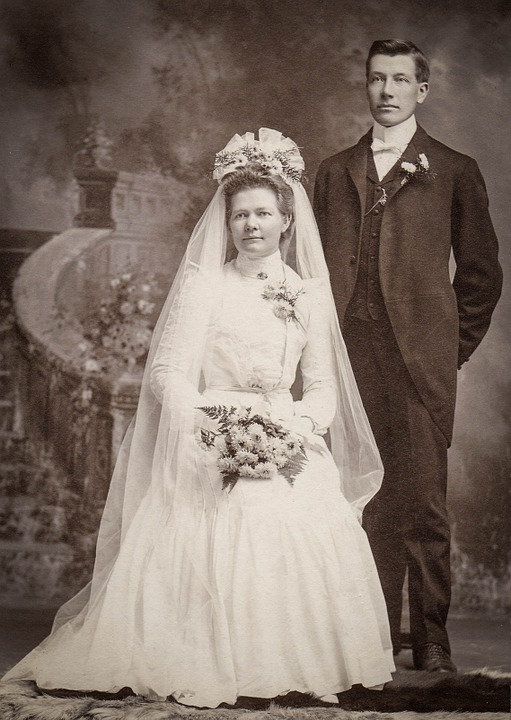
Today’s guest post is written by fellow author, Cindy Ervin Huff. I think you will enjoy learning a bit about mail-order brides.
Mail-order brides were a booming business in the 1800s. The Matrimonial News, a San Francisco paper, was sold throughout America during the mid to late 19th century. The paper was chock full of ads from lonely men or hopeful women looking for a chance at love, financial security, or a step-parent. Many a single woman and widow traveled west to marry strangers.
Some advertisers misrepresented themselves, causing lawsuits and broken promises. There were rocky relationships and joyously happy ones. It was common for the prospective groom to write the bride for a few months before paying for her passage. A few women came with dark secrets, fears or—surprise—children not mentioned in her correspondence.
One woman, a con artist, was quite surprised when her intended mark had misrepresented himself and was poor as a church mouse. The ads were often filled with exaggerations regarding wealth and physical appearance.
Many young men had gone west in pursuit of gold, land, and other opportunities. Missing the comforts of home, they were anxious to find wives. The Matrimonial News presented many willing men to the single female population back east.
After the Civil War, many newspapers carried columns dedicated to these paid announcements. The shrinking pool of eligible men in the east was the number one reason why women were so willing to immigrate west. Even the homely woman had no problem finding a husband.
Most women placed ads focusing on their finer qualities. Some included pictures. One woman, however, advertised herself as fat and 45. This successful businesswoman wanted a man over forty.
 Bio:
Cindy Ervin Huff is a multi-published writer and winner of the Editor’s Choice Award from Lighthouse Publishing of the Carolinas at the 2014 Write-To-Publish Conference. Secrets and Charades released March 15, 2017.She has been featured in numerous periodicals over the last thirty years. Cindy is a past member of the Christian Writer’s Guild and President of the Aurora, Illinois, chapter of Word Weavers. Visit Cindy on Facebook at www.facebook.com/cindyehuff, follow her on twitter @CindyErvinHuff, or check out her blog at www.jubileewriter.wordpress.com.
Her Brand New Release!!!
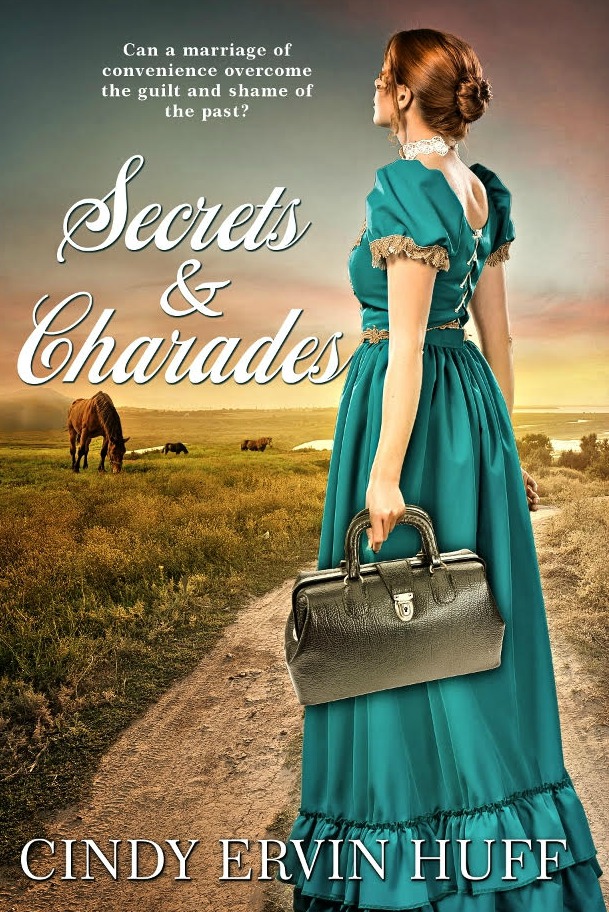 Secrets and Charades : Dr. Evangeline Olson is desperate to put her past behind her. Civil War veteran and rancher, Jake Marcum gets more than he expects in his mail-order bride. Will the secrets in their hearts get in the way of a happily-ever-after?
 This historical romance reads more like historical fantasy!
I really enjoyed this novel that allows readers to travel the same roads in ancient, Celtic Ireland, as the foreigner, St. Patrick. What an amazing man.
Taran, who had been trained as a druid, turns his back on them and their tradition of sacrificing children to their sun god. He is banished from the island even as his father lays dying. He cannot marry Laurna before he goes. She promises to await his return.
A dream leads Taran to Patrick, who teaches him about the one true God. After Patrick baptizes him, Taran faces many dangers with Patrick as they spread the Gospel across the kingdoms of Ireland.
This well-researched and informative novel is very well done. The dangers faced by Patrick and the early Christians may surprise you.
Great story!
-Sandra Merville Hart
Lighthouse Publishing of the Carolinas Use coupon code SandraMHart for a 20% discount on Lighthouse Publishing books!
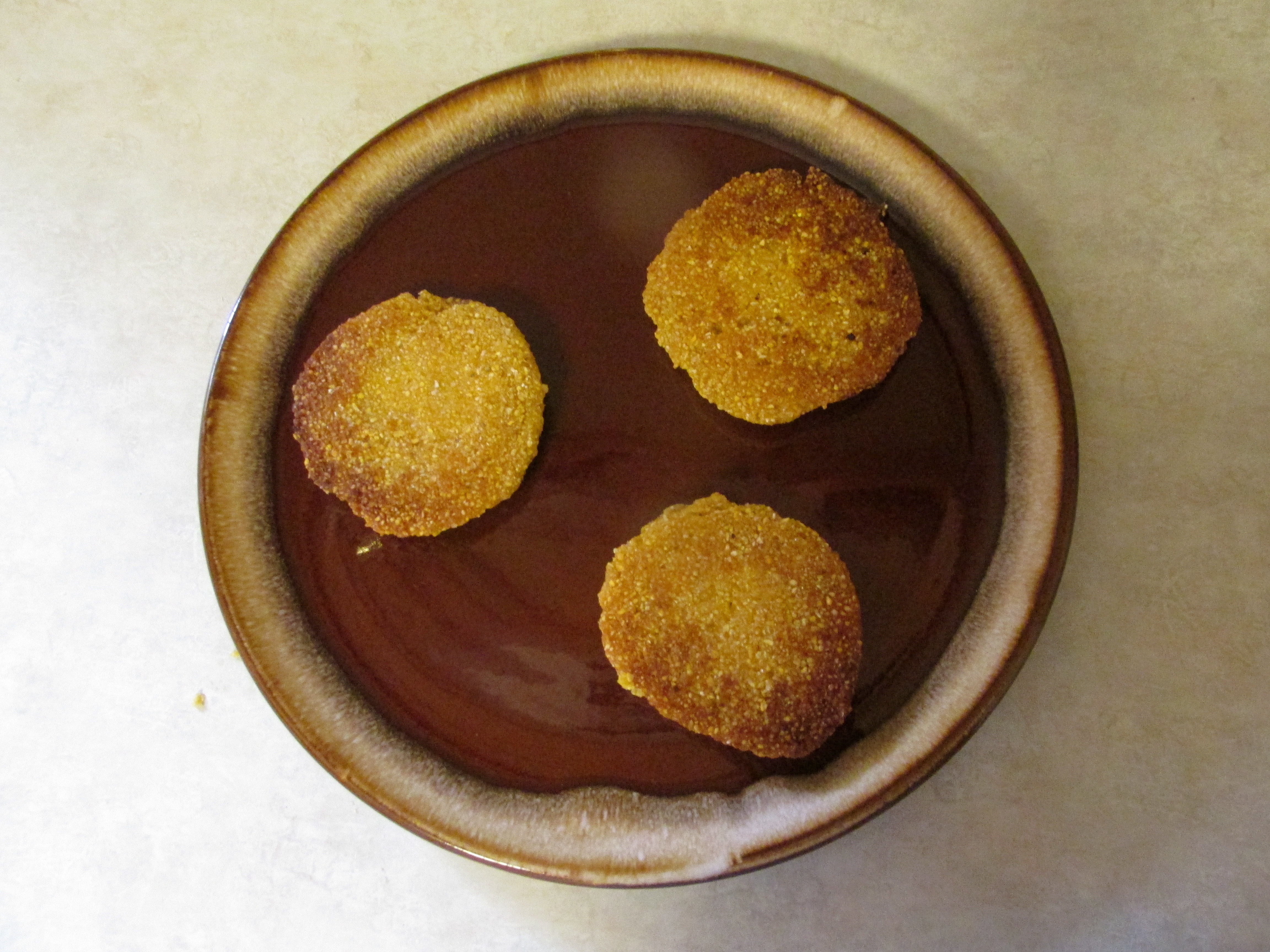
Recipes used to be called ‘receipts.’ Confederate soldiers published a fun book of recipes in 1863 called Confederate Receipt Book. I tried their recipe for Sagamite.
Actually, the recipe is called Indian Sagamite because it uses Indian meal. I was unable to find that type of meal at the grocery store.
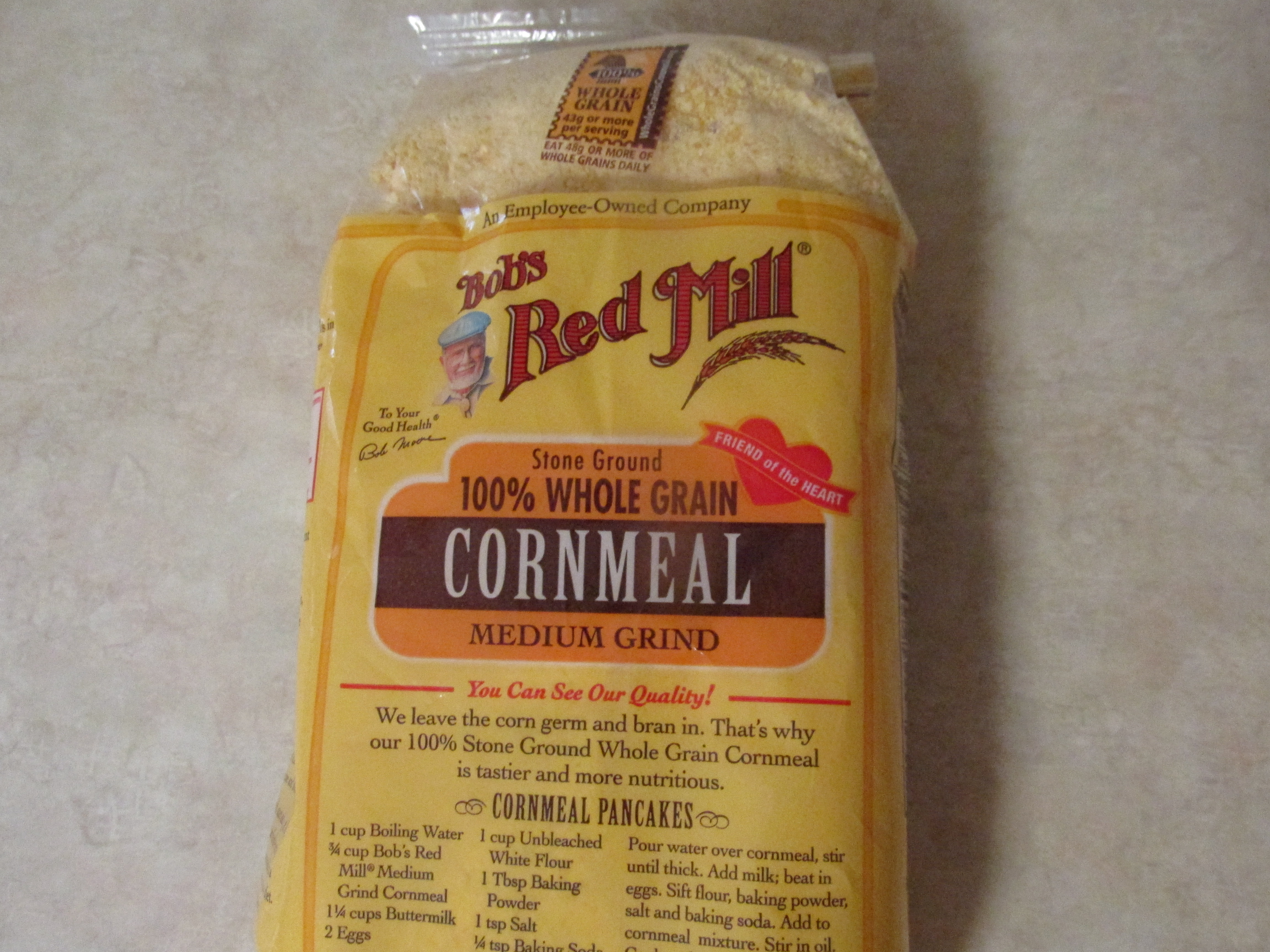 Thinking that self-rising meals weren’t something the soldiers had on hand, I chose whole grain corn meal. This meal is a little coarse and grainy—possibly closer to what the Confederates used.
Combine 1 ½ cups of meal and ½ cup of brown sugar.
Those were the only ingredients listed. Since the recipe called for browning it over the fire, I knew something else had to be added to make this into a cake. (Or perhaps they ate it as crumbs, but that seems unlikely.)
I considered adding milk, water, or butter to the mixture. I decided on water because soldiers didn’t often have milk or butter.
I added ½ cup of water. This made it a bit runny, so next time I will add ¼ cup of water to make thicker cakes.
 Add about a tablespoon of shortening to a skillet. Can use more if needed. When shortening melts, fry the cakes for 2 to 3 minutes on both sides over medium heat.
I enjoyed the flavor. It tastes like sweet, fried cornbread.
Soldiers ate small quantities of this while scouting—and probably on long marches. It didn’t require much to appease hunger and had the added benefit of satisfying thirst. I ate half of one of these cakes for lunch and noticed that it satisfied both my hunger and thirst. I ate a few bites of soup only because it was already cooked and didn’t need anything else. I was amazed that such a small amount of food made a meal.
If you try this, I’d love to hear if you had the same experience.
I imagined these cornbread cakes were handy on days of battle and added a scene with Sagamite in my upcoming Civil War novel, A Rebel in My House, that releases in July.
-Sandra Merville Hart
Sources
A Compilation of Over One Hundred Receipts, Adapted to the Times. Confederate Receipt Book, Applewood Books, 1863.
Any idea which group of settlers first came to the area of Delaware with the knowledge and skill to build log cabins? Or how the state became known as the First State? The answers may surprise you.
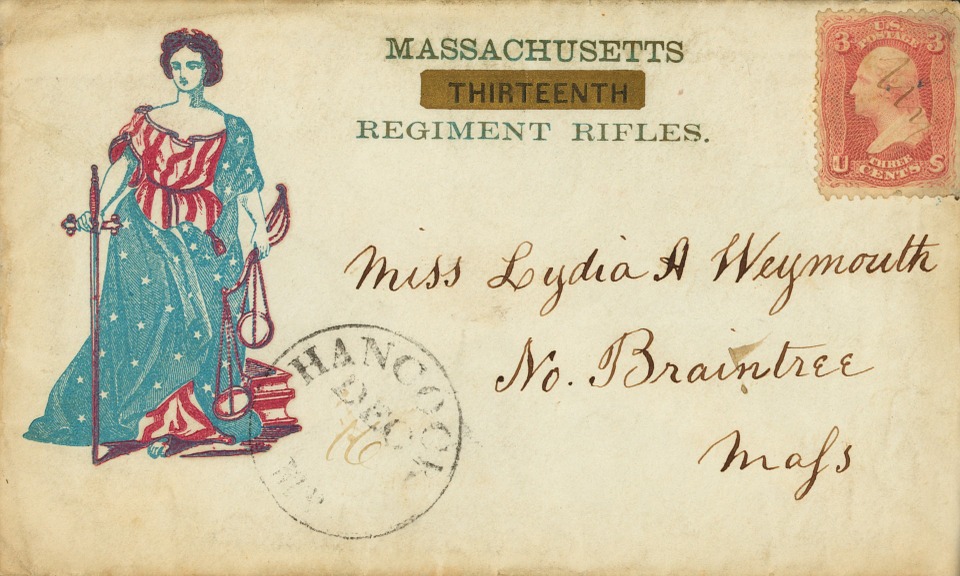
Civil War soldiers loved to receive letters from home. Wives, mothers, and sweethearts also sent care packages to their soldiers. Even if a pie didn’t survive postal delivery intact, men still devoured every edible crumb with a thankful heart.
Soldiers purchased envelopes to send their replies back home. One of the fun traditions of the time was that these envelopes were decorated by those who manufactured them.
Flags, patriotic scenes, portraits of Union generals, and army camp scenes were printed on the envelopes, or “covers” as they were also called.
John D. Billings, Union soldier and author of Hardtack and Coffee, wrote of a young man who collected over 7,000 decorated envelopes from the war—each with a unique design.
Some featured specific regiments, listing battles where they fought.
Billings kept a few envelopes from his days in the war. One contained a 34-star border, a star for every state in the Union at the time. An eagle held a shield and a streamer which read, “Love one another.”
Another from his collection showed a drawing of the earth with “United States” printed on it and an American eagle above it. The inscription was “What God has joined, let no man put asunder.”
A third was a sketch of a man with moneybags riding horseback at breakneck speed. The inscription: “Floyd off for the South. All the Seceding States ask is to be let alone.”
One showed President Washington’s portrait with the inscription of “A Southern Man with Union Principles.”
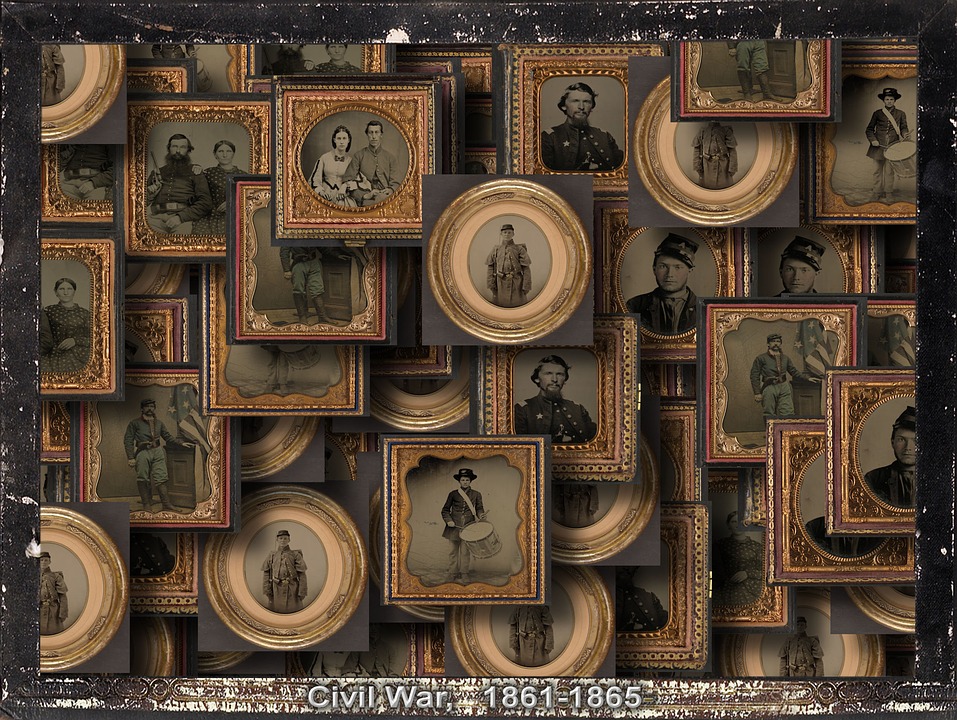 Billings wrote that the designs expressed the feelings of Northerners.
Union soldiers received envelopes from the U.S. Christian Commission with their organization’s stamp and the words “Soldier’s Letter.”
The Postmaster General allowed soldiers to send letters without stamps, representing prepayment, beginning in 1864. They had to write “Soldier’s Letter” on the envelope.
One soldier wrote the following verse for the Postmaster General:
“Soldier’s letter, nary red,
Hardtack and no soft bread,
Postmaster, please put it through,
I’ve nary cent, but six months due.”
-Sandra Merville Hart
Sources
“American Civil War Soldier Letters Home,” Americancivilwar.com, 2017/02/08 http://americancivilwar.com/kids_zone/soldiers_letters_civil_war.html.
Billings, John D. Hardtack & Coffee, University of Nebraska Press, 1993.
Subtitles: Maury Grays, First Tennessee Regiment
A Side Show of the Big Show
Sam Watkins was a private in Company H (Company “Aytch”) of the First Tennessee Regiment. On May 11, 1861, this Confederate soldier left Nashville with his regiment and was still in the army when General Joe Johnston surrendered on April 26, 1865.
What sights he saw.
Sam didn’t write a history of the war. Instead he records anecdotes and experiences of life as a Confederate soldier. He speaks honestly of the horrors he experienced in battles, as part of General Braxton Bragg’s army, and in witnessing his comrades’ deaths.
He often remarks that “abler pens than mine” could do the story better justice. Sam, you did well. Readers like me felt your pain across the years. I felt the terror you must have endured when General Bragg ordered a reserve line to stand behind the fighting line and shoot anyone who ran away.
I felt your pride when a young woman invited “a tattered soldier” to supper and accepted your arm in escort.
I felt your gut-wrenching sadness to see your army decimated.
You showed that a general can resign with honor but when privates resign it is considered desertion.
Sam intended to include additional notes in a second printing of the book, but seems to have been unable to raise enough to fund the publishing costs. His great-granddaughter, Ruth Hill Fulton McAllister, included his notes in this edition. I love the poem included in the appendix—“A Land Without Ruins” written by Father Abram Joseph Ryan, the poet laureate of the Confederacy. Here’s a quote from the last stanza:
“For out of the gloom future brightness is born,
As after the night looms the sunrise of morn;
And the graves of the dead, with the grass overgrown,
May yet form the footstool of Liberty’s throne,
And each single wreck in the war-path of Might,
Shall yet be a rock in the temple of Right!”
An insightful look into the everyday life and thoughts of a Confederate soldier. Great book for lovers of the Civil War and American History.
-Sandra Merville Hart
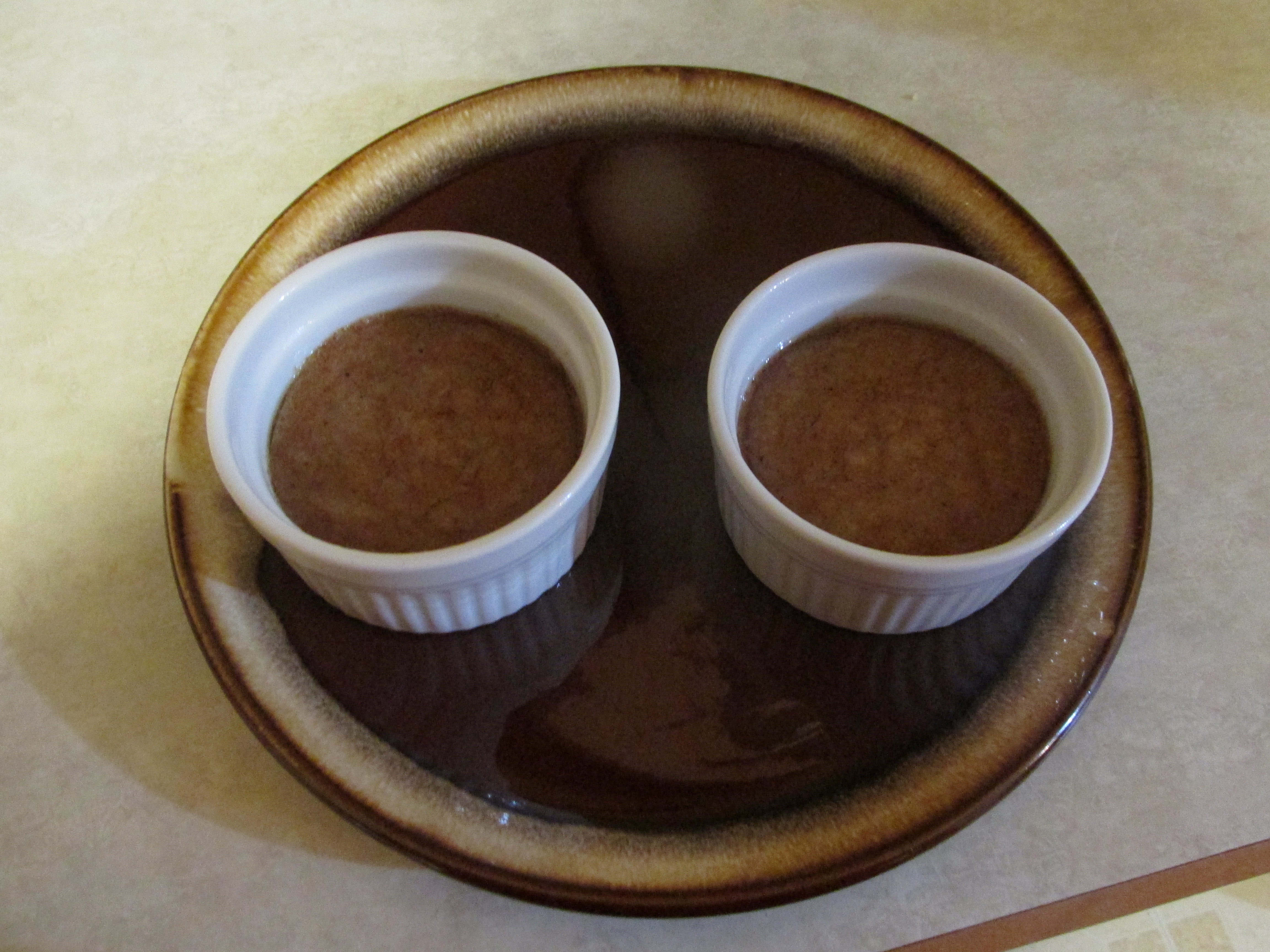
Recipes used to be called ‘receipts.’ Confederate soldiers were often low on supplies and had to make do with ingredients found nearby.
I found an intriguing recipe called “Apple Pie Without Apples” in an 1863 book, Confederate Receipt Book. I had to make this one.
The main ingredient is crackers. Civil War soldiers ate hard tack, which John D. Billings describes in his book, Hard Tack and Coffee, as “a plain flour-and-water biscuit.”
Billings, a Civil War soldier, had two of these crackers while writing his book that published in 1887. (It doesn’t say if the hard tack was baked during the war.) When measured, he found they were 3 1/8 inches by 2 7/8 inches and almost ½ inch thick.
This apple pie recipe uses crackers. The soldiers would have used hard tack because that was available.
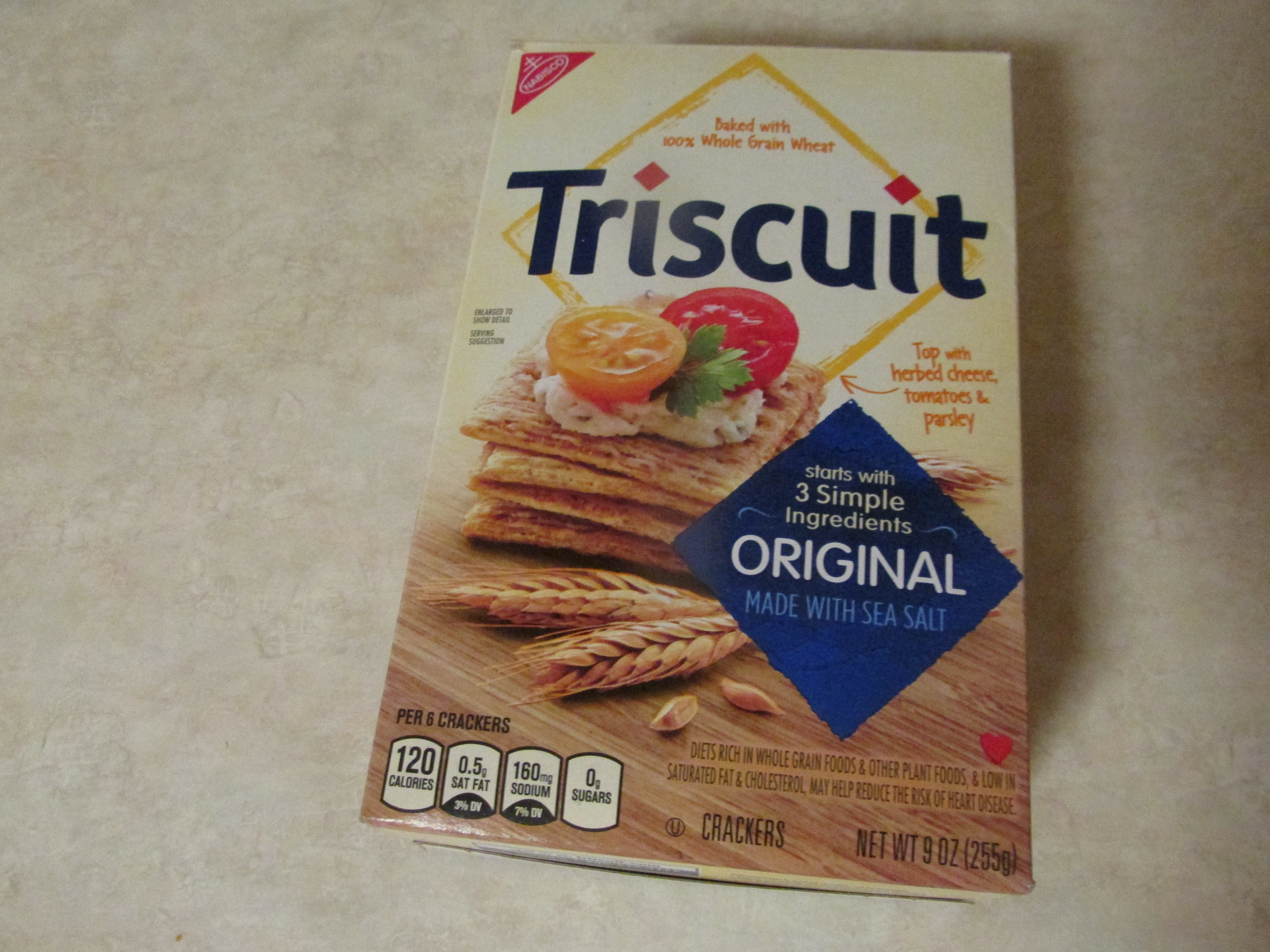 Place crackers in a small bowl. (Not having hard tack on hand, I thought Triscuits might be an acceptable substitute. I used 20 of these crackers. Regular crackers would also be fine.) Soak these in water until soft. For our modern crackers, this takes about five minutes. I can’t imagine how long soldiers soaked the hard tack.
Empty excess water. Mash the softened crackers.
Add 1 teaspoon cream of tartar, ¼ cup sugar, 2 tablespoons melted butter, and ½ teaspoon nutmeg to the crackers. Mix together.
Spray ramekins with cooking spray. Spoon mixture into ramekins until about 2/3 full and bake at 350 degrees for 15-20 minutes.
My husband tried it first. “It’s strange. It doesn’t taste like apple pie.”
I had to agree. This recipe does not taste like apple pie. I didn’t really care for it.
Soldiers probably didn’t have cinnamon too often in camp but this spice would definitely enhance the flavor. In the next batch I added a teaspoon of cinnamon along with the nutmeg.
Both my husband and I agreed that cinnamon improved the “appleless” pie. Though it was a strange and unfamiliar dessert, I’m happy I tried it. It would make a fun dish at Civil War reenactments.
For the Confederate soldier starving for his mother’s apple pie, eating this dessert probably gave him a nostalgic taste of home.
-Sandra Merville Hart
Sources
A Compilation of Over One Hundred Receipts, Adapted to the Times. Confederate Receipt Book, Applewood Books, 1863.
Billings, John D. Hardtack & Coffee, University of Nebraska Press, 1993.

