 Discover a few facts about Christopher Columbus to prepare for Columbus Day.
Sandra Merville Hart
This Week In History: Battle of Perryville
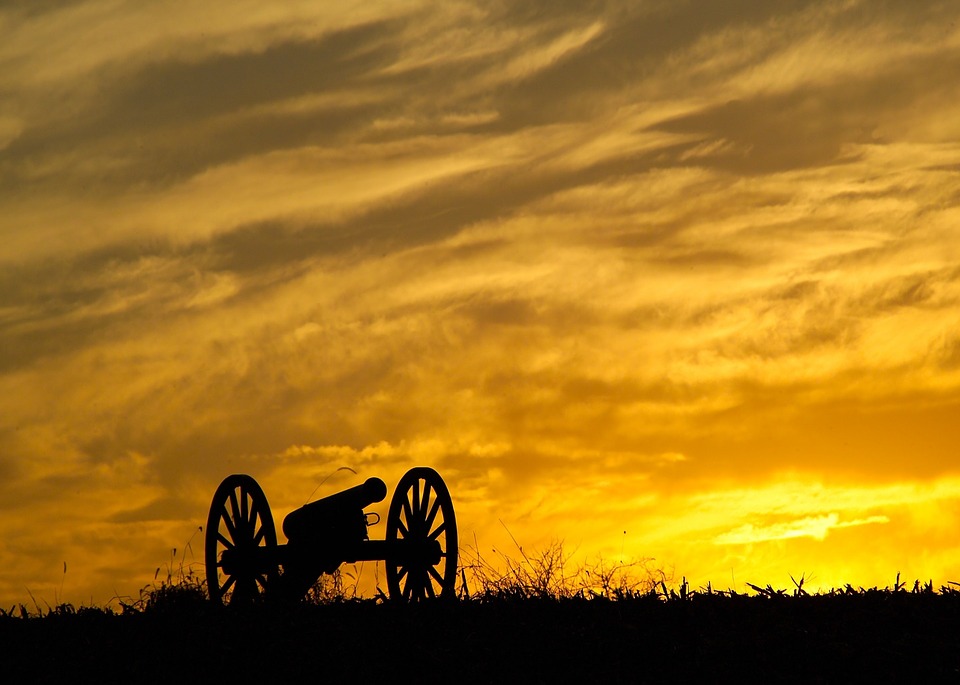
Wednesday, October 8, 1862
Confederate General Braxton Bragg led his army into Kentucky, a border state, in the summer of 1862. The largest battle fought in that state happened near Perryville at the Chaplin Hills; therefore, it is called the Battle of Perryville and the Battle of Chaplin Hills.
Buell’s Union troops in the rear didn’t hear cannons and musket fire from the front lines because of an atmospheric phenomenon that masked the noise. Buell didn’t hear the familiar combat sounds that would have prompted him to send in reserve soldiers.
This phenomenon also affected Bragg. Though the Southerners won, being outnumbered more than two-to-one and low on supplies prompted him to retreat.
This ended the Confederate invasion of Kentucky.
-Sandra Merville Hart
Sources
Long, E.B with Long, Barbara. The Civil War Day by Day: An Almanac 1861-1865, A Da Capo Paperback, 1971.
“Perryville,” Civil War Trust, 2016/08/03 http://www.civilwar.org/battlefields/perryville.html.
Beneath a Southern Sky by Deborah Raney

Daria finally gives up hope of finding her husband alive in a remote area of South America after their baby is born. She mourns her missionary husband and learns to love again.
Her second husband, Cole, helps heal her sorrow. Then her first husband, Nate, is found alive. While rejoicing over finding Nate, Daria wonders which husband she is bound to.
It’s a terrible situation for Daria and her children that is not easily resolved.
This story stayed with me a long time after reading it.
-Review by Sandra Merville Hart
Baked Chocolate Pudding Recipe from 1877
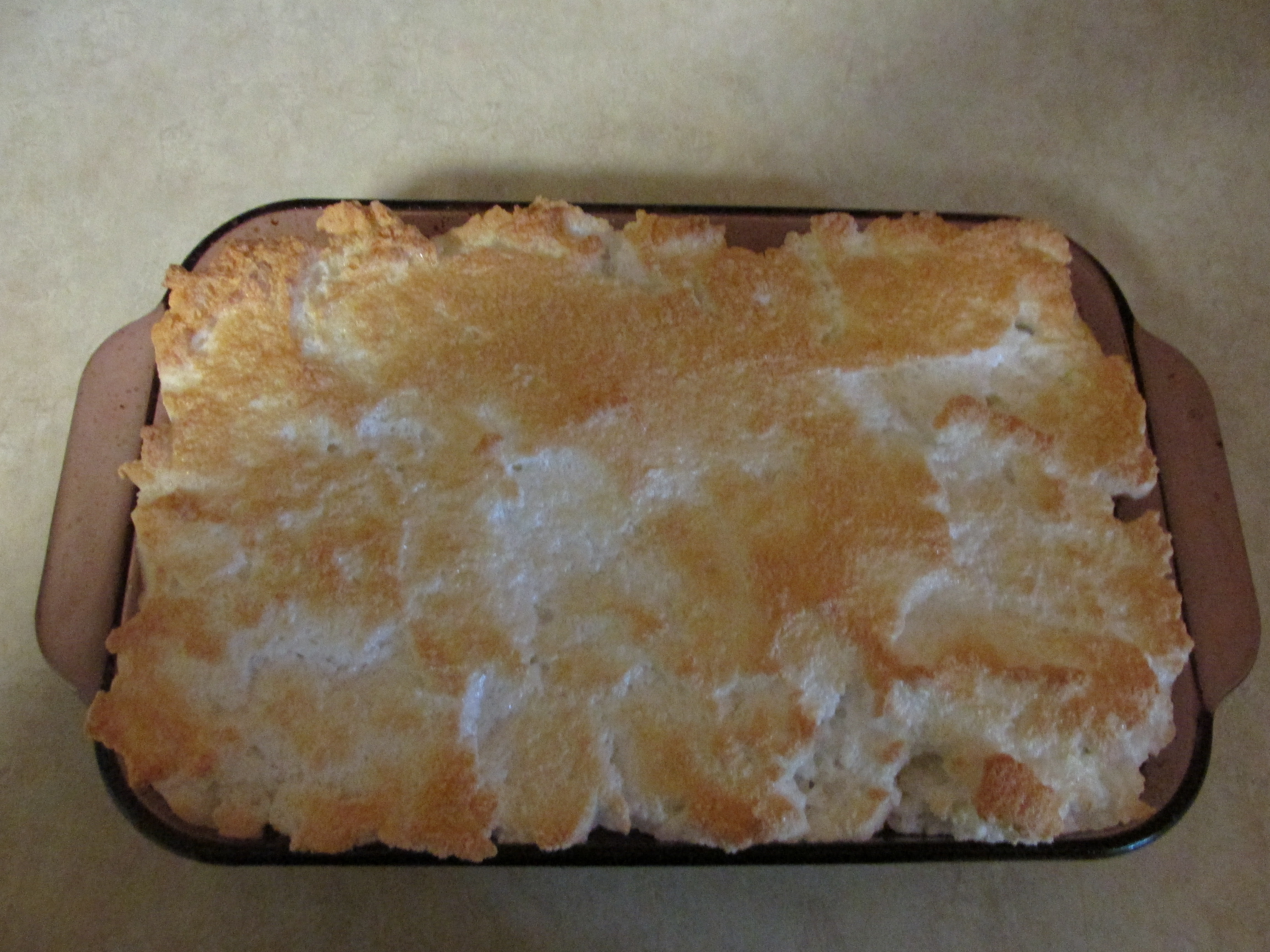
An 1877 cookbook, Buckeye Cookery and Practical Housekeeping, has several recipes for baked pudding. I decided to prepare one for chocolate pudding.
The recipes in this cookbook generally leave a lot to the imagination, but ingredient measurements were given for this one.
I scalded 4 cups of milk with three ounces of unsweetened baking chocolate. While this cooled, I separated five egg yolks and set aside the egg whites for a meringue topping.
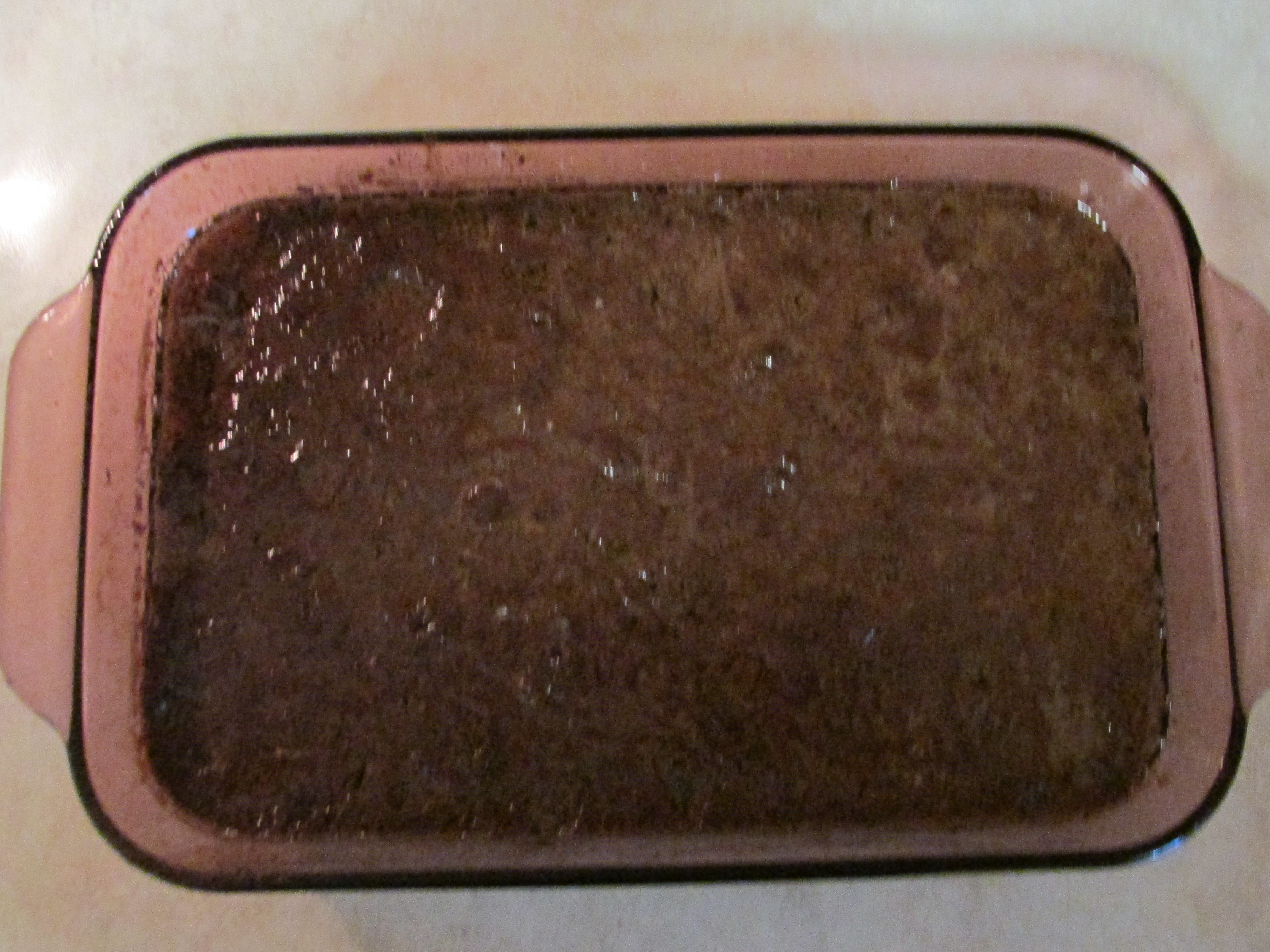 When the chocolate mixture cooled, the egg yolks were added along with one cup of sugar. The mixture was poured into a prepared baking dish.
No suggestions were provided for baking times or temperatures so I baked it at 350 until softly set, about 40 minutes.
In the meantime, five tablespoons of sugar were added to the egg whites and mixed at a high speed until white and fluffy, about two minutes in a countertop mixer.
 After the pudding cooled, this meringue was spread over the top and browned in a 425 oven.
My pudding was too runny. It was also too sweet, so I tried again.
I reduced the sugar to ¾ cup. I increased the oven temperature to 375 and baked about 40 minutes. The consistency thickened on the second batch of pudding, though it wasn’t as thick or smooth as I’m used to seeing.
The original recipe is from 1877 cook, Miss Greeley Grubbs of Richmond, Indiana.
I’m a chocolate lover. This chocolate pudding tasted yummy. If you want to reduce calories, leave off the meringue. I’d love to hear if you try it.
-Sandra Merville Hart
Source
Compiled from Original Recipes. Buckeye Cookery and Practical Housekeeping, Applewood Books, 1877.
DevoKids post – Arizona, The Grand Canyon State
Did you know the oldest settlement in the United States is in Arizona? And click on the links in the article to find out fun facts about Grand Canyon National Park, Navajo National Monument, and Petrified Forest National Park.
Arizona, the Grand Canyon State, is a great state to plan a vacation!
This Week In History: Civil War Battle of Poplar Springs Church (Peebles’ Farm)

Thursday, September 29 – October 2, 1864
The Union lines under General Ulysses S. Grant had faced Confederate lines under General Robert E. Lee in trenches around Petersburg, Virginia, since June. The line extended to Richmond 25 miles to the north.
Grant attempted to drive the Southerners from the trenches. Warren’s Fifth Corps led an advance toward Poplar Spring Church with John G. Parke’s Ninth Corps following. Warren attacked successfully at first, but Confederate General A.P. Hill led a strong counterattack that drove Parke’s troops back and prevented territory loss.
The two Union corps then entrenched close to Peebles’ Farm. This newly formed line on Squirrel Level Road forced Confederates to shift positions. Hill brought in two additional divisions to meet the new threat.
Union soldiers attacked unsuccessfully on October 1st. They failed to reach the Southside Railroad, which remained under Confederate control.
-Sandra Merville Hart
Sources
Long, E.B with Long, Barbara. The Civil War Day by Day: An Almanac 1861-1865, A Da Capo Paperback, 1971.
“Battle of Poplar Springs Church (Peebles’ Farm,)” History.com This Day in History, 2016/08/04 http://www.history.com/this-day-in-history/battle-of-poplar-springs-church-peebles-farm.
Hidden Places by Lynn Austin

Eliza, a widow, struggles to feed her three children and run the family orchard. It’s 1931 and the bank threatens to foreclose on her mortgage.
Then a stranger, Gabe, knocks on her door. He seems to know how to do everything required and will work for food and shelter. Her children love him and so does Eliza.
But there’s something about Gabe. Is he really who he proclaims to be?
This touching story set during the Great Depression gripped me with its mystery and romance.
-Review by Sandra Merville Hart
Preserving Meat in the 1800s
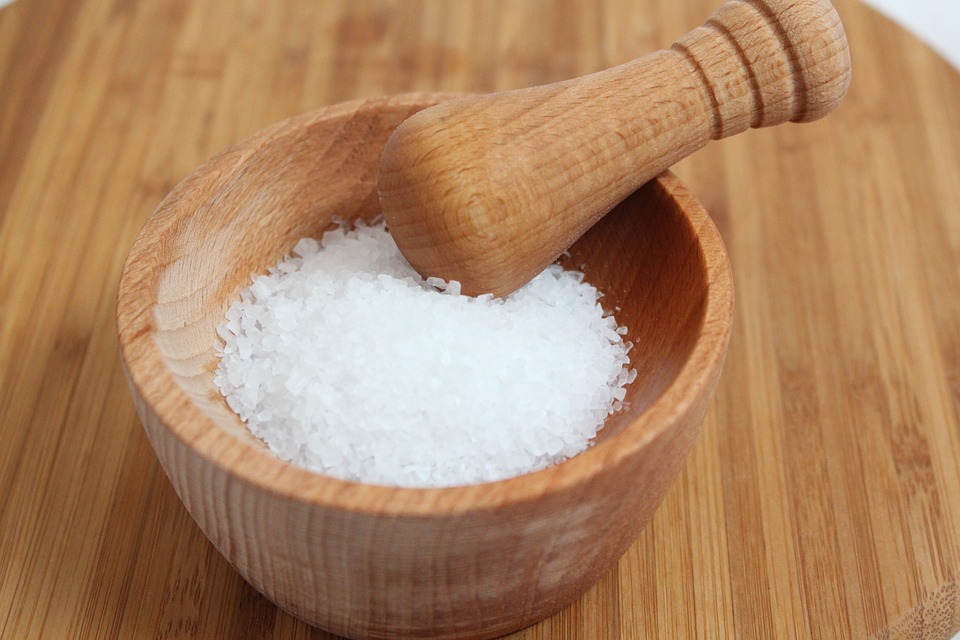
Our ancestors met the challenge of preserving meat without modern refrigeration by curing, drying, pickling, salting, or packing in snow.
Fresh beef had to be consumed in two days during summer to prevent spoilage. Sprinkling the meat all over with pepper kept the flies away.
Tainted meat could be saved. After rinsing with cold water, use strong chamomile tea to wash it. Sprinkle with salt if the meat will be eaten the next day. Rubbing roughly-pounded charcoal over the meat removes the taint.
Meat lasted for weeks during the winter when packed in snow.
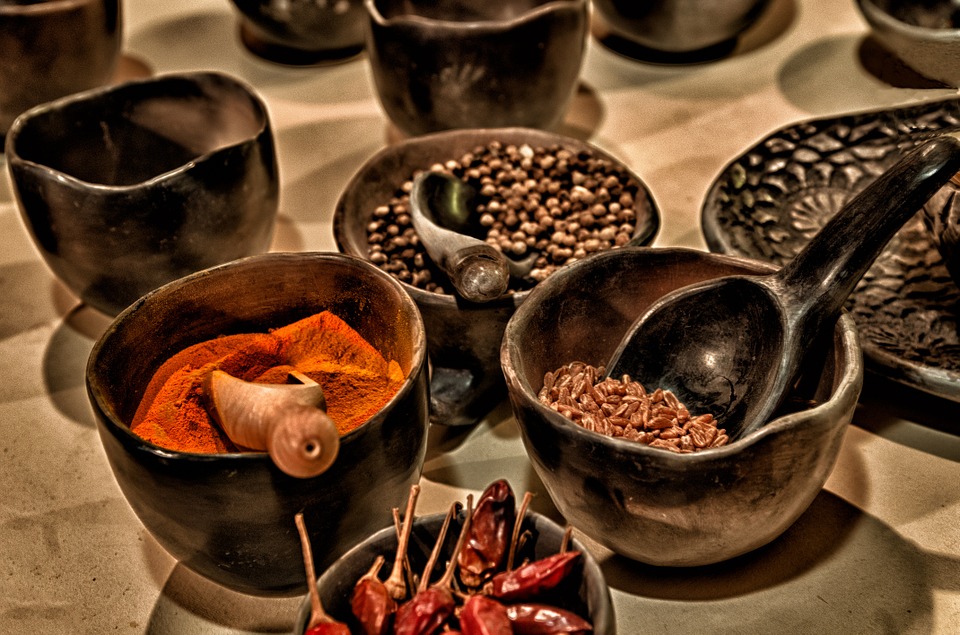 Curing ham was a long process. Rub a mixture of salt, brown sugar, saltpeter, cayenne pepper, and allspice all over the ham and place in a barrel. After a week, cover meat with a brine of water, salt, and sugar. Wait four weeks then remove the ham from the brine and hang to dry another week. Then smoke the meat using hickory chips or corn cobs.
Salting was another way to preserve pork. A layer of salt covered the bottom of a barrel. The meat was sliced into strips then placed over the salt. Another layer of salt was added, then meat until all the pork was packed inside. A boiling hot brine then covered the pork. A weighted lid went on top.
Beef tongues marinated in a pickling brine for two weeks. Cooks then dried or smoked them.
-Sandra Merville Hart
Sources
Compiled from Original Recipes. Buckeye Cookery, Applewood Books, 1877.
Hale, Sarah Josepha. Early American Cookery: “The Good Housekeeper.” 1841, Dover Publications , Inc., 1996.
DevoKids Post – Alaska, the Last Frontier
What’s the story behind the first Iditarod Trail Sled Dog Race? How many days of darkness does the city of Barrow experience in the winter? Find out at Alaska, the Last Frontier.
Battle of Chickamauga

At the Chickamauga Battlefield Visitor Center
In the second week of September, 1863, the Ninety-ninth Ohio regiment marched with the Twenty-first Army Corps under the leadership of Major General Thomas L. Crittenden into Chattanooga after the Confederate Army, under General Braxton Bragg, evacuated without firing a shot.
Crittenden secured the town with troops before heading south to Georgia.
By Sunday, September 13th, the corps reached the area of Lee & Gordon’s Mills, a two-story white building on the Chickamauga Creek.
When fighting started on Saturday, September 19, Major General George H. Thomas’ Fourteenth Corps and Major General Alexander McCook’s Twentieth Corps were also in the Union’s line of defense. A Reserve Corps under Major General Gordon Granger waited to be called if needed. All these army corps made up the Army of the Cumberland with Major General William S. Rosecrans in charge.
The Ninety-ninth Ohio infantry was part of Brigadier General Van Cleve’s division. Divisions were divided into brigades and Colonel Sidney M. Barnes led the brigade for the Ohio regiment.
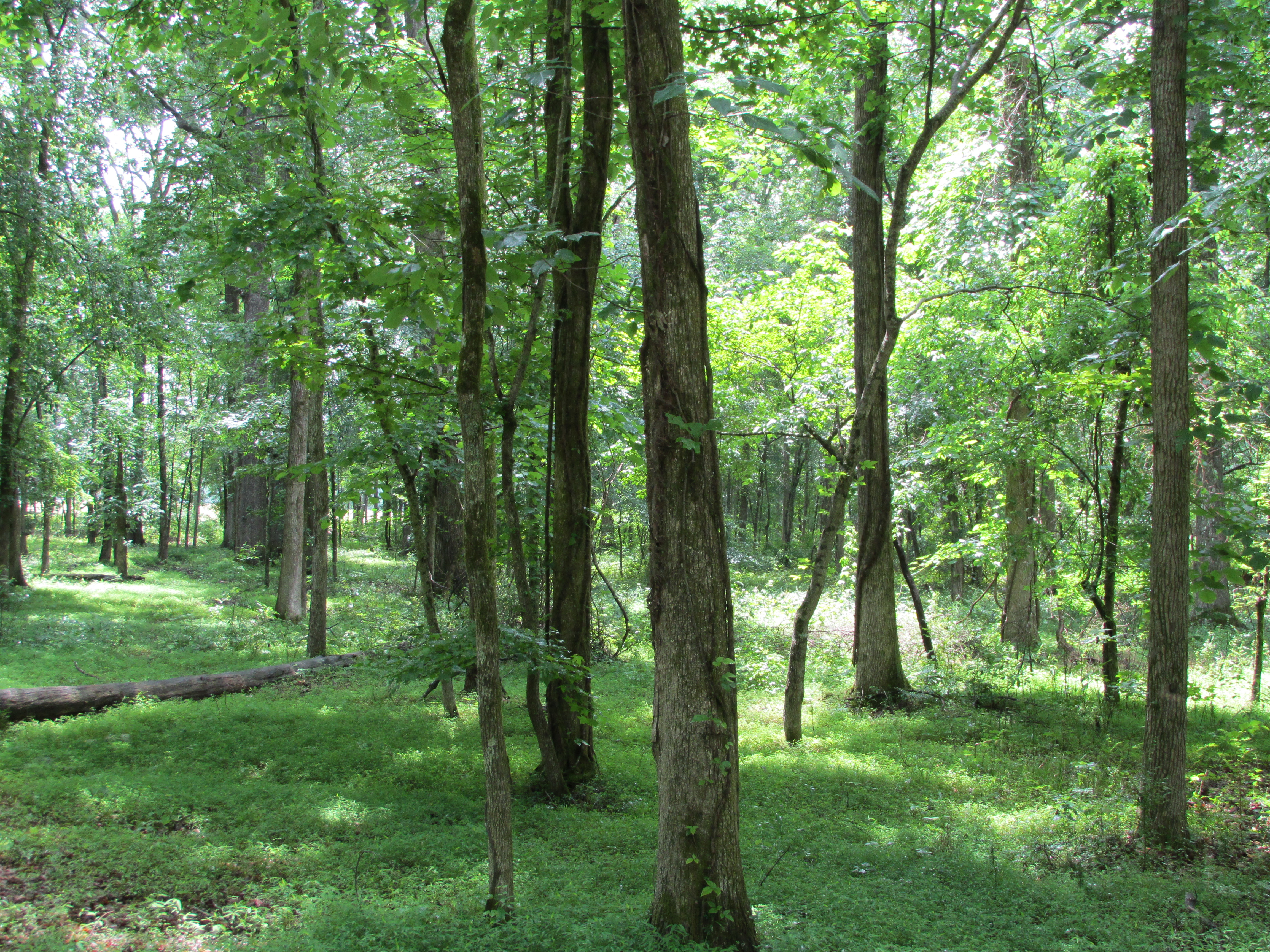
The woods where the Battle of Chickamauga was fought
The amount of activity on the Confederate line showed that a large force waited to meet the Union Army in the coming battle. Most realized it would be a fierce fight before the first shot fired.
Confederate soldiers attacked the Union line where the Ninety-ninth Ohio laid waiting under the command of Colonel Swaine. Though unprepared for the swiftness of the assault, their training took over. When Union troops began retreating behind his regiment, Colonel Swaine ordered his men to lie flat until the soldiers in blue passed them.
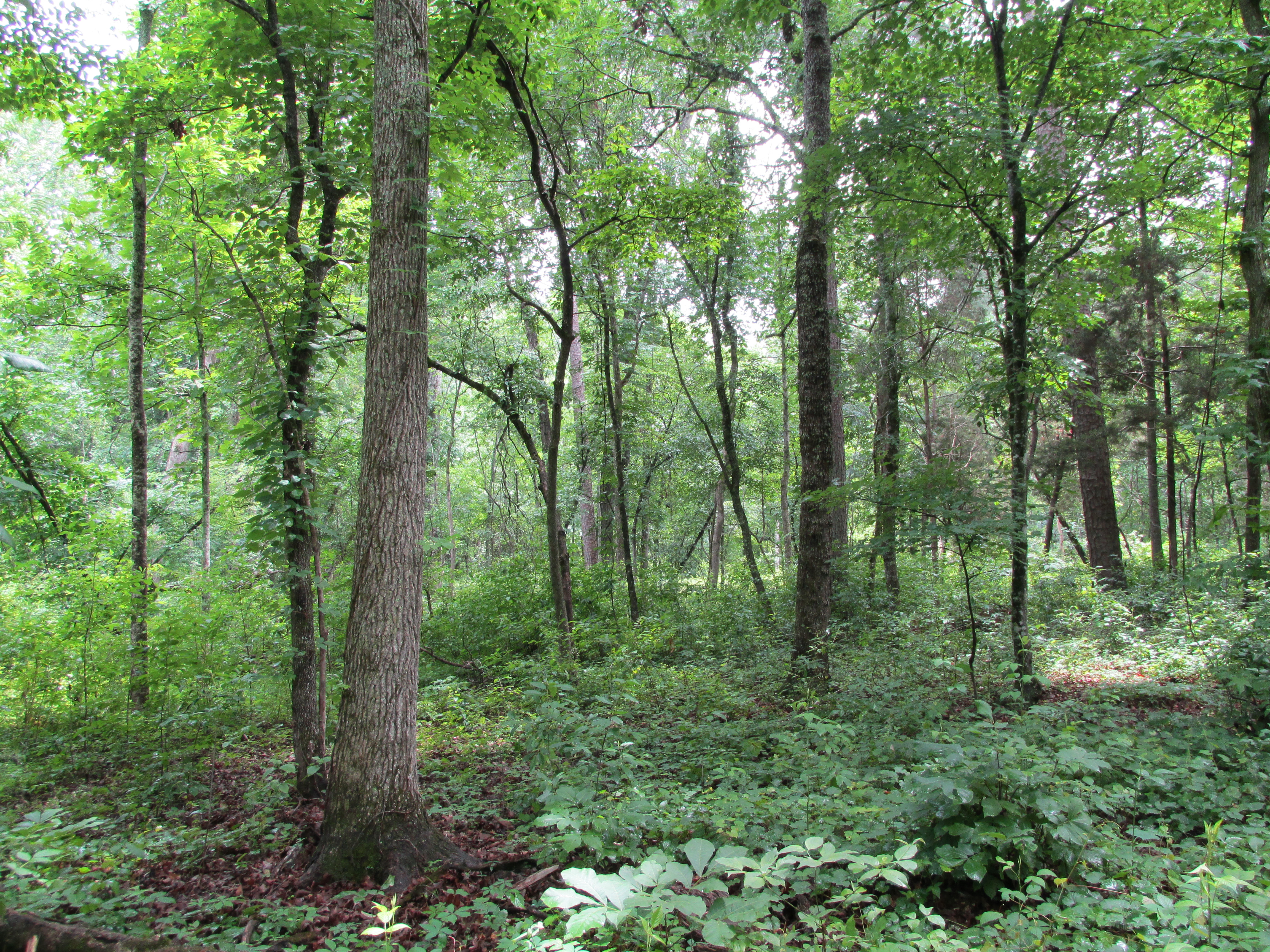
Wooded terrain around the Battle of Chickamauga
Then Swaine ordered an advance. Brave men leaped to their feet to obey the command despite the muskets aimed at them. They checked the Confederate advance as the two sides peppered one another with lead.
Fighting went against them when they were flanked on the right. Swaine ordered his men to fall back to the La Fayette Road. Bullets and cannon fire came in such rapid succession in several areas of the battlefield that it made one continuous uproar. Smoke and the smell of gunpowder surrounded them.
Darkness ended the day’s fighting though gunfire continued on the picket line from those assigned to guard the troops.
The night turned bitterly cold. Campfires to make coffee were forbidden as the light would give away their position and make them a target.
The worst part of the long, frosty night for most soldiers was listening to the cries of the wounded that lay between the opposing lines.
Ambulance wheels ambled near to pick up wounded. Artillery creaked to new locations. Troops repositioned. No one slept much.
The next day’s fighting intensified. When the Southerners broke through a gap in the Union line, panic sent the northern army retreating in mass confusion. The withdrawal eventually led to Chattanooga.
The last of the Union soldiers finally reached Chattanooga on September twenty-second. There had been so much confusion during the retreat that many soldiers didn’t find their regiments until reaching town.
The huge battle fought near the Chickamauga Creek in Georgia was a decisive win for the Confederates.
-Sandra Merville Hart
Sources
Korn, Jerry. The Fight for Chattanooga: Chickamauga to Missionary Ridge, Time-Life Books, 1985.
Swanson, Mark. Atlas of the Civil War Month by Month: Major Battles and Troop Movements, The University of Georgia Press, 2004.
Woodworth, Steven E. Six Armies in Tennessee: The Chickamauga and Chattanooga Campaigns, University of Nebraska Press, 1998.

