Generational Pie Crust Recipe

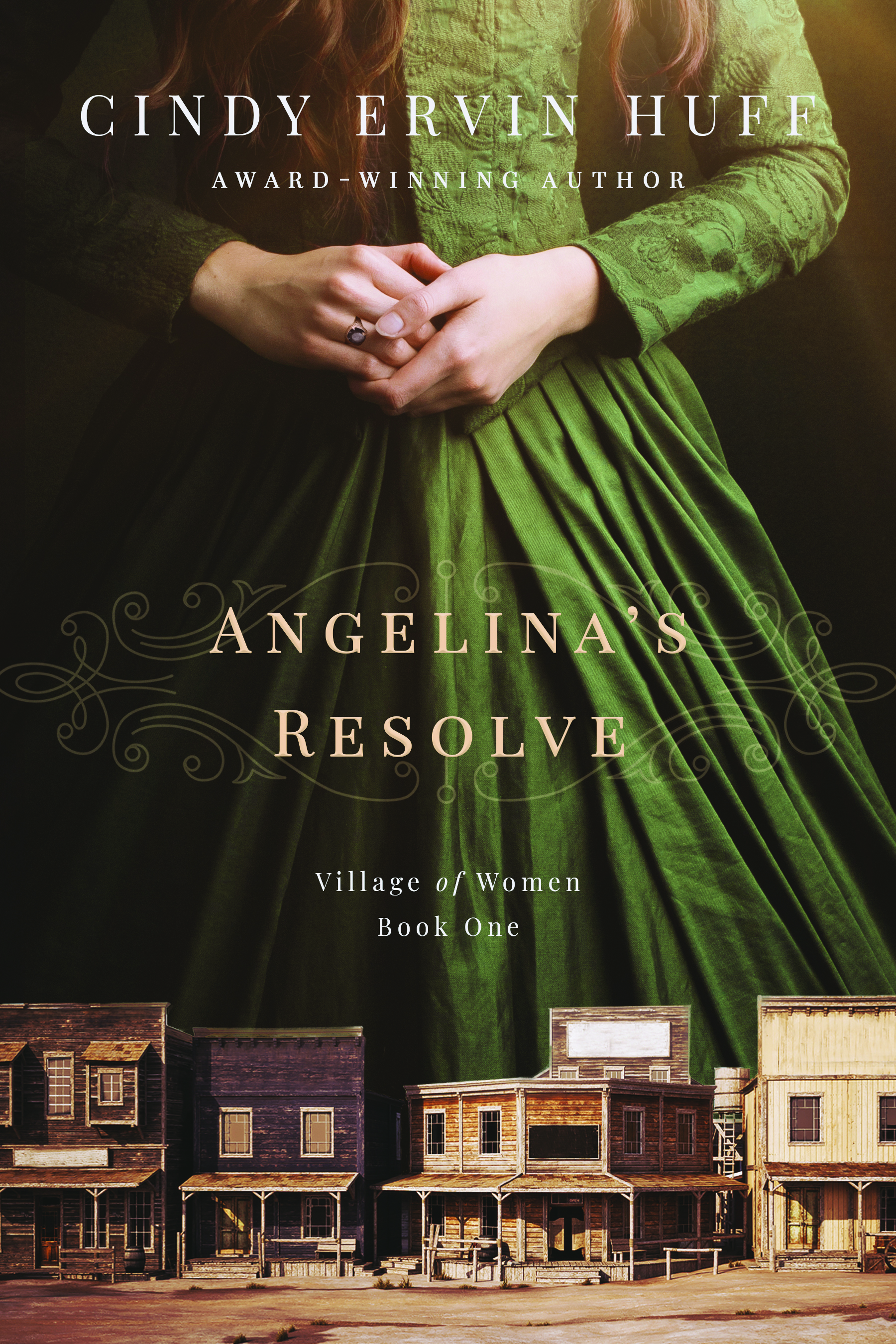
Cindy Ervin Huff, fellow author in “The Cowboys,” shares a family recipe that’s been passed down for generations. She also has a new historical romance book release that I loved! Welcome back to Historical Nibbles, Cindy!

by Cindy Ervin Huff

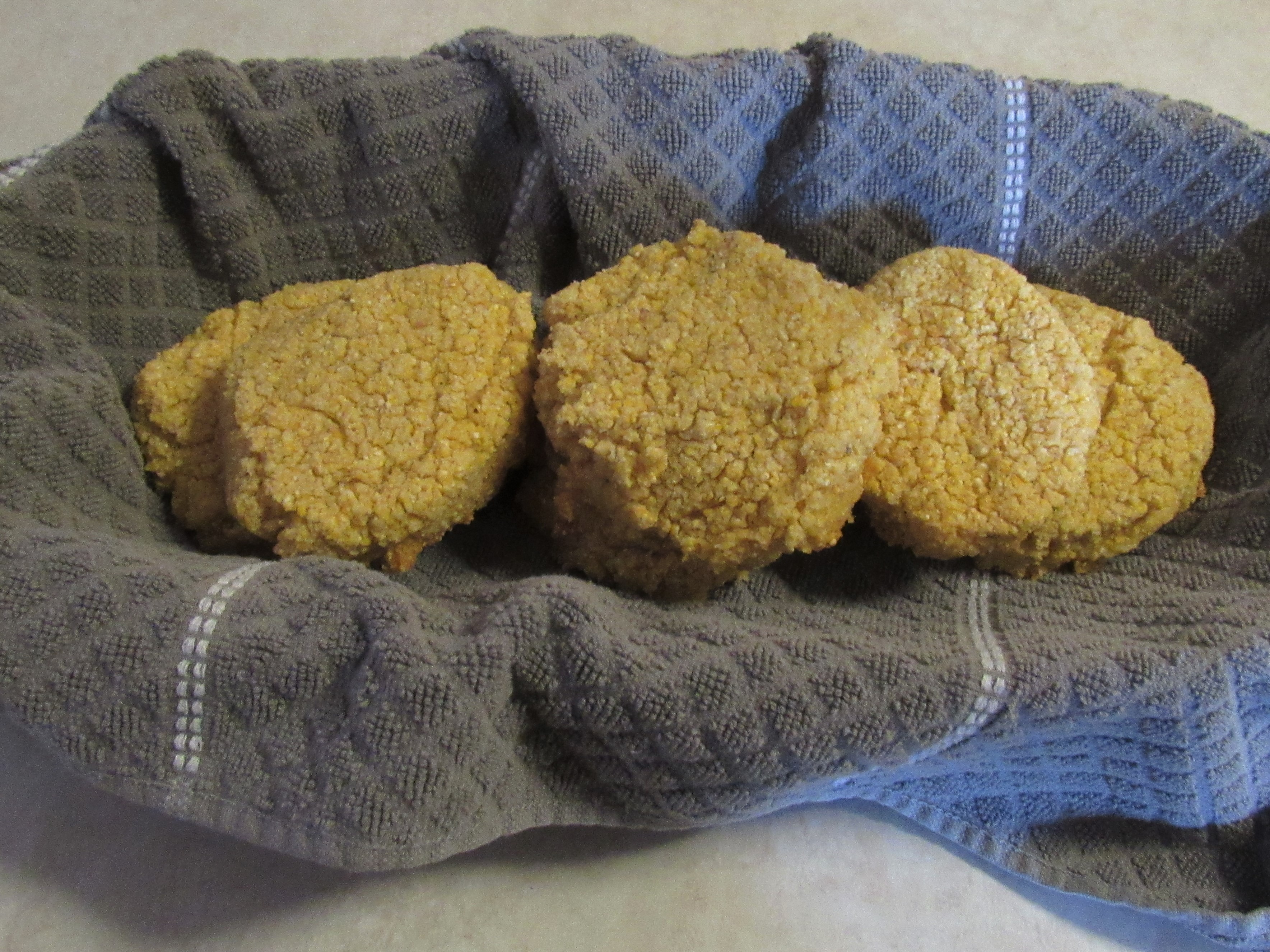
This recipe has been in my husband’s family for generations. It makes four crusts or several tarts.

Back in the day this recipe was created, the perfect pie crust was the envy of every homemaker. Pies were more often made than cakes. Like the little girls in my historical romance Rescuing Her Heart, they learned to make pies at an early age. Even I remember having tiny pans as a child and my mother helping me make a pie.

It was this recipe from my mother-in-law’s family that made my flaky, delicious crusts something to be proud of. I imagine my heroine Delilah James in Rescuing Her Heart used a similar recipe  when baking pies for her bakery.  

Bakers often kept recipes in their heads so no one could steal them. They measured by sight … a pinch of this, a handful of that.

A cup was not always the same depending on the tea cup one used. Standard measuring cups were slow to appear in every homemaker’s kitchen in the 1800s. Some recipes or receipts as they were often called only listed ingredients, like this one. Others gave detailed directions. Note there is no temperature listed either. Women learned from their mothers or grandmothers how to shape the dough and its various uses and how hot the oven needed to be.

This dough is good for fried pies too. Modern stoves with consistent temperatures made successful pie crusts so much easier.

Foolproof Pie Crust

Mix together in a bowl with a fork:

4 cups flour

1 ¾ cups vegetable shortening (Crisco, or Margarine, older recipes used Lard)

1 tablespoon sugar

2 teaspoons salt

In a second bowl beat:

1 tablespoon vinegar (I used apple cider)

1 egg

½ cup water

Combine and stir until moist.

My mother admired my pie crusts so much my husband made her plaque for her kitchen with the recipe on it!

About Cindy

Cindy Ervin Huff is an Award-winning author of Historical and Contemporary Romance. She loves infusing hope into her stories of broken people. She’s addicted to reading and chocolate. Her idea of a vacation is visiting historical sites and an ideal date with her hubby of almost fifty years would be live theater.

Visit her at her blog.

Rescuing Her Heart

As her husband’s evil deeds haunt a mail-order bride from the grave, can she learn to trust again and open her heart to true love? Jed has his own nightmares from a POW camp and understands Delilah better than she knows herself. Can two broken people form a forever bond?

First Modern Olympics Medals

by Sandra Merville Hart

The first modern Olympic games were held in Athens, Greece, on April 6 – April 15, 1896. The Games of the I Olympiad, as they were called, had an Opening Ceremony and a Closing Ceremony.

The competition began on April 6th. American James Connolly competed in the first event only hours after arriving in Athens. What is now known as the triple jump was then called “the hop, step, and jump,” and it was the first event. His jump was 44 feet 11 ¾ inches—he won first place.

Even more important, James Connolly became the first Olympic champion in the 1896 games—and the first in 1,527 years.

We have grown accustomed to watching our Olympic winners receive medals for their achievement. A gold medal is awarded to the first-place winner, a silver medal goes to second place, and a bronze medal goes to third place.

These weren’t the awards in 1896.

Firstly, only the top two winners received an award. Those coming in third received nothing.

Secondly, first and second place both received three items. Gold medals weren’t awarded in 1896. A silver medal was awarded to first place winners along with an olive branch and a diploma. A bronze/copper medal was given to second place winners. They also received a diploma but instead of an olive branch they were given a laurel branch.

These early medals are rare. A first-place medal from the Games of the I Olympiad held in Athens in 1896 was up for auction in July of 2021. It sold for over $180,000!

Sources

“1896 Summer Olympics,” Wikipedia, 2021/07/23 https://en.wikipedia.org/wiki/1896_Summer_Olympics.

“About the Games,” Olympic Channel Services, 2021/07/25 https://olympics.com/en/olympic-games/athens-1896.

History.com Editors. “10 Things You May not Know about the First Modern Olympics,” A&E Television Networks, 2021/07/23 https://www.history.com/news/10-things-you-may-not-know-about-the-first-olympics.

“Rare Medal from First Modern Olympics Fetches over $180,000,” AP News, 2021/07/23 https://apnews.com/article/2020-tokyo-olympics-lifestyle-sports-europe-sweden-olympic-team-81b60c74804c38f10956fe754bb531d8.

Facing the Dawn by Cynthia Ruchti

by Sandra Merville Hart

A page turner!

Mara Jacobs is hanging on by a thread. Trying to raise three children on her own while Liam, her husband, is in Africa on a four-year mission has stretched her to the breaking point. He’s digging wells to provide clean, healthy drinking water to villages where none was available while she struggles to keep her head above water.

He has offered to come home several times, especially when their son was arrested. Mara assured him that she was capable of handling the situation on her own.

Only she wasn’t. Then tragedy strikes.

The author uses deep point of view in a story told entirely from the main character’s perspective. It allows readers to experience her emotions, her thoughts, and her grief.

This multi-layered story was difficult to read. The first third of it was especially hard to get through—very emotional, negative.

I’m glad I stuck with it because the story gripped me soon after. I couldn’t put it down. Lots of surprising twists and turns snagged my interest and didn’t let go.

This isn’t the first novel I’ve read by this talented author. I will look for more. Recommend!

Christianbook.com

Celtic Wanderings by Cindy Thomson

by Sandra Merville Hart

A 40-Day Devotional

Daily inspiration from ancient Celtic voices.

I have read other books by Cindy Thomson so I was eager to buy her newest release. It did not disappoint!

This book isn’t like other devotionals I’ve read. All devotions begin with a scripture reference and personal thoughts on the scripture. Each ends with a challenge and a prayer.

What fascinated me was how the author wove ancient Celtic history into each devotion. I’m a Christian who loves history and it was a joy to read a devotional that combined both of these loves.

Devotions are divided into sections, such as Travel, Gather, and Remember.

Each devotion took about five minutes to read, so it’s great for busy readers.

Thought-provoking. Inspiring. Educational.

I loved it!

Fresh Banana Cake

by Sandra Merville Hart

I had a few bananas that I needed to use when someone mentioned their mother’s banana cake. My mom didn’t make banana cake but I found a recipe in The Fannie Farmer Cookbook.

Tip: This recipe calls for 2 cups of cake flour. If you don’t have any on hand, you can easily make it. For every cup of all-purpose flour, use 2 tablespoons less of flour in the recipe.

Preheat oven to 350 degrees Fahrenheit.

Prepare a 9 x 9 cake pan with cooking spray OR butter and lightly flour it. I cut parchment paper into 2 strips to provide handles for easier removal of the baked cake.

Mash 1 cup bananas (about 2 medium bananas) and set aside.

Sift 2 cups cake flour into a separate mixing bowl with 1 teaspoon baking soda and ½ teaspoon salt. Set aside.

Cream ¼ cup butter with a mixer. Slowly blend 1 ½ cups sugar into the butter until the mixture is light and blended.

Add the banana, 2 eggs, and 1 teaspoon vanilla to the sugar mixture. Beat well.

Add in the flour mixture a bit at a time, beating as you add until it’s all blended in well.

Fold in ½ cup sour milk OR sour cream gently until blended. (I chose sour cream.)

Pour into the prepared cake pan and bake 40 – 45 minutes, until a toothpick inserted in the center comes out clean.

Cool at least 5 minutes in the cake pan and then turn it out onto a rack. Allow the cake to cool and then cut it in half to make a two-layer cake. Fill it with Banana Cream Filling and ice it with Portsmouth Frosting.

The banana flavor comes out strongly in this delicious cake. The cake itself is good but when combined with the banana filling and creamy icing, it’s delicious. I even ate it for breakfast!

While neither the cake, filling, or icing took a long time to prepare—minutes for each one—baking the cake, allowing it to cool before creating two layers, and then adding the filling before frosting probably took 3 hours.

Enjoy!

Sources

Revised by Cunningham, Marion and Laber, Jeri. The Fannie Farmer Cookbook, Alfred A Knopf Inc., 1983.

James Connolly – First Modern Olympics Champion

by Sandra Merville Hart

In 393 A.D., the Romans ended the classic Greek Olympic games that had been held every four years. Different countries held informal Olympics on a local level in the 1600s. Sweden, Greece, and England held some local Olympic games in the 1800s.

Olympic games became an international event in 1896, when the first modern Olympic games began.

James Connolly, who grew up in Boston as the son of Irish immigrants, was a student at Harvard when he learned of the Olympic Games. The twenty-seven-year-old requested a leave of absence to attend the games in Athens. The school refused his request.

Determined to be there, Connolly withdrew from Harvard.

He joined nine other Americans on a steamer bound for Italy. His wallet was stolen in Naples and he almost missed his train ride across Italy. After another boat ride, they boarded a train to Athens.

The American athletes believed they’d a few days rest from their long journey. The Opening Ceremony of the Games of the I Olympiad started on April 6, 1896—the day they arrived in Athens.

In fact, Connolly competed in his first event a few hours later. What is now known as the triple jump was then called “the hop, step, and jump,” and it was the first event. His jump was 44 feet 11 ¾ inches—he won first place.

He also competed in the high jump (second place) and the long jump (third place.)

Even more important, James Connolly became the first Olympic champion in the 1896 games—and the first in 1,527 years. Quite an achievement!

Sources

“1896 Summer Olympics,” Wikipedia, 2021/07/23 https://en.wikipedia.org/wiki/1896_Summer_Olympics.

“About the Games,” Olympic Channel Services, 2021/07 25 https://olympics.com/en/olympic-games/athens-1896.

History.com Editors. “10 Things You May not Know about the First Modern Olympics,” A&E Television Networks, 2021/07/23 https://www.history.com/news/10-things-you-may-not-know-about-the-first-olympics.

“James Connolly,” United States Olympic & Paralympic Museum, 2021/07/25 https://usopm.org/james-connolly/.

A Fork in the Road by Shelia Stovall

by Sandra Merville Hart

A Weldon novella

The author was giving this novella away as part of a promotion and I was happy to read her new book. I have grown to love the characters in this series and this short novella was no exception.

Dr. Sparky Compton has returned to her Kentucky hometown of Weldon, but she’s basically passing through. She’s been asked to work in the local doctor’s practice. That won’t happen as she intends to accept a research position.

Newcomer Carson Williams is the most eligible bachelor in town. Suffering from PTSD, the handsome stranger just wants to be left alone.

Fate has other plans.

This was a quick, easy read that took me to a place I’m learning to love—Weldon.

I Love You … Bigger than the Sky by Michelle Medlock Adams

by Sandra Merville Hart

This delightful children’s picture book is a sweet read.

The author uses different animals in nature to express the love of parents for their child.

Beautifully illustrated. A lovely book that tells the story with rhymes that appeal to children.

The book is geared to children 2 – 6.

I will look for more books by this author.

https://www.christianbook.com/love-you-bigger-than-the-sky/michelle-adams/9781546015437/pd/015437

Banana Cream Filling

by Sandra Merville Hart

I had several bananas that I needed to use and found a banana cake recipe in The Fannie Farmer Cookbook. It suggested filling this cake with banana cream filling. I’m sharing the cake recipe separately. The filling only takes a few minutes to make and it’s delicious!

Mash 1 banana and beat it. (I used a hand mixer.) Add 2 tablespoons of lemon juice. One fresh lemon provided enough juice for this recipe. Set aside.    

Mix together ½ cup of sugar, 3 tablespoons of flour, and 1/8 teaspoon of salt. Set aside.

Heat 1 cup of milk in a heavy saucepan over medium heat until it’s almost ready to boil. Remove from heat.

Stir the milk into the dry ingredients until well-blended.

Pour the mixture back into the saucepan. Using low heat, whisk constantly for 4 – 5 minutes until the custard turns smooth and thick.

Stir in 2 slightly beaten egg yolks and cook a couple more minutes.

Remove from heat. Let it cool, stirring occasionally, and then stir in the reserved banana mixture.

Delicious! Smooth and creamy and thick. The flavor reminded me of banana pudding. As I said, I used it as filling for banana cake. I poured it into the cake pan to set so that it was the right size. I froze it initially to set it and make it easier to add as a cake filling.

This is a creamy filling and has a nice banana flavor. My husband loved it!

I will definitely make this again.

Source

Revised by Cunningham, Marion and Laber, Jeri. The Fannie Farmer Cookbook, Alfred A Knopf Inc., 1983.

Civil War Hospital Trains

by Sandra Merville Hart

Civil War soldiers wounded on the battlefield were first treated at tent hospitals or in local buildings. With a combined total dead and wounded at Gettysburg for both armies at over 40,000, wounded soldiers filled the courthouse, churches, homes, barns, and every available public building.

The overworked, exhausted surgeons at Gettysburg couldn’t keep up with the demand. As soon as a patient was able to survive a trip, he traveled by hospital train to a city hospital.

A typical Civil War era hospital train contained between 5 to 10 hospital cars and a passenger car for wounded soldiers able to sit. Additionally, there was a surgeon’s car for the medical staff, a kitchen car for the nourishing food provided to wounded, and a box car for supplies.

The outside car panels had “U.S. Hospital Train” painted in large letters. A yellow flag flew on the slow-moving engine. Three red lanterns hung under the engine headlight at night. Ten-car trains carried up to 200 patients.

Injured soldiers were carried on stretchers to a hospital car. Four India rubber rings hooked onto wooden posts to support the stretcher. There were 3 tiers of stretchers stacked in a 50-foot hospital car. A nice period sketch of these cars may be found at http://www.sonofthesouth.net/leefoundation/civil-war/1864/february/hospital-train.htm.

Early in the war, a surgeon noticed the agony that sick and wounded soldiers suffered from the locomotive jostling over tracks. He suggested the above design for hospital cars, greatly increasing patients’ comfort while traveling to the general hospitals in the cities.

A Rebel in My House Book Blurb:

When the cannons roar beside Sarah Hubbard’s home outside of Gettysburg, she despairs of escaping the war that’s come to Pennsylvania. A wounded Confederate soldier on her doorstep leaves her with a heart-wrenching decision.

Separated from his unit and with a bullet in his back, Jesse Mitchell needs help. He seeks refuge at a house beside Willoughby Run. His future lies in the hands of a woman whose sympathies lay with the North.

Jesse has promised his sister-in-law he’d bring his brother home from the war. Sarah has promised her sister that she’d stay clear of the enemy. Can the two keep their promises amid a war bent on tearing their country apart?

A promise to her sister becomes impossible to keep …

Amazon

Book Trailer

Sources

Compiled by the editors of Combined Books. The Civil War Book of Lists, Da Capo Press, 1994.

“Hospital Trains,” Son of the South, 2021/03/23 http://www.sonofthesouth.net/leefoundation/civil-war/1864/february/hospital-train.htm.

Wilbur, M.D., C. Keith. Civil War Medicine 1861 – 1865, C. Keith Wilbur, 1998.