Granny’s Tea Cakes

by Sandra Merville Hart

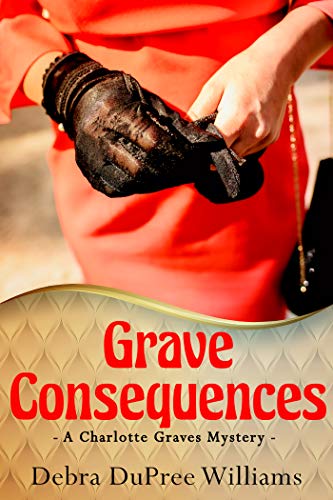
I was so excited that friend and fellow author Debra DuPree Williams shared a recipe from her debut novel, Grave Consequences, that I asked her if I could share another one from her novel. Happily, she agreed. This is her family’s recipe for her Granny’s Tea Cakes.

Southern tea cakes are more like a thick cookie than a cake. They probably were created in rural Southern kitchens from basic ingredients and passed down through the generations.

“Sis and I lamented that we don’t have any of our granny’s recipes,” Debra says. “I doubt she wrote down anything. They were all stored inside her mind and her heart.”

Granny’s Tea Cakes

1 stick butter

1 cup sugar

2 eggs

1 Tbs. buttermilk

¼ tsp baking soda

flour (Note: she didn’t include quantity. See below.)

Cream butter and sugar. Add eggs, buttermilk, then soda. Add flour and beat until it is of a consistency that can be rolled out. (Sandra used about 2 cups of flour.) Roll out on floured board and cut into small cakes. Bake at 350 degrees until golden brown.

I used a glass as a “cake cutter” and baked them in a preheated oven for about 20 minutes. Depending on the individual size of the cakes, you may need more or less time.

These are deliciously soft, thick cookies that remind me of my own grandmother’s stack cakes. The tea cakes are a little plain so I dusted mine with powdered sugar. The next time I bake them, I’ll add cinnamon to the batter.

This basic recipe will be easy to modify to your family’s preferences.

Thanks for allowing me to share these tea cakes with my Historical Nibbles family, Debra!

Sources

Williams, Debra DuPree. Grave Consequences, Firefly Southern Fiction, 2020.

Shannon, Patricia. “What is a Southern Tea Cake Anyway?”, Southern Living, 2020/08/22 https://www.southernliving.com/desserts/cookies/southern-tea-cakes.
When Gatlinburg was known as White Oak Flats


by Sandra Merville Hart

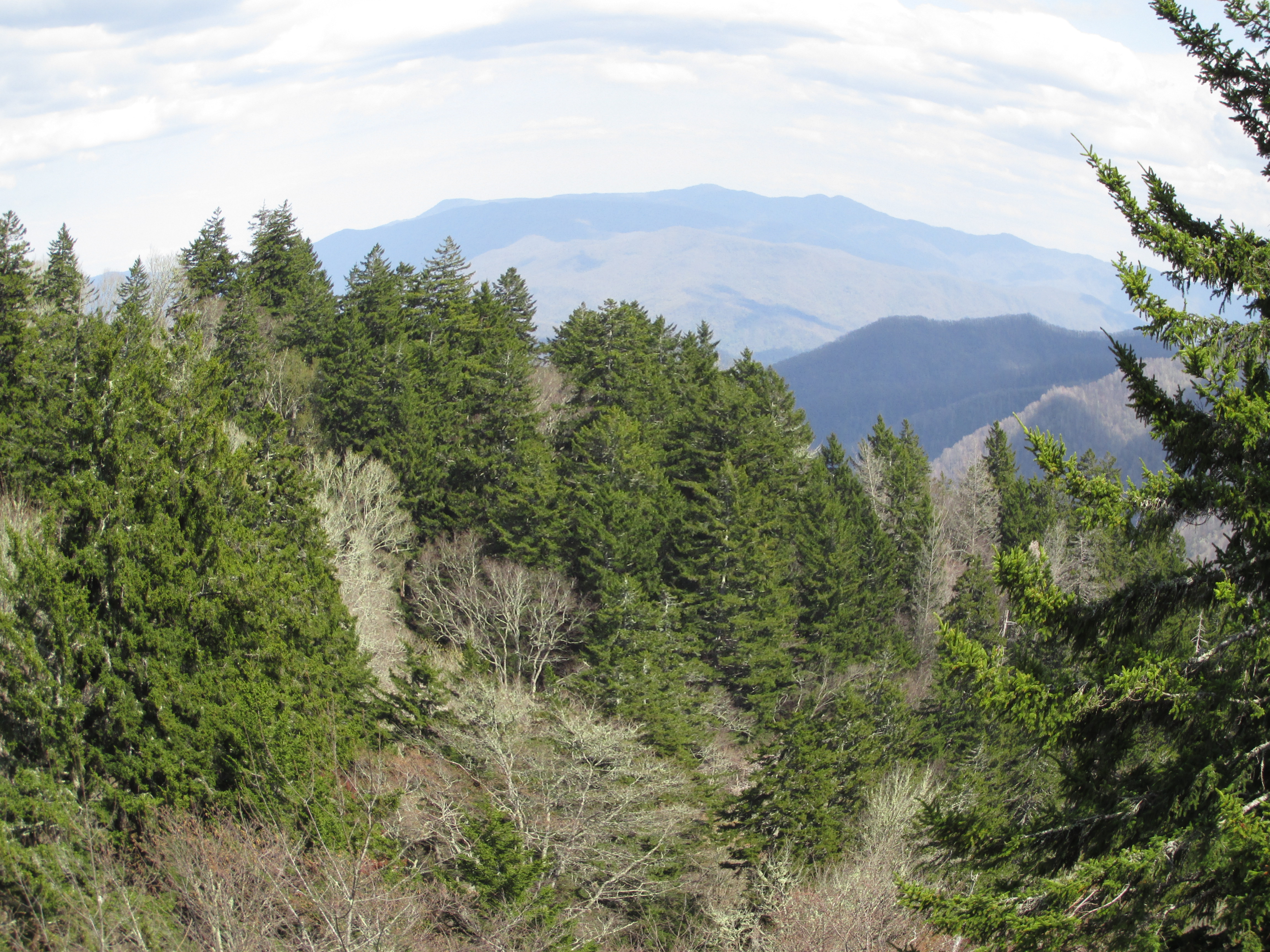
Indian Gap Trail was a footpath that Cherokee traveled to hunt in the Smoky Mountains. It connected to a trail that followed the West Fork of the Little Pigeon River through what is now Sevierville, Pigeon Forge, and Gatlinburg over the mountains into North Carolina.

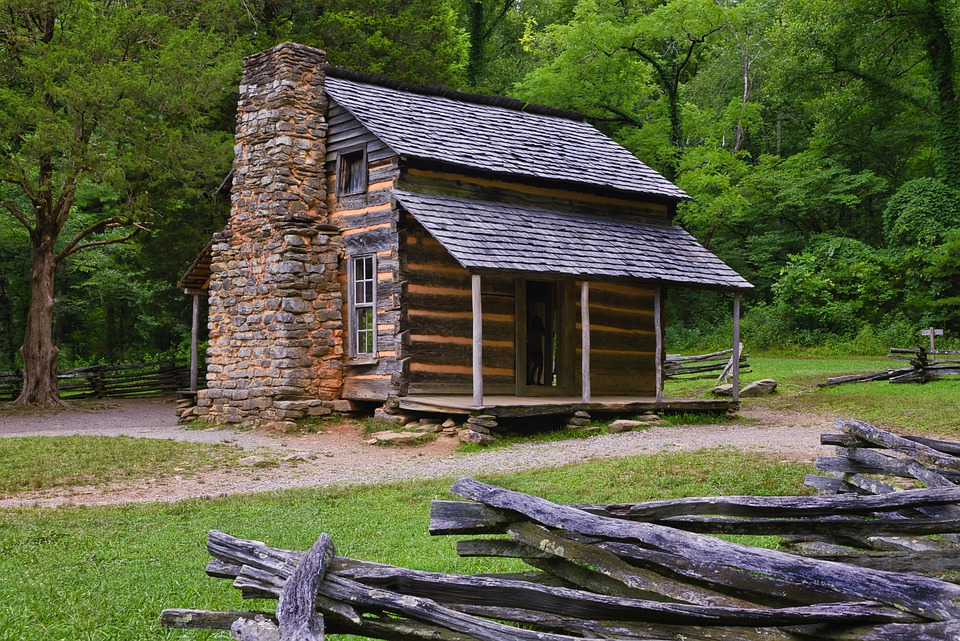
There were many settlers in Sevier County when Sevierville became the county seat in 1793. William Oglesby came to the Gatlinburg area from Edgefield, South Carolina. He cut and notched logs to build a cabin with the help of the Cherokee. Then he returned home for his family. Unfortunately, he caught malaria and died in 1803.

Martha Jane Huskey Oglesby, his widow, brought her family to the mountains and found the logs as her husband left them four years earlier and built a cabin. They shortened their name to Ogle.

Jane’s oldest daughter, Rebecca, was already married when they arrived. She and her husband James McCarter settled in what’s now called Cartertown. Isaac Ogle, Jane’s oldest son, owned 50 acres around Mill Creek.

By 1802, Richard Reagan had moved with his family from Virginia. Daniel Wesley Reagan was born on October 15, 1802, the first child born in the new settlement that was soon to be called White Oak Flats for the area’s abundance of white oak trees.

Pioneers settling in White Oak Flats around this time were John Ownby, Jr. and Henry Bohanon. Other early family names are Whaley, Trentham, Pinckney, and Maples.

There were no wagon roads. The pioneers carried their possessions over rough trails to make a home in the Smoky Mountains. They chopped down trees to plant crops and build cabins and barns.

James Bohannon was the first person to die in White Oak Flats. While carrying a heavy sack of maple sugar across a foot log bridge on the Pigeon River, he fell off and drowned.

Cherokee and Creeks resented their presence—it caused fights and friction. Gradually the Native Americans left the Smokies.

Many early residents may have been Revolutionary War soldiers who received fifty acres of land from North Carolina. (Tennessee had been part of North Carolina during the war.) Soldiers brought warrants with them, paying 75 cents for their property. The Sevier County Courthouse burned in 1824, losing all records, so this can’t be proven except by family tradition.

Worship services were first held out-of-doors until a church was built where the roads crossed. (Ogle Brothers’ store later stood there.)

Folks continued to move to the area. A second church was built near the mouth of Mill Creek on river road. This five-cornered building served the community as a church and school from 1816—35. They then built a log building, The White Oak Flats Baptist Church, on the Bearskins Creek bank in 1835.

The post office moved to Radford Gatlin’s store and White Oak Flats became known as Gatlinburg in 1856.

Sources:

“Gatlinburg, Tennessee,” Bearskin Lodge, 2020/08/24 https://www.thebearskinlodge.com/gatlinburg-history/.

“Gatlinburg, Tennessee,” Wikipedia, 2020/08/24 https://en.wikipedia.org/wiki/Gatlinburg,_Tennessee.

Greve, Jeanette S. The Story of Gatlinburg, Premium Press America, 2003.

“The Story of Gatlinburg,” Gatlinburg Convention and Visitors Bureau, 2020/08/23 https://www.gatlinburg.com/the-history-of-gatlinburg/.

Call of the Mountain by Yvonne Lehman

Book 3 in Finding Love in the Blue Ridge Mountains Series

Beth tries to talk her younger sister, Carol, out of having an abortion. The father doesn’t want the child and does not support her. Carol gives Beth an ultimatum—Beth must raise the baby as her own or she ends the pregnancy. She has two weeks to decide.

Stranded by a snowstorm, Beth meets the Logan family. Josh Logan is certainly a handsome and compassionate bachelor and catches Beth’s eye, but she already has a boyfriend. She worries about Randy’s reaction to her raising her sister’s child and begins to understand the emotions and fears of an unwed mother.

My interest was captured right away by a young single woman’s plight of the cost of potentially raising her sister’s child as her own. The romance also snagged my attention and I was pulling for “the best man” to win her heart.

I’ve read many books by this author and Lehman has never disappointed me. Looking forward to reading the rest of the series!

-Sandra Merville Hart

Amazon

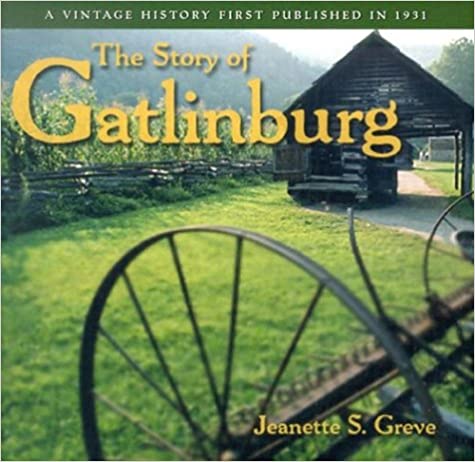
The Story of Gatlinburg by Jeanette S. Greve

A vintage history first published in 1931

What a treasure this book is to readers interested in the history of Gatlinburg and the Smoky Mountains!

I purchased this book on one of my family vacations to Gatlinburg. I knew the city’s popularity has exponentially grown in last fifty to sixty years and wondered about its humble beginnings.

This book demonstrates that growth while giving readers many details about how the first settlers lived. If you have roots or family ties to the area, you may discover more about your ancestors.

As a historical author of Civil War romances, I loved the information about the Battle of Gatlinburg. I learned the town was occupied during the war. The author provides officer’s names and specific regiments in the area—wonderful details for researchers.

Folks interested in the history of Gatlinburg as well as those who love learning America’s history will enjoy this book. A treasure!

-Sandra Merville Hart

Amazon

Vegetable Pizza

My daughter asked me to bring an appetizer to a gathering at her home. Vegetable pizza is more exciting, in my opinion, than veggies and dip. Chopping the vegetables is the biggest part of the preparation.

I made it easy on myself by using the refrigerated dough sheets.

Ingredients

1 packet dry Ranch dressing mix

1 cup (8 ounces) sour cream

1 cup (8 ounces) cream cheese, softened

2 packages refrigerated dough sheets (can use crescent rolls)

1 cup fresh broccoli, chopped

1 cup cauliflower, chopped

1 cup tomatoes, diced

1 cup cucumbers, diced

1 cup shredded carrots

1 cup shredded cheddar cheese

Preheat the oven to 375 degrees.

Combine the Ranch dressing mix, sour cream, and cream cheese. Mix well and set aside.

Chop the broccoli and cauliflower, using the florets. Discard the thick stems or use in another recipe.

Dice the tomatoes and cucumbers. (I usually put these on my veggie pizza. Since my daughter doesn’t like them, I left them off this time. That’s the beauty of this recipe—choose the raw veggies that your family loves.)

Roll out the dough sheet onto a baking sheet and bake for 10 – 12 minutes or until lightly browned. Allow it to cool for 10 – 20 minutes. (I purchased 2 packages and placed one each on two different baking sheets so that half could remain in the refrigerator while the first one was being served.)

Spread the Ranch dressing mixture over the crust once it cools. Scatter the veggies, one type at a time, over the dressing mixture. Top with cheddar cheese.

Refrigerate for at least an hour. Slice and serve.

Hope your family enjoys it!

-Sandra Merville Hart

History of Pigeon Forge

by Sandra Merville Hart

Like other tourists to the Smoky Mountains, my family has spent many happy days in Pigeon Forge, Tennessee. My parents, who used to live nearby, told me that it was a small tourist town into the 1970s. A recent vacation showed that every square foot along the main road is covered with restaurants, shops, motels, and shows. When did it change? And what is the history of the town?

Mordecai Lewis left Virginia and received 151-acre land grant from Governor Blount. In 1790, he built the area’s first forge on it. His son-in-law, Isaac Love, who inherited his property, built an iron forge along what’s now known as the West Fork of the Little Pigeon River in 1817. Iron bars, farming tools, and building equipment produced by this forge were sold throughout the country.

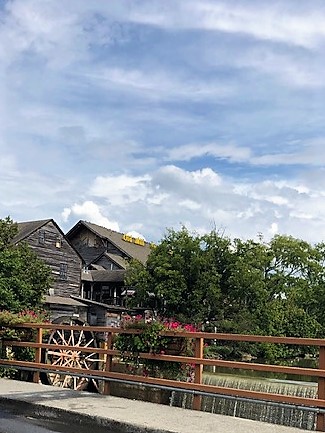
William Love and his brothers, sons of Isaac, built Lewis Mill (today’s Old Mill) near the forge in 1830. Farmers brought wheat, corn, and oats to make flour at the gristmill.

Beech trees lined the river, attracting huge flocks of passenger pigeons to nest in its trees and feast on beechnuts. Sadly, the once massive flocks of birds are now extinct.

When William Love was appointed postmaster with the post office inside the mill, Pigeon Forge received its name for his father’s forge and the passenger pigeons.

The mill was sold to John Trotter before the Civil War. He used his mill to support the Union. Clothing for Union soldiers in Gatlinburg were produced by secret looms on the second floor. Trotter used the third floor as a hospital.

The town’s population remained small—154 in 1907. Tourism increased in the mountains after the Great Smoky Mountains National Park was dedicated in 1940.

Rebel Railroad, Pigeon Forge’s first theme park opened in 1961. Klondike Katie, a coal-fired steam engine, was the main attraction. It changed ownership in 1970 and became Goldrush Junction. Another new owner in 1977 renamed it Silver Dollar City. Country singer Dolly Parton became a co-owner in 1982. Four years later, Dollywood opened.

Pigeon Forge became a city in 1961. Tourism boomed twenty-one years later. The city has grown rapidly to become a popular vacation location—a long way from a forge and a mill that was its claim to fame 190 years ago.

Sources:

“8 Huge Moments in Gatlinburg History and Pigeon Forge History,” Timber Tops Cabin Rentals, 2020/08/23 https://www.yourcabin.com/blog/moments-in-gatlinburg-and-pigeon-forge-history/.

Greve, Jeanette S. The Story of Gatlinburg, Premium Press America, 2003.

“History of Pigeon Forge, TN,” Smoky Mountain Navigator, 2020/03/23 https://www.smokymountainnavigator.com/explore-the-smokies/pigeon-forge/history-of-pigeon-forge-tn/.

“Our Old Mill: History in the Making,” The Old Mill, 2020/08/23 https://old-mill.com/our-history/.

“Smoky Mountain History: How Did Gatlinburg, Pigeon Forge and Sevierville Get Their Names?” Visit My Smokies, 2020/08/23 https://www.visitmysmokies.com/blog/gatlinburg/smoky-mountain-history-how-cities-got-their-names/.

“Step Back in Time at the Old Mill in Pigeon Forge,” Pigeon Forge.com, 2020/08/23 https://www.pigeonforge.com/old-mill/.

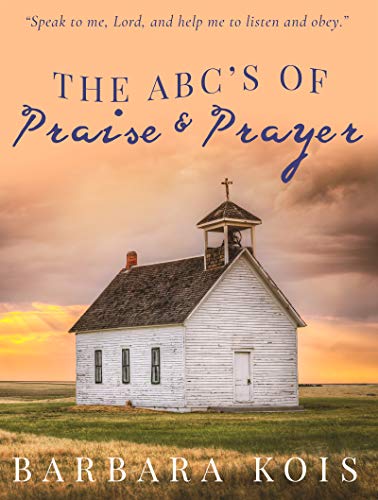
ABCs of Praise and Prayer by Barbara Kois

How 15 minutes with God can change your day

 I found this devotional book very creative.

First, each devotion begins with praise.

Second, each devotion focuses on a particular letter of the alphabet. For instance, the praise section of the letter ‘M’ uses words like Mighty, Majestic, Maker, and Matchless to describe God.

The devotional thought for each day also follows the letter theme—its title for ‘M’ is Mercy.

Scriptures are sprinkled throughout, along with prayers. Thought-provoking questions end each devotion.

I love that the author begins each section with praise to God. So often we come to God with heavy burdens. Beginning our time by praising Him shifts our focus.

Recommend.

-Sandra Merville Hart

Lighthouse Publishing of the Carolinas

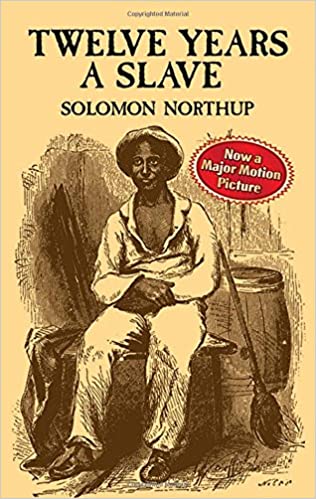
Twelve Years a Slave by Solomon Northup

A gripping true story!

Solomon Northup is a free man living in New York when kidnappers sold him into slavery. They had enticed him away from his home and family with offers to pay him for playing his violin entertaining their guests. As Solomon often earned extra money playing for parties, he was happy to travel with them.

They eventually ended up in Washington D.C., where the two men who had treated him as friend drugged him.

Solomon had a wife and three young children when he was kidnapped. They had no idea what happened to him for some time and, even then, did not know where he was—or that he’d been forced to live under another name.

The author tells his story honestly, providing names, locations, and excellent descriptions. This made it easy for folks to verify his story. The book contains language of the time and many of the names he was called are offensive.

Beautifully written. Poignant. Impossible to read this man’s story and not be touched by it.

-Sandra Merville Hart


Oregano

I add oregano to vegetable soup and cabbage soup. I love the aroma, which is enough to pique my appetite!

Of course, this is a popular seasoning in pasta dishes as well as pizza. Oregano can be chopped and added to pizza dough or bread dough.

This versatile seasoning may be used on fish, meat, sausages, in salads, marinades, and a variety of other dishes.

Dried oregano usually has more flavor but can grow stale if kept too long.

I was surprised to learn that the name is Greek and means “joy of the mountain.” Though the United States is now one of the leading producers of oregano, it was little-known until World War II soldiers, who had been stationed in Italy, returned home and talked about the herb.

Historically, both the Greeks and Chines used oregano for medicinal purposes.

It contains an antioxidant. It’s been used to treat colds, indigestion, diarrhea, and asthma.

Researchers are studying oregano for anti-inflammatory and anti-bacterial benefits. There is also some evidence that it may help fight some forms of cancer. Also, oregano may help those with Type 2 Diabetes to improve insulin resistance.

Of course, always consult your doctor before trying any of these as treatments.

-Sandra Merville Hart

Sources

Brazier, Yvette. “What are the health benefits of oregano?” Medical News Today, 2020/07/19 https://www.medicalnewstoday.com/articles/266259#nutrition.

“Oregano,” New World Encyclopedia, 2020/07/19 https://www.newworldencyclopedia.org/entry/Oregano.

The Story of Rose Haven

I am so excited that friend and fellow author, Debra DuPree Williams, is sharing a bit of background for her debut novel with us today. Welcome back, Debra!

By Debra DuPree Williams

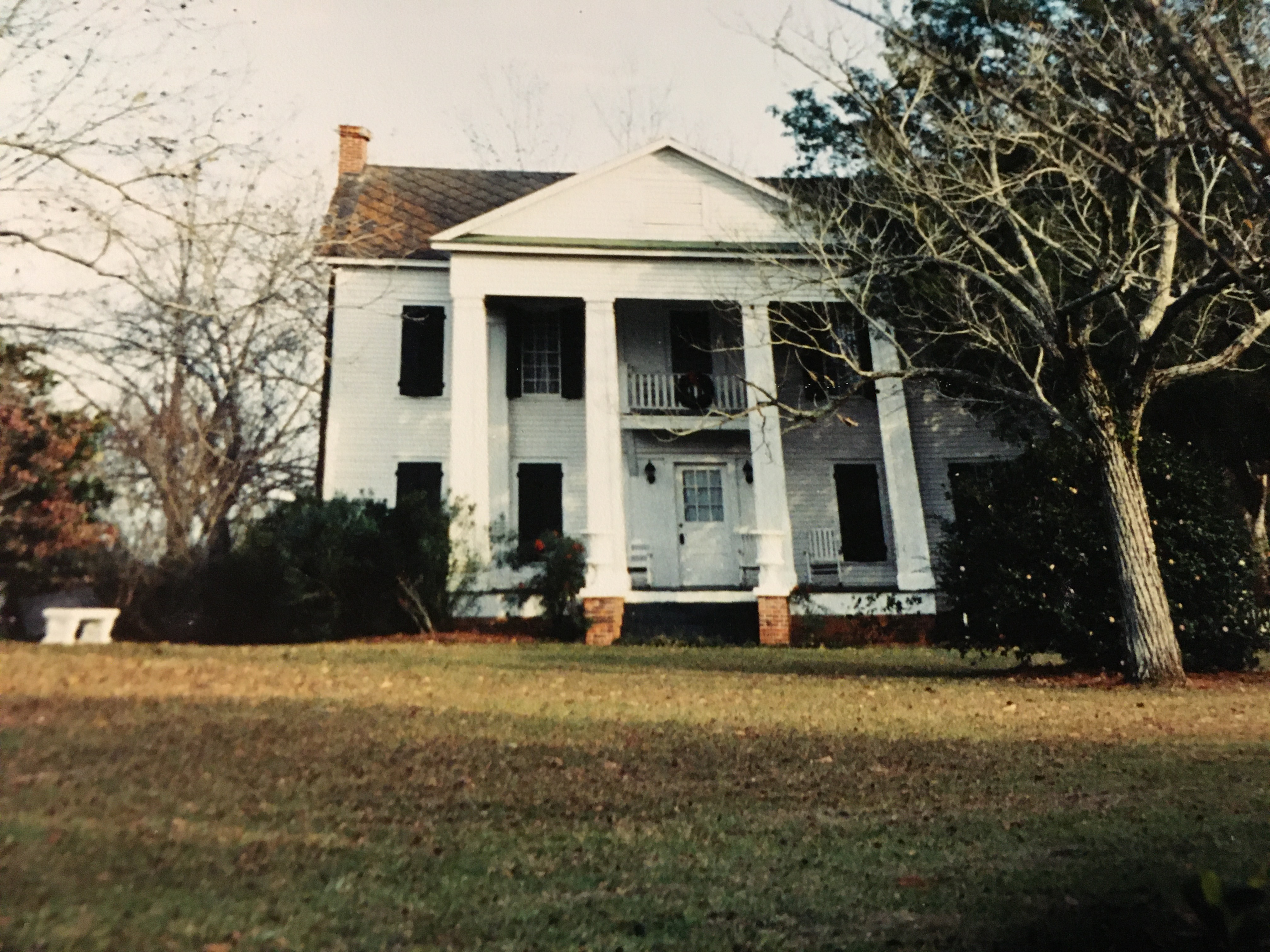
One of the main characters in my debut novel, Grave Consequences, is Rose Haven, the estate of Miss Marge Mayhew. It is situated out in the countryside near the fictitious town of Loblolly, Alabama.

Rose Haven was built prior to 1819 when Alabama became a state. At that time, Rose Haven was a simple four-room square home. Over time, it became the estate it is in 1968, the year in which the novel takes place.

Many people pass through Rose Haven’s doors. Secrets were overheard here. Lives began and ended here. Hearts found their way home and hearts were broken within her walls.

In all those years, Rose Haven has housed her share of stories, family members, and a few mysteries along the way. One big mystery that develops in Grace Consequences is that of a long-lost grave. Add to that a murder mystery.

Rose Haven is patterned after a home called Rose Hill, built by my brother-in-law’s Great-grandfather, David Jefferson Foshee, born about 1864. This home is quite lovely and is still standing in Red Level, Alabama.

My sister and her husband have never been inside as it slipped out of family ownership many years ago. I’ve seen the grounds and it is in a very pretty setting. Of course, I’ve taken poetic license to change its size and its surroundings. But, in my mind, I always think of Rose Hill. Sitting there in all her glory, on the outskirts of lovely little Loblolly.

Back Cover Blurb

Sometimes finding the living is more difficult than searching for the dead. 

In 1968, twenty-six-year-old Charlotte Graves wrestles with more than just her decision to return to her hometown, Loblolly, Alabama—she is also fleeing a broken heart, colliding headlong into a second one, and about to stumble onto a deadly secret.

Now settled back in Loblolly, Charlotte is hired to oversee the Woodville County Historical Society, a job she was born for. But no sooner has she banged the gavel to bring order to the first meeting than she is accused of being incompetent to lead the group by her old nemesis, Boopsie Sweets. Later that night, she finds herself arrested by her old beau, the current deputy sheriff, Roan Steele, for killing Boopsie.

After being released on bail, Charlotte uses her skills as a genealogist to leap into the investigation. And when Charlotte goes digging up dirt, she unearths a long-kept family secret. Will it lead to Boopsie’s murderer … or to grave consequences for Charlotte and her family?

About Debra

Debra DuPree Williams is an award-winning author whose work has appeared in Yvonne Lehman’s Stupid Moments, Additional Christmas Moments, Selah Award finalist, Moments with Billy Graham, and Michelle Medlock Adams’s Love and Care for the One and Only You, expanded edition, in addition to other publications. When she isn’t busy writing, you will likely find Debbie chasing an elusive ancestor, either through online sources or in rural graveyards. Debbie is a classically-trained lyric coloratura soprano whose first love is Southern Gospel. She’s been married forever to the best man on earth, is the mother of four sons, mother-in-law of one extraordinary daughter-of-her-heart, and DD to the two most intelligent, talented, and beautiful young ladies ever. Debbie and her husband live in the majestic mountains of North Carolina.

Connect with Debra on her blog.

Amazon