Courtesy Turn by Rebecca Williams Waters

Part of From the Lake to the River: The Buckeye Christian Fiction Authors 2018 Anthology

Published by Mt. Zion Ridge Press

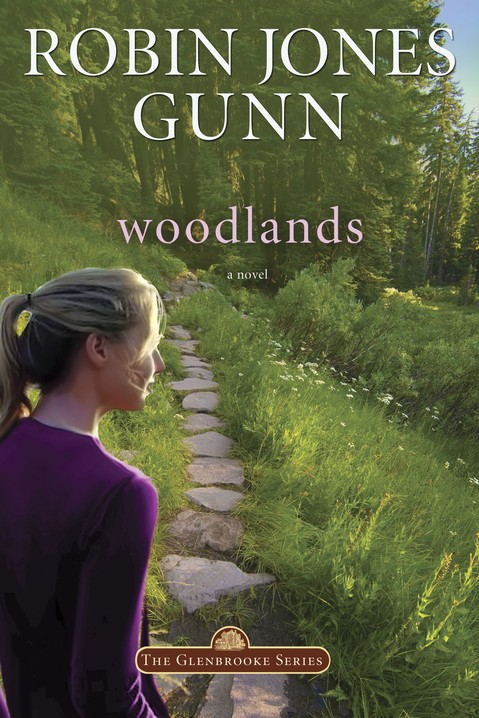
This contemporary romance is a definite page-turner!

I really enjoyed the humor and honesty of a widow who wants to meet a special man and begin dating again.

Lori’s son, Ethan, tends to be bossy—as if she is the child and he is the parent. She’s ready for that to change.

She used to enjoy square dancing. Should she return to it? She’d made some great friends there.

While there, a cowboy catches her eye …

Lovable characters—including Lori’s cat—make this an enjoyable read. I’ve read other books by this author and will look for more.

Recommend this novella and the other stories in this collection!

-Sandra Merville Hart

Amazon


Potato Salad

Today, I’m sharing my potato salad recipe with you. I love many different potato salads, but this is the one I usually take to picnics and family gatherings in the summer.

Ingredients

6 to 7 medium to large potatoes

3 eggs

1/2 medium onion

4 dill pickle spears

Mayonnaise

1 tablespoon mustard

Salt

It’s easy for peeled, chopped potatoes to get mushy while cooking. One trick in making potato salad that I learned as a teenager is to boil the potatoes whole.

Rinse the potatoes. Place them inside a large kettle and cover with cold water. Cook them on a medium to a medium high heat for a gentle, bubbling boil. Keep an eye on them. To test them for doneness, poke with fork. My medium-sized potatoes boiled gently for about 50 minutes. Larger potatoes require a little longer.

You’ll have to watch carefully and catch them before the peelings start curling open because that allows water inside. If that happens, the outer part will be mushy.

While the potatoes cook, boil 3 eggs on a medium high heat until hard-boiled, about 6-7 minutes. Replace the hot water with cold water as soon as you remove it from the heat. Set aside a few minutes to allow them to cool. Then peel and chop the eggs into a separate bowl.

Chop 4 dill pickle spears. I always add a tablespoon of pickle juice (or vinegar if you prefer) to the pickles to give it an extra burst of flavor. Set aside.

Peel a medium-sized onion. (I usually use Vidalia onions or white onions. Vidalia onions are a sweet onion while the white onions have a stronger flavor.) Dice ½ the onion and set aside.

When the potatoes are cooked, remove from the stove. Pour out the hot water and cover them in cold water for about five minutes. Then remove the potatoes from the water and let the skins dry for easier removal.

It’s a lot easier to peel the potatoes when cooked this way. Start cutting with a knife and then pull sections of peeling off. After peeling all the potatoes, chop them to the desired size and place them in a large mixing bowl. Add a little salt and mix gently.

Add eggs, onions, pickles, and a tablespoon of mustard.

From here on, I take after my grandmother who never followed a recipe. Add 3-4 heaping serving tablespoons of mayonnaise to the salad and begin mixing gently. If the salad looks dry, fold in another tablespoon and another until the potato salad has the desired consistency.

Then I start tasting. I immediately decided it needed another pickle spear. I chopped another spear and stirred it in, adding a spoon of pickle juice with it.

Another taste. Needed more salt. (Hint: add salt sparingly each time until it is salted to taste.)

You may decide it needs a bit more onion. If so, stir it in now. One thing I’ve discovered over the years—if I make it to my taste, my family and guests generally like it as well.

This recipe will serve about 8 people. Modify it for larger or smaller crowds.

Hope you enjoy this recipe.

-Sandra Merville Hart

Book Releasing Today!

My newest book releases today!

Nine Ohio authors have written novellas/short stories in Ohio settings in From the Lake to the River: Buckeye Christian Fiction Authors 2018 Anthology . What fun to be part of this anthology!

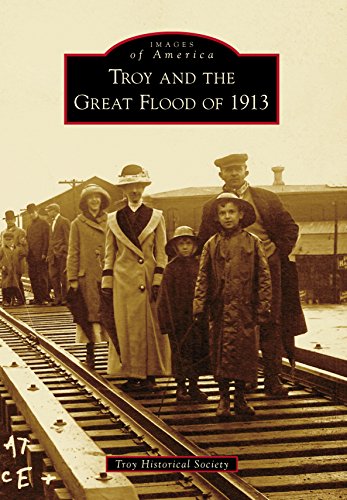
My novella in the collection, Surprised by Love, is set during the 1913 Great Miami River Flood in Troy, Ohio.


Here’s a blurb about my story:

Lottie’s feelings for an old school crush blossom again during the worst flood her town has endured in years.

Lottie shoulders the burden for her siblings after their mother’s death. Her seventeen-year-old brother’s disobedience troubles her, especially since she also cares for the boarders in their home. When the flooding river invades not only the town of Troy but also her home, Lottie and her family need to be rescued. 

Desperate circumstances throw Lottie and Joe, her schoolgirl crush, together. Can tragedy unite the couple to make her long-buried dream of winning his love come true?

And there are eight other stories in the anthology!

“Whether you like romance, young adult, women’s fiction, a touch of mystery or danger, some humor, some holiday cheer, a second chance at love, set in Ohio’s colorful history or the present–there’s something for nearly everyone in this collection.”-per the Editor at Mt. Zion Ridge Press, Publisher.

The collection From the Lake to the River is available on Amazon!


The Most Heroic Union Regiment in the Civil War

Today’s post was written by fellow author, Tamera Lynn Kraft. Welcome back, Tamera!

When I was asked to join the group of authors writing Murray Pura’s Cry of Freedom Anthology celebrating the anniversary of the Civil War, I knew what I wanted to write about. I’d researched the Ohio Seventh Volunteer Regiment for another novel I wrote and fell in love with them.

The Ohio Seventh was a regiment from northeastern Ohio that enlisted as soon as the Civil War began for a three-year term. During their tenure, they fought in many major battles including Gettysburg, Cedar Mountain, Lookout Mountain,  and Missionary Ridge. They are considered by many historians as the most heroic regiment.

The Ohio Seventh was sometimes called the Rooster Regiment because, when they went into battle, they crowed like roosters. They were also known for their temperance. The leader, Colonel Creighton, was a Christian and didn’t allowing drinking, gambling, or soliciting prostitutes among the ranks. One company of the regiment came from Oberlin College. Oberlin was known for its abolitionist views and religious fervor. Charles Finney, the president of the college, had been one of the preachers of the Second Great Awakening. Because most of the regiment strived to live Christian lives even in the midst of war, they were also sometimes called the Praying Regiment.

Even with all their victories, the regiment came home after three years feeling defeated. Their last major battle, Ringgold Gap, was their worst. After two days of victories in Lookout Mountain and Missionary Ridge, the Seventh was ordered to chase the Confederate soldiers to Ringgold Gap. The Confederates stopped running and set up an ambush. Many were killed in the last battle including Colonel Creighton, their leader. Colonel Creighton died while trying to rescue Lieutenant-Colonel Crane, the man who had been his close friend. Both men died. When the battle was over, every officer in the regiment except four were wounded or killed along with many enlisted men. Colonel Creighton, who was loved by his men, left a young widow he had married a few days before the war. Very few of the men who were left reenlisted.

Soldier’s Heart

After returning home from the Civil War, will his soldier’s heart come between them?

Noah Andrews, a soldier with the Ohio Seventh Regiment can’t wait to get home now that his three year enlistment is coming to an end. He plans to start a new life with his young wife. Molly was only sixteen when she married her hero husband. She prayed every day for him to return home safe and take over the burden of running a farm.

But they can’t keep the war from following Noah home. Can they build a life together when his soldier’s heart comes between them?

Available on Amazon Kindle, Kobo Reader, and Barnes & Noble Nook.

Bio:

Tamera Lynn Kraft has always loved adventures. She loves to write historical fiction set in the United States because there are so many stories in American history. There are strong elements of faith, romance, suspense and adventure in her stories. Her novella, Soldier’s Heart, is featured in From the River to the Lake Anthology. Her newest novel, Red Sky Over America is Book 1 of the Ladies of Oberlin series and will be re-released in September, 2018.

Tamera has been married for 39 years to the love of her life, Rick, and has two married adult children and three grandchildren. She has been a children’s pastor for over 20 years. She is the leader of a ministry called Revival Fire for Kids where she mentors other children’s leaders, teaches workshops, and is a children’s ministry consultant and children’s evangelist and has written children’s church curriculum. She is a recipient of the 2007 National Children’s Leaders Association Shepherd’s Cup for lifetime achievement in children’s ministry.

Connect with Tamera on her website,  Word Sharpeners Blog,  Facebook,  and Twitter.


Soldier’s Heart by Tamera Lynn Kraft

Part of From the Lake to the River: The Buckeye Christian Fiction Authors 2018 Anthology

Published by Mt. Zion Ridge Press

Noah returns home after his three years of serving in the Seventh Ohio to a hero’s welcome … only he doesn’t feel like a hero. The war’s still going on in the summer of 1864 and he only wants to see his bride, Molly.

Though thrilled to have Noah home from the war, Molly senses his wound still troubles him. That isn’t the worst part. He sees Southern soldiers outside their Ohio farm. Soldiers who aren’t there.

He suffers from soldier’s heart.

Both main characters in this novella tugged at my heart, as it was impossible not to feel for both of them. Well-written and researched, the story kept me turning pages. I read it from beginning to end. Recommend!

I’ve read books by this author before and will look for more.

-Sandra Merville Hart

Releases on September 1st! Preorder on Amazon!


1877 Housekeeper’s ABCs


Buckeye Cookery and Practical Housekeeping, written in 1877, is full of recipes and helpful advice to housekeepers. I found this wonderful list of “easy-to-remember” advice because it is written alphabetically.

 Apples—Keep in a dry, cool place without freezing.

Brooms—These will stay soft and pliant if kept in the cellar.

Cranberries—Store in water in the cellar. Change water monthly.

Dish—When baking cakes, set a dish of hot water in the oven to prevent cakes from scorching.

Economize—You’ll never beg if you economize health, time, and means.

Flour—Cover securely to keep flour cool and dry.

Glass—Stir 1 tablespoon of ammonia into 1 quart of water to clean glass.

Herbs—Gather herbs when they begin to blossom and store in paper bags.

Ink Stains—To remove ink stains, wet the stain with spirits turpentine. (Spirits of Turpentine is made by distilling resin from live trees.) Wait 3 hours and then rub.

Jars—“To prevent, coax ‘husband’ to buy ‘Buckeye Cookery.’”

Keep—Keep an account for all supplies with cost and date of purchase.

“Love lightens labor.”

Money—When someone gives you change, count it carefully.

Nutmeg—To find out if nutmeg is good, put a small hole in it with a pin. Oil will run out if it’s good.

Orange and Lemon Peel—Dry it, pound it, and then store in corked bottles.

Parsnips—Dig parsnips in the spring.

Quicksilver and an egg white destroys bedbugs.

Rice—Choose large, fresh rice. Old rice may have insects.

Sugar—Granulated sugar is best for general use.

Tea—”Equal parts of Japan and green are as good as English breakfast.”

Use—Make a cement of salt, ashes, and water to fix cracks in stove.

“Variety is the best culinary spice.”

“Watch your backyard for dirt and bones.”

Xantippe—Don’t be like her. (Xanthippe was the wife of Socrates. She had an argumentative spirit.)

Youth—Best kept by a cheerful spirit.

“Zinc-lined sinks are better than wooden ones.”

 What a list! Some of this advice is outdated but much is still useful today. A few of these were too precious not to quote directly, which is shown by the quotes.

I’ve not heard of the bedbug cure using quicksilver. Bedbugs aren’t a new problem. I wouldn’t be surprised if this works.

Hope you enjoy this blast from the past.

-Sandra Merville Hart

Sources

Compiled from Original Recipes. Buckeye Cookery and Practical Housekeeping, Applewood Books, 1877.

“Turpentine,” Wikipedia.org, 2018/07/24 https://en.wikipedia.org/wiki/Turpentine.

“Xanthippe,” Wikipedia.org, 2018/07/24

https://en.wikipedia.org/wiki/Xanthippe.


1870s Treatment for Baldness

I’m always searching for interesting or little-known tidbits from our past. I found treatments for baldness in an 1870s cookbook that I’d love to share.

Caution: These were treatments or cures from 140 years ago. I’m not a medical professional and make no claims to how well they work nor am I advising anyone to try them.

According to the 1870s writer, hair loss indicates a scalp disease. The cure? Dip the head into cold water twice daily then rub with a brush until it glows.

If the hair is too long to rub with a brush:

  • Make a wash of 3 drachms (1 drachm = 1/8 ounce) pure glycerin and 4 ounces of limewater. (Limewater is a diluted solution of calcium hydroxide. It has nothing to do with the fruit.)
  • Brush hair until it glows.
  • Rub the glycerin/limewater wash into the roots.
  • After using this solution for 2 to 3 weeks, add ½ ounce of tincture of cantharides to it. (Warning for modern-day readers: Cantharidin is poisonous if taken internally. It’s considered an extremely hazardous substance. Further, Scientific American warns that it injures the hair and “should never be used.”)
  • Treat the area with this solution once or twice daily. If the area grows tender, stop using.

If the baldness is in spots, dip a soft toothbrush in distilled vinegar and brush the area twice daily.

This information is passed along for the entertainment of my readers. If you read this in one of my historical novels, you’ll know where I found the information!

-Sandra Merville Hart

Sources

Compiled from Original Recipes. Buckeye Cookery and Practical Housekeeping, Applewood Books, 1877.

“Cantharidin,” Wikipedia.com, 2018/07/29 https://en.wikipedia.org/wiki/Cantharidin.

“Drachm,” Oxford University Dictionary, 2018/07/29

https://en.oxforddictionaries.com/definition/drachm.

“Hair Tonic,” Scientific American, 2018/07/29 https://www.scientificamerican.com/article/hair-tonic-1853-06-04/.

“Limewater,” Wikipedia.com, 2018/07/29 https://en.wikipedia.org/wiki/Limewater.

Praying for the Prodigal by Andrea Merrell

The author of this book shares her desolate journey when not only one but two of her children took dark paths, becoming prodigals.

They’d been raised in a Christian home. Attended church all their lives. How could this happen?

The book quotes a statistic: “88 percent of children raised in an evangelical Christian home will leave the church by the age of eighteen.” A staggering number. The author goes on to share that half of them find their way back.

The author’s honesty makes this a compelling read. She shares what happened with her children and then gives advice to parents in the midst of the storm.

Recommend this book for parents who are praying for prodigals.

-Sandra Merville Hart

Lighthouse Publishing of the Carolinas  Use coupon code SandraMHart for a 20% discount on Lighthouse Publishing books!


What is Pie Plant?

I found a recipe for Pie-Plant Pie in an 1877 cookbook. I had never heard of this before and did some research.

Rhubarb was referred to as pie plant over 100 years ago. It first came to North America in the late 1700s. Early on, it was mostly eaten in pies, which gave rhubarb its nickname.

Though rhubarb is a vegetable, may consider it a fruit because it is cooked in tarts, pies, and sauces.

Hothouse rhubarb is generally pink or pale red with yellow-green leaves. This type is sweeter and milder than the field grown variety, which are red with green leaves.

Never eat the leaves. They contain oxalic acid, poisonous to humans.

The stalks are crisp, similar to celery. The vegetable has a tart taste.

When cooking, cut the stalks in small pieces. It can be stewed in water with sugar until soft. Because the vegetable is highly acidic, don’t use aluminum pots to cook it. Rhubarb has a lot of water so not much water is needed in cooking.

Make a rhubarb sauce with such spices as ginger, cinnamon, and nutmeg, usually eaten cold.

Because of the acidic qualities, store only in glass or stainless steel. The stalks may be stored and refrigerated in sealed plastic bags for one week. It also freezes well.

Whenever I see pie-plant in an old recipe, I’ll know they mean rhubarb.

-Sandra Merville Hart

Sources

Compiled from Original Recipes. Buckeye Cookery and Practical Housekeeping, Applewood Books, 1877.

Land O’Lakes Test Kitchen. “The ‘Pie Plant:’ All About Rhubarb,” Land O’Lakes, Inc., 2018/07/23

https://www.landolakes.com/expert-advice/the-pie-plant-all-about-rhubarb/.

“Rhubarb,” Wikipedia.com, 2018/07/23 https://en.wikipedia.org/wiki/Rhubarb.


Raising Creative Kids

Earlier this summer, I was a guest of Cathy Krafve on Fireside Talk Radio. She made this interview such a fun experience for me. Thanks, Cathy!

She wrote an article on her blog about Raising Creative Kids: The Written Word Sparks Imagination with Sandra Merville Hart.

As you will read in the article, this strikes a chord with me. I discovered books in the third grade. Such wondrous things that could transport you to another time and place just by reading them! I remember asking the school librarian where books came from. “Authors write them,” she said with a twinkle in her eye.

From that moment on, I wanted to write.

But my parents discouraged me. I let the dream die.

Do you have a creative child? Find ideas for encouraging them here.