1841 Mustard Recipe

Sarah Josepha Hale, the author of an 1841 cookbook, wrote that mustard is best when freshly made. I occasionally like mustard on my sandwiches so this seemed like a fun experiment.

As is so often the case with old recipes, no ingredient amounts were supplied.
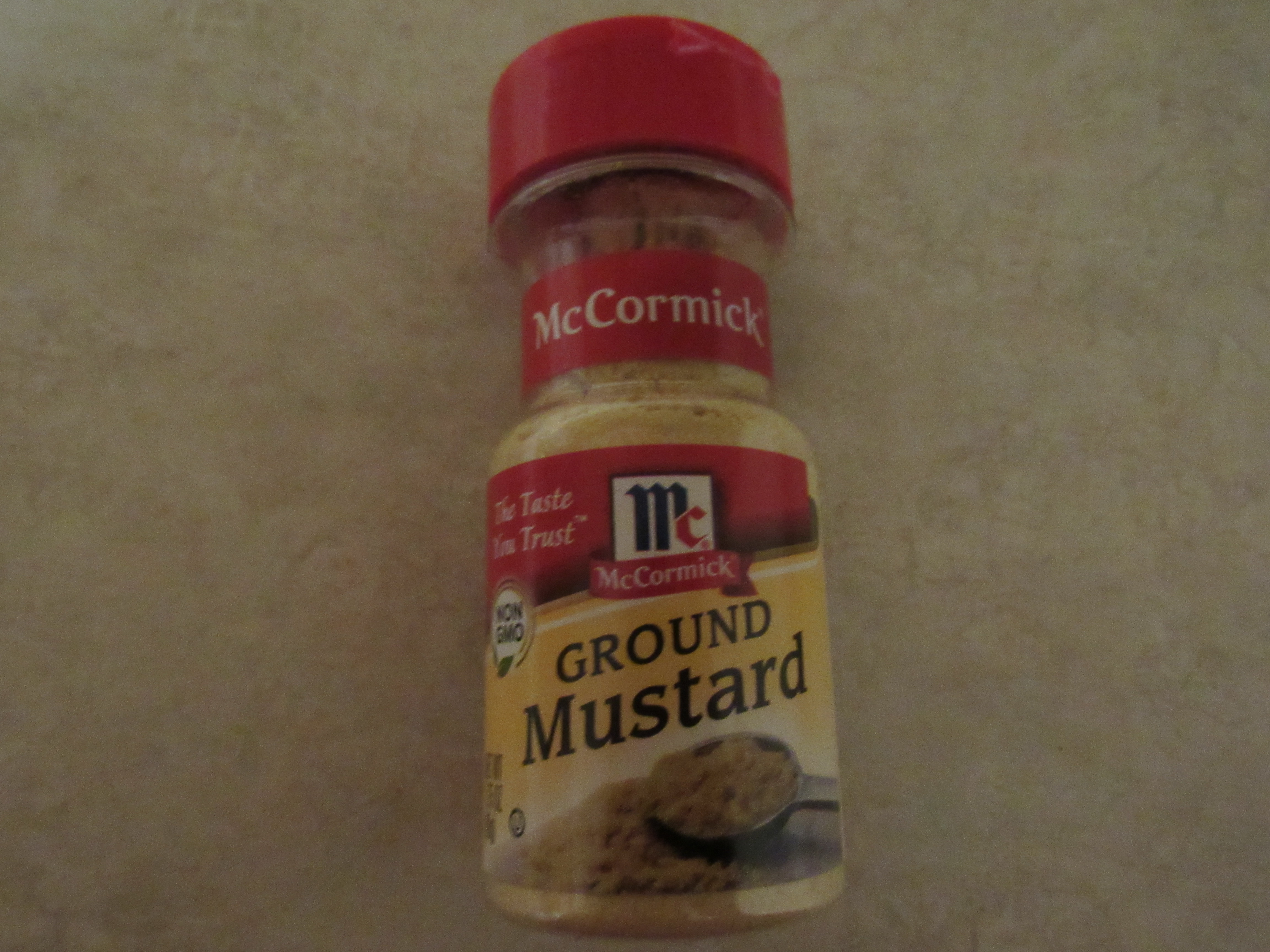
Hale suggests using the best ground mustard. I used 2 tablespoons of ground mustard. A “little salt” became 1/8 teaspoon of salt.

Mix this together. Add 2 teaspoons of warm water and stir. You will probably need a little more water (I used 3 teaspoons) until it is spreadable consistency.

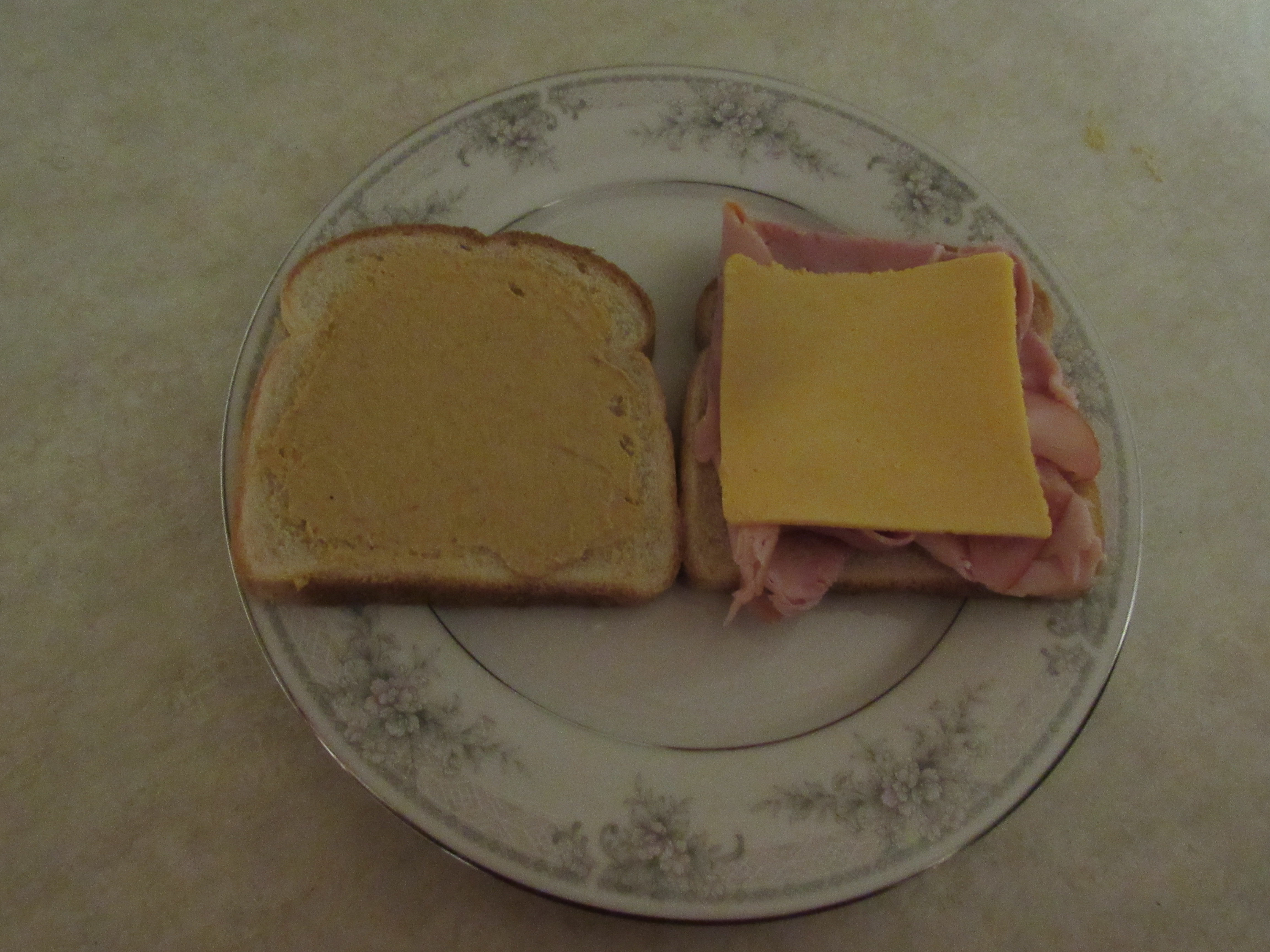
I tried this mustard on a ham sandwich. It has VERY STRONG taste, similar to horseradish mustard. I did not like it.

Hale included a recipe for Mild Mustard, where milk is substituted for the water. This made a creamier consistency, but the taste was even stronger.

Having grown accustomed to the popular mustard brands available today, this old recipe was too spicy for me. I don’t believe that greatly watering down the mustard would have improved the taste.

Did our ancestors use mustard more sparingly in their cooking than modern cooks? Or did strong spices improve the taste of poor quality meats?

I’d love to hear if you try it.

-Sandra Merville Hart

Sources

Hale, Sarah Josepha. Early American Cookery: “The Good Housekeeper” 1841, Dover Publications, Inc., 1996.

 

Testing the Purity of Flour

flour-791840_960_720

Cooks in the 1840s had to worry about the purity of flour. The addition plaster of Paris, ground stones, bones, and whiting increased flour’s weight and bulk. The practice placed harmful additives in flour (making it adulterated) and deceived buyers.

According to the Free Dictionary, whiting can mean a pure white ground chalk used in putty, paints, and ink. Whiting also refers to food fishes that possess “delicate white flesh.” My guess is that the ground chalk is the whiting used by the deceptive sellers.

accident-1238326_960_720Plaster of Paris is not an innocent ingredient either. The white powder mixes with water to become a hard solid. Sculptures and casts for broken limbs contain plaster of Paris.

Sarah Josepha Hale, the author of an 1841 cookbook, believed these harmful additives were rare in the United States yet suggested testing for these undesirable flour substances.

To test for whiting, dip fingers and thumb in sweet oil (olive oil.) Then pinch a bit of flour between the oily finger and thumb and rub. If the flour is pure, it won’t turn sticky but it will darken to almost black. If whiting is present, a few rubs turn the flour to putty and the color remains white.

I tested the flour in my canister. It didn’t darken at all and clumped up. It didn’t pass Hale’s test.

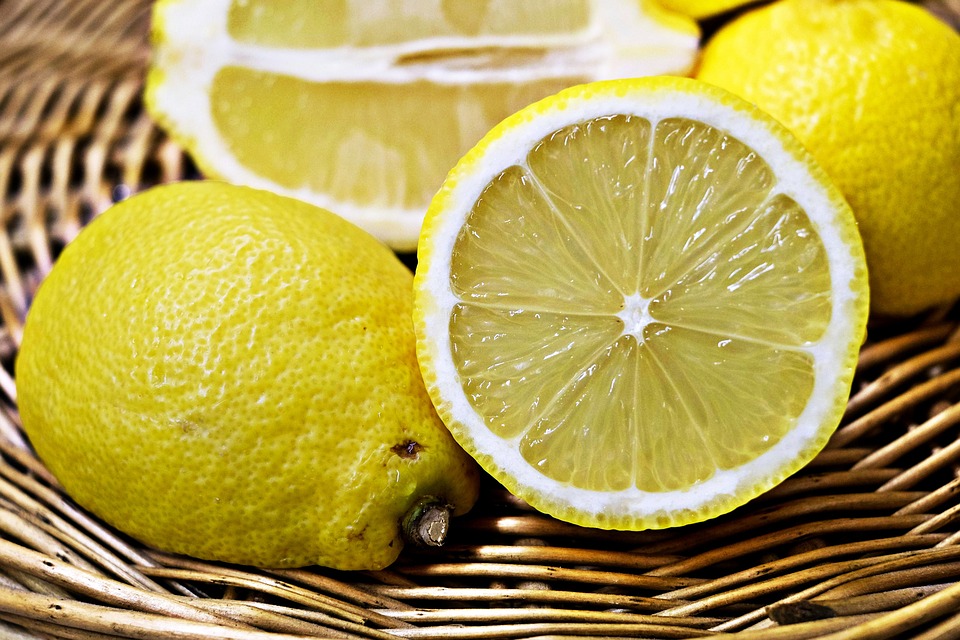
Dlemons-1132558_960_720rop lemon juice or sharp vinegar on a teaspoon of flour to test for plaster of Paris or stone dust. An immediate reaction shows the presence of these additives. If there is no reaction, the flour is pure.

Another purity test is to squeeze a handful of flour tightly. If the flour stays in a lump when opening the hand, it’s pure.

Thankfully, my flour passed the tests for plaster of Paris or stone dust. I can’t explain why it didn’t pass the whiting (chalk) test. Perhaps modern manufacturing practices?

If flour has turned sour or musty, bakers will easily notice it by the smell.

Though regulations and laws protect consumers today, it’s fun to know a few of the old tips used by our ancestors to protect their families.

-Sandra Merville Hart

Sources

American Heritage® Dictionary of the English Language, Fifth Edition. Copyright © 2011 by Houghton Mifflin Harcourt Publishing Company. Published by Houghton Mifflin Harcourt Publishing Company. All rights reserved.

Collins English Dictionary – Complete and Unabridged, 12th Edition 2014 © HarperCollins Publishers 1991, 1994, 1998, 2000, 2003, 2006, 2007, 2009, 2011, 2014.

Hale, Sarah Josepha. Early American Cookery: “The Good Housekeeper.” 1841, Dover Publications , Inc., 1996.


Advice on Eating the Right Quantity of Food from an 1840s Cookbook Author

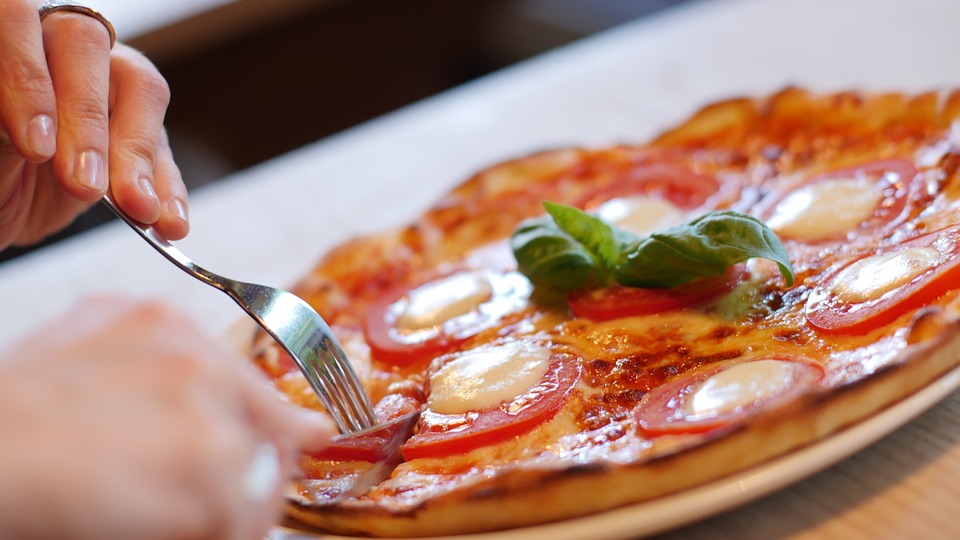
pizza-1150031_960_720

The author of an 1841 cookbook, Sarah Josepha Hale, advised her readers about the proper quantity of food. She observed that the availability of food often leads to overeating.

Hale blamed diet mismanagement on almost half of diseases/deaths in toddlers two and under. That’s a scary, guilt-ridden statistic for moms of that era.

Though it’s easier said than done, stop eating after satisfying your appetite.

Hale saw indigestion and other stomach complaints as wise reminders not to overeat. A body’s digestive power is limited to the amount of gastric juices; outdoor exercise aids their secretion.

trail-running-1487718_960_720Tailor portion sizes to the amount of exercise. Outdoor activities require more energy so there is less likelihood of overeating. Those who exercise little get indigestion or headaches from eating too much.

Feed active, healthy young people well. If they don’t like plain meals, don’t tempt them with sweets or snacks.

Enjoying a variety of meals benefits our bodies unless it tempts excessive eating.

Hale believed that if something disagreed with the stomach, too much had been eaten.

Though written in 1841, her opinions on food are surprisingly similar to what is taught today.

-Sandra Merville Hart

Source

Hale, Sarah Josepha. Early American Cookery: “The Good Housekeeper.” 1841, Dover Publications, Inc., 1996.


The Right Time to Eat

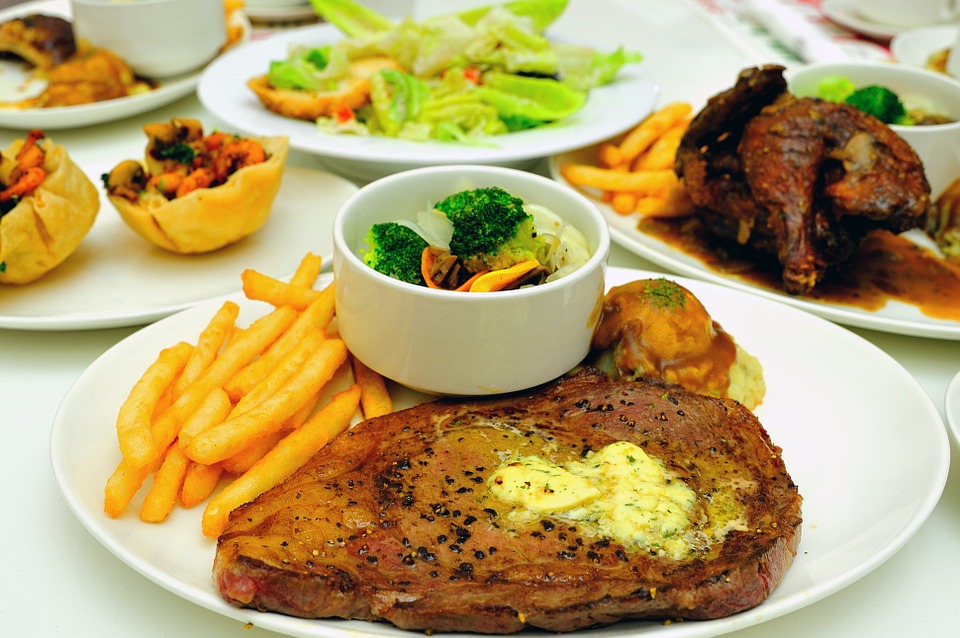
food-826744_960_720

The author of an 1841 cookbook, Sarah Josepha Hale, advised her readers about eating hours. Those on a regular schedule should eat at a set time; those living on irregular schedules should eat when they get hungry.

Laborers need larger meals more often than idle or inactive people.
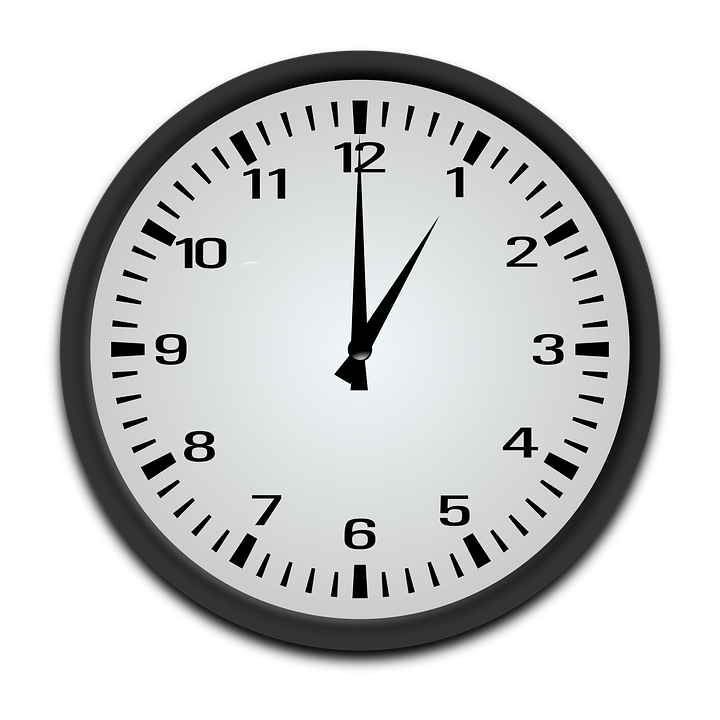
analog-clock-1295631_960_720Eat meals about five hours apart; active people require food more often.

Young people experiencing growth spurts eat often.

Feed children under seven every three hours. Hale recommended a slice of bread as a healthy lunch.

baby-472922_960_720Don’t set an eating schedule for infants for the first few months because their constitutions vary. Feed the baby when hungry.

Don’t exercise before breakfast if you tend to become sick easily (delicate constitution.)

Never enter the sick room of someone ill with fever before eating breakfast or at least drinking coffee.

Planning an early morning departure? Make sure to eat a light breakfast as protection against weariness and cold.

Don’t eat a big supper right before going to bed.

It’s harmful to eat when overheated or exhausted. Rest about fifteen minutes before dining.

Much of this “1841” advice still rings true today.

-Sandra Merville Hart

Source

Hale, Sarah Josepha. Early American Cookery: “The Good Housekeeper.” 1841, Dover Publications , Inc., 1996.