Cream of Beef Soup Recipe

by Sandra Merville Hart

I have often used canned cream of chicken soups and bullion in casseroles and crockpot recipes. It never occurred to me to make this from scratch until I watched a chef prepare it on a cooking show.

I tweaked some recipes until I was happy with the results. What a game-changer this has been for me in the past year!

This homemade soup has enhanced the flavor of every dish that I’ve used it in—all of them. I highly recommend it.

The soup takes about 20 minutes to prepare. I usually cook it while making the main dish.

Stock, which is water enriched by the food cooked in it, is an important ingredient in numerous soups. Homemade stock brings full-bodied flavor to recipes. Here’s a recipe for homemade chicken stock:  https://sandramervillehart.com/2017/05/15/preparing-chicken-stock/.

Chicken stock can be substituted for the beef stock when preparing chicken-based recipes. Turkey stock (or chicken stock if you can’t find turkey) can be substituted when preparing turkey-based recipes. In the same way, use vegetable stock for cream of celery. (When I next need cream of celery soup, I’ll simmer a celery stalk in the vegetable stock for a few minutes to draw out that flavor.)

Ingredients

½ cup butter

6 tablespoons all-purpose flour

2 cups of beef stock

2 cups of milk

Melt the butter in a medium saucepan. Stir in flour. Once combined, add the stock and milk. Stir until blended. Cook over medium-low heat until thick and creamy, about 15 to 20 minutes, stirring occasionally.

This recipe makes 4 cups of cream soup. If your casserole recipe calls for 1 can of soup, prepare half the recipe.

What a game-changer this has been for me in the past year!

This homemade soup has enhanced the flavor of every dish that I’ve used it in—all of them. Everyone I’ve served it to has noticed the difference. I highly recommend it.

It’s also good when served over rice or as the base for creamy soups. Enjoy!
Four Tips for Better Soups from Fannie Farmer

I recently ran across The Fannie Farmer Cookbook in an antique store. This book was originally published in 1896. Fannie Farmer’s name is still well-known today.

Hearty soups and stews may be a main course at supper. Soup with a salad or sandwich is considered a nutritious lunch—depending on ingredient choices.

Here are four tips from her cookbook for seasoning soups, freezing soups, incorporating leftovers in soups, and soup garnishes.

Firstly, wait until soup is almost finished cooking to add seasonings as salt intensifies during simmering. The salt content of ingredients varies so it is best to season to taste.

Partially covering the soup while cooking reduces it and intensifies flavor. Nutrients and flavor will be kept by fully covering the pot while simmering.

Secondly, soups freeze well. Make a big pot and freeze leftovers in portion sizes to fit your family’s needs. Soups that have been frozen may require additional seasoning and diluting before serving.

Boil refrigerated soups every third day to prevent spoilage.

Thirdly, don’t be shy about incorporating leftovers from the refrigerator into soup recipes. The type of soup dictates what to use because the ingredients need to work well together. Experience will bring good judgment when it comes to these decisions.

Be careful about adding flavorless leftovers. Those vegetables won’t enhance the soup. If the dish didn’t taste good when first serving it, don’t add it to the soup.

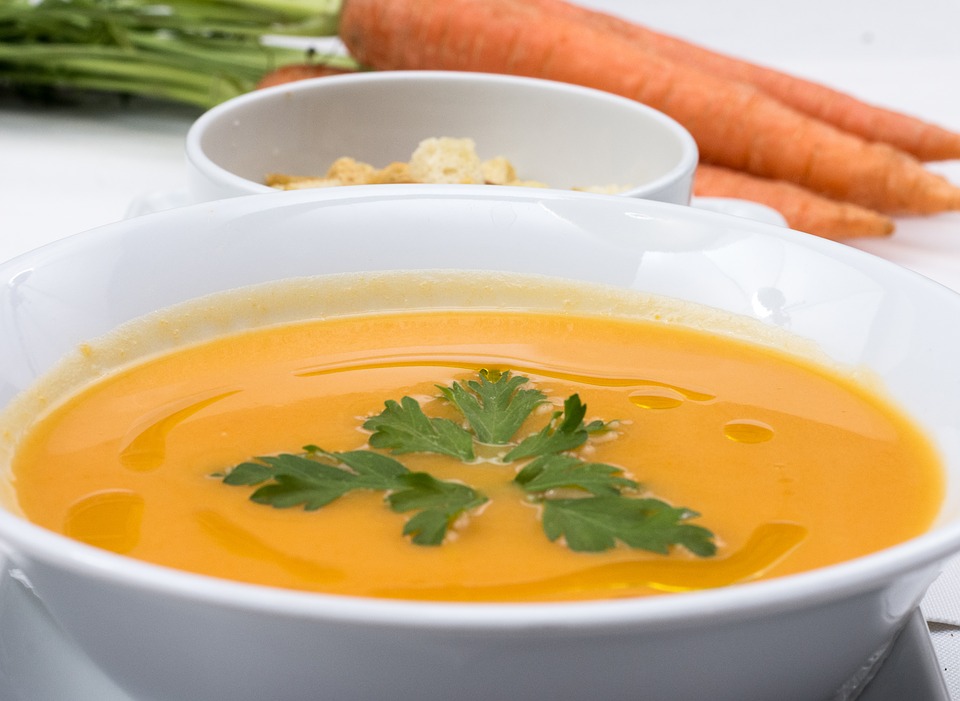
Lastly, garnishes enhance taste. Soups appear more appetizing with fresh herbs such as dill, chives, or parsley sprinkled on top. Freshly grated Parmesan cheese, for example, is a tasty addition.

A spoonful of sour cream or a slice of lemon is another possible garnish. Nuts, chopped eggs, or raw scallions may work well in some soups. Fresh blanched vegetables make a healthy garnish. Consider soup ingredients when choosing a garnish.

Making a pot of soup and experimenting with garnishes, one bowl at a time, may create a whole new dish for your family. This also allows our pickier eaters to eat ungarnished soup if they prefer.

-Sandra Merville Hart

Sources

Revised by Cunningham, Marion and Laber, Jeri. The Fannie Farmer Cookbook, Alfred A Knopf Inc., 1983.

Gumbo Recipe

blog-036

My husband and I invited a few friends over for an “old-fashioned” Christmas party.

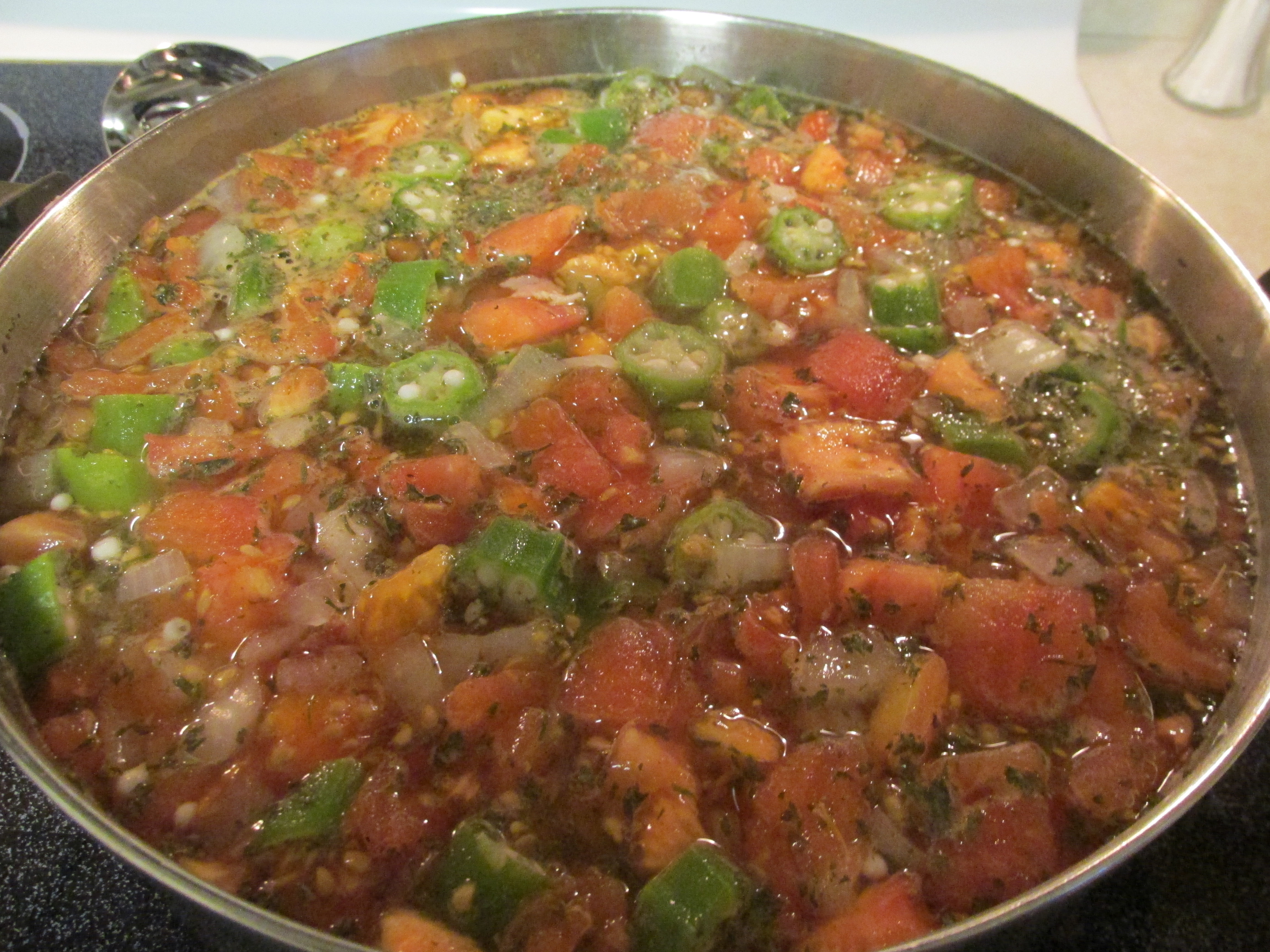
I searched for a soup recipe and found one in an 1877 cookbook for Gumbo, submitted by Mrs. E. A. W.

Peel and cut two quarts of tomatoes into bite-sized chunks and set aside.

I couldn’t find a quart of fresh okra in the middle of winter. Frozen cut okra worked well.

Dice a large onion. Fry three strips of bacon in a skillet until they just begin to sizzle. Add the diced onion to the skillet and sauté them together with a wooden spoon.

The bacon should begin to break apart. If it doesn’t, cut it into bite-sized pieces when finished with the sauté.

Pour this mixture into a large stockpot. This recipe filled my 7.5 quart pot. Add tomatoes, okra, two tablespoons parsley flakes, one teaspoon salt, and one teaspoon black pepper. I added chicken stock and then filled the pot the rest of the way with water.

I used medium heat until the gumbo started cooking, which took about thirty minutes at that quantity. Then the heat was lowered a bit to simmer for ninety minutes.

Our guests loved the soup. A dozen people ate a bowl with several returning for seconds. There was still enough gumbo to serve as lunch leftovers for a couple of days.

This is a comforting soup on a cold wintry day. Enjoy!

-Sandra Merville Hart

Sources

Compiled from Original Recipes. Buckeye Cookery and Practical Housekeeping, Applewood Books, 1877.