The Most Heroic Union Regiment in the Civil War

Today’s post was written by fellow author, Tamera Lynn Kraft. Welcome back, Tamera!

When I was asked to join the group of authors writing Murray Pura’s Cry of Freedom Anthology celebrating the anniversary of the Civil War, I knew what I wanted to write about. I’d researched the Ohio Seventh Volunteer Regiment for another novel I wrote and fell in love with them.

The Ohio Seventh was a regiment from northeastern Ohio that enlisted as soon as the Civil War began for a three-year term. During their tenure, they fought in many major battles including Gettysburg, Cedar Mountain, Lookout Mountain,  and Missionary Ridge. They are considered by many historians as the most heroic regiment.

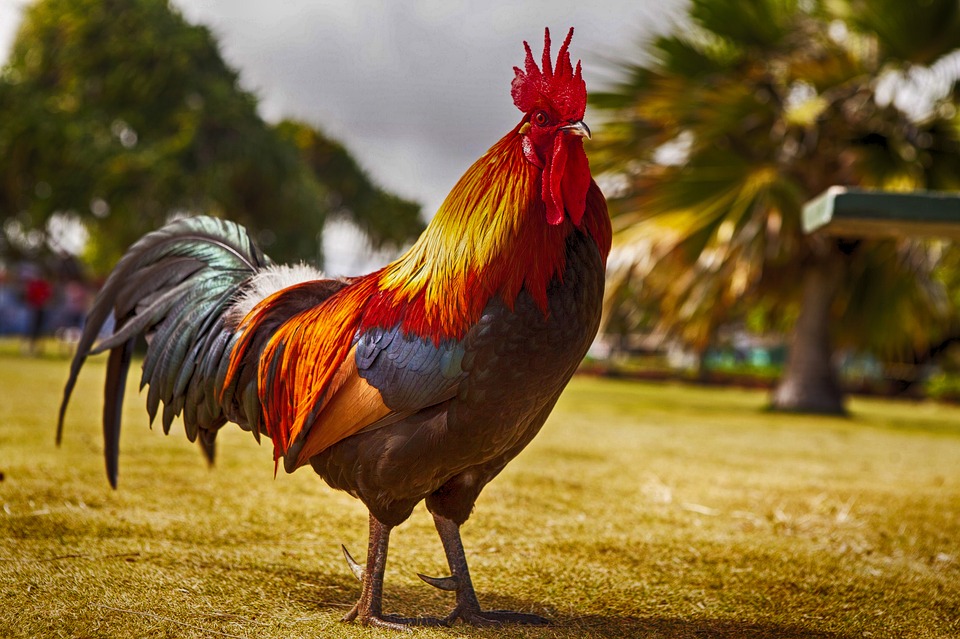
The Ohio Seventh was sometimes called the Rooster Regiment because, when they went into battle, they crowed like roosters. They were also known for their temperance. The leader, Colonel Creighton, was a Christian and didn’t allowing drinking, gambling, or soliciting prostitutes among the ranks. One company of the regiment came from Oberlin College. Oberlin was known for its abolitionist views and religious fervor. Charles Finney, the president of the college, had been one of the preachers of the Second Great Awakening. Because most of the regiment strived to live Christian lives even in the midst of war, they were also sometimes called the Praying Regiment.

Even with all their victories, the regiment came home after three years feeling defeated. Their last major battle, Ringgold Gap, was their worst. After two days of victories in Lookout Mountain and Missionary Ridge, the Seventh was ordered to chase the Confederate soldiers to Ringgold Gap. The Confederates stopped running and set up an ambush. Many were killed in the last battle including Colonel Creighton, their leader. Colonel Creighton died while trying to rescue Lieutenant-Colonel Crane, the man who had been his close friend. Both men died. When the battle was over, every officer in the regiment except four were wounded or killed along with many enlisted men. Colonel Creighton, who was loved by his men, left a young widow he had married a few days before the war. Very few of the men who were left reenlisted.

Soldier’s Heart

After returning home from the Civil War, will his soldier’s heart come between them?

Noah Andrews, a soldier with the Ohio Seventh Regiment can’t wait to get home now that his three year enlistment is coming to an end. He plans to start a new life with his young wife. Molly was only sixteen when she married her hero husband. She prayed every day for him to return home safe and take over the burden of running a farm.

But they can’t keep the war from following Noah home. Can they build a life together when his soldier’s heart comes between them?

Available on Amazon Kindle, Kobo Reader, and Barnes & Noble Nook.

Bio:

Tamera Lynn Kraft has always loved adventures. She loves to write historical fiction set in the United States because there are so many stories in American history. There are strong elements of faith, romance, suspense and adventure in her stories. Her novella, Soldier’s Heart, is featured in From the River to the Lake Anthology. Her newest novel, Red Sky Over America is Book 1 of the Ladies of Oberlin series and will be re-released in September, 2018.

Tamera has been married for 39 years to the love of her life, Rick, and has two married adult children and three grandchildren. She has been a children’s pastor for over 20 years. She is the leader of a ministry called Revival Fire for Kids where she mentors other children’s leaders, teaches workshops, and is a children’s ministry consultant and children’s evangelist and has written children’s church curriculum. She is a recipient of the 2007 National Children’s Leaders Association Shepherd’s Cup for lifetime achievement in children’s ministry.

Connect with Tamera on her website,  Word Sharpeners Blog,  Facebook,  and Twitter.
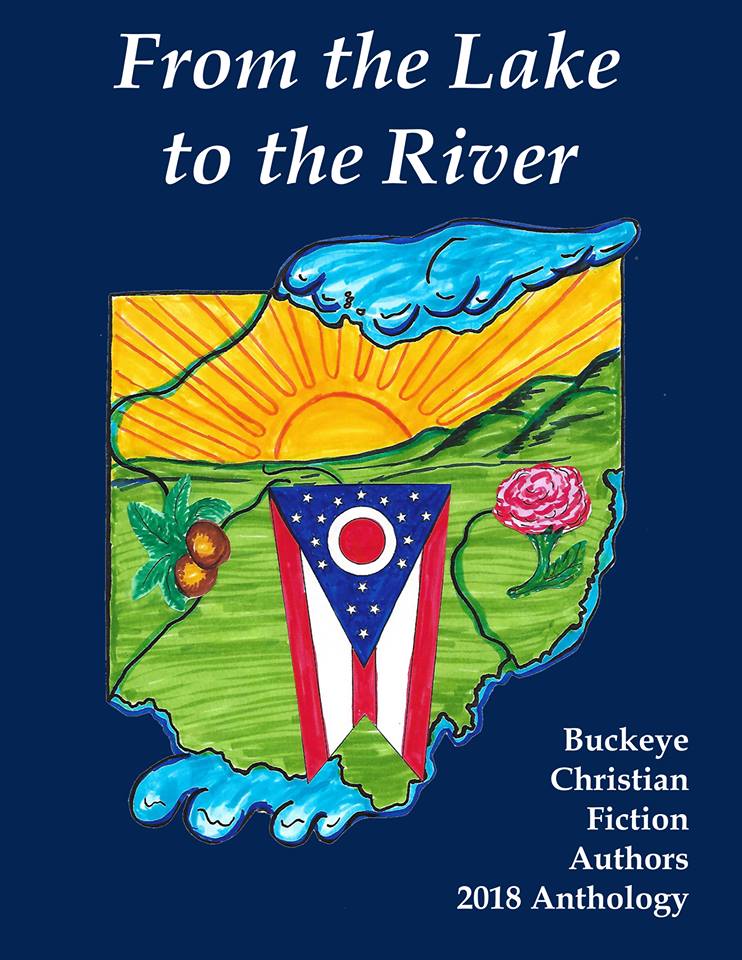
 

Soldier’s Heart by Tamera Lynn Kraft

Part of From the Lake to the River: The Buckeye Christian Fiction Authors 2018 Anthology

Published by Mt. Zion Ridge Press

Noah returns home after his three years of serving in the Seventh Ohio to a hero’s welcome … only he doesn’t feel like a hero. The war’s still going on in the summer of 1864 and he only wants to see his bride, Molly.

Though thrilled to have Noah home from the war, Molly senses his wound still troubles him. That isn’t the worst part. He sees Southern soldiers outside their Ohio farm. Soldiers who aren’t there.

He suffers from soldier’s heart.

Both main characters in this novella tugged at my heart, as it was impossible not to feel for both of them. Well-written and researched, the story kept me turning pages. I read it from beginning to end. Recommend!

I’ve read books by this author before and will look for more.

-Sandra Merville Hart

Releases on September 1st! Preorder on Amazon!


Alice’s Notions by Tamera Lynn Kraft

This historical suspense novel is set shortly after the end of World War II. Alice Brighton, widowed by the war, returns to her small home town of Burning Bush, West Virginia to start over. She opens a new fabric shop, Alice’s Notions, hoping to support herself and bring business to her town.

But nothing is the same. Her new landlord, Rick Morrison, is often away. He’s nice-looking but bossy. Her employee is a German immigrant. Old neighbors have changed.

Alice organizes a barn quilt tour to bring customers to the town. Why are so many up in arms about it? Who can Alice trust in the fearful environment following the war?

This novel is an eye-opener about the troubled environment and real danger to everyday folks after the war.

Once the story snagged my interest, it didn’t let go. The suspenseful quality drew me in as I tried to figure out who to trust along with Alice. Many aspects of 1940s life included in the story make this an enjoyable read.

-Review by Sandra Merville Hart

Christianbook.com

How Fashion Changed Dramatically in 1920

1920 Fashion (002)*** Today’s article was written by guest author, Tamera Lynn Kraft. Welcome to Historical Nibbles, Tamera!


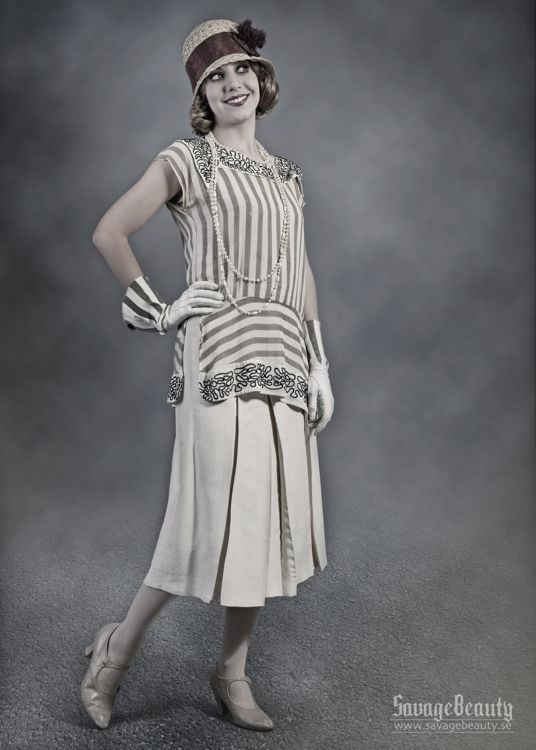
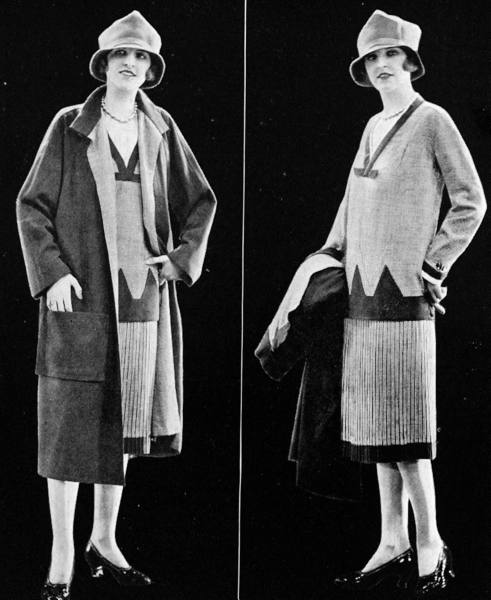
Studying fashion in 1919-1920 for my novella, Resurrection of Hope, was difficult because fashion changed so much in the couple of years leading up to the roaring twenties. Only ten years earlier, women had to contend with bustles and corsets. Hobble skirts that gathered close around the ankles made walking difficult. By the 1915, shirts became full and were just above the ankles. The bustles and corsets that had cursed women for decades were being thrown out. In 1918, straight line dresses were becoming popular, and skirts were actually a few inches above the ankle. The flapper style we know from the roaring 20s was starting to make its appearance.

In 1918, the flapper era started showing up in the cities first. Most women were conservative and wore their skirts a few inches below their knees which was scandalous five years earlier. By 1922, skirts were worn to the knee even in rural areas. The shift or chemise dress with the lowered waistline became popular in 1916 and continued throughout the 1920s. Tailored suits became popular among working women. Most dresses were sleeveless, and women wore sweaters over them on cold days. Jewelry to accessorize the new look became important, and women wore long beaded and pearl necklaces looped around the neck and large bracelets. In the winter, women finished the look with long fur coats.

Kraft 1920 Fashion (002)During World War I, many women had to work outside the home. They started to wear bobbed hair styles because they were easier to take care of. By 1920, the style took off and most women bobbed their hair even in more rural areas and conservative areas of the country. Cloche hats that fit tight around the face were becoming popular and went with the new short hair styles.

In the Victorian era, make-up was considered vulgar, but that changed in the early 1900s. By 1900, women started wearing powder to achieve a pale look. Once that became acceptable, women started wearing makeup to look younger without looking like they were actually wearing makeup. Max Factor opened in 1909 with its first makeup counter and supplied makeup to silent movie actresses. In 1917, Theda Bara started a trend by wearing heavy eye makeup in the movie Cleopatra. Women in the city started wearing make-up to look like the actresses on the silent movie screen. It was a few more years before the average farmwife would be seen in public wearing makeup.

-Tamera Lynn Kraft


ResurrectionOfHopeCoverArt72dpiResurrection of Hope

She thought he was her knight in shining armor, but will a marriage of convenience prove her wrong?

After Vivian’s fiancé dies in the Great War, she thinks her life is over. But Henry, her fiancé’s best friend, comes to the rescue offering a marriage of convenience. He claims he promised his friend he would take care of her. She grows to love him, but she knows it will never work because he never shows any love for her.

Henry adores Vivian and has pledged to take care of her, but he won’t risk their friendship by letting her know. She’s still in love with the man who died in the Great War. He won’t risk heartache by revealing his true emotions.

Amazon

Web1Tamera Lynn Kraft has always loved adventures. She loves to write historical fiction set in the United States because there are so many stories in American history. There are strong elements of faith, romance, suspense and adventure in her stories. She has received 2nd place in the NOCW contest, 3rd place TARA writer’s contest, and is a finalist in the Frasier Writing Contest and has other novellas in print. She’s been married for 37 years to the love of her life, Rick, and has two married adult children and two grandchildren.

You can contact Tamera on her website.