A Humble Thanksgiving Meal for the Ingalls

by Sandra Merville Hart

I recently read On the Banks of Plum Creek by Laura Ingalls Wilder. Her family moved to Minnesota when she was seven and first stayed in a sod house built into the creek bank. The details of everyday life in the 1870s fascinated me.

The Ingalls family was very poor. They had moved into the sod house too late to plant crops so finances were tight. The author described the family’s Thanksgiving meal.

Cooking was challenging because there wasn’t a fireplace in the sod home. Their small stove didn’t have an oven.

Her pa had shot a wild goose for their supper that her ma cooked into a stew. She also made dumplings that were cooked in the gravy.

The family ate mashed potatoes and corn dodgers (hearty cornmeal bread similar to corn muffins) served with butter and stewed dried plums. Milk was their beverage.

What grabbed my attention is what they did to remember the humble meal of the Pilgrims before the Native Americans helped them.

Three grains of parched corns sat beside each tin plate, a tradition that reminded them that’s all the Pilgrims had to eat on the long-ago day. How their new neighbors changed the course of their lives that day! There was much to be grateful for.

Laura considered the corn a treat as she thought of the Pilgrims. It was crunchy and brown. The sweet taste crackled on her tongue as she ate it.

I love learning about long-forgotten holiday traditions. Some of them find a home in my historical novels. 😊

Sources

Wilder, Laura Ingalls. On the Banks of Plum Creek, HarperTrophy, 1971.

President Washington Declares a Day of Thanksgiving

The Revolutionary War was behind them. The young nation established a new government. Leaders wrote a new United States Constitution. The nation elected its first president. Peace reigned again.

New Jersey Representative Elias Boudinot asked Congress to pass a resolution requesting that President George Washington declare a thanksgiving observance.

Congress passed the resolution. President Washington agreed.

On October 3, 1789, Washington issued a proclamation. Thursday, November 26, 1789 was to be a national day of thanks to God. He reminded Americans that the Almighty’s care and provision had led them through the Revolution and helped them establish a new government and Constitution.

Washington sent the proclamation to state governors, requesting they announce the observance to their citizens. Newspapers printed the announcement.

Public celebrations and church services marked that Thanksgiving day.  Washington attended a church in New York city, St. Paul’s Chapel. He remembered those who were imprisoned for debts in the city by giving them food and beer.

The proclamation did not establish Thanksgiving as a national holiday. Though Washington and other presidents declared days of Thanksgiving from time to time, Lincoln was the one to set aside an annual observance of the day.

-Sandra Merville Hart

Source

Byron, T.K. Ph.D. “Thanksgiving,” Mount Vernon, 2017/10/30 http://www.mountvernon.org/digital-encyclopedia/article/thanksgiving/.


Roasting a Turkey over the Fire – 1840s Recipe

turkey-448992_960_720

Roasted turkey appears to be as popular for Thanksgiving dinner in the 1840s as it is today, though hard-working cooks prepared their meat a bit differently back then.

butter-1449453_960_720Hale suggested making the stuffing using two cups of bread crumbs and one cup of butter. (Minced suet—the hard white fat found on kidneys and loins of sheep or cattle—could be substituted for the butter. Modern cooks will likely choose butter.) Beat three egg yolks well and then add about a teaspoon of finely chopped parsley, a fourth of a grated nutmeg, and one teaspoon of powdered lemon peel. Add teaspoon of allspice and salt. This mixture is then added to the bread and butter until thoroughly combined.

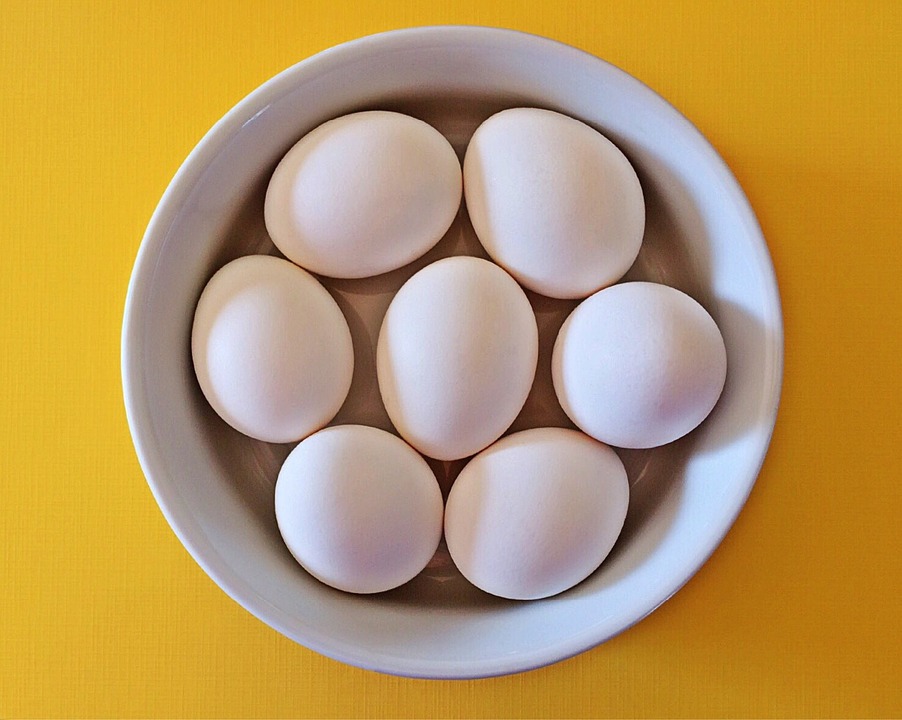
eggs-1278166_960_720She gave an alternate suggestion for stuffing: beat two egg yolks then combine with cup of sausage and a cup of bread crumbs.

Use either of these bread mixtures to stuff the turkey.

Dredge the turkey all over with flour then lay it in front of the fire with the stuffing side closest to the flame. The recipe does not mention a roasting pan though it seems likely they used something to protect the meat from scorching, possibly a cold gridiron as is used for broiling chicken in another recipe.

Hale mentioned that placing a strip of paper over the breast bone prevents scorching.

Until the turkey begins to produce drippings, baste with either butter or water with salt. Then use turkey drippings to baste the meat.

backdrop-22024_960_720When the meat is almost done, dredge it with flour once more and then baste it with butter.

Hale advises that large turkeys require three hours of roasting, though no mention was made of actual number of pounds.

Roasted turkey was often consumed with ham or tongue. Stewed cranberries were served as a side dish then as now.

-Sandra Merville Hart

Sources

Hale, Sarah Josepha. Early American Cookery, Dover Publications, 1996.