A Christmas Tradition: Epiphany

by Sandra Merville Hart

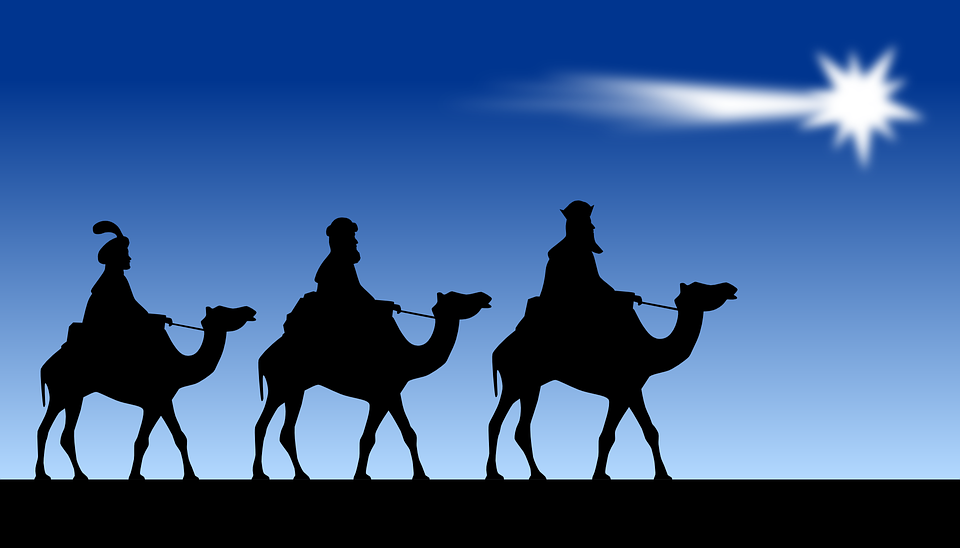
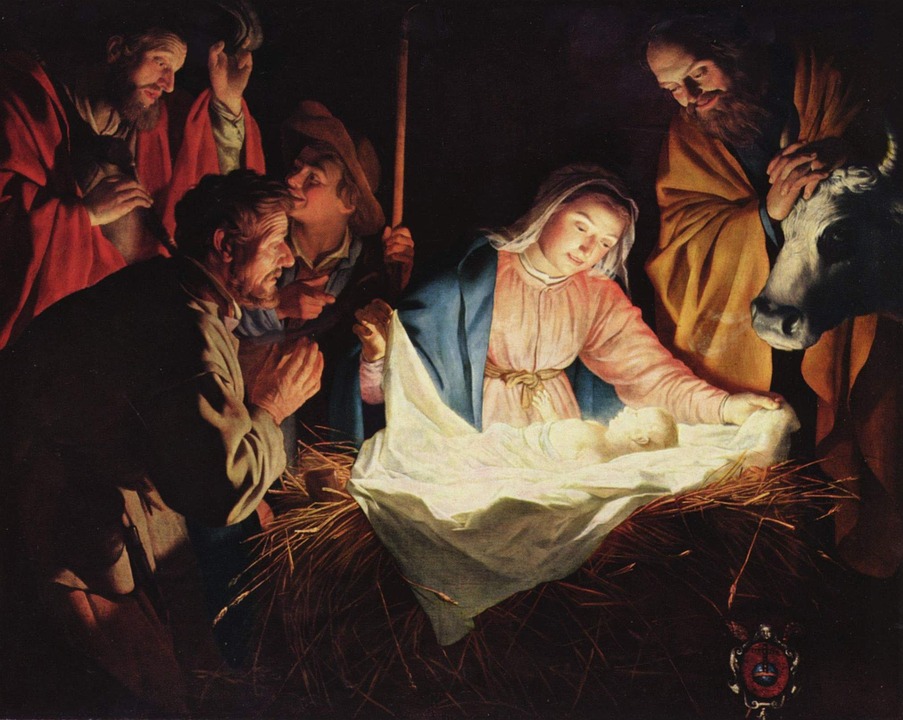
Epiphany is a word that Christians use to describe the day that the Magi from the East found Jesus. The meaning of epiphany is a sudden, striking realization.

The Twelve Days of Christmas begin on December 25th with a celebration of the Jesus’ birth and end on January 6th, which is traditionally celebrated as the day the Magi’s visit.

In the Middle Ages, Epiphany was also known as Twelfth Night or King’s Day.

Prince Albert and Queen Victoria of England turned this celebration into a family celebration in middle of the nineteenth century. It celebrated the Magi’s revelation at finding the Christ child.

The holiday season was celebrated from Christmas Eve to the Eve of Epiphany, when families sang songs and took down decorations. They attended church services on the Eve of Epiphany. Aromas from baked or simmered herbs reminded Christians of the Magi’s gifts.

Children left food for the wise men and hay for their camels that night. The food was usually gone the next morning, replaced by gold coins. This gift-giving was gradually replaced by Santa Claus in the United States and Father Christmas in England late in the 1800s.

Children in Germany dress up as Magi on January 6th and follow a child holding a star to find baby Jesus.

Epiphany is called “King’s Day” in parts of Mexico, Puerto Rico, Venezuela, and Argentina. Wise men leave presents on the Eve of Epiphany. “King’s cake” is often served as part of the next day’s celebration.

Children fill shoes with barley for the Magi’s livestock in Italy and Spain.

A ship sails into many Spanish seaports on the morning of Epiphany with the Magi on board. These wise men give candy to children lining the sidewalks.

It’s fun to discover some of the different traditions associated with the 12 Days of Christmas.

 

Sources

Collins, Ace. Stories Behind the Great Traditions of Christmas, Zondervan, 2003.

Kennedy, Lesley. “How 25 Christmas Traditions Got Their Start,” History, 2020/11/12
https://www.history.com/news/christmas-traditions-history.

The Twelve Days of Christmas

christmas-1010749_960_720

by Sandra Merville Hart

The Twelve Days of Christmas isn’t just a song; it was a celebration of Jesus’s birth beginning on Christmas Day. This was the Day 1 or the first day of Christmas.

A saint was honored on each successive day. For instance, December 26th was Day 2. This is Boxing Day. St. Stephen was the one remembered on this day.

The Twelfth Night—or Epiphany Eve—is January 5th, the evening before the Twelfth Day when people celebrated the Feast of the Epiphany. January 6th is the final day of Christmas.

Folks hosted big parties on the Twelfth Night. They played music–usually bagpipes–and played games. Hostesses served Twelfth Night cake every year. It was a fun and festive event.

rock-partridge-50362_960_720Our beloved song, Twelve Days of Christmas, seems to have begun as a “memories—and—forfeits” game, as is printed in a children’s book in 1780, Mirth Without Mischief. The leader began the game by quoting a verse that the followers repeated. This continued until a player made a mistake, when that person paid a small forfeit or penalty—possibly a kiss.

This was one of the games played at Twelfth Night parties. When this and other games finished, guests sat down to enjoy a meal that included mince pies and Twelfth Night cake.

The Christmas season ended on January 6th, known as Epiphany. This day honors two events in Jesus’s life: the first event happened when the Magi traveled from the east to bring gifts to the newborn king, Jesus; and the second event took place when John the Baptist baptized Jesus.

the-three-magi-160632_960_720Many Christians across the world still celebrate Epiphany. Several countries including Austria, Italy, and Uruguay recognize this day as a public holiday.

Citizens of different countries celebrate Epiphany in various ways. For example, the children of Spain leave straw or grain for the horses of the three kings inside their shoes on Epiphany Eve, January 5th. They are delighted to find cookies or gifts has replaced the grain on Epiphany.

The three kings ride into many cities in Spain on Epiphany Eve. Drummers dressed in medieval costumes and military bands enter with the kings as part of the event.

Traditionally, the Twelve Days of Christmas has been much more than a fun song. Learning the history adds meaning to what we already love about the season.

Sources

“Epiphany,” Timeanddate.com, 2016/10/25  https://www.timeanddate.com/holidays/common/epiphany.

“The Twelve Days of Christmas,” WhyChristmas.com, 2016/10/25  http://www.whychristmas.com/customs/12daysofchristmas.shtml.

“The Twelve Days of Christmas (Song,)” Wikipedia, 2016/10/25  https://en.wikipedia.org/wiki/The_Twelve_Days_of_Christmas_(song).