Civil War – Union Shelters

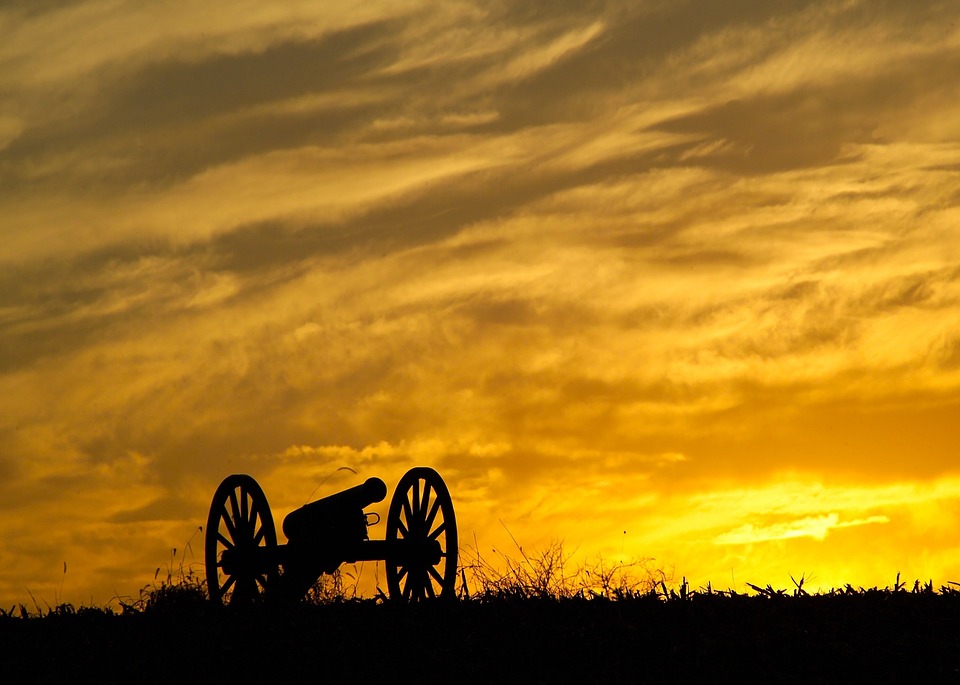
cannon-144552_960_720

Barracks were often built to house Union soldiers in training camps, such as the one at Camp Cameron. These were long buildings similar to bowling alleys of the day. Barracks held a double row of stacked bunk beds separated by a center aisle. They were designed to hold a company, which was one hundred soldiers.

Most camps, though, sheltered their soldiers in tents. One of the popular designs was the Sibley tent, also known as the Bell Tent due to its resemblance to a bell. Supported by a single pole, these tents were twelve feet high and eighteen feet in diameter.

Sibley tents were large enough to house a dozen men. A cone-shaped stove warmed them in cold weather from the center. A small circular opening allowed for the stove pipe and for ventilation. This type of tent became too cumbersome for field camps and was used mainly in instruction camps.
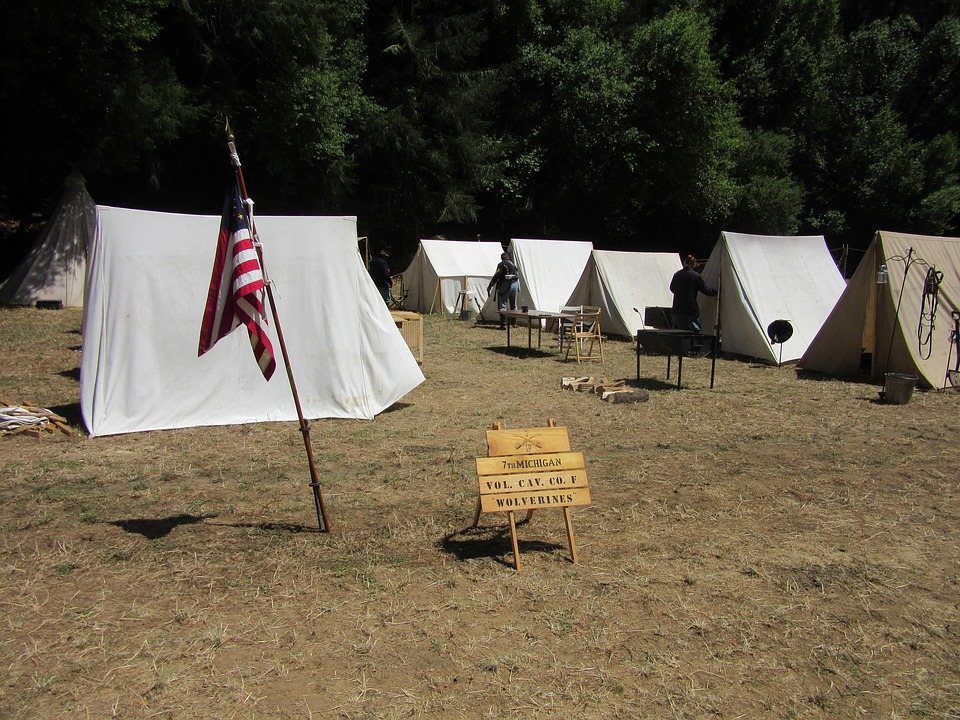
camp-1786750_960_720The A tent (also called Wedge tent) was a canvas tent stretched over a six-foot horizontal bar, supported by two upright posts. This tent resembles the letter “A.” The area inside is about 7 square feet. It was intended to sleep four. The number sometimes grew to five or six men, which made for tight sleeping quarters.

Another type was the Hospital or Wall tent. These had four upright sides and came in different sizes. Those used in field hospitals held 6 to 20 patients. These tents were often joined together to increase space by ripping the center seams.

All of these shelters were widely used by troops in training before they left their state.

Shelter tents were invented early in the war for the rank and file (privates) who carried half the tent on the march. These halves were about five feet by four and a half feet with a single row of buttons and buttonholes. These were made into a whole tent by buttoning the half shelter to a comrade’s half shelter to make a roof.

Armies on marches didn’t take the trouble to put up tents in good weather. If cold or rainy, comrades placed two muskets with bayonets in an upright position the distance of the half shelter apart. They stretched a rope between the trigger guards to make a tent ridge pole.

The infantry got so much practice that it didn’t take long to put up the tent—even after a long day of marching.

-Sandra Merville Hart

Sources

Billings, John D. Hardtack & Coffee, University of Nebraska Press, 1993.
 

This Week in History: Civil War Battle of Franklin

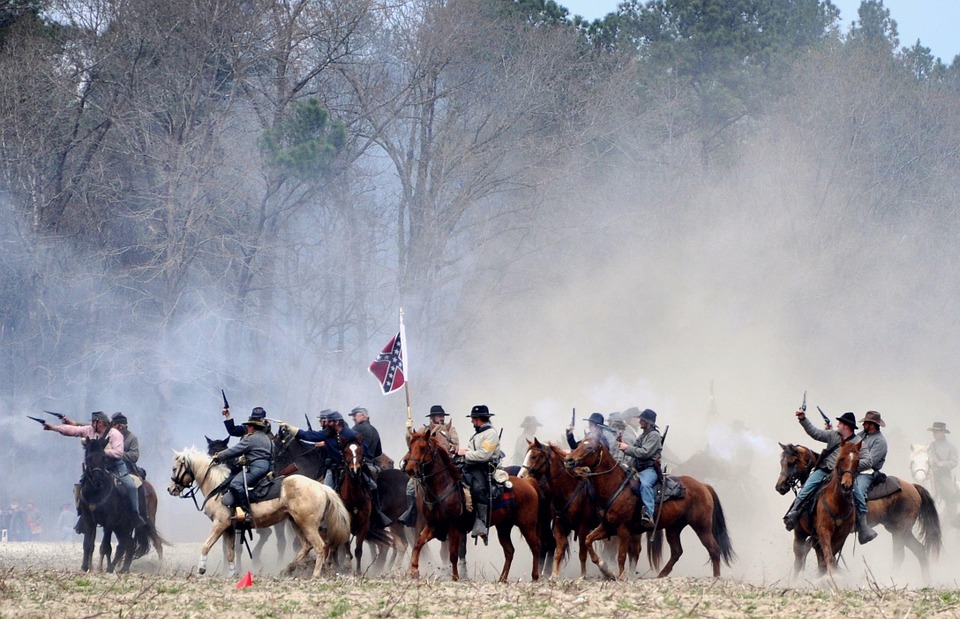
battle-197727_960_720

Wednesday, November 30, 1864

 Jacob Cox led Union soldiers under General Schofield south of Franklin, Tennessee, around dawn where they set up a line of defense as well as along the Harpeth River. Federals wanted to hold the city long enough to repair bridges for crossing.

Confederate General John Bell Hood resolved not to allow the Federals to reach Nashville. He arrived with 30,000 troops around 4 pm and launched an assault on the Union front. Though they almost broke through, the Southerners took heavy losses.

Some of the whole war’s bloodiest fighting happened at the Carter House. Tragically, Confederate soldier Tod Carter was fatally wounded in the frontal assault and died in his childhood home.

The battle that raged well past nightfall claimed the lives of 6 Confederate generals, including Pat Cleburne, tragic losses for the Southerners.

-Sandra Merville Hart

Sources

Long, E.B with Long, Barbara. The Civil War Day by Day: An Almanac 1861-1865, A Da Capo Paperback, 1971.

“Franklin,” Civil War Trust, 2016/08/04 http://www.civilwar.org/battlefields/franklin.html.


Siege of Chattanooga

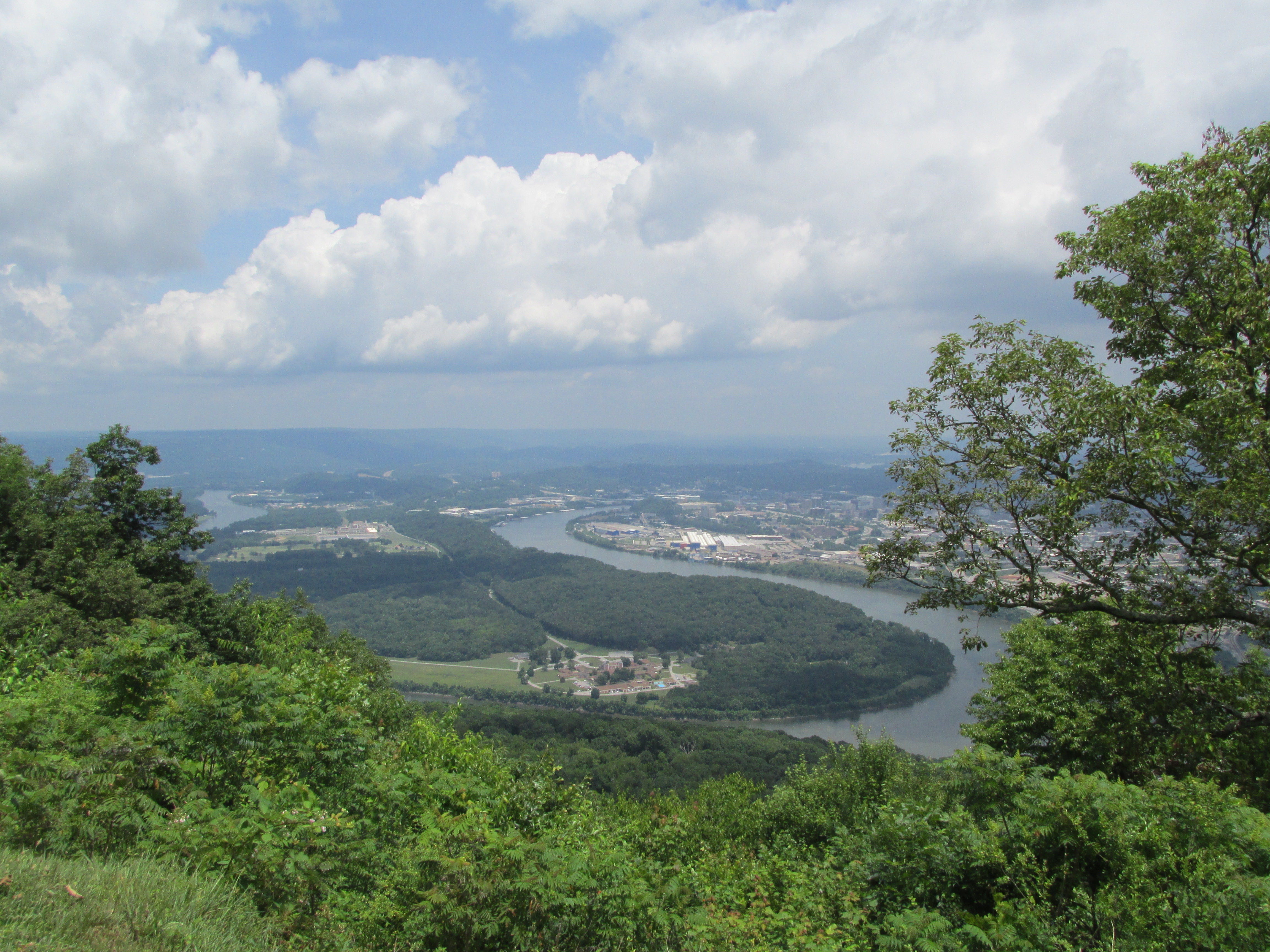
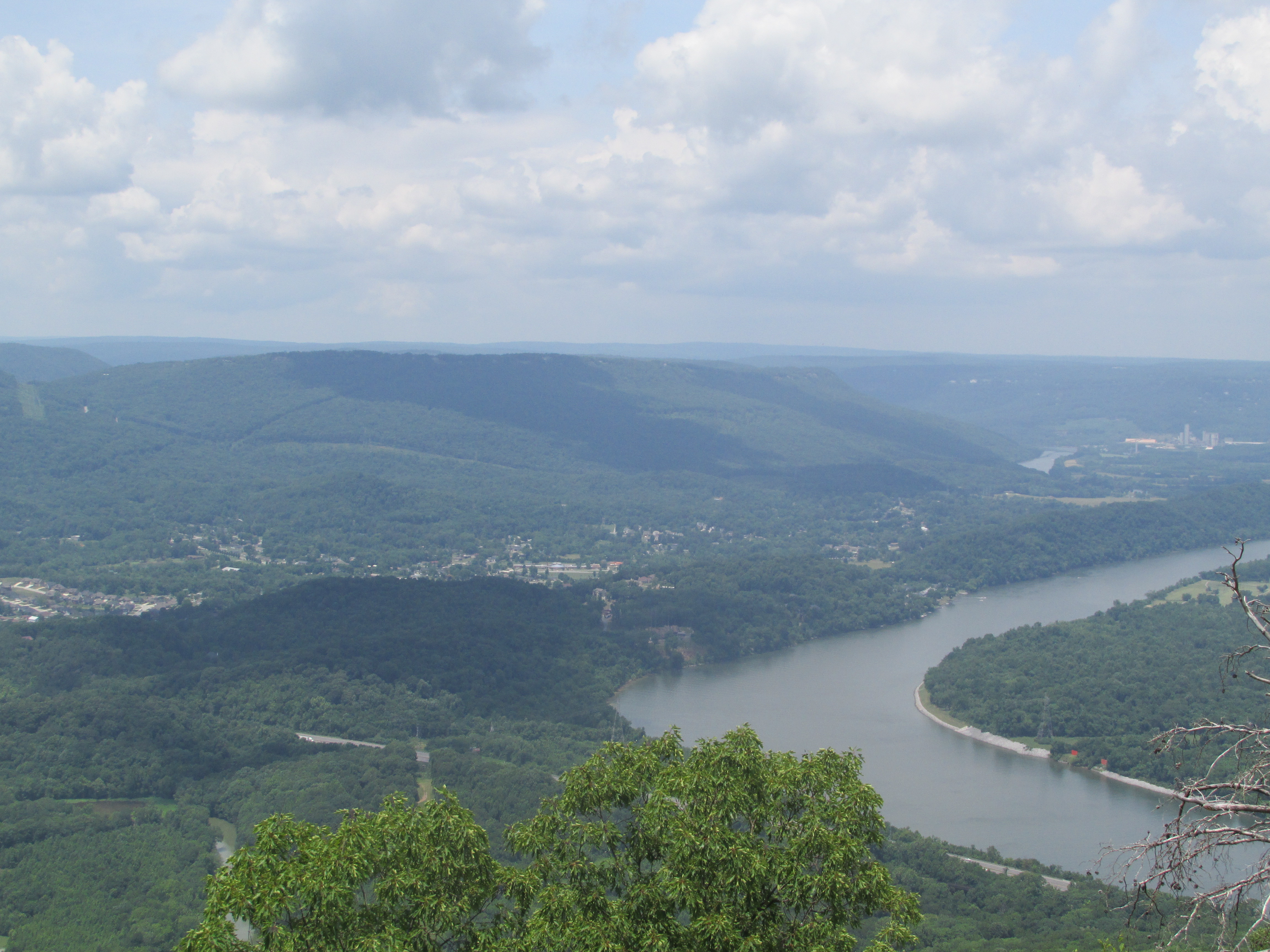
Beautiful view of the Tennessee River and Chattanooga from Point Park on Lookout Mountain

Beautiful view of the Tennessee River and Chattanooga from Point Park on Lookout Mountain

After the Confederates won the Battle of Chickamauga in September of 1863, Union generals anticipated an attack in Chattanooga. Those not working to build up fortifications waited in lines of battle to ward off an attack.

Another major battle didn’t come though some fighting erupted as the two armies met again. Southern soldiers took up positions on Missionary Ridge, which rose to about six hundred feet and formed a wall on the east side of Chattanooga. On the west side of the valley stood the impressive Lookout Mountain. Union General Rosecrans withdrew his troops from this mountain on September twenty-fourth.

Confederate cannons at Point Park Lookout Mountain with a view of Chattanooga and the Tennessee River in the background

Confederate cannons at Point Park Lookout Mountain with a view of Chattanooga and the Tennessee River in the background

The Confederate Army immediately occupied the dominant mountain that rose over two thousand feet above sea level. The southerners placed sharpshooters and artillery along the Tennessee River valley.

This blocked the flow of supplies to the Union Army in Chattanooga and placed them under siege.

Union soldiers waited anxiously for a truce to retrieve the wounded from Chickamauga and bury the dead. Confederate General Bragg allowed Union General Rosecrans to send ambulances and hospital supplies to the thousands of Northern wounded. These ambulance wagons crossed into Confederate lines where southern soldiers took over, picked up the wounded, and returned them as paroled prisoners of war.

Those who stood guard on the picket lines of both sides agreed not to fire on each other. This truce brought about socializing between the soldiers of both lines. They began trading coffee and tobacco or swapping newspapers. Soldiers crossed picket lines to play cards together, building tentative friendships that couldn’t last.

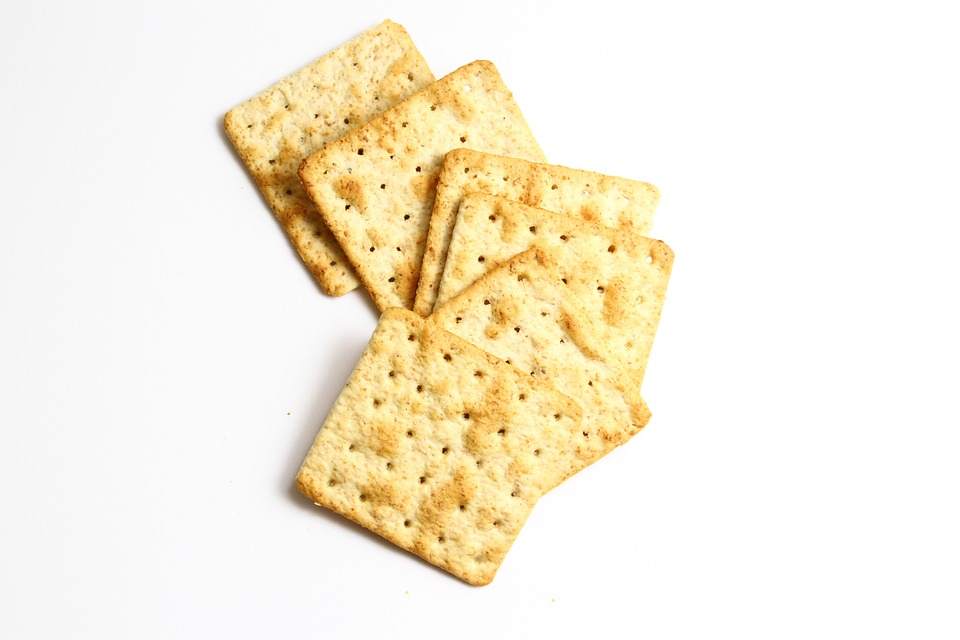
biscuit-crackers-973915_960_720Union supplies dwindled. Soldiers received half-rations of food. They built fortifications and worked harder than normal, but no one received sufficient food. This affected the animals. Mules and horses, so important in moving artillery and supply wagons, started dying by the dozens.

When the food was cut to quarter-rations, many wondered if they would all starve to death in Tennessee. Men lost too much weight to be healthy.

Ipresident-391121_960_720n mid-October, leaders in Washington combined the Departments of the Ohio, the Tennessee, and the Cumberland into the Military Division of the Mississippi and chose General Ulysses S. Grant to command it. Rosecrans was relieved of his command. Maybe Grant could unlock the siege and open supply lines.

IMG_0127After Union troops captured Brown’s Ferry, a supply route to provide food opened. The soldiers called it the “Cracker Line” for the hard squares of bread known as hard tack, a staple in their diet. A few days later, jubilant soldiers drew full rations. Only after stomachs were satisfied did some realize their dire circumstances. Before the shipment arrived, only four boxes of hard tack remained in the commissary warehouses.

Only then did they realize how close to starving the Union Army had come.

-Sandra Merville Hart

Sources

Korn, Jerry. The Fight for Chattanooga: Chickamauga to Missionary Ridge, Time-Life Books, 1985.

Sword, Wiley. Mountains Touched with Fire: Chattanooga Besieged, 1863, St. Martin’s Press, 1995.

Woodworth, Steven E. Six Armies in Tennessee: The Chickamauga and Chattanooga Campaigns, University of Nebraska Press, 1998.


Battle of Chickamauga

At the Chickamauga Battlefield Visitor Center

At the Chickamauga Battlefield Visitor Center

In the second week of September, 1863, the Ninety-ninth Ohio regiment marched with the Twenty-first Army Corps under the leadership of Major General Thomas L. Crittenden into Chattanooga after the Confederate Army, under General Braxton Bragg, evacuated without firing a shot.

Crittenden secured the town with troops before heading south to Georgia.

By Sunday, September 13th, the corps reached the area of Lee & Gordon’s Mills, a two-story white building on the Chickamauga Creek.

When fighting started on Saturday, September 19, Major General George H. Thomas’ Fourteenth Corps and Major General Alexander McCook’s Twentieth Corps were also in the Union’s line of defense. A Reserve Corps under Major General Gordon Granger waited to be called if needed. All these army corps made up the Army of the Cumberland with Major General William S. Rosecrans in charge.

The Ninety-ninth Ohio infantry was part of Brigadier General Van Cleve’s division. Divisions were divided into brigades and Colonel Sidney M. Barnes led the brigade for the Ohio regiment.

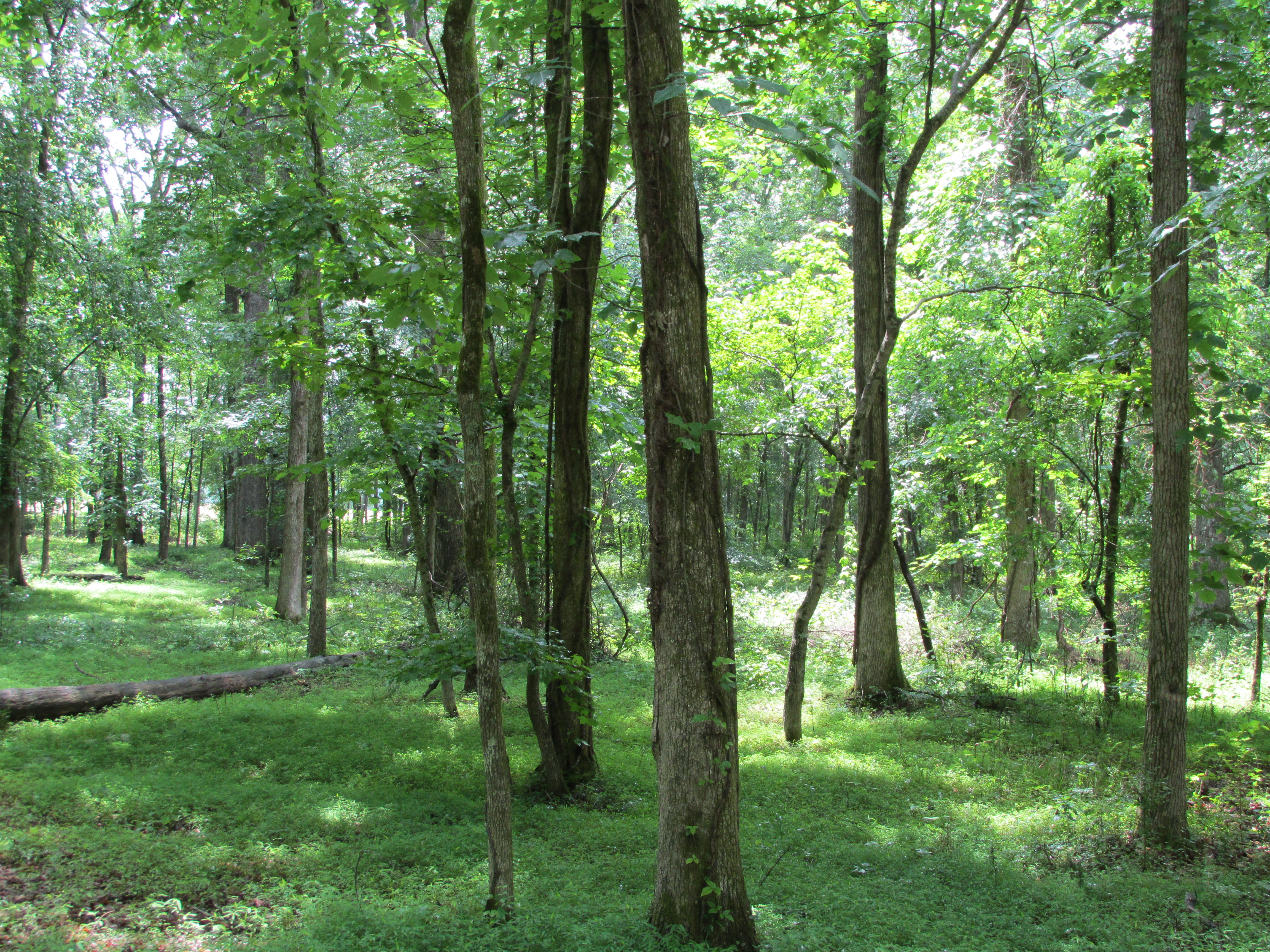
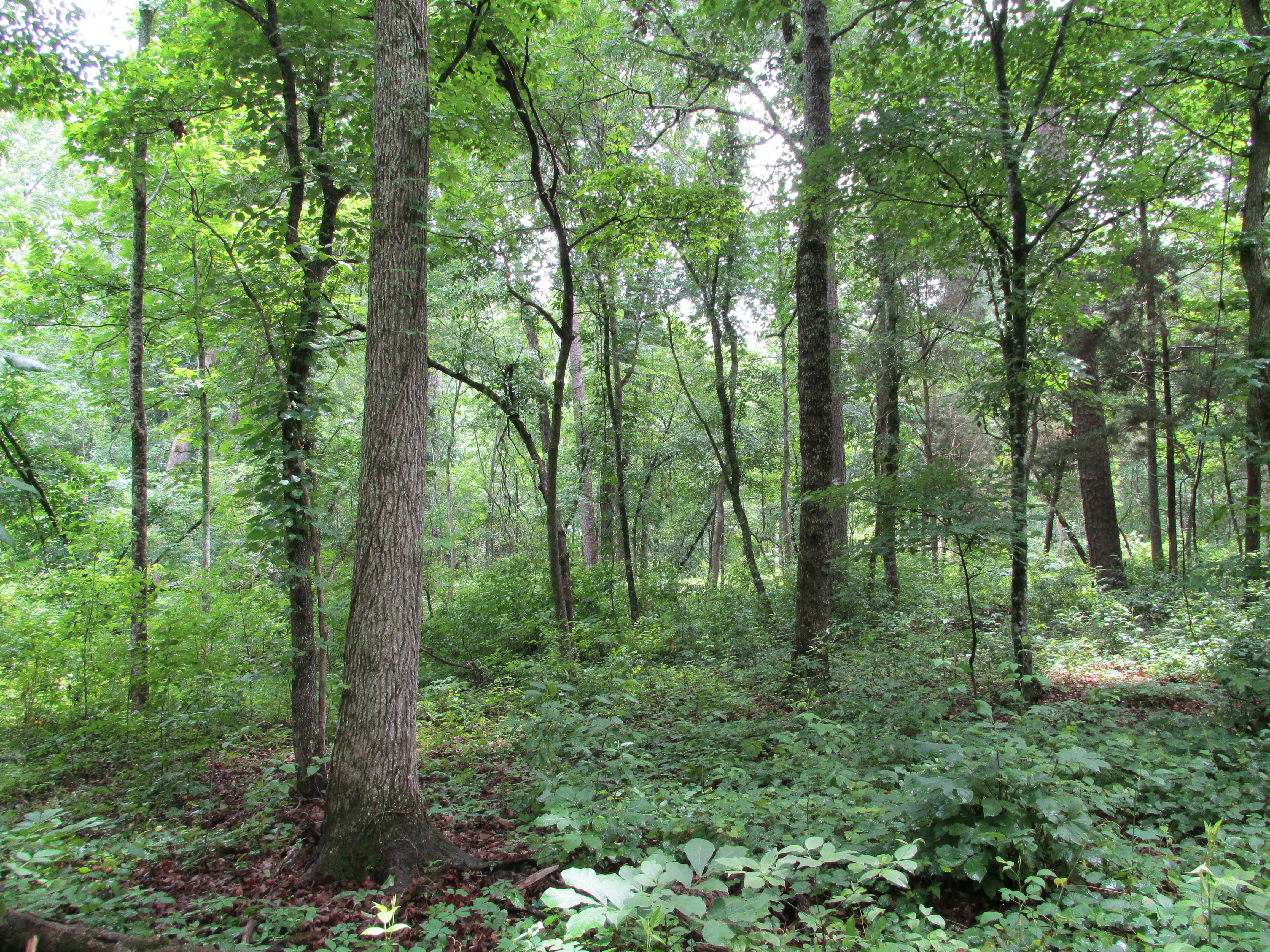
The woods where the Battle of Chickamauga was fought

The woods where the Battle of Chickamauga was fought

The amount of activity on the Confederate line showed that a large force waited to meet the Union Army in the coming battle. Most realized it would be a fierce fight before the first shot fired.

Confederate soldiers attacked the Union line where the Ninety-ninth Ohio laid waiting under the command of Colonel Swaine. Though unprepared for the swiftness of the assault, their training took over. When Union troops began retreating behind his regiment, Colonel Swaine ordered his men to lie flat until the soldiers in blue passed them.

Wooded terrain around the Battle of Chickamauga

Wooded terrain around the Battle of Chickamauga

Then Swaine ordered an advance. Brave men leaped to their feet to obey the command despite the muskets aimed at them. They checked the Confederate advance as the two sides peppered one another with lead.

Fighting went against them when they were flanked on the right. Swaine ordered his men to fall back to the La Fayette Road. Bullets and cannon fire came in such rapid succession in several areas of the battlefield that it made one continuous uproar. Smoke and the smell of gunpowder surrounded them.

Darkness ended the day’s fighting though gunfire continued on the picket line from those assigned to guard the troops.

landscape-1259711_960_720The night turned bitterly cold. Campfires to make coffee were forbidden as the light would give away their position and make them a target.

The worst part of the long, frosty night for most soldiers was listening to the cries of the wounded that lay between the opposing lines.

Ambulance wheels ambled near to pick up wounded. Artillery creaked to new locations. Troops repositioned. No one slept much.

civil-186719_960_720The next day’s fighting intensified. When the Southerners broke through a gap in the Union line, panic sent the northern army retreating in mass confusion. The withdrawal eventually led to Chattanooga.

The last of the Union soldiers finally reached Chattanooga on September twenty-second. There had been so much confusion during the retreat that many soldiers didn’t find their regiments until reaching town.

The huge battle fought near the Chickamauga Creek in Georgia was a decisive win for the Confederates.

-Sandra Merville Hart


Sources

Korn, Jerry. The Fight for Chattanooga: Chickamauga to Missionary Ridge, Time-Life Books, 1985.


Swanson, Mark. Atlas of the Civil War Month by Month: Major Battles and Troop Movements, The University of Georgia Press, 2004.


Woodworth, Steven E. Six Armies in Tennessee: The Chickamauga and Chattanooga Campaigns, University of Nebraska Press, 1998.