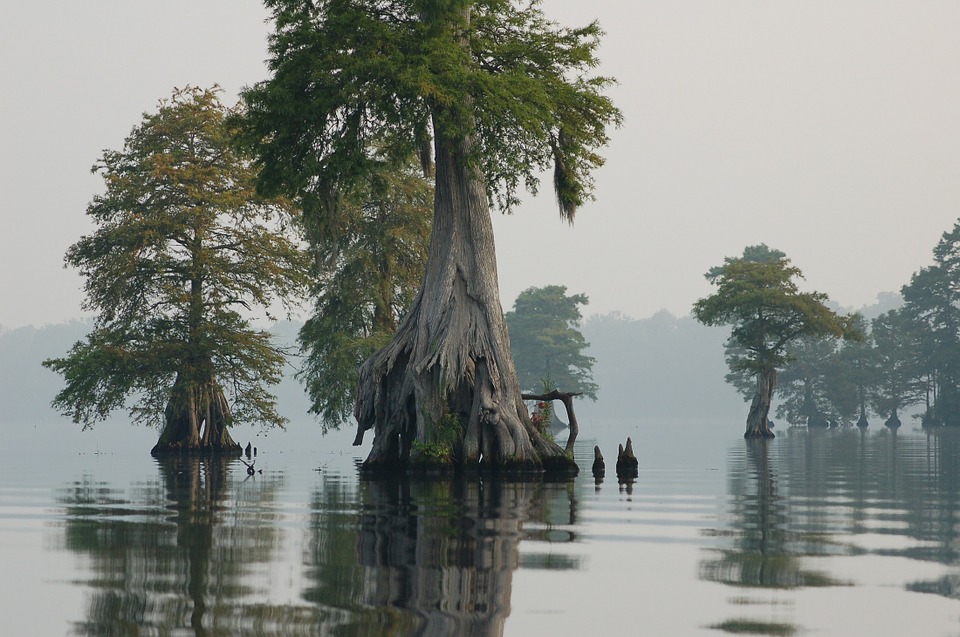
“Swamp Fox of the Confederacy” Surrenders at Chalk Bluff, Arkansas

In 1857, M. Jeff Thompson was elected mayor of St. Joseph, Missouri. He gave a speech about the importance of the Pony Express in a ceremony on April 3, 1860, before the first rider left St. Joseph.

Thompson supported secession in writings and speeches while mayor. After the war began, he commanded the First Division of the Missouri State as brigadier general. Located in the “boot heel” of Missouri, he and his troops caused trouble for the Union forces and won their admiration. Then Colonel Ulysses S. Grant called him “Swamp Fox.” He soon became known as the “Swamp Fox of the Confederacy.”

After suffering some defeats, Thompson was assigned to the Confederate riverine navy defending Memphis. This navy was destroyed and Thompson was sent back to Arkansas where he and his men raided into Missouri for the next few months.

Thompson was captured at Pocahontas on August 24, 1863. He spent the next year as a prisoner first at the St. Louis Gratiot Street Prison, then Johnson’s Island, Ohio, and then Fort Delaware. He was paroled in August of 1864.

He rejoined the fighting in Missouri. He had command of the Iron Brigade in Brigadier General Jo Shelby’s division and commanded the Sub-District of Northwest Arkansas beginning in March, 1865.

Union Lieutenant Colonel Charles W. Davis, 51st Illinois Infantry, requested a conference with Thompson. They discussed surrender terms on May 9th at Chalk Bluff, Arkansas. Thompson asked for two days to consult with his officers.

Thompson surrendered on May 11, 1865. The paroles took place at two Arkansas locations, Wittsburg and Jacksonport. Though some of Thompson’s men had already deserted, about 7,500 officers and enlisted men surrendered and were paroled.

-Sandra Merville Hart

Sources

“Conclusion of the American Civil War,” Wikipedia.com, 2018/03/21 https://en.wikipedia.org/wiki/Conclusion_of_the_American_Civil_War.

“Conclusion of the American Civil War,” Wikiwand.com, 2018/03/22 http://www.wikiwand.com/en/Conclusion_of_the_American_Civil_War.

“’Great Race Against Time,’ First Run: April 3, 1860,” National Park Service, 2018/04/21 https://www.nps.gov/parkhistory/online_books/poex/hrs/hrs2e.htm.

“M. Jeff Thompson,” Wikipedia.com, 2018/04/21 https://en.wikipedia.org/wiki/M._Jeff_Thompson.

Long, E.B. and Long, Barbara. The Civil War Day by Day: An Almanac 1861-1865, A Da Capo Paperback, 1971.

Perkins, Russell S. “Thompson, M. Jeff,” The Kansas City Public Library, 2018/04/21  http://www.civilwaronthewesternborder.org/encyclopedia/thompson-m-jeff.

Plante, Trevor K. “Ending the Bloodshed,” National Archives, 2018/03/21

https://www.archives.gov/publications/prologue/2015/spring/cw-surrenders.html.
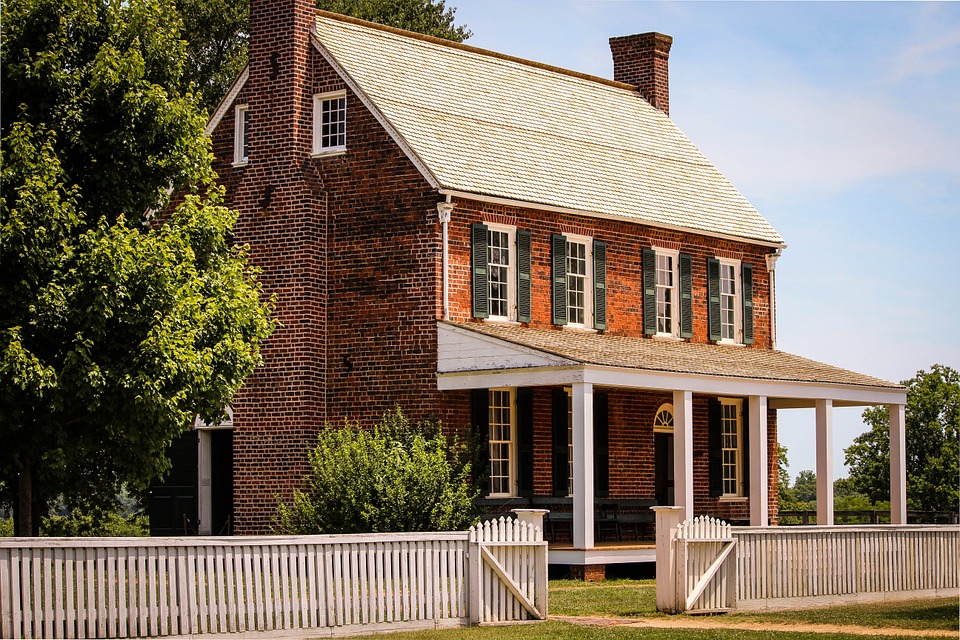
Confederate Surrender at Appomattox Court House

Food supplies awaited Confederate General Robert E. Lee’s Army of Northern Virginia at Appomattox Station. He needed them—his men were hungry.

On April 8, 1865, Lee arrived in Appomattox County. Union cavalry reached the supplies first and then burned 3 supply trains. Union General Ulysses Grant wrote to Lee, requesting his surrender. Lee refused, hoping for supplies in Lynchburg.

The next morning, the Confederates, under Major General John Gordon attacked Union cavalry troops. He stopped the attack when he realized that two Union army corps supported the cavalry.

They were cut off from provisions. Lee is famously quoted as saying that he’d “rather die a thousand deaths” than go talk to General Grant about surrendering.

Grant arrived for the meeting in a muddy uniform. Lee came in full dress attire. They met in Wilmer McLean’s parlor at 1 pm on April 9th.

The generals awkwardly greeted one another, then Lee asked for surrender terms.

All officers and men would be pardoned—they’d go home with their personal property. The officers were to keep their side homes. Lee’s hungry soldiers were to receive food rations.

Lee signed the surrender.

Lee’s Army of Northern Virginia disbanded after being paroled. The war in Virginia had ended. Lee’s surrender was the first of several Confederate surrenders over the coming weeks.

-Sandra Merville Hart

Sources

“Appomattox Court House: Lee’s Surrender,” Civil War Trust, 2018/03/19 https://www.civilwar.org/learn/civil-war/battles/appomattox-court-house.

History.com Staff. “Appomattox Court House,” History.com, 2018/03/19 https://www.history.com/topics/american-civil-war/appomattox-court-house.

This Week In History: Civil War Battle of Poplar Springs Church (Peebles’ Farm)

civil-186719_960_720

Thursday, September 29 – October 2, 1864

The Union lines under General Ulysses S. Grant had faced Confederate lines under General Robert E. Lee in trenches around Petersburg, Virginia, since June. The line extended to Richmond 25 miles to the north.

Grant attempted to drive the Southerners from the trenches. Warren’s Fifth Corps led an advance toward Poplar Spring Church with John G. Parke’s Ninth Corps following. Warren attacked successfully at first, but Confederate General A.P. Hill led a strong counterattack that drove Parke’s troops back and prevented territory loss.

The two Union corps then entrenched close to Peebles’ Farm. This newly formed line on Squirrel Level Road forced Confederates to shift positions. Hill brought in two additional divisions to meet the new threat.

Union soldiers attacked unsuccessfully on October 1st. They failed to reach the Southside Railroad, which remained under Confederate control.

-Sandra Merville Hart


Sources

Long, E.B with Long, Barbara. The Civil War Day by Day: An Almanac 1861-1865, A Da Capo Paperback, 1971.

“Battle of Poplar Springs Church (Peebles’ Farm,)” History.com This Day in History, 2016/08/04 http://www.history.com/this-day-in-history/battle-of-poplar-springs-church-peebles-farm.