Civil War Women: Mrs. A.H. Hoge

Mrs. Abraham Holmes Hoge became a well-known name for her volunteer work with wounded soldiers during the Civil War. Born Jane Currie Blaikie, Mrs. Hoge may be better known for her efforts to fund the United States Sanitary Commission.

Like so many others, Mrs. Hoge believed the war would not last long. When the conflict was still going on in January of 1862, she and her friend, Mary Livermore, began to raise money for the Chicago branch of the United States Sanitary Commission. Their goal was to keep the Commission’s supply shelves filled through these donations.

Mrs. Hoge went to battlefield hospitals, taking supplies she collected and often distributing them directly to wounded or sick soldiers. Her trips to the front lasted from days to weeks.

Mrs. Hoge and Mrs. Livermore traveled to towns throughout the Chicago area. Mrs. Hoge shared her experiences at the front at each community’s ladies’ group. Mrs. Hoge raised money for bandages, sheets, and linens. If the town didn’t have a Soldiers’ Aid Society, she helped them establish one.

Mrs. Hoge originated the first Sanitary Fair in Chicago. The Northwestern Soldiers’ Fair was held from October 27, 1863 to November 7, 1863. A six-mile parade of bands, political leaders, militia, and farmers were part of the fair. A “Curiosity Shop” of war souvenirs was another enticement to attend the fair.

Mrs. Hoge had hoped to raise $25,000 for the U.S. Sanitary Commission. The fair surpassed her hopes and raised $80,000.

After the fair ended, she continued to visit hospitals and speak at other cities.

-Sandra Merville Hart

Sources

“Hoge, Mrs. A.H.,” The Free Dictionary, 2018/12/27 https://encyclopedia2.thefreedictionary.com/Hoge%2C+Mrs.+A.+H.

Moore, Frank. Women of the War, Blue/Gray Books, 1997. (originally published 1866).

“Mrs. A.H. Hoge in Women of the War,” Accessible Archives, 2018/12/27  https://www.accessible-archives.com/2011/03/many-daughters-have-done-virtuously/.

“United States Sanitary Commission,” Wikipedia, 2018/12/27, https://en.wikipedia.org/wiki/United_States_Sanitary_Commission.
United States Sanitary Commission

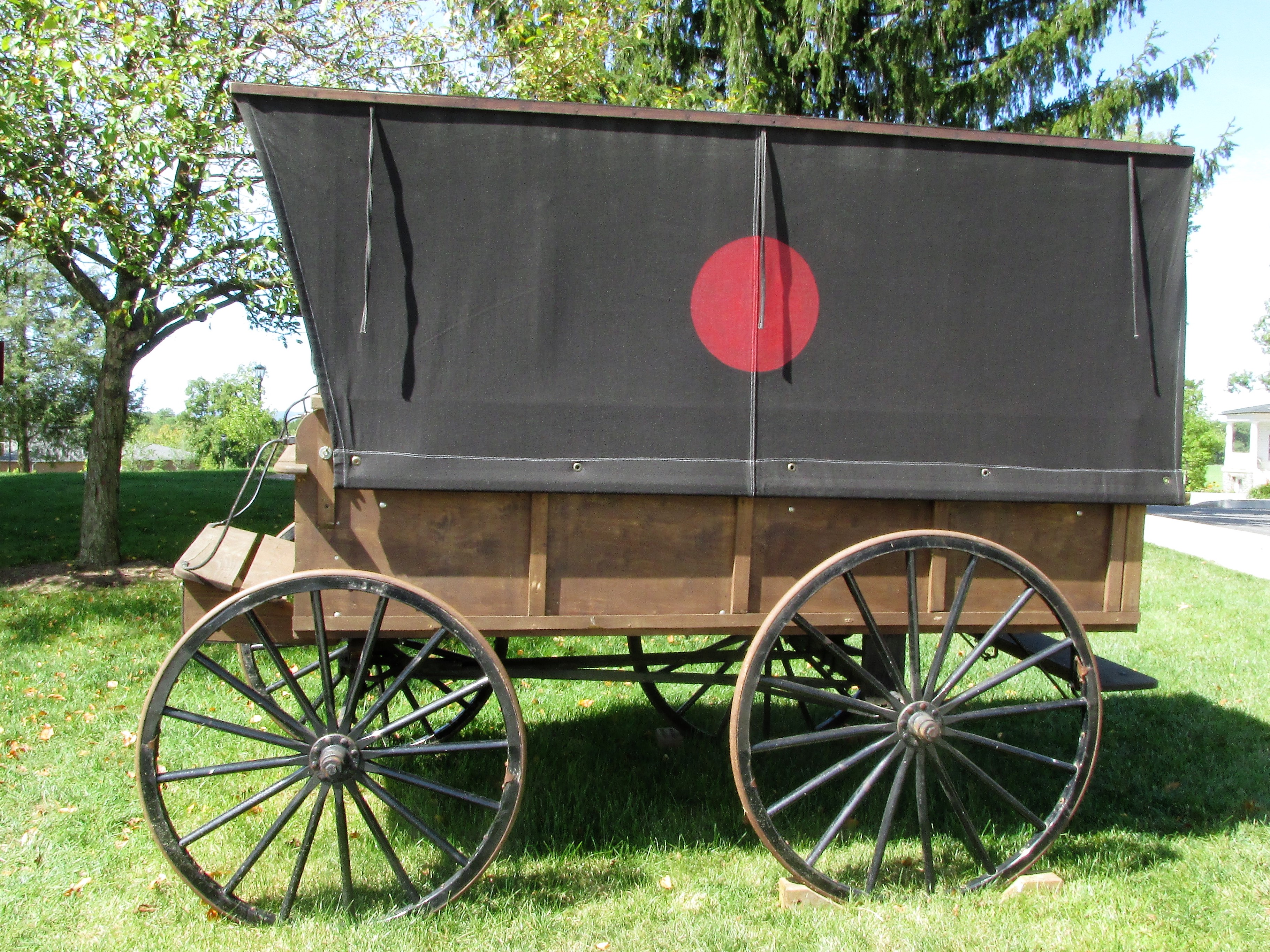
Ambulance outside Lutheran Seminary, Gettysburg.


Authorized by the War Department in June of 1861 to aid Union military, the United States Sanitary Commission supported sick and wounded soldiers. The organization was patterned after the British Sanitary Commission used during the Crimean War.

The Sanitary Commission’s central office was located on Pennsylvania Avenue and 15th Street inside the United States Treasury Building, just east of the Executive Mansion (White House.)

Massachusetts clergyman Henry Whitney Bellows served as the United States Sanitary Commission’s (USSC) only president. Landscape architect Frederick Law Olmsted—the designer of New York City’s Central Park—was the first executive secretary. New York lawyer George Templeton Strong served as treasurer. Their goals included coordinating citizen relief work and advising politicians about recruiting and training medical workers, which included female nurses. USSC was divided into three departments.

The Preventive Service Department improved living conditions for soldiers by inspecting military hospitals and army camps. Concerned with preventing and treating diseases, they also published medical tracts for doctors.

The Department of General Relief relied on citizens’ donations to buy food, clothing, blankets, and medical supplies for wounded soldiers.

The Department of Special Relief aided soldiers returning to civilian life. Families of disabled soldiers also received help.

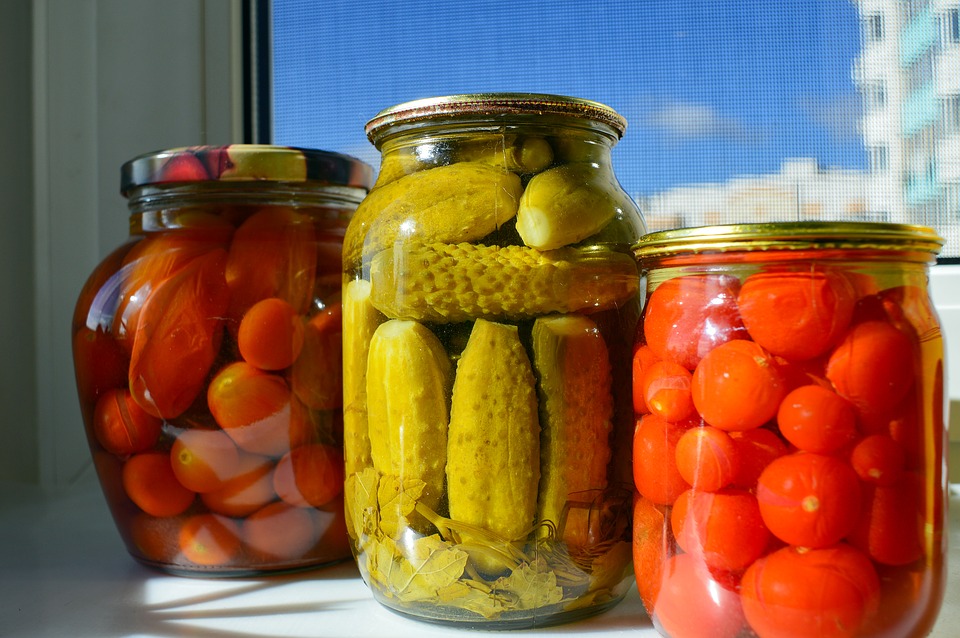
To fight scurvy among the soldiers, USSC encouraged donations of vegetables, including fresh and pickled vegetables.

USSC set up hospitals and staffed them. With the help of local chapters, steamboats were converted to hospital ships. They established soldiers’ homes.

Large cities and local communities held Sanitary Fairs to raise money to aid soldiers through USSC. Through thousands of volunteers, the Commission raised about $25 million (equivalent of over $400 million in 2018.) This impressive amount aided Union soldiers and the Northern cause.

-Sandra Merville Hart

Sources

Moore, Frank. Women of the War, Blue/Gray Books, 1997. (originally published 1866).

Williams, Rachel. “The United States Sanitary and Christian Commissions and the Union War Effort,” National Museum of Civil War Medicine, 2018/12/27 http://www.civilwarmed.org/commissions/.

“United States Sanitary Commission,” Ohio History Central, 2018/12/27, http://www.ohiohistorycentral.org/w/United_States_Sanitary_Commission.

“United States Sanitary Commission,” Wikipedia, 2018/12/27 https://en.wikipedia.org/wiki/United_States_Sanitary_Commission.