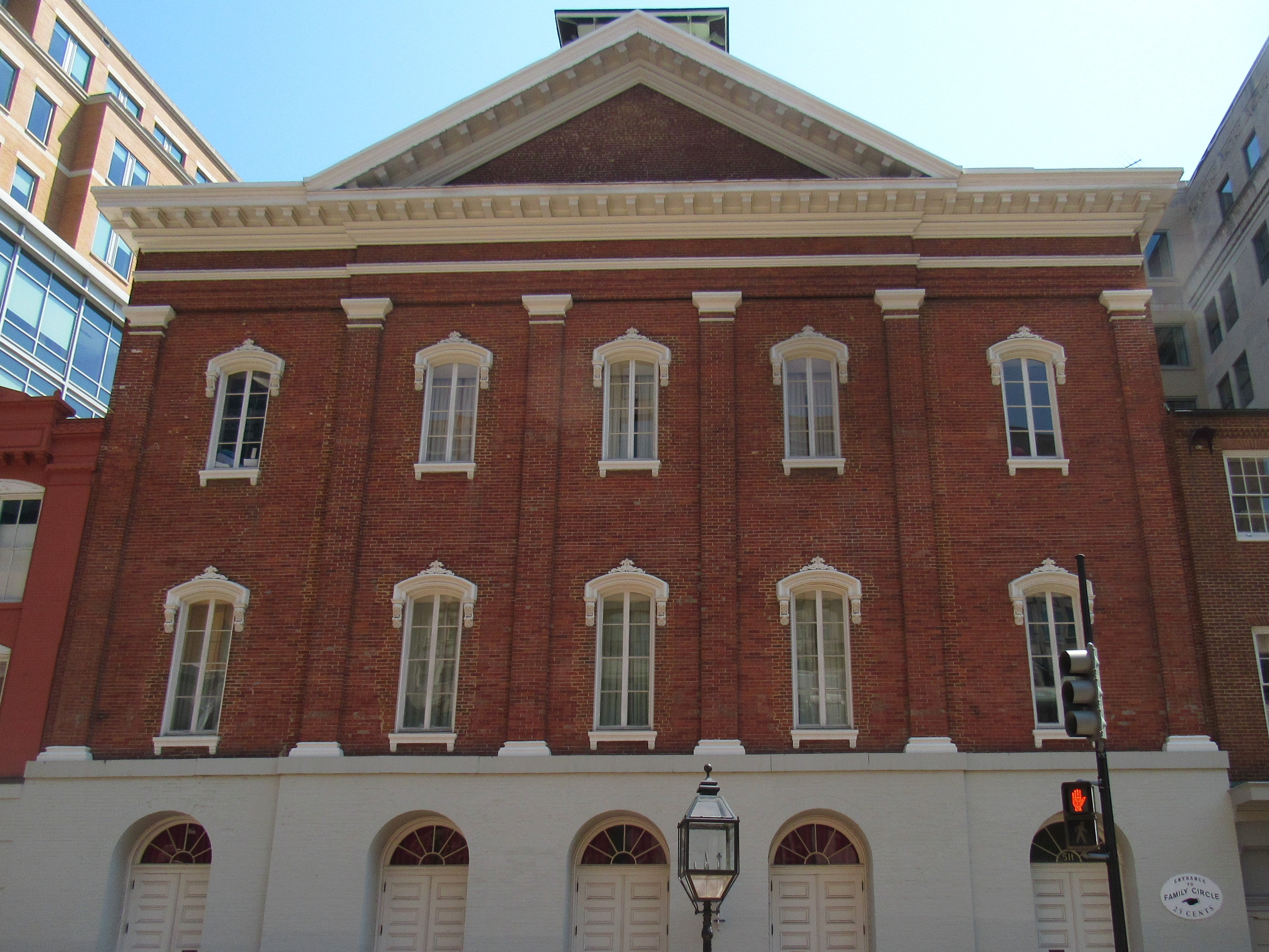
Ford’s Theatre

John T. Ford, a successful theatrical entrepreneur, leased the First Baptist Church on Tenth Street in 1861. He turned it into a music hall. The building burned in December of 1862. Ford raised money to rebuild and the first performance in the new Ford’s Theatre was August 27, 1863.
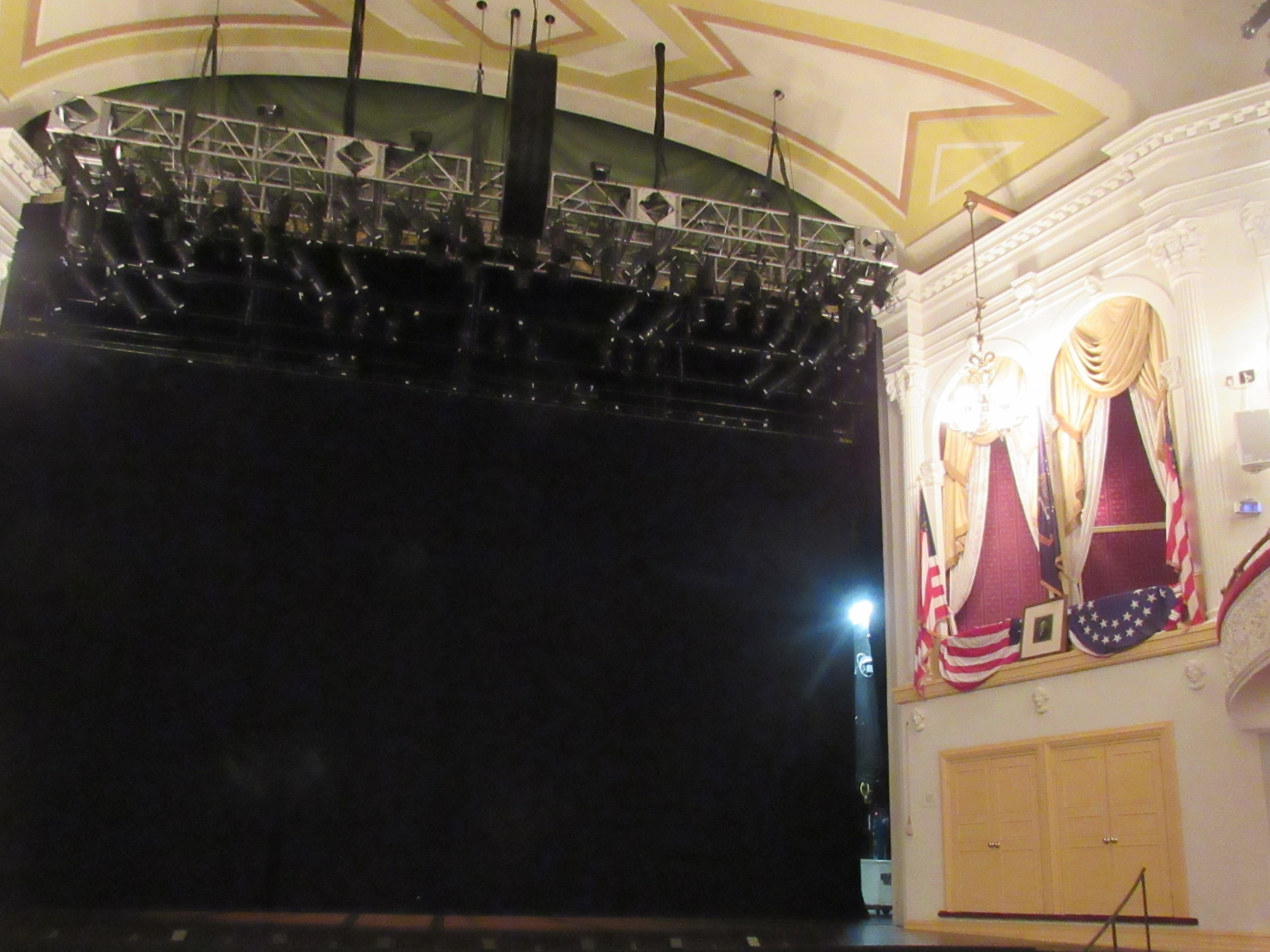
President Abraham Lincoln and Mrs. Mary Todd Lincoln arrived at Ford’s Theatre around 8:30 pm with their guests, Major Henry Reed Rathbone and Clara Harris, on April 14, 1865. Our American Cousin was playing and Lincoln enjoyed going to the theater.

This night was different.

John Wilkes Booth stepped into the Presidential Box around 10:15 pm and shot Lincoln. Booth stabbed Major Rathbone and then leaped onto the stage and escaped.
Dr. Charles Augustus Leale was the first person inside the box. He removed a blood clot from Lincoln’s head wound to release pressure and allow him to breathe. Dr. Leale knew it was a mortal wound.

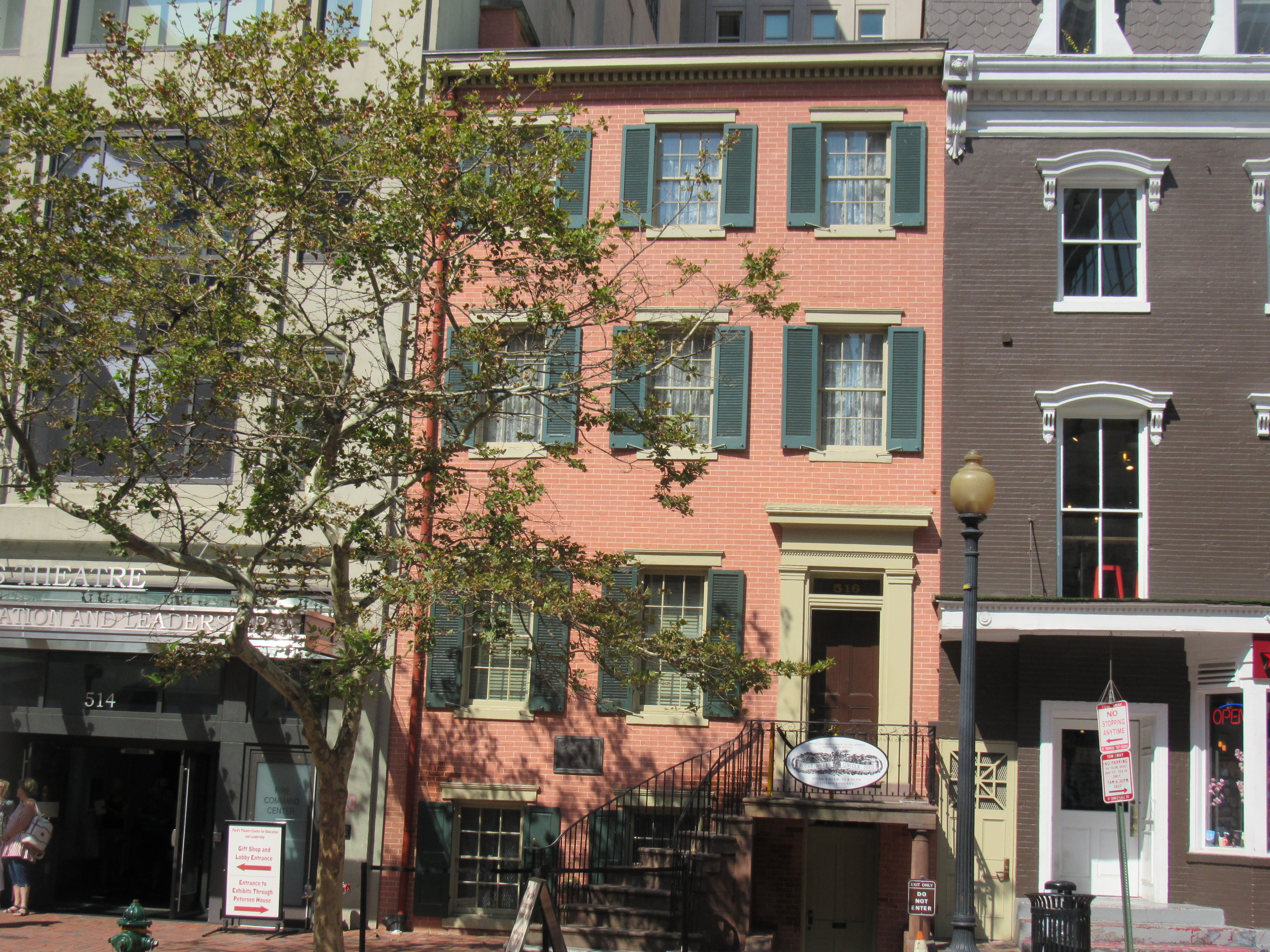
Soldiers carried their President down the stairs and onto Tenth Street. William and Anna Petersen’s boarding house was across the street. They placed the dying President in Willie Clark’s room, who was out celebrating the war’s ending.

It was a dark, gloomy morning. It had started to rain earlier. Large groups of people gathered outside the Petersen house, praying for Lincoln to live … yet fearing the worst.

Throughout that long, tragic night, First Lady Mary Lincoln sometimes sat beside her dying husband with her oldest son nearby. Other times she went to the Front Parlor. Neither family member was in the crowded room when Lincoln died at 7:22 am.

The country that had seen so much death and dying for the past four years experienced a deep tragedy. Leaders turned their attention to apprehending John Wilkes Booth, the assassin, and his conspirators.

Ford’s Theatre was closed by the federal government for the investigation. The owner received permission to reopen after the trial. When threats were made if the theatre reopened, the War Department closed it. They leased the building, in August of 1865, to convert it to an office building and bought it a year later.

Three interior floors collapsed in 1893. Twenty-two clerks were killed and sixty-eight people injured. It was repaired and used again by the government for offices.
Today, about 650,000 visitors tour Lincoln’s Museum, Ford’s Theatre, the Petersen House, and Aftermath Exhibits each year.

Ford’s Theatre still has performances and tours are closed during rehearsals and matinees.

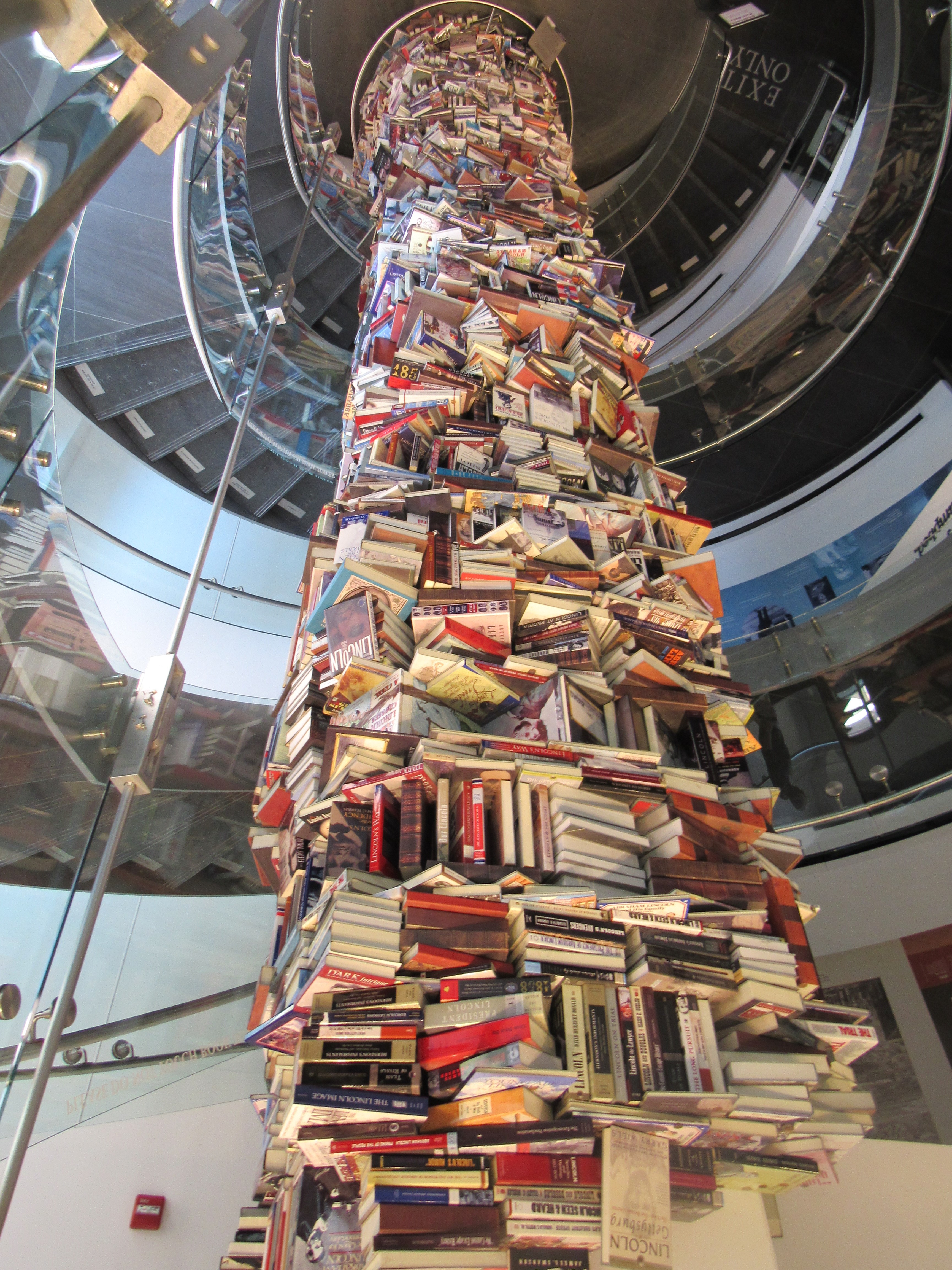
Lincoln has inspired many authors to write books about him. A 34-foot tower of these books stands beside a winding staircase at The Ford’s Theatre Center for Education and Leadership.

-Sandra Merville Hart

Sources

“Ford’s Theatre,” National Park Service, 2020/01/02 https://www.nps.gov/foth/index.htm.

“Ford’s Theatre Yesterday and Today,” Ford’s Theatre Pamphlet, Last Updated 2008.

“Lincoln’s Death,” Ford’s Theatre, 2020/01/01 https://www.fords.org/lincolns-assassination/lincolns-death/.
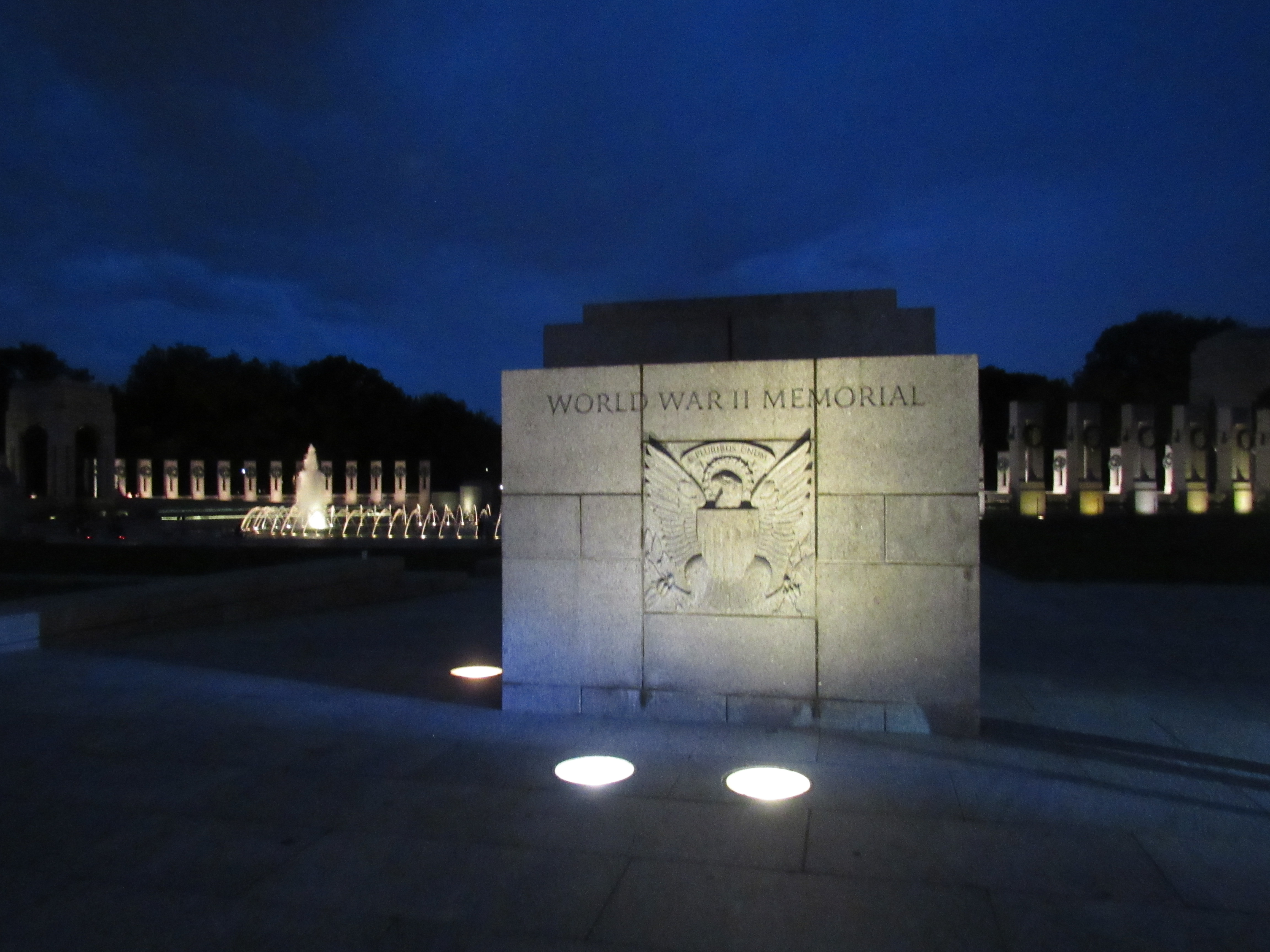
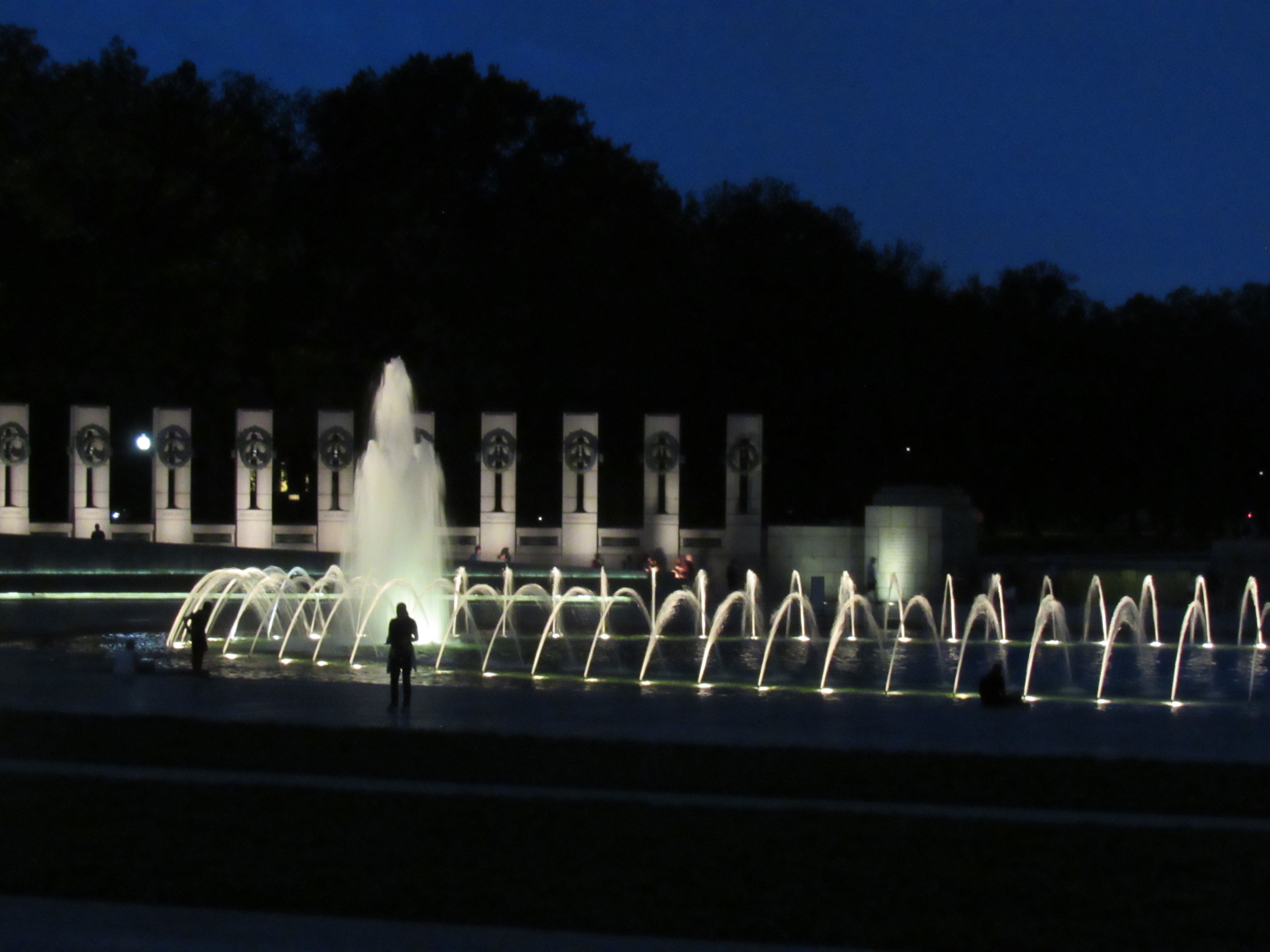
World War II Memorial

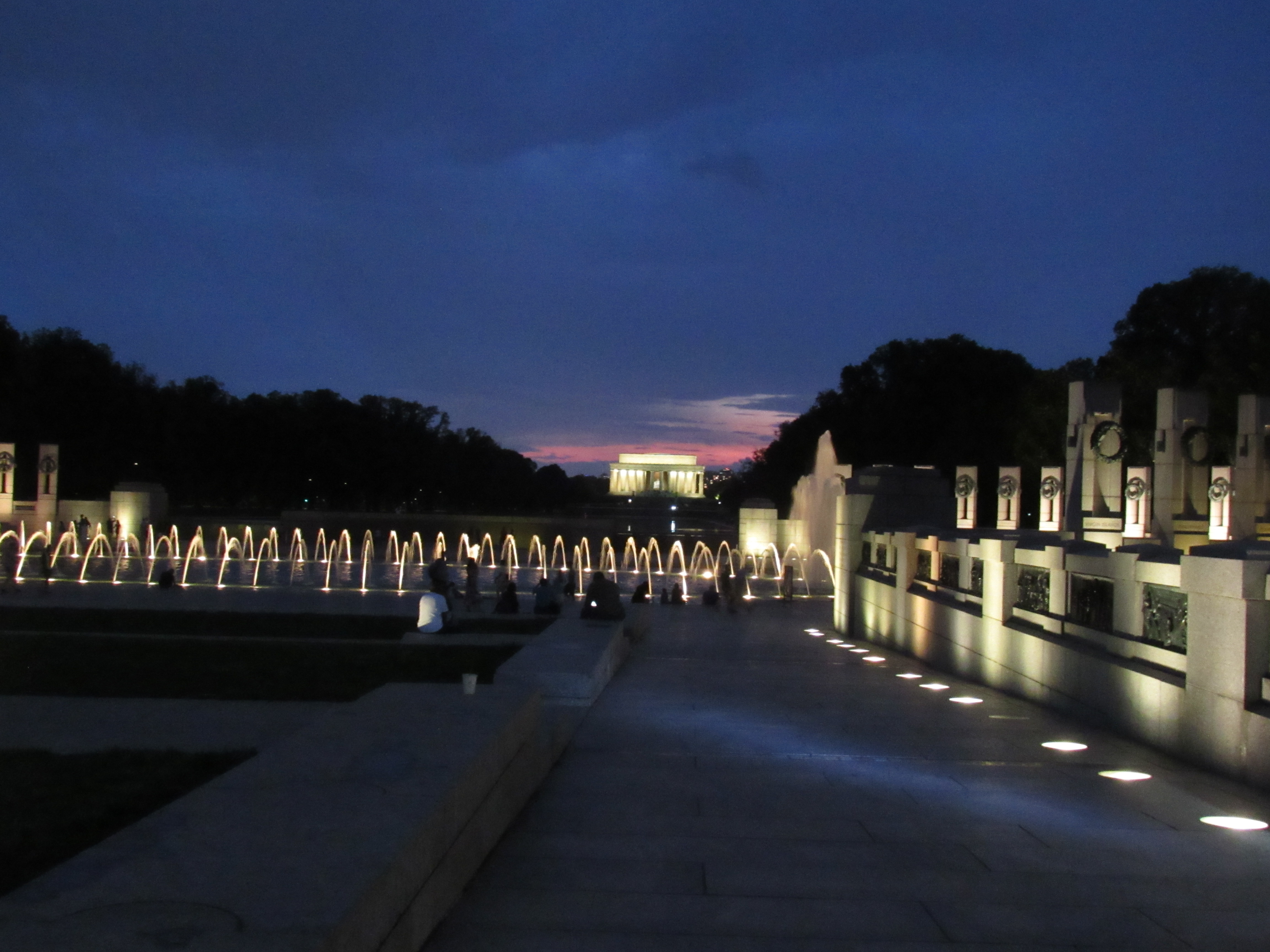
On a recent trip to Washington, DC, I visited the National Mall late one rainy evening. I think that my favorite memorial was the World War II Memorial, which I’d somehow missed on an earlier trip. The beauty of the fountains and the soothing sounds of the water splashing into the pool drew me in immediately.

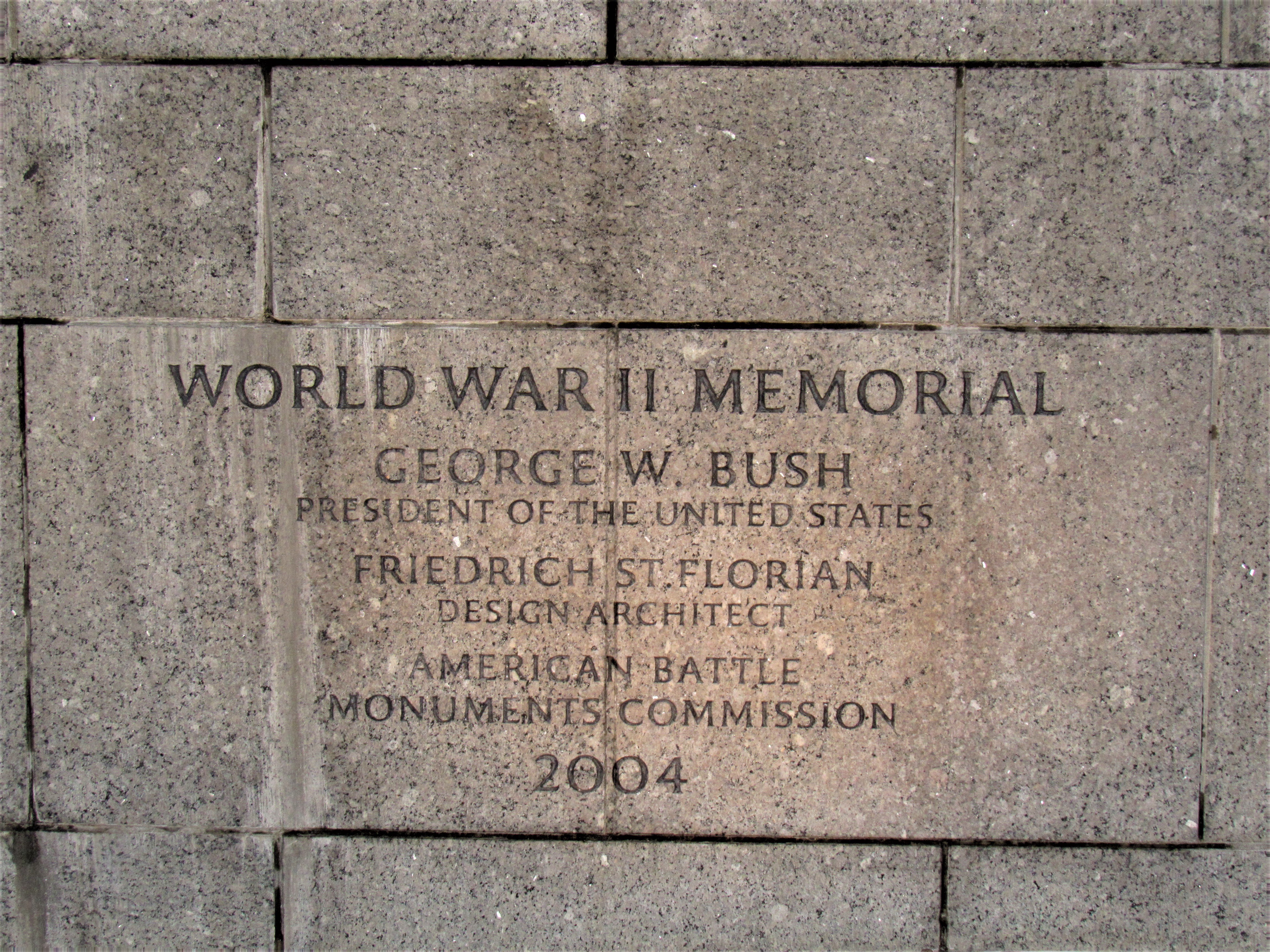
The memorial designed by Friedrich St. Florian opened on April 29, 2004. The official dedication, May 27 – 30, 2004, was a celebration filled with reunions for World War II veterans.


Citizens and veterans alike enjoyed big band music from that era. Family activities, a display of military equipment, and a Wartime Stories Tent were among the activities enjoyed by about 315,000 over the four-day celebration. President George W. Bush spoke at the formal dedication.

The spacious memorial is adjacent to the Reflecting Pool. The Lincoln Memorial can be clearly seen from the fountains inside the memorial.

World War II Memorial honors the sixteen million who served in the Armed Forces of the United States of America.

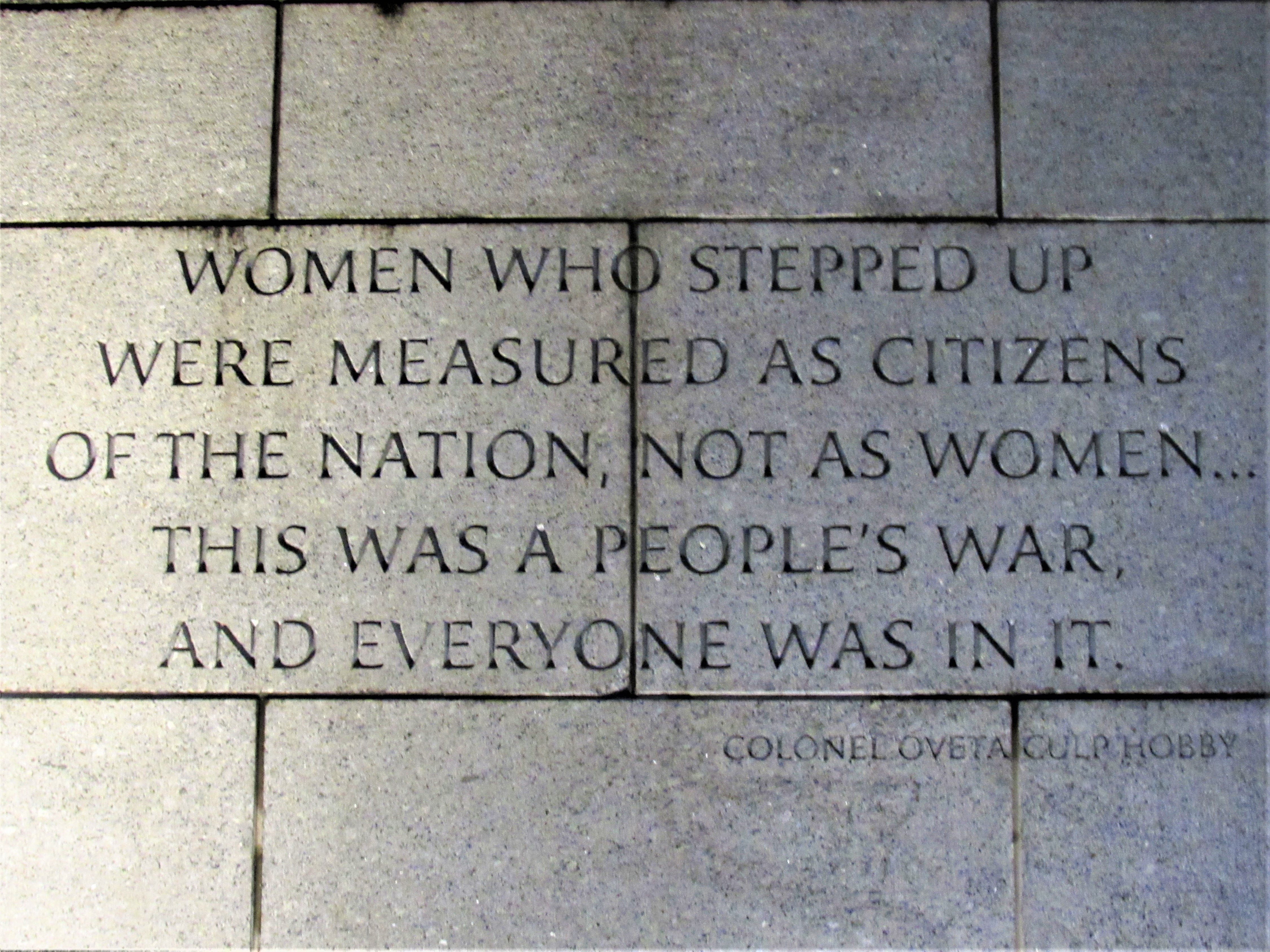
Also honored are millions of citizens on the home front, who sacrificed throughout the war to support our troops. They bought War Bonds. They endured rationing of many common staples like sugar, butter, coal, gasoline, and shoes. Quotes etched on the walls honor their sacrifice.

Four thousand golden stars on a curved Freedom Wall serve as a memorial to the 405,399 Americans who died in the war. Each star represents 100 deaths by our American military. In front of the wall is a granite engraving: “Here we mark the price of freedom.”

-Sandra Merville Hart

Sources


Murray, Lorraine. “National World War II Memorial, Encyclopaedia Britannica, 2019/10/22

https://www.britannica.com/topic/National-World-War-II-Memorial.

“National WWII Memorial,” National WWII Memorial Washington D.C., 2019/10/22

https://www.wwiimemorial.com.

“World War II Memorial,” National Park Service, 2019/10/22

https://www.nps.gov/wwii/index.htm.

Civil War Women: Rose O’Neal Greenhow, Confederate Spy

Rose O’Neal Greenhow lived in Washington D.C. when the Civil War began. When many other Southerners left, the widow remained with her eight-year-old daughter, Rose. Union Colonel Thomas Jordan had decided to resign the U.S. Army and fight for the South. Before he left the city, he asked Rose to be an agent. Spying to uncover troop movements and government communications gave her a significant way to serve the South. She agreed to send messages based on a cipher he provided.

Coded messages were sent on a “Secret Line,” which involved several couriers in a chain that passed on messages in common places such as docks, taverns, and farmhouses.

Rose’s spy network from Boston to New Orleans was the largest in the war—48 women and 2 men. She learned battle plans for Bull Run and passed this vital information to Confederate General Beauregard, leading to a Confederate victory at the First Battle of Bull Run.

Several other messages about Washington’s defenses and troop information were sent from Rose to Beauregard. Thomas A. Scott, Assistant Secretary of War, asked Allan Pinkerton, head of Lincoln’s Intelligence Service, to find Confederate spies and put Greenhow under surveillance.

About a month after the Battle of Bull Run, Pinkerton discovered incriminating evidence. The home was searched. Rose and her daughter were placed under arrest at her home. Because she still managed to get other secret messages out, they were moved to Washington’s Old Capitol prison. The Federals then decided to send her South.

On June 4, 1862, she arrived in Richmond, where she was taken to the best hotel. Confederate President Jefferson Davis called her the next day, saying, “But for you there would have been no battle of Bull Run.” Rose wrote that his words made up for all she’d endured.

The following year President Davis sent her to Europe. She took letters from him to France and England. She received money from them to aid the South.

In October 1, 1864, Rose returned on the Condor, a blockade runner. Unfortunately, the USS Niphon, a Union gunboat, came close to the Condor’s position on Cape Fear River. While Confederate soldiers from nearby Fort Fisher fired on the Union gunboat, Rose asked the captain for a lifeboat for herself and two other Confederate agents. Two hundred yards of rough waters were between the boat and the shore. Despite his initial refusal, she finally convinced the captain to provide a boat.

A powerful wave overturned the lifeboat. They swam for shore. Unfortunately, Rose had a bag of gold sovereigns tied around her waist underneath a heavy silk dress. Though she was a good swimmer, she drowned due to the extra weight while her companions made it to safety.

Her body washed ashore the next day. A Confederate soldier found the bag of gold and took it. A search party later found the body. When the soldier discovered Rose’s identity, he returned the sovereigns.

She was buried in Oakdale Cemetery in Wilmington with full military honors.

-Sandra Merville Hart

Sources

Monson, Marianne. Women of the Blue & Gray, Thorndike Press, 2018.

Winkler, H. Donald. Stealing Secrets, Cumberland House, 2010.

Zeinert, Karen. Those Courageous Women of the Civil War, The Millbrook Press, 1998.