Civil War in Washington DC: The Willard Hotel

by Sandra Merville Hart

City Hotel, located at 1401 Pennsylvania NW in Washington DC, was expanded after Henry Willard leased it in 1847. He soon brought his brother, Joseph, into to the business and changed the name to Willard Hotel. They built a six-floor hotel on the southwest corner of 14th and F Streets. The brothers purchased a Presbyterian Church on F Street and converted it to a meeting hall with an auditorium called Willard Hall.

Henry went the extra mile to make his hotel successful. He greeted hotel guests as they stepped out of the stage. He was at the Central Market before dawn to select the highest quality of products available to serve for in his hotel’s dining rooms. Henry donned a white apron to carve meats at the dining table.

By the Civil War, the hotel was a center of activity for the bustling capital then known as Washington City. Luxurious gentlemen’s and ladies’ dining rooms could accommodate 2,500 diners daily. Elegant parlors invited guests to linger after a meal before retiring to their rooms.

The hotel also boasted of a 150-foot ballroom, where it hosted lavish events like the Napier Ball, given as a farewell on February 17, 1859, to the British Ambassador Lord Francis Napier and Lady Anne Napier. Eighteen hundred guests paid an expensive price of $10 each to attend. The ball’s success boosted the hotel’s prestige.

Willard’s boasted another honor—both Franklin Pierce and Abraham Lincoln stayed at their hotel before their presidential inaugurations.  

After the war began, Union regiments poured into the city for further training and the hotel lobby became a common meeting place for Union officers to make their reports.

One of these regiments, the 11th New York Infantry, was made up of firemen under Colonel Elmer F. Ellsworth. The entire regiment wore red shirts, gray breeches, gray jackets, and red caps, so they stood out in a crowd.

On May 9, 1861, the Willard brothers had cause to be grateful for Ellsworth’s Zouves when fire engulfed Samuel Owen’s tailor shop, which adjoined their hotel. With equipment borrowed from local firehouses, Ellsworth’s men helped the Washington Fire Department extinguish the blaze. His entire regiment was eventually called to fight the fire and Ellsworth, using the fire chief’s trumpet, took command until the crisis ended.

Henry Willard was so pleased with the results that he invited them all to breakfast. Undoubtedly, the situation would have been much worse without so many capable firefighters.

Union soldiers training for the Civil War battlefields faced a familiar battle that day.  

There is a scene at the Willard Hotel when characters in my novel, Avenue of Betrayal, Book 1 of my “Spies of the Civil War” series, dine there. I was thrilled to use such an important location in the story.  
Sources

“11th New York Infantry Regiment,” Wikipedia, 2022/02/25 https://en.wikipedia.org/wiki/11th_New_York_Infantry_Regiment.

“A Ball at Willard’s,” White House Historical Association, 2022/02/25 https://www.whitehousehistory.org/photos/a-ball-at-willards.

Epstein, Daniel Mark. Lincoln and Whitman: Parallel Lives in Civil War Washington, Ballantine Books, 2004.

Selected by Dennett, Tyler. Lincoln and the Civil War In the Diaries and Letters of John Hay, Dodd, Mead & Company, 1939.

“The Willard Hotel,” White House History, 2020/06/11 https://www.whitehousehistory.org/the-willard-hotel.

“The Willard Hotel in the 19th Century,” Streets of Washington, 2020/06/11 http://www.streetsofwashington.com/2012/07/the-willard-hotel-in-19th-century.html.

Waller, Douglas. Lincoln’s Spies, Simon & Schuster, 2019.

“Willard Hotel,” National Park Service, 2020/06/11 https://www.nps.gov/nr/travel/wash/dc36.htm.

“Willard InterContinental Washington,” Wikipedia, 2020/06/11 https://en.wikipedia.org/wiki/Willard_InterContinental_Washington.
Civil War in Washington DC: The Willard Hotel and President Lincoln’s Inauguration

by Sandra Merville Hart

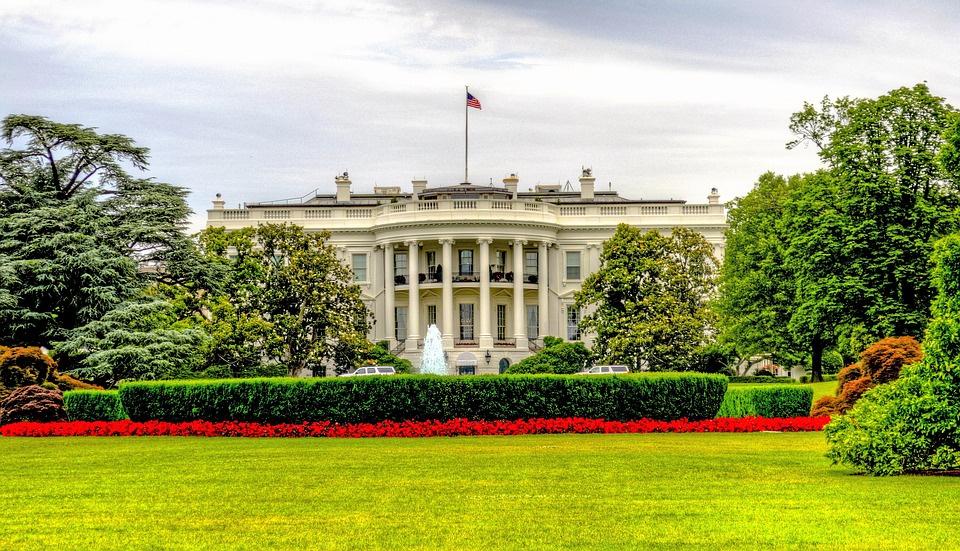
By 1860, the Willard Hotel, located at 1401 Pennsylvania NW, was a center of activity in the bustling capital then known as Washington City.

The South began seceding after Abraham Lincoln won the presidential election. He had to travel from Illinois to Washington City for his inauguration.

Allan Pinkerton, head of Pinkerton National Detective Agency, learned of assassination plots for president-elect Lincoln’s life in Baltimore. He feared that he would be killed. Though Lincoln was reluctant to believe his life was in danger, he agreed to Pinkerton’s alternate travel plans. It meant that his family would come later. Ward Hill Lamon was Lincoln’s bodyguard.

Unfortunately, secrecy was required to ensure Lincoln’s safety. That meant he arrived at dawn in Washington City without the fanfare that normally accompanies such an event.

The president-elect was ushered into the less-crowded ladies’ entrance to Willard Hotel on 14th Street where one of the Willard brothers met him on February 23, 1861.

Many people ridiculed Lincoln for sneaking into the city and he soon regretted his decision.

Mary and the boys arrived and the family stayed in a comfortable second-floor suite.

Henry Willard learned that Lincoln had forgotten to pack his bedroom slippers and talked to his wife. She offered him a colorful pair that she recently knitted for her grandfather. Lincoln borrowed them for the remainder of his stay.

Mary Todd Lincoln didn’t receive the same warm welcome from the Washington society ladies at the hotel. They seemed to dislike her from the beginning.

Abraham Lincoln stayed at Willard Hotel for ten days. Then his Inauguration Day arrived. On March 4, 1861, over 25,000 people gathered at the Capitol to witness the swearing in of the sixteenth president.

No one could have foreseen the turmoil of the next four years on that cloudy, blustery day.

The Willard Hotel is steeped in history. There is a scene at this hotel in my novel, Avenue of Betrayal, Book 1 of my “Spies of the Civil War” series, where the characters dine there. I was thrilled to use such an important location as part of the story.  

Sources

Epstein, Daniel Mark. Lincoln and Whitman: Parallel Lives in Civil War Washington, Ballantine Books, 2004.

Selected by Dennett, Tyler. Lincoln and the Civil War In the Diaries and Letters of John Hay, Dodd, Mead & Company, 1939.

“The Willard Hotel,” White House History, 2020/06/11 https://www.whitehousehistory.org/the-willard-hotel.

“The Willard Hotel in the 19th Century,” Streets of Washington, 2020/06/11 http://www.streetsofwashington.com/2012/07/the-willard-hotel-in-19th-century.html.

Waller, Douglas. Lincoln’s Spies, Simon & Schuster, 2019.

Civil War Women: Antonia Ford, Confederate Spy

Union officers often gathered at Antonia Ford’s family home in Fairfax Court House, Virginia. Like her father, the beautiful young woman was a secessionist. She learned of Union plans for the First Battle of Manassas and rode to warn the Confederate army. Southern officers held her under guard until her information was confirmed by other spies.

After this success, Antonia might have provided information to Brigadier General J.E.B. Stuart, who declared her an honorary aide-de-camp in October of 1861.

At 2 am on March 9, 1863, Cavalry Colonel John S. Mosby, along with 29 of his Confederate rangers, sneaked into Fairfax Court House and captured Union General Stoughton, several of his men, and horses.

Suspicions immediately shifted to Antonia, who had hosted Stoughton’s mother and sister in her home. The Secret Service sent a female undercover agent to the home, who spent hours talking with Antonia.

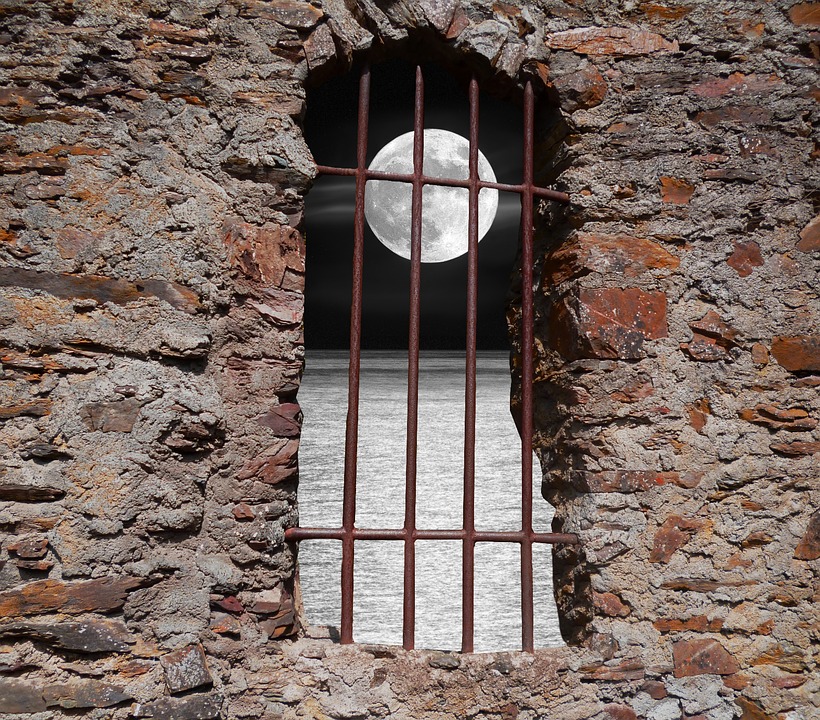
On March 15, Antonia was awoken by Secret Service agents. When she refused to pledge loyalty to the Union, they searched her house and found Confederate money and papers, letters from Federal officers, and J.E.B. Stuart’s order for her aide-de-camp. Charged with aiding and abetting Mosby’s capture of General Stoughton, she was arrested and held at Old Capitol Prison in Washington D.C.

While there, she met Union Major Joseph Willard, who worked to get her released. Willard was part owner of the Willard Hotel in Washington. They fell in love.

Antonia learned in May that she would be exchanged for Northern prisoners. She was arrested again with her father for not swearing allegiance to the Union. They were released on September 18, 1863 after both took the oath of loyalty to the Union.

Antonia married Major Willard on March 10, 1864, and moved to Washington.

-Sandra Merville Hart

Sources

“Antonia Ford Willard,” National Park Service, 2019/01/07 https://www.nps.gov/people/antonia-ford-willard.htm.

DiSilvestro, Roger. “Mosby’s Female Super Spy: Antonia Ford,” History.net, 2019/01/07 http://www.historynet.com/mosbys-female-super-spy-antonia-ford.htm.

Whitehead, A.M. “Antonia Ford (1838-1871).” Encyclopedia Virginia. Virginia Foundation for the Humanities, 27 May. 2014. Web. 7 Jan. 2019.