What I Would Tell You by Liz Tolsma

Reviewed by Sandra Merville Hart

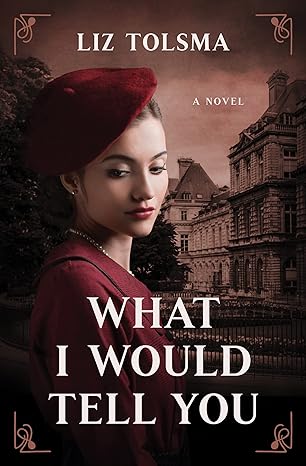
This split-time story is set during World War II and modern day. Mathilda’s story begins in 1941. She’s a Sephardic Jew living in Salonika, Greece, with her husband, Asher, at the beginning of the book. The Germans are coming. Everyone fears that the Germans are doing to Jews in other parts of Europe will happen to them. Mathilda believes her newspaper will stir her community’s courage. She continues to write her articles against the Germans in secret even after they occupy Greece.

Tessa is a college student in contemporary Pittsburg. The results of her genealogy tests shock her because they show her Sephardic Jewish heritage, something her mother had never shared. Even more shocking is that her cousin’s test isn’t even similar. It’s not difficult to leave behind strained family relationships on summer break. She travels to discover her roots in Salonika, Greece, where a handsome curator at a Jewish Museum helps her trace her ancestry. He gives her Mathilda’s diary to give her insights about the horror faced by the Jews in the area.

Tessa is not prepared for what she learns.

This book was a page-turner for me. Characters face impossible choices in the WWII story. It’s heart-wrenching to read. Difficult family relationships and old scars tug will readers’ emotions in the contemporary story. The overall desire to learn what happened to Mathilda and her family kept me glued to the story. A compelling read that makes you think about the story after the last page.

I enjoyed this poignant story that held surprising twists. I knew little about what had happened in Greece during WWII before picking up this book.  

Recommended for readers of inspirational historical and split-time stories.
Amazon

Poverty, Puberty, & Patriotism by Ruth Kibler Peck

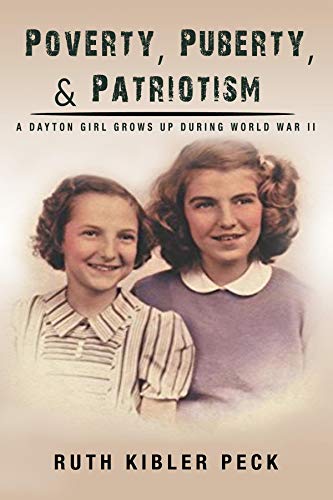
The author became a teenager during the difficult years of World War II. She gives a candid picture of life for a poor Ohio family who do their best to support their country at war.

From the shock of the Pearl Harbor bombing to the horror of the German concentration camps, the reader will see how the news affected one small family and their neighbors.

The military needed rubber so children collected old tires, boots, and garden hoses that they toted in wagons to collection points. Next the children went door-to-door asking for unneeded metal items that were dragged to the curb for pickup.

The author navigates readers through rationing. A ration book was provided to every family for foods such as butter, eggs, meat, sugar, and canned goods.

Great book and an easy read for anyone interested in life in America during the 1940s!

-Sandra Merville Hart

Amazon

World War II Correspondents

Today’s post is written by fellow historical author, Linda Shenton Matchett. I’m especially excited to read her novel after reading the historical background. Thanks for sharing, Linda!

WWII changed the world, changed America, and changed every person who lived during that time. Cultural and social mores were turned upside down as men went into combat and women filled the void their absences left, taking on roles few had experienced until then.

Most of us have heard of Rosie the Riveter, the USO clubmobiles, and the Red Cross facilities, but were you aware that women were also war correspondents? Even after Nellie Bly’s illustrious history as an investigative journalist, most newspapers relegated their female staff to covering society events and columns aimed at the “fairer sex” such as cooking, sewing, and homemaking.

Then Germany invaded Poland and women demanded an opportunity to cover the war. In order to do that they had to receive accreditation. Once obtained, accreditation served as a contract. The Army or Navy would transport the individual into the war zone, provide shelter and food, and send their dispatches back to the U.S. In return, reporters would follow military law and censorship. The process to get certified was lengthy, and as Life photojournalist Margaret Bourke-White said, “By the time you are accredited, you have no secrets from the War Department and neither do your ancestors.”

Of the 1,600 journalists who received the status to wear the coveted armband with a “C,” only 127 were women. The military refused to take these ladies into combat, but a few still managed to experience it. Sometimes the front shifted. Sometimes female reporters managed to get permission to enter the war zone. Sometimes they defied the rules and went to the front by hook or by crook. Successful in the face of opposition, these women fought red tape, condescension, hostility, and vulgarity to research, write, and submit their stories, paving the way for future generations of female journalists.

-Linda Shenton Matchett


Bio: Linda Shenton Matchett is a journalist, blogger, and author. Born in Baltimore, Maryland, a stone’s throw from Fort McHenry, Linda has lived in historical places most of her life. She is a volunteer docent at the Wright Museum of WWII and as a Trustee for the Wolfeboro Public Library. Active in her church, Linda serves as treasurer, usher, choir member, and Bible study leader.


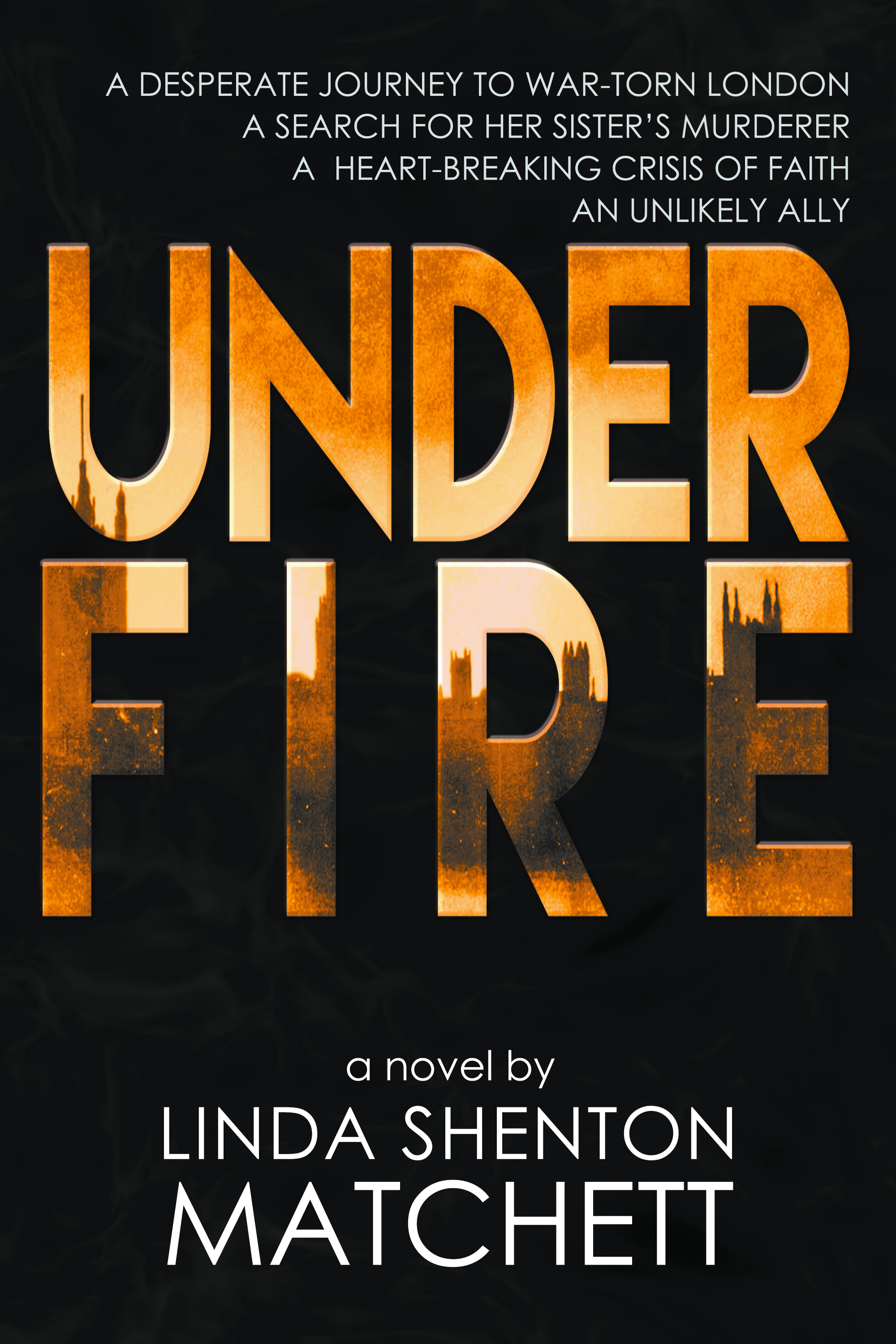
Under Fire Blurb: Journalist Ruth Brown’s sister Jane is pronounced dead after a boating accident in April 1942. Because Jane’s body is missing, Ruth is convinced her sister is still alive. During her investigation, Ruth becomes suspicious about Jane’s job. Eventually Ruth follows clues to war-torn London. By the time she uncovers the truth about Jane’s disappearance, she has stumbled on black marketers, resistance fighters and the IRA—all of whom may want her dead. Available from www.electiopublishing.com or your local bookstore.