Crazy about Cait by Nancy J. Farrier

Cait Sullivan loves training the horses on her father’s ranch and does not understand his decision to hire someone else Hall to do the with her—especially Jonas Hall, the man who broke her sister’s heart.

Jonas excels at his job. He loves horses as much as Cait.

The cavalry officer isn’t interested in the horses Cait trains, but will come soon to buy all the horses Jonas can train.

Cait realizes the sale of the horses to the cavalry is their only chance to save her family’s ranch.

The lovable, believable characters captured my heart as the story captured my interest. I enjoyed this historical romance.

This novella is part of The Cowboy’s Bride Collection published by Barbour.

-Sandra Merville Hart

Christianbook.com

Chicken Gumbo Soup Recipe

I prepared chicken stock using a recipe found in The Fannie Farmer Cookbook, giving me cooked chicken and chicken stock. I decided to make chicken gumbo soup.

4 cups chicken stock

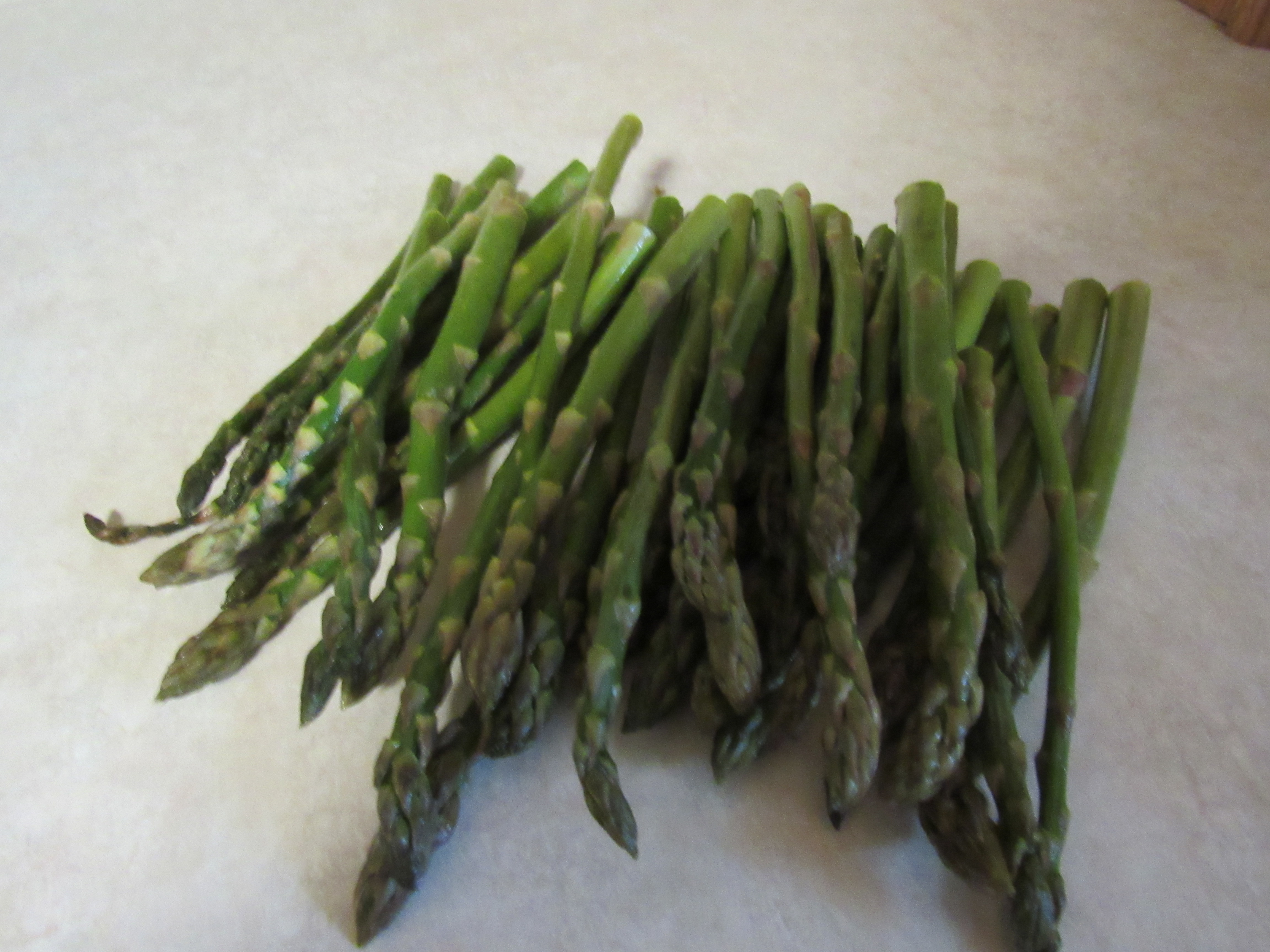
1 cup okra, frozen or fresh

2 stalks of celery, sliced

½ cup carrots, bite-sized slices

1 can (about 16 ounces) diced tomatoes

½ cup uncooked rice, brown or white

2 cups cubed or shredded chicken

Salt

Pepper

Fresh minced parsley (optional)

As Fannie warned, my chicken stock gelled in the refrigerator. Also, it had only made about 3 ½ cups of stock. I added enough water to make 4 cups into a large kettle. I warmed this over medium heat until in liquid form again.

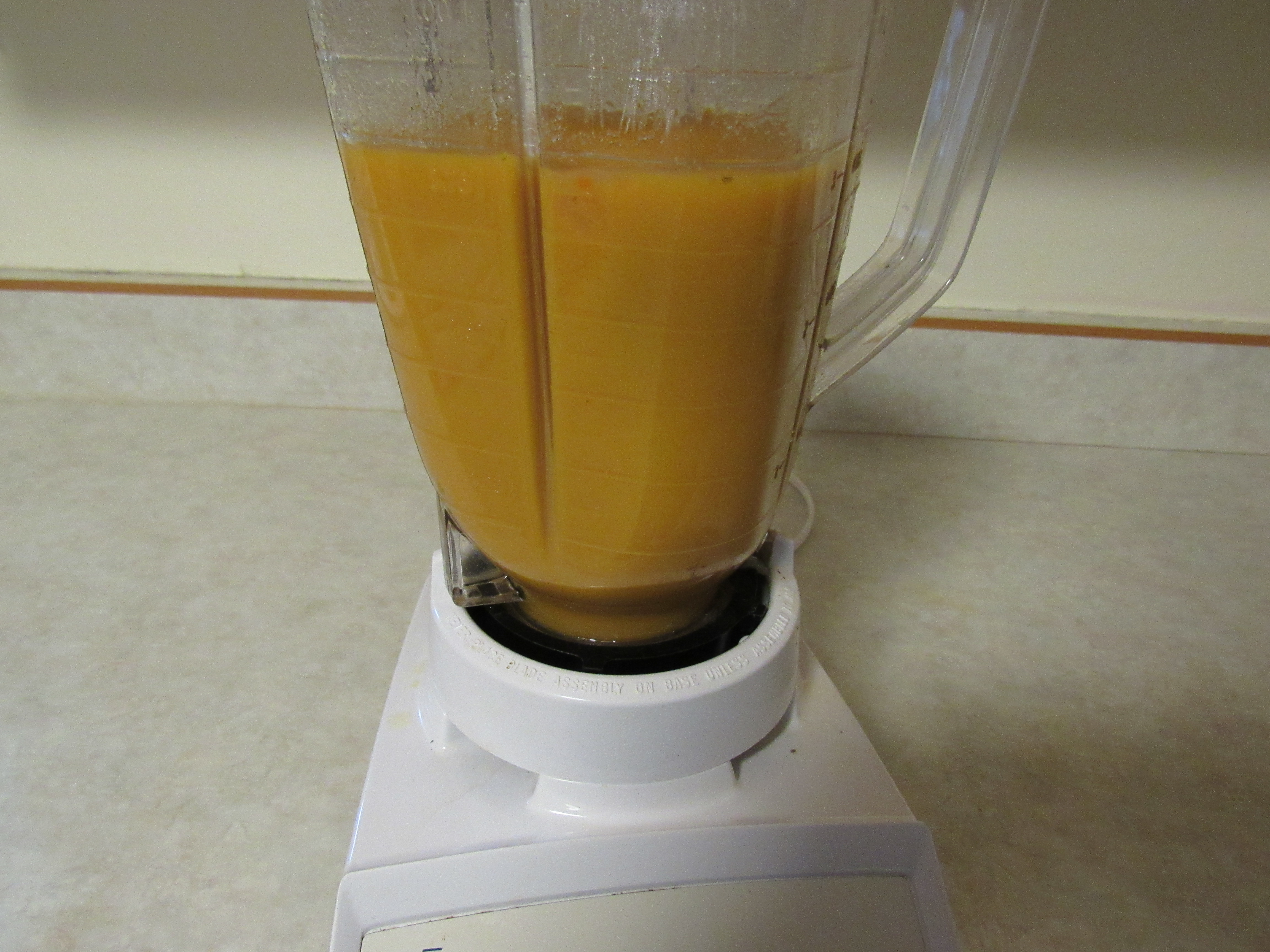
Add okra, celery, carrots, and tomatoes to the warmed stock. Stir in the uncooked rice. Cover and cook on medium heat for thirty minutes, stirring occasionally to keep the soup from sticking.

Reduce heat to low. Add chicken. Salt and pepper to taste. (Since I had not salted my chicken stock, I used a teaspoon of salt—the perfect amount for me.) Cook on low for about ten minutes to heat the chicken.

Garnish with a little minced parsley, if desired.

This made a hearty soup that I found delicious. One bowl is plenty for a meal.  I think an extra cup of stock would have been perfect, so I will use 5 cups of stock next time.

I’d love to hear from you if you try these recipes. Enjoy!

-Sandra Merville Hart

Sources

Revised by Cunningham, Marion and Laber, Jeri. The Fannie Farmer Cookbook, Alfred A Knopf Inc., 1983.


Colonial Travel with Pack Horses

Magnificent forests lined the hillsides and valleys in Colonial America. Their beauty didn’t make them easier to navigate. Pioneers blazed trails to the west by foot and then by horseback.

Settlers heading westward during this time traveled before roads had been cut. Skinny paths left no room for wagons. They hauled their worldly possessions on pack horses.

By tying each horse to the tail of the one immediately in front, one driver led a line of pack horses. Drivers controlled up to a dozen horses in one line.

Each animal could carry up to two hundred pounds on primitive pack saddles. Pioneers created their own saddles using sturdy, forked limbs, trimmed to fit a particular load. Some frontiersmen made a living by selling their pack saddles in the back woods.

Once these courageous souls settled in Western Pennsylvania or the Ohio country, they made yearly trips back east to sell their produce and replenish supplies. Traveling in caravans, they took ginseng, rye, bear’s grease, snakeroot, and hides back east. They returned with such goods as gunpowder, salt, nails, and iron.

Early U.S. military operations utilized pack horse trains in traveling to confront Native Americans. Captain Robert Benham served as Conductor General of pack horses in the late 1700s, taking part in expeditions with Wayne, Harmar, St. Clair, and Wilkinson.

While at Fort Harmar (near present-day Marietta, Ohio) in June of 1787, Colonel Harmar wrote that the cheapest cost of hiring pack horses was fifty cents a day.

-Sandra Merville Hart

Sources

“Fort Harmar,” Ohio History Central, 2017/04/22  http://www.ohiohistorycentral.org/w/Fort_Harmar.

Schneider, Norris F. The National Road: Main Street of America, The Ohio Historical Society, 1975.

Venable, W.H., LL. D. Westward by Hoof, Wheel, and Keel. Extracted from Footprints of the Pioneers in the Ohio Valley, originally published in 1888.


Rescue Me by Sandy Nadeau

Ronnie Spencer, a first responder, rescues firefighter Steve McNeal when his foot is pinned by a rock. She has avoided him since breaking up with him shortly after her father’s death.

Steve had been working with her father the day he died. Her dad, as an experienced firefighter, never would have died if Steve had ignored orders and rescued him.

Ronnie blames both God and Steve for not saving her father’s life. She refuses to date anyone who shares her dad’s profession. Who knew when they’d be killed?

Circumstances and tragedies in their city throw the couple together. Steve loves Ronnie. How can he help her overcome her bitterness?

This is a well-written contemporary romance that drew me in immediately.

-Sandra Merville Hart

Rescue Me by Sandy Nadeau

Preparing Chicken Stock

I recently ran across The Fannie Farmer Cookbook in an antique store. This book was originally published in 1896. Fannie Farmer’s name is still well-known today.

Reading Fannie Farmer’s recipe for stock intrigued me. I’ve made chicken broth from chicken but realized that is different from Fannie’s chicken stock.

Instead of making stock using chicken wings, necks, backs, and bones, I decided to use a whole chicken. This gave me boiled chicken to make soup for an easy supper the following day.

A local butcher cut up the chicken for me. Included in the package were the neck, heart, gizzard, and back. I used the legs, breasts, thighs, wings, neck, and back and discarded the rest.

Wash the chicken and put into a large pot, holding out the breasts and wings to be added later. Add eight cups of cold water. Cut one peeled onion in half and place in the pot. Add six baby carrots or peel two carrots and cut them into thirds.

Slice in half three celery stalks, including the leaves. Add a bay leaf, a teaspoon dried thyme, and six crushed peppercorns.

Cook on medium high heat until water begins to boil then reduce to simmer. Since white meat cooks more quickly than dark meat, add breasts and wings after the stock has simmered for twenty minutes.

Cover and simmer until chicken is done. Mine was ready in about an hour. Remove chicken from pot. Debone. Add bones and skin back into the stock and continue simmering.

Refrigerate the chicken for later use in another recipe.

The total simmering time is four to five hours, which includes the time it takes to cook the chicken.

Fannie suggests waiting to add salt until using the stock in a recipe. This allows for salty flavors of other ingredients.

Should you choose to season the stock itself, add salt to taste just before it is done.

Strain the stock and allow to cool. Refrigerate or freeze until ready to use. Stock made from bones will gel in the refrigerator. When the broth thaws out, skim off the top layer of fat.

This smells and tastes delicious, even without salt. The stock smells so aromatic and appetizing that your family may be hungry for supper a little early.

Enjoy!

-Sandra Merville Hart

Sources

Revised by Cunningham, Marion and Laber, Jeri. The Fannie Farmer Cookbook, Alfred A Knopf Inc., 1983.


The Cowboy Poet by Susan Page Davis

Rilla Lane dreams of becoming a published writer as she cares for her ailing mother on her father’s ranch. She writes in the evening after all her chores are finished and has submitted her work to contests.

Her poetry intrigues Bat Wilson, a cowboy on the Lane ranch. He knows Rilla’s father will never allow a cowhand to court his daughter. His feelings for her must remain hidden but he tries his hand at poetry. The other ranch hands discover he is writing and tease him mercilessly.

Rilla falls in love with the hard-working Bat but realizes her father will never approve.

The characters in this story were believable and likable. I enjoyed this historical romance set on a large Texas ranch in 1880.

This novella is part of The Cowboy’s Bride Collection published by Barbour.

-Sandra Merville Hart

Christianbook.com

Fannie Farmer’s Tips on Preparing Stock for Soups

I recently ran across The Fannie Farmer Cookbook in an antique store. This book was originally published in 1896. Fannie Farmer’s name is still well-known today.

Stock, water enriched by the food cooked in it, is an important ingredient in numerous sauces and soups. Homemade stock brings full-bodied flavor to recipes.

Though stocks may take all afternoon to cook, they are not difficult to prepare. Once the ingredients simmer in a pot, simply check periodically that the stock isn’t cooking too quickly.

Use fresh ingredients. Preparing stock allows cooks to use beef bones, chicken bones, and necks. Onions, parsley, dill, mushroom stems, and celery—including celery tops are foods that go into stock.

Start with cold water as it draws the meat juices into the soup as it comes to a boil. After this initial boil, reduce heat to a simmer.

Partially cover during simmering to maintain the simmer. This reduces the liquid without losing nutrients.

Wait to season with salt until the stock is almost done if you know how you plan to use it. If storing it for later use, do not add salt now because it won’t reduce after being salted. The rule of thumb seems to be to season when you are ready to prepare it for your family.

Strain stock after cooking and set aside to cool, uncovered. It’s best to cool the stock quickly and it can be placed in the refrigerator. Covering the stock while it cools may cause it to sour.

If the stock is stored in the refrigerator, reheat it every three days. Boil for two minutes.

Stock freezes well for future use. One of Fannie’s tips was to freeze the stock in ice trays and then bag the cubes in the freezer—easy to grab a few when needing a small amount!

-Sandra Merville Hart

Sources

Revised by Cunningham, Marion and Laber, Jeri. The Fannie Farmer Cookbook, Alfred A Knopf Inc., 1983.


Macadamized Roads

John Loudoun McAdam, a Scottish inventor, traveled almost 19,000 miles from 1798—1814 to form a method of making roads less susceptible to water.

Stagecoaches and wagons got stuck on muddy roads, adding to the difficulty of traveling. As surveyor general, McAdam devised a way to greatly improve roads and wrote of it in his Remarks on the Present System of Road-Making (1816).

To aid in water drainage, McAdam first recommended that roads be higher than the ground beside it. A layer of large broken stones then covered the road. Smaller stones were then laid over them. A fine layer of gravel was the last component.

This design reduced wear and tear on the road. Water drained to ditches on the side.

His recommendation was a great improvement over traveling on muddy roads. His idea spread to the United States.

Construction started in 1811 on the National Road, which began in Cumberland, Maryland, and wound through Pennsylvania and Virginia into Ohio. McAdam’s principles weren’t yet known.

His methods grew in popularity so that road makers used it on a new section of the National Road between Canton and Zanesville, Ohio, in 1825-1830. They broke stones small enough “to pass through a two-inch ring.”

At a width of twenty feet, the road contained the three layers of stone suggested by McAdam. Each layer was compacted with a cast-iron roller. This created the Macadamized road, making travel easier and safer for the pioneers settling in Ohio and farther west.

-Sandra Merville Hart

Sources

Bellis, Mary. “John Loudon McAdam – The History of Roads and Asphalt,” About.com, 2017/04/20 http://theinventors.org/library/inventors/blJohnMcAdam.htm.

Edited by Raitz, Karl. A Guide to The National Road, The Johns Hopkins University Press, 1996.

“John Loudon McAdam”. Encyclopædia Britannica. Encyclopædia Britannica Online. Encyclopædia Britannica Inc., 2017. Web. 20 Apr. 2017.

McAdam, John Loudoun.” The Oxford Companion to British History. . Encyclopedia.com. 19 Apr. 2017<http://www.encyclopedia.com>.

“Macadam”. Encyclopædia Britannica. Encyclopædia Britannica Online. Encyclopædia Britannica Inc., 2017. Web. 20 Apr. 2017.


For a Song by Susanne Dietze

Lily Kimball’s uncle accepts a fee that sends her and her sister from Boston to Texas to sing in a saloon. The owner, Jackson Bridge, has invited his aunt to live with him and his daughter and requested she find two songbirds to bring with her.

Lily doesn’t want the job—she wants to make a living as a singer but not in a saloon. Her uncle gives them no choice.

But things aren’t always what they seem.

Jackson doesn’t own a saloon. His aunt tends toward confusion. His daughter wanted two birds as pets. Jackson isn’t impressed by Lily’s willingness to sing in a saloon.

Lily cooks at Jackson’s ranch and cares for his daughter while dreaming of becoming the next Jenny Lind.

But dreams have a way of changing . . .

I enjoyed this historical romance set in a small Texas town in 1858.

This novella is part of The Cowboy’s Bride Collection published by Barbour.

-Sandra Merville Hart

Christianbook.com