My First Try at Making Bread Sponge

IMG_1706

An 1877 cookbook compiled from original recipes teaches that the first step in making delicious bread is the sponge. My earlier article, “Sponge is the First Step in Making Good Bread,” gave the recipe and suggested that sponge worked nicely for breakfast-cakes and muffins.

The jury is still out on that claim, but I’m getting ahead of myself.

Since measurements weren’t supplied, I began by scalding four cups of milk. After that, it took about an hour before it cooled to lukewarm temperature.

Then I measured four cups of all-purpose flour into a mixing bowl and added a little milk at a time to figure out how much was required. The author stated that the sponge should be “rather thick” when using for breakfast cakes.

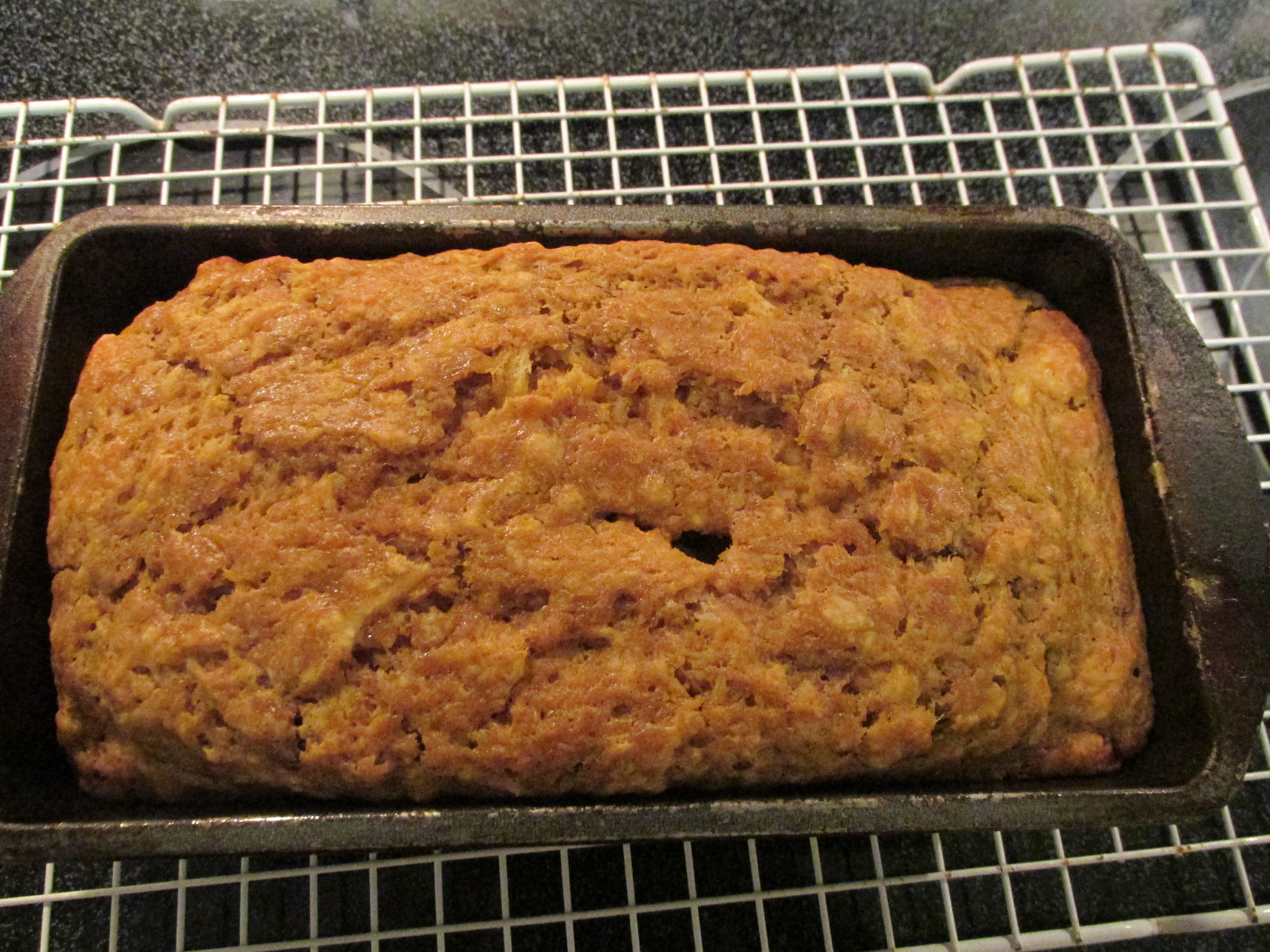
IMG_1700Since I had decided to make pumpkin bread, I made stiff, thick dough with 1 ¾ cups of milk.

The recipe called for a “small teacup of yeast” for three pints of “wetting.” Three pints is six cups; that seemed like a lot of dough for my experiment. I compromised with 1 tablespoon of yeast, which I mixed directly into the dough.

The stiff dough was covered tightly with a plate. I followed the original cook’s suggestion to place a blanket over the covered bowl.

An hour later the dough had barely risen. There were no guides given on how long to allow the dough to rise so I recovered it and waited another half hour before starting the pumpkin bread.

My plan for replacing flour, baking powder, and baking soda with the sponge didn’t work as well as I hoped.

It started out well.

Once the sugar and butter were creamed, the eggs, pumpkin, and cinnamon added, I measured two cups of the sponge – the amount of flour required by the recipe.

That may have been too much sponge.

The dough had risen almost twice the original size and smelled like pizza. It also didn’t mix well with the pumpkin mixture. I finally resorted to using my fingers to combine the ingredients.

The texture was completely different from my original bread recipe when combined. It baked fifty minutes. When cooled, my husband and I ate a slice.

The pumpkin bread tasted good but had a strange consistency so I did something wrong.

Then I remembered a friendship cake that made the rounds a few years ago. Friends passed around “starter” dough for a friendship cake. Each person used part of the dough for a cake, added to the original dough, and passed it on to the next person.

That “starter” dough was wetter and thinner than mine. Maybe the sponge should be somewhere in between the two.

We’ll see what happens with the next batch when using more milk and yeast in the sponge.

Stay tuned!

-Sandra Merville Hart


Sources

Compiled from Original Recipes. Buckeye Cookery and Practical Housekeeping, Applewood Books, 2011.
Cass Scenic Railroad State Park – A Fun Way to Spend a Day!

IMG_1835

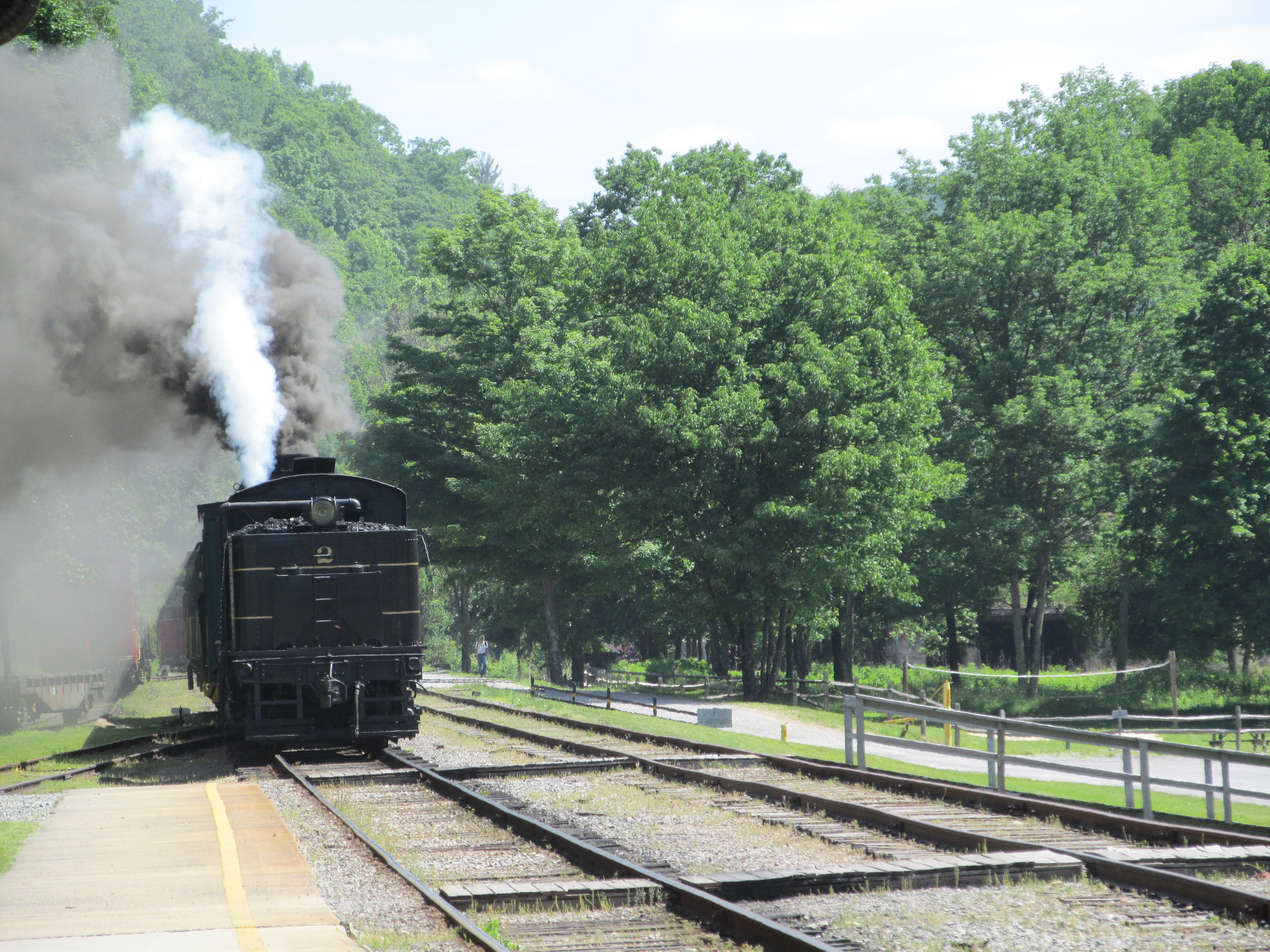
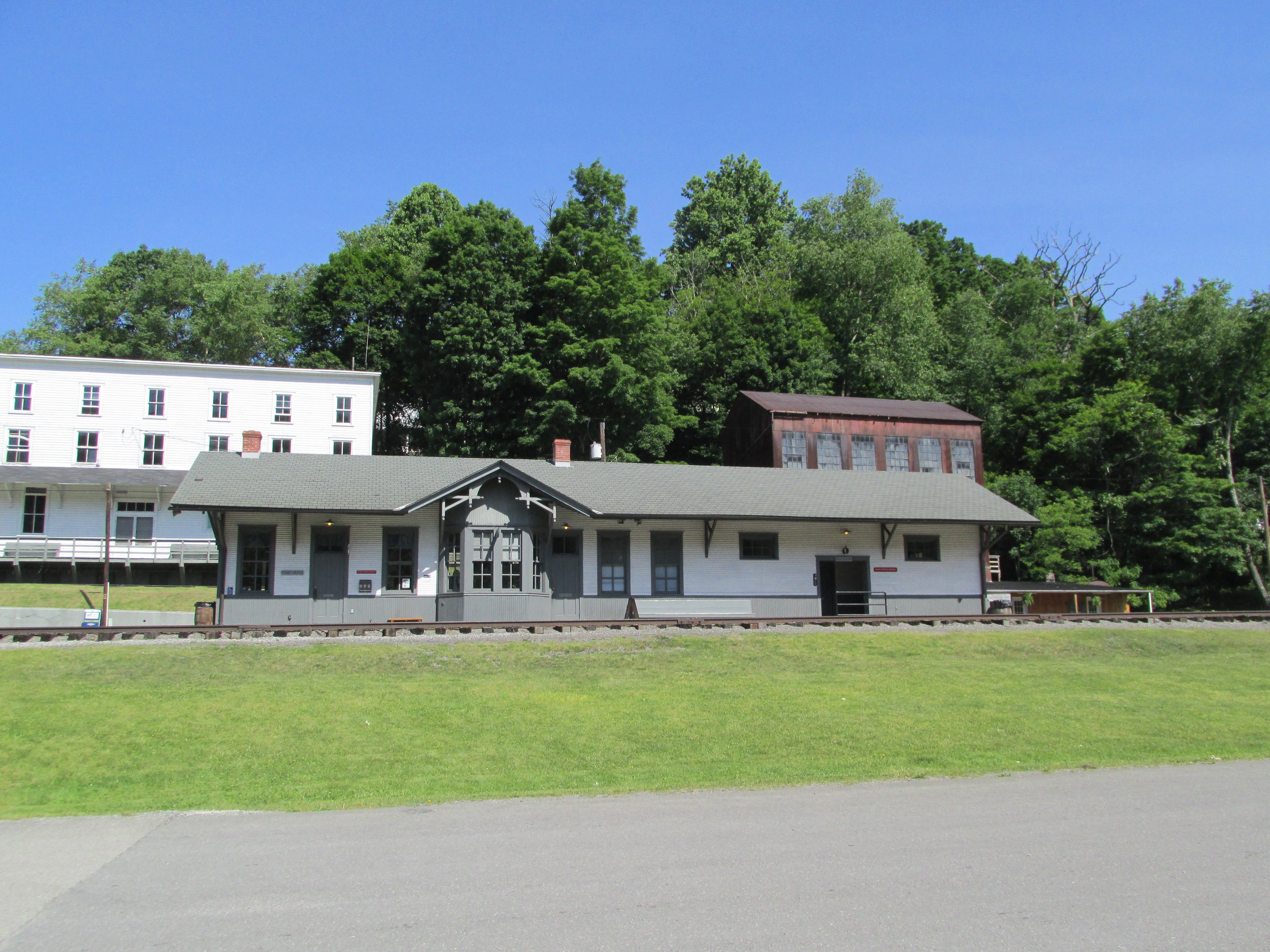
My husband and I traveled to the beautiful state of West Virginia earlier this summer. I had heard about train rides in Cass that took visitors back to logging days from family members who returned on multiple vacations. Hoping to experience an earlier era, we drove along state routes to the small town of Cass.

What a fun day!

We chose to take a 4 ½ hour train to Bald Knob and made reservations a few days ahead. It was a great decision.

IMG_1790Cass, a logging town founded in 1900, was built by the West Virginia Pulp & Paper Company. Workers of the West Virginia Pulp and Paper Mill in Cass lived there.

During the peak of the milling operation in 1908 to 1922, 2,500 – 3,000 people worked for the company. Twelve logging camps in the mountains received as many as ten carloads of food and supplies weekly.

The business was sold in 1943 and operated until July 1, 1960. Employees discovered the closing on June 30th; they feared the town would die.

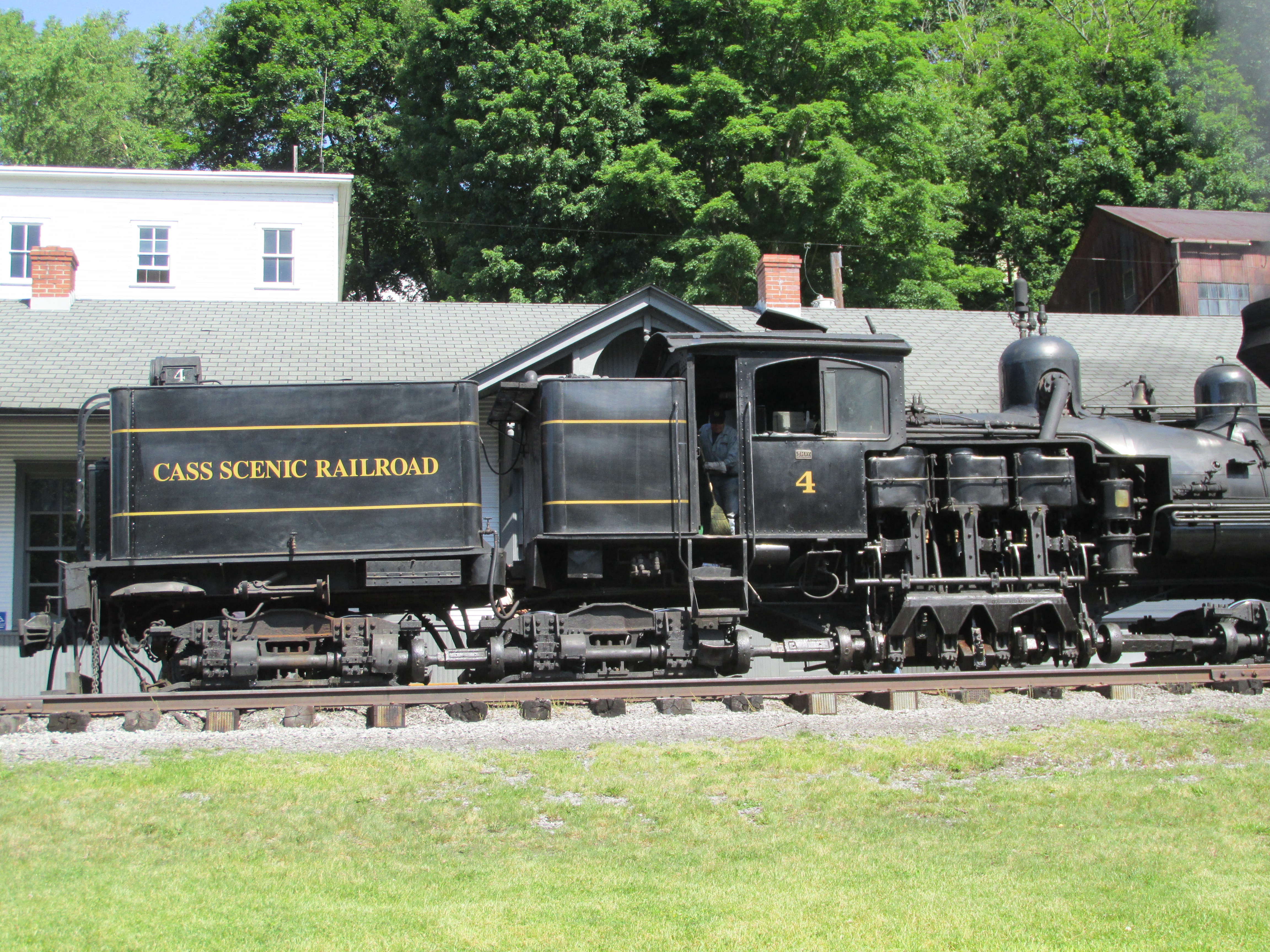
IMG_1816Russel Baum, a railroad fan living in Pennsylvania, believed that the Shay engines running over old logging tracks would draw tourists and convinced local businessmen. Cass Scenic Railroad State Park is the result of their vision and planning.

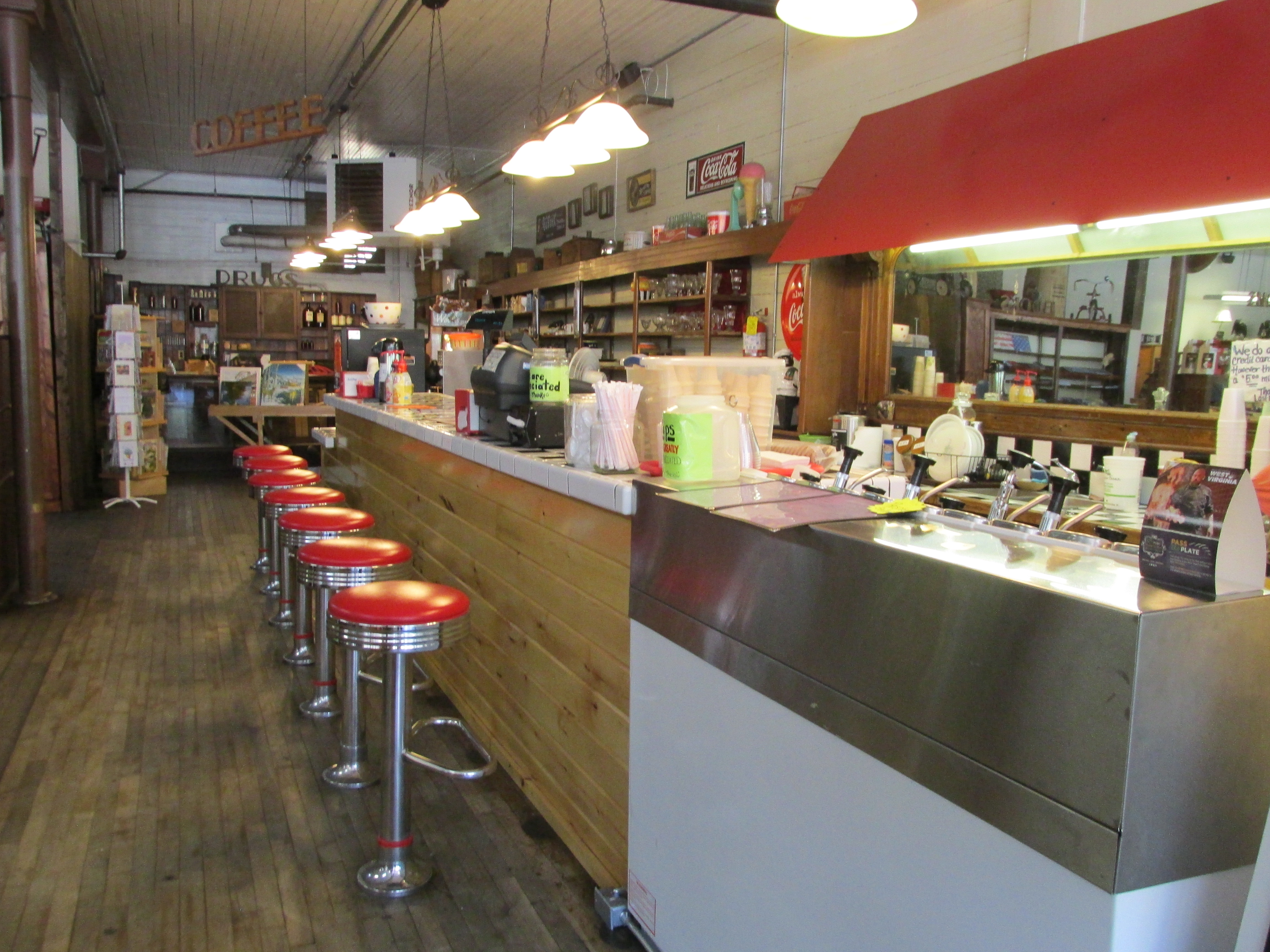
IMG_1830Stop for a sandwich or enjoy one of the daily specials at Last Run Restaurant. Visit friendly folks at the Company Store for a variety of local goods and souvenirs. Enjoy an ice cream at the ice cream counter. Talk to Bud Cassell, a 50-year employee of the Cass Scenic Railroad, at the museum.

Most of all, ride the logging train, pulled by century-old Shay engines, to old logging camps.

Go back in time for a day.

-Sandra Merville Hart


Sources

“The Town of Cass,” Cass Scenic Railroad State Park, 2016/08/01 http://www.cassrailroad.com/history.html.


Crossing into the Mystic by DL Koontz

41XZf7uVR0L

This Historical Fiction Fantasy novel is not my normal genre. The author mentions up front that this is a work of pure fiction and is listed as a Paranormal Romance.

The speculative nature of the action captured my attention until the end. The novel is filled with unexpected turns. I couldn’t put it down.

Thought-provoking. Gripping. I was given a copy of this book with a request for an honest review.

-Review by Sandra Merville Hart

Lighthouse Publishing of the Carolinas  Use coupon code SandraMHart for a 20% discount on Lighthouse Publishing books!

Sponge is the First Step in Making Good Bread

IMG_1700

Making homemade bread from scratch is a lost art for most of us. I make a variety of fruit breads like banana, pumpkin, cranberry orange, but rely on my bread machine for homemade white bread and rolls.

I’ve always wanted to learn how to make bread from scratch like colonial women did. Writing historical novels increases my desire to place myself in my heroine’s shoes and cook with the same challenges and knowledge she does.

A cookbook from 1877 teaches that the first step in making delicious bread is the sponge.

Sponge was made with flour, yeast, and warm milk or water. Some bakers added mashed potatoes. The cookbook author cautioned these early cooks to consider both the weather and the time of time when preparing the sponge.

In the summer, the sponge shouldn’t be set before eight or nine at night. Thick batter was made with lukewarm liquids. Scalding the milk and allowing it to cool first prevented it from souring.

In the winter, liquids were added at “blood warmth.” The temperature was determined by the baker’s finger and made as warm as the cook could stand. Adding the flour cooled the liquid enough for the yeast. The sponge was stored, covered,  in a warm area to rise.

The author suggested placing a clean, folded blanket over the cover.

A small tea-cup of yeast and three pints of “wetting” made four ordinary loaves. (My guess is that the “wetting” referred to is the flour and milk mixture since yeast was always added last.)

Bakers used this sponge in their bread, but it also worked well on the griddle for breakfast cakes or in muffins.

I’ll have to guess at the measurements, but plan to try this sponge in muffins, pancakes, or fruit breads. I’ll let you how it turns out. If you try the recipe, I’d love to hear about it.

-Sandra Merville Hart


Sources

Compiled from Original Recipes. Buckeye Cookery and Practical Housekeeping, Applewood Books, 2011.
“Lukewarm,” Thesaurus.com, 2015/06/09  http://www.thesaurus.com/browse/lukewarm.


Feeding a Family of Three in 1949

retro-1291745_960_720


According to a magazine article in 1949, a family of three ate well for $10 a week. With that budget, here are a few of the meals this family might consume:

beef liver                                           carrot-bacon-egg sandwiches

creamed hamburger                   vegetable-bean soup

meatloaf                                             scalloped potatoes

potato soup                                       molasses sweet potatoes

green pepper strips                       macaroni and cheese

beef stew                                             mashed potatoes

I know what you’re thinking … in today’s prices we’re already pushing $100 but read on. You haven’t spent the whole $10 yet. Add these delicacies to the menu:

fish                                                          green beans

egg sandwiches                                bean soup

bologna sandwiches                      cabbage salad

prune whip                                         applesauce

eggs au gratin                                   custard

After buying ingredients for a few more side dishes, you’d have enough money left from the original $10 to buy juice and cereal for every breakfast. You’d also enjoy milk, bread, and margarine at every meal. Whether or not this list appeals to you (and who knows what prune whip is!) it’s a lot of variety for the money.

Wouldn’t you love to visit those old corner stores and fruit and vegetable markets with a $10 bill in your purse? Just for one week to go back to a time when everyone in the community knew each other’s name and the store’s competition was another business of the same size two blocks away.

Who knew $10 could go so far?

-Sandra Merville Hart

Source

Rodack, Jaine. Forgotten Recipes, Wimmer Books, 1981.


Summer’s Love by Stu Summers

51C-go4cytL

This romance was a lot of fun to read!

Unexpected twists and turns kept me turning pages long past my bedtime. Summers created believable characters that had me rooting for them. A romantic sailboat journey will transport readers to warm climates with balmy breezes.

Recommend this book and this author. An enjoyable read!

-Review by Sandra Merville Hart

Lighthouse Publishing of the Carolinas     Use coupon code SandraMHart for a 20% discount on Lighthouse Publishing books!


Curing Cast Iron Skillets


IMG_1778


My mom had a cast iron skillet that I loved. It cooked evenly. Pancakes, bacon, and burgers turned out great. I purchased two skillets in the past few years, but neither came close to the quality of my mom’s. One rusted quickly.

My sister told me that I had to “season” the skillet. I found a product to spray oil over cast iron to season it, but somehow didn’t think that was the way my mother and grandmother accomplished the task.

Since I also wanted to purchase a Dutch oven for cooking over an open fire, I searched for a method for curing cast iron.

First, wash the Dutch oven (or skillet) with hot soapy water to remove waxy coating.

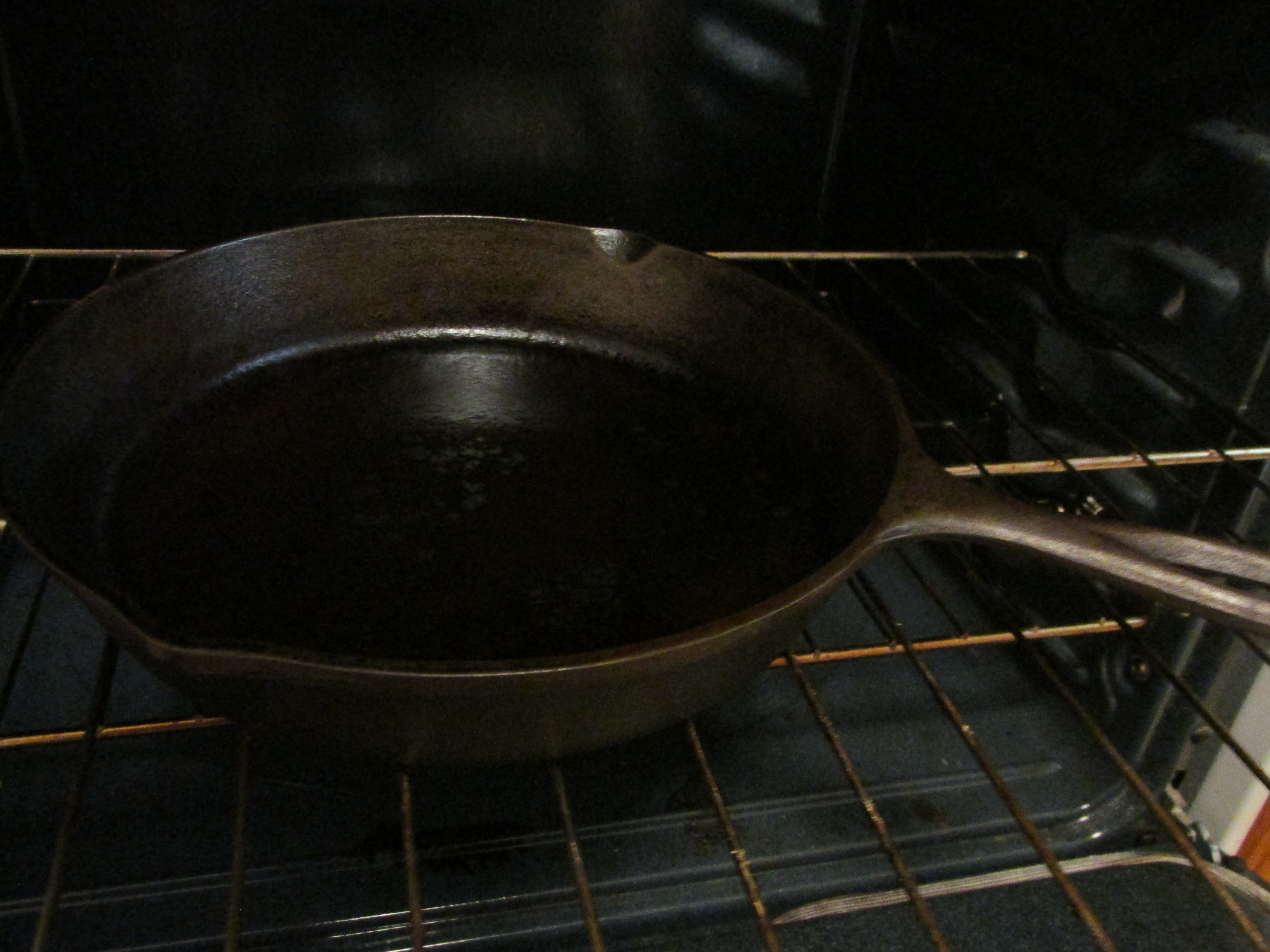
Heat your regular oven to 200 degrees with the cast iron pot inside. Keep the lid on your Dutch oven.

Once heated to 200 degrees, pour small amount of oil inside the pan. (Shortening or lard work well, too.) Wearing oven mitts, wipe the whole surface of the Dutch oven or skillet with a clean cotton cloth. Make certain to rub oil into the outside.

Turn up your regular oven to 350 degrees and heat the skillet for an hour. Expect to see smoke. When the hour is up, allow the skillet to cool slowly to avoid cracking or warping.

The Dutch oven or skillet is ready for use.

To clean the skillet, wipe away food with a paper towel before washing it in hot soapy water. Dry it completely. Then apply a light coating of oil inside and outside.

Skillets turn dark brown or black after repeated uses.

This easy method revived my rusted skillet.

Good luck!

-Sandra Merville Hart


Sources

Beattie, Roger L. “Seven secrets of Dutch oven cooking,” Backwoods Home Magazine, Inc., 2016/05/26  http://www.backwoodshome.com/seven-secrets-of-dutch-oven-cooking/.

Collester, J.S. Old-Fashioned Woostove Recipes, Bear Wallow Books, 1988.

Sporting Events in the Early 1800s


horse-444017_960_720

It wasn’t all hard work for the early pioneers. Those living in the country enjoyed sporting activities just as we do today.

Shooting Matches were great fun for early settlers. Participants aimed their rifles at targets hoping to be the most accurate. These matches normally occurred around Christmas and New Year’s Day.

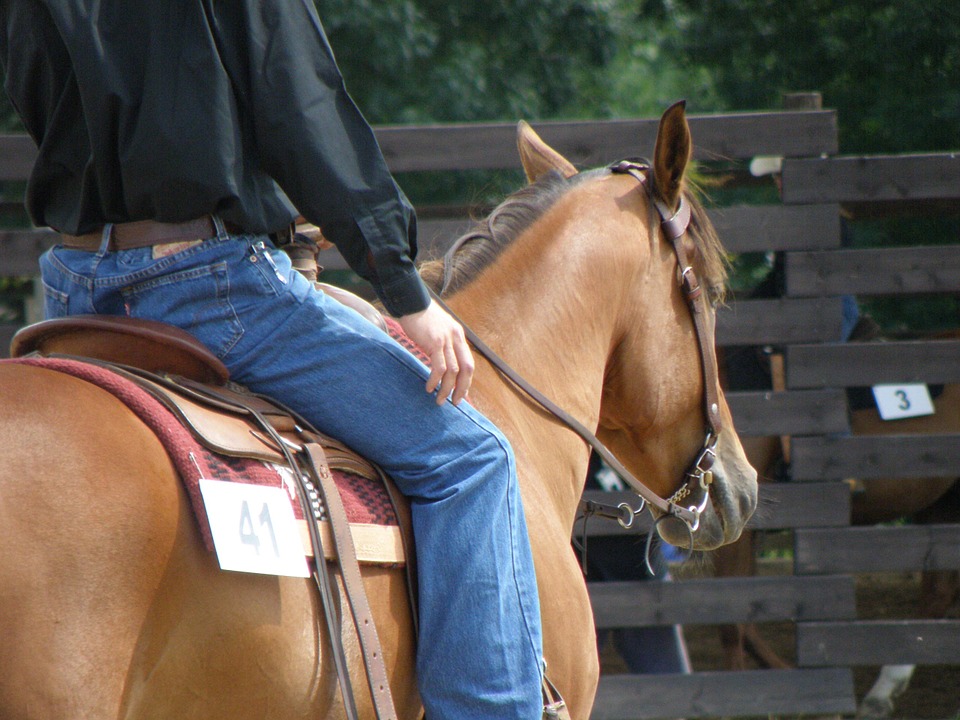
Horse races were always popular events. The races varied in length from a quarter mile or half mile on a straight path.

One, two, and three mile races, called Fairs, happened on circular tracks. The races took place at harvest time. Large crowds attended to watch the best horses in the area compete during the event that lasted three to four days.

Sports were part of most public gatherings. Country folks enjoyed foot races, jumping, wrestling, and pitching quoits (horseshoes.)

Pioneers also loved fishing. Passing a few hours on the riverbank also provided tasty suppers – as long as the fish took the bait!

-Sandra Merville Hart


Sources

“History of The Game of Quoits,” http://www.quoits.com 2015/06/15

http://www.quoits.info/history/history.html.

Welker, Martin. 1830’s Farm Life in Central Ohio, Clapper’s Print, 2005.


Dreaming of a Father’s Love by Sharon Lavy

51jD106eHSL

When Birdie graduates from high school, she wants nothing more than to work in the family business, pursuing her love of horticulture. Although Birdie has never been able to please her father, she desperately craves his praise. However, he has plans to send her to college, downplaying her contribution to his business.

Sara works for Birdie’s father. Raised by German Baptist parents, she loves her family, but wonders about her birth parents. Her mother refuses to discuss the details of her adoption. Could her birth mother be alive? Sara longs for a brother or sister.

Dax has built a successful business in real estate. He and his younger sister, Daisy, had been orphaned at a young age. When his two-year-old sister was adopted without him, he vowed to find her one day. Twenty-two years later, he is still searching.

Surprises and tragic events happen when Birdie agrees to help landscape Dax’s new property in this inspiring novel by Sharon A. Lavy. Set in the early 1970s, this book is an enjoyable read!

-Review by Sandra Merville Hart

Amazon