Spoon Biscuit Recipe

There is a scene my Civil War romance, A Musket in My Hands, where spoon bread is a great treat for Confederate soldiers in the Army of Tennessee. A spoon bread recipe from Confederate Home Cooking uses cornmeal, not flour as this biscuit recipe from Buckeye Cookery and Practical Housekeeping cookbook does. The bread recipe also begins with scalding the milk, which the Buckeye Cookery cook (Mrs. A.B. Morey) does not mention for making the biscuits.

Flour was pretty scarce in most of the South after the Civil War started. By 1864—when my story begins—corn meal was a staple for most of the breads for Southerners.

Pour 2 cups of buttermilk into a medium-sized mixing bowl. Stir in one teaspoon of baking soda and one teaspoon of salt.

Melt 2 tablespoons of shortening and stir into the mixture.

Then Mrs. Morey advises adding enough flour to achieve a stiff batter. This was 2 ½ cups of flour for me.

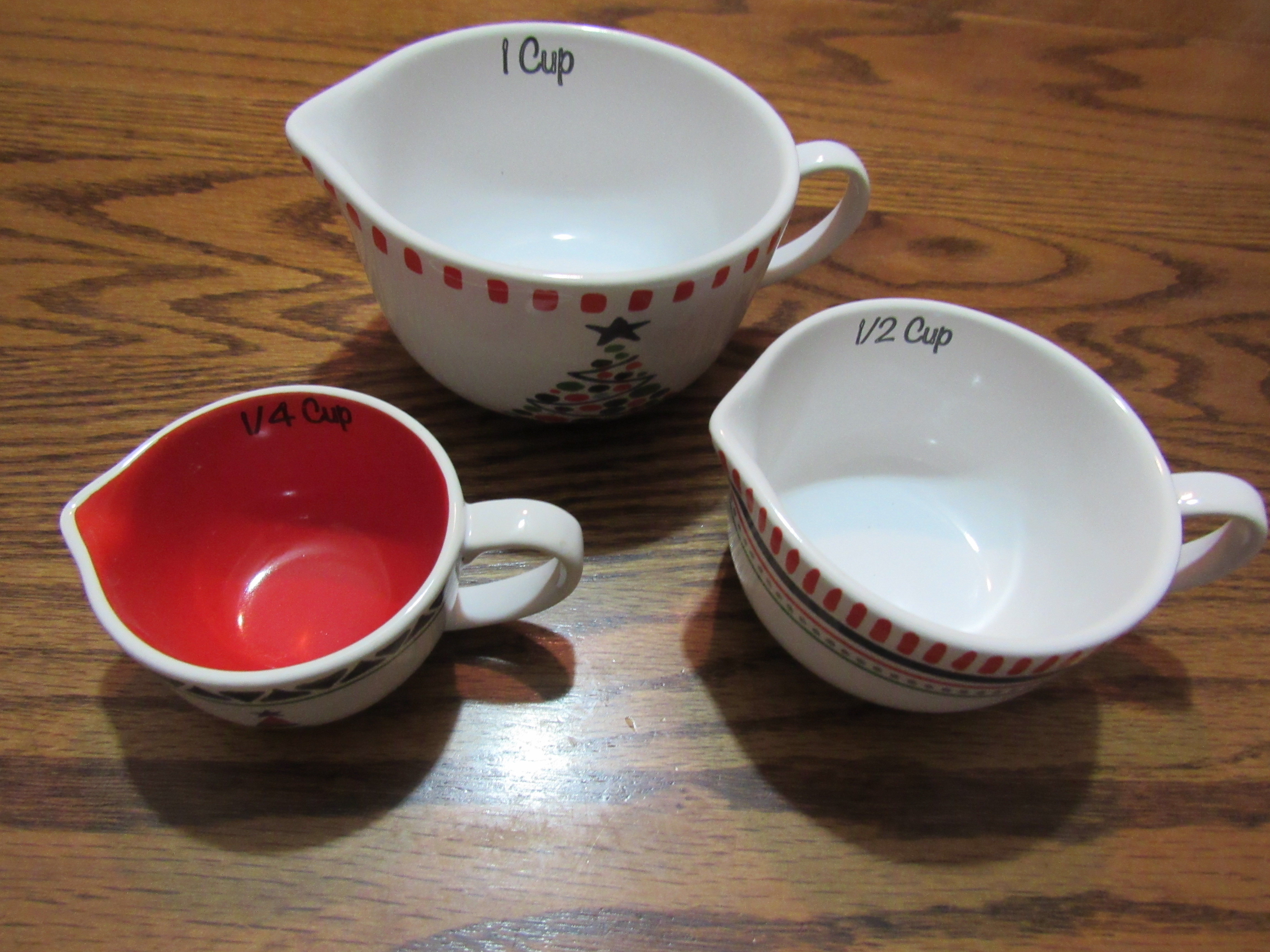
These were dropped by spoon into a gem pan. These pans resemble modern muffin pans. I sprayed my mini muffin pan with cooking spray and dropped the thick batter into the small slots.

Bake the biscuits at 400 degrees until lightly browned, about twenty minutes—longer if using larger muffin pans.

The biscuits were good but somewhat bland. It seemed that this type of bread was probably spread with jellies, jams, and fruit butters such as apple butter. I tried it with apple butter and liked it much better. Though my husband liked them plain, I’m thinking of making sausage gravy to go with the leftover biscuits from this batch. Yum!

I had extra batter so I baked the spoon biscuit dough in a small loaf pan. This made a thick, hearty loaf of bread.

I’d love to hear if you try it.

-Sandra Merville Hart

Sources

Compiled from Original Recipes. Buckeye Cookery and Practical Housekeeping, Applewood Books, 1877.

Mitchell, Patricia B. Confederate Home Cooking, 1991.


Civil War Novel Releasing in Two Weeks!

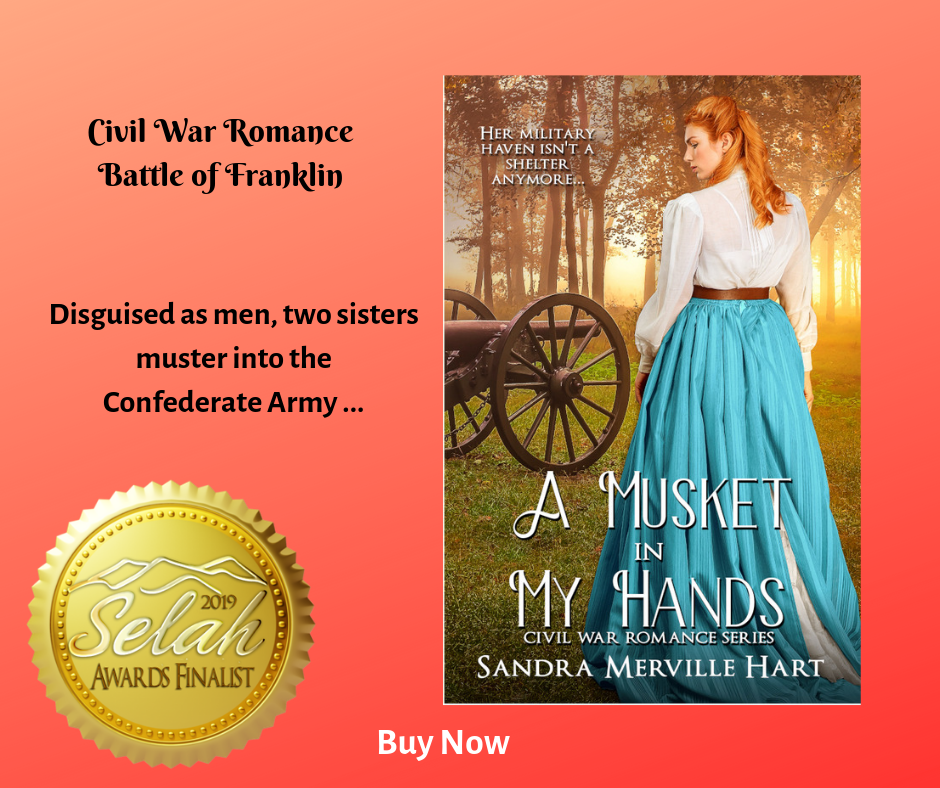
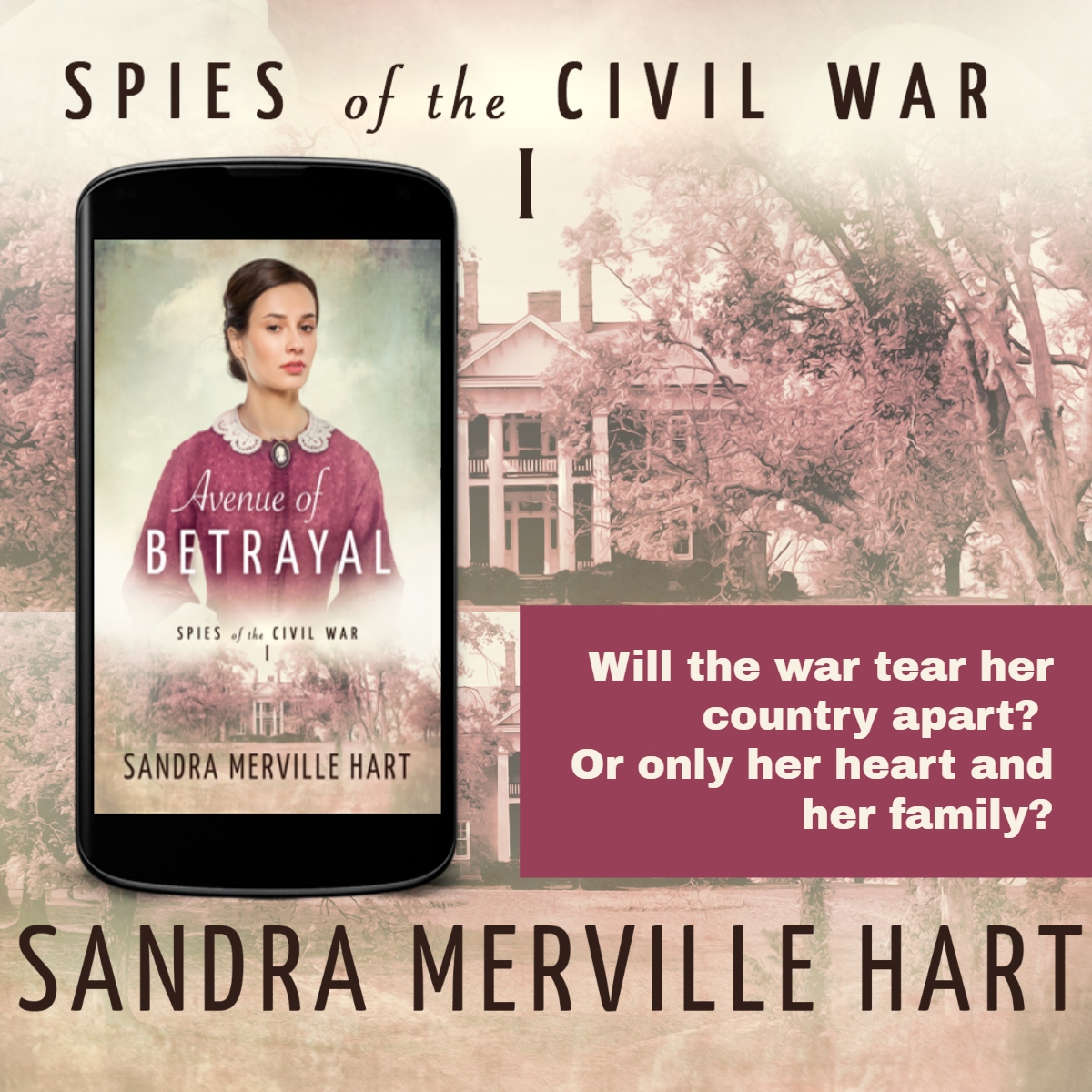
Sandra’s third Civil War romance, A Musket in My Hands, follows two sisters as they disguise themselves as soldiers and join the men they love in the Confederate army–just in time for the war to grow progressively difficult for Southern soldiers. Tough marches lead them to the Battle of Franklin. How can anyone survive? 

This novel releases on November 8, 2018!

So honored to receive the following endorsement from such a well-known and  talented author:

I don’t always read Civil War novels, because I’m not into graphic battle scenes. Sandra Merville Hart’s A Musket in My Hands is a wonderful book. The characters grab your heart right from the beginning and they take you through a unique story line right into battles, where I followed willingly. The book isn’t battle-driven. It’s character driven, and the reader becomes intimately acquainted with these people who had to face things they never dreamed about happening. This is my favorite Civil War novel. I highly recommend it.

Lena Nelson Dooley – bestselling, multiple-award-winning author of 12 Gifts of Christmas, Esther’s Temptation, and Great Lakes Lighthouse Brides.

Available for preorder on Amazon – buy today for prerelease prices!


Challenges Faced by Women Civil War Soldiers

Loreta Janeta Velazquez as Civil War soldier Lieutenant Harry T. Buford

The Civil War kindled patriotic feelings in men and women on both sides of the conflict. Women who desired to serve their country as soldiers had to disguise themselves as men. They also faced challenges in camp life and in marching with men.

The first thing a woman had to do was sew or buy men’s clothing. She’d need trousers, a coat, shoes, and men’s blouses. Padding strategically sewn on undergarments helped mask female curves. Loreta Velazquez, who disguised herself as Confederate Lieutenant Harry T. Buford, used wire net shields to hide her shape.

The women also had to cut their long hair. Short hair and men’s clothing enabled her to pass as a soldier.

As the war progressed, requirements for physical examinations relaxed. The army needed soldiers and didn’t want to find reasons not to accept them. They had to have teeth so they could tear cartridges open. They needed a trigger finger to fire muskets and rifles.

Life in army camps were challenging. Women used the privacy of the woods for nature calls instead of latrines.

Poor nutrition, long marches, intense physical activities, and weight loss might have caused the women’s menstruation to cease, especially during tough campaigns.

Soldiers slept fully clothed, wearing coat and shoes, so this helped the women’s disguise. Bathing was infrequent yet there were men who also preferred privacy when the opportunity for bathing arose.

Women claimed to be younger than they were to explain the lack of whiskers. They kept their coats buttoned all the way to hide the missing Adam’s apple.

They had to remember to talk like a man.

They carried at least thirty pounds of equipment in addition to their haversack (which held their food) and a knapsack (which held clothing and personal belongings.)

And then there were the challenges of battle. The fear. The chaos. Officers shouting orders. When the noise of battle was too loud for soldiers to hear their officers shout orders, buglers and drummers played them. Soldiers had to know what the tunes meant.

No matter the reason for joining, women who served as Civil War soldiers were courageous.

In my Civil War novel, A Musket in My Hands, two sisters have no choice but to disguise themselves as men to muster into the Confederate army in the fall of 1864—just in time for events and long marches to lead them to the tragic Battle of Franklin.

-Sandra Merville Hart
Sources

Blanton, DeAnne. “Women Soldiers of the Civil War,” National Archives, 2018/09/29 https://www.archives.gov/publications/prologue/1993/spring/women-in-the-civil-war-1.html.

Blanton, DeAnne and Cook, Lauren M. They Fought Like Demons, Louisiana State University Press, 2002.

Massey, Mary Elizabeth. Women in the Civil War, University of Nebraska Press, 1966.

Silvey, Anita. I’ll Pass for Your Comrade: Women Soldiers in the Civil War, Clarion Books, 2008.

Velazquez, Loreta Janeta. The Woman in Battle: The Civil War Narrative of Loreta Velazquez, Cuban Woman & Confederate Soldier, The University of Wisconsin Press, 2003. (Previously published 1876)

Fort Donelson’s Legacy by Benjamin Franklin Cooling

War and Society in Kentucky and Tennessee, 1862-1863

This nonfiction resource book begins with the Confederate surrenders of Fort Henry and Fort Donelson in February, 1862. A few days later, the Confederates moved from Nashville to Murfreesboro.

Citizens in the middle section of Tennessee learned of this with sinking hearts. They knew tough times lay ahead. They could not have foreseen just how difficult those bad times would become.

After the Battle of Shiloh (April 6-7, 1862) Union General Grant stopped ordering his troops to protect private property regardless of owner loyalty.

This book shows what Tennessee citizens endured in 1862-1863, and how their circumstances grew progressively worse.

Excellent book for Civil War research and history lovers.

-Sandra Merville Hart

Amazon

Rice Pudding Recipe

There is a scene my Civil War romance A Musket in My Hands  where rice pudding is a great treat for sisters who have disguised themselves as Confederate soldiers in the Army of Tennessee. This recipe from Buckeye Cookery and Practical Housekeeping cookbook published in 1877 would have been similar to the pudding served to Callie and Louisa.

Add a teaspoon of salt to two cups of water in medium-sized kettle. When water boils, add one cup of rice (not instant) and simmer until dry. (This took about a half hour for long grain brown rice.)

Stir a teaspoon of corn starch into 2 cups of milk. Pour this into the cooked rice. Return to a boil.

Separate two eggs.

Beat ½ cup of sugar into the egg yolks and stir into the rice mixture. Remove from heat.

Grate the rind of 1 lemon. Stir this into the rice along with the juice of 1 lemon.

Spoon the mixture into custard cups, leaving room at the top for meringue topping.

Pour an inch or two of water into a large baking dish and arrange the custard cups inside.

Bake at 350 degrees for about 30 minutes.

Toward the end of that time, add 2 tablespoons of sugar to the reserved egg whites and beat with a mixer until white and stiff. Remove the pudding from the oven and spread the meringue over the top. Return the pudding to the over to lightly brown the topping.

I allowed these to cool before eating. I like rice dishes and I liked this dessert. The tangy taste of the lemon is there but did not overpower the dish. The sweet taste was not overly sweet. My husband also enjoyed the pudding.

I’d love to hear if you try it.

-Sandra Merville Hart

Sources

Compiled from Original Recipes. Buckeye Cookery and Practical Housekeeping, Applewood Books, 1877.

Lighthouses in the Great Lakes

Today’s post was written by fellow writer, editor, and friend, Pegg Thomas. Welcome back to Historical Nibbles, Pegg! 

The Great Lakes Lighthouse Brides collection was my baby from the start. I wanted to offer Barbour Publishing a collection that showcased our beautiful Great Lakes and honored the memory of the men and women who pioneered this area.

Lighthouses—and the men and women who manned them—were essential to both bringing people and supplies into this vast wilderness and shipping valuable resources out to a growing nation. The Great Lakes are awe-inspiring in many ways, inland seas of fresh water teeming with fish and surrounded by dazzling sand dunes and towering forests. They were also treacherous. Violent storms, hidden shoals, and thick fogs made travel by boat dangerous. The lighthouses, often situated in remote, isolated areas, were literally the saving grace for many a crew.

Lighthouse keepers and their families had to be self-sufficient and hardy people. Often days of travel away from the nearest town, they had to raise, hunt, or catch much of their own food. Most did not winter at the lighthouse, but some did. Those also had to preserve enough to see them through the long, dark months of the year.

Aside from keeping the lights burning, lighthouse keepers also assisted in rescue missions, with or without the help of a life-saving station. Many heroic stories have survived through the years of men and women who risked their own lives to save those wrecked on the lakes.

The rest of the growing nation desperately needed the raw materials of iron, copper, and other metals of this area. Steel mills back east needed it to turn out hundreds of thousands of rails the country needed for the railway system that was spanning from coast to coast. The lumber was needed for building cities and homes. The area I currently live in was lumbered off in 1871 and 1872 to rebuild Chicago after the great fire.

I’m proud to be a part of this collection that shares these historical romances inspired by the people who pioneered our northern shores.

-Pegg Thomas

Amazon

Blurb:

Anna’s dream of running the lighthouse was difficult enough to achieve, but then a Russian stowaway was left on the island, and that complicated everything.

About Pegg:

Pegg Thomas lives on a hobby farm in Northern Michigan with Michael, her husband of *mumble* years. A life-long history geek, she writes “History with a Touch of Humor.” When not working or writing, Pegg can be found in her barn, her garden, her kitchen, or sitting at her spinning wheel creating yarn to turn into her signature wool shawls.

Pegg’s blog

Eyewitnesses at the Battle of Franklin

Compiled and Edited by David R. Logsdon

What a great way to really dig into the history of a Civil War battle!

This historical resource book is skillfully arranged in chronological order for events before, during, and after the Battle of Franklin, Tennessee.

Quotes from officers and soldiers, both Union and Confederate, show what was happening at either side at the same time, giving valuable insight to many perspectives.

Quotes from townspeople and Franklin visitors present during the battle are also included, providing emotional details and popular opinions of the time.

Love this book! Reading it increased my understanding of what soldiers and townsfolk endured as part of my research for A Musket in My Hands, my Civil War romance that includes this battle.

Recommend this book for those interested in Civil War history, American history, and Tennessee history.

-Sandra Merville Hart

Amazon

Toby’s Troubles Recipe

Today’s post is written by fellow author and sweet friend, Carole Brown. Welcome back to Historical Nibbles, Carole!

A delicious Tuna Salad from The Coffee Shop in Toby’s Troubles that has a light kicky tartness (due to the dip and lemon juice), but is utterly delicious.

I love writing seemingly minor details into my books that add a touch of realism and hominess. On Toby and Amy’s lunch date, Toby teases Amy with an original menu item on sale from The Coffee Shop because it is one of Amy’s favorites. Hence, The Tuna Salad Sandwich.

I like to encourage those who try this recipe to experiment with the ingredients. Start light with some of the ingredients, then add more to satisfy your taste. Or switch an item with a different, special touch you crave.  Be inventive.

Tuna Salad Mix:

Fresh tuna, chopped (or 1 can, 5 oz. chunk Tuna, light)

2 tbsp of Spinach dip

1 tsp of lemon juice

1/3 cup of plain Greek yogurt

¼ cup Mozzarella cheese (or your choice of cheese)

Sea salt and pepper to taste

Lightly mix these ingredients together. Then choose one of the following:

Breads:

Wheat swirled bread, buttered, and lightly toasted and sliced in half

Warmed floured tortilla shells

Eat on top of chilled and halved cucumber slices with centers scooped out

Eat as a salad on a plate with crackers or tortilla chips or Fritos

Then add:

One thick slice of tomato

Spinach leaf(s)

A dash of Parmesan cheese on top

-Carole Brown

Toby’s Troubles Blurb:

Everyone loves Toby Gibson. A co-owner of Undiscovered Treasures, a unique shop of antiques, collectibles and junk, Toby is friendly, generous to a fault, the director of the local plays in Appleton and supports his church’s youth functions. But the minute his sister, Caroline, and her new husband take off for their honeymoon, a “ghost” begins to haunt the shop—or maybe it’s just an intruder. If so, Toby has no idea for what the thing is looking. To add to his troubles, he suspects Amy not only is bidding for the property he’s wanted forever, but is in love with him. And he’s not interested.

Amy Sanderson who owns the only flower shop in Appleton—Bloomin’ Life—is drawn into capturing Toby’s “ghost” when her own business is damaged by a destructive intruder. Having loved Toby since a teenager, she’s more than willing to join forces with him. But she has no interest in being his best friend or a sister to him. And if she has to resort to schemes of outbidding him at his frequent auction attendances to get his attention, then so be it. She can be just as stubborn as the man who’s determined to ignore her love.

In between the break-ins, destruction of property, thefts and personal competitions against each other, Amy and Toby work together to find the thief who seems so determined to find a valuable item, he’ll stop at nothing.

Amazon

Bio:

Besides being a member and active participant of many writing groups, Carole Brown enjoys mentoring beginning writers. An author of ten books, she loves to weave suspense and tough topics into her books, along with a touch of romance and whimsy, and is always on the lookout for outstanding titles and catchy ideas. She and her husband reside in SE Ohio but have ministered and counseled nationally and internationally. Together, they enjoy their grandsons, traveling, gardening, good food, the simple life, and did she mention their grandsons?

Connect with Carole on her blog and Twitter.


Reasons Women Fought as Civil War Soldiers

The Civil War brought tough times for civilians as well as soldiers. Neither the Union nor the Confederate armies allowed women to fight as soldiers, leading some women to disguise themselves as men to muster into the army.

There are about four hundred women known to have served as soldiers on either side. Mary Livermore of the U.S. Sanitary Commission wrote in 1888 that she was convinced the number was much higher. Since most were discovered after being a soldier two years or more, Mrs. Livermore believed that some were never detected.

Why did women join the army?

Newspapers printed stories about soldiers involved in gambling, drinking, and other immoral behavior. Some women mustered in to keep an eye on husbands and beaus.

There were women who chose the army as an escape over unbearable family situations. Some women living in poverty joined for the pay. Some sought adventure, love, or excitement. Others wanted to be near a brother, husband, or fiancé.

As the war continued, bonuses offered to new recruits as well as soldier’s pay enticed some women to enlist.

A myriad of reasons, as individual as the women themselves, drove them to don a soldier’s garb and march into danger.

In my Civil War novel,  A Musket in My Hands, two sisters have no choice but to disguise themselves as men to muster into the Confederate army in the fall of 1864—just in time for events and long marches to lead them to the tragic Battle of Franklin.

-Sandra Merville Hart

Sources

Blanton, DeAnne. “Women Soldiers of the Civil War,” National Archives, 2018/09/29 https://www.archives.gov/publications/prologue/1993/spring/women-in-the-civil-war-1.html.

Blanton, DeAnne and Cook, Lauren M. They Fought Like Demons, Louisiana State University Press, 2002.

Massey, Mary Elizabeth. Women in the Civil War, University of Nebraska Press, 1966.

Silvey, Anita. I’ll Pass for Your Comrade: Women Soldiers in the Civil War, Clarion Books, 2008.


Short Stories in Ohio Collection

From the Lake to the River: The Buckeye Christian Fiction Authors 2018 Anthology

Ohio Authors writing Stories and Novellas set in Ohio

Published by Mt. Zion Ridge Press


Short stories don’t often receive reviews because reviewers shouldn’t give the story away. Here are snippets about short stories in this collection. No spoilers. All so different—recommend!

Fred’s Gift by Bettie Boswell

Heartwarming story about loss and gain, set in Ohio’s heartland at Christmastime.


Evie’s Letter by Cindy Thomson

The War between the States is past. Putting aside their differences is difficult for folks in Cardington even though General Ulysses S. Grant is now President Grant. Excellent!


Debt to Pay by JPC Allen

Two brothers find someone in the woods—and suddenly their lives are in danger, too. Suspenseful—a page-turner!


Christmas Angels by Carole Brown

A young Cincinnati wife and mother misses her husband, off at war, but why hasn’t he sent her money for two months? Heartwarming!

-Sandra Merville Hart

Amazon