Corn Cakes Recipe

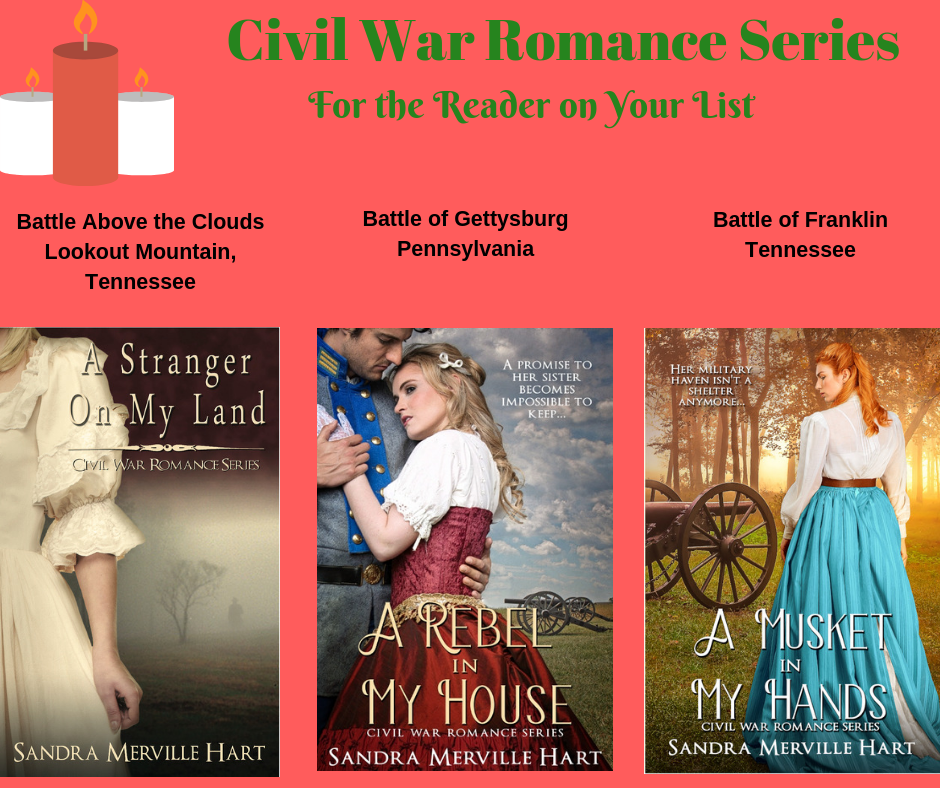
Since Callie, my female protagonist in my third Civil War romance A Musket in My Hands , made corn cakes so often while disguising herself as a Confederate soldier, I could not wait to make them. This recipe from Buckeye Cookery and Practical Housekeeping cookbook published in 1877 would have been similar to Callie’s—except as a soldier in the Confederate army, she lacked some of the ingredients.

The recipe calls for equal amounts of corn meal and buttermilk. I quickly saw that this mixture would not be thick enough to make into a patty for frying so I doubled the corn meal to two cups.

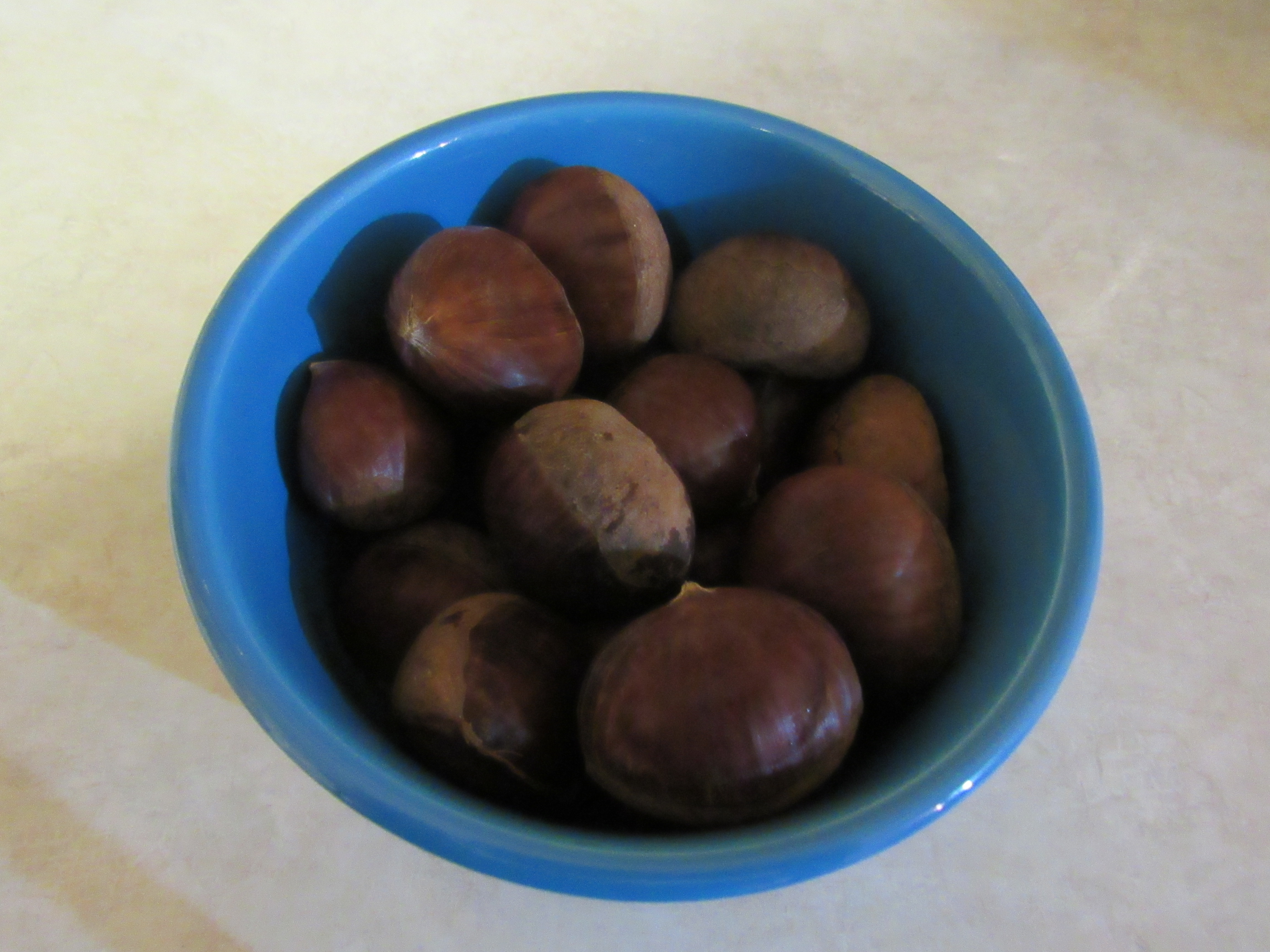
Combine two cups of cornmeal with one teaspoon of baking soda and one teaspoon of salt. Beat one egg and add to the cornmeal mixture. Stir in one cup of buttermilk.

Melt a tablespoon of shortening in a skillet on a medium high heat. Take a portion of the cornmeal batter and form it into a cake. Carefully place it in the hot skillet. You can fry about 3 at a time, depending on the size of the cakes.

Lower the heat to medium. These cook quickly so flip them over after a minute or two to brown on the other side.

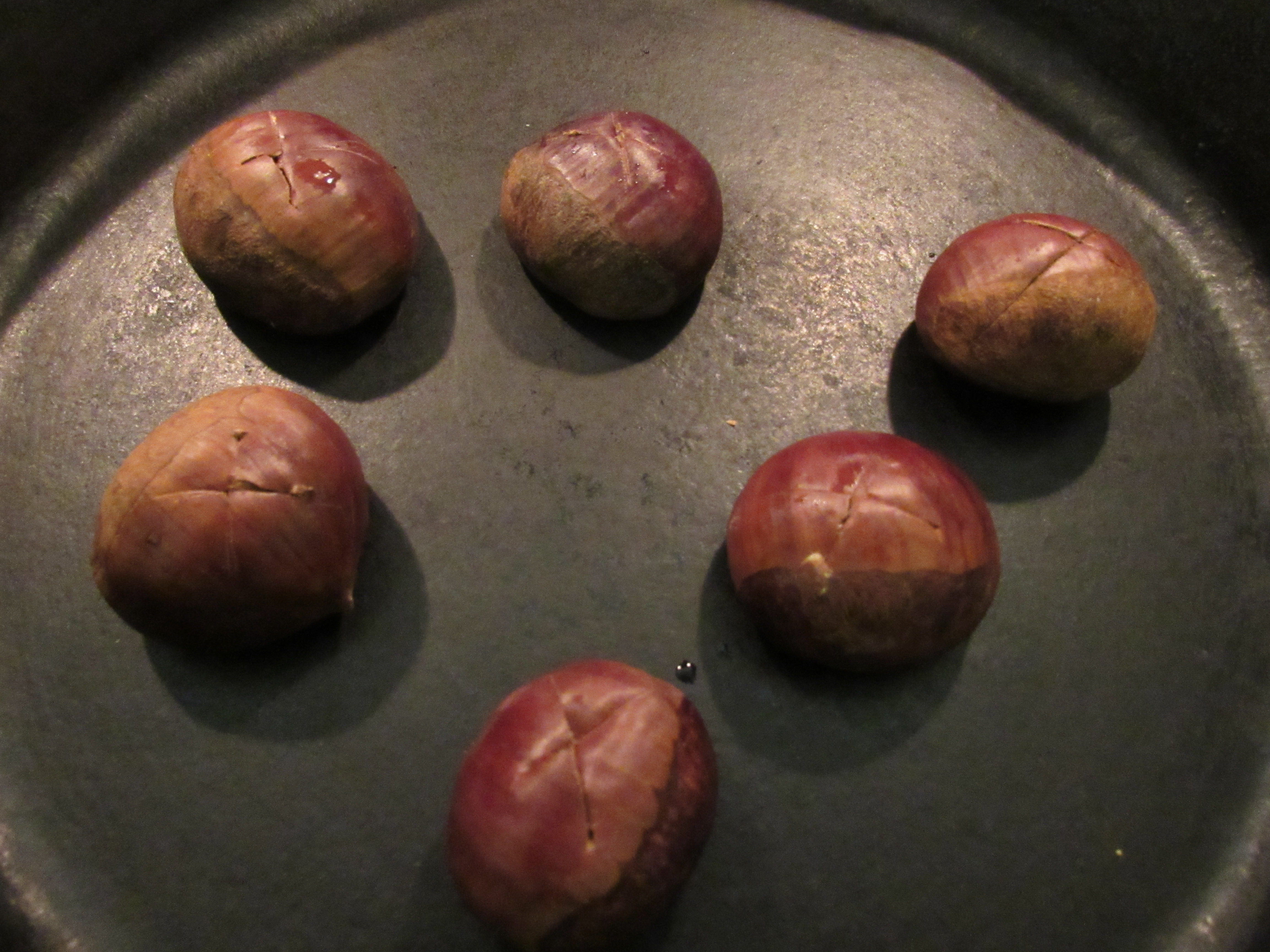
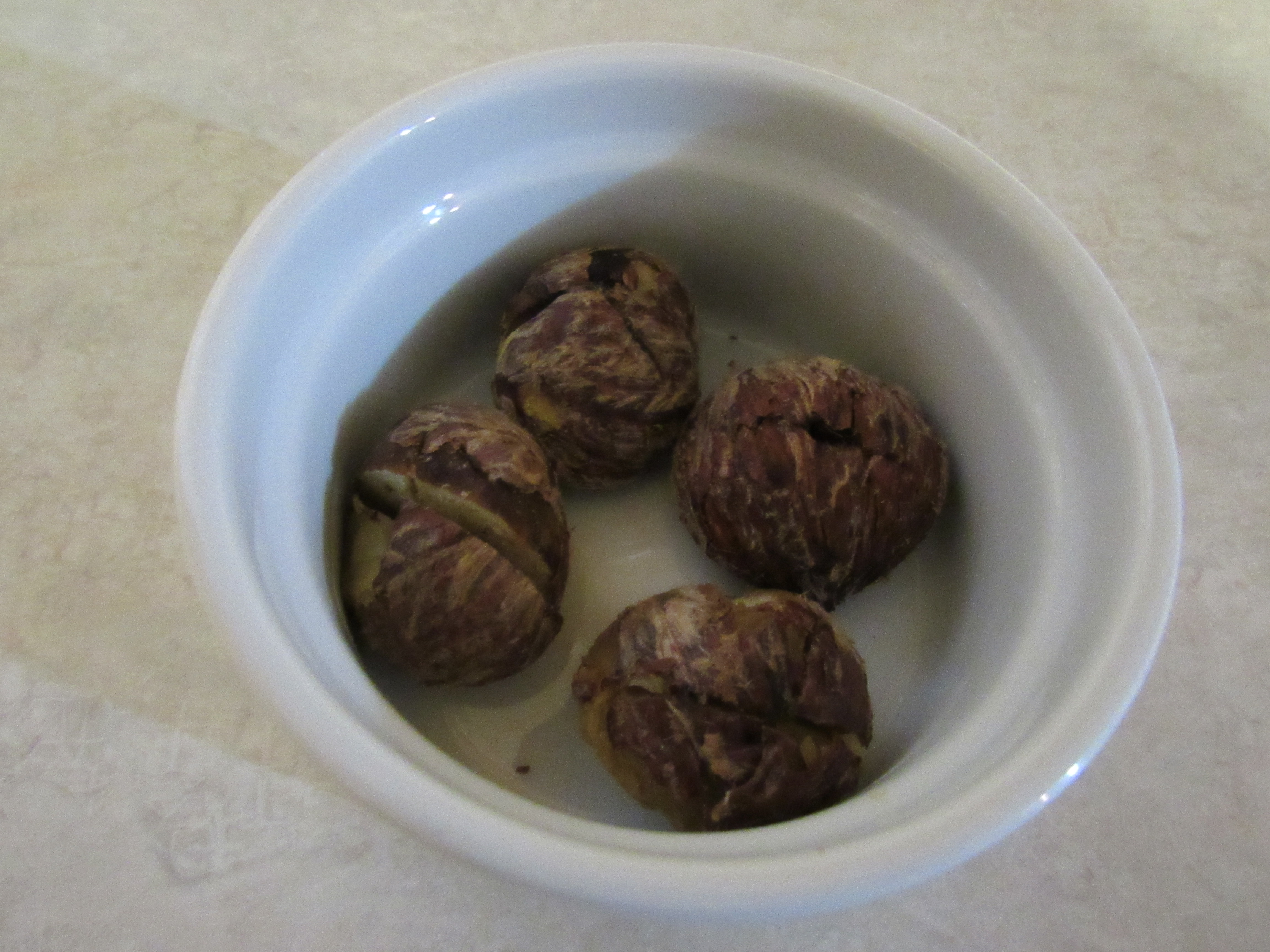
My batter made 6 corn cakes. Yum! They are filling but not enough to feed a soldier hungry from a long march, like the characters from my novel.

I’d love to hear if you try it.

-Sandra Merville Hart

Sources

Compiled from Original Recipes. Buckeye Cookery and Practical Housekeeping, Applewood Books, 1877.


Women Wanted to Enlist as Civil War Soldiers?

It’s 1861. Before Abraham Lincoln can be sworn in as the new president of the United States of America, Southern states begin leaving the Union.

Everyone is on edge. What will happen next? Then the first shots are fired at Fort Sumter by the Confederates on April 12, 1861.

The Civil War had begun.

Early on, there were women on both sides who wanted to fight in the war as soldiers. Girls who tried to muster into the army by going to recruiting stations were praised by war journalists for their courage.

The Confederate Secretary of War received a letter from a group of over twenty women who offered to organize a volunteer regiment. These ladies from the Shenandoah Valley wanted to join the fight. Their offer was rejected.

Black women—residents of Northern cities like New York and Philadelphia—offered to serve their country as warriors if needed. Their request was refused by local officials.

Soldiers wrote home upon discovering women soldiers in their regiments during the war. Folks were aware of female soldiers fighting in both sides of the conflict.

In 1862, when a Southern woman was found in a Confederate training camp, a Georgia newspaper labeled her a “gallant heroine.”

Reporters and editors praised the patriotism of women soldiers throughout the war. Newspaper articles were reprinted in other cities, spreading the news.

In my Civil War novel, A Musket in My Hands, two sisters have no choice but to disguise themselves as men to muster into the Confederate army in the fall of 1864—just in time for events and long marches to lead them to the tragic Battle of Franklin.

-Sandra Merville Hart

Sources

“Battle of Fort Sumter,” Wikipedia, 2018/09/18 https://en.wikipedia.org/wiki/Battle_of_Fort_Sumter.

Blanton, DeAnne and Cook, Lauren M. They Fought Like Demons, Louisiana State University Press, 2002.

Massey, Mary Elizabeth. Women in the Civil War, University of Nebraska Press, 1966.

Silvey, Anita. I’ll Pass for Your Comrade: Women Soldiers in the Civil War, Clarion Books, 2008.


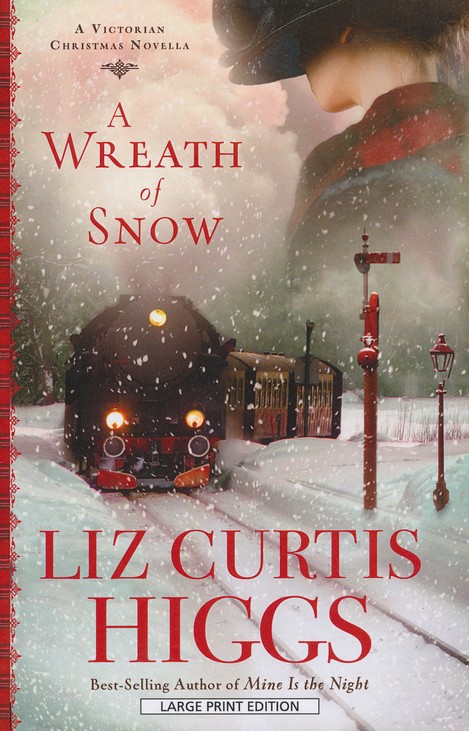
Woodlands by Robin Jones Gunn

Book 7 in The Glenbrooke Series

This is the first book I’ve read in this series and I’m already hooked. I love the small town feel where “everyone knows everyone.”

Leah has resigned herself that no man will ever want to marry her. The guys in high school dated and married her classmates. She’s not like her older sisters, who married and moved away from Glenbrooke. Leah stayed to take care of her aging parents, despite the continuing negative comments from her dad who wished she’d been his only son instead of his last daughter.

Her parents had passed, but Leah is still taking care of everyone. Then she meets Seth.

Seth’s family has ties to the town. His uncle is a descendant of the town’s first resident. Seth is interested in the beautiful Leah from the start, though she holds him at an arm’s length. But Seth has reasons of his own for coming to Glenbrooke …

The characters captured my heart right away, though some of their choices frustrated me. I kept returning to the story to discover what happened next. A page turner!

And the townsfolk captivated me, too. I will look for other books in this series and by this author.

-Sandra Merville Hart

Christianbook.com

Buckeye Cake Recipe

Since my novella, Surprised by Love , recently released in the “From the Lake to the River” collection of Ohio locations written by Ohio writers, I couldn’t resist trying this 1877 recipe for Buckeye Cake. The recipe was submitted by Mrs. W. W. W. for the Buckeye Cookery and Practical Housekeeping cookbook published in 1877.

This makes an 8×8 cake. Preheat oven to 350 degrees.

Stir 1 teaspoon of baking soda into 2 cups of flour. Set aside.

Give 1 cup of raisins a rough chop then dredge into a little flour. (I used the flour mixture above and then removed the raisins and kept them separate until ready to add to the batter.)

Separate the yolks and egg whites of 3 eggs into 2 bowls. Beat the yolks and set aside.

Beat the egg whites into a stiff froth and set aside.

Cream ½ cup butter with 1 cup of sugar. Add the egg yolks and ½ cup of buttermilk.

Hint: The recipe calls for sour milk, which was another name for buttermilk 150 years ago. If you don’t have buttermilk, add a teaspoon of vinegar to regular milk. Let this set about 15 minutes and then it’s ready to use in the recipe.

Stir in the flour mixture. Then fold in the beaten egg whites. Lastly, fold in the raisins. I loved the fluffy and creamy texture of the batter!

Bake 25 – 30 minutes or until lightly browned.

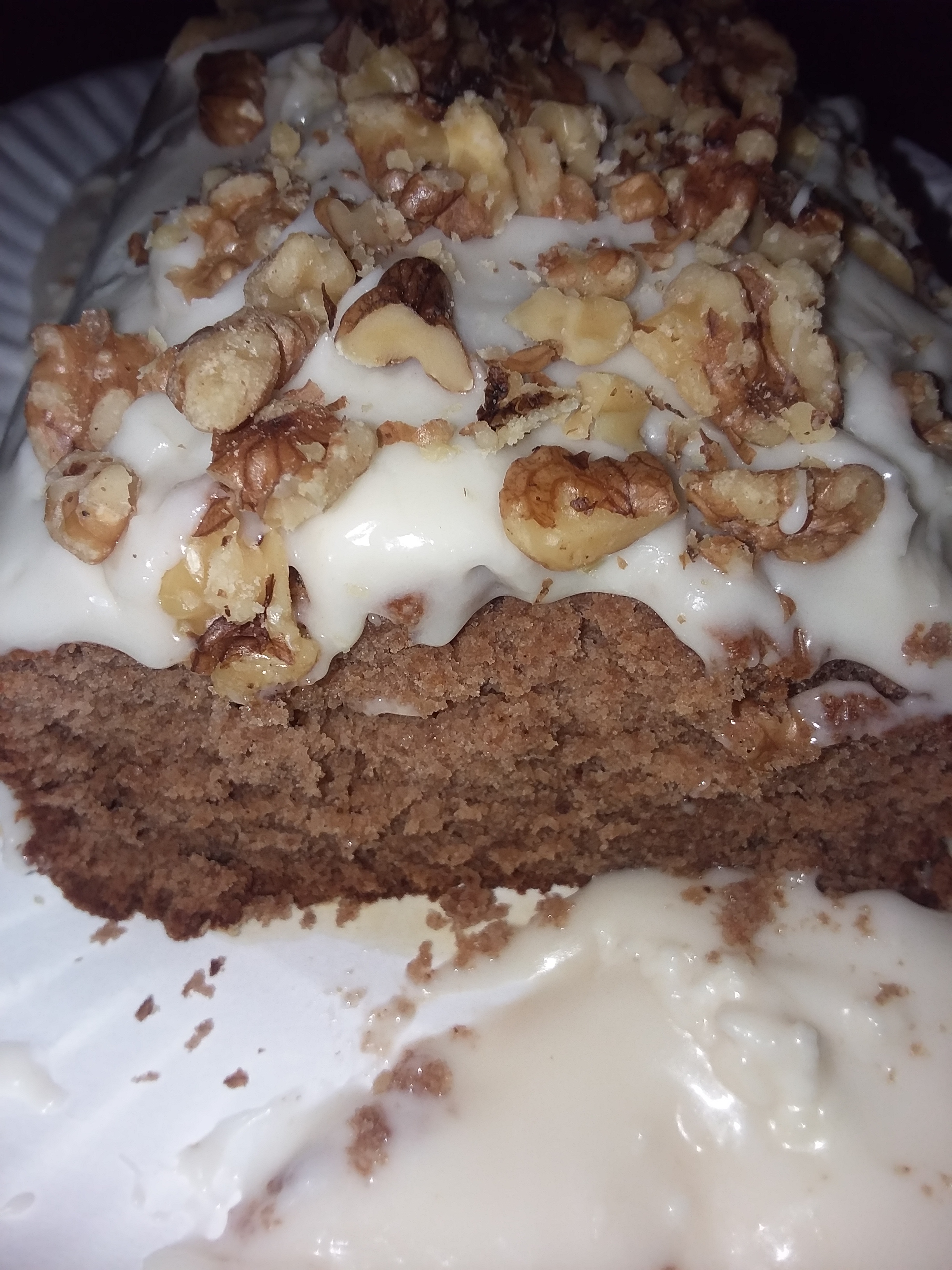
Since buckeye candies are made of peanut butter and chocolate, it seemed fitting to use Chocolate Peanut Butter Frosting. Delicious frosting!

I loved the cake with this icing. However, I didn’t enjoy the raisins in the cake. Next time, I may substitute chocolate chips for the raisins or omit completely.

I’d love to hear if you try it.

-Sandra Merville Hart

Sources

“Chocolate Peanut Butter Frosting,” Taste of Home, 2018/09/26 https://www.tasteofhome.com/recipes/chocolate-peanut-butter-frosting/.

Compiled from Original Recipes. Buckeye Cookery and Practical Housekeeping, Applewood Books, 1877.

“Soured Milk,” Wikipedia.com, 2018/09/26 https://en.wikipedia.org/wiki/Soured_milk.


Announcing Sandra Merville Hart’s next Civil War Romance Release!

Releasing November 8th!

Two sisters disguise themselves as men to muster into the Confederate army in the fall of 1864 to join the men they love. But the situation grows desperate for Hood’s Army of Tennessee at the Battle of Franklin.


“Can I count on you in times of great need?”

 Callie Jennings reels from her pa’s decision that she must marry his friend, a man older than him. Her heart belongs to her soldier hero, Zach Pearson, but Pa won’t change his mind. Callie has no place to hide. Then her sister, Louisa, proposes a shocking alternative.

Zach still hears his pa’s scornful word—quitter. He’s determined to make something of himself as a soldier. He’ll serve the Confederacy until they win the war. If they win the war.

Callie and Louisa disguise themselves as soldiers and muster into the Confederate army in the fall of 1864. Times are tough and getting tougher for their Confederacy. For Callie, shooting anyone, especially former countrymen, is out of the question—until truth and love and honor come together on the battlefield.

Endorsement for A Musket in My Hands:

 I don’t always read Civil War novels, because I’m not into graphic battle scenes. Sandra Merville Hart’s A Musket in My Hands is a wonderful book. The characters grab your heart right from the beginning and they take you through a unique story line right into battles, where I followed willingly. The book isn’t battle-driven. It’s character driven, and the reader becomes intimately acquainted with these people who had to face things they never dreamed about happening. This is my favorite Civil War novel. I highly recommend it.

Lena Nelson Dooley – bestselling, multiple-award-winning author of Great Lakes Lighthouse Brides.

A Musket in My Hands releases November 8th by Smitten Historical Romance, an imprint of Lighthouse Publishing of the Carolinas!

Available for Preorder on Amazon!

Troy and the Great Flood of 1913

Images of America Series

Hard rains began on Easter Sunday. The city of Troy, Ohio, received almost 10 inches of rain in five days, flooding the Great Miami River out of its banks.

This nonfiction resource book shows details of the rising water, risky water rescues, and how the townspeople pulled together to care for the suffering in shelters and makeshift hospitals.

The Miami County sheriff, Louis Paul, directed boat rescues. So many people were in danger flood that men were released from Troy City Jail to join rescue efforts.

Excellent book for history lovers.

Reading this book and visiting the city’s museums so inspired me that I wrote a novella, Surprised by Love, about the 1913 flood in Troy. My novella is part of an anthology, From the Lake to the River. Stories in this anthology collection are set in Ohio locations and written by Ohio writers.

-Sandra Merville Hart

Laundry Detergent Recipe

According to the writer of an 1870s cookbook, all good housekeepers chose Monday as washing day. This meant gathering all dirty clothes on Saturday night and separating coarse clothes from finer fabrics. Then the dirtiest clothing was separated from the less soiled.

Mrs. Gov. Hendricks of Indiana shared her recipe for washing fluid.

You’ll need one pound of sal-soda. This is a hydrated carbonate, a grayish-white powder used as a general cleanser that is also called soda ash and washing soda.

Another substance required is a half-pound of unslaked lime, a caustic substance produced by heating limestone. The addition of water to unslaked lime, at least in part, makes slaked lime.

A small lump of borax (water-soluble powder or crystals used as a cleanser) is also needed. No dimensions of a “small lump” are given. The size of 2 tablespoons of butter or a lump of sugar? It’s difficult to say though I’d tend toward the conservative guess for the first time and see how well it cleams.

Boil the sal-soda, unslaked lime, and borax in 5 quarts of water. When it cools, pour it into bottles for storage. One teacup is used for “a boiler of clothes.”

Mrs. Hendricks considered this a superior washing fluid.

If you ever wanted to make your own laundry detergent, here’s your chance!

-Sandra Merville Hart

Sources

American Heritage® Dictionary of the English Language, Fifth Edition. Copyright © 2016 by Houghton Mifflin Harcourt Publishing Company. Published by Houghton Mifflin Harcourt Publishing Company.

American Heritage® Dictionary of the English Language, Fifth Edition. S.v. “slaked lime.” Retrieved July 29 2018 from https://www.thefreedictionary.com/slaked+lime.

Compiled from Original Recipes. Buckeye Cookery and Practical Housekeeping, Applewood Books, 1877.

“Lime (material),” Wikipedia.com, 2018/07/30 https://en.wikipedia.org/wiki/Lime_(material).

Random House Kernerman Webster’s College Dictionary, © 2010 K Dictionaries Ltd. Copyright 2005, 1997, 1991 by Random House, Inc.

Draining Ohio’s Swamps

Today’s post is written by fellow author Bettie Boswell. Welcome to Historical Nibbles, Bettie!

 The stories in the anthology, From the Lake to the River, are all set in Ohio. Ohio is an Iroquois word for the beautiful river that outlines two sides of the state. Ohio also means ‘good morning’ in Japanese. When I designed the cover art for the book I was inspired by both the state symbol, incorporating that good morning sun with golden fields of grain, and a map featuring Lake Erie and the many rivers that cross the great state of Ohio.

My story, Fred’s Gift, is set near a fictional Northwest Ohio farm where many fields of golden grain are harvested every year. The story is contemporary, but before there could be any farming in Northwest Ohio’s Great Black Swamp, settlers had to change the land.

Some of the first settlers in nearby Firelands, Ohio, were people whose homes back east were destroyed by fire during the Revolutionary War. Many soldiers traversed the swamp during the war of 1812 with their horses bogging down in muddy places like Devil’s Hole Road, near Bowling Green, Ohio. They experienced the swampy conditions but also noticed the rich soil, so they returned after the war. They made corduroy roads by laying log after log on the ground to prevent wagons from sinking. Deep ditches were dug to drain the land. They laid drainage tiles under fields so water would drain into the ditches. Those ditches still exist today and prevent major flooding from covering the area.

-Bettie Boswell


Fred’s Gift is a short contemporary romance. When Dawn learns that her father Fred is dying, she hurries to his side full of guilt for neglecting him over the last year. The year has been an adjustment to widowhood and being a single mother. Fred’s parting gift of love and forgiveness may involve more than just an inheritance.


Bettie’s Inspiration

Fred’s Gift was inspired by my father, who did leave me a portion of his farm. My dad was a proud veteran of WW2 and an avid genealogist. His historical records and tales are providing inspiration for future stories. My husband and I met before my father retired. We are enjoying a long marriage and are currently loving having grandchildren, so this story is not biographical.

About Bettie:

Bettie Boswell is an author, illustrator, and composer for both Christian and children’s markets. She holds a B.S. in Church Music from Cincinnati Bible College and a Masters in Elementary Education from East Tennessee State University. She lives in Bowling Green, Ohio.

Her numerous musicals have been performed at schools, churches, and two community theater events. When she isn’t writing, drawing or composing, she keeps busy with her day job teaching elementary music in Sylvania, Ohio.


Cold Read by Sharyn Kopf

Part of From the Lake to the River: The Buckeye Christian Fiction Authors 2018 Anthology

Published by Mt. Zion Ridge Press

Stephie Graham begins to regret her decision to direct a play at the community theater when everything unravels. An unfortunate accident takes the female lead out of the play too close to opening night to find a replacement.

Stephie will have to play the role—but that may not be such a bad thing. After all, she will spend more time with Andy Tremont, the male lead who has captivated her since they met.

The small city theater even has its own resident ghost, a singer from the 1930s with a tragic story.

With a fresh, easy-to-read style, Kopf has woven a fun and enjoyable contemporary romance. It was also an insightful glimpse into the difficulties and joys of community theaters.

I will look for more by this author.

-Sandra Merville Hart

Amazon


Bluing Recipe for Laundry

I’m always searching for interesting or little-known tidbits from our past. While reading about how folks laundered clothing in the 1800s, bluing was often mentioned.

White fabrics can become gray or yellow after washing. Adding bluing to the wash or rinse water gives a subtle blue hue to whites even as it makes whites appear whiter and cleaner. Bluing is part of the manufacturing process for many white fabrics.

Laundry detergents improved over time, but whites can still grow dingy with frequent washing. Even today, bluing is a better option for whitening because bleach weakens the fibers. Bluing is still available today.

Women made their own bluing in the 19th century.

One ounce of Prussian blue (dark blue pigment) and ½ ounce of oxalic acid (used to remove yellow or brown rust stains) are dissolved in 1 quart “of perfectly soft rain water.” Store in a corked bottle. Insert a quill into the cork to easily control pouring the bluing, as 1 to 2 tablespoons is enough for one tub of laundry.

Chinese blue was considered the best. In the 1870s, it cost 12 ½ cents per ounce. Oxalic acid cost 3 cents. The amount made by this recipe lasted a year for a mid-sized family.

-Sandra Merville Hart

Sources

“Bluing for Laundry,” Martha Stewart Living Omnimedia Inc., 2018/07/29  https://www.marthastewart.com/270924/bluing-for-laundry.

“Bluing (fabric),” Wikipedia.com 2018/07/29  https://en.wikipedia.org/wiki/Bluing_(fabric)

Compiled from Original Recipes. Buckeye Cookery and Practical Housekeeping, Applewood Books, 1877.

“Oxalic Acid,” Sunburst Chemicals, 2018/07/29 http://www.sunburstchemicals.com/product/oxalic-acid/.

“Prussian Blue,” Wikipedia.com, 2018/07/29 https://en.wikipedia.org/wiki/Prussian_blue.