Yellowstone National Park

Yellowstone National Park, the oldest national park in the United States, was selected due to the location’s hot springs, mud spots, and geysers. Established in 1872, 96% of the park is in Wyoming and the rest is in Idaho and Montana.

The park is larger than Delaware and Rhode Island combined. Over 3,600,000 annual visitors come to see around 500 geysers and hot springs. There are more active geysers in the park than anywhere else on earth.

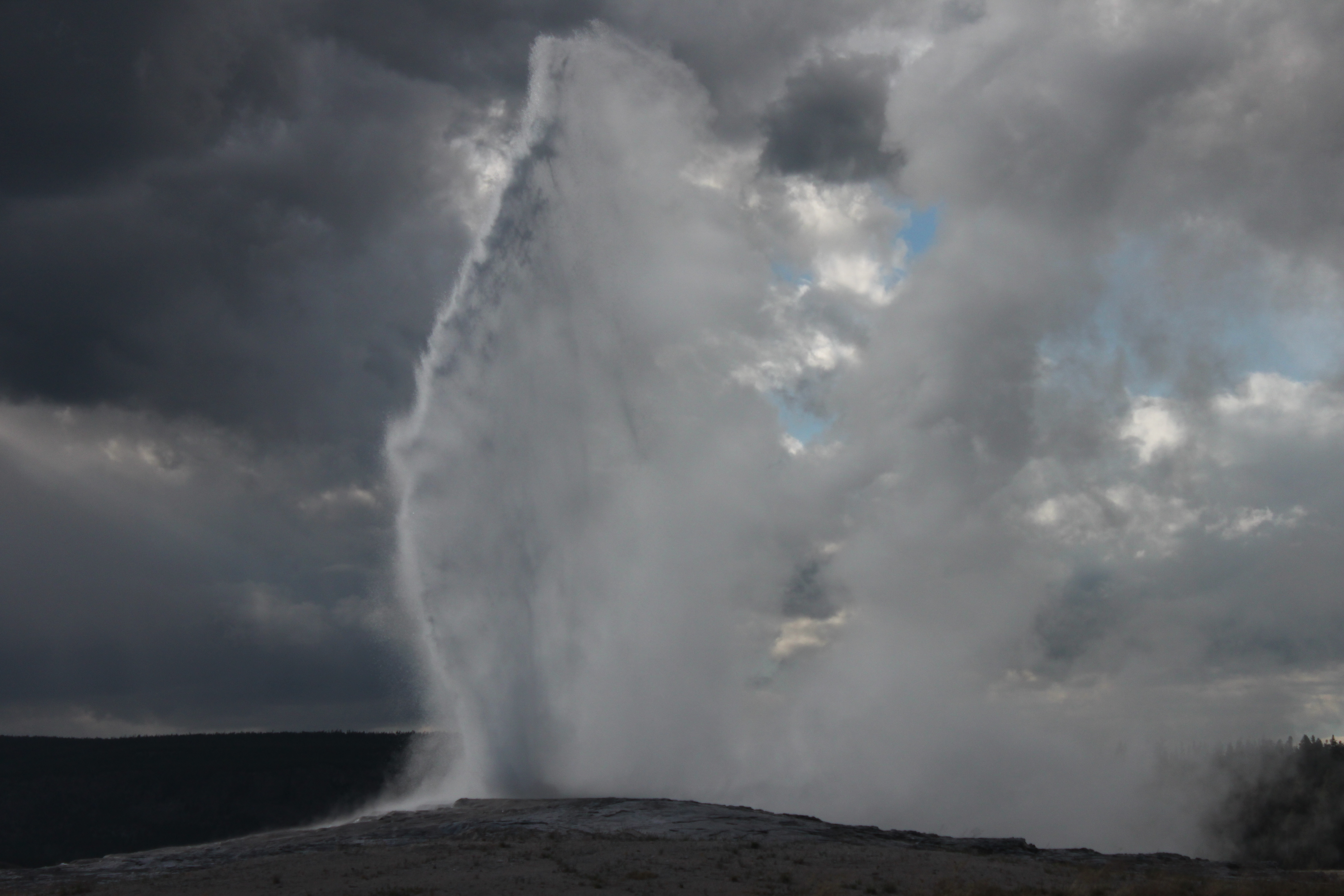
Old Faithful, which erupts at intervals of 60 to 110 minutes, is the park’s best-known geyser. It reaches an impressive height of 106 to 184 feet with eruptions lasting from 1 ½ – 5 minutes.

A fun fact about Old Faithful: in the late 1800s, visitors used the geyser to wash their clothes. They arranged their dirty laundry in the crater and after it erupted the clothes were clean. One problem with this was that it shredded wool clothing. I’m guessing that bachelors took advantage of this convenient way to do laundry!
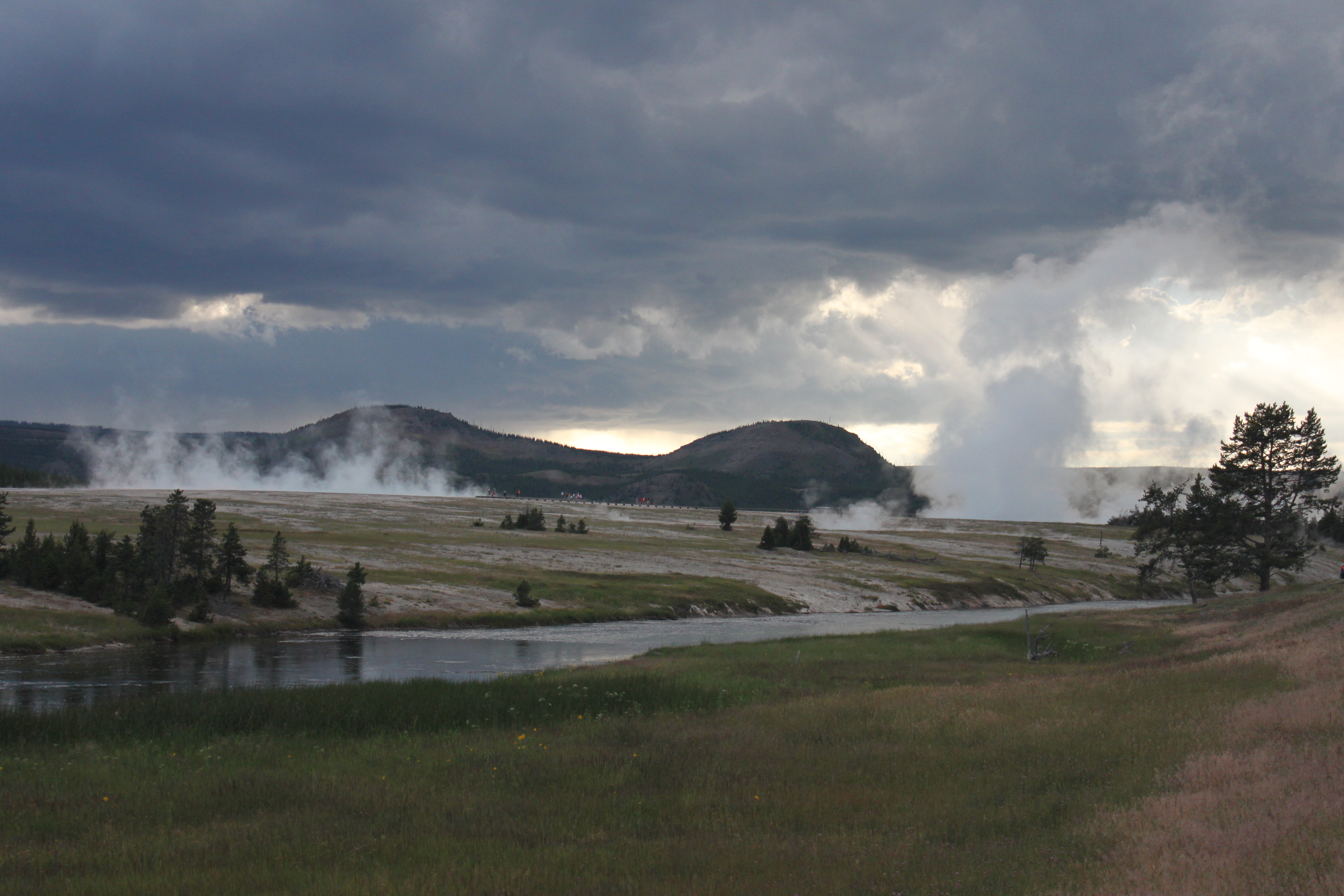
Though experts don’t expect a major eruption of Yellowstone’s active volcano, it is monitored for the sake of safety.

A surprising number of earthquakes occur in the park each year—from several hundred to thousands. A 4.8 magnitude earthquake occurred on March 30, 2014, the largest since the 1980s. Those in the park and nearby towns felt the tremors.
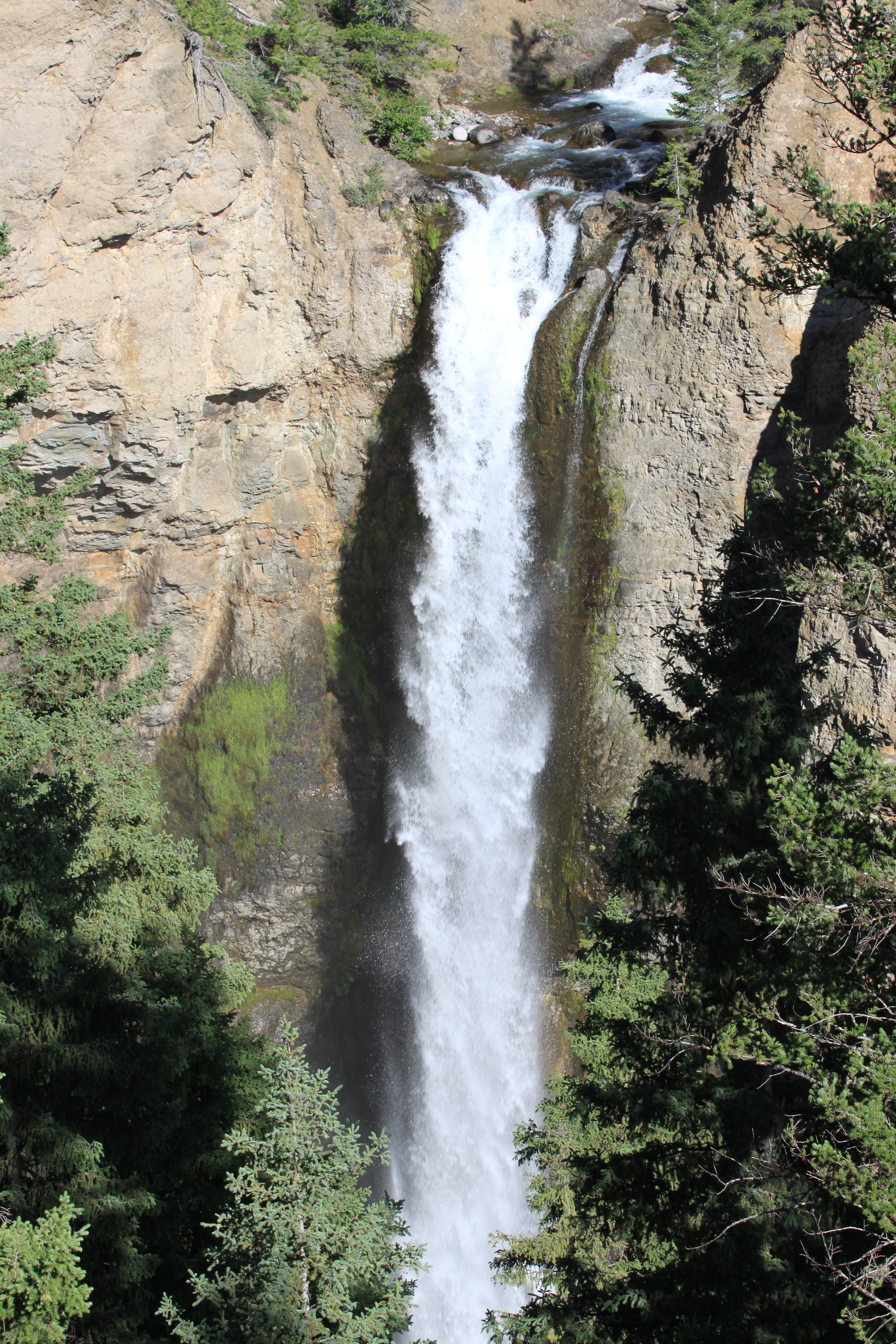
There are almost 300 waterfalls of fifteen feet or higher inside the park. The tallest waterfall, at 308 feet, is Lower Falls of the Yellowstone River.

Elk, mountain lions, trumpeter swans, moose, bison, grizzly bears, and lynx are among the many wild animals who call Yellowstone National Park home.

Have your camera ready to snap a photo. All these beautiful photos are from Keith Adams, photographer. Thanks for sharing them, Keith!

-Sandra Merville Hart

Sources:

Flynn, Sarah Wassner. National Geographic Kids: National Parks Guide U.S.A., National Geographic Society, 2012.

McHugh, Erin. National Parks: A Kid’s Guide to America’s Parks, Monuments, and Landmarks, Black Dog & Leventhal Publishers, Inc., 2012.

Palmerlee, Danny; Bendure, Glenda; Friary, Ned; Karlin, Adam; Matchar, Emily; Sainsbury, Brendan. Discover USA’s Best National Parks, Lonely Planet Publications, 2012.

“Yellowstone: Geology,” National Park Service, 2020/04/06 https://www.nps.gov/yell/learn/nature/geology.htm.

“Yellowstone: National Park, ID, MT, WY,” National Park Service, 2014/12/16 http://www.nps.gov/yell/faqs.htm.
 

Faith and Romance on the Frontier Facebook Party

You’re invited to a Facebook Party for Smitten Frontier books!

Come and join the authors of Smitten Historical Romance to welcome Spring as they discuss their books, have a few games and giveaways, and more! Find a new favorite book, and learn a bit more about the authors behind them.

I am one of the nine authors you can meet on April 10th at an online Facebook party from 3 – 8 pm EDT.

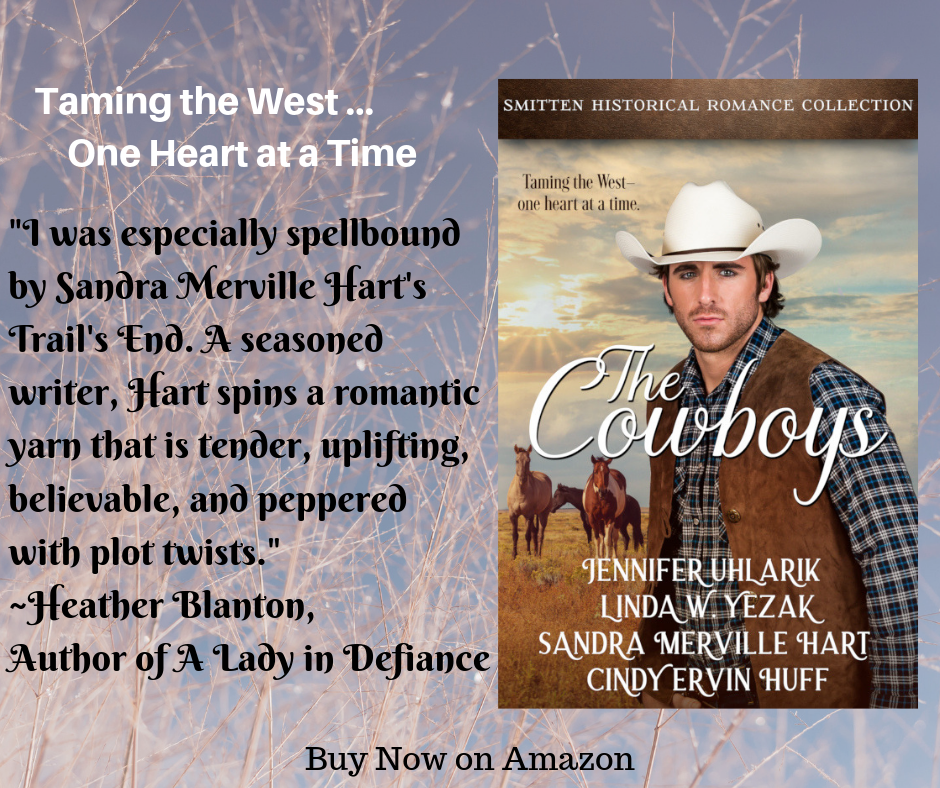
I will be talking about Trail’s End, my novella in The Cowboys, Smitten Historical Romance Collection.

Wade Chadwick has no money until his boss’s cattle sell, so he takes a kitchen job at Abby’s Home Cooking. The beautiful and prickly owner adds spice to his workday. Abby Cox hires the down-and-out cowboy even though the word cowboy leaves a bad taste in her mouth. Just as she’s ready to trust Wade with her heart, money starts to disappear … and so does her brother.

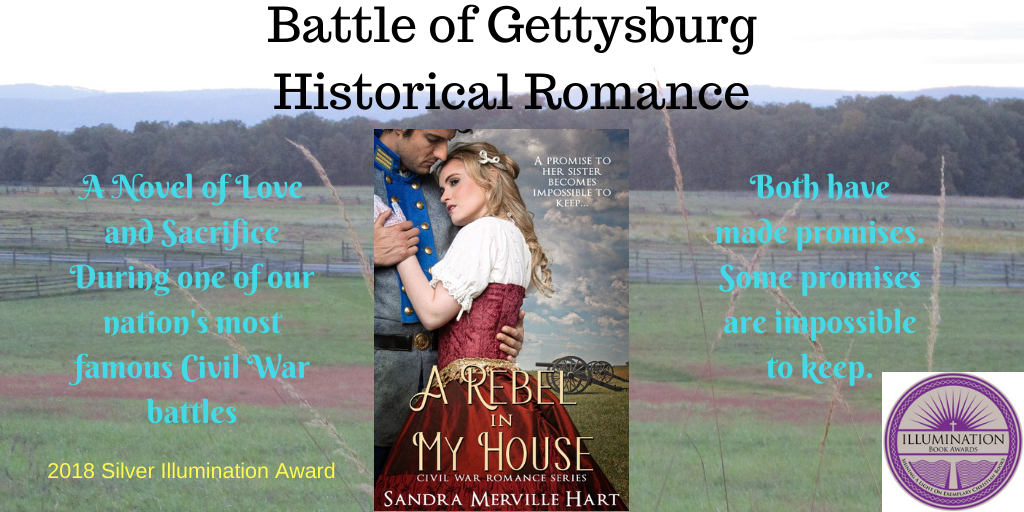
I’ll also discuss A Rebel in My House, my Civil War romance set during the tragic Battle of Gettysburg.

When cannons roar outside Sarah Hubbard’s Gettysburg home, a heart-wrenching decision to help a wounded Tennessee soldier leads to more trouble than she imagines, especially when she falls in love with Jesse. He has promised his sister-in-law he’d bring his brother home from the war. Sarah promises her sister she’d stay clear of Jesse. Can the two keep their promises amid a war bent on tearing their country apart?

Authors attending are Jodie Wolfe, Denise Weimer, Donna Schlachter, Cindy Regnier, Linda Yezak, Sandra Merville Hart, Cindy Ervin Huff, and Naomi Musch. If you’re a writer interested in talking to an editor, there’s even an “Ask the Editor” segment!

My specific slot is 5:30 – 6:00. Here’s the link: (PLEASE NOTE-the link has changed to a Facebook group)

https://www.facebook.com/groups/244736866699446/

The grand prize is a $50 Amazon gift card! There will be other prizes. Hope you can join us!

-Sandra Merville Hart

10 Family-Friendly Things to do During our Stay-At-Home

Many of us are staying at home right now. We are working from home while our children are off from school.

In thinking of positive things to do during this time, I’ve already washed my curtains and plan to do some spring cleaning as time allows, but let’s have fun with our loved ones while soccer practices and dance lessons are cancelled.

Here are a few ideas:

1) Movie night

Take turns selecting movies so that everyone gets into the fun while making sure that the show is appropriate for each person in the room. Don’t forget the popcorn!

2) Themed dinner nights such as:

Meatloaf Monday or burgers

Taco Tuesday

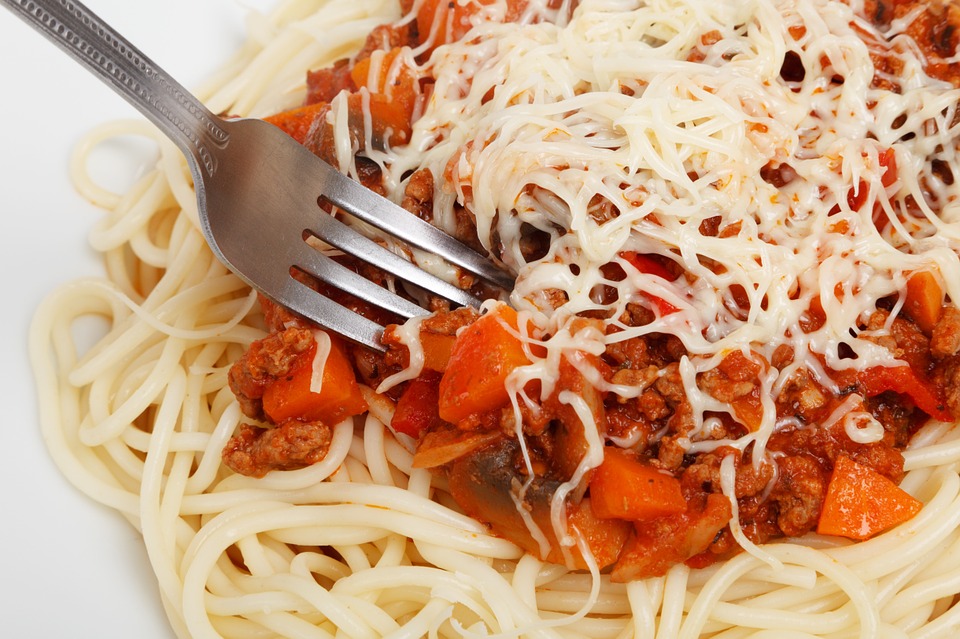
Wacky Wednesday can be hodge-podge meal of menu items that don’t normally go together like Spaghetti and peanut butter sandwiches. Ask your children for ideas—they’ll be creative!

Thermal Thursday—spicy dishes or soup and sandwiches

Fish Friday

3) Puzzles

Put up your card table, if possible, so that you can leave the puzzle out for a few days depending on how fast you work.

4) If your budget allows, order carryout meals for your family. Pizza, chicken, burgers, wings, and sandwiches will be a treat and will also help our favorite restaurants make it through these challenging times.

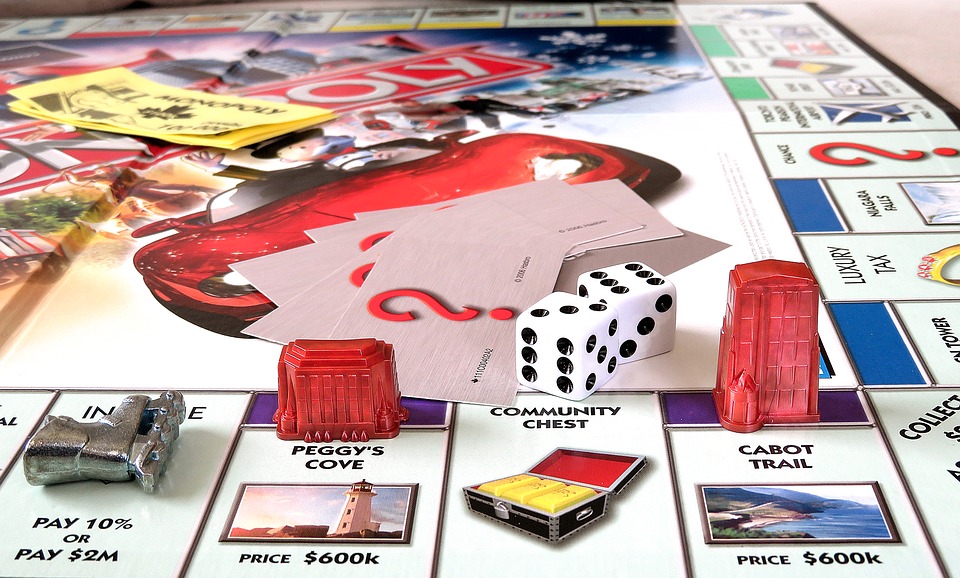
5) Board game night

Many of us have a few board games on a shelf. Dust them off and plan a fun game night. Take turns allowing each person—no matter their age—to select the next game. Doing this helps with grumbling because each one knows their turn is coming to select a game.

6) Make dessert together.

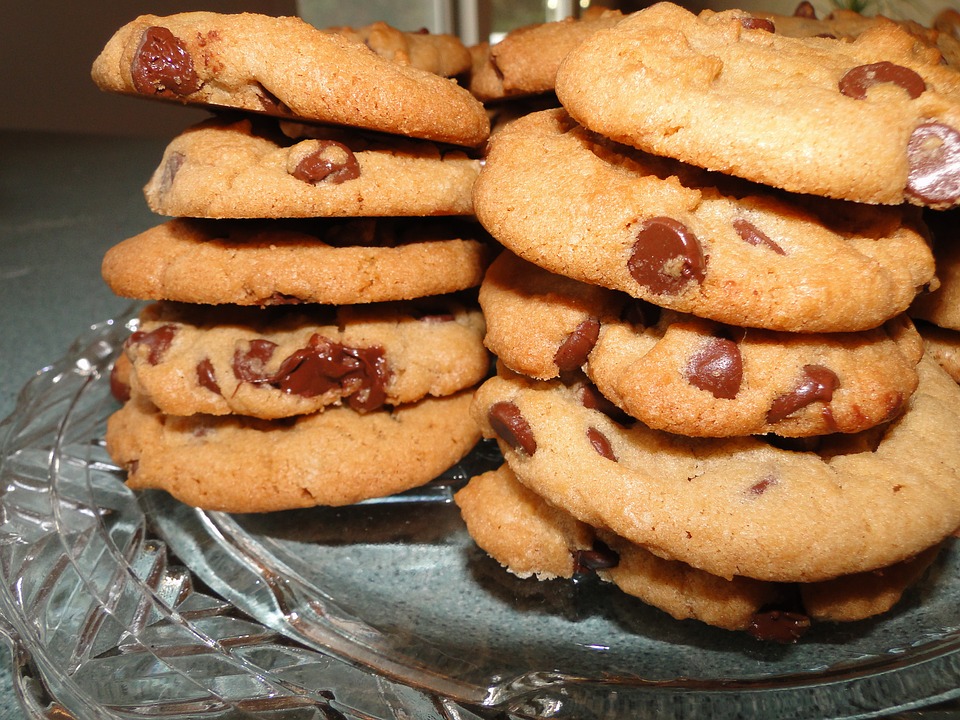
Do you have a delicious chocolate cake recipe? Does you banana bread always get compliments? Do your children love your chocolate chip cookies? Invite them to bake a batch with you. It may be messy but messes can be cleaned. The fun your children have creating their favorite dessert is worth biting your tongue and keeping the atmosphere light and happy.

7) Video game night

Remember those video games in your cabinet? Why not use them in that gaming system none of you have thought of for months? Take turns playing each one’s favorites.

8) Silly Saturday—have some silly fun with your family!

a. Wear pajamas all day

b. Eat breakfast food for supper

c, Crazy hair day—on purpose!

d. Ask your children for silly ideas and select one.

9) Stay active!

a. Enjoy some fresh air and sunshine. If possible, play in the yard. Sit on your balcony or porch. Walk in the park if it’s open, maintaining social distance.

b. Create dance steps to your favorite song. Involve as many family members as possible. Consider input from everyone in the home. Practice the steps and then take a video. Share it if you like. Your video will encourage others.

c. Many of us have exercise DVDs tucked away in the cabinet. Pull them out and do one daily.

10) Read a book!

This is the perfect time to curl up with a good book. If you want new selections, it’s very easy to buy print books and eBooks. Authors are small businesses too.


Many churches are live-streaming worship services so this will help us stay connected to others too.

I hope this list sparked ideas for fun activities with your family. I’d love to hear about it if you’d like to share.

I am saying a prayer for the health and safety for all my loved ones. If you’re reading this, you’re included! Stay safe and healthy. Love to all.

-Sandra Merville Hart

Transplanted Tree at the Alamo

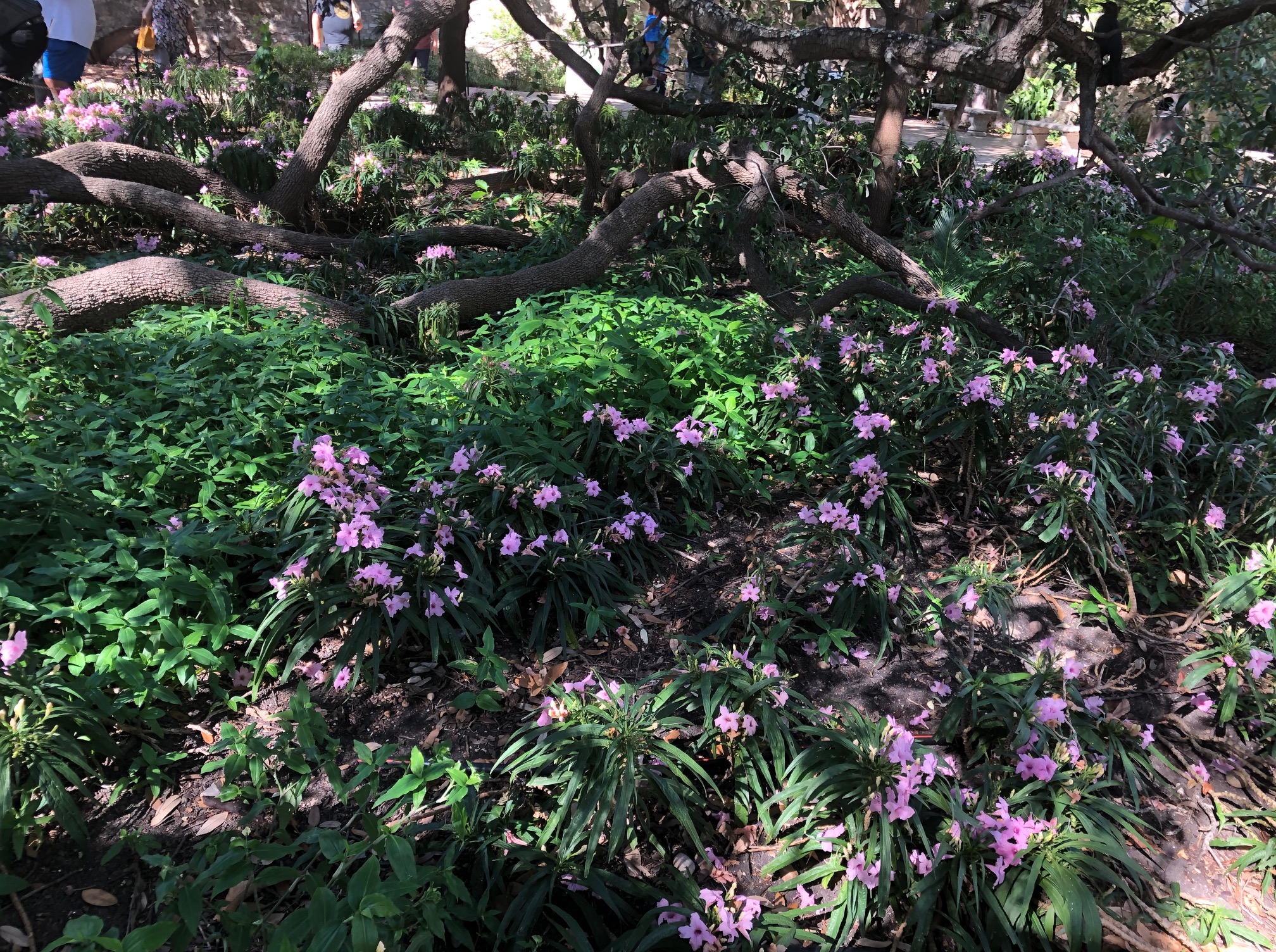
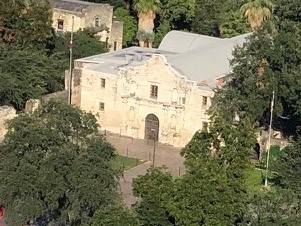
My husband and I traveled to San Antonio, Texas, last year. While there, we visited the Alamo. In addition to the historical significance of the battle fought there in 1836, we walked through its beautiful gardens.

One of the trees caught my eye. The oak tree had been transported in 1912. What makes that more significant is that the large tree was already forty-years-old at the time! The tree has been alive since 1872.

In 1912, Walter Whall accomplished a feat by moving a large tree. He carefully dug up the tree and removed dirt from the roots. It was loaded onto a cart. Four mules pulled the heavy tree through the streets. Avoiding knocking against telegraph and power lines were Whall’s greatest challenge with the transport.

The Alamo Live Oak has flourished in the Alamo’s courtyard for 108 years. Sitting beside an abandoned well, heavy limbs rest against the ground at points and then reach toward the sky again.

The tree’s circumference measures 12 feet, 9 inches and it stands at just over 39 feet. An impressive history for a tree that somehow demands notice.

May it thrive another 148 years.

-Sandra Merville Hart

Sources

Maeckle, Monika. “Heritage Tree: Live Oak at the Alamo,” Rivard Report, 2020/01/03

Heritage Tree: Live Oak at the Alamo


Rico, Sharon. “Remember the Alamo (and its gardens),” Daily Republic, 2020/01/03 https://www.dailyrepublic.com/all-dr-news/solano-news/local-features/local-lifestyle-columns/remember-the-alamo-a-visit-to-its-gardens-colorful-worthwhile/.


The Battle of the Alamo

The Alamo, originally Mission San Antonio de Valero, was built as a Spanish mission in the 1700s and later was used by the Spanish as a fort. They called it the “Alamo,” a word for a poplar tree, especially the cottonwood trees growing in the area.

In 1835, the area which is now Texas was under Mexican rule. American pioneers were allowed to own land there if they were Catholic. Some converted to purchase the land yet remained Protestant in practice.

Leading up to this time, Mexico had gained independence from Spain and then changed Presidents several times. President General Antonio Lopez de Santa Anna was the current leader. There was a lot of unrest and Texans wanted their freedom.

Two hundred Texas volunteers attacked Mexican troops in San Antonio de Bexar under General Martin Perfecto de Cos and at the Alamo a quarter mile away on December 5, 1835. Cos surrendered, signing documents that gave all the arms, public property, and money in San Antonio de Bexar to the Texans and left. Some of the Texas volunteers moved into the fort while others went home.

Santa Anna marched his army (historical accounts vary on whether he had 1,500 or 8,000 soldiers) toward the Alamo in retaliation.

Anticipating the coming attack, Lieutenant Colonel William B. Travis and Colonel James Bowie took command of the Alamo by February. Though there was friction between the two leaders, Bowie led the volunteers and Travis commanded the regular army.

Travis sent repeated letters requesting men and supplies. The well-known David Crockett and 14 Tennessee Mounted Volunteers were among the few men who arrived at the Alamo in advance of the battle. By the time  Santa Anna’s army began cannon and rifle fire on February 23, 1836, about 180 – 190 men protected the Alamo.

Texans bravely held their ground for 13 days. At dawn on March 6th, they held off the first two charges by Santa Anna’s army. On the third charge, they went over the walls. Santa Anna’s orders were to take no prisoners. It was hand-to-hand combat but the Texan soldiers, being outnumbered, were killed. There were only a few survivors—a few family members of the soldiers.

There were casualties in the Mexican army. Many historians estimate this number at about 600.

While this was a great tragedy, the battle bought time for Sam Houston’s 800 men to be ready to fight Santa Anna at San Jacinto on April 21, 1836, where they captured Santa Anna and defeated his army. That battle guaranteed the independence of Texas.

As they fought, Houston’s men shouted, “Remember the Alamo!”

-Sandra Merville Hart

Sources

“Battle of the Alamo,” Wikipedia, 2020/01/03 https://en.wikipedia.org/wiki/Battle_of_the_Alamo.

History.com Editors. “The Alamo,” A&E Television Networks, 2020/01/03 https://www.history.com/topics/Mexico/alamo.

Nelson, Ken. “US History: The Battle of the Alamo for Kids.” Ducksters, Technological Solutions, Inc. (TSI), http://www.ducksters.com/history/us_1800s/battle_of_the_alamo.php. Accessed 3 January 2020.

Paul, Lee. “The Alamo: 13 Days of Glory,” HistoryNet, 2020/01/03 https://www.historynet.com/battle-of-the-alamo.


Milton Hershey

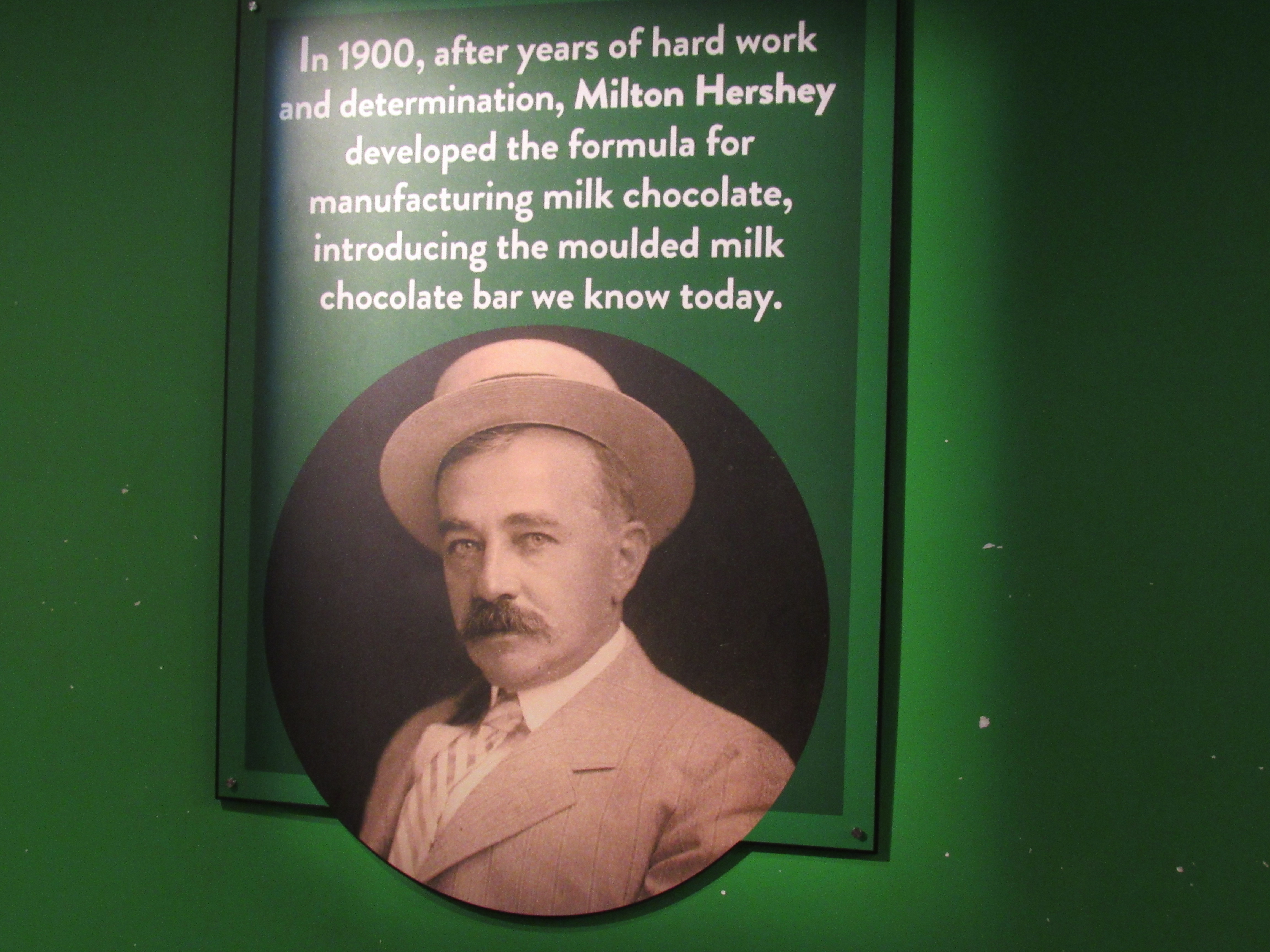
Milton Hershey was born in Derry Township, Pennsylvania, in 1857. A few years later, the Civil War started. He heard cannons from miles away at the Battle of Gettysburg.

His parents separated when he was ten. Five years later he became an apprentice for Joseph Royer, a candy maker in Lancaster. He learned to make fudge, peppermint, and caramels and loved being a confectioner.

At nineteen, he borrowed $150 from his aunt and opened a candy business. Though he worked hard, the business failed.

He moved to Denver where he worked for candy maker who used fresh milk to make caramel, furthering his skills. Milton then opened a business in Chicago. It failed. A new business he started in New York failed. He returned to Lancaster in 1883 and launched the Lancaster Caramel Company. This one was a success.

Ten years later, The World’s Columbian Exposition in Chicago educated him about making chocolate. He then established Hershey Chocolate Company and focused on a recipe for milk chocolate that was delicious and affordable. In 1900, he sold Lancaster Caramel Company for $1,000,000 to focus on the chocolate.

Hershey built a new candy factory in Derry Church, Pennsylvania, that opened in 1905. There were plenty of dairy farms in the area to supply milk for the chocolate. Yet his factory workers needed a place to live so he built houses, churches, schools, parks, and a post office to establish a new town—Hershey.

Learning from past failures, Hershey focused on one product—a milk chocolate candy bar. His factory made many of them and sold them at prices everyone could afford.

Unable to have children, Milton and his wife, Catherine, established the Hershey Industrial School for orphaned boys. Catherine died in 1915. Three years later, long before his death in 1945, Milton transferred his ownership in Hershey Chocolate Company to Hershey Trust, which funded the school.

When the Great Depression settled over the country, Hershey put his fellow townsmen to work by constructing new offices for his company, a hotel, and a community building. While the rest of the country struggled to make ends meet, the town of Hershey thrived.

World War II started a few years later. Hershey sent chocolate bars (Ration D Bars and Tropical Chocolate Bars) to our military.

Hershey’s giving spirit still lives on. Today Hershey Industrial School, now known as Milton Hershey School, also includes girls. Around 1,900 girls and boys attend annually.

Milton and Catherine Hershey left a lasting legacy in the town that bears their name. Had he given up after those many early failures, jobs for countless people wouldn’t have been available, a town wouldn’t exist, and a school for orphaned boys wouldn’t have opened.

What an inspiration to persevere in the face of difficulties … and perhaps help a neighbor along the way.

-Sandra Merville Hart

Sources

Biography.com Editors. “Milton Hershey Biography,” The Biography.com, 2020/01/02 https://www.biography.com/business-figure/milton-hershey.

Nelson, Ken. “Biography for Kids: Milton Hershey.” Ducksters, Technological Solutions, Inc. (TSI), www.ducksters.com/biography/entrepreneurs/milton_hershey.php. Accessed 2 January 2020.

“Who was Milton Hershey?” The Hershey Story, 2020/01/02 https://hersheystory.org/milton-hershey-history/


Hershey’s Chocolate World

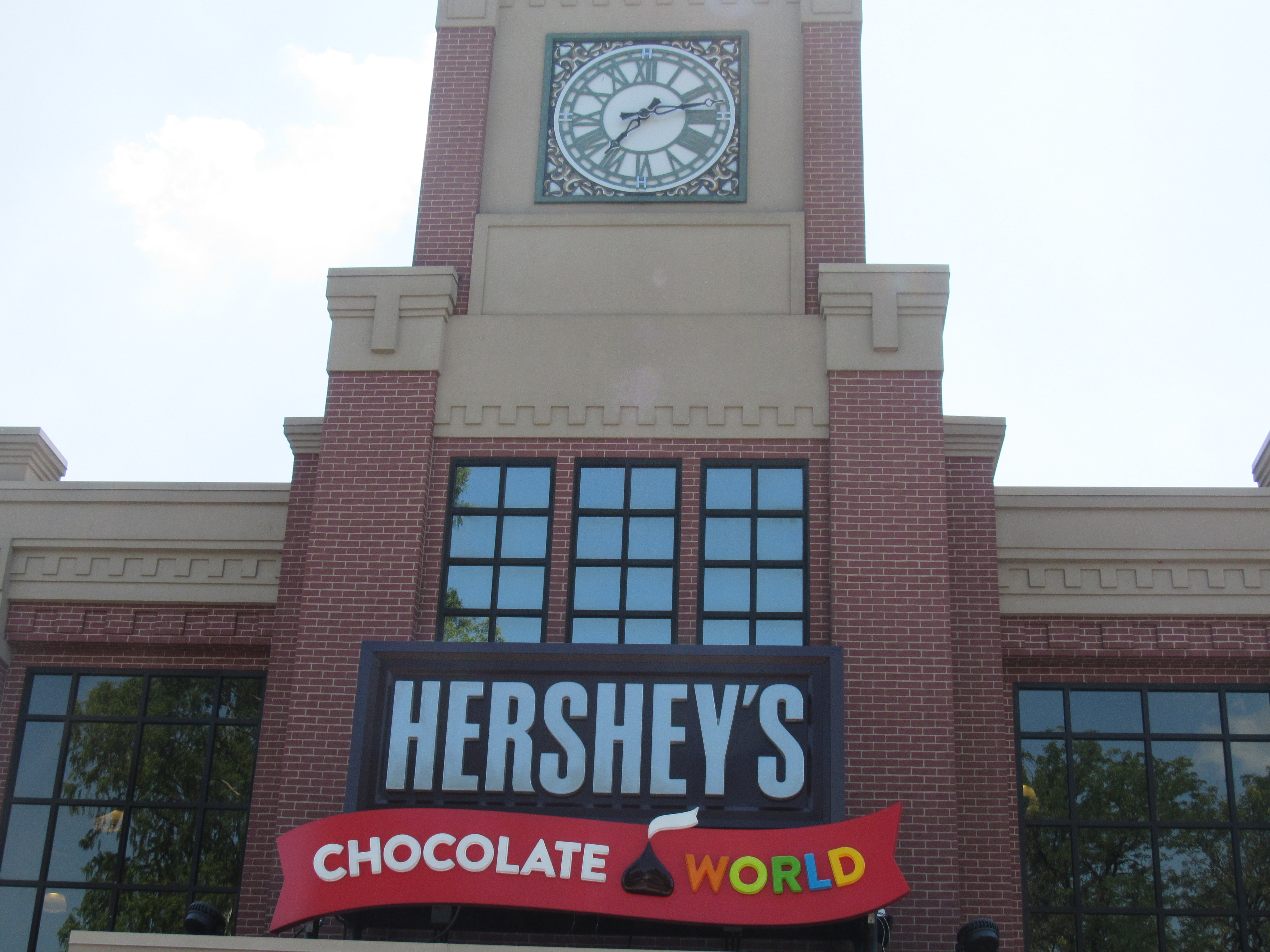
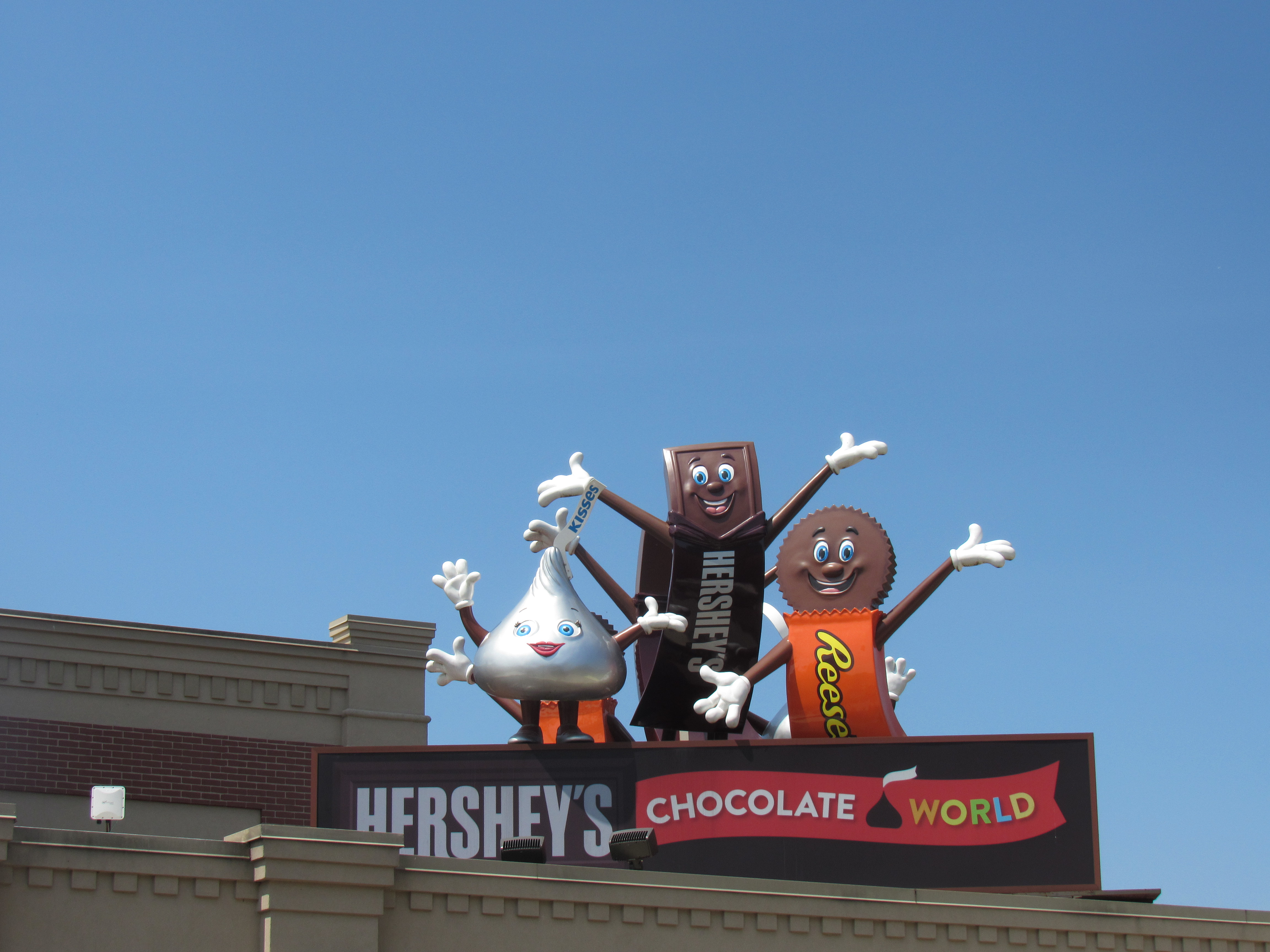
Last summer I spent a day with a few family members in Hershey, Pennsylvania. My chocolate-loving heart loved this place!

Many activities are geared to families with children but, as an adult, I found some fun things to do too.

Families will love the Create Your Own Candy Bar, Hershey’s Unwrapped (A Chocolate Tasting Journey,) and The 4D Chocolate Movie.

Everyone will enjoy Hershey’s Chocolate Tour, where guests learn how the delicious chocolate is made.

I especially enjoyed the old-fashioned feel of Trolley Tours. We had a great tour guide as we traveled through some significant locations in Hershey and learned Milton Hershey’s inspiring story.

If your plans take you there during the lunch hour, Hershey’s Kitchens Food Hall serves sandwiches, salads, pizza, baked potatoes, soup, double chocolate s’mores, and milkshakes. There is also a bakery.

I loved shopping at the Hershey’s Store for all things chocolate! I’ve purchased Christmas gifts there and, of course, candy bars. And Valentine’s Day is coming. 😊

It’s a fun place to spend an afternoon on vacation.

-Sandra Merville Hart

Sources

“Things To Do in Hershey’s,” The Hershey Company, 2020/01/02 https://www.hersheys.com/chocolateworld/en_us/home.html.


Ford’s Theatre

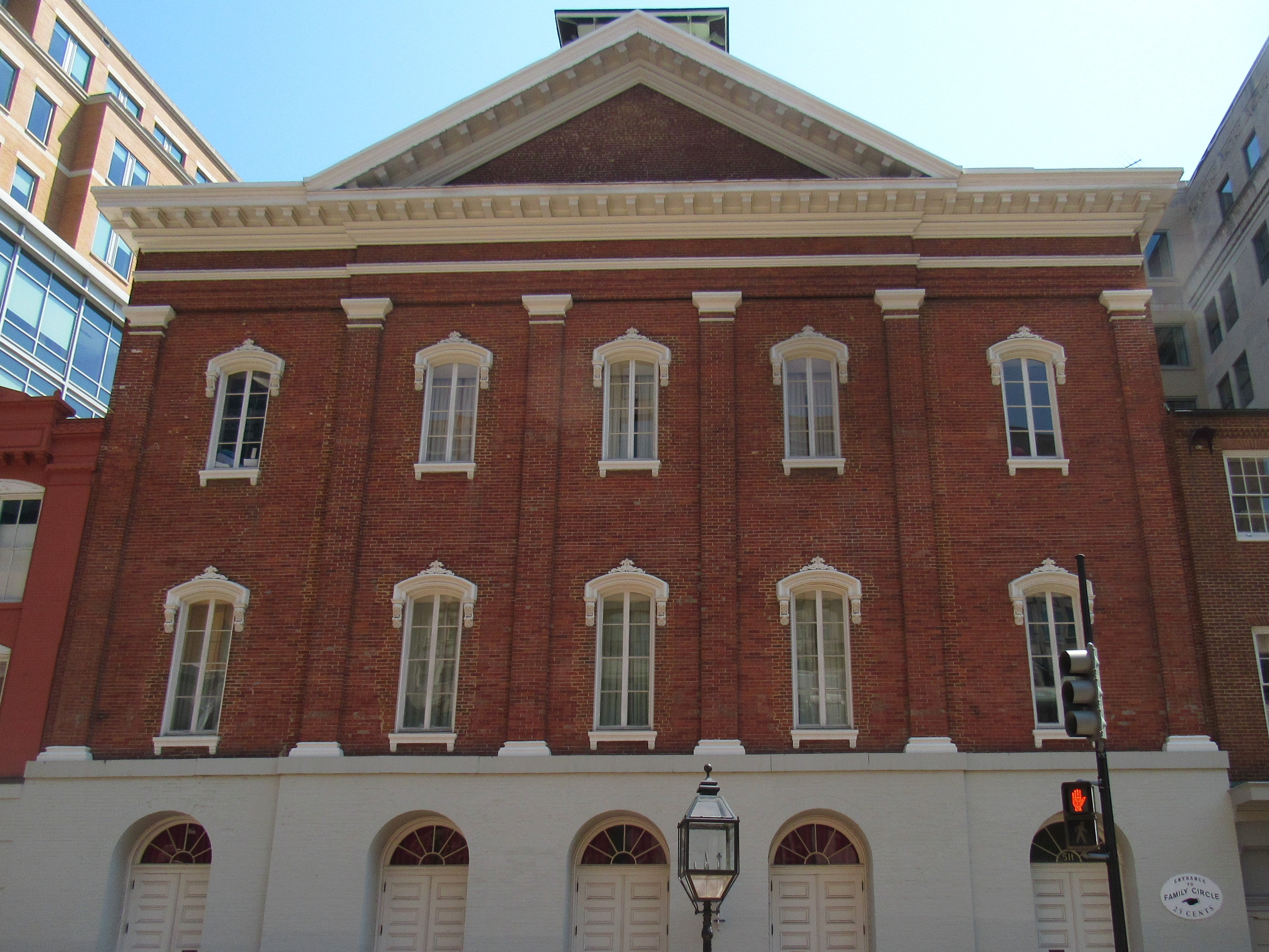
John T. Ford, a successful theatrical entrepreneur, leased the First Baptist Church on Tenth Street in 1861. He turned it into a music hall. The building burned in December of 1862. Ford raised money to rebuild and the first performance in the new Ford’s Theatre was August 27, 1863.

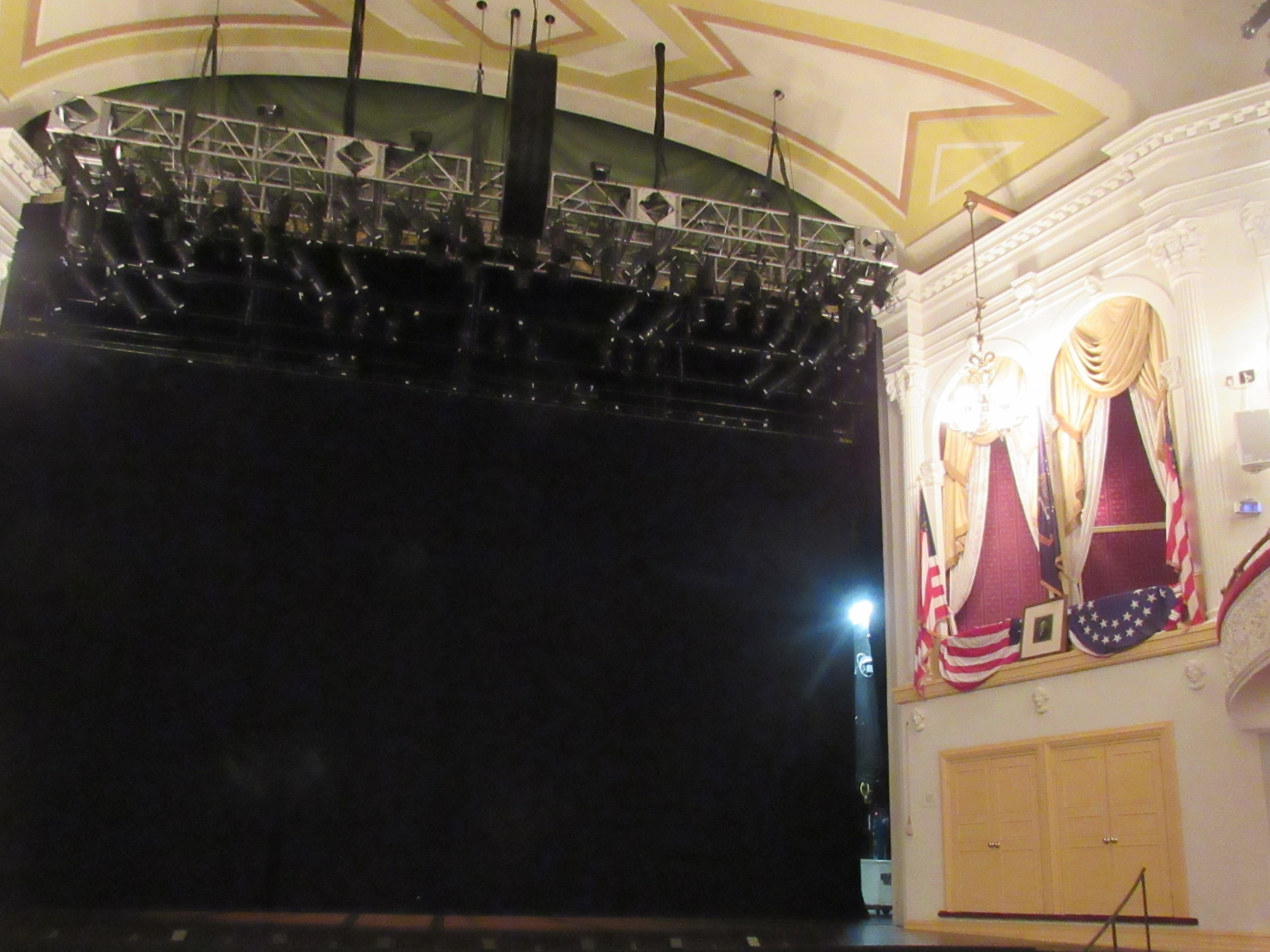
President Abraham Lincoln and Mrs. Mary Todd Lincoln arrived at Ford’s Theatre around 8:30 pm with their guests, Major Henry Reed Rathbone and Clara Harris, on April 14, 1865. Our American Cousin was playing and Lincoln enjoyed going to the theater.

This night was different.

John Wilkes Booth stepped into the Presidential Box around 10:15 pm and shot Lincoln. Booth stabbed Major Rathbone and then leaped onto the stage and escaped.

Dr. Charles Augustus Leale was the first person inside the box. He removed a blood clot from Lincoln’s head wound to release pressure and allow him to breathe. Dr. Leale knew it was a mortal wound.

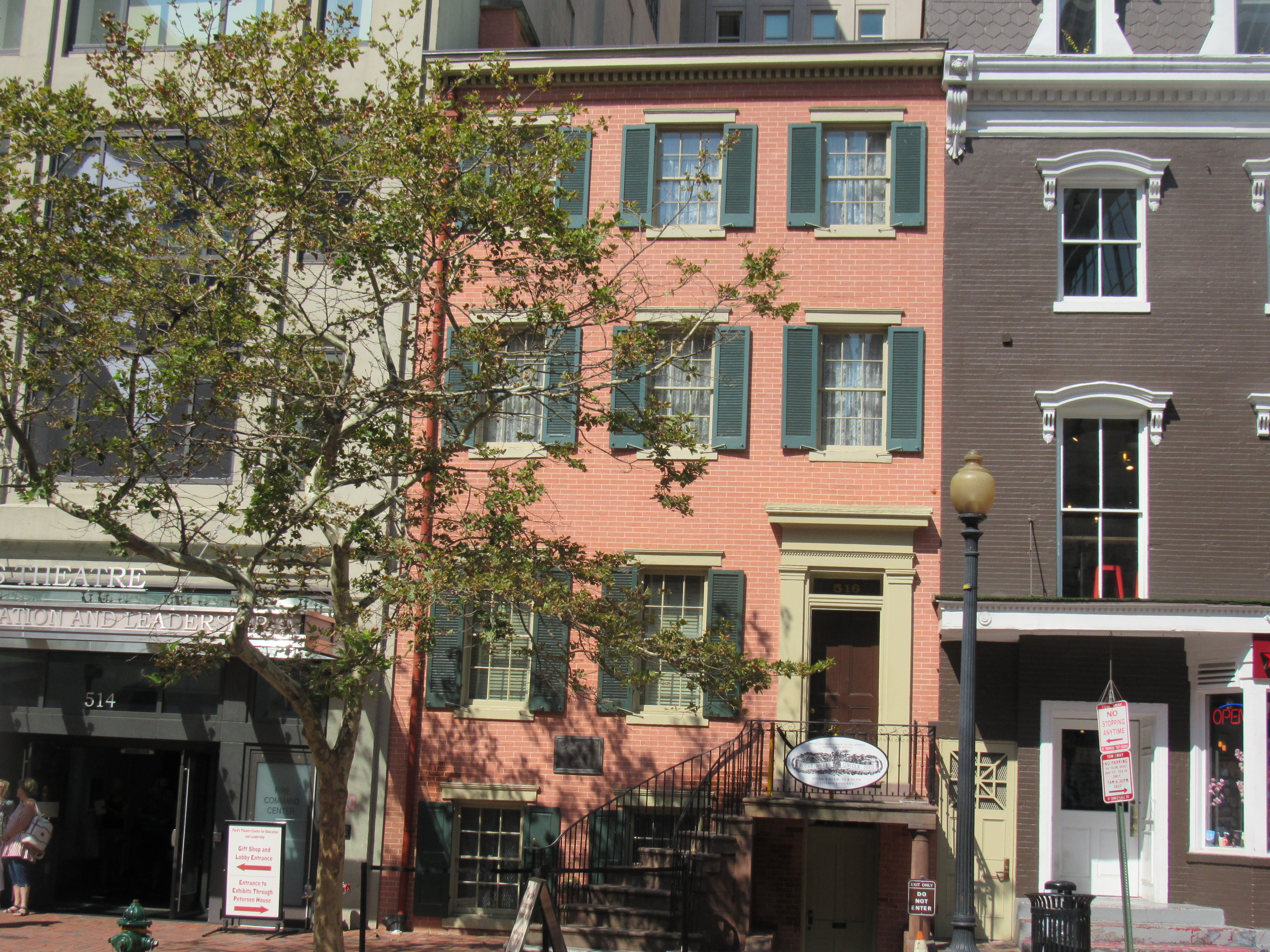
Soldiers carried their President down the stairs and onto Tenth Street. William and Anna Petersen’s boarding house was across the street. They placed the dying President in Willie Clark’s room, who was out celebrating the war’s ending.

It was a dark, gloomy morning. It had started to rain earlier. Large groups of people gathered outside the Petersen house, praying for Lincoln to live … yet fearing the worst.

Throughout that long, tragic night, First Lady Mary Lincoln sometimes sat beside her dying husband with her oldest son nearby. Other times she went to the Front Parlor. Neither family member was in the crowded room when Lincoln died at 7:22 am.

The country that had seen so much death and dying for the past four years experienced a deep tragedy. Leaders turned their attention to apprehending John Wilkes Booth, the assassin, and his conspirators.

Ford’s Theatre was closed by the federal government for the investigation. The owner received permission to reopen after the trial. When threats were made if the theatre reopened, the War Department closed it. They leased the building, in August of 1865, to convert it to an office building and bought it a year later.

Three interior floors collapsed in 1893. Twenty-two clerks were killed and sixty-eight people injured. It was repaired and used again by the government for offices.

Today, about 650,000 visitors tour Lincoln’s Museum, Ford’s Theatre, the Petersen House, and Aftermath Exhibits each year.

Ford’s Theatre still has performances and tours are closed during rehearsals and matinees.

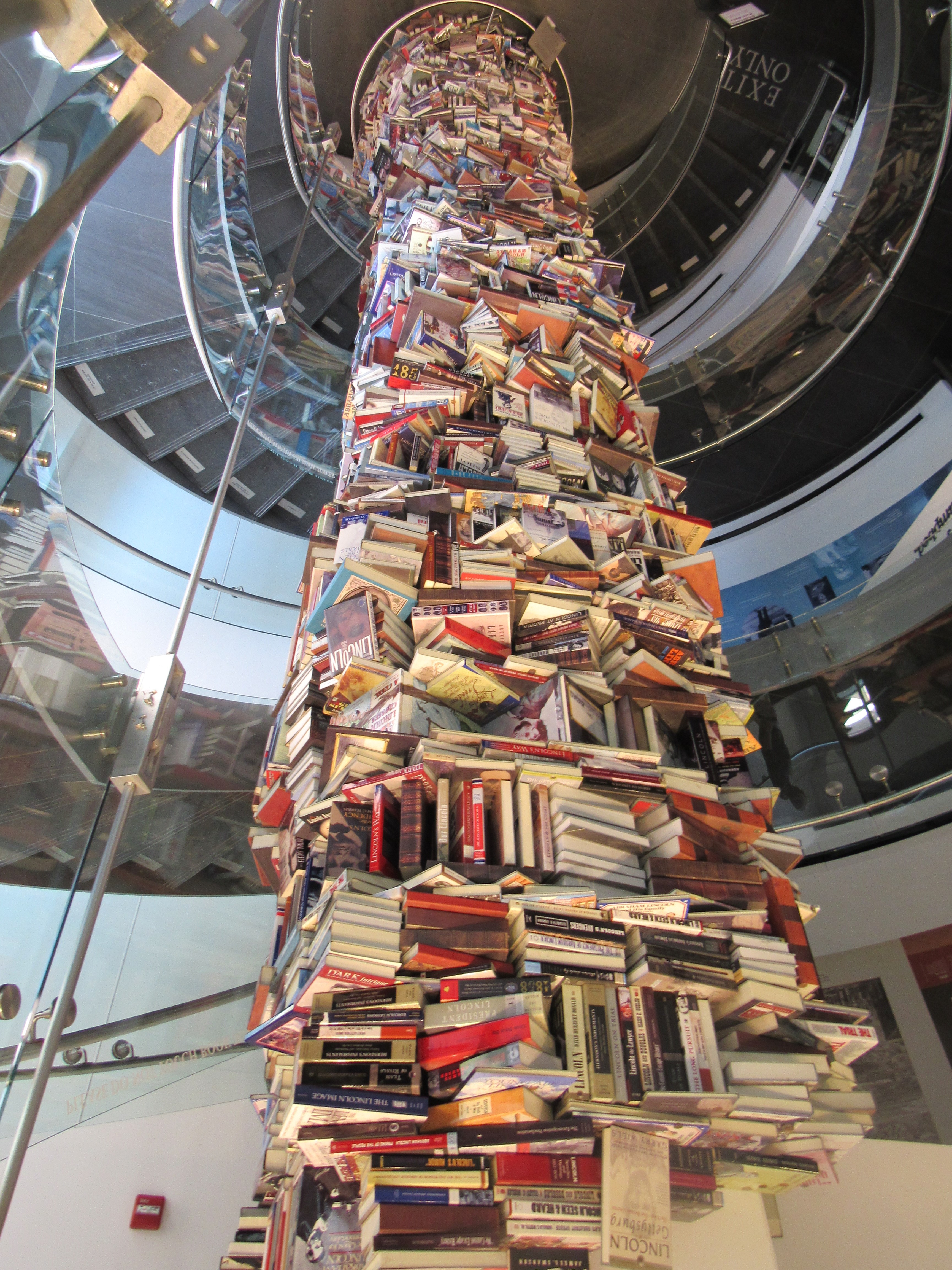
Lincoln has inspired many authors to write books about him. A 34-foot tower of these books stands beside a winding staircase at The Ford’s Theatre Center for Education and Leadership.

-Sandra Merville Hart

Sources

“Ford’s Theatre,” National Park Service, 2020/01/02 https://www.nps.gov/foth/index.htm.

“Ford’s Theatre Yesterday and Today,” Ford’s Theatre Pamphlet, Last Updated 2008.

“Lincoln’s Death,” Ford’s Theatre, 2020/01/01 https://www.fords.org/lincolns-assassination/lincolns-death/.

Lincoln Memorial

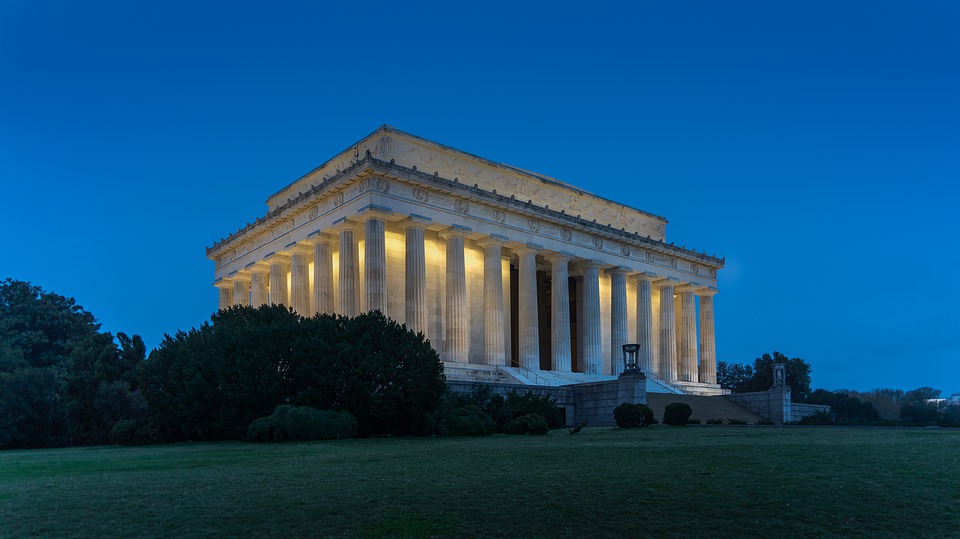
On a recent trip to Washington, DC, I visited the National Mall late on a rainy evening. The view of the Lincoln Memorial at night is spectacular.

Talk of building a memorial to President Abraham Lincoln began soon after his death. In 1867, a proposal for a commission to plan the monument didn’t get very far. The country, recovering from war, didn’t have the money to build it. The early design was for 31 pedestrian and 6 equestrian statues with a statue of Lincoln in the center.

Construction on the memorial began years later in 1914, and took about 4 years to build. Styled after a Greek Temple, the memorial was designed by Henry Bacon. It has 36 fluted Doric columns to represent the states in the Union during the Civil War.

The memorial is 188 feet long and nearly 80 feet tall. There are 58 steps on the memorial. There are 87 steps from the reflecting pool to the memorial.

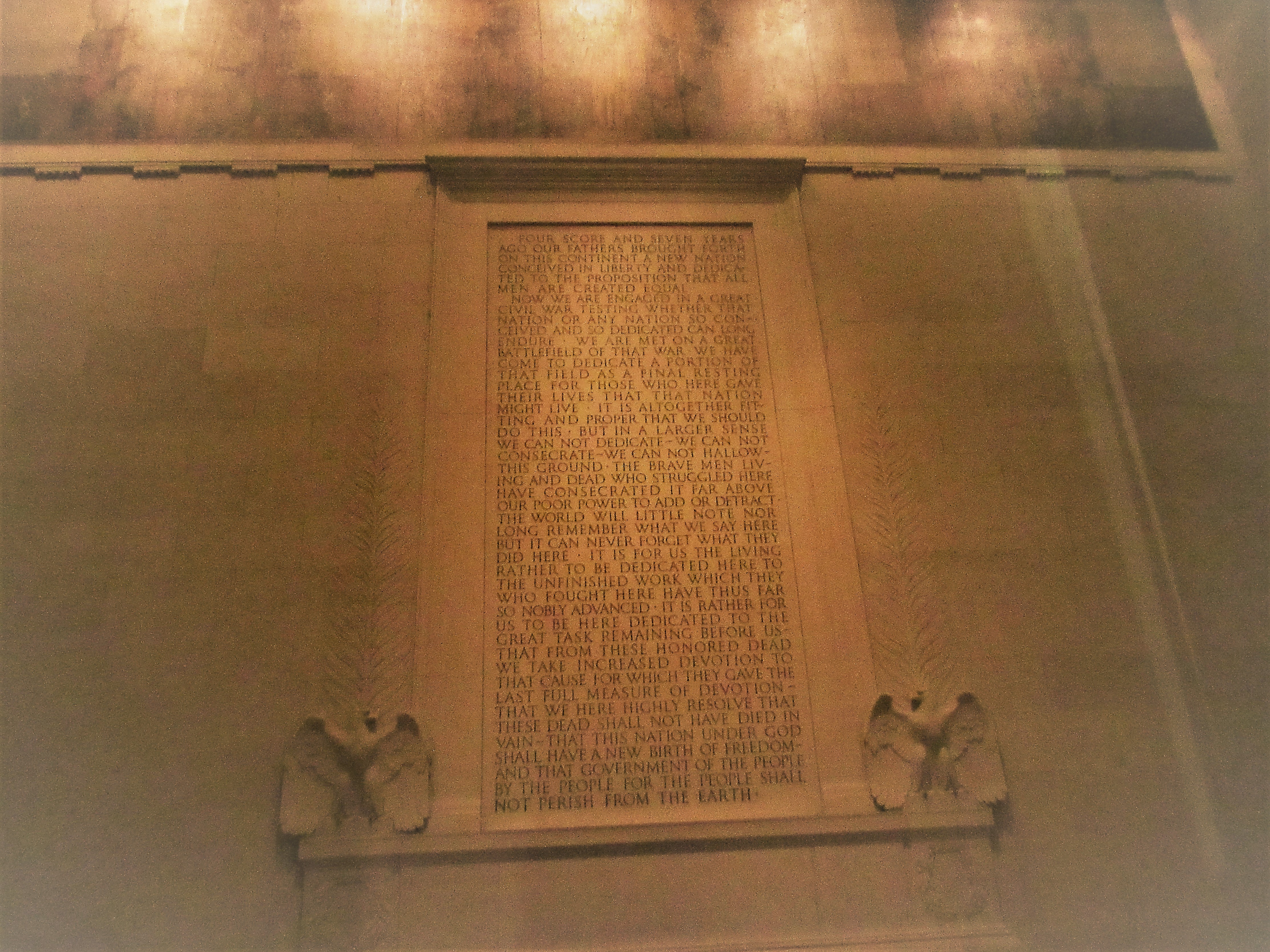
Lincoln’s second inaugural speech is on the North Wall. His famous Gettysburg Address is etched on the South Wall.

Construction was finally completed in 1922. On May 30, 1922, Civil War veterans were among the 50,000 people attending the dedication service.

Robert Todd Lincoln, our 16th president’s only surviving son, attended the dedication. He was 78.

Forty-one years later, a March on Washington, led by Martin Luther King, Jr., ended at the Lincoln Memorial. On August 28, 1963, he spoke to a large crowd from the steps of the memorial. His “I have a Dream” speech spoke of his dreams for America, resonating with his listeners and the nation.

Trolley Tours and Big Bus Tours are an easy way to visit the monument. We took the Metro and walked the National Mall. Whatever way you decide to tour the monument, it is well worth the effort.

-Sandra Merville Hart

Sources

“Lincoln Memorial,” Lincoln Memorial, 2020/01/02 http://lincoln-memorial.org/.

“Lincoln Memorial,” National Park Service, 2020/01/02 https://www.nps.gov/nr/travel/wash/dc71.htm.

“Lincoln Memorial,” Wikipedia, 2020/01/01 https://en.wikipedia.org/wiki/Lincoln_Memorial.

“The Abraham Lincoln Memorial,” American History For Kids, 2020/01/02 https://www.americanhistoryforkids.com/abraham-lincoln-memorial/.

First Union Soldiers in Washington Welcomed at the White House

Union troops poured into Washington near the end of April, 1861. Before long, twenty thousand men added to the city’s prewar population of sixty thousand. The city had 33 militia units with armories where they drilled—not nearly enough to accommodate so many additional soldiers. And where were they to sleep?

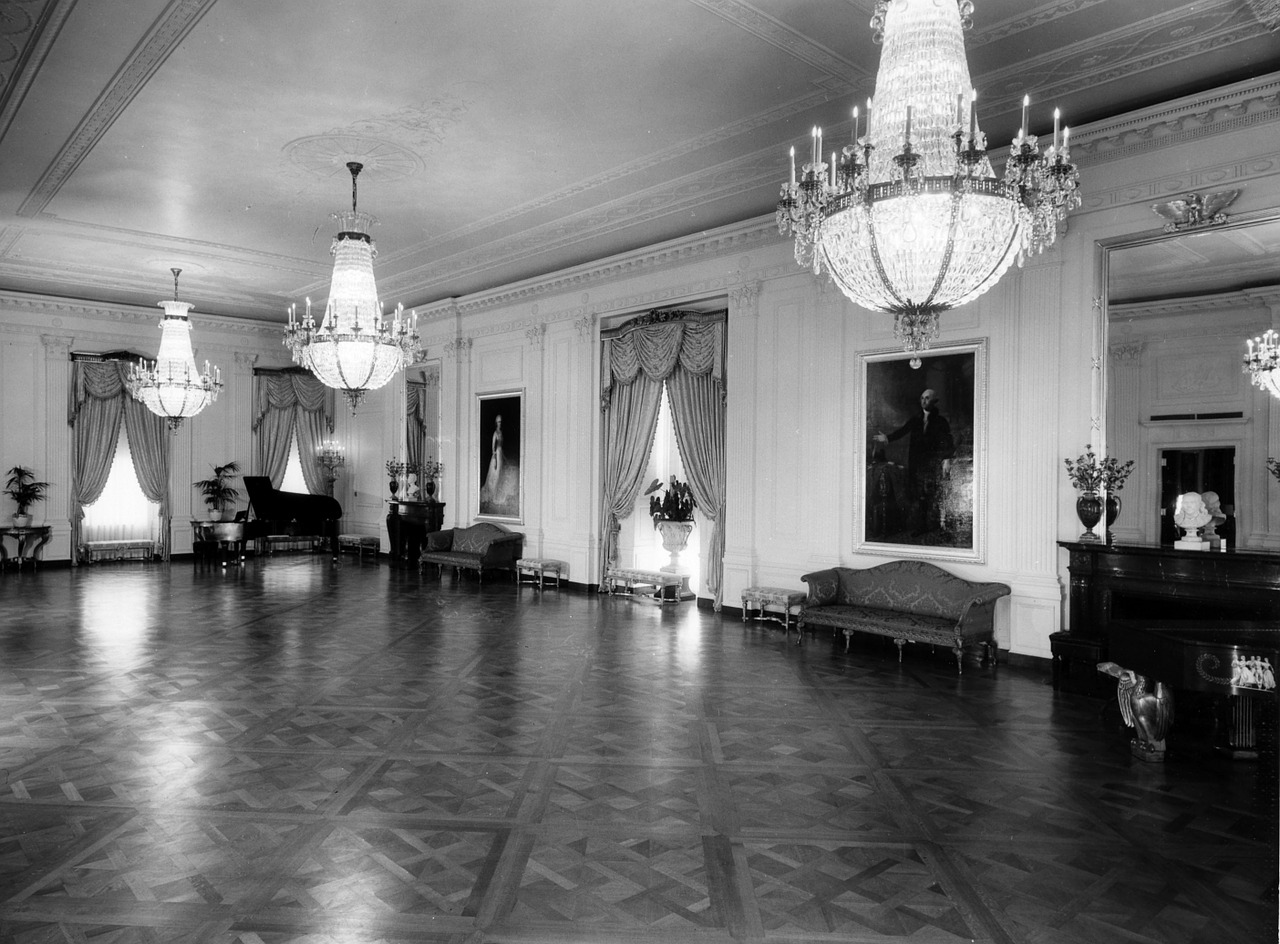
President Abraham Lincoln welcomed the first troops as honored guests. On April 18th, Major Hunter took Jim Lane’s Kansas Warriors into the East Room of the White House and allowed them to stay there.

Soon troops were camped on the White House lawn, at the Capitol, and the Washington Arsenal. Area churches as well as schools like Georgetown College and Columbian College.

The government rented other buildings for the soldiers.

Seven thousand troops were in the Capitol, occupying Senate and House chambers, committee rooms, galleries, and halls. This brought its own problems of cleanliness. Congress was set to convene on July 4th —before this meeting, grease, tobacco, and other filth had to be scrubbed from the areas.

Soldiers’ tents surrounded the Capitol for a radius of three miles. Troops bivouacked and drilled in the inaugural ballroom, which was a temporary building near City Hall.

Many of these troops received training in the city and soon marched off to war. Others remained to defend the nation’s capital. Sixty-eight forts had been built around Washington by 1865, and these housed Union troops. The city was protected by these forts that had a combined ninety-three batteries, seven blockhouses, and twenty miles of rifle pits. There were thirty miles of military roads.

The forts were built to last for the war’s duration and many of them are gone now. Traces remain of a few of them, including Fort Chaplin, Fort Davis, Fort DeRussy, Fort Foote, and Fort Stevens.

– Sandra Merville Hart

Sources

“Civil War Defenses of Washington,” Wikipedia, 2019/12/26 ttps://en.wikipedia.org/wiki/Civil_War_Defenses_of_Washington.

Selected by Dennett, Tyler. Lincoln and the Civil War In the Diaries and Letters of John Hay, Dodd, Mead & Company, 1939.

“The capital can’t be taken!” Civil War Defenses of Washington, National Park Service, 2019/12/26 ttps://www.nps.gov/cwdw/index.htm.

Winkle, Kenneth J. Lincoln’s Citadel: The Civil War in Washington, DC, W.W. Norton & Company, 2013.