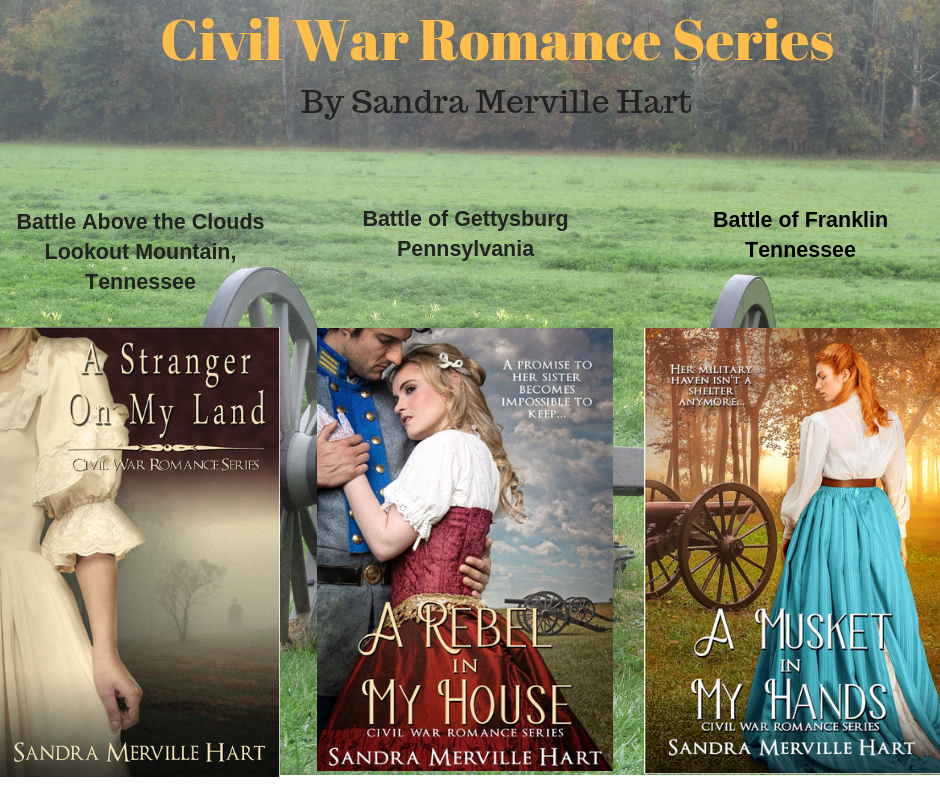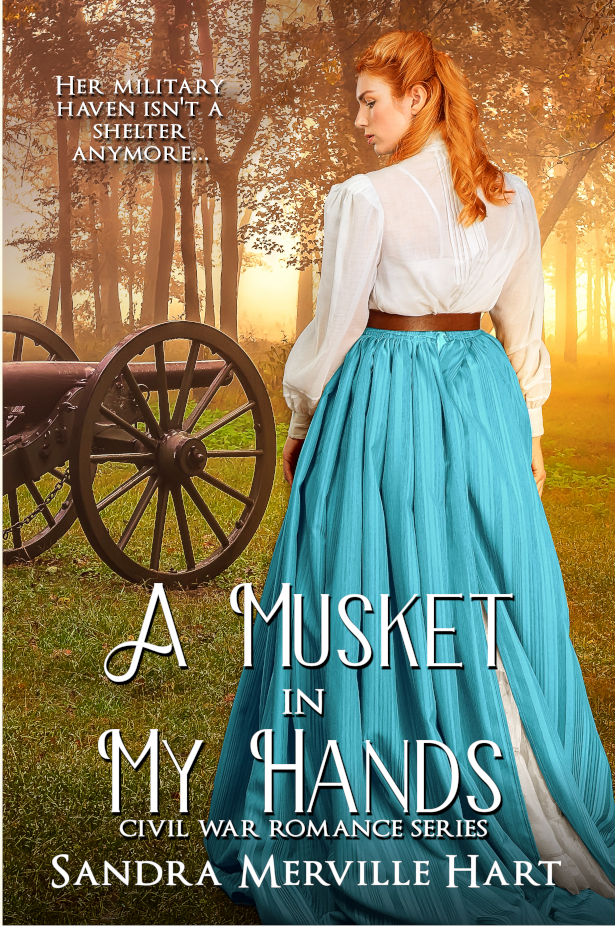
Interview with the Heroine of A Musket in My Hands

by Sandra Merville Hart

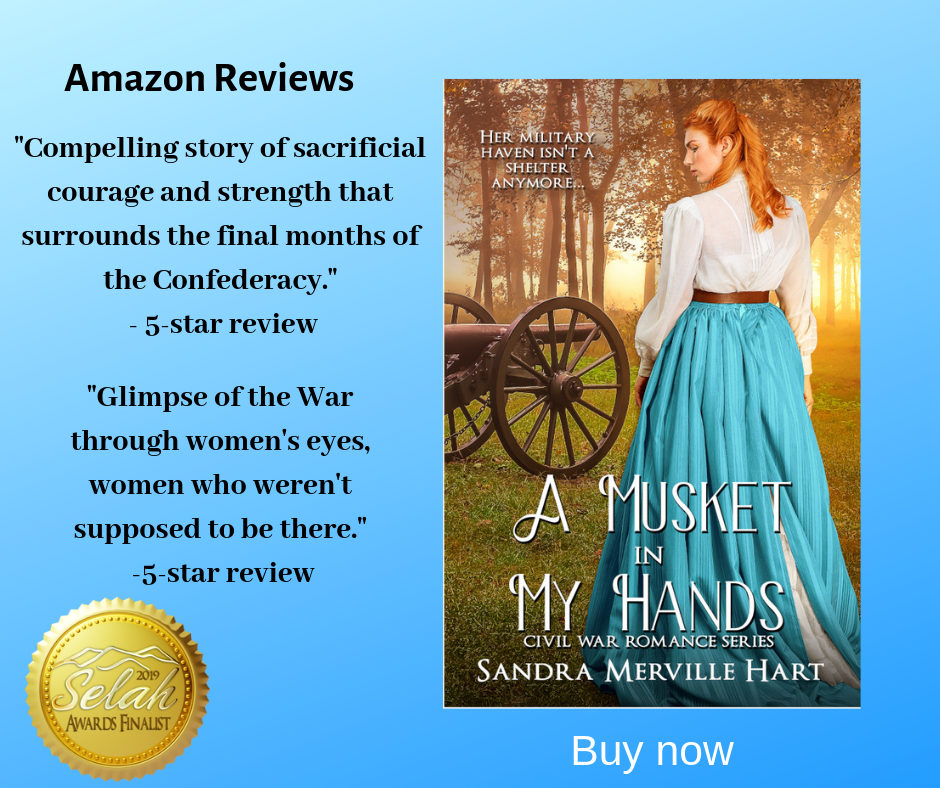
Today I am interviewing the heroine of my Civil War romance, A Musket in My Hands, Callie Jennings. I hope you enjoy meeting this feisty, courageous woman from Tennessee!

1) Callie, just where is Cageville, Tennessee? What is your home like?

The town of Cageville is in western Tennessee. It was named for Licurgus Cage, one of our first merchants. The town became known as Alamo in 1869. They renamed it as a memorial to folks who died at Battle of the Alamo—and to Davy Crockett.

Our farm is about a mile outside of town. We don’t have any close neighbors, just lots of trees near our cleared fields. Empty now, except for an acre plot that I planted to keep us from starving. I hope it’s too small for the Yankees to notice it much.

The biggest city nearby that you might have heard of is Jackson. I’ve never been there, but Louisa—my sister—and I told our soldier comrades that we came from a place outside of Jackson. We didn’t want the other soldiers to find out where we were from and tell our pa where to find us.

2) What are the living conditions like where you are in the summer of 1864?

Oh, things are bad. After the Yankees took our crops, Pa stopped planting. Said he wasn’t going to plow and plant just so the Yankees could steal it from us.

Louisa works at the mercantile. They pay her in food so that helps put meals on the table. I planted a garden, hoping the Federal soldiers that ride by our farm don’t take notice of it. It’s not much, but that food should keep us alive this winter.

 Other folks in town are doing about the same as us.

3) I hear your pa is a Confederate ranger. What are he and the Confederate soldiers fighting for? And has it been worth the toll it’s taken?

Yep, Pa is too old for soldiering, but he found a way to fight for his country. He and his friend, Ezra Culpepper, joined a cavalry guerrilla group. They go out on missions and then come home, pretending to be nothing more than average citizens while in town.

I know the South needs all the help they can get to win this war, but I hate what being a ranger has done to my pa. He never used to drink like this. I think he drinks to forget about those missions.

4) Are you really engaged to your pa’s friend? Rumor has it that your heart belongs to someone else.

No! I’m not going to marry a man thirty years my senior, no matter what Pa agreed to on my behalf. Pa’s mind is made up so I have to figure out something.

 I love Zachariah Pearson. Zach never courted me before the war and now the fighting is about all he thinks of. But I’m the only girl in town he writes to—I know because I asked all the other single ladies. That makes me special, doesn’t it?

5) Tell us something about your true beau, Zach?

Oh, what I could tell you about Zach. We’ve been friends since his aunt and uncle took him in after his parents drowned. That was when he was fourteen, eight years ago. It was a tough time for him. He and his cousin, Nate McClary, grew as close as brothers.

Zach is a handsome man, especially in his Confederate gray. I love his green eyes and the way his brown hair curls right before it gets cut. I always thought he might court me … and then the war started. He trained at Camp Trenton in September of 1861. I’ve only seen him on his furloughs since then.

6) How would you describe yourself?

Oh, I’m not much to look at. Louisa takes after Ma. With her blue eyes and blonde hair, she’s the real beauty of the family. She knows it, too.

I got my auburn hair from Pa. His brown eyes, too. My hair is curly so I have to keep it pinned in a bun on top of my head. Wish I was prettier, though. Maybe Zach would notice me.

7) How do you plan to avoid marriage to your pa’s friend and how does your sister, Louisa, fit into all this?

Oh, Louisa’s got a plan. She’s the adventurous one. She’s been reading newspaper reports about women disguising themselves as Confederate soldiers. She’s been after me to muster into the army to avoid marrying Mr. Culpepper.

But Louisa has her own reasons for joining the army. She’s heard reports that her fiancé, Nate McClary, has been flirting with other women. I don’t want to think badly of him … but I’m afraid the reports are true.

8) Disguising yourselves as men to join the Confederate army is risky. Aren’t you worried your disguises might be found out?

Louisa and I have done our best to disguise ourselves as men so we can muster into the army. I’ve sewn trousers, coats, and blouses for both of us. Louisa sewed padding onto our underclothing to hide our shapes. Our blouses and coats fit loosely so that should help.

We’ve practiced walking like men, talking like men.

 I hope we’re ready.

Back Cover Blurb for A Musket in My Hands

Can I count on you in times of great need?”

 Callie Jennings reels from her pa’s decision that she must marry his friend, a man older than him. Her heart belongs to her soldier hero, Zach Pearson, but Pa won’t change his mind. Callie has no place to hide. Then her sister, Louisa, proposes a shocking alternative.

Zach still hears his pa’s scornful word—quitter. He’s determined to make something of himself as a soldier. He’ll serve the Confederacy until they win the war. If they win the war.

Callie and Louisa disguise themselves as soldiers and muster into the Confederate army in the fall of 1864. Times are tough and getting tougher for their Confederacy. For Callie, shooting anyone, especially former countrymen, is out of the question—until truth and love and honor come together on the battlefield.

Available at Lighthouse Publishing of the Carolinas

Underground Railroad Location Inspires an Author

Fellow author and friend, Bettie Boswell, shares historical inspiration for her debut novel. Welcome to Historical Nibbles, Bettie!

by Bettie Boswell

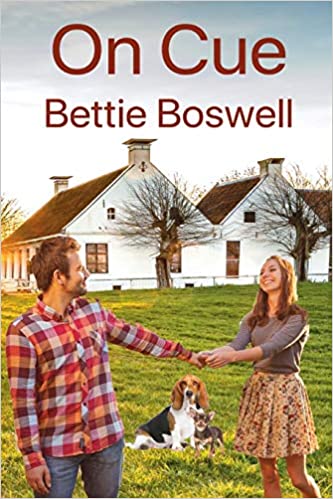
Setting is important to any story, and though my debut novel is a contemporary Christian romance, a historical backdrop plays a major role. My heroine in On Cue has written a musical involving her town’s involvement in the Underground Railroad, in order to save the local historical museum from financial ruin. One of the featured homes in the story was inspired by a real station on that road to freedom for many people escaping slavery, the Lathrop Home in Sylvania, Ohio.

For many years family lore claimed the home as part of a lesser used route to freedom in Canada but there was no actual proof until a renovation took place in the late 1930’s. The new construction uncovered a hidden room next to a brick oven in the basement of the Lathrop’s home. Lucian and Larissa Lathrop, the original home owners, held strong religious beliefs that led them to support the Underground Railroad despite laws that forbade their involvement. They along with their neighbors, David and Clarissa Harroun, helped the runaways by hiding them in that secret room or in the Harroun barn (now part of the Flower Hospital complex) and then made arrangements for the travelers to head north to Detroit where they could cross the river into Canada. David Harroun had a wagon with a false bottom so he could transport former slaves up and down the trail to freedom. There was a known slave catcher in the nearby Maumee area so the Sylvania families did face danger in their endeavors. Making the choice to save the life of a former slave proved their dedication to aide a fellow human.

In On Cue I renamed the home, Woodson House, but the spirit of the Lathrop house lives on as my inspiration.


Back Cover Blurb

When a college sweetheart used Ginny Cline’s dreams for his own glory, he stole her joy of composing music and her trust in men. Years later, encouraged by prayer and a chance to help the local museum, she dares to share her talents again. Unfortunately a financial backer forces her to place her music and trust into the hands of another man.

Theater professor Scott Hallmark’s summer camp benefactor coerces him into becoming the director of Ginny’s musical. The last thing he needs is another woman who uses him to get what they want, especially an amateur who has no idea what they are doing.

As Ginny’s interest in Scott grows, her confusion arises over Honey, a member of Scott’s praise band. Mix in a couple of dogs and quirky cast members for fun and frustration as the couple work together to discover that forgiveness and trust produce perfect harmony.

Amazon

About Bettie

Bettie Boswell is an author, illustrator, composer, teacher of music and second graders, who lives with her minister husband and tuxedo kitty. She adores her two sons and her grandchildren. On Cue is her debut full length novel. She has published shorter works in anthologies, magazines, and the education market.

It’s Show Time!

It’s a pleasure to welcome Ann Tatlock, a dear friend and gifted writer, to Historical Nibbles. Ann’s newest historical novel releases this month—what an amazing book! Read my review. Welcome to Historical Nibbles, Ann!

by Ann Tatlock

Who doesn’t love to be entertained? Most of us like to kick back of an evening and tune into our favorite live-streamed show or the latest movie to hit NetFlix or Hulu. But before the internet age bombarded us with entertainment options, before DVDs and videotapes, before televisions came into our homes and movie theatres came to Main Street, even before radio became popular, there was …Vaudeville!

In those days, stretching from the 1880s to the 1930s, people gathered to watch real live performers sing and dance, perform magic acts or animal acts or comedy routines or short plays, spin plates, juggle knives, recite poetry, do acrobatics. The possibilities were as endless as the talent crowding the theater bill.

Performers who joined Vaudeville troupes traveled specific circuits, some considered small-time, others big-time. The two largest were the Keith Circuit in the East, including the coveted Palace Theater in New York City, and the Orpheum Circuit in the West.

The life of these stage performers was far from glamorous. It was a peripatetic life as they journeyed the circuits, moving from one city to the next, often traveling all night by train to reach the next theater in time for tomorrow’s matinee. Seedy hotels were standard, and home-cooked meals were a rarity.

But hope of success drove them on. Whether they played the smallest house with the three-piece orchestra (a piano, a stool and a piano player) or a large 1,200-seat theater with full orchestra pit, Vaudevillians made sure the show went on because today’s performance might be their lucky break. From small-time, to big-time, to Broadway…that was the dream.

And certainly most of them dreamed of stardom. A few found it. Some went on to become successful on the radio, in the movies and, later, on television. Charlie Chaplin, Bob Hope, Judy Garland, Fred Astaire, George Burns and his wife Gracie Allen—these are just a few of the names from Vaudeville that are remembered today.

For every big star, though, there were many more “fallen stars,” whose lights burned out and whose names were forgotten. But they have stories too, untold yet still significant and often beautiful. It was these forgotten ones who inspired me to write The Names of the Stars.

The Names of the Stars is the story of Annalise Rycroft, a young girl who dreams of stardom even as she fears becoming lost to the “surplus population.” Against a backdrop of Vaudeville and the Spanish flu pandemic, Anna’s life is changed when she has an unexpected encounter with some of the characters from her favorite book, A Christmas Carol. Jacob Marley, Mr. Fezziwig, and Tiny Tim’s unnamed brother all work to assure Anna of God’s great love for every individual, no matter how seemingly insignificant.

Purchase link: Lighthouse Publishing of the Carolinas

Ann Tatlock is an award-winning novelist and children’s book author. In 2013, she founded Heritage Beacon, the historical fiction imprint of LPC/Iron Stream Media, and served as its managing editor for six years. She and her husband have one grown daughter and make their home in North Carolina. Please visit her website at www.anntatlock.com.

Radford Gatlin’s Store Gives a Town a Name


by Sandra Merville Hart

Settlers from the eastern states of North Carolina, South Carolina, and Virginia had lived in the area of Tennessee now known as Gatlinburg almost a half-century before Radford Gatlin arrived.

North Carolinian Radford Gatlin came to White Oak Flats with his wife and a slave woman in 1854. He purchased property around the mouth of Roaring Fork Creek that extended over from what later became known as Burg Hill to Huckleberry Ridge. He built a home and a store on his land.

Gatlin, a shrewd businessman, hauled merchandise from Sevierville on horseback or on his shoulders because there were no wagon roads. He stocked large quantities of coffee, salt, sugar, guns, axes, rifles, and ammunition—items in great demand. Residents at the time recalled the heavy, clear-toned cowbells sold by the store.

A deeply religious man, Gatlin established a church and called it New Hampshire Baptist Gatlinites. About half the folks attended at first. Crowds dwindled as hard feelings arose against the overbearing and antagonistic preacher. The Gatlins were charged with abusing their servant.

Soon he was forbidden to preach at the church. Around this time, his barn burned. He accused Elisha Ogle of setting the fire. Ogle sued. Gatlin lost and had to sell his land to repay money borrowed to defend himself.

Gatlin paid grant fees on a claim of 50,000 acres that extended to the top of the Great Smokies over toward Maryville in 1855, and it was recorded in Sevierville at the county’s courthouse.

Dick Reagan, the postmaster, was one of Gatlin’s friends. In 1856, the post office was in Gatlin’s store and Reagan named it Gatlinburg in his friend’s honor.

Gatlin’s slave fell ill and died. She is buried in a field about twenty feet east of where Ogle Brothers’ Store once stood. Jane Huskie and James Bohannon are also buried there. Both women are in unmarked graves.

Sentiment in the mountains during the 1850s was for the Union while Gatlin was strongly outspoken in support of the Confederacy. As the Civil War approached, Gatlin gave such a bitter speech that masked men severely beat him one night and ordered him to leave.

No valid claims were found for his vast acreage. Some belonged to prior claims and some was even across North Carolina’s state boundary. Destitute, he left Gatlinburg in 1859 or 1860.

Gatlin moved to Fultonville where he started a school. He wrote textbooks–a reader and a speller–that he used there as a teacher. One of the families kept an old receipt from Gatlin for $4, the cost of their son’s quarterly tuition.

Sources:

“8 Huge Moments in Gatlinburg History and Pigeon Forge History,” Timber Tops Cabin Rentals, 2020/08/23 https://www.yourcabin.com/blog/moments-in-gatlinburg-and-pigeon-forge-history/.

“Gatlinburg, Tennessee,” Wikipedia, 2020/08/24 https://en.wikipedia.org/wiki/Gatlinburg,_Tennessee.

Greve, Jeanette S. The Story of Gatlinburg, Premium Press America, 2003.

“Smoky Mountain History: How Did Gatlinburg, Pigeon Forge and Sevierville Get Their Names?” Visit My Smokies, 2020/08/23 https://www.visitmysmokies.com/blog/gatlinburg/smoky-mountain-history-how-cities-got-their-names/.

“The Story of Gatlinburg,” Gatlinburg Convention and Visitors Bureau, 2020/08/23 https://www.gatlinburg.com/the-history-of-gatlinburg/.

When Gatlinburg was known as White Oak Flats


by Sandra Merville Hart

Indian Gap Trail was a footpath that Cherokee traveled to hunt in the Smoky Mountains. It connected to a trail that followed the West Fork of the Little Pigeon River through what is now Sevierville, Pigeon Forge, and Gatlinburg over the mountains into North Carolina.

There were many settlers in Sevier County when Sevierville became the county seat in 1793. William Oglesby came to the Gatlinburg area from Edgefield, South Carolina. He cut and notched logs to build a cabin with the help of the Cherokee. Then he returned home for his family. Unfortunately, he caught malaria and died in 1803.

Martha Jane Huskey Oglesby, his widow, brought her family to the mountains and found the logs as her husband left them four years earlier and built a cabin. They shortened their name to Ogle.

Jane’s oldest daughter, Rebecca, was already married when they arrived. She and her husband James McCarter settled in what’s now called Cartertown. Isaac Ogle, Jane’s oldest son, owned 50 acres around Mill Creek.

By 1802, Richard Reagan had moved with his family from Virginia. Daniel Wesley Reagan was born on October 15, 1802, the first child born in the new settlement that was soon to be called White Oak Flats for the area’s abundance of white oak trees.

Pioneers settling in White Oak Flats around this time were John Ownby, Jr. and Henry Bohanon. Other early family names are Whaley, Trentham, Pinckney, and Maples.

There were no wagon roads. The pioneers carried their possessions over rough trails to make a home in the Smoky Mountains. They chopped down trees to plant crops and build cabins and barns.

James Bohannon was the first person to die in White Oak Flats. While carrying a heavy sack of maple sugar across a foot log bridge on the Pigeon River, he fell off and drowned.

Cherokee and Creeks resented their presence—it caused fights and friction. Gradually the Native Americans left the Smokies.

Many early residents may have been Revolutionary War soldiers who received fifty acres of land from North Carolina. (Tennessee had been part of North Carolina during the war.) Soldiers brought warrants with them, paying 75 cents for their property. The Sevier County Courthouse burned in 1824, losing all records, so this can’t be proven except by family tradition.

Worship services were first held out-of-doors until a church was built where the roads crossed. (Ogle Brothers’ store later stood there.)

Folks continued to move to the area. A second church was built near the mouth of Mill Creek on river road. This five-cornered building served the community as a church and school from 1816—35. They then built a log building, The White Oak Flats Baptist Church, on the Bearskins Creek bank in 1835.

The post office moved to Radford Gatlin’s store and White Oak Flats became known as Gatlinburg in 1856.

Sources:

“Gatlinburg, Tennessee,” Bearskin Lodge, 2020/08/24 https://www.thebearskinlodge.com/gatlinburg-history/.

“Gatlinburg, Tennessee,” Wikipedia, 2020/08/24 https://en.wikipedia.org/wiki/Gatlinburg,_Tennessee.

Greve, Jeanette S. The Story of Gatlinburg, Premium Press America, 2003.

“The Story of Gatlinburg,” Gatlinburg Convention and Visitors Bureau, 2020/08/23 https://www.gatlinburg.com/the-history-of-gatlinburg/.

History of Pigeon Forge

by Sandra Merville Hart

Like other tourists to the Smoky Mountains, my family has spent many happy days in Pigeon Forge, Tennessee. My parents, who used to live nearby, told me that it was a small tourist town into the 1970s. A recent vacation showed that every square foot along the main road is covered with restaurants, shops, motels, and shows. When did it change? And what is the history of the town?

Mordecai Lewis left Virginia and received 151-acre land grant from Governor Blount. In 1790, he built the area’s first forge on it. His son-in-law, Isaac Love, who inherited his property, built an iron forge along what’s now known as the West Fork of the Little Pigeon River in 1817. Iron bars, farming tools, and building equipment produced by this forge were sold throughout the country.

William Love and his brothers, sons of Isaac, built Lewis Mill (today’s Old Mill) near the forge in 1830. Farmers brought wheat, corn, and oats to make flour at the gristmill.

Beech trees lined the river, attracting huge flocks of passenger pigeons to nest in its trees and feast on beechnuts. Sadly, the once massive flocks of birds are now extinct.

When William Love was appointed postmaster with the post office inside the mill, Pigeon Forge received its name for his father’s forge and the passenger pigeons.

The mill was sold to John Trotter before the Civil War. He used his mill to support the Union. Clothing for Union soldiers in Gatlinburg were produced by secret looms on the second floor. Trotter used the third floor as a hospital.

The town’s population remained small—154 in 1907. Tourism increased in the mountains after the Great Smoky Mountains National Park was dedicated in 1940.

Rebel Railroad, Pigeon Forge’s first theme park opened in 1961. Klondike Katie, a coal-fired steam engine, was the main attraction. It changed ownership in 1970 and became Goldrush Junction. Another new owner in 1977 renamed it Silver Dollar City. Country singer Dolly Parton became a co-owner in 1982. Four years later, Dollywood opened.

Pigeon Forge became a city in 1961. Tourism boomed twenty-one years later. The city has grown rapidly to become a popular vacation location—a long way from a forge and a mill that was its claim to fame 190 years ago.

Sources:

“8 Huge Moments in Gatlinburg History and Pigeon Forge History,” Timber Tops Cabin Rentals, 2020/08/23 https://www.yourcabin.com/blog/moments-in-gatlinburg-and-pigeon-forge-history/.

Greve, Jeanette S. The Story of Gatlinburg, Premium Press America, 2003.

“History of Pigeon Forge, TN,” Smoky Mountain Navigator, 2020/03/23 https://www.smokymountainnavigator.com/explore-the-smokies/pigeon-forge/history-of-pigeon-forge-tn/.

“Our Old Mill: History in the Making,” The Old Mill, 2020/08/23 https://old-mill.com/our-history/.

“Smoky Mountain History: How Did Gatlinburg, Pigeon Forge and Sevierville Get Their Names?” Visit My Smokies, 2020/08/23 https://www.visitmysmokies.com/blog/gatlinburg/smoky-mountain-history-how-cities-got-their-names/.

“Step Back in Time at the Old Mill in Pigeon Forge,” Pigeon Forge.com, 2020/08/23 https://www.pigeonforge.com/old-mill/.

The Story of Rose Haven

I am so excited that friend and fellow author, Debra DuPree Williams, is sharing a bit of background for her debut novel with us today. Welcome back, Debra!

By Debra DuPree Williams

One of the main characters in my debut novel, Grave Consequences, is Rose Haven, the estate of Miss Marge Mayhew. It is situated out in the countryside near the fictitious town of Loblolly, Alabama.

Rose Haven was built prior to 1819 when Alabama became a state. At that time, Rose Haven was a simple four-room square home. Over time, it became the estate it is in 1968, the year in which the novel takes place.

Many people pass through Rose Haven’s doors. Secrets were overheard here. Lives began and ended here. Hearts found their way home and hearts were broken within her walls.

In all those years, Rose Haven has housed her share of stories, family members, and a few mysteries along the way. One big mystery that develops in Grace Consequences is that of a long-lost grave. Add to that a murder mystery.

Rose Haven is patterned after a home called Rose Hill, built by my brother-in-law’s Great-grandfather, David Jefferson Foshee, born about 1864. This home is quite lovely and is still standing in Red Level, Alabama.

My sister and her husband have never been inside as it slipped out of family ownership many years ago. I’ve seen the grounds and it is in a very pretty setting. Of course, I’ve taken poetic license to change its size and its surroundings. But, in my mind, I always think of Rose Hill. Sitting there in all her glory, on the outskirts of lovely little Loblolly.

Back Cover Blurb

Sometimes finding the living is more difficult than searching for the dead. 

In 1968, twenty-six-year-old Charlotte Graves wrestles with more than just her decision to return to her hometown, Loblolly, Alabama—she is also fleeing a broken heart, colliding headlong into a second one, and about to stumble onto a deadly secret.

Now settled back in Loblolly, Charlotte is hired to oversee the Woodville County Historical Society, a job she was born for. But no sooner has she banged the gavel to bring order to the first meeting than she is accused of being incompetent to lead the group by her old nemesis, Boopsie Sweets. Later that night, she finds herself arrested by her old beau, the current deputy sheriff, Roan Steele, for killing Boopsie.

After being released on bail, Charlotte uses her skills as a genealogist to leap into the investigation. And when Charlotte goes digging up dirt, she unearths a long-kept family secret. Will it lead to Boopsie’s murderer … or to grave consequences for Charlotte and her family?

About Debra

Debra DuPree Williams is an award-winning author whose work has appeared in Yvonne Lehman’s Stupid Moments, Additional Christmas Moments, Selah Award finalist, Moments with Billy Graham, and Michelle Medlock Adams’s Love and Care for the One and Only You, expanded edition, in addition to other publications. When she isn’t busy writing, you will likely find Debbie chasing an elusive ancestor, either through online sources or in rural graveyards. Debbie is a classically-trained lyric coloratura soprano whose first love is Southern Gospel. She’s been married forever to the best man on earth, is the mother of four sons, mother-in-law of one extraordinary daughter-of-her-heart, and DD to the two most intelligent, talented, and beautiful young ladies ever. Debbie and her husband live in the majestic mountains of North Carolina.

Connect with Debra on her blog.

Amazon


Cuyahoga Valley National Park

by Sandra Merville Hart

Cuyahoga Valley National Park, established in 2000, is one of our newest national parks. It’s just a short drive from Akron or Cleveland in Ohio, and about 2,500,000 people visit each year.

The winding Cuyahoga River is a U-shaped river. Cuyahoga means “crooked” in the Iroquois language. The unique part about this river is that, for twenty-two miles, it flows both north and south. The river winds past farmland, forests, and rolling hills.

Over 50 square miles of forest, deep gorges, waterfalls, and wetlands can be seen in Cuyahoga Valley National Park. Rangers are available at the Boston Mill Visitor Center so it’s suggested that tourists begin their visit there.

Take a 2.2-mile hike to see the Ledges, which is located along sandstone cliffs. Our family enjoyed the surprising thin sheets of rock found at the Ledges. These is also an overlook on the trail with a view of the valley.

Brandywine Falls is a popular destination in the park. The 60-foot waterfall is well worth the hike, which varies in length depending on where you park.

Beaver Marsh is a great place for bird watching.

Another tourist attraction at the park is the Ohio & Erie Canal that runs through it. Built in the early 1800s by German and Irish immigrants, twenty miles of the canal is within the park. Hike or bike along the Towpath Trail that mules used to pull the canal boats over century ago. Parts of the trail are open for horseback riders.

Though the Cuyahoga Valley Scenic Railroad is currently closed due to Covid-19, it’s another wonderful way to enjoy the beautiful scenery. Fish in the Cuyahoga River, the lakes, and the ponds inside the park. Canoeing and kayaking are other activities.

There are many hikes in the park of various lengths and difficulty. For hikes to waterfalls, take the Brandywine Falls Trail or the Blue Hen Falls Trail.

Bring a picnic lunch. There’s a great shelter at the Ledges where our family ate the picnic we had packed. Bring plenty of water because it’s not available at all locations.

Families may camp at the park and there is also a bed and breakfast for those who prefer to sleep indoors.

Some wildlife living in Cuyahoga Valley are beavers, bald eagles, yellow warbler, raccoons, belted kingfisher, great blue heron, and the red-winged blackbird.

Sources:

“Cuyahoga Valley: National Park, Ohio,” National Park Service, 2020/07/19 http://www.nps.gov/cuva/index.htm.

Flynn, Sarah Wassner. National Geographic Kids: National Parks Guide U.S.A., National Geographic Society, 2012.

McHugh, Erin. National Parks: A Kid’s Guide to America’s Parks, Monuments, and Landmarks, Black Dog & Leventhal Publishers, Inc., 2012.

Palmerlee, Danny; Bendure, Glenda; Friary, Ned; Karlin, Adam; Matchar, Emily; Sainsbury, Brendan. Discover USA’s Best National Parks, Lonely Planet Publications, 2012.

The Valley Guide: Summer/Fall 2020/June 1 – November 30, National Park Service.


Wagon Trains and Stagecoach Robberies

Donna Schlachter, fellow author, shares historical background for her novel. Welcome back, Donna!

By Donna Schlachter

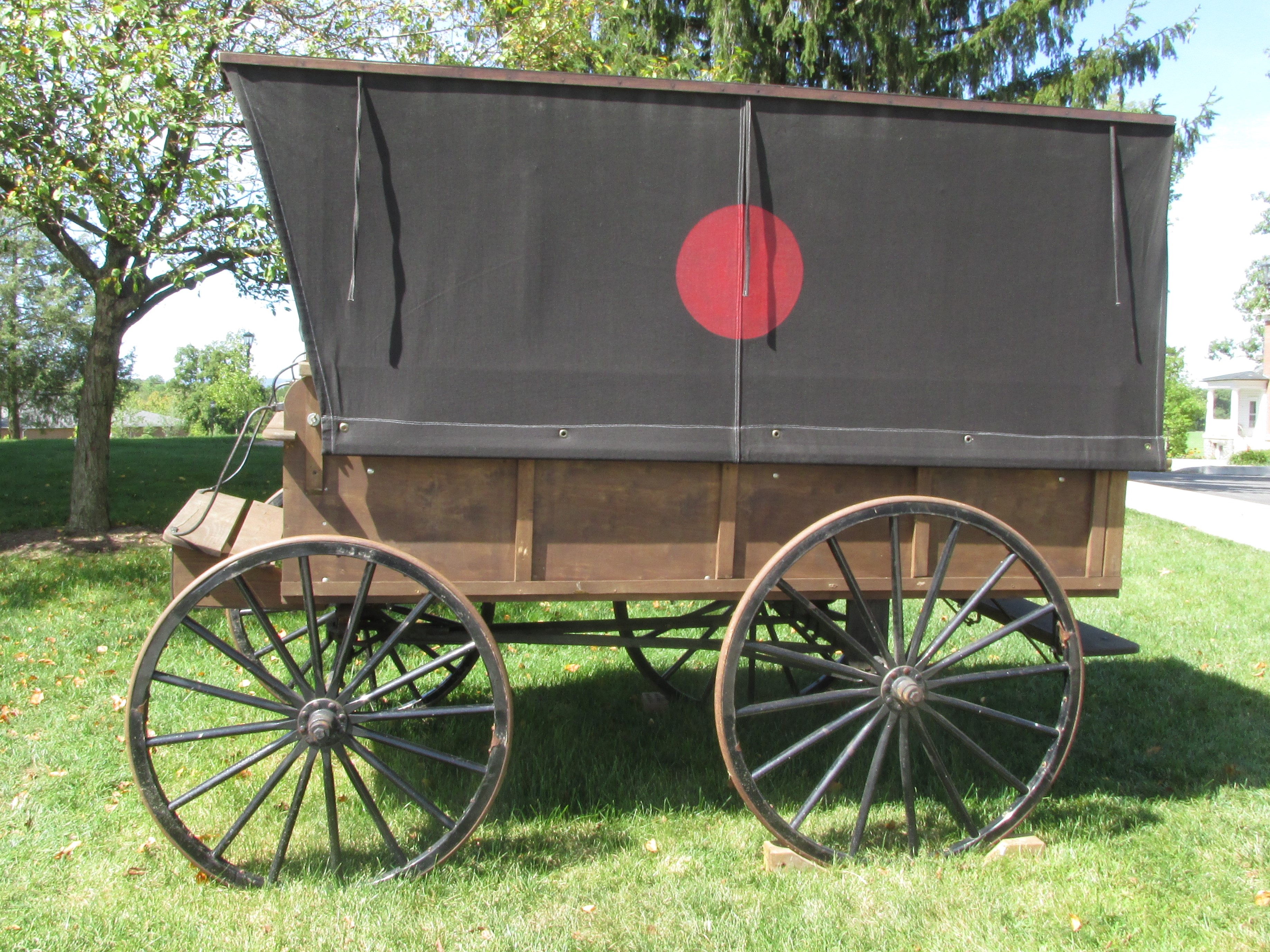
Fort Laramie, Wyoming Territory, in September 1878, was important for several reasons: wagon trains with immigrants from the Prairies heading west often began here; the city was at a major crossroads of trails, so there were more choices on which destination to choose; the city was big enough to supply wagon trains of all sizes; although the Westward migration had slowed by 1878, wagon trains continued west into the 1920s; and it was a direct run from Deadwood, Dakota Territory to Fort Laramie.

The Oregon Trail to Oregon City, California, remained open late in the year, and although most wagon trains departed in the late spring, giving six weeks of warm and dry weather, it’s possible a train left in September. The train in my story is a small one by comparison, comprising only seven wagons. Some trains could be as large as 200 wagons. However, the couple-only requirement of the train leader would keep the numbers small, as would his strong Christian morals and insistence on observing a day of rest each week, and of holding weekly church services.

Deciding to base a novel on a real-life historical event offered choices, restrictions, and possibilities. While my wagon train story had to take place after the real life Homestake Mine stagecoach robbery in Deadwood, Dakota Territory, I was free to create characters that might have been present at the robbery but weren’t actually named. In my case, I created a younger brother for one of the named robbers, and constructed a backstory to suit my story and the character.

However, I was restricted to the months following the actual robbery, and if I wanted to include any of the real characters from the theft, they had to have been able to be present where I put them when I put them there. In fact, Lame Johnny, leader of the gang, went on the run for a month or so before being caught again, so I included him near the end of my book and had him escape from the story back into his known history.

Updates on the robbery spread far and wide, as did rumors, so including those tidbits of information as my story moved west anchored the story to the history, and added tension and trouble for my main characters as they sought a way to avoid facing their greatest fears.

Book Blurb:

A prostitute’s daughter, an outlaw’s brother, and a stagecoach robbery—can anything good come out of Deadwood?

Kate Benton, daughter of a saloon floozy, runs away days before her official introduction into that sordid life, straight into the arms of Tom McBride, fleeing from his outlaw brother’s past. Can these two young people, damaged and labeled by life experiences, tear down the walls of guilt and mistrust that separate them? Will they allow God to change them forever from the inside out? Or are they destined to remain alone forever?

Amazon

About Donna:

Donna lives in Denver with husband Patrick. As a hybrid author, she writes historical suspense under her own name, and contemporary suspense under her alter ego of Leeann Betts, and has been published more than 30 times in novellas and full-length novels. She is a member of American Christian Fiction Writers, Writers on the Rock, Sisters In Crime, Pikes Peak Writers, and Christian Authors Network; facilitates a critique group; and teaches writing classes online and in person. Donna also ghostwrites, edits, and judges in writing contests. She loves history and research, and travels extensively for both. Donna is represented by Terrie Wolf of AKA Literary Management.

As a special bonus, Donna is offering a small book of recipes.

Her Newsletter Stay connected so you learn about new releases, preorders, and presales, as well as check out featured authors, book reviews, and a little corner of peace. Plus: Receive a free ebook simply for signing up for our free newsletter!

Connect with Donna on her blog, Facebook, and Twitter.

Present Helps the Past

Today’s post has been written by fellow author and friend, Carole Brown. She’s here to share the inspiration for her newest release, a historical western romance. Welcome back, Carole!

by Carole Brown

I never guessed several years ago when my family and I worked for short periods of time in some of the western states with the American Natives, how it would influence me in the future as I prepared to write a historical western romantic suspense.

One of our special trips out west included heading up into the mountains of Arizona where a friend named Jeb took us gold panning. On the way, we passed a ghost town but finally reached a wooded area with a strong stream where we settled down for a spot of gold panning.

There were few, if any, people around. Jeb was knowledgeable about the panning. His explanations and descriptions fascinated us. It ended up being a memorable experience for us as a family. And though we didn’t “strike it rich,” we did find numerous gold flecks that we kept in a small jar for years as a memoir of our fun.

Although in my story the gold hunting by four families was achieved entirely differently than what we did—by digging in caves or on mountain sides—our experience gave me a bit of knowledge on how to proceed with the setting. In that era, gold hunting was the rage among certain people. Striking it rich was a temptation that many men couldn’t resist. In Caleb’s Destiny, the men did discover a reasonably good vein of gold, and all of them profited from it.

About Carole:

Besides being a member and active participant of many writing groups, Carole Brown enjoys mentoring beginning writers. An author of ten books, she loves to weave suspense and tough topics into her books, along with a touch of romance and whimsy, and is always on the lookout for outstanding titles and catchy ideas. She and her husband reside in SE Ohio but have ministered and counseled nationally and internationally. Together, they enjoy their grandsons, traveling, gardening, good food, the simple life, and did she mention their grandsons?

Connect with Carole on her blog, Amazon Author Page, and Twitter.

Book Blurb:

Mr. Michael, Destiny Rose McCulloch, and Hunter have a mysterious history. Why were three fathers, all business partners, murdered under suspicious circumstances while on their quest to find gold?

Hunter, who is Mr. Michael’s ranch manager, is determined to find the answers and protect the precocious young lady who he suspects holds a key answer to his questions.

Mr. Michael wants only to be left alone to attend to his property, but what can he do when Destiny refuses to leave and captures the heart of everyone of his employees?

Destiny almost forgets her quest when she falls in love with Mr. Michael’s ranch and all the people there. And then Mr. Michael is much too alluring to ignore. The preacher man back east where she took her schooling tried to claim her heart, but the longer she stays the less she can remember him. She only came west to find a little boy she knew years ago. A little boy all grown up by now…unless, of course, he’s dead.

Three children, connected through tragedy and separated by time, are fated to reunite and re-right some powerful wrongs.

Amazon