Spanish Flu Pandemic

In March of 1918, the United States had been fighting World War I for almost a year when over 100 soldiers started suffering from fever, chills, and fatigue at Camp Funston in Fort Riley, Kansas. Their diagnosis? Flu. The number grew by five times over the next week.

The spring’s milder bouts of influenza were seen in Europe, Asia, and America and then spread around many parts of the world.

Because of wartime news blackouts, the flu wasn’t initially reported as it should have been. Spain wasn’t under the news blackout. When the disease struck, they reported it. The flu became known as Spanish Flu even though it didn’t originate there.

A second and more serious wave struck in August of 1918. The highest mortality rates were children under 5, adults 20—40, or 65 and older.

Schools and movie theaters closed in some cities due to the contagious nature of the disease. Public gatherings were prohibited. Hoping to avoid overcrowding in subways, the health commissioner of New York City ordered businesses to stagger shifts.

Illness in many workers forced businesses to close.

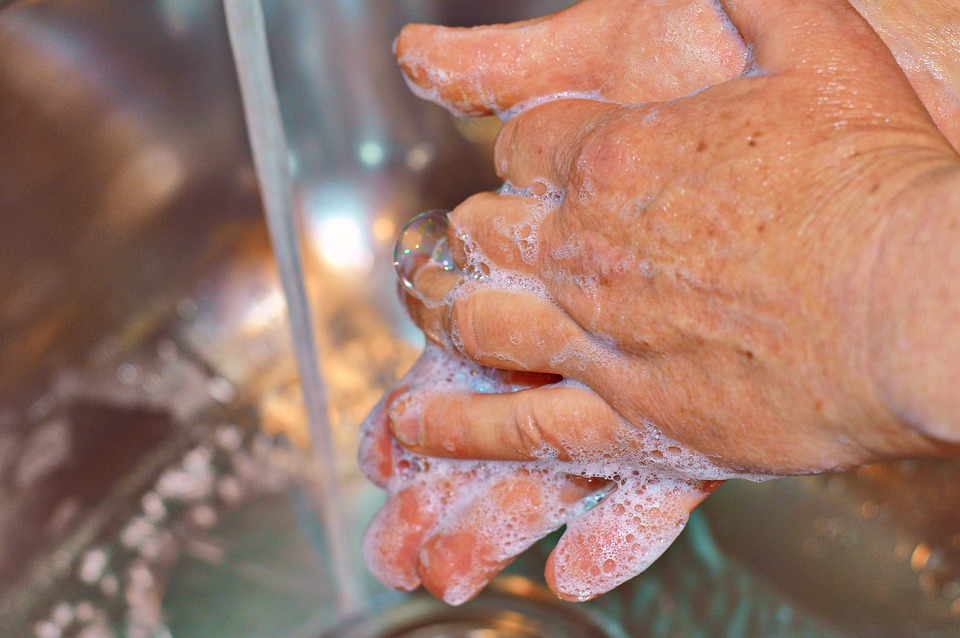
The public was urged to wash their hands when coming home from work, before meals, and when coming inside from the street. They were told to avoid crowds. Wearing masks was encouraged when in public.

These measures seemed to help the cities that followed them early.

Advertisers jumped on the bandwagon. Ads for Lifebouy Soap explained the importance of hand-washing. Some businesses offered no real health benefits yet advertised their products as being recommended for treatments.

With no known cure, doctors gave patients medications they hoped would ease symptoms. Bayer’s 1899 trademark for aspirin expired in 1917. This allowed other companies to produce it. The U.S. Surgeon General had recommended aspirin for the flu. Patients took up to 30 grams a day. Today’s physicians recognize this dosage as toxic—tragically, doctors didn’t know this in 1918. It’s feared that some deaths, originally attributed to the flu, resulted from aspirin poisoning.

There was a shortage of physicians and professional nurses in the fall.

World War I ended in November of 1918. The flu killed more soldiers than battles.

While negotiating the Treaty of Versailles, President Woodrow Wilson collapsed, possibly due to influenza.

January brought a third wave of the pandemic.

When it was finally over in the summer, an estimated 50 million people had died worldwide. Possibly as many as 675,000 of these deaths were in the United States. Because of poor recordkeeping, reports of the actual numbers vary.

-Sandra Merville Hart

Sources

“1918 Pandemic (H1N1 Virus),” Center for Disease Control and Prevention,” 2020/03/28 https://www.cdc.gov/flu/pandemic-resources/1918-pandemic-h1n1.html.

History.com editors. “Spanish Flu,” A & E Television Networks, 2020/03/28 https://www.history.com/topics/world-war-i/1918-flu-pandemic.

“Influenza pandemic of 1918-19,” Encyclopaedia Britannica, 2020/03/28 https://www.britannica.com/print/article/287805.

“’You Must Wash Properly,” Time, 2020/03/28 https://time.com/5810695/spanish-flu-pandemic-coronavirus-ads/.


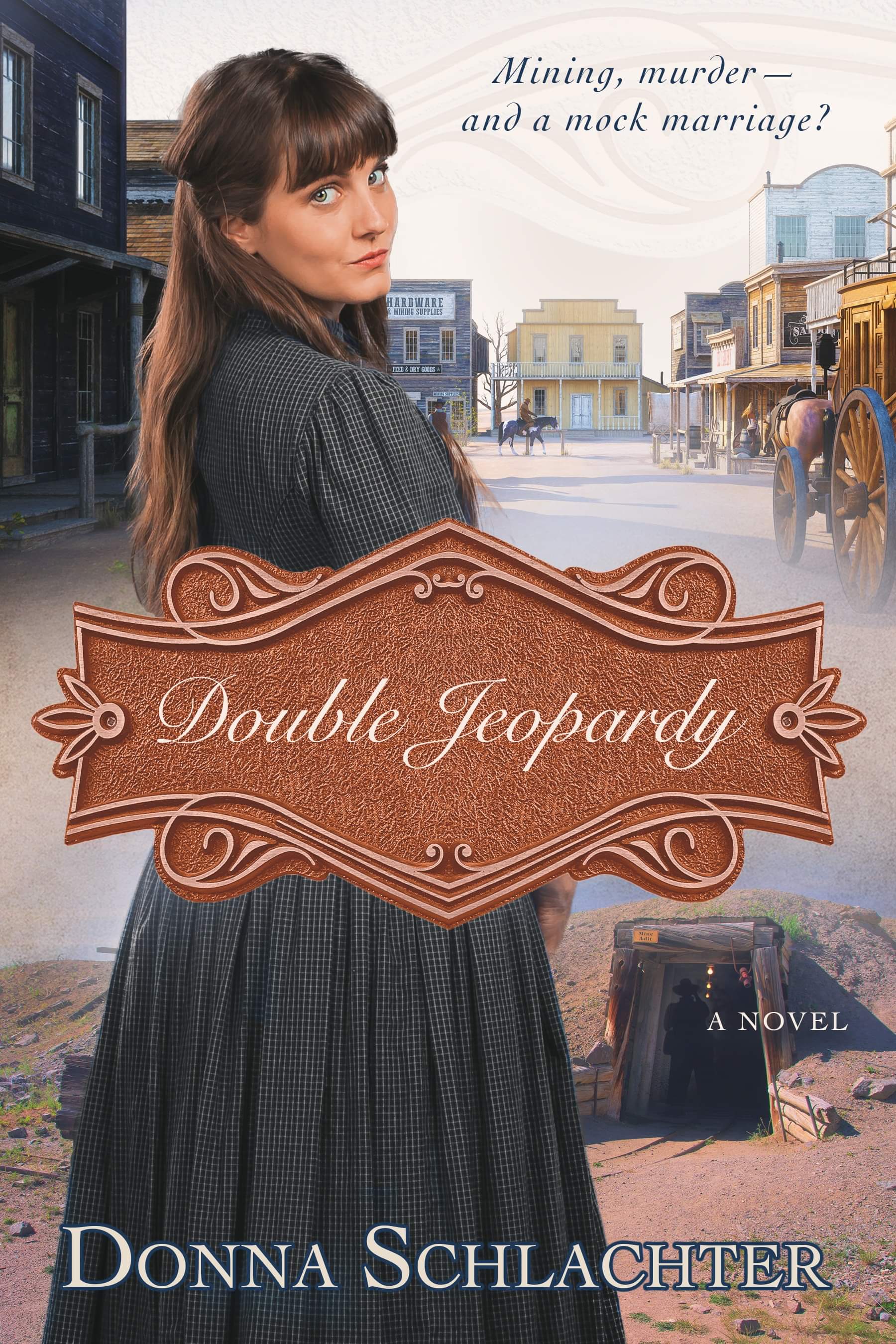
Double Jeopardy – The History Behind the Story

Donna Schlachter, fellow author, shares historical background for her novel. Welcome to Historical Nibbles, Donna!


By Donna Schlachter

When most people think about opening up the Wild West, they picture cowboys, wagon trains, and, of course, the gold rush. And all of those would be true and very important to the reasons why folks left the relative comforts of the East—that being everything east of the Mississippi—to head into the Great Unknown.

Sure, there were many other reasons for the Westward Migration, including the promise of cheap land—or land at all, since so many lived in sharecropper or tenement situations in the east. There were also those scoundrels on the run from the law, and in the years just prior to the setting of my story, 1880, the country went through a civil war. So folks headed west in hope of maintaining slaves, in hopes of escaping slavery, and simply in hopes of escaping the whole war thing.

Some were adventurers, like Becky’s father, who simply couldn’t let a horizon stay in front of him but wanted to see beyond every mountain and every body of water separating him from “over there.”

The Colorado Gold Rush started in 1858 and lasted until around 1861, and brought thousands of miners, ancillary workers such as drovers, liverymen, blacksmiths, prostitutes, saloon keepers, and swindlers. However, apart from a few areas such as Cripple Creek, which saw its biggest mining deep into the 1890s, most of the gold petered out as quickly as it was found.

An interesting tidbit is that silver was discovered because so many were looking for gold. Exactly twenty years after gold was first discovered, silver was found in the area of Leadville and covering a three-hundred-mile swath from the San Juan Mountains to the Foothills west of Denver.

Robert Campbell, in the book, learns of this find, and heads for southwest Colorado, intent on getting in on the ground floor of silver mining in the area. Little did he know that the wealth he counted on would evaporate less than fifteen years later when the government stopped minting silver dollars, a decision that increased gold prices and sent silver prices into the basement.

Double Jeopardy is available at Lighthouse Publishing of the Carolinas, Amazon.com, and fine booksellers in your area.

About Donna:

Donna lives in Denver with husband Patrick. As a hybrid author, she writes historical suspense under her own name, and contemporary suspense under her alter ego of Leeann Betts, and has been published more than 30 times in novellas and full-length novels. She is a member of American Christian Fiction Writers, Writers on the Rock, Sisters In Crime, Pikes Peak Writers, and Christian Authors Network; facilitates a critique group; and teaches writing classes online and in person. Donna also ghostwrites, edits, and judges in writing contests. She loves history and research, and travels extensively for both. Donna is represented by Terrie Wolf of AKA Literary Management.

As a special bonus, Donna is offering a small book of recipes.

Her Newsletter Stay connected so you learn about new releases, preorders, and presales, as well as check out featured authors, book reviews, and a little corner of peace. Plus: Receive a free ebook simply for signing up for our free newsletter!

Connect with Donna on her blog, Facebook, and Twitter.


Grand Canyon National Park

If your family is planning a vacation to Arizona, one of the most beautiful parks in our country is located in that state. The Colorado River carved out a canyon 277 miles long and 18 miles wide that is called Grand Canyon National Park.

When Theodore Roosevelt stood on the rim of the Grand Canyon in 1903, the sight filled him with awe. He said, “It is beyond comparison — beyond description; absolutely unparalleled throughout the wide world.”

The park was established in 1919 and 5,000,000 people visit it every year. It’s known as one of the Seven Natural Wonders of the World.

Six Native American tribes live in or around Grand Canyon:  Hualapai, Havasupai, Navajo, Paiute, Hopi, and Zuni. This is a sacred place for them.

There are many ways to see the Grand Canyon. Some people take mule trips down into the canyon. Plan ahead to ride a mule because the trips fill up way in advance.

There are hour rides and half-day rides. An overnight ride includes a stay at the Phantom Ranch.

Plane and helicopter rides over the Grand Canyon give a birds-eye view of the park’s beauty.

Others take river trips. There are half-day and full-day water trips on the Colorado River or two to five-day trips. Whitewater rafting trips from Lees Ferry to Diamond Creek are professionally guided but plan ahead—these are reserved a year or two in advance.

Tourists may spot mountain lions, bobcats, coyotes, porcupines, bighorn sheep, mule deer, lizards, and frogs in the park. There are hawks, woodpeckers, owls, and the endangered California condor.

The view from the North Rim at Toroweap Overlook, with the Colorado River a 3,000-foot vertical drop away, is breathtaking. Look and listen for the Lava Falls Rapid.

Snap some photos while there. The beautiful photographs here are used courtesy of Photographer Keith Adams.

-Sandra Merville Hart

Sources:

Flynn, Sarah Wassner. National Geographic Kids: National Parks Guide U.S.A., National Geographic Society, 2012.

“Grand Canyon: Associated Tribes,” National Park Service, 2020/04/06 https://www.nps.gov/grca/learn/historyculture/associated-tribes.htm.

“Grand Canyon: National Park, Arizona,” National Park Service, 2014/12/16 http://www.nps.gov/grca/index.htm.

“Grand Canyon: People,” National Park Service, 2020/04/06 https://www.nps.gov/grca/learn/historyculture/people.htm.

“Grand Canyon Tribes,” Grand Canyon Guru, 2020/04/06 https://grandcanyonguru.com/grand-canyon-classroom/grand-canyon-tribes.

McHugh, Erin. National Parks: A Kid’s Guide to America’s Parks, Monuments, and Landmarks, Black Dog & Leventhal Publishers, Inc., 2012.


Early Exploration of the Grand Canyon

Rugged terrain hindered early exploration of the Grand Canyon.

Francisco Vazquez de Coronado and his army weren’t searching for the Grand Canyon when they arrived at the Hopi Mesas in 1540. Their ultimate goal was to find the Seven Cities of Cibola. Hoping that a “great river” would provide water passage to the Gulf of California, Coronado sent about a dozen soldiers under the leadership of Garcia Lopez de Cardenas to find it.

Hopi guides, warned not to give useful tips about the area by their leaders, escorted them to the Grand Canyon—not the Seven Cities of Cibola, but one of the Seven Natural Wonders of the World.

Observing the canyon, possibly from the South Rim, Cardenas and his soldiers accurately estimated it to be 8 – 10 miles to the other side. The Colorado River a mile below appeared about 6 feet wide—it’s actually 300 feet wide and averages a depth of 40 feet within the Grand Canyon.

Though they had found a waterway to the Gulf of California (the Colorado River flows through the Grand Canyon and eventually reaches the gulf,) the wide river and whitewater rapids weren’t the easy route they’d envisioned. These early Spanish explorers never even made it to the canyon floor. Three soldiers made it about a third of the way down the canyon and then realized the river was much wider than it looked from the rim. They climbed back up the rugged terrain and reported that the river wasn’t navigable for their ships. Cardenas and his men returned to their army and reported an impassable barrier.

In 1857, United States War Department government wanted to explore an upriver route from the Gulf of California. Lt. Joseph Ives led an expedition from the Colorado River Delta near the gulf eastward along the Colorado River in the steamboat Explorer, which struck a rock in the rapids below Black Canyon before reaching the Grand Canyon. A skiff transported his party another 30 miles. Then they walked into the canyon at Diamond Creek.

Ives wasn’t impressed with the Grand Canyon, declaring it “altogether valueless.”

Geologist John Strong Newberry, also on expedition, didn’t agree. His talks with Geologist John Wesley Powell sparked that army man’s interest. In 1869, Major Powell, a Civil War veteran, began explorations later known as the Powell Expeditions. Mountain men, Civil War veterans, and ex-trappers accompanied him. Four boats left Wyoming on the Colorado River toward the Grand Canyon. Rapids in the Lodore Canyon cost them equipment and food when one boat sank.

Powell’s next expeditions was more successful and included scientists, a photographer, and an artist. Photographs, illustrations, and systematic notes detailed rock formations and archaeological locations. They generated public interest.

Geologist Clarence Dutton conducted a geological survey in 1880-81.

In 1882, Santa Fe Railroad reached Flagstaff, Arizona. A year later, tourists traveled by stage coach to the Grand Canyon next year.

Nearly 6 million tourists visited the Grand Canyon last year, though it’s a less arduous trip these days!

-Sandra Merville Hart

**Photos courtesy of Photographer Keith Adams.

Sources:

“Colorado River,” Wikipedia, 2020/04/09 https://en.wikipedia.org/wiki/Colorado_River.

“Grand Canyon: People,” National Park Service, 2020/04/06 https://www.nps.gov/grca/learn/historyculture/people.htm.

“Grand Canyon Trivia,” Grand Canyon Expeditions Company, 2020/04/09 https://www.gcex.com/grand-canyon-trivia/.

History.com editors. “Grand Canyon,” History, 2020/04/06 https://www.history.com/topics/landmarks/grand-canyon.

“History of the Grand Canyon,” Wikipedia, 2020/04/06 https://en.wikipedia.org/wiki/History_of_the_Grand_Canyon_area.

“Joseph Christmas Ives,” Wikipedia, 2020/04/09 https://en.wikipedia.org/wiki/Joseph_Christmas_Ives.


Bryce Canyon National Park

Utah’s Bryce Canyon National Park, established on February 25, 1928, is famous for its oddly-shaped spires of rock called hoodoos.

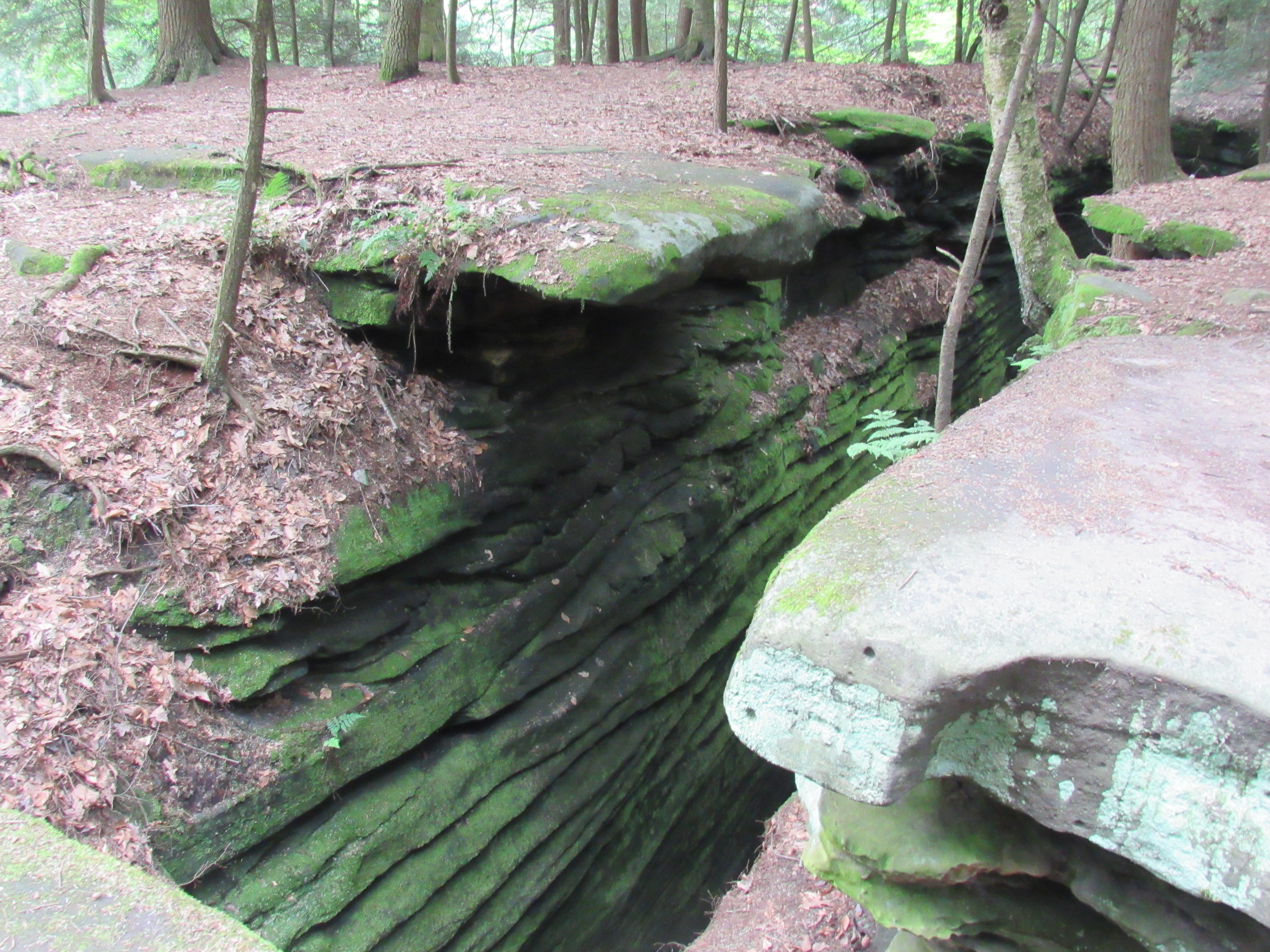
These columns of multi-tinted rock can be as short as a human adult or as tall as a ten-story building. This variation of size and color creates a breathtaking view. The sporadic placement of hoodoos has fashioned natural mazes. Walk or hike them.

The park’s 35,835 acres contain horseshoe-shaped amphitheaters, slot canyons, and hoodoos. Fir-spruce forests and meadows border the rim, which varies from 8,000 – 9,000 feet.

Star-gazers will love the inky night sky at Bryce Canyon, where some 7,500 stars can be viewed without a telescope. Full moons during night hikes light up the hoodoos but you’ll also need headlamps. The park offers astronomy programs, though you must sign up early for them.

The best place to watch the sun rise is at Inspiration Point. The hoodoos turn red, pink, orange, and yellow in the rising sun. Another beautiful view can be found at Bryce Point. Rainbow Point is a nice picnic spot.

The Bryce Canyon Paintbrush is a beautiful, rare flower that only grows in southern Utah.

Fifty miles of hiking trails, ranger programs, horseback rides, and picnic areas offer plenty to do in the summer. Surprisingly, cross-country skiing and snowshoeing are winter activities. There is a free shuttle between Ruby’s Inn and Bryce Point during summer months.

Looking for a place to stay? The park has two campgrounds and there are hotels in cities nearby like Bryce Canyon City and Tropic.

Park visitors may see the endangered Utah prairie dogs pop their heads out of an underground burrow. Other wildlife includes the pronghorn—the fastest land mammal in the United States. These fast runners can reach speeds of 60 mph.

I’m grateful to Photographer Keith Adams for sharing his beautiful photos of the park with us. Thanks, Keith!

-Sandra Merville Hart

Sources:

“Bryce Canyon: National Park, Utah,” National Park Service, 2020/04/06 http://www.nps.gov/brca/index.htm.

“Bryce Canyon National Park,” Utah Office of Tourism, 2020/04/06, https://www.visitutah.com/places-to-go/parks-outdoors/bryce-canyon/.

Flynn, Sarah Wassner. National Geographic Kids: National Parks Guide U.S.A., National Geographic Society, 2012.

McHugh, Erin. National Parks: A Kid’s Guide to America’s Parks, Monuments, and Landmarks, Black Dog & Leventhal Publishers, Inc., 2012.

Palmerlee, Danny; Bendure, Glenda; Friary, Ned; Karlin, Adam; Matchar, Emily; Sainsbury, Brendan. Discover USA’s Best National Parks, Lonely Planet Publications, 2012.


Yellowstone National Park

Yellowstone National Park, the oldest national park in the United States, was selected due to the location’s hot springs, mud spots, and geysers. Established in 1872, 96% of the park is in Wyoming and the rest is in Idaho and Montana.

The park is larger than Delaware and Rhode Island combined. Over 3,600,000 annual visitors come to see around 500 geysers and hot springs. There are more active geysers in the park than anywhere else on earth.

Old Faithful, which erupts at intervals of 60 to 110 minutes, is the park’s best-known geyser. It reaches an impressive height of 106 to 184 feet with eruptions lasting from 1 ½ – 5 minutes.

A fun fact about Old Faithful: in the late 1800s, visitors used the geyser to wash their clothes. They arranged their dirty laundry in the crater and after it erupted the clothes were clean. One problem with this was that it shredded wool clothing. I’m guessing that bachelors took advantage of this convenient way to do laundry!

Though experts don’t expect a major eruption of Yellowstone’s active volcano, it is monitored for the sake of safety.

A surprising number of earthquakes occur in the park each year—from several hundred to thousands. A 4.8 magnitude earthquake occurred on March 30, 2014, the largest since the 1980s. Those in the park and nearby towns felt the tremors.

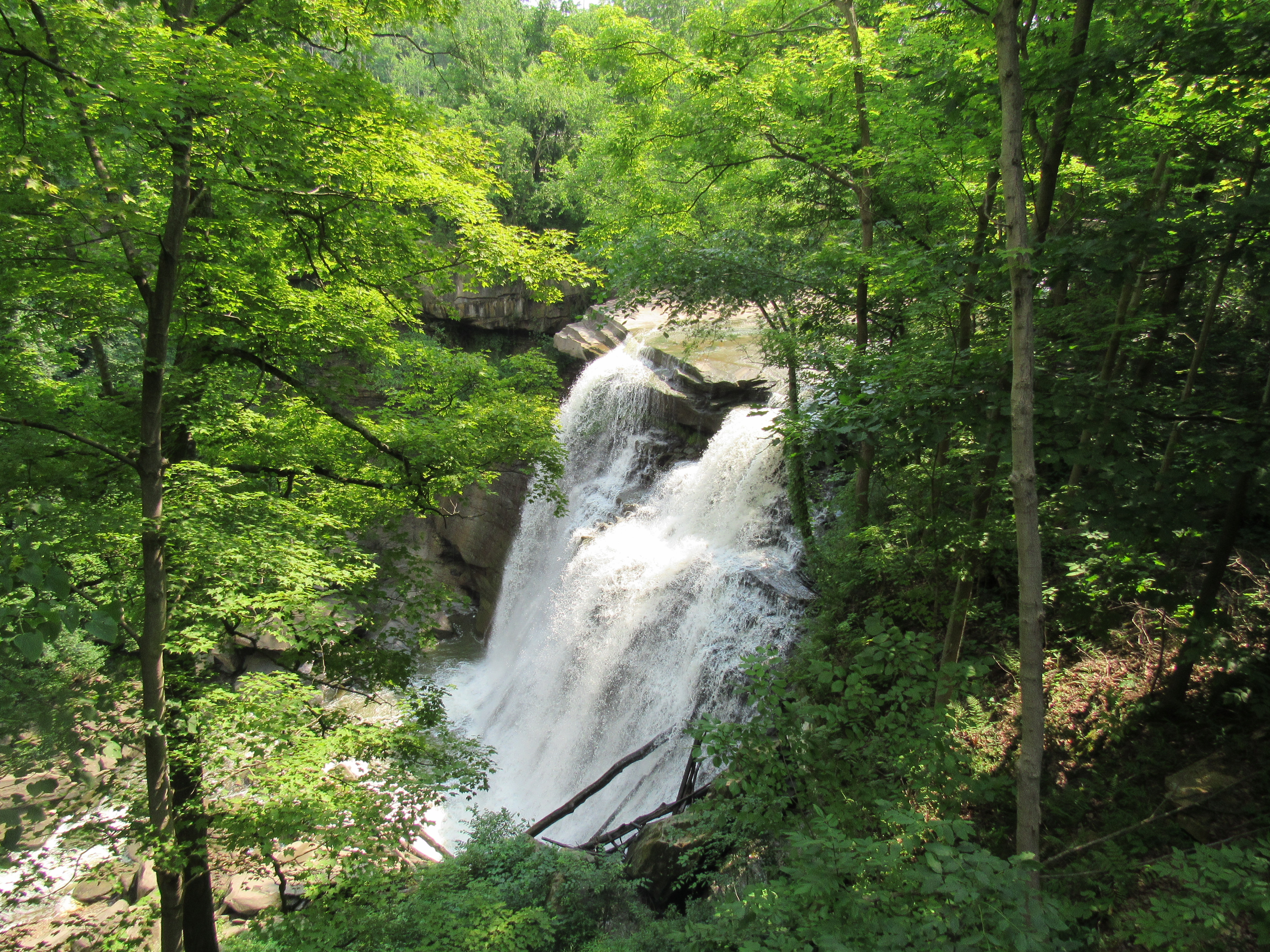
There are almost 300 waterfalls of fifteen feet or higher inside the park. The tallest waterfall, at 308 feet, is Lower Falls of the Yellowstone River.

Elk, mountain lions, trumpeter swans, moose, bison, grizzly bears, and lynx are among the many wild animals who call Yellowstone National Park home.

Have your camera ready to snap a photo. All these beautiful photos are from Keith Adams, photographer. Thanks for sharing them, Keith!

-Sandra Merville Hart

Sources:

Flynn, Sarah Wassner. National Geographic Kids: National Parks Guide U.S.A., National Geographic Society, 2012.

McHugh, Erin. National Parks: A Kid’s Guide to America’s Parks, Monuments, and Landmarks, Black Dog & Leventhal Publishers, Inc., 2012.

Palmerlee, Danny; Bendure, Glenda; Friary, Ned; Karlin, Adam; Matchar, Emily; Sainsbury, Brendan. Discover USA’s Best National Parks, Lonely Planet Publications, 2012.

“Yellowstone: Geology,” National Park Service, 2020/04/06 https://www.nps.gov/yell/learn/nature/geology.htm.

“Yellowstone: National Park, ID, MT, WY,” National Park Service, 2014/12/16 http://www.nps.gov/yell/faqs.htm.


Faith and Romance on the Frontier Facebook Party

You’re invited to a Facebook Party for Smitten Frontier books!

Come and join the authors of Smitten Historical Romance to welcome Spring as they discuss their books, have a few games and giveaways, and more! Find a new favorite book, and learn a bit more about the authors behind them.

I am one of the nine authors you can meet on April 10th at an online Facebook party from 3 – 8 pm EDT.

I will be talking about Trail’s End, my novella in The Cowboys, Smitten Historical Romance Collection.

Wade Chadwick has no money until his boss’s cattle sell, so he takes a kitchen job at Abby’s Home Cooking. The beautiful and prickly owner adds spice to his workday. Abby Cox hires the down-and-out cowboy even though the word cowboy leaves a bad taste in her mouth. Just as she’s ready to trust Wade with her heart, money starts to disappear … and so does her brother.

I’ll also discuss A Rebel in My House, my Civil War romance set during the tragic Battle of Gettysburg.

When cannons roar outside Sarah Hubbard’s Gettysburg home, a heart-wrenching decision to help a wounded Tennessee soldier leads to more trouble than she imagines, especially when she falls in love with Jesse. He has promised his sister-in-law he’d bring his brother home from the war. Sarah promises her sister she’d stay clear of Jesse. Can the two keep their promises amid a war bent on tearing their country apart?

Authors attending are Jodie Wolfe, Denise Weimer, Donna Schlachter, Cindy Regnier, Linda Yezak, Sandra Merville Hart, Cindy Ervin Huff, and Naomi Musch. If you’re a writer interested in talking to an editor, there’s even an “Ask the Editor” segment!

My specific slot is 5:30 – 6:00. Here’s the link: (PLEASE NOTE-the link has changed to a Facebook group)

https://www.facebook.com/groups/244736866699446/

The grand prize is a $50 Amazon gift card! There will be other prizes. Hope you can join us!

-Sandra Merville Hart

10 Family-Friendly Things to do During our Stay-At-Home

Many of us are staying at home right now. We are working from home while our children are off from school.

In thinking of positive things to do during this time, I’ve already washed my curtains and plan to do some spring cleaning as time allows, but let’s have fun with our loved ones while soccer practices and dance lessons are cancelled.

Here are a few ideas:

1) Movie night

Take turns selecting movies so that everyone gets into the fun while making sure that the show is appropriate for each person in the room. Don’t forget the popcorn!

2) Themed dinner nights such as:

Meatloaf Monday or burgers

Taco Tuesday

Wacky Wednesday can be hodge-podge meal of menu items that don’t normally go together like Spaghetti and peanut butter sandwiches. Ask your children for ideas—they’ll be creative!

Thermal Thursday—spicy dishes or soup and sandwiches

Fish Friday

3) Puzzles

Put up your card table, if possible, so that you can leave the puzzle out for a few days depending on how fast you work.

4) If your budget allows, order carryout meals for your family. Pizza, chicken, burgers, wings, and sandwiches will be a treat and will also help our favorite restaurants make it through these challenging times.

5) Board game night

Many of us have a few board games on a shelf. Dust them off and plan a fun game night. Take turns allowing each person—no matter their age—to select the next game. Doing this helps with grumbling because each one knows their turn is coming to select a game.

6) Make dessert together.

Do you have a delicious chocolate cake recipe? Does you banana bread always get compliments? Do your children love your chocolate chip cookies? Invite them to bake a batch with you. It may be messy but messes can be cleaned. The fun your children have creating their favorite dessert is worth biting your tongue and keeping the atmosphere light and happy.

7) Video game night

Remember those video games in your cabinet? Why not use them in that gaming system none of you have thought of for months? Take turns playing each one’s favorites.

8) Silly Saturday—have some silly fun with your family!

a. Wear pajamas all day

b. Eat breakfast food for supper

c, Crazy hair day—on purpose!

d. Ask your children for silly ideas and select one.

9) Stay active!

a. Enjoy some fresh air and sunshine. If possible, play in the yard. Sit on your balcony or porch. Walk in the park if it’s open, maintaining social distance.

b. Create dance steps to your favorite song. Involve as many family members as possible. Consider input from everyone in the home. Practice the steps and then take a video. Share it if you like. Your video will encourage others.

c. Many of us have exercise DVDs tucked away in the cabinet. Pull them out and do one daily.

10) Read a book!

This is the perfect time to curl up with a good book. If you want new selections, it’s very easy to buy print books and eBooks. Authors are small businesses too.


Many churches are live-streaming worship services so this will help us stay connected to others too.

I hope this list sparked ideas for fun activities with your family. I’d love to hear about it if you’d like to share.

I am saying a prayer for the health and safety for all my loved ones. If you’re reading this, you’re included! Stay safe and healthy. Love to all.

-Sandra Merville Hart

Transplanted Tree at the Alamo

My husband and I traveled to San Antonio, Texas, last year. While there, we visited the Alamo. In addition to the historical significance of the battle fought there in 1836, we walked through its beautiful gardens.

One of the trees caught my eye. The oak tree had been transported in 1912. What makes that more significant is that the large tree was already forty-years-old at the time! The tree has been alive since 1872.

In 1912, Walter Whall accomplished a feat by moving a large tree. He carefully dug up the tree and removed dirt from the roots. It was loaded onto a cart. Four mules pulled the heavy tree through the streets. Avoiding knocking against telegraph and power lines were Whall’s greatest challenge with the transport.

The Alamo Live Oak has flourished in the Alamo’s courtyard for 108 years. Sitting beside an abandoned well, heavy limbs rest against the ground at points and then reach toward the sky again.

The tree’s circumference measures 12 feet, 9 inches and it stands at just over 39 feet. An impressive history for a tree that somehow demands notice.

May it thrive another 148 years.

-Sandra Merville Hart

Sources

Maeckle, Monika. “Heritage Tree: Live Oak at the Alamo,” Rivard Report, 2020/01/03

Heritage Tree: Live Oak at the Alamo


Rico, Sharon. “Remember the Alamo (and its gardens),” Daily Republic, 2020/01/03 https://www.dailyrepublic.com/all-dr-news/solano-news/local-features/local-lifestyle-columns/remember-the-alamo-a-visit-to-its-gardens-colorful-worthwhile/.


The Battle of the Alamo

The Alamo, originally Mission San Antonio de Valero, was built as a Spanish mission in the 1700s and later was used by the Spanish as a fort. They called it the “Alamo,” a word for a poplar tree, especially the cottonwood trees growing in the area.

In 1835, the area which is now Texas was under Mexican rule. American pioneers were allowed to own land there if they were Catholic. Some converted to purchase the land yet remained Protestant in practice.

Leading up to this time, Mexico had gained independence from Spain and then changed Presidents several times. President General Antonio Lopez de Santa Anna was the current leader. There was a lot of unrest and Texans wanted their freedom.

Two hundred Texas volunteers attacked Mexican troops in San Antonio de Bexar under General Martin Perfecto de Cos and at the Alamo a quarter mile away on December 5, 1835. Cos surrendered, signing documents that gave all the arms, public property, and money in San Antonio de Bexar to the Texans and left. Some of the Texas volunteers moved into the fort while others went home.

Santa Anna marched his army (historical accounts vary on whether he had 1,500 or 8,000 soldiers) toward the Alamo in retaliation.

Anticipating the coming attack, Lieutenant Colonel William B. Travis and Colonel James Bowie took command of the Alamo by February. Though there was friction between the two leaders, Bowie led the volunteers and Travis commanded the regular army.

Travis sent repeated letters requesting men and supplies. The well-known David Crockett and 14 Tennessee Mounted Volunteers were among the few men who arrived at the Alamo in advance of the battle. By the time  Santa Anna’s army began cannon and rifle fire on February 23, 1836, about 180 – 190 men protected the Alamo.

Texans bravely held their ground for 13 days. At dawn on March 6th, they held off the first two charges by Santa Anna’s army. On the third charge, they went over the walls. Santa Anna’s orders were to take no prisoners. It was hand-to-hand combat but the Texan soldiers, being outnumbered, were killed. There were only a few survivors—a few family members of the soldiers.

There were casualties in the Mexican army. Many historians estimate this number at about 600.

While this was a great tragedy, the battle bought time for Sam Houston’s 800 men to be ready to fight Santa Anna at San Jacinto on April 21, 1836, where they captured Santa Anna and defeated his army. That battle guaranteed the independence of Texas.

As they fought, Houston’s men shouted, “Remember the Alamo!”

-Sandra Merville Hart

Sources

“Battle of the Alamo,” Wikipedia, 2020/01/03 https://en.wikipedia.org/wiki/Battle_of_the_Alamo.

History.com Editors. “The Alamo,” A&E Television Networks, 2020/01/03 https://www.history.com/topics/Mexico/alamo.

Nelson, Ken. “US History: The Battle of the Alamo for Kids.” Ducksters, Technological Solutions, Inc. (TSI), http://www.ducksters.com/history/us_1800s/battle_of_the_alamo.php. Accessed 3 January 2020.

Paul, Lee. “The Alamo: 13 Days of Glory,” HistoryNet, 2020/01/03 https://www.historynet.com/battle-of-the-alamo.