The Most Heroic Union Regiment in the Civil War

Today’s post was written by fellow author, Tamera Lynn Kraft. Welcome back, Tamera!

When I was asked to join the group of authors writing Murray Pura’s Cry of Freedom Anthology celebrating the anniversary of the Civil War, I knew what I wanted to write about. I’d researched the Ohio Seventh Volunteer Regiment for another novel I wrote and fell in love with them.

The Ohio Seventh was a regiment from northeastern Ohio that enlisted as soon as the Civil War began for a three-year term. During their tenure, they fought in many major battles including Gettysburg, Cedar Mountain, Lookout Mountain,  and Missionary Ridge. They are considered by many historians as the most heroic regiment.

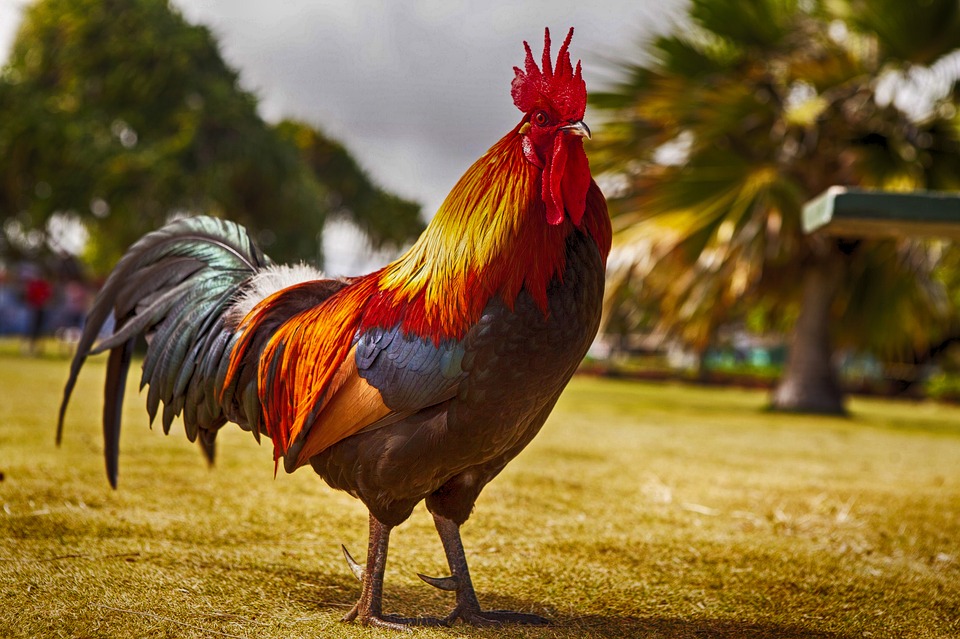
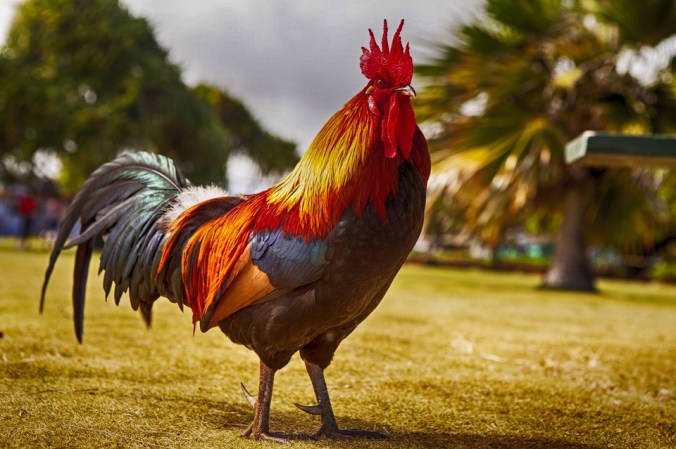
The Ohio Seventh was sometimes called the Rooster Regiment because, when they went into battle, they crowed like roosters. They were also known for their temperance. The leader, Colonel Creighton, was a Christian and didn’t allowing drinking, gambling, or soliciting prostitutes among the ranks. One company of the regiment came from Oberlin College. Oberlin was known for its abolitionist views and religious fervor. Charles Finney, the president of the college, had been one of the preachers of the Second Great Awakening. Because most of the regiment strived to live Christian lives even in the midst of war, they were also sometimes called the Praying Regiment.

Even with all their victories, the regiment came home after three years feeling defeated. Their last major battle, Ringgold Gap, was their worst. After two days of victories in Lookout Mountain and Missionary Ridge, the Seventh was ordered to chase the Confederate soldiers to Ringgold Gap. The Confederates stopped running and set up an ambush. Many were killed in the last battle including Colonel Creighton, their leader. Colonel Creighton died while trying to rescue Lieutenant-Colonel Crane, the man who had been his close friend. Both men died. When the battle was over, every officer in the regiment except four were wounded or killed along with many enlisted men. Colonel Creighton, who was loved by his men, left a young widow he had married a few days before the war. Very few of the men who were left reenlisted.

Soldier’s Heart

After returning home from the Civil War, will his soldier’s heart come between them?

Noah Andrews, a soldier with the Ohio Seventh Regiment can’t wait to get home now that his three year enlistment is coming to an end. He plans to start a new life with his young wife. Molly was only sixteen when she married her hero husband. She prayed every day for him to return home safe and take over the burden of running a farm.

But they can’t keep the war from following Noah home. Can they build a life together when his soldier’s heart comes between them?

Available on Amazon Kindle, Kobo Reader, and Barnes & Noble Nook.

Bio:

Tamera Lynn Kraft has always loved adventures. She loves to write historical fiction set in the United States because there are so many stories in American history. There are strong elements of faith, romance, suspense and adventure in her stories. Her novella, Soldier’s Heart, is featured in From the River to the Lake Anthology. Her newest novel, Red Sky Over America is Book 1 of the Ladies of Oberlin series and will be re-released in September, 2018.

Tamera has been married for 39 years to the love of her life, Rick, and has two married adult children and three grandchildren. She has been a children’s pastor for over 20 years. She is the leader of a ministry called Revival Fire for Kids where she mentors other children’s leaders, teaches workshops, and is a children’s ministry consultant and children’s evangelist and has written children’s church curriculum. She is a recipient of the 2007 National Children’s Leaders Association Shepherd’s Cup for lifetime achievement in children’s ministry.

Connect with Tamera on her website,  Word Sharpeners Blog,  Facebook,  and Twitter.
 

1870s Treatment for Baldness

I’m always searching for interesting or little-known tidbits from our past. I found treatments for baldness in an 1870s cookbook that I’d love to share.

Caution: These were treatments or cures from 140 years ago. I’m not a medical professional and make no claims to how well they work nor am I advising anyone to try them.

According to the 1870s writer, hair loss indicates a scalp disease. The cure? Dip the head into cold water twice daily then rub with a brush until it glows.

If the hair is too long to rub with a brush:

  • Make a wash of 3 drachms (1 drachm = 1/8 ounce) pure glycerin and 4 ounces of limewater. (Limewater is a diluted solution of calcium hydroxide. It has nothing to do with the fruit.)
  • Brush hair until it glows.
  • Rub the glycerin/limewater wash into the roots.
  • After using this solution for 2 to 3 weeks, add ½ ounce of tincture of cantharides to it. (Warning for modern-day readers: Cantharidin is poisonous if taken internally. It’s considered an extremely hazardous substance. Further, Scientific American warns that it injures the hair and “should never be used.”)
  • Treat the area with this solution once or twice daily. If the area grows tender, stop using.

If the baldness is in spots, dip a soft toothbrush in distilled vinegar and brush the area twice daily.

This information is passed along for the entertainment of my readers. If you read this in one of my historical novels, you’ll know where I found the information!

-Sandra Merville Hart

Sources

Compiled from Original Recipes. Buckeye Cookery and Practical Housekeeping, Applewood Books, 1877.

“Cantharidin,” Wikipedia.com, 2018/07/29 https://en.wikipedia.org/wiki/Cantharidin.

“Drachm,” Oxford University Dictionary, 2018/07/29

https://en.oxforddictionaries.com/definition/drachm.

“Hair Tonic,” Scientific American, 2018/07/29 https://www.scientificamerican.com/article/hair-tonic-1853-06-04/.

“Limewater,” Wikipedia.com, 2018/07/29 https://en.wikipedia.org/wiki/Limewater.

Cleaning Up After the 1913 Great Miami River Flood

Cleaning up after The Troy Flood of 1913  was a massive effort on the part the townspeople.

The small Ohio city received about ten inches of rain in March of 1913 that flooded Troy. After the floodwaters from the Great Miami River and the Miami and Erie Canal receded, it left a muddy trail.

Citizens received warnings from the Board of Health about contaminated water. To avoid diseases left behind, they were not to return to their homes until water receded from their cellar. Wet wallpaper was to be removed.

Cleaning walls and floors with slacked lime killed mildew and mold. Troy’s Mayor John McClain requested two railroad cars of lime from the Ohio governor, James Cox.

The diseases were real. Troy citizens suffered through a typhoid epidemic the summer after the flood, said to have been caused by contaminated wells. Some died of the disease in late summer and early fall.

The characters in my novella, Surprised by Love, lived through the 1913 Troy flood. They tore down wallpaper. They cleaned with slacked lime.

They weren’t alone in this chore. Many in Troy and surrounding towns and cities along the Great Miami River also had massive cleaning after the flood.

-Sandra Merville Hart

Sources

American Heritage® Dictionary of the English Language, Fifth Edition. S.v. “slaked lime.” Retrieved July 21 2018 from https://www.thefreedictionary.com/slaked+lime.

Troy Historical Society. Images of America: Troy and the Great Flood of 1913, Arcadia Publishing, 2012.

Surprised by Love is Sandra’s novella in From the Lake to the River Collection (Mt. Zion Ridge Press, September 2018) that releases September 1st! Nine Ohio authors have written stories set in Ohio.

Surprised by Love is set during the 1913 flood in the small city of Troy, Ohio, where ordinary people courageously met the danger. Heroes are born at such a time.

Lottie’s feelings for an old school crush blossom again during the worst flood her town has endured in years.

 Lottie shoulders the burden for her siblings since their mother’s death. She also cares for the boarders in her home who need her assistance as much as her siblings. Dreams of Joe, her schoolgirl crush, must be put behind her. When the flooding river invades not only the town of Troy but also her home, Lottie and her family need to be rescued.

Desperate circumstances throw Joe and Lottie together. Can tragedy unite the couple to make her long-buried dream of winning his love come true?

The collection, From the Lake to the River, is available for preorder on Amazon!


New Release-Audiobook for A Rebel in My House!

I’m thrilled to announce the release of an audiobook for my Civil War romance, A Rebel in My House!

Tom Campbell, the narrator, does a fantastic job of drawing in listeners with his storyteller style. The novel is set during the turbulent days of the Battle of Gettysburg. when the War Between the States came to a small borough in Pennsylvania.

A Novel of Love and Sacrifice set during one of our nation’s most famous battles

Jesse has promised his sister-in-law that he’d bring his brother home from the war. Sarah has promised her sister that she’d stay clear of the enemy. Can the two keep their promises amid a war bent on tearing their country apart?

Buy it today on Amazon!

The Miracle Women of WWII

Today’s post is written by fellow author and sweet friend, Carole Brown. Welcome back to Historical Nibbles, Carole!

World War Two was raging across the seas. Women were lining up to answer the United States call for help in the factories. Patriotism and loyalty flew high and strong. They were determined to do their part, not only for their military men, but also for their country. Rosie, the Riveter was an encouraging figure for mothers, wives and women everywhere to do their duty.

Housing at times, for the women in certain parts of the country, was hard to find. Many of them shared beds, one going to work as the other went to sleep. The patriotic appeal had two aspects: The positive: “do your part” and the negative: “a soldier may die if you don’t do your part.” The Germans and Japanese already had a headstart on weaponry, so the pressure—as the war continued—increased as time went by. Stockings, certain fabrics, metals, etc. were all sacrificed.

Abigail, the young wife in Christmas Angels, is a mother to Sarah Beth, her baby. In the top apartment of a boarding house filled with elderly and middle-aged people, she spends her days caring for her daughter. But when the checks from Patrick, her husband, cease coming, when the letters aren’t in the mail box, and the bills are piling up, what is she to do? Prayers are shakily breathed to God, but the reader can easily sense her doubts and timid faith. Her mother called her a failure but her husband had always called her strong and brave. Was it wrong to fear the unknown?

Is she strong enough to get through her fears and doubts? What happens that gives her the courage to carry on? Miracles do happen, but does one occur for Abigail?

–Carole Brown

Carole’s Short Story Christmas Angels in From the Lake to the River:

Her mother called her a failure, and maybe she was. Her husband was gone—in the service, yes, but if he loved her—really loved her, why didn’t he write? Or call? Or send the money she needed?

She loved this sweet little bundle of joy—her baby—but she was scared. Was she smart enough and strong enough to raise her?

Watch for this book’s release on September 1st!


Bio:

An author of ten books, Carole Brown loves weaving suspense and tough topics into her books, along with a touch of romance and whimsy. She and her husband have ministered and counseled nationally and internationally. Together, they enjoy their grandsons, traveling, gardening, good food, and the simple life.


Buy Link:

Amazon Author Page


Announcing Next Book Release for Sandra Merville Hart


I’m thrilled to announce my next book release! From the Lake to the River: Buckeye Christian Fiction Authors 2018 Anthology releases on September 1, 2018.  Nine Ohio authors writing novellas/short stories set in Ohio. What fun to be part of this anthology!


My novella in the collection, Surprised by Love, is set during the 1913 Great Miami River Flood in Troy, Ohio. Here’s a blurb about my story:

Lottie’s feelings for an old school crush blossom again during the worst flood her town has endured in years.

Lottie shoulders the burden for her siblings after their mother’s death. Her seventeen-year-old brother’s disobedience troubles her, especially since she also cares for the boarders in their home. When the flooding river invades not only the town of Troy but also her home, Lottie and her family need to be rescued. 

Desperate circumstances throw Lottie and Joe, her schoolgirl crush, together. Can tragedy unite the couple to make her long-buried dream of winning his love come true?

And there are eight other stories in the anthology!

“Whether you like romance, young adult, women’s fiction, a touch of mystery or danger, some humor, some holiday cheer, a second chance at love, set in Ohio’s colorful history or the present–there’s something for nearly everyone in this collection.”-per the Editor at Mt. Zion Ridge Press, Publisher.

The collection From the Lake to the River is available for preorder on Amazon!


Another Award for A Rebel in My House


I’m thrilled to announce that A Rebel in My House celebrated its first birthday with another award!


This novel set during the turbulent Battle of Gettysburg won 2nd place in this contest and was named 2018 Finalist Faith Hope & Love Reader’s Choice Award.


This is the novel’s second award–the first was the 2018 Illumination Silver Award. Here’s a bit about the story:

When the cannons roar beside Sarah Hubbard’s home outside of Gettysburg, she despairs of escaping the war that’s come to Pennsylvania. A wounded Confederate soldier on her doorstep leaves her with a heart-wrenching decision.

Separated from his unit and with a bullet in his back, Jesse Mitchell needs help. He seeks refuge at a house beside Willoughby Run. His future lies in the hands of a woman whose sympathies lay with the North.

Jesse has promised his sister-in-law he’d bring his brother home from the war. Sarah has promised her sister that she’d stay clear of the enemy. Can the two keep their promises amid a war bent on tearing their country apart?


Top of the Rock, Branson


In May, 2015, heavy rains in the Ozarks created a large sinkhole—40 feet deep and 70 feet across. This occurred at Big Cedar Lodge and Top of the Rock Golf Course, located a few miles south of Branson, Missouri.

The sinkhole created a beautiful landmark now known as Cathedral of Nature or simply Cathedral. It is awe-inspiring.

John L. Morris, owner of the property and founder of Big Cedar Lodge, is a conservationist. A big dig is underway.  Morris is exploring, hoping to find a secret passageway and a large system of caves.

Excavations crew have removed dirt and rock. The original 70-foot wide sinkhole is now 350 feet across. The depth of 40 feet has been expanded to 200 feet. Gorgeous!

Visitors can ride a golf cart through the Lost Canyon Cave and Nature Trail.

The Sunset Ceremony was a highlight of a recent family vacation for me. A bagpiper plays as the sun sets. A Civil War cannon fires as the sun dips over the horizon. Simply beautiful.

We visited the church next to the sinkhole. A floor-to-ceiling window on the main floor faces the valley. The view of the water nestled in a tree-lined valley was breathtaking at sunset.

My family loved this place. Consider adding this stop to your trip if you are in the Branson area on vacation.

-Sandra Merville Hart

Sources

“Welcome to the Top of the Rock,” Top of the Rock, 2018/06/18 http://www.topoftherock.com/.

Eureka Springs, Arkansas–A Fun Way to Spend a Day

Christ of the Ozarks

A family trip to Branson, Missouri, led us to spend a day in Eureka Springs, Arkansas. The quaint, historical feel of the older part of town made me glad we’d made the hour’s drive.

Folks had already discovered healing properties in the springs by the founding of the city on July 4, 1879. Using the spring’s waters, Dr. Alvah Jackson treated and cured his son’s eye ailment in 1856. The doctor also cared for wounded soldiers during the Civil War. After the war, a few Confederate soldiers recuperated near the springs.

Though the town started with tent dwellings and shanties, thousands visited Eureka Springs for the healing springs.

Visitors still flock to the city today. There are many specialty shops in historical downtown. We arrived around noon ready to dine at our favorite restaurant, Mud Street Café. Since it was closed that day, we enjoyed lunch at the balcony restaurant at the Basin Park Hotel. The hotel opened in 1905.

After lunch, we shopped before heading to Thorncrown Chapel a few miles away. What a beautiful spot! Built in 1980, the chapel has 425 windows—6,000 square feet of glass. Nestled in the woods, the chapel and its surroundings filled me with a serene sense of peace.


Then we drove to an area where the Passion Play is enacted from May to October. (Check the schedule for dates and times.) The Christ of the Ozarks is there, standing 67 feet high. Impressive sight!

We’ll have to return to attend The Great Passion Play. I’ve heard it’s worth the trip.

All in all, a fun place to spend a day.

-Sandra Merville Hart

Sources

“Eureka Springs History,” Eurekasprings.com, 2018/06/18 https://www.eurekasprings.com/historical/.

“Thorncrown Chapel,” Thorncrown Chapel, 2018/06/18 https://thorncrown.com/.

Battle of Gettysburg: Lee’s Long Line of Ambulances

Ambulance outside Lutheran Seminary, Gettysburg.

Confederate General Robert E. Lee’s plan to transport thousands of wounded soldiers after the Battle of Gettysburg was a daunting task. He ordered General John Imboden to lead them to Cashtown before heading south to Williamsport, Maryland. When they reached Williamsport, they paused for a break. Once men and horses rested, they resumed their journey back to Virginia.

The ambulance wagon train stretched for 27 miles.

Tragic.

And 7,000 Confederate soldiers, wounded too severely to travel, were left behind in Gettysburg. Characters in my novel set during the Battle of Gettysburg, A Rebel in My House, had to deal with this issue.

Conservative estimates for Confederate wounded number around 13,000. Other sources report over 18,000. Either way, 27 miles of ambulances means a distressing number of injured soldiers traveled south, groaning in agony as rickety wheels jostled them over rutted dirt roads.

I wondered how many ambulance wagons might have been required and thought it might be fun to try to figure it out.

Ambulance outside of Lutheran Seminary, Gettysburg.

Many models in use at the time were 10 feet long or 10 feet, four inches. The heavier wagons required 4 horses to pull them while lighter ones needed only 2.

Some carried 10 patients—4 prone and 6 seated. The driver and 2 patients sat on a closed chest holding medical supplies.

A lighter model carried 5—15 wounded, depending on how many needed to lie prone for the journey.

It seems almost certain—with the number of wounded requiring transportation to Southern hospitals—that folks squeezed onto wagons meant to hold fewer men.

I confess that I got lost trying to figure the length of an average horse—it seems the larger horses are about 6 feet long. An ambulance 10 feet in length with a two-horse team might require about 20 feet. A four-horse team and wagon might need 30 feet.

Allowing 30 feet for each wagon to estimate how many ambulances might have been in this ambulance train … a staggering 4,752 wagons. The actual count was probably less because some patients with minor injuries walked.

Some ambulances held only 5 patients. If folks had to travel in a laying down, less patients could ride with them.

7,000 were left in Gettysburg. Going with the highest estimate of 18,000+, some 11,000 wounded traveled south. That means 2-3 folks traveled in each wagon.

If we allow 50 feet of space for each wagon, there are about 2,851 or 3-4 patients per wagon. If this is true, then lots of soldiers were in bad shape along the way. Possibly greater numbers of slightly injured weren’t included in the total count.

Has anyone run across this in their research?

-Sandra Merville Hart

Sources

“Battle of Gettysburg,” Encyclopeadia Britannica, 2018/06/15 https://www.britannica.com/event/Battle-of-Gettysburg.

“Battle of Gettysburg,” HistoryNet, 2018/06/15 http://www.historynet.com/battle-of-gettysburg.

“Battle of Gettysburg Facts,” Stone Sentinels, 2018/06/15 http://gettysburg.stonesentinels.com/battle-of-gettysburg-facts/.

“Civil War Ambulance Wagons,” Civil War Home, 2018/06/17 http://www.civilwarhome.com/ambulancewagons.html.

Compiled by Editors of Combined Books. The Civil War Book of Lists, Da Capo Press, 1994.

Edited by Kennedy, Frances H. The Civil War Battlefield Guide, Houghton Mifflin Company, 1990.

“Gallery: Field Medicine,” Trans-Mississippi Theater Virtual Museum, 2018/06/17, http://www.civilwarvirtualmuseum.org/medicine/field-medicine/ambulance.php.

Long, E.B and Long, Barbara. The Civil War Day by Day: An Almanac 1861-1865, A Da Capo Paperback, 1971.

Sheldon, George. When the Smoke Cleared at Gettysburg: The Tragic Aftermath of the Bloodiest Battle of the Civil War, Cumberland House, 2003.