Civil War Battle of Gettyburg’s Numbers

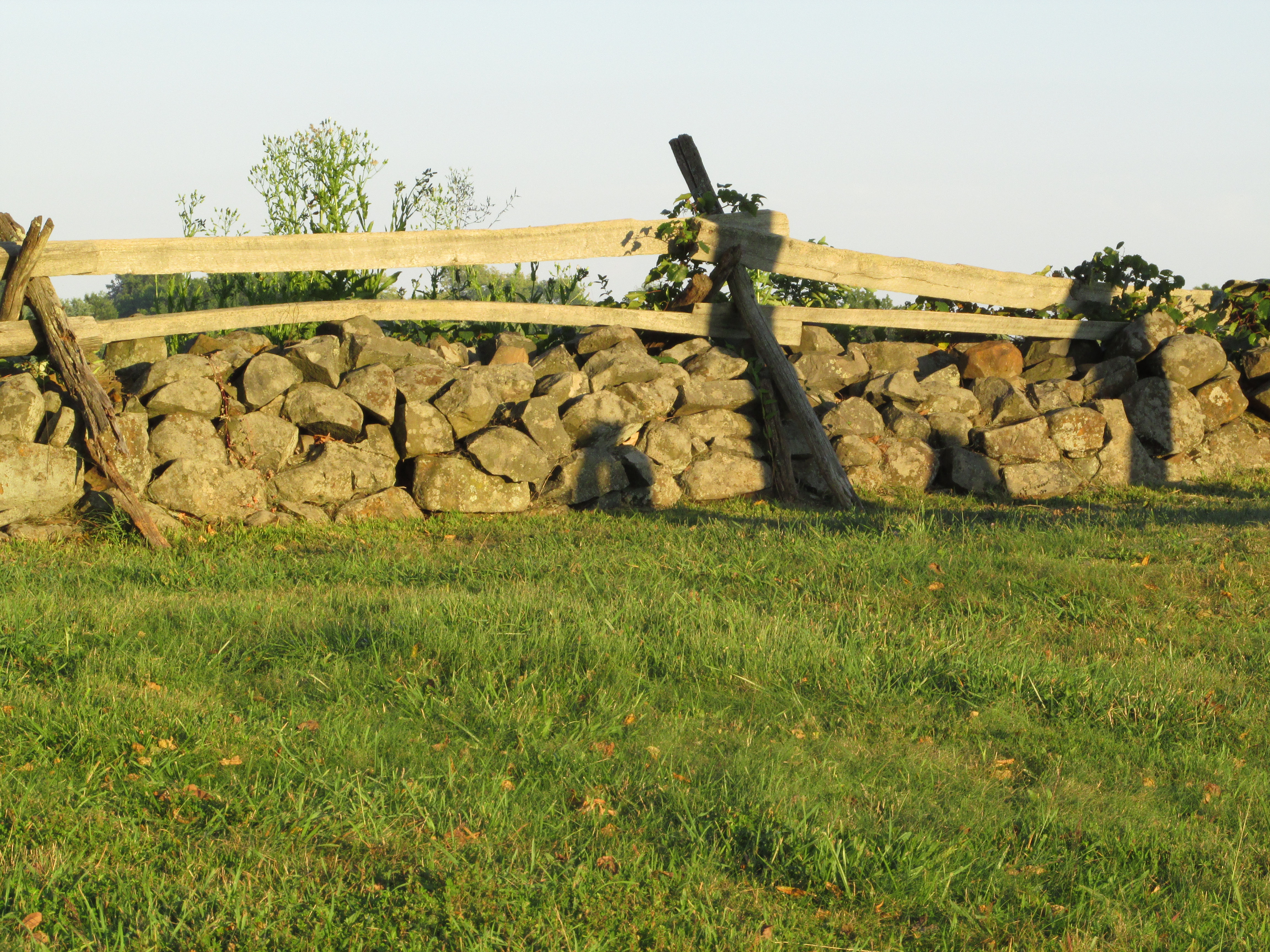
Post and rider fence common around Gettysburg in 1863 — at Gettysburg Battlefield


 With the July 1st—3rd anniversary of the Battle of Gettysburg approaching, I thought it would be fun to dig into some “number” facts pertaining to the battle.

How many soldiers fought in the famous Pennsylvania battle?

Sources disagree on this number due to inaccurate, incomplete, and missing records.

HistoryNet

 82,289 Union soldiers

75,000 Confederate soldiers

157,289 Total

Stone Sentinels

93,700 Union

 70,100 Confederate

163,800  Total

Book of Lists

93,693 Union (Corps Strength)

 70,136 Confederate (Corps Strength)

163,829 Total

Some sources reported round numbers:

Encylopaedia Britannica

94,000 Union

 71,000 Confederate

165,000 Total

The Civil War Battlefield Guide    

170,000+ soldiers fought

When the Smoke Cleared At Gettysburg

172,000+ soldiers fought

As you can see, some of these numbers are very close. The difference between the lowest and highest estimates is 14,711.

How many casualties did both sides suffer?

We first have to understand that casualties were broken down as follows: Killed, Wounded, and Missing. Sources also disagree on this number for the same reasons as above.

HistoryNet

3,155  Union killed

14,529 Union wounded

  5,365 Union missing

23,049 Total Union casualties


3,903  Confederate killed

18,735  Confederate wounded

  5,425  Confederate missing

28,063  Total Confederate casualties


23,049 Union (all casualties)

28,063 Confederate (all casualties)

51,112 Total casualties

Stone Sentinels*

3,150  Union killed

14,500 Union wounded

  5,165  Union missing

22,815  Total Union casualties


4,400  Confederate killed

12,950 Confederate wounded

  5,350  Confederate missing

22,700  Total Confederate casualties


22,815 Union (all casualties)

22,700 Confederate (all casualties)

45,515 Total casualties

*Stone Sentinel acknowledges their estimates are conservative, with actual casualties possibly as high as 51,000.

Book of Lists

22,807 Union (Corps)

22,557 Confederate (Corps)

45,364  Total casualties

When the Smoke Cleared At Gettysburg

3,155  Union killed

14,530 Union wounded

  5,365  Union missing

23,050  Total Union casualties


4,500  Confederate killed

18,750 Confederate wounded

   5,250 Confederate missing

28,500  Total Confederate casualties


23,050 Union (all casualties)

28,500 Confederate (all casualties)

51,550 Total casualties


Some sources reported round numbers:

Encylopaedia Britannica

23,000 Union casualties

28,000 Confederate casualties

51,000 Total casualties

The Civil War Battlefield Guide    

50,000+ Total casualties
Again, some numbers are close. The difference between the lowest and highest estimates is 6,186. It’s been surprising to find so many discrepancies in these numbers. As an author of a Civil War romance set during the Battle of Gettysburg, A Rebel in My HouseI’m often asked these numbers. It’s not an easy answer.

-Sandra Merville Hart

Sources

“Battle of Gettysburg,” Encyclopeadia Britannica, 2018/06/15 https://www.britannica.com/event/Battle-of-Gettysburg.

“Battle of Gettysburg,” HistoryNet, 2018/06/15 http://www.historynet.com/battle-of-gettysburg.

“Battle of Gettysburg Facts,” Stone Sentinels, 2018/06/15 http://gettysburg.stonesentinels.com/battle-of-gettysburg-facts/.

Compiled by Editors of Combined Books. The Civil War Book of Lists, Da Capo Press, 1994.

Edited by Kennedy, Frances H. The Civil War Battlefield Guide, Houghton Mifflin Company, 1990.

Long, E.B and Long, Barbara. The Civil War Day by Day: An Almanac 1861-1865, A Da Capo Paperback, 1971.

Sheldon, George. When the Smoke Cleared at Gettysburg: The Tragic Aftermath of the Bloodiest Battle of the Civil War, Cumberland House, 2003.

Cherokee General Watie Surrenders First Indian Brigade

Degataga, Cherokee for “stand firm,” was the name given to Stand Watie at his birth. He was baptized as Isaac Watie so Stand Watie is a blend of his Cherokee and English names.

Watie supported the relocation of the Cherokee Nation to Indian Territory (modern-day Oklahoma.) Even though Chief John Ross and the majority of the Cherokee opposed the removal, Watie and a few other tribal members negotiated and signed the Treaty of New Echota. The treaty with the United States forced the Cherokee to leave their lands, traveling what was later called the Trail of Tears.

The treaty signers weren’t popular. A friend’s timely warning allowed Watie to escape being killed with other signers in 1839.

He joined the Southern cause in 1861. As colonel, he raised a Cherokee regiment, the Cherokee Regiment of Mounted Rifles. He and his troops helped drive pro-Union Native Americans from Indian Territory to Kansas.

Watie and his men excelled as scouts and skirmishers. His courage was noticed and he became Brigadier General Watie on May 6, 1864—the only Native American to receive this rank in the Civil War. He commanded the First Indian Brigade, made up of Cherokee, Seminole, Osage, and Creek soldiers.

After General Kirby Smith surrendered the Army of the Trans-Mississippi, Watie knew his turn was coming.

On June 23, he surrendered at Doaksville in Indian Territory.

The last Confederate general to surrender was Cherokee chief Stand Watie.

-Sandra Merville Hart

Sources

“Conclusion of the American Civil War,” Wikipedia.com, 2018/03/21 https://en.wikipedia.org/wiki/Conclusion_of_the_American_Civil_War.

“Conclusion of the American Civil War,” Wikiwand.com, 2018/03/22 http://www.wikiwand.com/en/Conclusion_of_the_American_Civil_War.

Long, E.B. and Long, Barbara. The Civil War Day by Day: An Almanac 1861-1865, A Da Capo Paperback, 1971.

Plante, Trevor K. “Ending the Bloodshed,” National Archives, 2018/03/21

https://www.archives.gov/publications/prologue/2015/spring/cw-surrenders.html.

“Stand Watie,” Civil War Home, 2018/04/22 http://www.civilwarhome.com/watiebio.html.

“Stand Watie,” Civil War Trust, 2018/04/22 https://www.civilwar.org/learn/biographies/stand-watie.

Hazelelponah Wood: A Noteworthy Puritan Woman

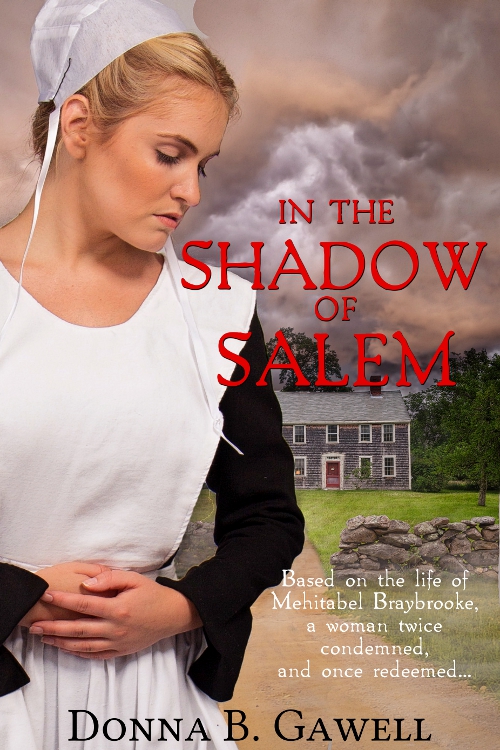
Today’s post is written by fellow author, Donna B. Gawell. Her debut historical novel, In the Shadow of Salem, releases this month. Congratulations on the new release, Donna!

Hazelelponah, Haselelponah or Haselepony?  How did Hazelelponah really spell her name or did she even care? This remarkable woman is the bearer of a unique name but has an equally amazing life story from the early years of New England.

Hazelelponah’s unique name is shared by a woman in the Old Testament in the genealogies of Judah. You can find it in 1 Chronicles 4:”These were the sons of Etam: Jezreel, Ishma, and Idbash. Their sister was named Hazzelelponi.” Feel free to use her name to quiz your pastor or rabbi.

In the Shadow of Salem features Hazelelponah as a proprietor of an ordinary tavern. This real Puritan woman was born in 1636 in Exeter, NH and was the oldest daughter of Balthazar and Hannah Willix. In 1648, her mother was attacked, robbed, murdered on the road leading from Dover to Exeter,  and her body was thrown into the river. Balthazar became despondent and moved the family to Salisbury.

Soon after, Hazelelponah was sent into service, a typical practice in Puritan times for many young women and men.  She met and married John Gee, fisherman, but he was lost at sea on December 27, 1669.

The widow Hazelelponah moved with her five children to Boston for several years.  There Hazelelponah met Obadiah Wood, a widower with ten children who lived on East Street in Ipswich and was a “biskett baker.” Obadiah and Hazelelponah married and were proprietors of an ordinary tavern in Ipswich. The couple added another ten children during their years of marriage.

Hazelelponah experienced so much tragedy in her early life, and we can only hope she was revered by her twenty-five children and stepchildren! This impressive woman survived her second husband and died in Ipswich in 1714 at the age of 79.  Her grave is located in the Old North Burying Ground in Ipswich, MA.

-Donna B. Gawell

About the author:

Donna is a writer and genealogist who enjoys writing novels about her infamous and more humble ancestors. She lives in Columbus, Ohio with her husband Mark. Her website  features history and travel articles.

 Back Cover Blurb

In the Shadow of Salem is a historical novel about the life of Mehitabel Braybrooke, a Puritan woman born in 1652 in Ipswich, Massachusetts. Mehitabel is accused of crimes−the first for arson and the second for witchcraft. History has not been kind to Mehitabel, but what was the real story behind her scurrilous reputation? Would she ever be redeemed from her lifelong curse? Or was Mehitabel as wicked as her numerous Essex Court Records imply?

Amazon

Brig. Gen. Wofford Surrenders Department of North Georgia

William T. Wofford served as a captain in the Mexican War. After the war, he was in the Georgia state legislature. As a member of the state convention in 1861, he voted against secession. When Georgia seceded, he joined the 18th Georgia Infantry as colonel.

His regiment was later assigned to General John Bell Hood’s Texas Brigade. As part of this brigade, Wofford and his men fought at Yorktown, Second Bull Run, South Mountain, Sharpsburg, and Antietam.

In November of 1862, 18th Georgia was transferred to the Georgia Brigade. Wofford was promoted to brigadier general on January 17, 1863.

He served with the Army of Northern Virginia until Georgia Governor Joseph E. Brown asked him to assume command of the Department of North Georgia around the end of 1864.

Georgia’s citizens needed protection from guerrilla attacks. Wofford strengthened his forces with stragglers, deserters—any available men. He commanded this department until May 12, 1865.

Lee and others had already surrendered when letters between Union Brigadier General Henry M. Judah and Wofford were exchanged. Union Colonel Louis Merrill believed there to be about 10,000 soldiers in Wofford’s command.

About a third of this number surrendered—the rest deserted.

A sign in Kingston, Georgia, located at the intersection of Church Street and West Main Street, marks where the surrender occurred.

-Sandra Merville Hart

Sources

“Conclusion of the American Civil War,” Wikipedia.com, 2018/03/21 https://en.wikipedia.org/wiki/Conclusion_of_the_American_Civil_War.

“Conclusion of the American Civil War,” Wikiwand.com, 2018/03/22 http://www.wikiwand.com/en/Conclusion_of_the_American_Civil_War.

Long, E.B. and Long, Barbara. The Civil War Day by Day: An Almanac 1861-1865, A Da Capo Paperback, 1971.

Plante, Trevor K. “Ending the Bloodshed,” National Archives, 2018/03/21

https://www.archives.gov/publications/prologue/2015/spring/cw-surrenders.html.

“W.T. Wofford (1824-1884),” New Georgia Encyclopedia, 2018/04/21 https://www.georgiaencyclopedia.org/articles/history-archaeology/w-t-wofford-1824-1884.

“Swamp Fox of the Confederacy” Surrenders at Chalk Bluff, Arkansas

In 1857, M. Jeff Thompson was elected mayor of St. Joseph, Missouri. He gave a speech about the importance of the Pony Express in a ceremony on April 3, 1860, before the first rider left St. Joseph.

Thompson supported secession in writings and speeches while mayor. After the war began, he commanded the First Division of the Missouri State as brigadier general. Located in the “boot heel” of Missouri, he and his troops caused trouble for the Union forces and won their admiration. Then Colonel Ulysses S. Grant called him “Swamp Fox.” He soon became known as the “Swamp Fox of the Confederacy.”

After suffering some defeats, Thompson was assigned to the Confederate riverine navy defending Memphis. This navy was destroyed and Thompson was sent back to Arkansas where he and his men raided into Missouri for the next few months.

Thompson was captured at Pocahontas on August 24, 1863. He spent the next year as a prisoner first at the St. Louis Gratiot Street Prison, then Johnson’s Island, Ohio, and then Fort Delaware. He was paroled in August of 1864.

He rejoined the fighting in Missouri. He had command of the Iron Brigade in Brigadier General Jo Shelby’s division and commanded the Sub-District of Northwest Arkansas beginning in March, 1865.

Union Lieutenant Colonel Charles W. Davis, 51st Illinois Infantry, requested a conference with Thompson. They discussed surrender terms on May 9th at Chalk Bluff, Arkansas. Thompson asked for two days to consult with his officers.

Thompson surrendered on May 11, 1865. The paroles took place at two Arkansas locations, Wittsburg and Jacksonport. Though some of Thompson’s men had already deserted, about 7,500 officers and enlisted men surrendered and were paroled.

-Sandra Merville Hart

Sources

“Conclusion of the American Civil War,” Wikipedia.com, 2018/03/21 https://en.wikipedia.org/wiki/Conclusion_of_the_American_Civil_War.

“Conclusion of the American Civil War,” Wikiwand.com, 2018/03/22 http://www.wikiwand.com/en/Conclusion_of_the_American_Civil_War.

“’Great Race Against Time,’ First Run: April 3, 1860,” National Park Service, 2018/04/21 https://www.nps.gov/parkhistory/online_books/poex/hrs/hrs2e.htm.

“M. Jeff Thompson,” Wikipedia.com, 2018/04/21 https://en.wikipedia.org/wiki/M._Jeff_Thompson.

Long, E.B. and Long, Barbara. The Civil War Day by Day: An Almanac 1861-1865, A Da Capo Paperback, 1971.

Perkins, Russell S. “Thompson, M. Jeff,” The Kansas City Public Library, 2018/04/21  http://www.civilwaronthewesternborder.org/encyclopedia/thompson-m-jeff.

Plante, Trevor K. “Ending the Bloodshed,” National Archives, 2018/03/21

https://www.archives.gov/publications/prologue/2015/spring/cw-surrenders.html.

General Kirby Smith Surrenders Trans-Mississippi Department

Confederate Lt. General Edmund Kirby Smith commanded the Trans-Mississippi Department, which included Arkansas, Indian Territory, Texas, and most of Louisiana.

After the Union army took control of the Mississippi River, Smith’s army was cut off from the Confederacy. He stayed west of the Mississippi until the war ended.

By May 5, 1865, Smith’s force of 43,000 men was the last major army remaining in the Confederacy.

General Grant had turned his attention toward the Trans-Mississippi Department by May 8th.

Smith sent Lieutenant General Buckner to New Orleans for a meeting with Union Major General Peter Osterhaus on May 26th. They discussed terms of surrender similar to those agreed-upon at Appomattox.

Aboard the U.S.S. Fort Jackson just outside Galveston Harbor, Smith signed the surrender on June 2nd.

Some troops, refusing the surrender, fled to Mexico or to the Far West.

-Sandra Merville Hart

Sources

“Conclusion of the American Civil War,” Wikipedia.com, 2018/03/21 https://en.wikipedia.org/wiki/Conclusion_of_the_American_Civil_War.

“Conclusion of the American Civil War,” Wikiwand.com, 2018/03/22 http://www.wikiwand.com/en/Conclusion_of_the_American_Civil_War.

Long, E.B. and Long, Barbara. The Civil War Day by Day: An Almanac 1861-1865, A Da Capo Paperback, 1971.

Plante, Trevor K. “Ending the Bloodshed,” National Archives, 2018/03/21

https://www.archives.gov/publications/prologue/2015/spring/cw-surrenders.html.


Battle at Palmito Ranch, Texas

General Robert E. Lee had surrendered at Appomattox over a month before the Civil War Battle at Palmito Ranch.

Colonel Theodore H. Barrett commanded the Union troops at Brazos Santiago Island. On May 11, 1865, Barrett ordered Lieutenant Colonel David Branson to attack Rebel outposts and camps on the mainland.

Taking the 250 men of 62nd U.S. Colored Infantry and 50 men of 2nd Texas Cavalry, Branson reached White’s Ranch at 2 AM on May 12th. Upon finding no one at the ranch, he withdrew and marched to Palmito Ranch, a Confederate camp located along the Rio Grande River.

Folks from nearby Mexico had spotted the Union army and reported their location to the Confederates in the morning hours.

Branson’s approach scattered the Confederates. Rather than leaving the ranch, Branson and his men decided to eat and feed their horses.

When Confederate reinforcements arrived at 3 PM, Branson returned to White’s Ranch. Barrett brought the 34th Indiana’s 200 men to his aid and then took over the command.

Union troops skirmished most of the way to Palmito Ranch. Then sharp fighting started about 12 miles outside Brownsville.

Around 4 PM, Confederate Colonel John S. “Rip” Ford rode in with a large cavalry force.

Federal troops formed a battle line, which the Confederates hammered with artillery.

Barrett’s retreat ended the last battle of the Civil War—which was a Confederate victory.

-Sandra Merville Hart

Sources

“Conclusion of the American Civil War,” Wikipedia.com, 2018/03/21 https://en.wikipedia.org/wiki/Conclusion_of_the_American_Civil_War.

“Conclusion of the American Civil War,” Wikiwand.com, 2018/03/22 http://www.wikiwand.com/en/Conclusion_of_the_American_Civil_War.

Long, E.B. and Long, Barbara. The Civil War Day by Day: An Almanac 1861-1865, A Da Capo Paperback, 1971.

“Palmito Ranch,” Civil War Trust, 2018/03/26 https://www.civilwar.org/learn/civil-war/battles/palmito-ranch.

Plante, Trevor K. “Ending the Bloodshed,” National Archives, 2018/03/21

https://www.archives.gov/publications/prologue/2015/spring/cw-surrenders.html.


General Maury Surrenders District of the Gulf

Confederate Major General Dabney Maury, the Commander of the Confederate District of the Gulf, was running out of options on April 11, 1865. Two of his major forts, Spanish Fort and Fort Blakely, had fallen and were now under Union control.

Maury had retreated to Mobile with his depleted forces of 4,500, hoping to eventually join with General Joseph Johnston’s Army of Tennessee.

The general began evacuating Mobile on April 11th. Troops removed their supplies, burned cotton, and dismantled works. Maury led his soldiers to Meridian, Mississippi.

On April 12th, the mayor of Mobile, Robert H. Slough, surrendered his city.

When Maury learned that Johnston surrendered to Sherman, his plans of joining the Army of Tennessee collapsed.

Maury surrendered to Union General Canby at Citronelle, Alabama, on May 4th.

He and his troops were paroled on May 14th.

-Sandra Merville Hart

Sources

“Conclusion of the American Civil War,” Wikipedia.com, 2018/03/21 https://en.wikipedia.org/wiki/Conclusion_of_the_American_Civil_War.

“Conclusion of the American Civil War,” Wikiwand.com, 2018/03/22 http://www.wikiwand.com/en/Conclusion_of_the_American_Civil_War.

“Dabney Herndon Maury,” Wikisource, 2018/03/22 https://en.wikisource.org/wiki/Southern_Historical_Society_Papers/Volume_27/Dabney_Herndon_Maury.

Kane, Robert. “Battle of Spanish Fort,” Encyclopedia of Alabama, 2018/03/25 http://www.encyclopediaofalabama.org/article/h-3730.

Long, E.B. and Long, Barbara. The Civil War Day by Day: An Almanac 1861-1865, A Da Capo Paperback, 1971.

Plante, Trevor K. “Ending the Bloodshed,” National Archives, 2018/03/21

https://www.archives.gov/publications/prologue/2015/spring/cw-surrenders.html.


Battle at Fort Michilimackinac

Today’s post was written by talented editor and author, Pegg Thomas. The location of her book is a place I’ve longed to visit. Reading and loving one of her stories,  Embattled Hearts, has made me look forward to reading this newest novella.  Welcome to Historical Nibbles, Pegg!

 First, let me help you pronounce that fort, it’s mish-ee-lee-mack-in-aw. Right. Exactly how it’s spelled.

This fort sits at the top of Michigan’s Lower Peninsula, at the point where the two peninsulas are the closest. It’s called the Straits of Mackinac and today is spanned by the very impressive 5-mile-long Mackinac Bridge. The fort has been rebuilt on its original foundation and is the longest ongoing archeological dig in the United States. It’s open for tourists and staffed with a good crew of reenactors to make the experience memorable.

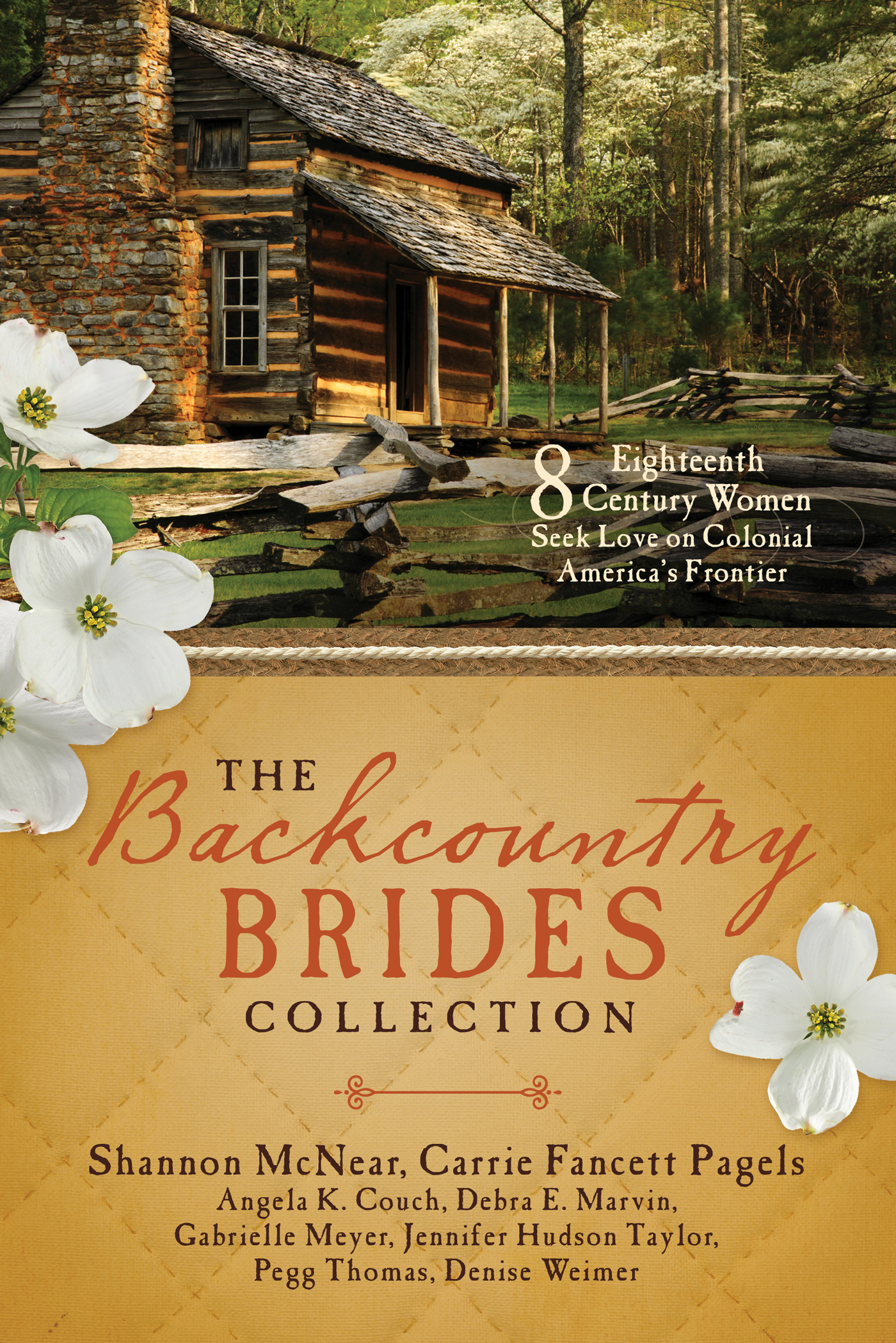
My May release, Her Redcoat, which is part of The Backcountry Brides collection, takes place here in 1763 during the Indian uprising, Pontiac’s Rebellion. While Pontiac organized multiple tribes and led the uprising against Fort Detroit, other Indians who supported him also attacked Fort Pitt and Fort Niagara. Those major forts stood against the attacks, while eight smaller forts were overrun. Including Fort Michilimackinac.

Pontiac and his followers had been used to the level-handed relationship they’d built with the French fur traders. When the British ousted the French and moved into their forts, the Indians rebelled against the arrogant and heavy-handed methods of the British.

In the background of my story is the history of Fort Michilimackinac. The British commander with his forty-some troops was vastly outnumbered by upwards of five hundred warriors. But in his full British arrogance, the commander could not see the danger all around him. He could not believe that savages—as he thought of them—could best the mightiest military in the world.

They did.

The results were devastating. Most of the regular soldiers were slaughtered. The officers were captured and held for ransom. There was one man, a British fur trader, who escaped the attack. He wrote his first-hand account of the story which has been made into the book Attack at Michilimackinac 1763. If you’re interested in this time period and the unrest in the backcountry of Britain’s American colonies, you’ll enjoy this book.

-Pegg Thomas

Bio:

Pegg Thomas lives on a hobby farm in Northern Michigan with Michael, her husband of *mumble* years. A life-long history geek, she writes “History with a Touch of Humor.” When not working or writing, Pegg can be found in her barn, her garden, her kitchen, or sitting at her spinning wheel creating yarn to turn into her signature wool shawls.

Her Redcoat teaser:

Laurette Pettigrew grew up in the northern frontier. Henry Bedlow arrived against his will. Their chance meeting changes everything. Will a deadly clash of cultures keep them from finding happiness?

Buy her book on Amazon or Christianbook.com.

Subscribe to Pegg’s Newsletter.

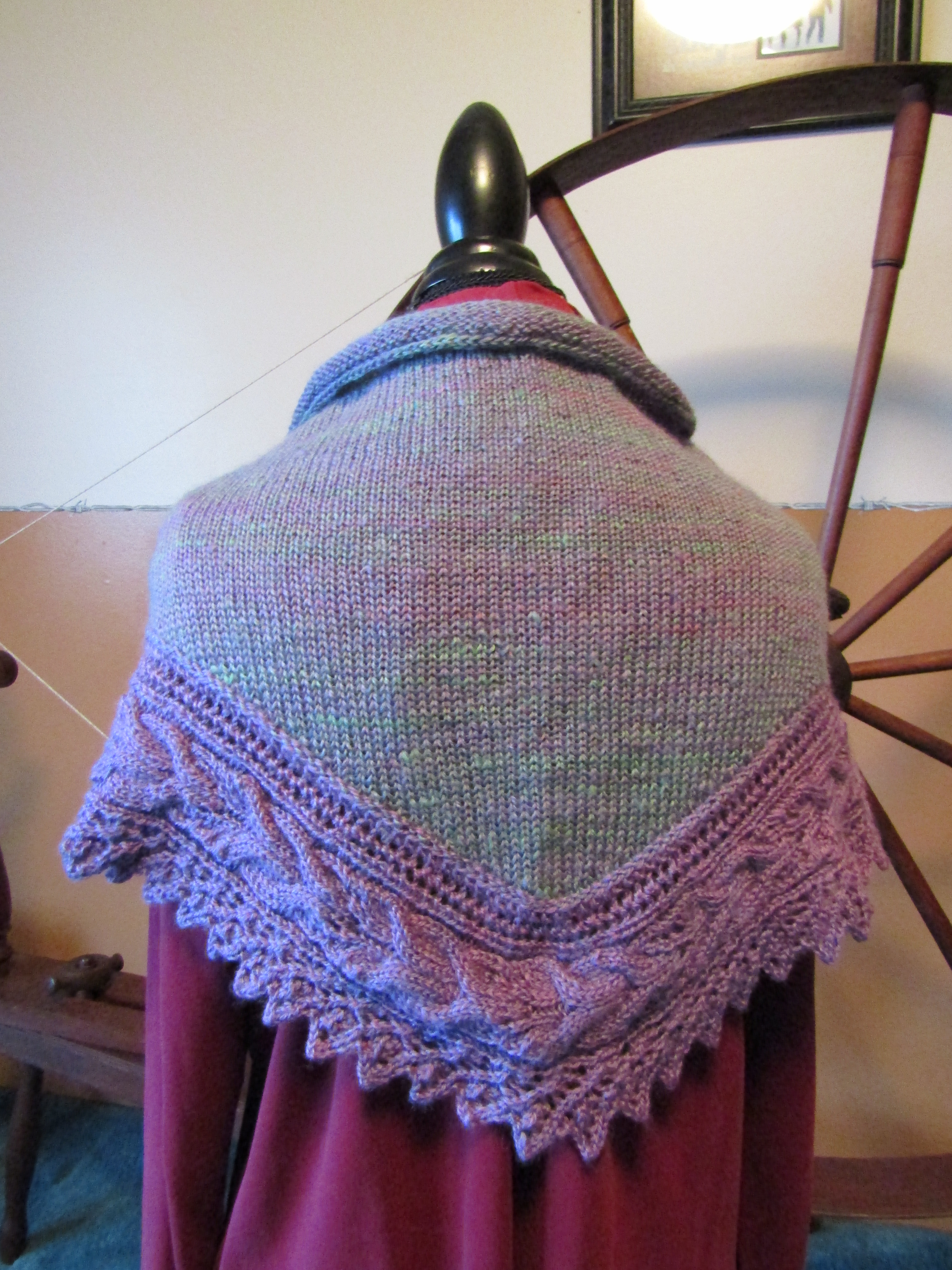
Enter Pegg’s Giveaway for this beautiful shawl by subscribing to her newsletter!

Pegg gives away one of her signature handspun, handknit, wool shawls with the release of each new story. To celebrate the release of Her Redcoat, Pegg is giving away the shawl Northern Lilacs. The Straits of Mackinac are known for their abundance of lilacs each spring and this shawl showcases their varied and gorgeous colors. Everyone who subscribes to Pegg’s newsletter is automatically entered in the drawing.


Son of Former President Surrenders Confederate Command

Confederate Lieutenant General Richard Taylor, son of President Zachary Taylor and brother-in-law of Confederate President Jefferson Davis, began the war as Colonel of the 9th Louisiana Infantry. He fought in the Battle of Bull Run and slowly rose through the ranks.

By April of 1865, he commanded the Confederate Department of Alabama, Mississippi, and East Louisiana. Taylor, leading about 10,000 troops, knew the Confederacy was collapsing when news of Lee’s surrender at Appomattox reached him.

Taylor was honest with his 10,000 troops. He felt that while General Joseph Johnston was still in the fight, they must support him. He also worried for the safety of President Davis and other Government authorities who might need their protection.

His men, including General Nathan Bedford Forrest, joined him in remaining vigilant.

Then Taylor learned that Johnston surrendered to Union General Sherman.

Taylor agreed to meet with Union Major General Edward Canby. The meeting took place north of Mobile, Alabama. They agreed to a 48-hour truce during their May 2nd conversation. The two generals then ate lunch together and enjoyed lively music.

Taylor agreed to the same terms as Lee and Grant. On May 4th, he surrendered at Citronelle, Alabama. Located along the railroad, Citronelle was between Canby’s Mobile headquarters and Taylor’s headquarters in Meridian, Mississippi.

A few days later, Forrest surrendered his cavalry corps.

There is a small park with markers and picnic tables at the location of Taylor’s surrender. More information can be found at the Citronelle Historical Museum.

-Sandra Merville Hart

Sources

“Conclusion of the American Civil War,” Wikipedia.com, 2018/03/21 https://en.wikipedia.org/wiki/Conclusion_of_the_American_Civil_War.

“Richard Taylor,” Civil War Trust, 2018/03/22 https://www.civilwar.org/learn/biographies/richard-taylor.

Plante, Trevor K. “Ending the Bloodshed,” National Archives, 2018/03/21

https://www.archives.gov/publications/prologue/2015/spring/cw-surrenders.html.

“Surrender at Citronelle,” ExploreSouthernHistory.com, 2018/03/22 http://www.exploresouthernhistory.com/citronelle.html.