The Great Natchez Tornado of 1840

May 7th began as a sultry, overcast day with a dusty haze. A continual rumble of thunder started at nine in the morning and lasted until one in the afternoon along the Mississippi River between Natchez and Vidalia.

The river teemed with activity. Boatmen on steamboats and 120 flatboats—large rafts that floated goods down to New Orleans—were at work that fateful Thursday in 1840.

The townspeople went about their business as black clouds, some swirling, caused “no particular alarm.” The sky grew so dark as they ate lunch that residents lit candles.

Driving rain fell. The tornado followed the river, uprooting massive trees. People heard the devastation for miles.

Homes, stores, and businesses on either side of the river in Vidalia and Natchez were destroyed. Crews and passengers on the river endured the worst of the storm.

The tornado whipped the river into massive waves that tossed boats and men into the air. Reports were that the water rose 10 to 15 feet. Even experienced swimmers couldn’t swim the raging waters.

An estimated 200 people from the flatboats drowned. One hundred sixteen flatboats sank. The steamboat Prairie sank while another steamboat, Hinds, floated to Baton Rouge with 51 dead aboard.

Twelve Natchez city blocks were completely destroyed, a loss that included two churches, a theater, hotels, and the town square.

Killing 317 people and injuring 109, the Great Natchez Tornado of 1840 is recognized as the second worst in the history of the United States.

-Sandra Merville Hart

Sources

Hyde, James. “The Natchez, Mississippi Tornado of 1840,” U.S. Tornadoes, 2018/01/07 http://www.ustornadoes.com/2017/05/07/natchez-ms-tornado-1840/.

Nelson, Stanley. “The Great Natchez Tornado of 1840,” Natchez.ms.us, 2018/01/07 http://www.natchez.ms.us/ArchiveCenter/ViewFile/Item/128.


A Rebel in My House Receives 2018 Illumination Silver Award!

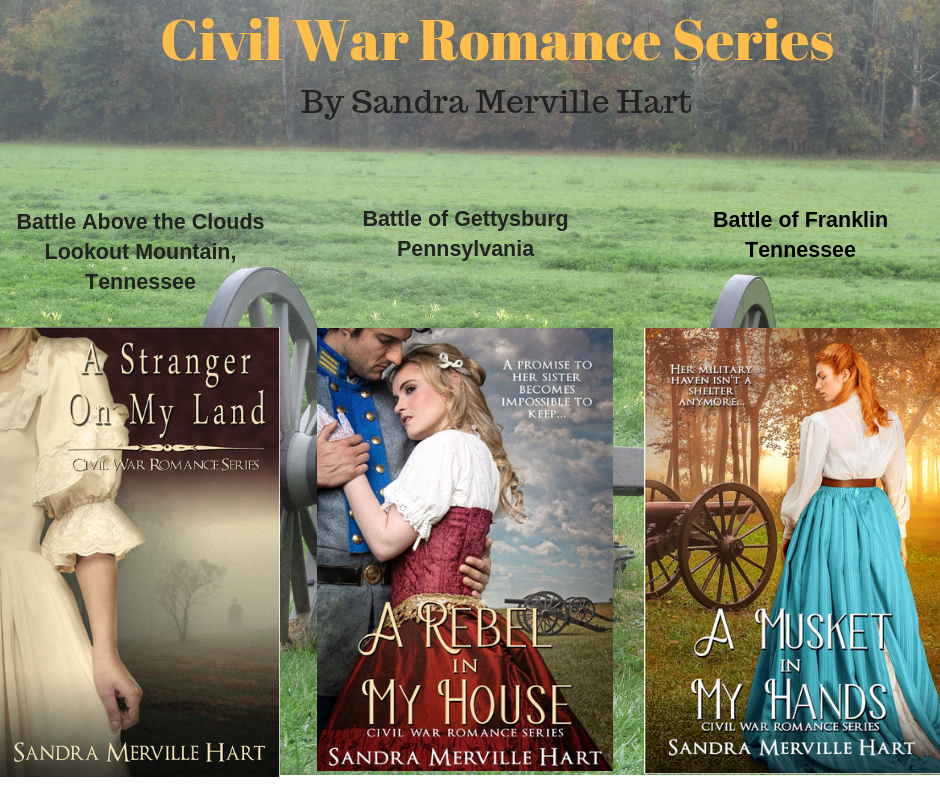
A Rebel in My House, my Civil War romance set during the historic Battle of Gettysburg, has received 2018 Illumination Silver Award in the Inspirational/ Romance Fiction category!

The Illumination Awards “are designed to honor and bring increased recognition to the year’s best new titles written and published with a Christian worldview.” Click here to see the entire list of gold, silver and bronze winners. So thrilled that my novel is included with those from such talented authors!


Great Miami Hurricane of 1926

New residents moved to Miami, Florida, in the 1920s. The newcomers knew little about the hurricane dangers to a beach-side city.  Many were drawn to Miami by a real-estate boom that collapsed. Citizens lost their homes as businesses closed their doors.

A Weather Bureau Office had been established in Miami under the leadership of Richard Gray since 1911.

Ships first reported a storm in the central tropical Atlantic to the Weather Bureau on September 11, 1926. During this time period, storm warnings came from Washington DC. Storm warnings—one step below hurricane—were issued at noon on September 17th.

Gray raised hurricane warnings at 11 pm that night. Few people owned a radio to hear the broadcasted message. Forceful winds drove ocean waves onto the shore. A seven-year-old girl remembered seeing the ocean’s waves in her backyard.

The sixty-mile wide hurricane came ashore at 2 am and lashed at the city of Miami until 6 am. Folks, thinking that the storm had passed, came out of their homes to inspect the damage. Some staying on Miami Beach and barrier islands packed up their cars and crossed bridges to the mainland.

Gray, horrified, realized new residents didn’t understand they were in the eye of the storm. He ran onto the crowded streets, shouting warnings that the worst was yet to come.

The lull lasted only about 35 minutes. Many of the approximately 100 Miami victims, killed by flying debris or drowning, were those who came outside in the eye.

Foster Stearns witnessed waves wash over the new Venetian Causeway. The ocean washed over a car speeding back to the mainland. Instantly the car and its passengers were lost.

The hurricane swept inland to Lake Okeechobee, causing a levee to give way near Moore Haven, a town of 900 on the lake’s shore. The actual number of drowning victims in Moore Haven is unknown, though it may be as many as 300. The town was under water for 8 weeks.

The U.S. Weather Bureau in Miami described the hurricane as “probably the most destructive hurricane to strike the United States.”

-Sandra Merville Hart

Sources

Cribb, Betsy and Phillips, Lauren. “10 Most Disastrous Hurricanes in U.S. History, Coastal Living, 2018/01/07

https://www.coastalliving.com/worst-hurricanes-united-states-history#charley-2.

“Great Miami Hurricane of 1926,” National Weather Service, 2018/01/07 https://www.weather.gov/mfl/miami_hurricane.

McIver, Stuart. “1926 Miami: The Blow that Broke the Boom,” Sun-Sentinel, 2018/01/07  http://www.sun-sentinel.com/news/sfl-1926-hurricane-story.html.

Great White Hurricane of 1888

Heavy snow and wind gusts as high as 85 miles per hour brought whiteout conditions to New York City at midnight on Sunday, March 11, 1888.

Snow drifts had reached the second story of buildings in some areas, yet folks in that city braved the snow on Monday morning to get to work. Many of the elevated trains were blocked by snow drifts, stranding about 15,000 people.

Most city residents who made it to work or school left early—then had a treacherous journey back home.

Railroads and streetcars shut down. Roads were impassible. Train passengers were stuck for days. Two hundred ships wrecked because of the storm.

Telegraph wires fell. Gas lines and water lines—all above-ground—froze.

The storms historic three-day snowfall reached 55 inches in Troy, New York. Snow and high winds affected all those living along the Atlantic coast. About 25% of Americans lived from Washington D.C. to Maine, the area affected by the storm.

Stores ran out of fresh meat, canned meat, and salt meat. Scarce food was sometimes sold to the highest bidder, not to loyal regular customers.

Over 400 people died as a result of this Great White Hurricane—200 were in New York City.

Mark Twain, the beloved author, was stranded at a New York hotel. P.T. Barnum, also stuck at a hotel, entertained other folks likewise stranded at Madison Square Gardens.

-Sandra Merville Hart

Sources

History.com Staff. “Major Blizzards in U.S. History,” History.com, 2018/01/07

http://www.history.com/news/history-lists/major-blizzards-in-u-s-history.

History.com Staff. “March 11, 1888: Great Blizzard of ’88 hits East Coast,” History.com, 2018/01/07

http://www.history.com/this-day-in-history/great-blizzard-of-88-hits-east-coast.

“Surprising Stories: The Great White Hurricane of 1888,” New England Historical Society, 2018/01/07

http://www.newenglandhistoricalsociety.com/great-white-hurricane-of-1888/.


Civil War General Lee Sends a Frightening Message


Confederate President Jefferson Davis and his family lived in the executive mansion in Richmond, Virginia. Citizens grew accustomed to hearing artillery fire in nearby Petersburg after months of fighting. With General Robert E. Lee in command, they felt safe.

Confederate President Jefferson Davis didn’t feel quite as secure. By the morning of April 2, 1865, he had already sent his family away from the city.

Still, when Davis received a message during church services on Sunday morning, April 2, color drained from his face. He immediately exited the church, leaving the congregation to wonder what momentous event had occurred to warrant his haste.

The telegram was from General Lee. He advised Davis to leave Richmond that night.

Davis issued orders to evacuate the Confederate government, though citizens were not given notice for hours. However, the sight of official documents burning in front of government buildings warned of terrible events.

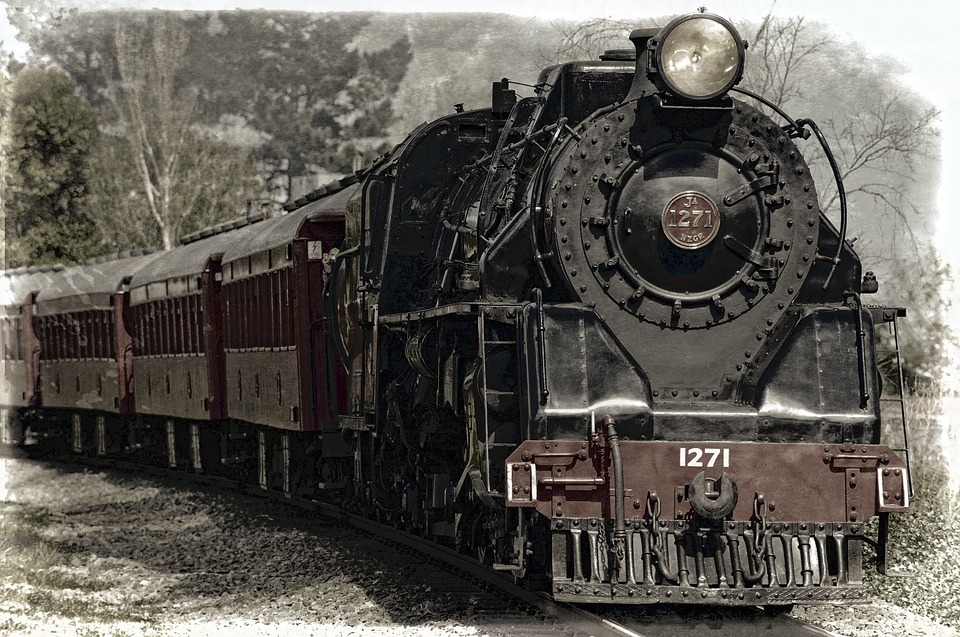
Citizens learned that the government was evacuating at 4 pm. Officials and other prominent citizens abandoned the city rapidly. They exited by train. They rode out on horseback, carts, and carriages. They boarded canal barges and boats to avoid the Union soldiers.

Davis arranged to leave by train at 8:30 pm yet continued to hope it wouldn’t be necessary. He and three cabinet members delayed leaving until 11 pm. Confederate soldiers crossed the river on pontoon boats.

Chaos reigned in Richmond. City officials ordered men to destroy kegs and bottles of liquor from saloons and warehouses. They poured them into street drains, attracting crowds. Folks scooped up whiskey in boots and hats to gulp it down.

Richmond’s military commander, Lieutenant General Richard Ewell, stayed behind with a few soldiers to burn the city’s supplies of cotton, tobacco, and food. These were set afire inside buildings with the fire department nearby to keep it under control.

The stocks of meat, coffee, and other staples enraged starving citizens. They grabbed the food and then began looting stores. Fires blazed out of control. Arsenals on ships exploded.

Fires still burned the next morning when Union cavalry arrived.

-Sandra Merville Hart

Source

“Reaction to the Fall of Richmond,” Civil War Trust, 2017/10/29 https://www.civilwar.org/learn/articles/reaction-fall-richmond.


12 Christmas Songs Children Love

by Sandra Merville Hart

I start listening to Christmas music in November. Christmas carols put me in the mood for holiday baking, decorating, and shopping.

Children love to sing. They may sing in school and church programs around the holidays. There are so many Christmas songs that children love that I had difficulty narrowing it down to twelve. Hope this list includes some of your favorites.

12)  “Mary’s Boy Child”

11)  “Frosty the Snowman”

10)  “Christmas Time is Here”

9)   “Twelve Days of Christmas”

8)   “Jingle Bell Rock”

7)   “Jingle Bells”

6)   “Do You Hear What I Hear?”

5)   “Holly Jolly Christmas”

4)   “Silent Night”

3)   “Deck the Halls”

2)   “Little Drummer Boy”

1)   “Santa Claus is Coming to Town”

What is your favorite Christmas song?


https://www.amazon.com/Sandra-Merville-Hart/e/B00OBSJ3PU/

12 Christmas Shows that I Look Forward to Each Year

by Sandra Merville Hart

I love the Christmas season! Each year I look forward to watching my favorite movies and shows. Here’s a list of my top twelve shows I make time to watch each year.

I had a hard time ranking these shows so I went in the order that I really want to snuggle up in a blanket and watch.

If you don’t see your favorites here, leave a comment with the movie title so I can watch for them.

12)  How the Grinch Stole Christmas – the original animated version

11)  Elf

10)  A Christmas Story

9)    Frosty the Snowman

8)    The Christmas Shoes

7)    Rudolph the Red-Nosed Reindeer

6)    The Santa Clause

5)    A Christmas Carol

4)    It’s a Wonderful Life

3)    A Charlie Brown Christmas

2)    While You Were Sleeping

1)    White Christmas

 What is your favorite holiday show?

12 Christmas Books that Inspired Me

by Sandra Merville Hart

I love snuggling up in a blanket on cold winter evenings and reading my favorite Christmas novels! Each year I read some old books as well as add new ones so my list of top 12 books changes each year.

Here is this year’s list of my top twelve Christmas books and novels. The hardest part about making a list like this is ranking them. I’ve written book reviews for a few of these. I’ve included the links if you’d like to read them.

If you don’t see your favorites here, leave a comment with the book title and author—I’m always looking for great stories!

12)    Object Talks for Christmas by Verna Kokmeyer

11)    Stories Behind the Best-Loved Songs at Christmas by Ace Collins

10)    Stories Behind the Great Traditions of Christmas by Ace Collins

9)      Crashing into Love by Yvonne Lehman

8)     The Christmas Baby by Lisa Carter

7)     Yuletide Angel by Sandra Ardoin

6)     Christmas in the Big Woods by Laura Ingalls Wilder

5)     A Miser. A Manger. A Miracle. by Marianne Jordan

4)    The Night Before Christmas by Clement C. Moore

3)    Little Women by Louisa May Alcott

2)   The Christmas Child by Max Lucado

1)    A Christmas Carol by Charles Dickens

 What is your favorite holiday book?


https://www.amazon.com/Sandra-Merville-Hart/e/B00OBSJ3PU/

12 Christmas Traditions You can Begin this Year

by Sandra Merville Hart

Like so many others, I love the Christmas season! Children look forward to doing the activities they enjoyed last year. Adults also like the nostalgia of specific traditions and activities.

Here are a few things that are fun to do every year. Maybe there is a new idea tucked inside this list for you!

12)  Send out Christmas cards. It’s still nice to be remembered around the holidays—especially if your loved ones live far away. Some folks decorate their homes and apartments with Christmas cards.

11)  Buy or make a new ornament or Christmas decoration. My husband and I began this annual tradition as a newly married couple. Children love this one!

10)  Decorate your home for Christmas. I love the fresh smell of a real tree every year, but my husband is not a fan. Whether you put up a tree or not, a few decorations add to the festive mood of the holiday.

9)    Decorate a Gingerbread house. Perhaps you are about as artistic as me. Thankfully there are gingerbread kits you can buy. The children in your life will love decorating a house with candy that they can eat afterward!

8)    Listen to Christmas music as you drive around looking at Christmas lights. My family had very little money growing up, but we did this every year—a special memory.

7)    Donate a gift to a charity or needy family. If this gift involves shopping, include your child if feasible. They will feel part of the giving.

6)    Looking for gift ideas for your children? Take them to a toy store. Observe the items where they linger longest. Then write down ideas when they aren’t looking.

5)    Treat yourself to a meal out after a long day of shopping. Even if it’s fast food, you won’t have to cook!

4)    Plan an evening to watch Christmas movies/shows with family or friends. Serve holiday desserts or popcorn. This can be an easy holiday gathering. Just have fun.

3)    Bake and decorate Christmas cookies. Include your children. Praise their efforts and creativity. Invite grandparents if you like. The whole house will smell wonderful.

2)    Visit a Nativity.

1)    Attend Christmas Eve services.

What is your favorite holiday tradition?


Meet Dr. Margaret Craighill – Trailblazer

Today’s post was written by fellow author, Linda Shenton Matchett. She provides readers with historical background for her novella in a Christmas collection. Welcome, Linda! I am looking forward to reading this story.

Throughout U.S. history, with the exception of the Army Nurse Corps, women had never been used in any uniformed capacity in the armed forces. As WWII dragged on, men continued to enlist or be drafted into combat, leaving vacancies in every corner of the country and overseas. By mid-1943, personnel shortages were at a crisis level. On April 16th, President Roosevelt signed the Sparkman-Johnson bill allowing women to enter the Army and Navy Medical Corps.

Before the ink was dry on the ruling, Dr. Margaret D. Craighill, Dean of the Women’s Medical College of Pennsylvania, requested a leave of absence and became the first female commissioned officer in the Army Medical Corps. A graduate of Johns Hopkins Medical School, Dr. Craighill previously held positions at Johns Hopkins, Bellevue, and Greenwich, and Philadelphia Hospitals.

Her assignment was a perfect fit for her education and experience. Named Women’s Consultant to the Surgeon General of the Army, she commanded the Women’s Health and Welfare Unit and was liaison officer to the Woman’s Army Corps (WAC). She inspected field conditions for all women in the U.S. Army and established the standards for screening WAC applicants and for WACs medical care, including the institution of regular physical exams.

Traveling over 55,000 miles around the globe, Dr. Craighill reported on the condition of 160,000 Army nurses and WAC personnel, squelching the notion that women were unsuited to a military role. She stated that “they were performing remarkably well in extreme climates and challenging work conditions.” As a result of her exemplary service, she was promoted to Lieutenant Colonel and awarded the Legion of Merit.

Not bad for a girl from the tiny village of Southport, NC.

-Linda Shenton Matchett


A Doctor in the House (Part of The Hope of Christmas collection): Dr. Emma O’Sullivan is assigned to a British convalescent hospital, and she leaves behind everything that is familiar. When the handsome widower of the requisitioned property claims she’s incompetent and tries to get her transferred, she must prove to her superiors she’s more than capable. But she’s soon drawn to the good-looking, grieving owner. Will she have to choose between her job and her heart?


Buy Link:  Amazon


Linda Shenton Matchett is an author, journalist, blogger, and history geek. Born in Baltimore, Maryland, a stone’s throw from Fort McHenry, Linda has lived in historical places most of her life. She is a volunteer docent at the Wright Museum of WWII and a trustee for her local public library.