Civil War Confederate Soldiers’ Homes

Soldiers’ Homes were established for Civil War veterans who could no longer care for themselves. A few states provided separate homes for Union and Confederate veterans. The federal government didn’t provide funds for the Confederate soldiers. This obligation fell on the states.

Confederate veteran Jefferson Manly Falkner founded what became known as the Alabama Confederate Soldiers Home in 1901. Falkner wanted to provide a home for veterans and their wives. Widows were allowed to live there after 1915.

Falkner donated 80 acres in the summer resort area of Mountain Creek where between 650 to 800 people found a home. The home’s last veteran died in 1934. Five widows remained until October of 1939 when the home closed.

Atlanta’s Confederate Soldiers’ Home, built in 1890, was also known as the Old Soldiers’ Home. Henry W. Grady raised funds for the home at 410 East Confederate Avenue through subscriptions until it finally opened in 1900. Fire destroyed the building in 1901, but it was rebuilt on the same location a year later. The home’s last veteran died in 1941.

The old Kentucky Confederate Home was the former Villa Ridge Inn just outside the Pewee Valley Confederate Cemetery. There was a hospital, entertainment, and religious services. There was housing for 350 veterans and a total of 700 former Confederate soldiers eventually called it home.

There were a few prerequisites to living at the Kentucky home. Besides being a former Confederate soldier, residents had to be mentally stable, a resident of the state for at least 6 months, and not an alcoholic.

-Sandra Merville Hart
Sources

“Alabama Confederate Soldiers Home,” Wikipedia, 2017/07/04 https://en.wikipedia.org/wiki/Alabama_Confederate_Soldiers_Home.

“Confederate Soldiers’ Home,” Wikipedia, 2017/07/04 https://en.wikipedia.org/wiki/Confederate_Soldiers%27_Home.

“Old Soldiers’ Home,” Wikipedia, 2017/07/04 https://en.wikipedia.org/wiki/Old_soldiers%27_home.

“Peewee Valley Confederate Cemetery,” Wikipedia, 2017/07/04 https://en.wikipedia.org/wiki/Pewee_Valley_Confederate_Cemetery.
 

Civil War Post-War Home of Confederate President Jefferson Davis

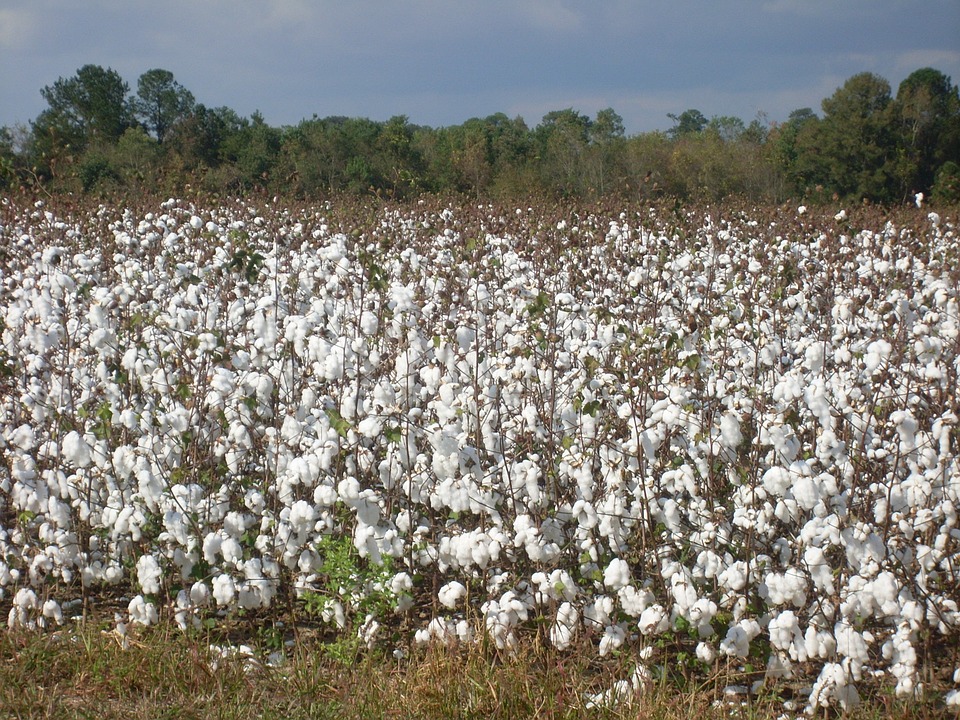
Widow Sarah Dorsey invited former Confederate President Jefferson Davis to stay at Beauvoir, her 608-acre cotton plantation in Biloxi, Mississippi. She provided a cottage for Davis to live in with his wife, Varina, and their daughter, Winnie.

Sarah, a novelist and author of biography of Louisiana Governor Henry Watkins Allen, aided Davis in writing his memoir. She organized notes and took dictation. Davis’s book, The Rise and Fall of the Confederate Government, published in 1881, two years after Sarah died.

Sarah willed her plantation to Davis and his daughter, Winnie.

The Davis family moved into the main house after the inheritance, where Davis lived until his dead in 1889. Varina wrote Jefferson Davis: A Memoir (1890) and then moved to New York City with her daughter in 1891.

After Winnie died in 1898, Varina owned Beauvoir. She sold a large portion to the Mississippi Division of the Sons of Confederate Veterans. It was to be a home for Confederate veterans and widows and then as a memorial to Davis.

The Sons of Confederate Veterans built a hospital, 12 barracks, and a chapel. About 2,500 veterans and their families lived there from 1903 to 1957.

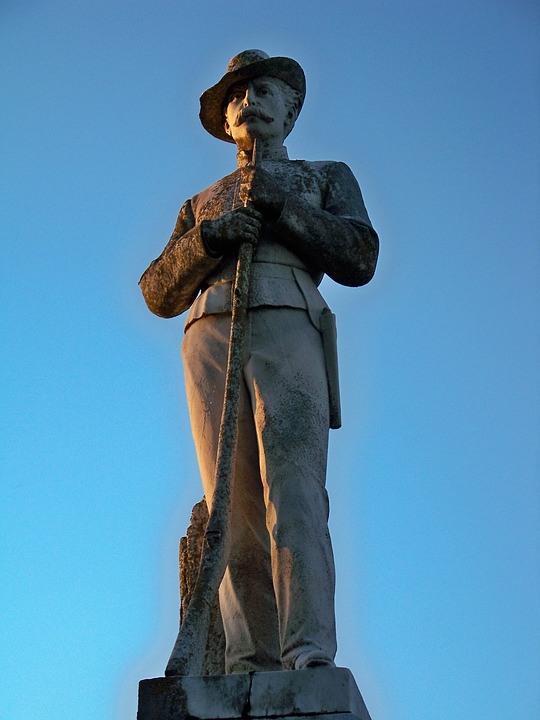
Today this site is a Confederate Soldier Museum. Visitors will also see the former Confederate Veterans’ Home, cottage plantation home, the Jefferson Davis Presidential Library and Museum, historic Confederate cemetery with a Tomb of the Unknown Confederate Soldier.

-Sandra Merville Hart

Sources

“Beauvoir (Biloxi, Mississippi,)” Wikipedia, 2017/07/04

https://en.wikipedia.org/wiki/Beauvoir_(Biloxi,_Mississippi).


Tuckaleechee Caverns

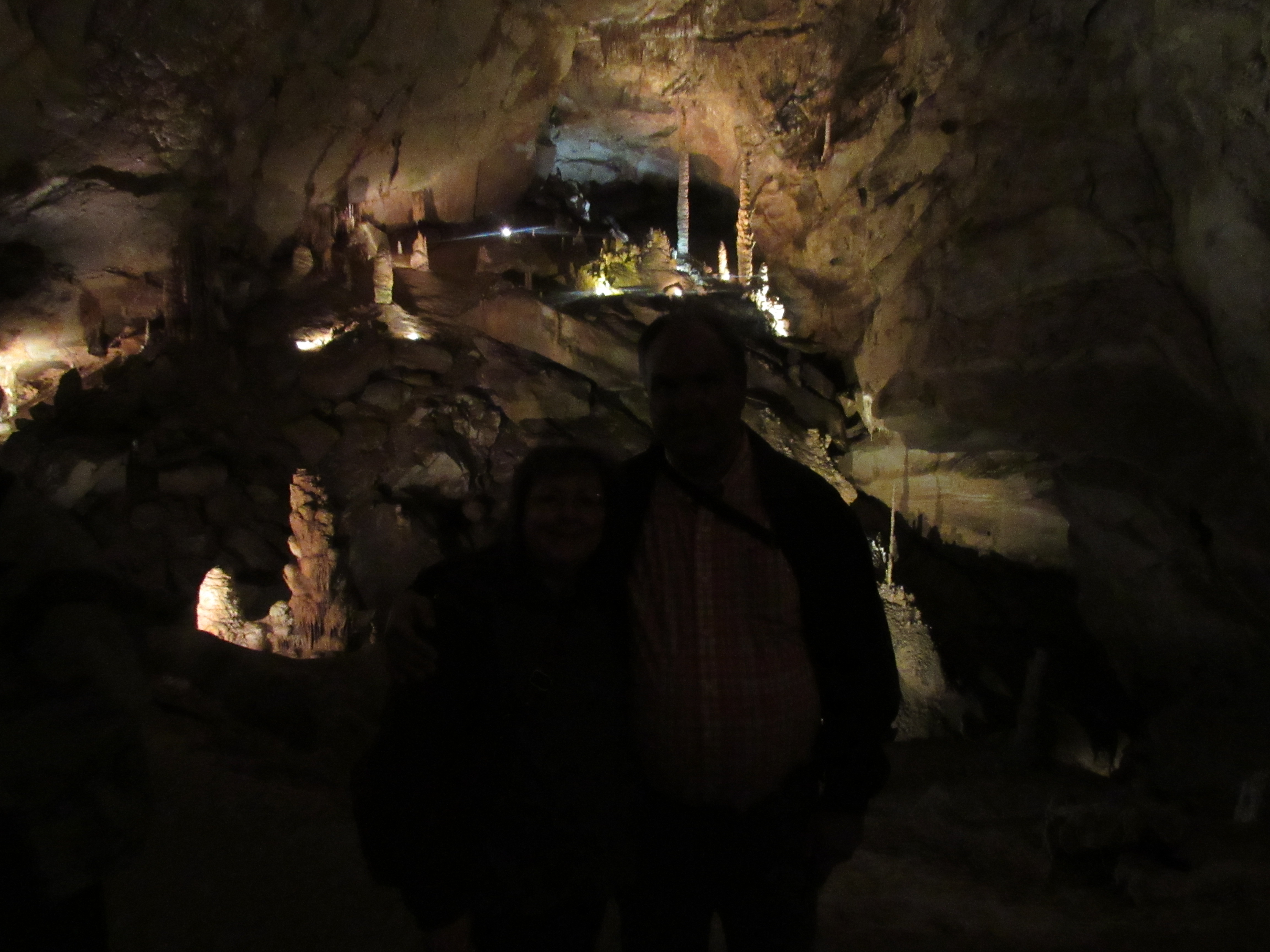
Tuckaleechee Caverns earns its title of “The Greatest Sight Under the Smokies.” This treasure is found in Townsend, Tennessee, only a few miles from Pigeon Forge and Gatlinburg in the Smokies.

My dad was from that area and I remembered him talking about Tuckaleechee Caverns. He said that it was a “whole different world down in the caves” and planned to take us but never made it. Remembering this, my husband and I took our daughter there and were very impressed.

With millions of formations seen throughout the tour, the cave also boasts of a Big Room which is greater than 400 feet long, 300 feet across, 150 feet deep. The highest ceilings in Kentucky’s Mammoth Cave, for comparison, are around 120 feet.

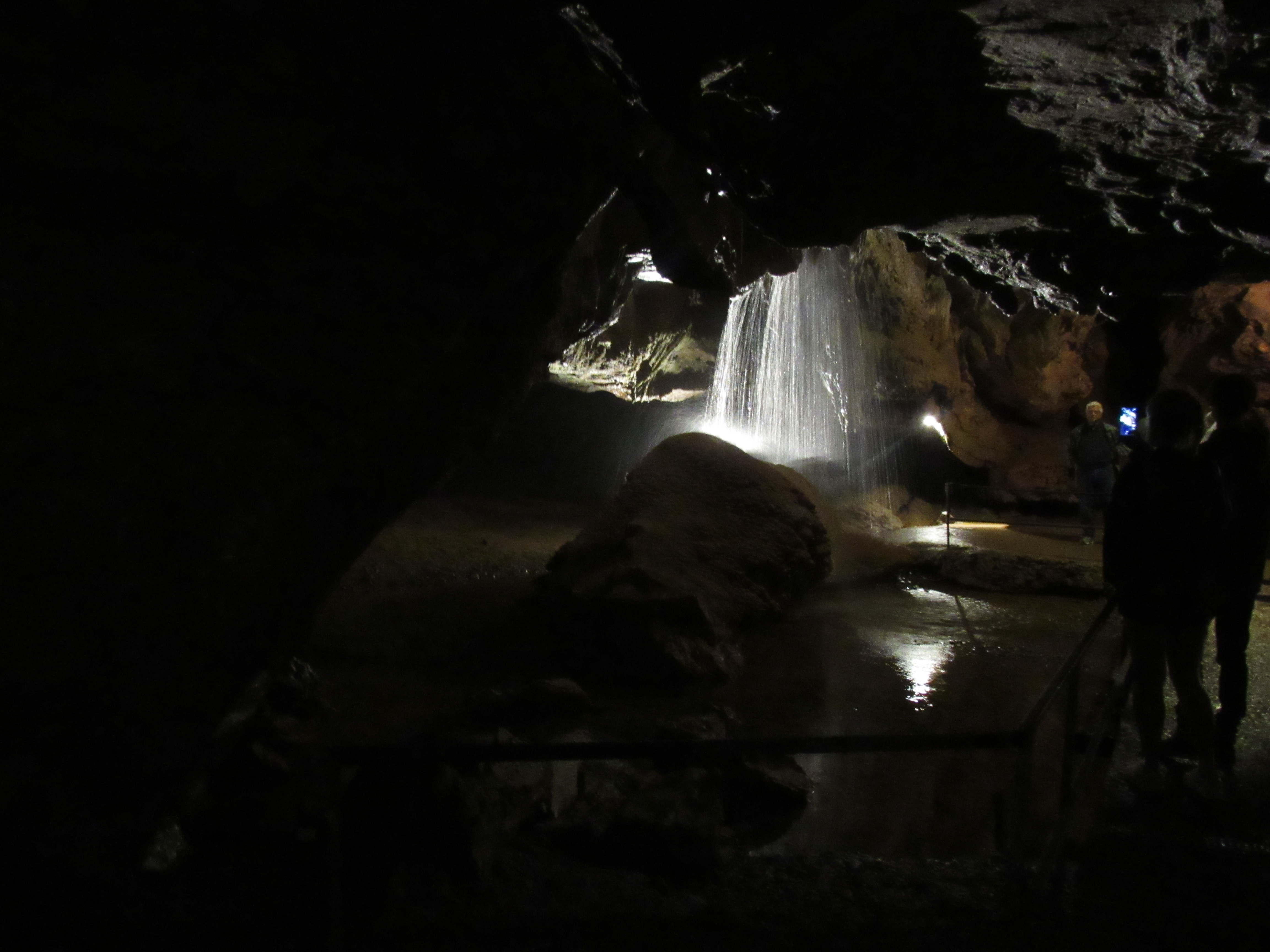
The cave also has a sparkling, clear stream running through it that leads to a double waterfall. Silver Falls is a beautiful surprise in this underground adventure. The falls has a 210-foot drop–the tallest subterranean waterfall in the Eastern United States.

Cherokee Indians, according to legend, knew of the caverns long before the white man discovered them in the mid-1800s.

Before local residents knew about the cave, they discovered breezes around a sink hole. Women toted their sewing and their children there during the heat of summer to enjoy the refreshing air.

The caves were found when sawmill workers watched water flow into the sink hole after heavy rains.

Two friends, W.E. “Bill” Vananda and Harry Myers, played in the caverns as boys. They pretended to be Tom Sawyer as they explored the cave carrying “homemade lamps—pop bottles filled with kerosene.”

While in college the men decided to open the cave as tourist attraction. It required hard work to prepare for tourists. The friends toted tons of cement, sand, and gravel to the cave so visitors would have steps and easy passageways to view the sights. Vananda and Myers opened the cave in 1953.

For those fearing that the wildfires of 2016 destroyed Tuckaleechee Caverns and the rest of the sights at Gatlinburg, put your fears to rest. Less than 10% of the park burned. My husband and I traveled there with family earlier this month. We filled a week with endless activity in the Smokies, Gatlinburg, Pigeon Forge, and Tuckaleechee Caverns. We hated to leave! There is plenty to see and folks who need to rebuild are coming back even stronger.

The mountains are beautiful any time of the year but especially so in the summer and fall.

-Sandra Merville Hart

Sources

“Tuckaleechee Caverns,” Tuckaleechee Caverns, 2017/09/16 http://www.tuckaleecheecaverns.com/.


The Making of Brooms

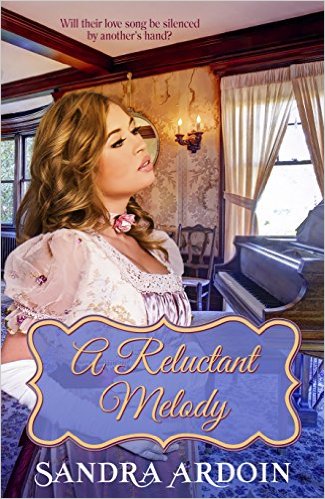
Today’s post is written by fellow author, Sandra Ardoin. A broom factory figures prominently in her novel, A Reluctant Melody. Welcome, Sandra!

 We all use them, those handy brooms to sweep the dirt from our floors. They’ve been around in one form or another since the dawn of housecleaning. In the early days, it could have been something as simple as a branch or backyard brush—whatever was handy at the time.

Then in 1797 a New Englander by the name of Levi Dickenson decided to make a broom for his wife from sorghum tassels (minus the seeds). Today, we call it broom corn. Like all good inventions, it needed improvement after it fell apart too easily to suit Levi. Even so, his neighbors were impressed and insisted he make them one. This started an industry as he went on to invent a machine with a foot-treadle for ease in filling the orders he received.

In the mid-19th century, the Shakers, who were always an innovative lot, improved Levi’s process, using wire rather than heavy twine to bind the material to the handle. Brooms originally had a round form, but the Shakers employed a vise to flatten the broom and give it shoulders. Then they applied the stitching. They increased the function of their product by also creating the whisk broom.

As the 19th century wore on, small shops across the United States became broom factories and broom corn growth moved to the states we normally think of as being most agricultural. In the first quarter of the 1900s, broom factories began to close. By the end of the 20th century, most of the brooms available to Americans were made outside the U.S.

Though many of the brooms purchased today are made of synthetics, some people continue to craft them the old-fashioned way with the original types of materials—a wooden handle and broom corn—on machines over a hundred years old.

-Sandra Ardoin

BIO:

Sandra Ardoin writes inspirational historical romance. She’s the author of The Yuletide Angel and the award-winning A Reluctant Melody. A wife and mom, she’s also a reader, football fan, NASCAR watcher, garden planter, country music listener, and antique store prowler. Visit her at www.sandraardoin.com and on the Seriously Write blog. Connect with her on Facebook, Twitter, Google+, Goodreads, and Pinterest. Join her email community to receive occasional updates and a free short story.

A Reluctant Melody

A pariah among her peers, Joanna Stewart is all too eager to sell her property and flee the rumors that she sent her late husband to an early grave. But she will let the gossips talk and the walls of her rundown property crumble around her before she’ll allow Kit Barnes back into her life. When a blackmailer threatens to reveal her long-held secret, she must choose between trusting Kit or seeing her best friend trapped in an abusive marriage.

Civil War Southern General Hospitals

Around 1,000 Southern women nursed ill or wounded Confederate soldiers during the Civil War, most of them working in their own towns and neighborhoods.

These resourceful women started wayside hospitals near railroad depots to care for ailing or wounding soldiers. The Confederacy soon took over all military hospitals.

Seeing the benefit of women serving in hospitals, the Confederacy passed laws to designate women in positions at military hospitals.

Two matrons were given oversight of the hospital’s food and medicine, each woman earning $40/month. Two assistant matrons laundered patients’ bedding and clothing for $35/month. Two ward matrons served each ward by feeding, administering medications, and bathing patients. Earning $30/month, ward matrons also assisted in letter writing. Nurses received $25/month.

There were 13 general hospitals in North Carolina by war’s end. Fairgrounds Hospital in Raleigh was the first general hospital established in the state, but it later became known as General Hospital #7, with a total of 3 in Raleigh.

Other cities/towns with general hospitals were Kittrell Springs, Fayetteville, Salisbury, Greensboro, Charlotte, Wilmington, Goldsboro, and Wilson.

Pettigrew Hospital (General Hospital #13) in Raleigh was specifically built as a hospital, the only one in North Carolina with this distinction. It had 400 beds, a bathhouse, guardhouse, dispensary, laundry, and stable.

Pastors often announced when several cars of wounded were expected at churches and then gave the congregation an intermission so that those who wanted to leave and prepare food for the soldiers could do so.

-Sandra Merville Hart

Sources

Downey, Tom. “Wayside Hospitals,” South Carolina Encyclopedia, 2017/07/04 http://www.scencyclopedia.org/sce/entries/wayside-hospitals/.

“North Carolina Nursing History,” Appalachian State University, 2017/07/04, https://nursinghistory.appstate.edu/civil-war-and-reconstruction-1861-1876.


Civil War Wayside Hospitals

Casualties began soon after the Civil War started on April 12, 1861. Southern women established wayside hospitals as small field hospitals to give water, food, shoes, clothing, medicine and bandages to wounded soldiers.

Large buildings—schools, churches, barns—near railroad depots were used to treat the sick and wounded. If the soldier was too ill to continue on his journey, he remained at the wayside hospital until his condition improved enough for him to go home, or to a larger general hospital, or he died.

Women living in North Carolina, at great personal sacrifice, established and served at wayside hospitals in the railroad towns of Charlotte, Fayetteville, Weldon, Greensboro, Tarboro, Wilmington, Goldsboro, Salisbury, and High Point.

Most wayside hospitals offered meals and some nursing. Surgeons worked at larger hospitals with beds for overnight stays.

The Barbee Hotel in High Point was changed into a wayside hospital on September 1, 1863. 5,795 soldiers received care in that village before the hospital closed in May of 1865.

South Carolina’s first wayside hospital opened in Charleston in November of 1861. Raleigh, Orangeburg, Greenville, Sumter, and Florence also had these types of hospitals. Columbia Wayside Hospital, located at the South Carolina Railroad Depot, served about 75,000 soldiers, becoming the largest wayside hospital in the state.

Southern nurses often didn’t have the required medicines on hand to treat the soldiers. They fell back on homemade remedies, such as using jimson weed for fever or blackberry root for dysentery.

-Sandra Merville Hart

Sources

Downey, Tom. “Wayside Hospitals,” South Carolina Encyclopedia, 2017/07/04 http://www.scencyclopedia.org/sce/entries/wayside-hospitals/.

“North Carolina Nursing History,” Appalachian State University, 2017/07/04, https://nursinghistory.appstate.edu/civil-war-and-reconstruction-1861-1876.

Savage, Douglas J. Women in the Civil War, Chelsea House Publishers, 2000.


Civil War U.S. Christian Commission

The War Between the States began in 1861. To meet the spiritual needs of Federal soldiers facing death, the Young Men’s Christian Association (YMCA) established the United States Christian Commission on November 14, 1861.

The Commission distributed thousands of New Testaments and prayer books to Union soldiers. They gave tracts and pamphlets. They operated portable libraries for the men. The organization also furnished free envelopes with their stamp and “Soldier’s letter” in one corner.

Commission workers were not paid. More than 5,000 gave freely of their time to serve as field volunteers to aid the chaplains ministering to soldiers. Citizens stitched clothes, raised money, and put kits together for Northern and Southern soldiers.

The Commission raised $3,000,000. Commission delegates requested donations of supplies.

Christian Commission workers provided medical supplies to field hospitals and were at Gettysburg after the battle.

The Ladies Christian Commission started in 1864. Louisa May Alcott, author of Little Women, was one of these workers. Georgia McClellan also served on this commission. Georgia’s sister, Jenny Wade, had been killed during the Battle of Gettysburg.

-Sandra Merville Hart

Sources

Billings, John D. Hard Tack and Coffee, George M. Smith & Co., 1887.

“Civil War Christian Commission Was Formed,” Christianity.com, 2017/07/04  http://www.christianity.com/church/church-history/timeline/1801-1900/civil-war-christian-commission-was-formed-11630528.html.

Davis, William C. The Illustrated Encyclopedia of the Civil War: The Soldiers, Generals, Weapons, and Battles, The Lyons Press, 2001.

“United States Christian Commission,” Wikipedia, 2017/07/04 https://en.wikipedia.org/wiki/United_States_Christian_Commission.


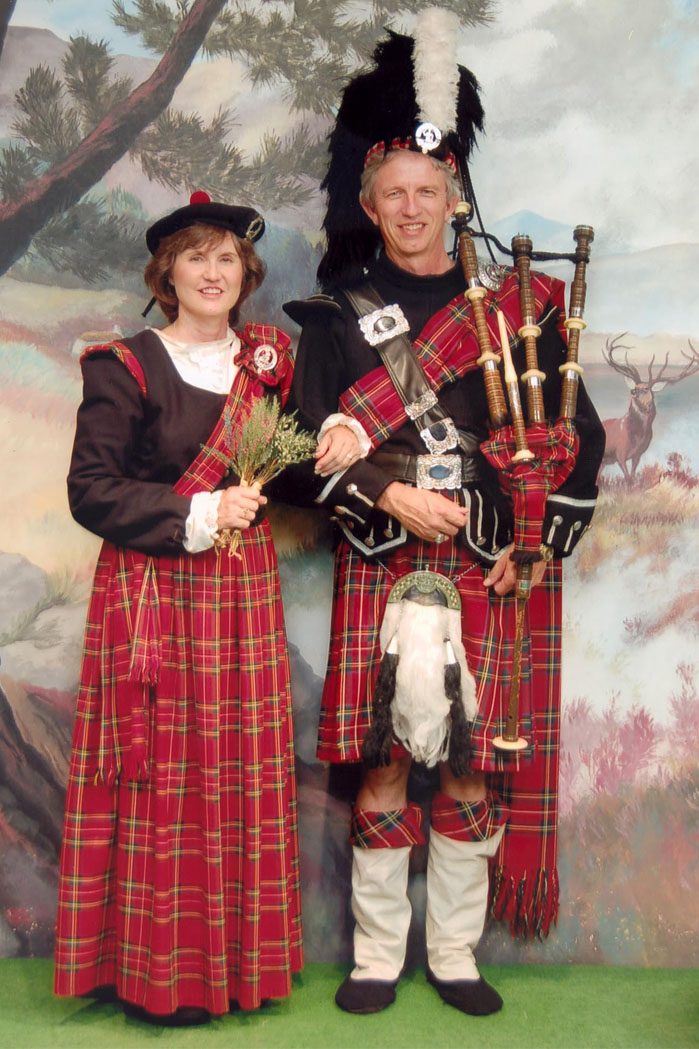
Scottish Influence in American & World History

Today’s post is written by fellow author, Norma Gail. A large part of her contemporary romance is set in the beautiful country of Scotland.

I first became fascinated with Scotland when I discovered a Scottish great grandmother in a family tree as a child. Since then, I’ve discovered many Scottish ancestors. Following a visit in 2006, I can truthfully say, “My heart’s in the Highlands …” (Robert Burns)

Americans of Scottish ancestry make up more than half of the American population. Almost half of the signers of the Declaration of Independence had Scottish or Scots-Irish ancestry, including Thomas Jefferson, Patrick Henry, and Alexander Hamilton. Scots comprised three quarters of Washington’s army, and along with Scots-Irish, made up half of his officers. Nine governors of the original thirteen states were Scottish.

Following the disastrous Battle of Culloden in 1745 in their nation’s quest to be free, English victors forcibly removed large numbers of poor Scots from their homes. English aristocrats and wealthy Scots who supported the British cause received large estates in reward for service. Over 40,000 Scots emigrated to the United States between 1763 and 1775.

Scots have changed our world. Scotland played a key role in the Protestant Reformation through the influence of John Knox. Famous inventors include James Watt, inventor of the steam engine and Father of the Industrial Revolution; Alexander Fleming, discoverer of penicillin; Alexander Graham Bell, inventor of the telephone; John Logie-Baird, inventor of the television; Thomas Telford and John Loudin McAdam, both of whom contributed to modern road building technology; Alexander Cumming, inventor of the flush toilet; William Cullen, the refrigerator; Alan McMasters invented the toaster; Charles MacIntosh, inventor of the waterproof macintosh; Alexander Bain, inventor of the electric clock; and the list goes on.

Today, 20 to 25 million Americans claim Scottish ancestry. It is impossible to look at the history of America without including the great contributions of the Scottish people and their descendants.

-Norma Gail

Author Bio:
Norma Gail’s contemporary Christian romance, Land of My Dreams, set in Scotland and her home state of New Mexico,  won of the 2016 Bookvana Religious Fiction Award. A Bible study leader for over 21 years, you can connect through her blog, or on Facebook, Twitter, Pinterest, Instagram, Goodreads, or Amazon.

Book Blurb:

Land of My Dreams:

An American college professor struggling for faith and finding love when she least expects it. Land of My Dreams travels from New Mexico’s high desert mountains to the misty Scottish Highlands with a story of overwhelming grief, undying love, and compelling faith.

Amazon buy link


Civil War Refreshment Saloons

Barzilai Brown, a grocer at the corner of Washington Avenue and Swanson Street in South Philadelphia, had a heart for weary Union soldiers marching past his store in the spring of 1861. He saw a lot of them from his location near the Navy Yard at the waterfront and also departing for the South on the Philadelphia, Wilmington & Baltimore Railroad.

Brown decided to do something. He gave food to traveling soldiers. His generosity grew and on May 27, 1861, the Union Volunteer Refreshment Saloon was established to distribute drinks, food, paper, and stamps. Seeing a need to not only feed troops, the saloon added a hospital to its services in September, 1861.

Another saloon also established in 1861, Cooper Shop Volunteer Refreshment Saloon, was located at 1009 Otsego Street near the railroad.

These volunteer establishments provided soldiers far from their loved ones with comforts of home: washing facilities, meals, writing materials, sleeping areas, directions, information on places of interest, army contacts, and hospital care. Dining halls contained long tables and dining bars where soldiers stood to eat.

Troops passed through Philadelphia at all hours of the day and night. “Fort Brown,” a cannon outside the Union Volunteer Refreshment Saloon, fired a signal shot to call women volunteers living near the Navy Yard to the saloon when regiments were expected.

Most of these ladies, though responsible for their households, came to the refreshment saloons to cook meals and wash dishes. They worked long hours—often all night—to feed soldiers, sailors, freedmen, and refugees.

The Cooper Shop Refreshment Saloon fed 400,000 men and cared for about 7,500 patients. Union Volunteer Refreshment Saloon served 1,025,000 meals to over 800,000 men with nearly 15,000 hospital patients. All this was paid for with donations—no government funds.

To think that one man started all this by doing what he could to meet the needs of exhausted troops. They were hungry—he had food in his grocery store.

Barzilai Brown sought to feed heroes … and became one himself.

-Sandra Merville Hart

Sources

Brockett, L.P. MD and Vaughan, Mary C. Woman’s Work in the Civil War: A Record of Heroism, Patriotism and Patience, Zeigler, McCurdy & Co., 1867.

“Civil War Volunteer Refreshment Saloons,” The Library Company of Philadelphia, 2017/07/03 http://digital.librarycompany.org/islandora/object/Islandora%3ACVVRS?display=list.

“Samuel B. Fales collection of Union Volunteer Refreshment Saloon papers,” The Historical Society of Pennsylvania, 2017/07/03  http://hsp.org/sites/default/files/legacy_files/migrated/findingaid1580fales.pdf.


World War II Correspondents

Today’s post is written by fellow historical author, Linda Shenton Matchett. I’m especially excited to read her novel after reading the historical background. Thanks for sharing, Linda!

WWII changed the world, changed America, and changed every person who lived during that time. Cultural and social mores were turned upside down as men went into combat and women filled the void their absences left, taking on roles few had experienced until then.

Most of us have heard of Rosie the Riveter, the USO clubmobiles, and the Red Cross facilities, but were you aware that women were also war correspondents? Even after Nellie Bly’s illustrious history as an investigative journalist, most newspapers relegated their female staff to covering society events and columns aimed at the “fairer sex” such as cooking, sewing, and homemaking.

Then Germany invaded Poland and women demanded an opportunity to cover the war. In order to do that they had to receive accreditation. Once obtained, accreditation served as a contract. The Army or Navy would transport the individual into the war zone, provide shelter and food, and send their dispatches back to the U.S. In return, reporters would follow military law and censorship. The process to get certified was lengthy, and as Life photojournalist Margaret Bourke-White said, “By the time you are accredited, you have no secrets from the War Department and neither do your ancestors.”

Of the 1,600 journalists who received the status to wear the coveted armband with a “C,” only 127 were women. The military refused to take these ladies into combat, but a few still managed to experience it. Sometimes the front shifted. Sometimes female reporters managed to get permission to enter the war zone. Sometimes they defied the rules and went to the front by hook or by crook. Successful in the face of opposition, these women fought red tape, condescension, hostility, and vulgarity to research, write, and submit their stories, paving the way for future generations of female journalists.

-Linda Shenton Matchett


Bio: Linda Shenton Matchett is a journalist, blogger, and author. Born in Baltimore, Maryland, a stone’s throw from Fort McHenry, Linda has lived in historical places most of her life. She is a volunteer docent at the Wright Museum of WWII and as a Trustee for the Wolfeboro Public Library. Active in her church, Linda serves as treasurer, usher, choir member, and Bible study leader.


Under Fire Blurb: Journalist Ruth Brown’s sister Jane is pronounced dead after a boating accident in April 1942. Because Jane’s body is missing, Ruth is convinced her sister is still alive. During her investigation, Ruth becomes suspicious about Jane’s job. Eventually Ruth follows clues to war-torn London. By the time she uncovers the truth about Jane’s disappearance, she has stumbled on black marketers, resistance fighters and the IRA—all of whom may want her dead. Available from www.electiopublishing.com or your local bookstore.