Paying Forfeits in Old-Fashioned Themed Parties

mother-1599653_960_720

When I hosted an old-fashioned theme party for a few friends during the Christmas season, I chose not to use forfeits because there were so many other things to plan and organize. Paying game forfeits apparently added to the evening’s fun in days gone by, especially for young people.

Guests earned forfeits during games. When a player would leave the game for incorrect responses or for not following the rules, they earned forfeits a century ago.

After the games were finished, “Crying the Forfeits” concluded the evening. Paying penalties for mistakes was both anticipated and dreaded because the crowd decided the forfeit for each individual.

The Director doesn’t earn forfeits so he or she usually takes charge of this, but it may also be run by a participant who doesn’t earn any forfeits.

All who must pay forfeits hide their eyes. The Director holds a piece of paper over each person’s head as the crowd decides the penalty without revealing the person’s name. The Director may ask, “Here’s a lovely thing; what’s to be done with this lovely thing?” to reveal that it is a woman receiving this particular penalty. Perhaps the Director asked about a muscular arm to reveal the player was a man.

When everyone’s forfeit had been decided, players open their eyes and learn their penalty. Each takes turns paying their forfeit.

Read next week’s post to learn some of the forfeits paid. For other old-fashioned party ideas, read  Evening Amusements for Old Fashioned Themed Parties – Part 1 for food ideas. Part 2 explains the Game of Concert. Part 3 shows two games that allow guests to show their creativity. Read Part 4 to find how to play a fun game called “Tip It” or “Hands” that moves quickly.

-Sandra Merville Hart

Source

Planche, Frederick D’Arros. Evening amusements for every one; a collection of mirthful games, parlour pastimes, shadow plays, magic, conjuring, card tricks, chemical surprises, fireworks, forfeits, &c., illus. by George Cruikshank and others, Porter and Coates, ca 1880.


Evening Amusements for Old-Fashioned Themed Parties – Part 4

praying-294190_960_720

I wanted to host an old-fashioned theme party for a few friends during the Christmas season. Read  Evening Amusements for Old Fashioned Themed Parties – Part 1 for food ideas. Part 2 explains the Game of Concert. Part 3 shows two games that allow guests to show their creativity.

Today I’m sharing a fun game called “Tip It” or “Hands” that moves quickly.

Tip It or Hands

One person on a team hides a button or a coin in their fisted hand. The object is to fool the opponents and make them lose a team member. If you don’t fool them, the person holding the button is out.

Divide into teams.

One person on each team is designated as the “worker.” The worker chooses whose hand to hide the button in and then calls “hands up.” All members of that team hold up both hands in a fist as if holding the button.

One person from the opposing team sends away all hands he doesn’t think it’s in by touching it and saying “Hands away!” until there are two hands left. Then the player decides which hand holds the button. If he chooses wrong, he’s out of the game. He’s also out of the game if he sends away the hand the holds the button.

Then it is the other team’s turn to hide the button.

The contestants who remain on the winning team earn the prize—or bragging rights.

There was lots of laughter while trying to fool the opposing team.

Next time we will talk about party forfeits. Hope you can join in the fun!

-Sandra Merville Hart

Source

Planche, Frederick D’Arros. Evening amusements for every one; a collection of mirthful games, parlour pastimes, shadow plays, magic, conjuring, card tricks, chemical surprises, fireworks, forfeits, &c., illus. by George Cruikshank and others, Porter and Coates, ca 1880.

Evening Amusements for Old-Fashioned Themed Parties – Part 3

writing-1043622_960_720

I wanted to host an old-fashioned theme party for a few friends during the Christmas season. Read  Evening Amusements for Old Fashioned Themed Parties – Part 1 for food ideas. Part 2 explains the Game of Concert.

Today I’m sharing two fun games. You need only your wit to play these games in a group setting. The games call for guests to think about their answers and also how they will outwit an opponent.

The Game of One Syllable

In this game, players take turns asking the person on their right a question, which can be any number of syllables. Each word of the neighbor’s response must be one syllable; it can be a whole sentence, just every word must be one syllable.

Example: Do you enjoy the winter season?

Answer: Yes, I actually enjoy driving in icy conditions.

Had he stopped at “yes” he would have been fine, but “actually” “enjoy” “driving” “icy” “conditions” get him booted from the game.

If any word of the player’s response contains more than one syllable, that person is out.

The Game of Five Vowels

This game is similar to the Game of One Syllable. The person asks a question to the player on their left and requests the response be given without an “e” (or an a, etc.) Then every word in the response must not contain that vowel.

If the player includes the forbidden vowel, he’s out.

Sound easy? (Hint: Think about asking questions that require an answer using a particular vowel and then forbid that vowel. That sparks everyone’s creativity.)

Guests enjoyed both these games so often played at parties over a century ago.

Next time we will talk about more party games. Hope you can join in the fun!

-Sandra Merville Hart


Source

Planche, Frederick D’Arros. Evening amusements for every one; a collection of mirthful games, parlour pastimes, shadow plays, magic, conjuring, card tricks, chemical surprises, fireworks, forfeits, &c., illus. by George Cruikshank and others, Porter and Coates, ca 1880.



Evening Amusements for Old-Fashioned Themed Parties – Part 2

fabric-657008_960_720

I wanted to host an old-fashioned theme party for a few friends during the Christmas season. Read  Evening Amusements for Old Fashioned Themed Parties – Part 1 for food ideas.

The local library contained a book written in the 1880s on evening entertainments filled with various games, card tricks, forfeits, and even chemical surprises.

With a little planning, a dozen of us got into the spirit of the evening and enjoyed playing games that history seems to have forgotten.

I thought others might enjoy planning this type of evening so I’m sharing games we played with you.

The Game of Concert

  1. Elect a conductor who will lead an imaginary orchestra.
  2. Assign instruments, such as violin, harp, drum, trumpet, trombone, flute, cymbals, clarinet, tuba, bugle, fife, bass, etc.
  3. Conductor hums a tune and all join in noisily using their pretend instruments. The conductor waves imaginary baton and everyone ceases.
  4. Time for “solos.” Conductor makes motions to play a particular instrument. The person who has that instrument immediately joins in and pretends to play. If they don’t, they are out of the game.

Conductor continues with solos until everyone has played.

Historically, contestants earned forfeits for losing that were “paid” at the end of the evening. For our purposes, continue playing until only one player remains who claims the prize.

One of our guests had attended college to become a band leader but never found a job in that field. How fun to find out that tidbit early in the evening and be able to elect him as conductor!

He had to speed up to catch “band members” off guard. He did such a great job that everyone agreed that he won the prize.

Next time we will talk about more party games. Hope you can join in the fun!

-Sandra Merville Hart


Source

Planche, Frederick D’Arros. Evening amusements for every one; a collection of mirthful games, parlour pastimes, shadow plays, magic, conjuring, card tricks, chemical surprises, fireworks, forfeits, &c., illus. by George Cruikshank and others, Porter and Coates, ca 1880.
Evening Amusements for Old-Fashioned Themed Parties – Part 1

vintage-1077954_960_720

I wanted to host an old-fashioned theme party for a few friends during the Christmas season. My husband and I issued invitations announcing this these before I began researching.

Christmas shopping, work deadlines, and family obligations prevented me from doing more than thinking about it until a week before the party.

I wanted a few ways to demonstrate how our ancestors entertained at parties a century or two ago. In the days for television and radio, how did folks pass the time? The best source for information like this are books and novels written during the time period.

How wonderful that the local library contained a book written in the 1880s on evening entertainments! There are various games, card tricks, forfeits, and even chemical surprises.

With a little planning, a dozen of us got into the spirit of the evening and enjoyed playing games that history seems to have forgotten.

I thought others might enjoy planning this type of evening so I’m sharing about it.

Instead of serving dinner, we simplified the menu to appetizers and desserts yet wanted to follow the theme.

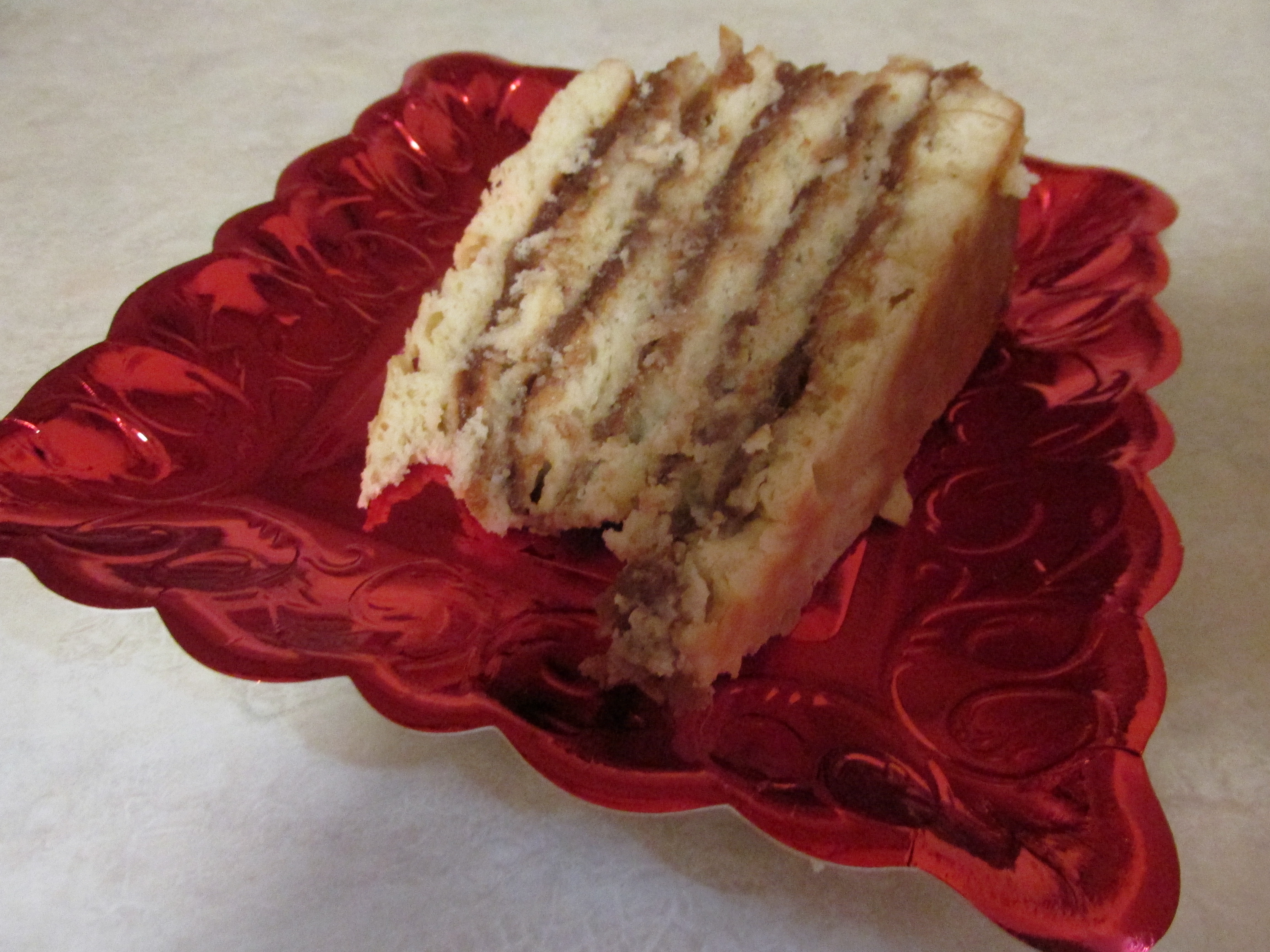
blog-046I made gumbo soup  using a recipe from 1877, a comforting dish that had many guests returning for a second helping. I prepared an old-fashioned stack cake  similar to the dessert my grandmother baked every Christmas.

We drank wassail , which is warm mulled apple cider. The beverage also felt appropriate for the chilly weather.

Some guests got into the “old-fashioned” spirit with their pitch-in dishes. One couple brought a home-made apple pie. Another brought a variation of a yule log with peppermint shavings. Delicious!

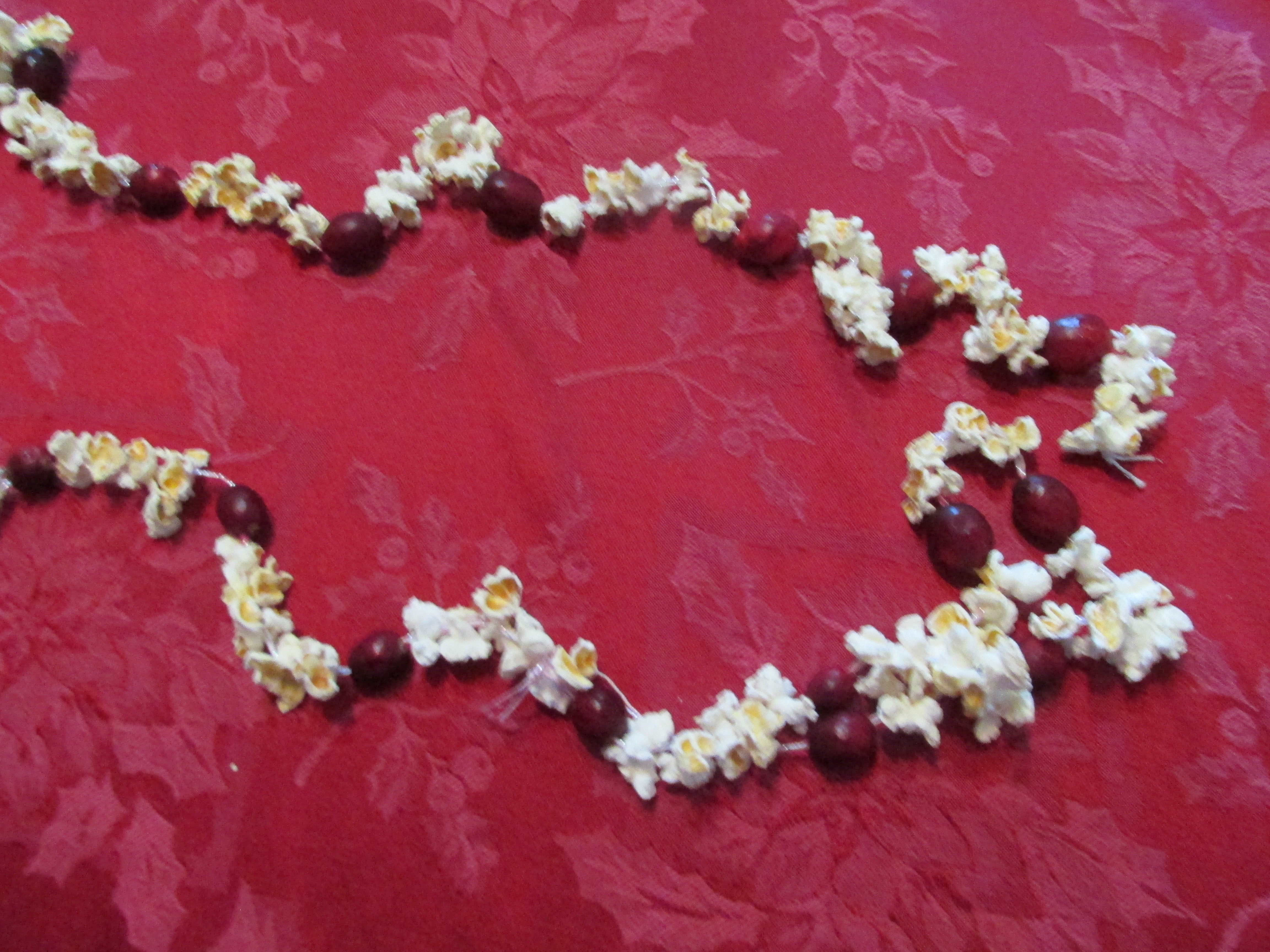
blog-055After the appetizers were consumed, the ladies strung popcorn while the men opted for conversation. Fresh cranberries were added to the chain after every fifth popcorn piece making a pretty chain for the Christmas tree.

It was a fun and festive activity to begin our party.

Next time we will talk about party games. Hope you can join in the fun!

-Sandra Merville Hart


Source

Planche, Frederick D’Arros. Evening amusements for every one; a collection of mirthful games, parlour pastimes, shadow plays, magic, conjuring, card tricks, chemical surprises, fireworks, forfeits, &c., illus. by George Cruikshank and others, Porter and Coates, ca 1880.
 

Nothing that Glitters is Gold

calico-4535_960_720

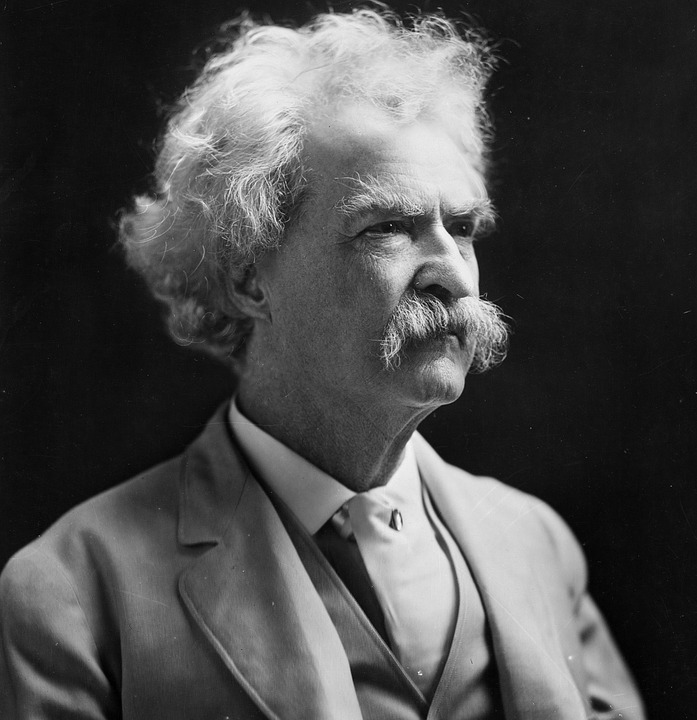
Mark Twain got bit by the fever sweeping the Nevada Territory—silver fever. Reports of great riches in Humboldt County where folks owned feet of silver mines spurred Twain and three other friends to set out on a two-hundred mile journey.

Fifteen days later, they arrived in Unionville during a snowstorm. Eleven cabins and a liberty pole made up the entire village set in a deep canyon. By building a small cabin, they added a twelfth dwelling to the tiny settlement.

minerals-1230032_960_720Twain expected to find silver glittering in the sun. While his companions searched for a mine, he went off on his own. Finally his efforts were rewarded—a stone fragment with shining yellow flecks. He felt almost delirious with joy. He would have been content with silver and he had found gold.

He marked the spot and left in a roundabout way so that anyone watching would not know where he had been. Then he went back to his new mine and picked up a few treasures to show his friends.

Back at the cabin, he couldn’t talk or eat; dreams filled his mind. With monumental news that they would all soon be wealthy, Twain waited for an opportune moment to share his joy with his friends.

He decided to tease them. Hadn’t they been searching for silver and not found any? Did that mean they should give it up and return home?

Mr. Ballou, the oldest and most experienced of the bunch, believed they should try a bit longer.

mark-twain-391112_960_720Twain couldn’t wait to tell them. He offered to show them something certain to interest them and dumped the treasure before them.

His companions scrambled for the stones to hold them close to the candlelight.

Mr. Ballou pronounced his opinion: granite rubbish and glittering mica. The whole pile wasn’t worth ten cents an acre in his estimation.

Twain’s dreams crumbled. They weren’t to be wealthy after all. He commented that all that glittered wasn’t really gold.

Ballou replied that nothing that glittered was gold. Twain learned the hard way that gold in its natural state is dull; only inexpensive metals fool the uninformed with shining outer surfaces.

Twain then observed: “However, like the rest of the world, I still go on underrating men of gold and glorifying men of mica. Commonplace human nature cannot rise above that.”

 -Sandra Merville Hart


Sources

Twain, Mark. Roughing It, Penguin Books, 1981.

The Christmas Truce

trench-62919_960_720

by Sandra Merville Hart

The war had been going on for five long months. Soldiers missed their families, their homes, and those special girls who awaited their return.

They also missed being warm and well-fed on this cold winter’s evening. Earlier in that December of 1914, Pope Benedict XV had suggested the armies suspend fighting temporarily to celebrate Christmas, a request denied by the countries at war.

The soldiers hunched in the long trenches across from their enemy, longing for warmth, longing for something to mark this day as Christmas Eve. No man’s land, the area between opposing armies, was only about 100 feet in places. In those spots, soldiers could hear each other. The smell of meals cooking in the enemy trenches often wafted over.

Then the lonely soldiers heard something unexpected on the moonlit night—not the sounds of rifles or cannons, but singing. The Germans sang a Christmas carol in their own language. Next, Allied troops from opposing trenches sang a Christmas tune. This continued until the Allies began the familiar carol, “O Come, All Ye Faithful.” German soldiers joined in with the Latin words to the song. It must have been extraordinarily comforting.

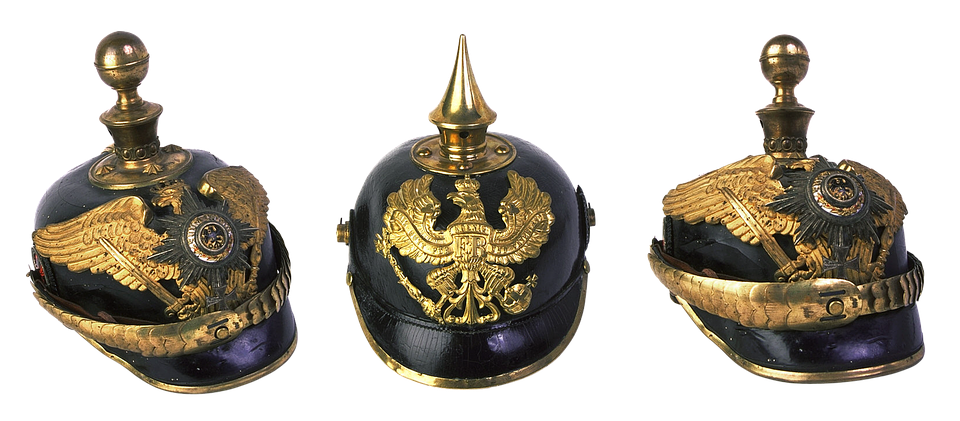
helmet-1465352_960_720British Captain A.D. Chater was writing a letter to his mom at 10 am the next morning when he witnessed an amazing sight: a German soldier waving his arms before he and a companion, weaponless, entered no man’s land.

A British soldier cautiously approached them. Within five minutes, officers and men from both armies filled the area. They shook hands and exchanged Christmas greetings.

The soldiers kicked around a soccer ball together. Some accounts mention playing football. A German barber cut a British soldier’s hair. They gave each other gifts of plum pudding, cigarettes, and hats. They posed for photos together and exchanged autographs.

Each side also took the opportunity to bury their dead, soldiers who had been laying in no man’s land for weeks.

Around 100,000 soldiers—two-thirds of the men there—shared in the unforgettable Christmas truce.

christmas-1010749_960_720Peace lasted in a few areas until after New Year’s Day.

The Christmas truce never happened again.

The faith and joy of the season crossed enemy lines one lonely Christmas. Fighting ceased for a moment in time.


Sources

Bajekal, Naina. “Silent Night: The Story of the World War I Christmas Truce of 1914,” Time Inc., 2016/10/26  http://time.com/3643889/christmas-truce-1914/.

“Christmas Truce of 1914,” History.com, 2016/10/26  http://www.history.com/topics/world-war-i/christmas-truce-of-1914.

Dearden, Lizzie. “Christmas Day Truce 1914: Letter From trenches shows football match through soldier’s eyes for the first time,” The Independent, 2016/10/26  http://www.independent.co.uk/news/uk/home-news/christmas-truce-of-1914-letter-from-trenches-shows-football-match-through-soldiers-eyes-9942929.html.


The Twelve Days of Christmas

christmas-1010749_960_720

by Sandra Merville Hart

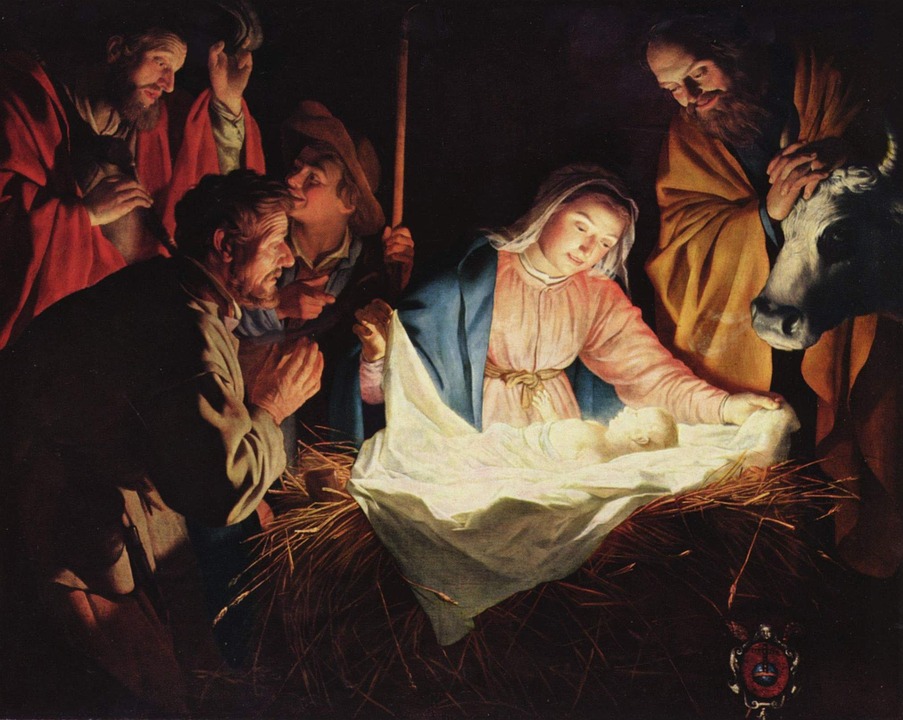
The Twelve Days of Christmas isn’t just a song; it was a celebration of Jesus’s birth beginning on Christmas Day. This was the Day 1 or the first day of Christmas.

A saint was honored on each successive day. For instance, December 26th was Day 2. This is Boxing Day. St. Stephen was the one remembered on this day.

The Twelfth Night—or Epiphany Eve—is January 5th, the evening before the Twelfth Day when people celebrated the Feast of the Epiphany. January 6th is the final day of Christmas.

Folks hosted big parties on the Twelfth Night. They played music–usually bagpipes–and played games. Hostesses served Twelfth Night cake every year. It was a fun and festive event.

rock-partridge-50362_960_720Our beloved song, Twelve Days of Christmas, seems to have begun as a “memories—and—forfeits” game, as is printed in a children’s book in 1780, Mirth Without Mischief. The leader began the game by quoting a verse that the followers repeated. This continued until a player made a mistake, when that person paid a small forfeit or penalty—possibly a kiss.

This was one of the games played at Twelfth Night parties. When this and other games finished, guests sat down to enjoy a meal that included mince pies and Twelfth Night cake.

The Christmas season ended on January 6th, known as Epiphany. This day honors two events in Jesus’s life: the first event happened when the Magi traveled from the east to bring gifts to the newborn king, Jesus; and the second event took place when John the Baptist baptized Jesus.

the-three-magi-160632_960_720Many Christians across the world still celebrate Epiphany. Several countries including Austria, Italy, and Uruguay recognize this day as a public holiday.

Citizens of different countries celebrate Epiphany in various ways. For example, the children of Spain leave straw or grain for the horses of the three kings inside their shoes on Epiphany Eve, January 5th. They are delighted to find cookies or gifts has replaced the grain on Epiphany.

The three kings ride into many cities in Spain on Epiphany Eve. Drummers dressed in medieval costumes and military bands enter with the kings as part of the event.

Traditionally, the Twelve Days of Christmas has been much more than a fun song. Learning the history adds meaning to what we already love about the season.

Sources

“Epiphany,” Timeanddate.com, 2016/10/25  https://www.timeanddate.com/holidays/common/epiphany.

“The Twelve Days of Christmas,” WhyChristmas.com, 2016/10/25  http://www.whychristmas.com/customs/12daysofchristmas.shtml.

“The Twelve Days of Christmas (Song,)” Wikipedia, 2016/10/25  https://en.wikipedia.org/wiki/The_Twelve_Days_of_Christmas_(song).

Silent Night

landscape-685324_960_720

by Sandra Merville Hart

Joseph Mohr, a young priest at St. Nicholas Church in Oberndorf, Austria, was asked to plan the music for that all-important service, Christmas Eve Mass.

1818 was an especially cold winter. Mohr strolled over snow-covered lanes to the village church hours before the service was to begin. The choir had practiced the songs. They were ready, even though snowy weather had prevented some from attending practices.

The church organ didn’t work. What could he do?

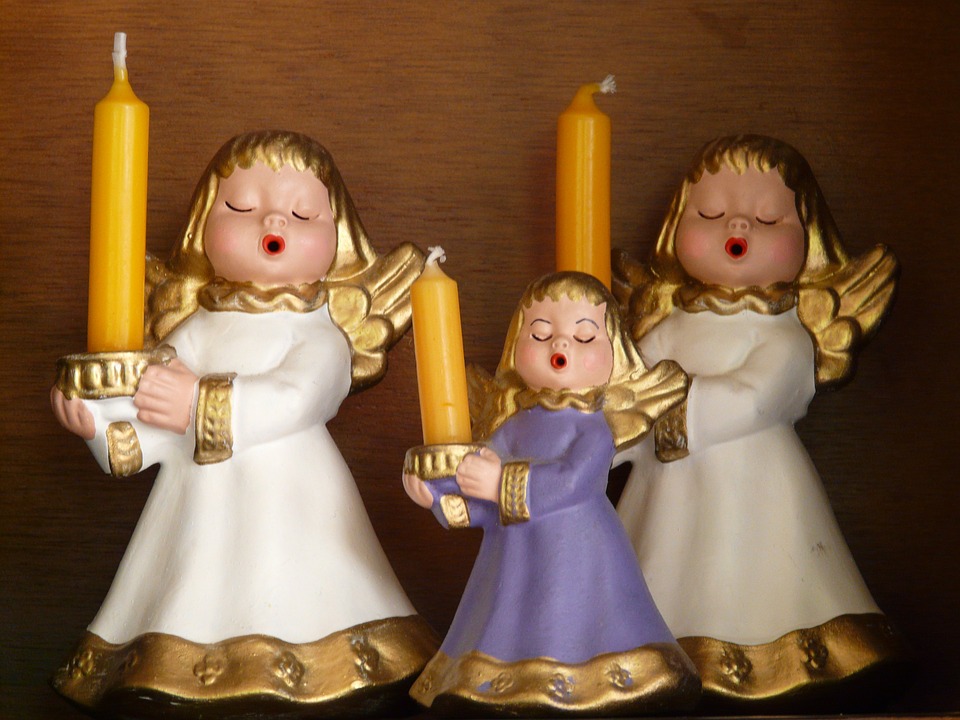
angel-8186_960_720He hurried to the home of Franz Gruber, a schoolteacher and musician friend. Whether he went there to talk about a poem he wrote or remembered while there is unclear. At some point in their conversation, Mohr showed a poem that he had written two years previously while he served at a church in Mariapfarr. He asked Gruber to compose music and guitar accompaniment for the Christmas poem.

That evening, Mohr and Gruber sang the song for the first time as the guitar played “Stille Nacht.” Singing four-part harmony, the choir repeated the last two lines of each stanza.

christmas-1010749_960_720Karl Mauracher, an organ repairman, came to St. Nicholas the following month. While Mauracher worked on the organ, Mohr told him of the new song sung on Christmas Eve, accompanied by guitar. Mohr sang “Stille Nacht” for Mauracher, who loved it so much that he taught the song to other churches.

Mohr died before his song became well-known throughout Europe. The problem was that folks assumed one of the famous composers, such as Mozart or Beethoven wrote the melody. Gruber’s claims that he wrote the tune didn’t dispel lingering doubts. It wasn’t until an original document by Mohr was found in 1995 that folks widely accepted Gruber’s claim. The manuscript showed that Mohr penned the poem in 1816 and the Gruber composed the music in 1818.

“Stille Nacht” has been translated into English as “Silent Night.” Two centuries later, the carol is still sung every Christmas season. The talents of these two men live on in this song.

Sources

Collins, Ace. Stories Behind the Greatest Hits of Christmas, Zondervan, 2010.

Egan, Bill. “Silent Night: The Song Heard ‘Round the World,” Silentnight.web.za, 2016/10/27 http://www.silentnight.web.za/history/index.htm.

“Silent Night,” Wikipedia, 2016/10/27  https://en.wikipedia.org/wiki/Silent_Night.

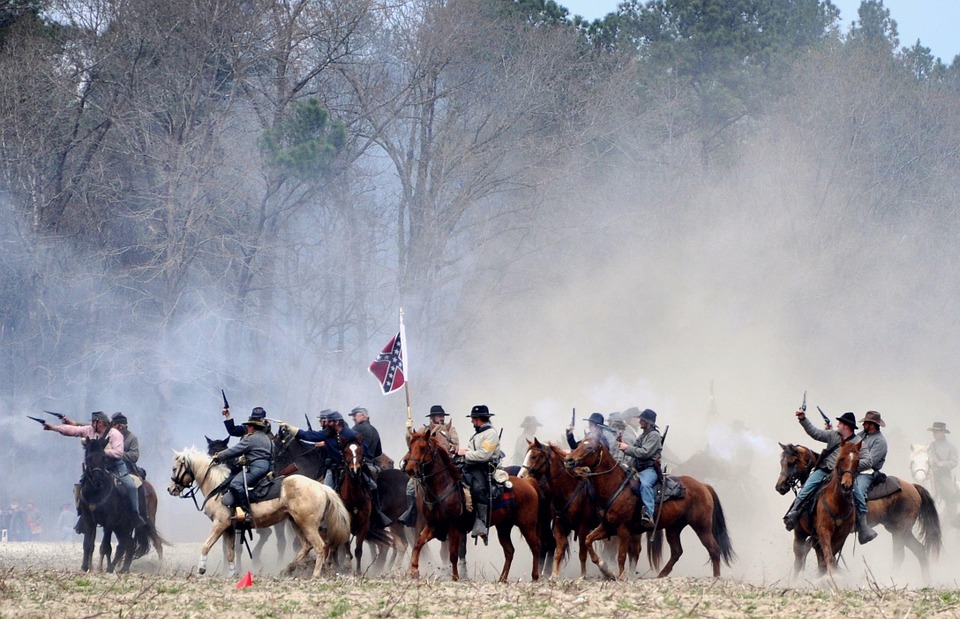
This Week in History: Civil War Battle of Franklin

battle-197727_960_720

Wednesday, November 30, 1864

 Jacob Cox led Union soldiers under General Schofield south of Franklin, Tennessee, around dawn where they set up a line of defense as well as along the Harpeth River. Federals wanted to hold the city long enough to repair bridges for crossing.

Confederate General John Bell Hood resolved not to allow the Federals to reach Nashville. He arrived with 30,000 troops around 4 pm and launched an assault on the Union front. Though they almost broke through, the Southerners took heavy losses.

Some of the whole war’s bloodiest fighting happened at the Carter House. Tragically, Confederate soldier Tod Carter was fatally wounded in the frontal assault and died in his childhood home.

The battle that raged well past nightfall claimed the lives of 6 Confederate generals, including Pat Cleburne, tragic losses for the Southerners.

-Sandra Merville Hart

Sources

Long, E.B with Long, Barbara. The Civil War Day by Day: An Almanac 1861-1865, A Da Capo Paperback, 1971.

“Franklin,” Civil War Trust, 2016/08/04 http://www.civilwar.org/battlefields/franklin.html.