Battle Above the Clouds (Lookout Mountain)

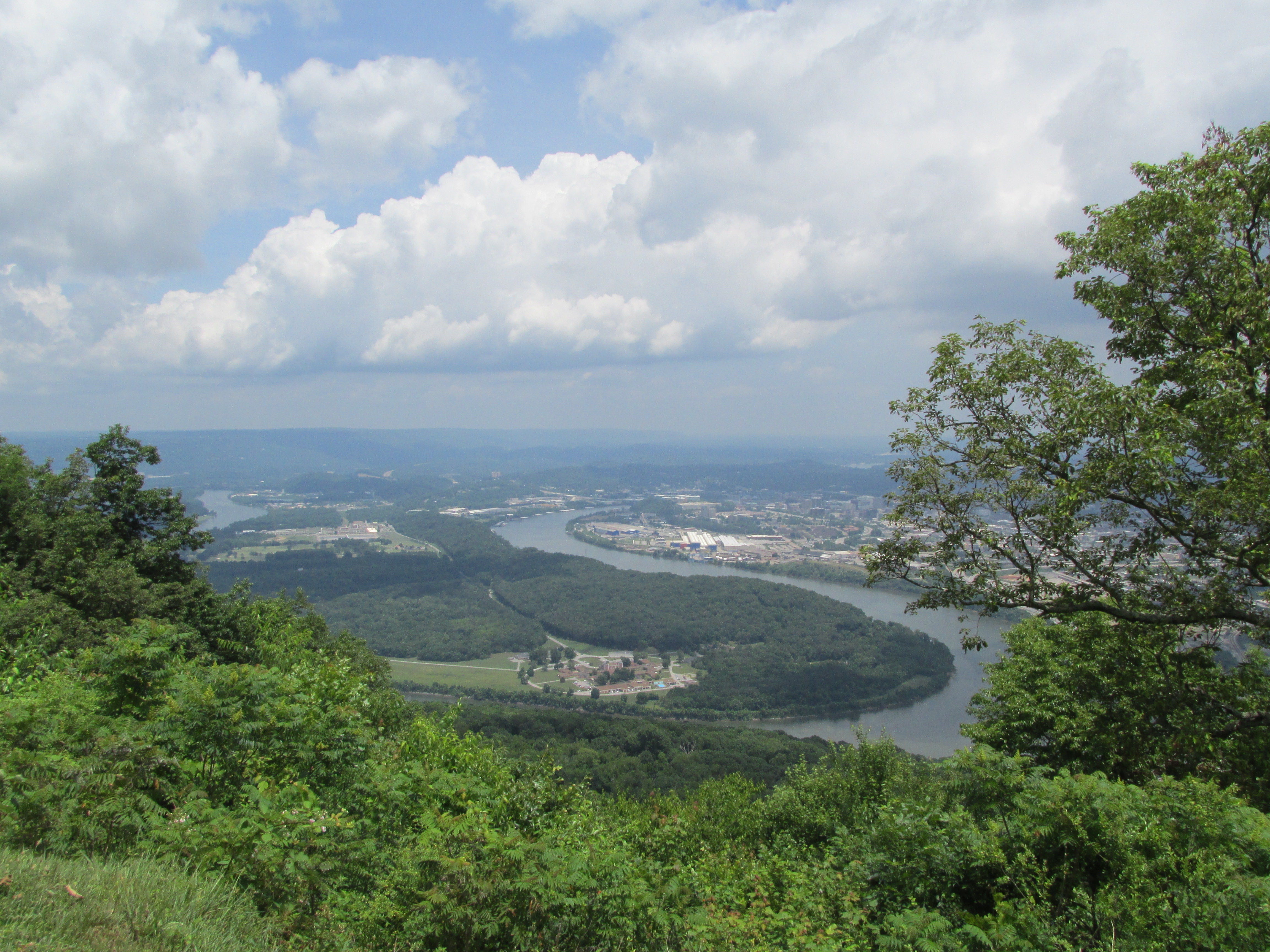
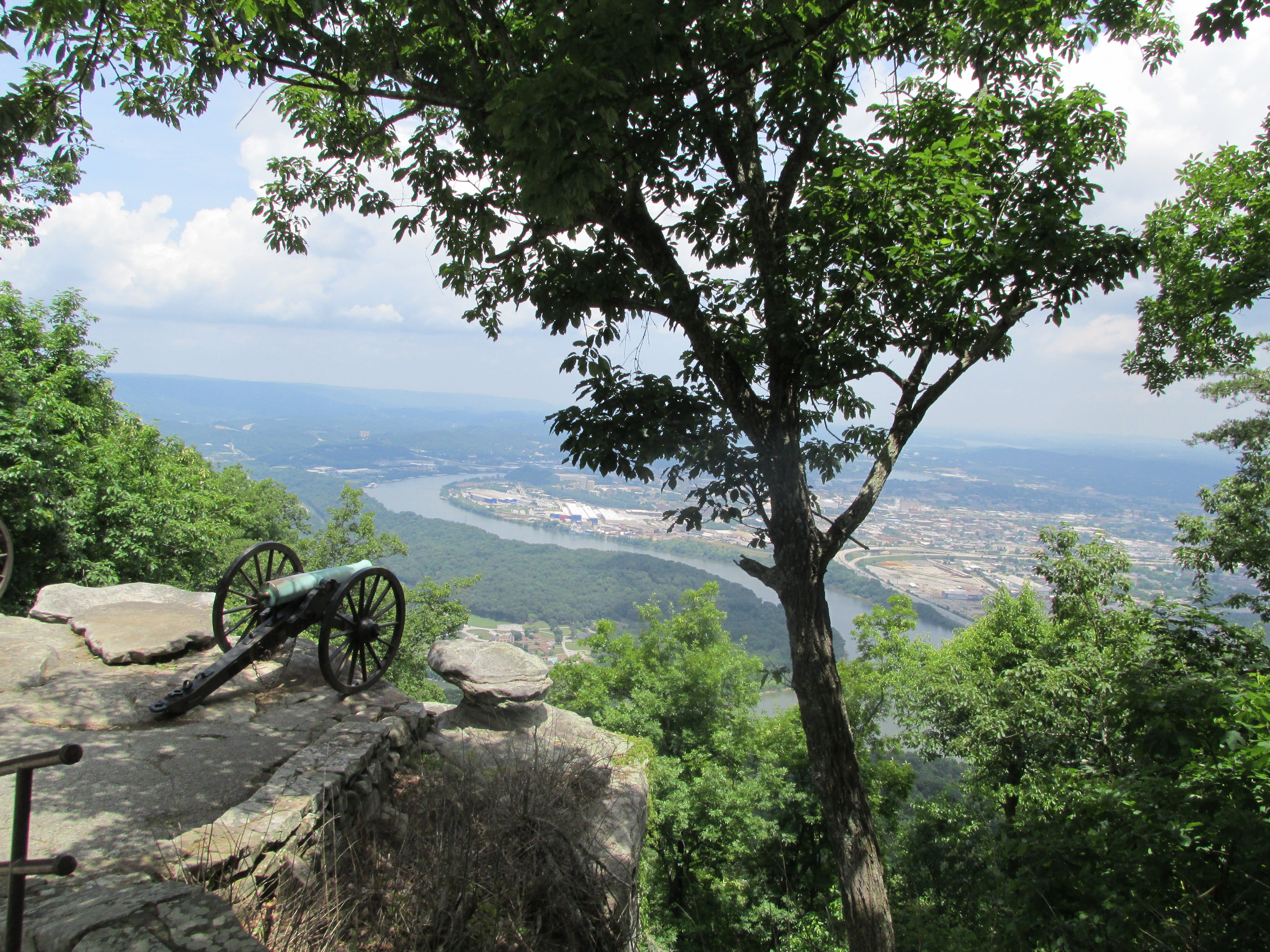
View of Confederate cannons by a rocky cliff with Tennessee River and Chattanooga in the background
View of Confederate cannons by a rocky cliff with Tennessee River and Chattanooga in the background


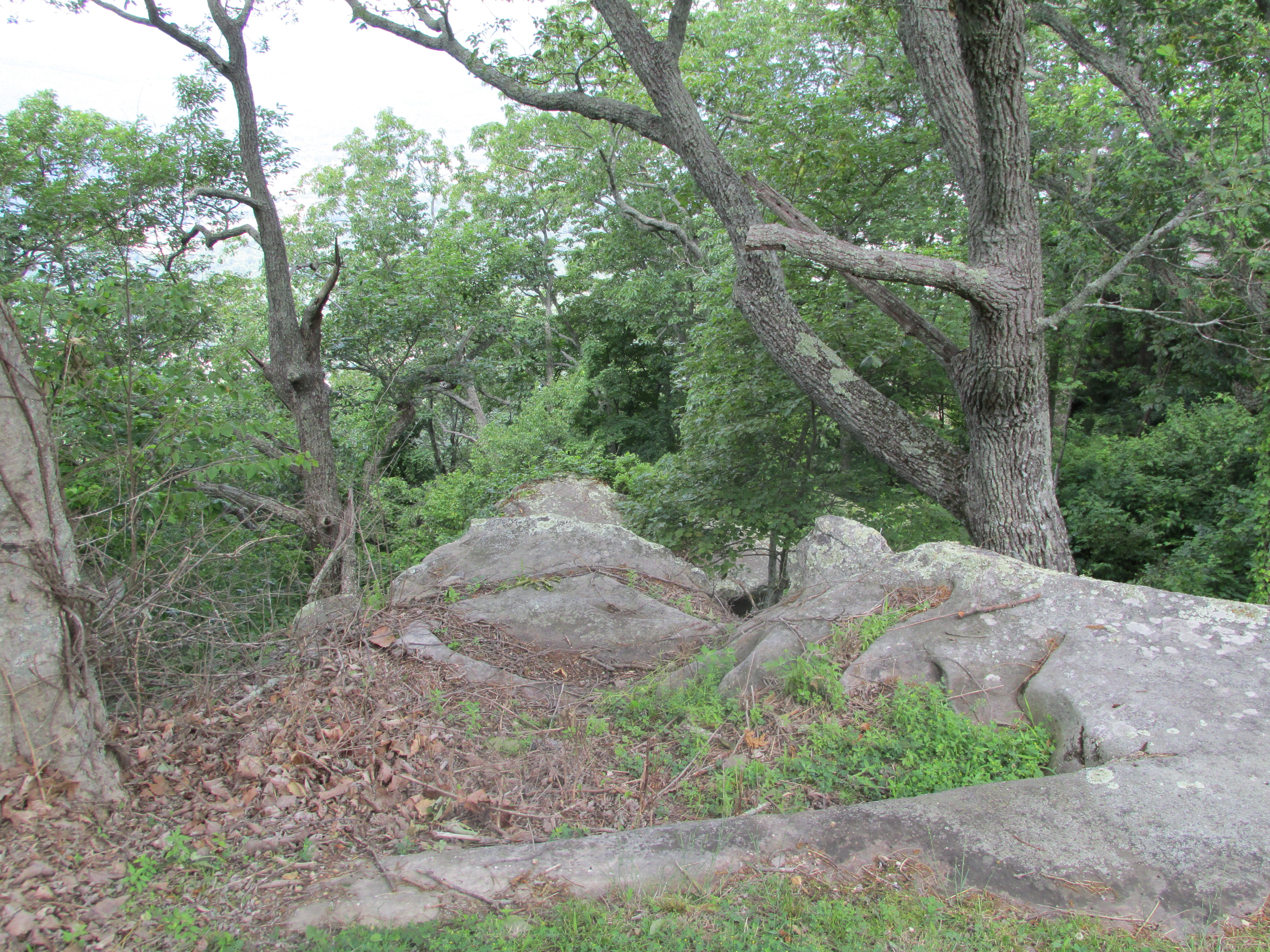
Rugged terrain at Point Park on Lookout Mountain

Rugged terrain at Point Park on Lookout Mountain

Rain fell in the predawn hours of November 24th. Union General Hooker sent Geary’s Division and Whitaker’s brigade of the 4th Corps to climb Lookout Mountain and attack Confederate soldiers there.

They climbed over and around boulders, loose stones, bushes, vines, and thickets of dense timber, going northward along the base of the almost vertical cliff in a dense fog to meet up with Osterhaus’s division.
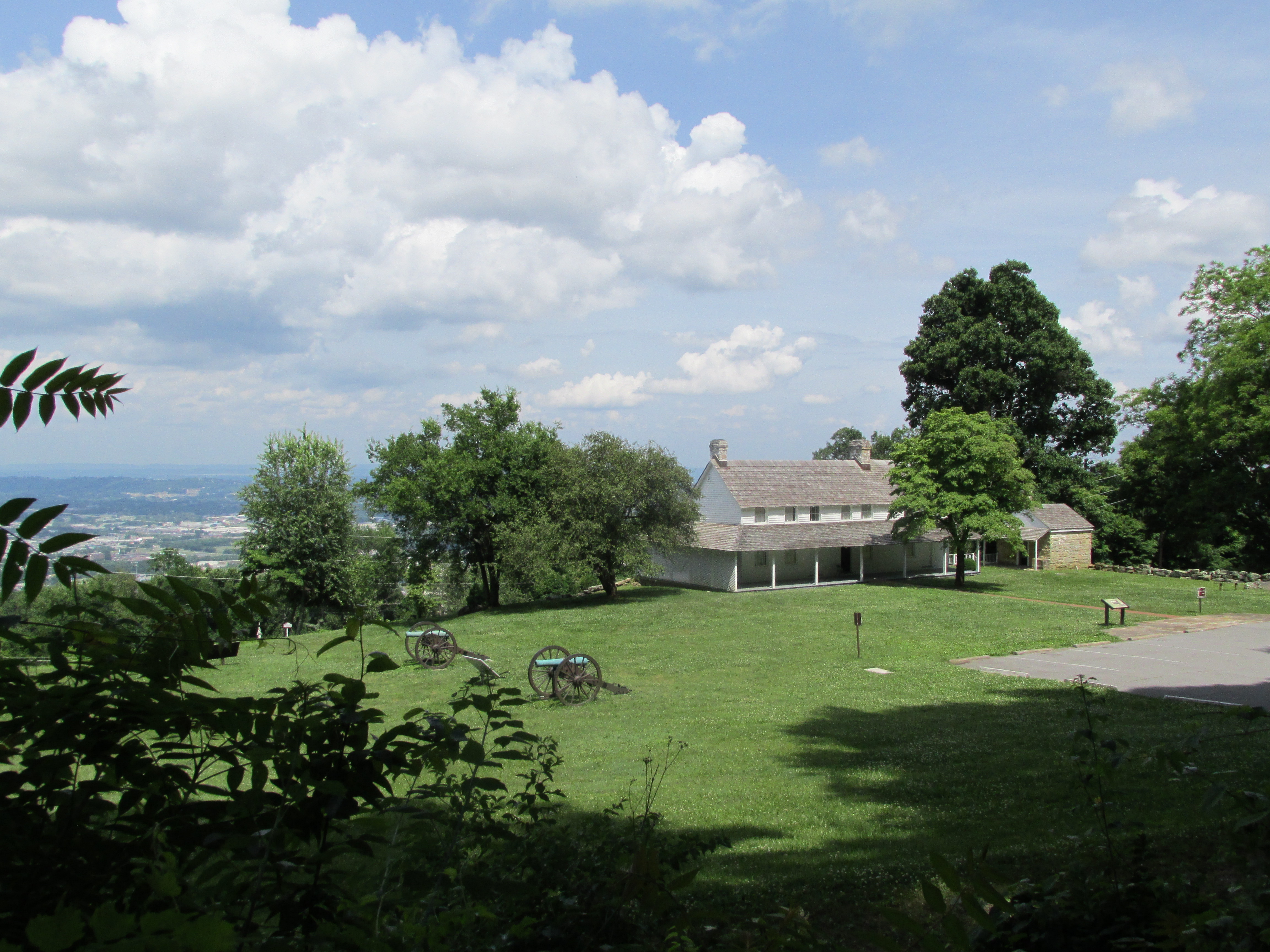
View of Cravens House with Chattanooga in the background

View of Cravens House with Chattanooga in the background

About 10 a.m., Union troops met Confederate troops at Cravens farm where sharp fighting took place. After 3 hours of fighting, Confederates were driven about 400 yards east of Cravens farm. Southern reinforcements arrived about 1 p.m. with additional troops coming thirty minutes later.

img_0136Persistent fog hastened the darkness. At dusk, the clouds blew away. It revealed, in the words of Lieutenant Colonel Joseph S. Fullerton, General Gordon Granger’s chief of staff, “parallel fires of the two armies, extending from the summit of the mountain to its base, looking like streams of burning lava, while in between, the flashes from the skirmishers’ muskets glowed like giant fireflies.”

The battle on Lookout Mountain is also known as The Battle Above the Clouds for the heavy fog that partially covered the mountain.

After the war ended, this photo shows the Reconstruction in Chattanooga.

After the war ended, this photo shows the Reconstruction in Chattanooga.

The rain that fell in the afternoon turned partially to sleet in the higher elevations. An Ohio sergeant wrote the sleet “felt sharp as needles to our faces.”

During the cold night, the sky cleared. Shadows crossed the moon in an eclipse, sending chills down the spine of many watching that had nothing to do with the weather. It was viewed as a bad omen. Private Ralph J. Neal of the Confederate 20th Tennessee and his friends were stricken with a sense of “impending disaster.” The eclipse also gave many of Hooker’s soldiers an eerie feeling.

I’ve written an inspirational Civil War romance, A Stranger On My Land, set on Lookout Mountain, Tennessee. Please read the Prologue to learn Adam’s story and how the wounded Union soldier ends up on Carrie’s property, whose father fights with General Robert E. Lee’s army in Virginia.

Chapter one begins on Lookout Mountain the day after the Battle Above the Clouds.

-Sandra Merville Hart

Amazon

Sources

Korn, Jerry. The Fight for Chattanooga: Chickamauga to Missionary Ridge, Time-Life Books, 1985.

Sword, Wiley. Mountains Touched with Fire: Chattanooga Besieged, 1863, St. Martin’s Press, 1995.

Woodworth, Steven E. Six Armies in Tennessee: The Chickamauga and Chattanooga Campaigns, University of Nebraska Press, 1998.

 

Battle of Chattanooga (Orchard Knob)

civil-186719_960_720

Orchard Knob is now part of the city of Chattanooga. In 1863, the town extended from the Tennessee River on the north and west to the current West 23rd Street and Baldwin Street in the south and east.

During the war, Orchard Knob was a wooded mound outside the town on the Chattanooga Valley plain. With flags flying and sunshine glinting on 10,000 polished bayonets, it was an impressive sight when General Thomas’s troops rushed forward to attack the Confederates on Orchard Knob. Buglers and drummers played tunes to give commands. Puffs of smoke rose from the woods on the hill.

landscape-1259711_960_720The hill was taken on November 23, 1863. Grant ordered the fortifications to be changed to face the Confederates, an order accomplished that night.


-Sandra Merville Hart

Sources

Korn, Jerry. The Fight for Chattanooga: Chickamauga to Missionary Ridge, Time-Life Books, 1985.

Sword, Wiley. Mountains Touched with Fire: Chattanooga Besieged, 1863, St. Martin’s Press, 1995.

Woodworth, Steven E. Six Armies in Tennessee: The Chickamauga and Chattanooga Campaigns, University of Nebraska Press, 1998.
 

Mark Twain Learns the Cost of Traveling West

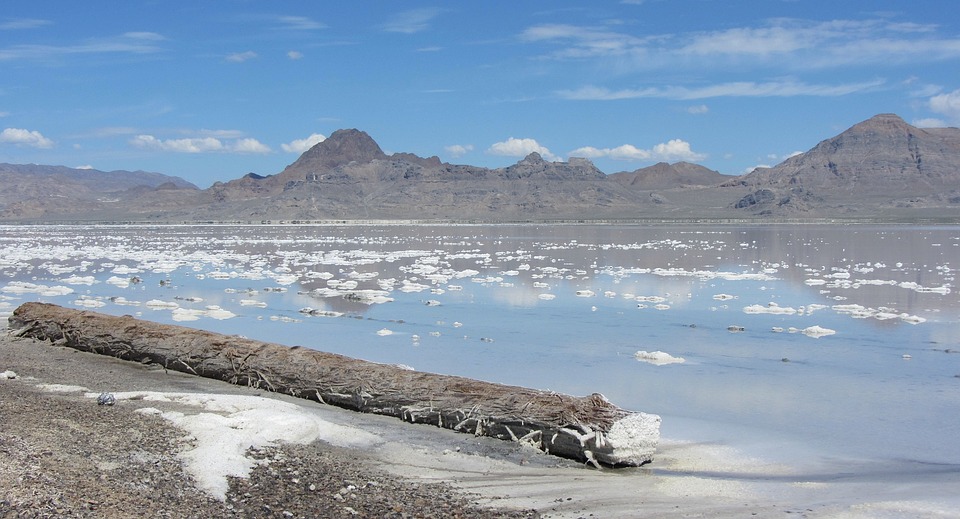
bonneville-1210139_960_720

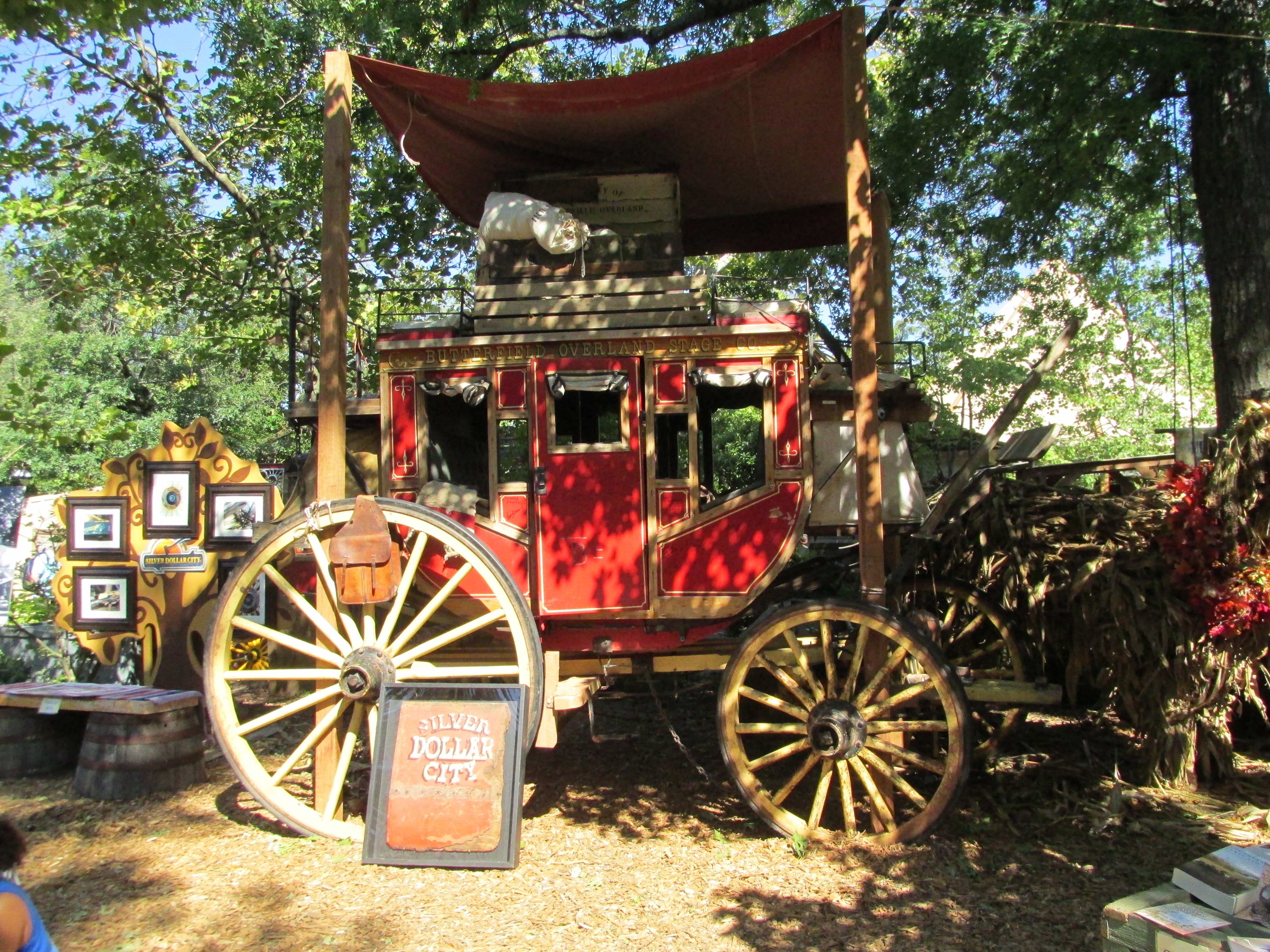
Mark Twain and his brother stopped in Great Salt Lake City while on a stagecoach trip to Nevada in the early 1860s. While at the Salt Lake House, a fellow asked if Twain wanted his boots blacked. Twain agreed and paid him a silver five-cent piece when done.

rupee-1442402_960_720The man laid the coin in his hand and stared as if at a novelty. Stagecoach drivers, mountaineers, and other local folk gathered near to survey the nickel.

Returning the money, the fellow suggested that Twain store his coins in his pocket-book instead of his soul—that way it wouldn’t get so shriveled up!

It was a humiliating lesson that commodities costing far less in the eastern United States were not as cheap in the West. The amount Twain gave was a fair price where he grew up, but not in Great Salt Lake City.

A penny’s worth of goods was available in the East; it bought the smallest amount of purchasable products. The silver nickel was the smallest coin used west of Ohio.

background-21657_960_720Nothing cost less than a dime in Overland City and, as Twain learned the hard way, everything cost at least a quarter in Great Salt Lake City.

Cigars, peaches, candles, newspapers, and chalk pipes—items that normally cost Twain a nickel—went for twenty-five cents in that western city.

Twain and his brother brought along silver coins stored in a shot-bag; the level reduced at an alarming rate at those prices. Though it seemed as if they blew their money on riotous living, their expense records proved that not to be the case.

The brothers quickly learned the realities of residing in the pioneering West. High costs of freighting goods to the area escalated the prices. Pioneers grew accustomed to paying a minimum of twenty-cents for everything, even blushing to remember paying only a nickel for the same items.

The fellows had a good laugh at Twain’s expense that morning at the hotel, perhaps because the same thing happened to them when they were first confronted with the exorbitant prices in the West.

-Sandra Merville Hart


Sources

Twain, Mark. Roughing It, Penguin Books, 1981.

Mark Twain Briefly Holds Property at Lake Tahoe


lake-tahoe-1606969_960_720

The Homestead Act of 1862 allowed United States citizens to file a claim for free federal land, up to 160 acres. This privilege allowed heads of households or adults 21 and over to pay a small registration fee and then live on that property continuously for five years. After that they owned the land. If the owner wanted quicker ownership, he paid $1.25 per acre after a six-month residency.

Mark Twain, along with a friend, set out for Lake Tahoe at the end of August with an axe strapped to his back. Brigade members, who were friends of theirs, had timber lands along the lake shore and a camp with provisions. Twain intended to take advantage of the law and build a wooden ranch while staying at the Brigade’s camp. Visions of wealth and dreams for a bright future put a spring in his step.

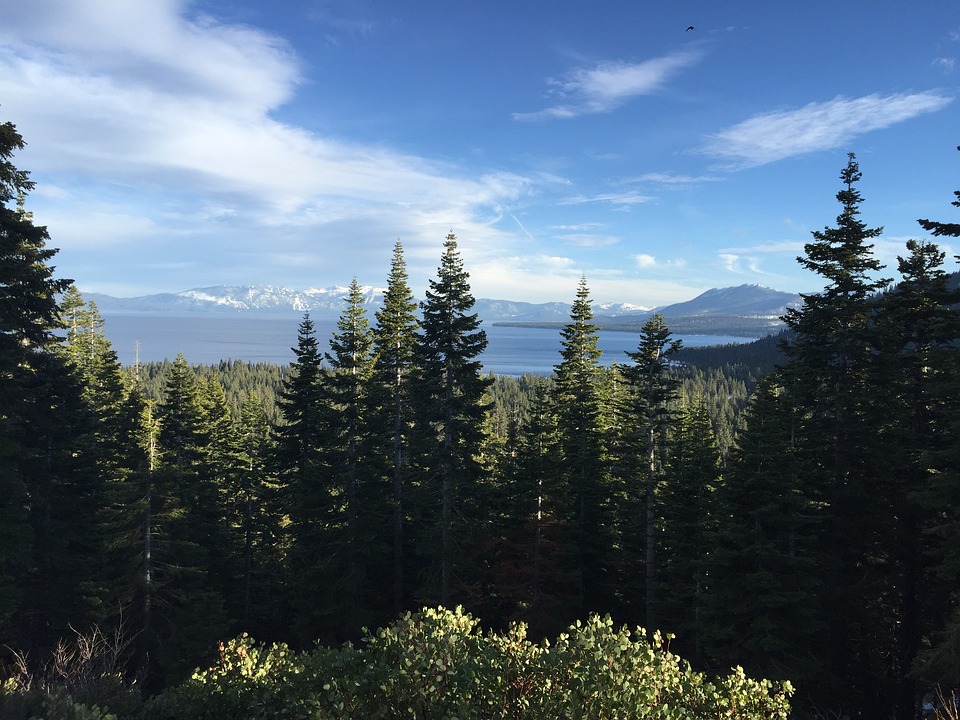
lake-tahoe-177933_960_720Twain described the bracing air at Lake Tahoe as being “the same the angels breathe.” While fishing in a boat, the clear water made the young men feel as if they floated on air.

After exploring the area, the friends claimed about three hundred acres of dense yellow pine timber land by posting notices on a tree. The next order of business to hold the land was to build a fence, or in this case, cut down trees so they fell to form an enclosure. After the men cut three trees apiece, they decided to “rest their case” there while hoping it was enough to meet the requirement.

lake-tahoe-1697573_960_720Then they turned their attention to building a log home that would be the envy of the Brigade property owners. The first log took so long to trim that the friends decided to build a sapling home. That proved to be a lot of work as well so they settled on a brush house and began living on their new property.

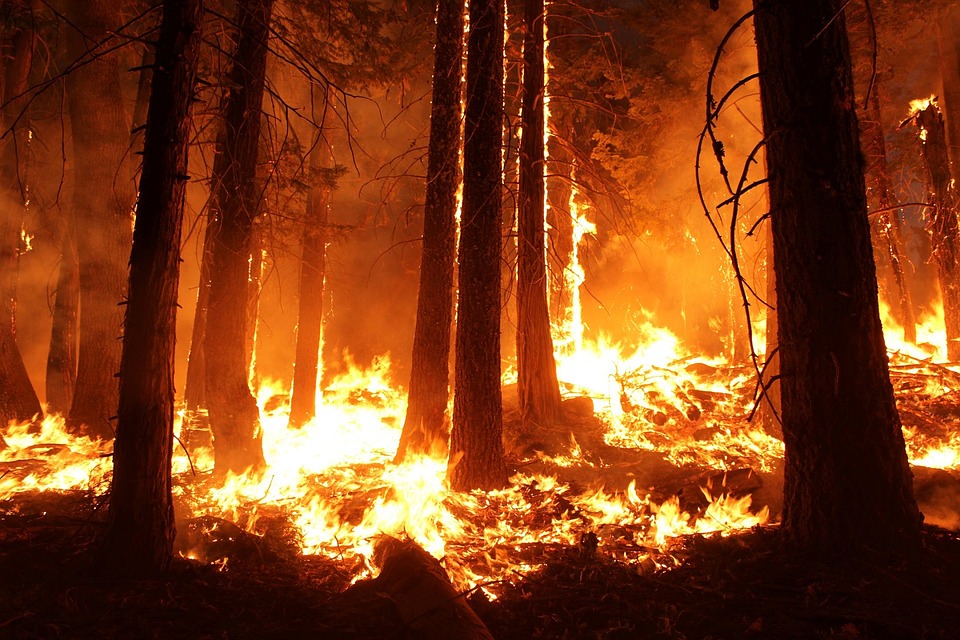
fire-1650781_960_720One evening, Twain lit a fire and then went to retrieve his frying pan to cook bacon for supper. In that short time, the fire took off “galloping all over the premises!” He and his friend, Johnny, retreated to a boat to watch helplessly as dry pine needles lit with fierce speed. Flames roared up nearby ridges.

wildfire-1105209_960_720The fire mirrored in the lake where a horrified Twain sat in his boat. His house and fence were burned up with no insurance. Provisions were gone but the blankets had been in sand and so were saved.

They returned to the Brigade’s camp and ate their provisions. Then Twain and Johnny returned to Carson to explain what happened to the Brigade owners, who forgave them after the pair paid the damages.


-Sandra Merville Hart


Sources

“Homestead Act,” History.com, 2016/09/29 http://www.history.com/topics/homestead-act.

“Homestead Act,” The Library of Congress, 2016/09/29 https://www.loc.gov/rr/program/bib/ourdocs/Homestead.html.

Twain, Mark. Roughing It, Penguin Books, 1981.

Mark Twain Writes of a “Soda Lake” on the Oregon Trail


oregon-264458_960_720

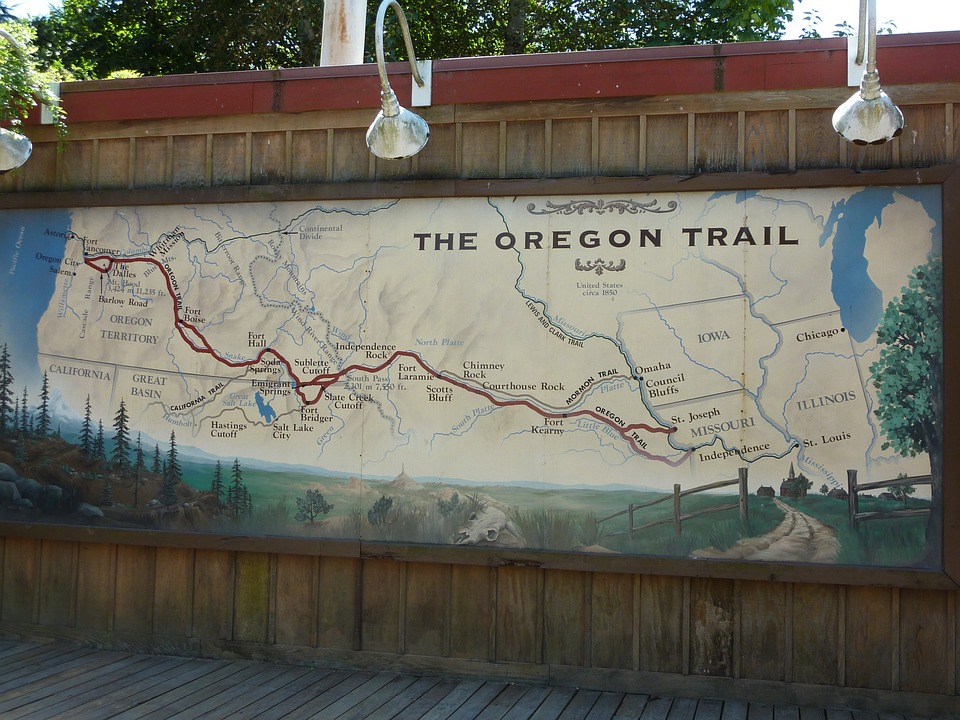
Mark Twain wrote of traveling by stagecoach on the Oregon Trail. One of the fascinating sights he talked about was a dry lake he called “Alkali” or “Soda Lake.” He saw these after passing Independence Rock, located in what is now Alcova, Wyoming.

img_2270The stagecoach driver informed him that Mormons traveled from Great Salt Lake City with wagons to shovel pure saleratus from the dry lake. The driver had seen them haul away two wagon loads a few days before Twain passed by. The Mormons sold the drug for twenty-five cents a pound, a nice profit for a product that cost only their labor.

Carried by the wind, the white powder blew into the travelers’ faces, irritating their eyes. Some early pioneers described the strong odor as smelling like lime or having an “acrid caustic smell.”

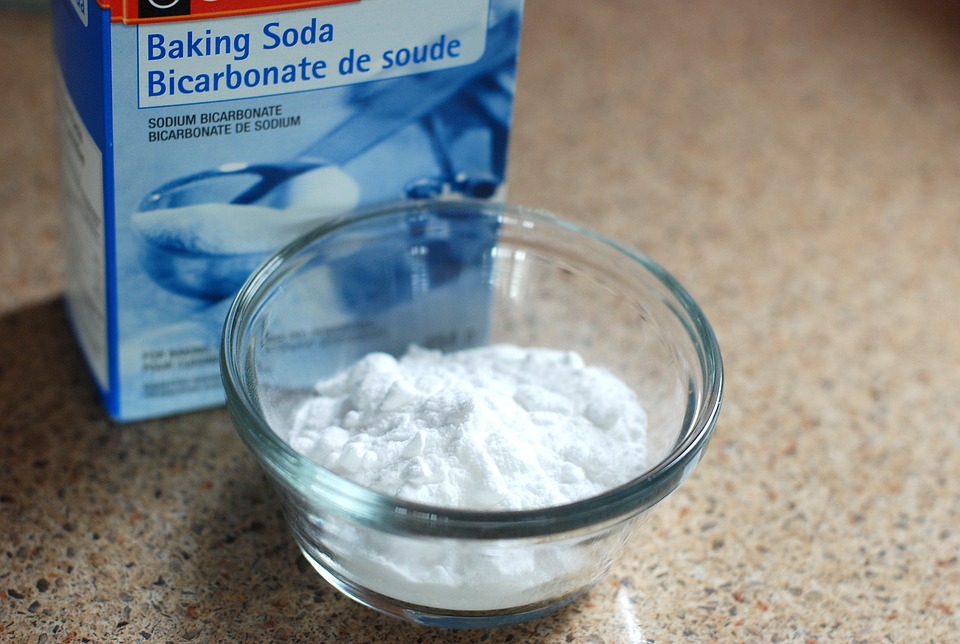
baking-soda-768950_960_720The shallow lakes were sometimes dry but might not be depending on the season. The water could be poisonous; animals that refused to stay away from it sometimes sickened and died from drinking it.

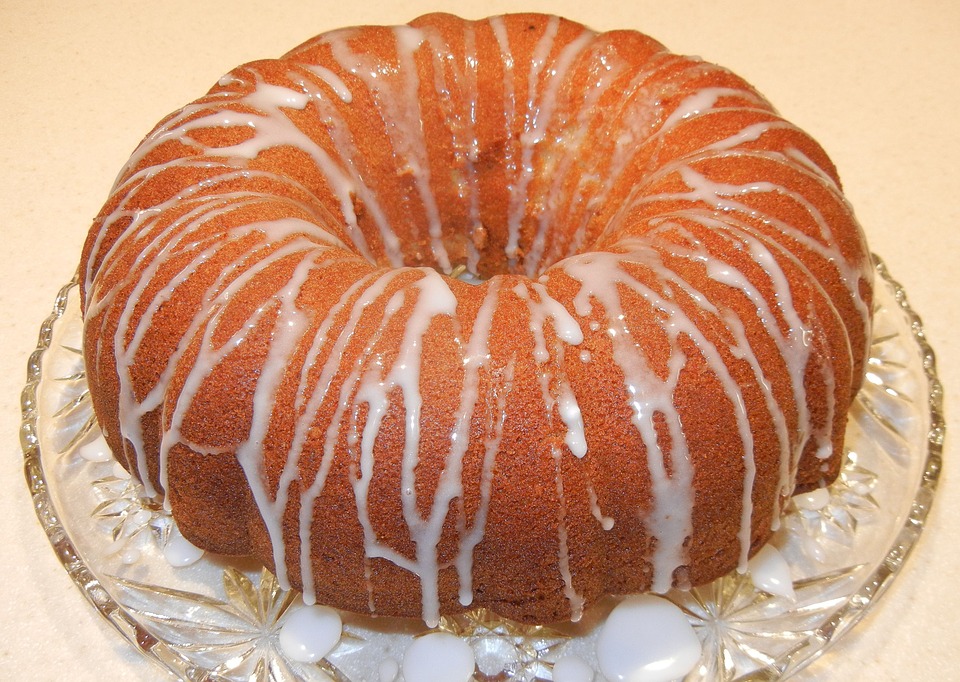
Saleratus, or bicarbonate of soda, is a white substance we know as baking soda. Bakers use it as a leavening agent for biscuits, pancakes, cakes, and cookies.

cake-596918_960_720When mixed with water, sodium bicarbonate may treat heartburn and acid indigestion but this comes with a caution: don’t use on a regular basis as an excess may cause Alkalosis.

Make a paste of baking soda and water to relieve pain of burns, insect bites, and stings. This paste also treats the itch caused by allergic reactions to poison oak, poison ivy, and poison sumac—or add a cup of baking soda to bath water.

Baking soda has been used in toothpaste for years and my mother used baking soda and water to brush her teeth when growing up.

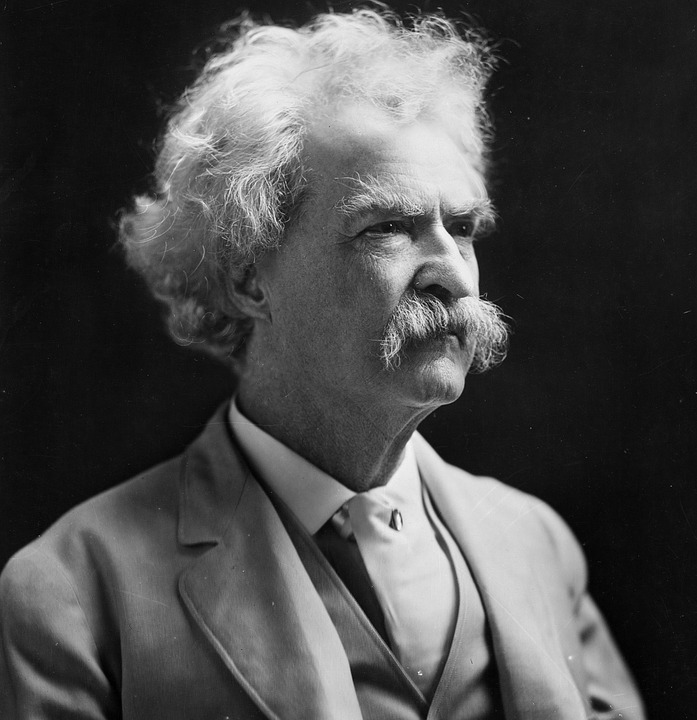
mark-twain-391112_960_720What Twain called “Soda Lake” is now known as Playa Lake or Saleratus Lake and is easily seen from Independence Rock.

-Sandra Merville Hart


Sources

“Saleratus Lake,” The Wyoming State Historical Society, 2016/09/27 http://www.wyohistory.org/encyclopedia/saleratus-lake.

“Sodium bicarbonate,” The Free Dictionary by Farlex, 2016/09/27 http://medical-dictionary.thefreedictionary.com/saleratus.

“Sodium bicarbonate,” Wikipedia, 2016/09/27, https://en.wikipedia.org/wiki/Sodium_bicarbonate.

Twain, Mark. Roughing it, Penguin Books, 1985.


Finding Treasures Along Historic Route 66

img_2236


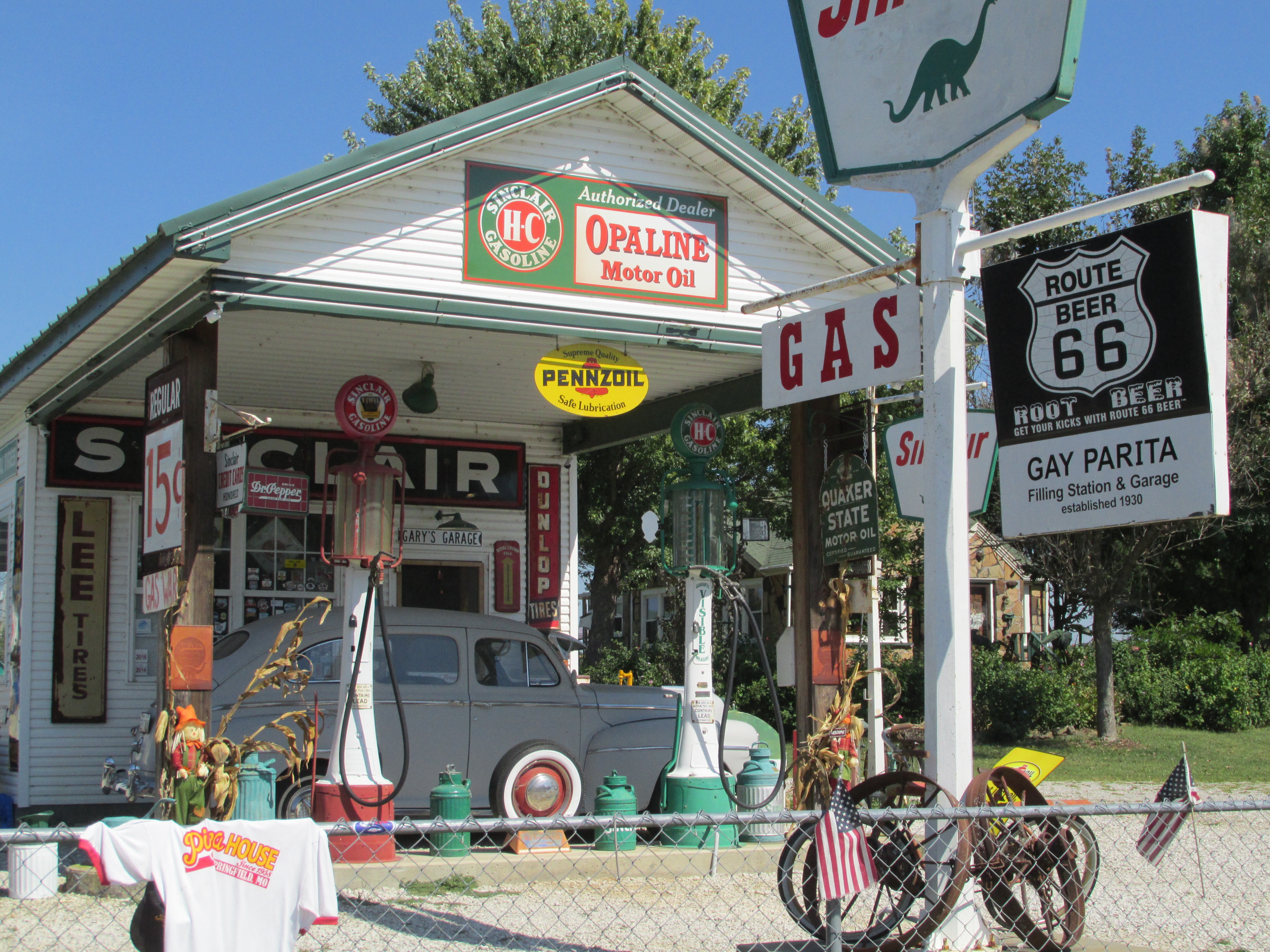
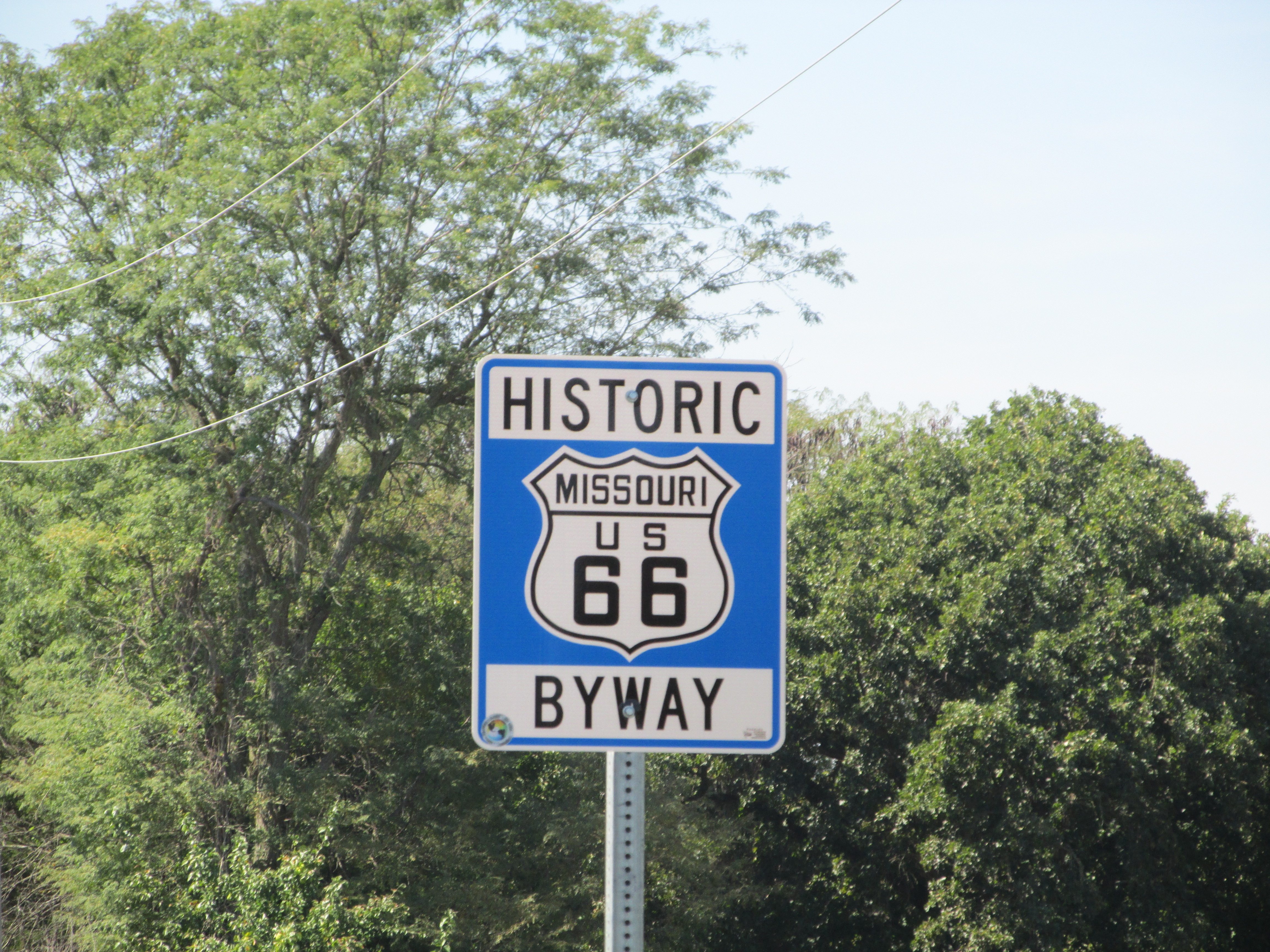
My husband and I set aside a day to explore the historic Route 66 on a recent vacation to Missouri. I hoped to find an old diner for lunch and experience a small part of what those early travelers found along the way.

The historic route began in Chicago, Illinois, and wound through eight states until it reached Los Angeles, California. Besides Illinois and California, the route went through Missouri, Kansas, Oklahoma, Texas, New Mexico, and Arizona.

img_2233The road, which opened in 1926, spans over 2,300 miles. The greatest stretch of miles is in Oklahoma with 432; with only 13 miles, Kansas has the smallest distance covered.

Missouri, where my husband and I vacationed, contained 317 miles in its heyday. We picked up the route, which follows other state routes, at Springfield and quickly discovered lots of farms, cattle ranches, and small towns. I began to think that my hopes of eating at an old diner were not to be realized.

img_2242The towns on this historic section of Route 66 likely boasted of gas stations, motels, restaurants, and attractions that have long since closed. Once the interstates removed traffic from this route, the small businesses lost the majority of their customers and shut down.


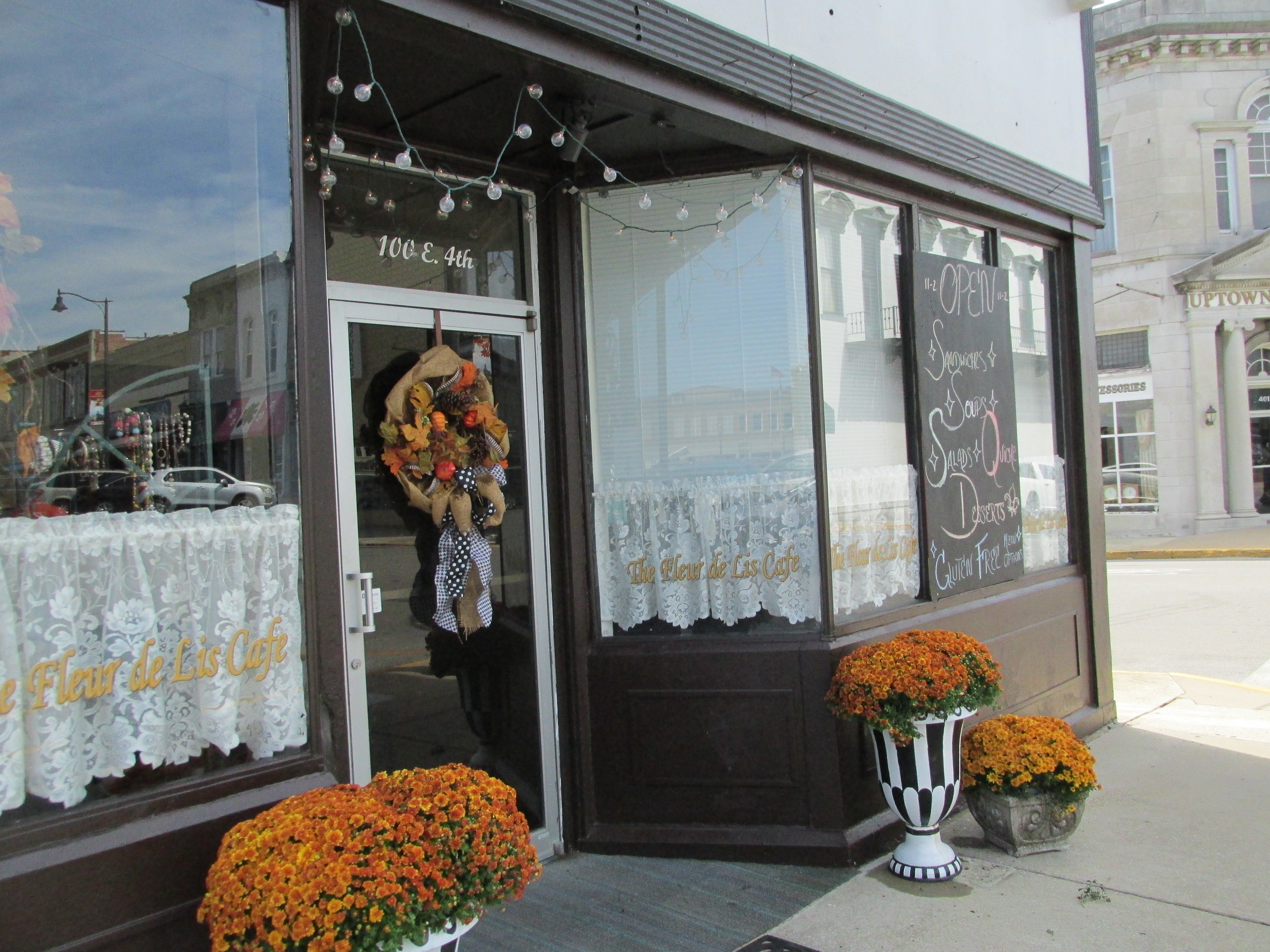
img_2247Our journey led us to the city of Carthage, Missouri. We quickly discovered that a Civil War battle that preceded the Battle of Bull Run took place in the town square. We ate at a quaint French café in the square that, though it wasn’t there at the time of the Route 66 travelers, delighted us with its friendly owners and menu. A motel, Boots Court, was a popular stopping place for weary travelers. The motel serves customers today and is being restored by current owners.

So we found unexpected treasures along the way in a few hours that convinced me there is more to be discovered.

The National Park Service has a website that lists a few of the old locations within each state along the historic route.

Though the entire route does not exist any longer, travelers can drive along the interstates to pick it up again in a few miles. It can take from two weeks to a month to drive it this way, depending on how much time is spent in different locations.

If your plans take you near the Historic Route 66, consider adding a few travel hours into the schedule and get off the highway for a little while. Check out the National Park Service’s listing for some diners or motels still in operation, and go back in time for a day.

-Sandra Merville Hart

Sources

“Historic Route 66 Travel Guide,” Route66Guide, 2016/09/26 http://www.route66guide.com/.

“Route 66 Map,” National Park Service, 2016/09/26 https://www.nps.gov/Nr/travel/route66/maps66.html.


Siege of Chattanooga

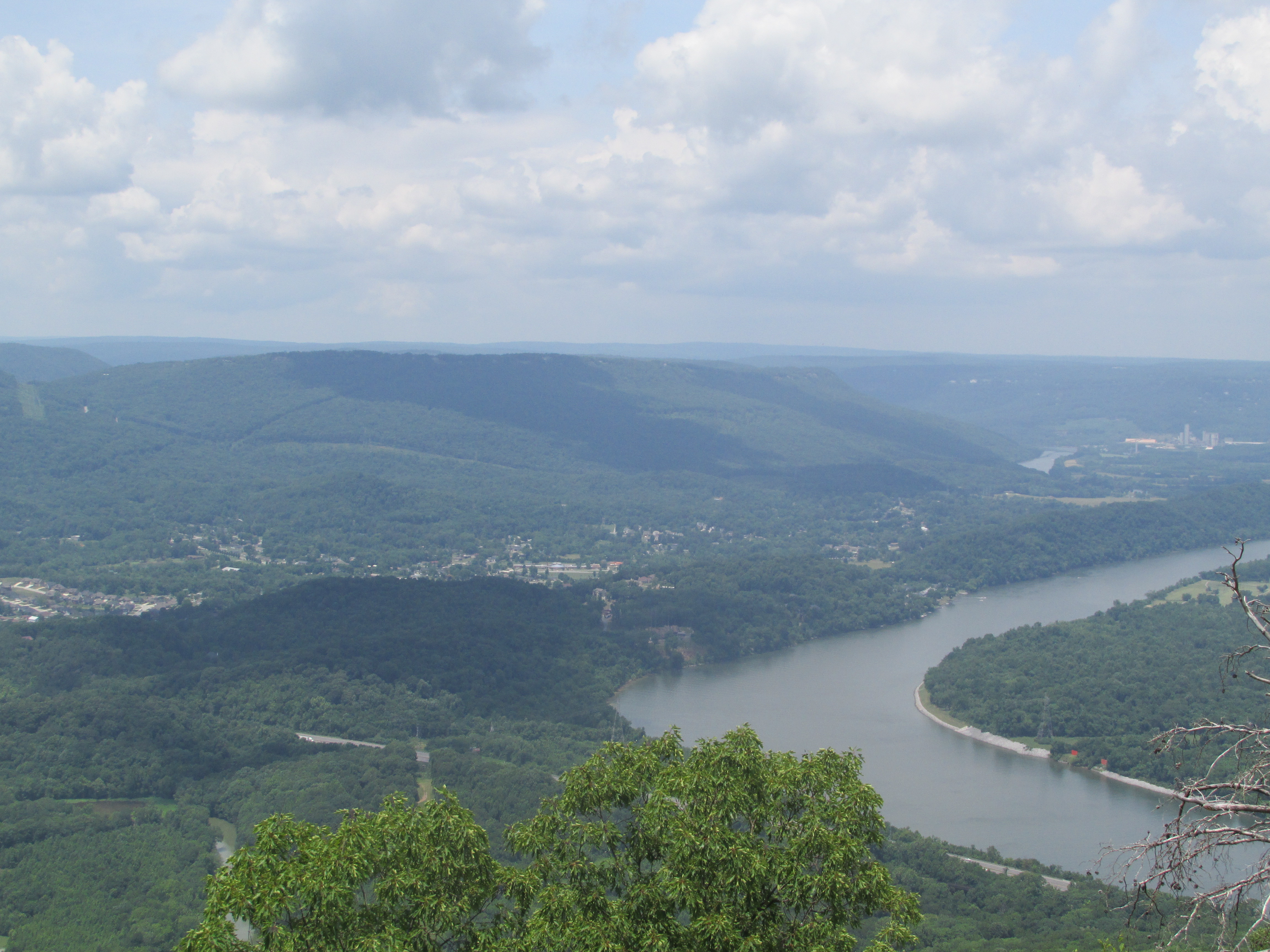
Beautiful view of the Tennessee River and Chattanooga from Point Park on Lookout Mountain

Beautiful view of the Tennessee River and Chattanooga from Point Park on Lookout Mountain

After the Confederates won the Battle of Chickamauga in September of 1863, Union generals anticipated an attack in Chattanooga. Those not working to build up fortifications waited in lines of battle to ward off an attack.

Another major battle didn’t come though some fighting erupted as the two armies met again. Southern soldiers took up positions on Missionary Ridge, which rose to about six hundred feet and formed a wall on the east side of Chattanooga. On the west side of the valley stood the impressive Lookout Mountain. Union General Rosecrans withdrew his troops from this mountain on September twenty-fourth.

Confederate cannons at Point Park Lookout Mountain with a view of Chattanooga and the Tennessee River in the background

Confederate cannons at Point Park Lookout Mountain with a view of Chattanooga and the Tennessee River in the background

The Confederate Army immediately occupied the dominant mountain that rose over two thousand feet above sea level. The southerners placed sharpshooters and artillery along the Tennessee River valley.

This blocked the flow of supplies to the Union Army in Chattanooga and placed them under siege.

Union soldiers waited anxiously for a truce to retrieve the wounded from Chickamauga and bury the dead. Confederate General Bragg allowed Union General Rosecrans to send ambulances and hospital supplies to the thousands of Northern wounded. These ambulance wagons crossed into Confederate lines where southern soldiers took over, picked up the wounded, and returned them as paroled prisoners of war.

Those who stood guard on the picket lines of both sides agreed not to fire on each other. This truce brought about socializing between the soldiers of both lines. They began trading coffee and tobacco or swapping newspapers. Soldiers crossed picket lines to play cards together, building tentative friendships that couldn’t last.

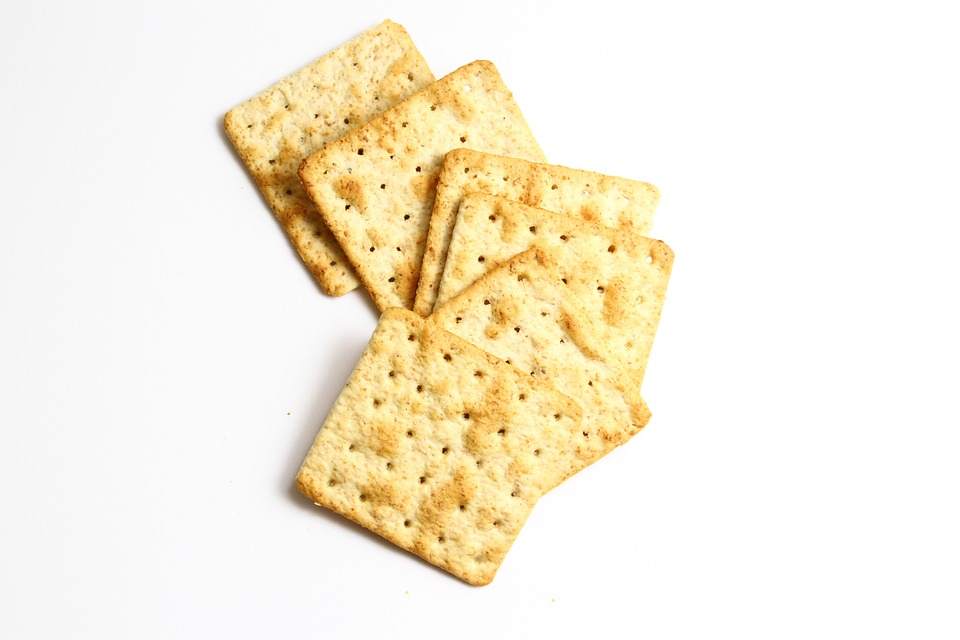
biscuit-crackers-973915_960_720Union supplies dwindled. Soldiers received half-rations of food. They built fortifications and worked harder than normal, but no one received sufficient food. This affected the animals. Mules and horses, so important in moving artillery and supply wagons, started dying by the dozens.

When the food was cut to quarter-rations, many wondered if they would all starve to death in Tennessee. Men lost too much weight to be healthy.

Ipresident-391121_960_720n mid-October, leaders in Washington combined the Departments of the Ohio, the Tennessee, and the Cumberland into the Military Division of the Mississippi and chose General Ulysses S. Grant to command it. Rosecrans was relieved of his command. Maybe Grant could unlock the siege and open supply lines.

IMG_0127After Union troops captured Brown’s Ferry, a supply route to provide food opened. The soldiers called it the “Cracker Line” for the hard squares of bread known as hard tack, a staple in their diet. A few days later, jubilant soldiers drew full rations. Only after stomachs were satisfied did some realize their dire circumstances. Before the shipment arrived, only four boxes of hard tack remained in the commissary warehouses.

Only then did they realize how close to starving the Union Army had come.

-Sandra Merville Hart

Sources

Korn, Jerry. The Fight for Chattanooga: Chickamauga to Missionary Ridge, Time-Life Books, 1985.

Sword, Wiley. Mountains Touched with Fire: Chattanooga Besieged, 1863, St. Martin’s Press, 1995.

Woodworth, Steven E. Six Armies in Tennessee: The Chickamauga and Chattanooga Campaigns, University of Nebraska Press, 1998.


This Week In History: Battle of Perryville

landscape-1259711_960_720

Wednesday, October 8, 1862

Confederate General Braxton Bragg led his army into Kentucky, a border state, in the summer of 1862. The largest battle fought in that state happened near Perryville at the Chaplin Hills; therefore, it is called the Battle of Perryville and the Battle of Chaplin Hills.

Buell’s Union troops in the rear didn’t hear cannons and musket fire from the front lines because of an atmospheric phenomenon that masked the noise. Buell didn’t hear the familiar combat sounds that would have prompted him to send in reserve soldiers.

This phenomenon also affected Bragg. Though the Southerners won, being outnumbered more than two-to-one and low on supplies prompted him to retreat.

This ended the Confederate invasion of Kentucky.

-Sandra Merville Hart

Sources

Long, E.B with Long, Barbara. The Civil War Day by Day: An Almanac 1861-1865, A Da Capo Paperback, 1971.

“Perryville,” Civil War Trust, 2016/08/03 http://www.civilwar.org/battlefields/perryville.html.

This Week In History: Civil War Battle of Poplar Springs Church (Peebles’ Farm)

civil-186719_960_720

Thursday, September 29 – October 2, 1864

The Union lines under General Ulysses S. Grant had faced Confederate lines under General Robert E. Lee in trenches around Petersburg, Virginia, since June. The line extended to Richmond 25 miles to the north.

Grant attempted to drive the Southerners from the trenches. Warren’s Fifth Corps led an advance toward Poplar Spring Church with John G. Parke’s Ninth Corps following. Warren attacked successfully at first, but Confederate General A.P. Hill led a strong counterattack that drove Parke’s troops back and prevented territory loss.

The two Union corps then entrenched close to Peebles’ Farm. This newly formed line on Squirrel Level Road forced Confederates to shift positions. Hill brought in two additional divisions to meet the new threat.

Union soldiers attacked unsuccessfully on October 1st. They failed to reach the Southside Railroad, which remained under Confederate control.

-Sandra Merville Hart


Sources

Long, E.B with Long, Barbara. The Civil War Day by Day: An Almanac 1861-1865, A Da Capo Paperback, 1971.

“Battle of Poplar Springs Church (Peebles’ Farm,)” History.com This Day in History, 2016/08/04 http://www.history.com/this-day-in-history/battle-of-poplar-springs-church-peebles-farm.


Battle of Chickamauga

At the Chickamauga Battlefield Visitor Center

At the Chickamauga Battlefield Visitor Center

In the second week of September, 1863, the Ninety-ninth Ohio regiment marched with the Twenty-first Army Corps under the leadership of Major General Thomas L. Crittenden into Chattanooga after the Confederate Army, under General Braxton Bragg, evacuated without firing a shot.

Crittenden secured the town with troops before heading south to Georgia.

By Sunday, September 13th, the corps reached the area of Lee & Gordon’s Mills, a two-story white building on the Chickamauga Creek.

When fighting started on Saturday, September 19, Major General George H. Thomas’ Fourteenth Corps and Major General Alexander McCook’s Twentieth Corps were also in the Union’s line of defense. A Reserve Corps under Major General Gordon Granger waited to be called if needed. All these army corps made up the Army of the Cumberland with Major General William S. Rosecrans in charge.

The Ninety-ninth Ohio infantry was part of Brigadier General Van Cleve’s division. Divisions were divided into brigades and Colonel Sidney M. Barnes led the brigade for the Ohio regiment.

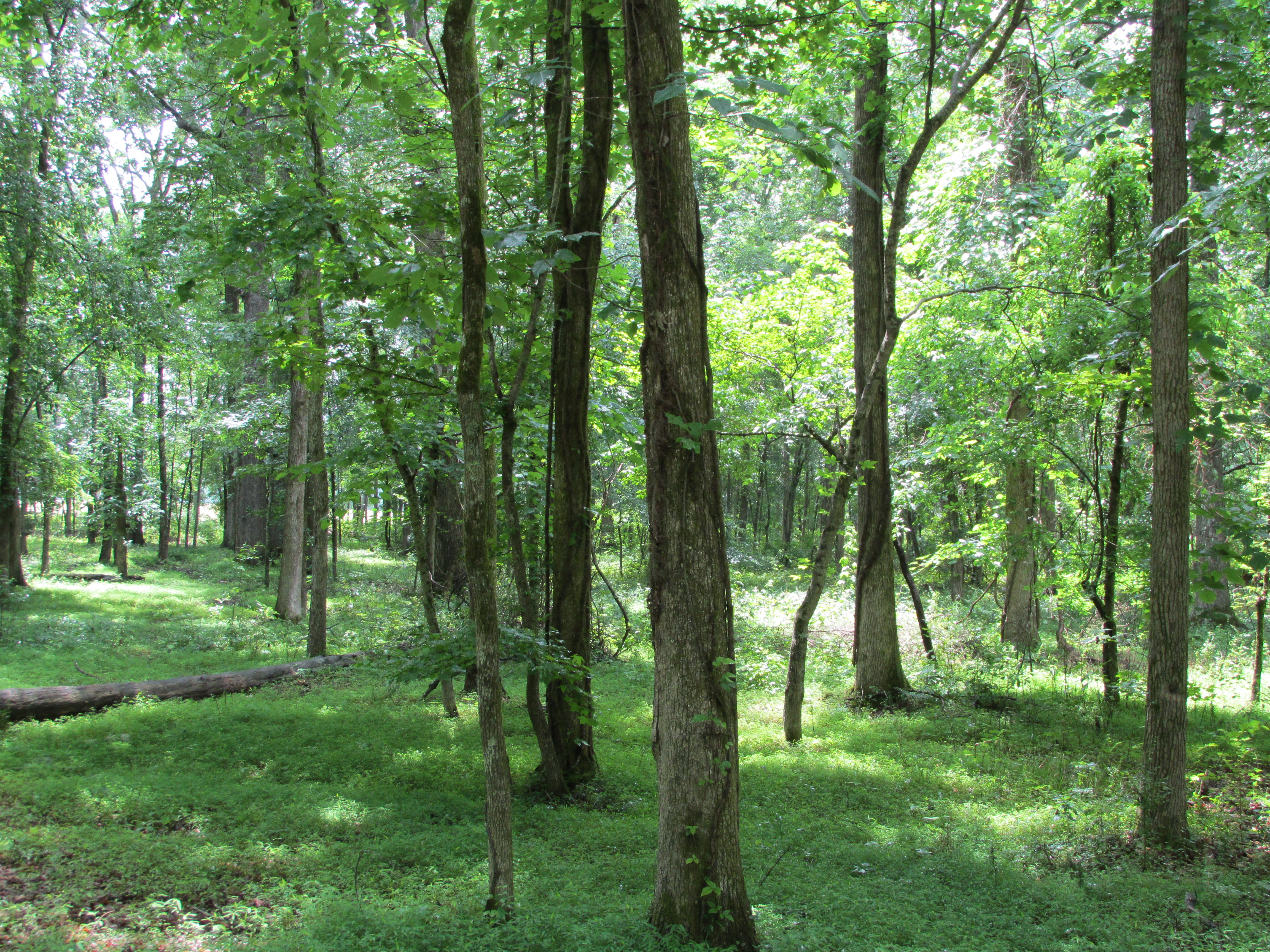
The woods where the Battle of Chickamauga was fought

The woods where the Battle of Chickamauga was fought

The amount of activity on the Confederate line showed that a large force waited to meet the Union Army in the coming battle. Most realized it would be a fierce fight before the first shot fired.

Confederate soldiers attacked the Union line where the Ninety-ninth Ohio laid waiting under the command of Colonel Swaine. Though unprepared for the swiftness of the assault, their training took over. When Union troops began retreating behind his regiment, Colonel Swaine ordered his men to lie flat until the soldiers in blue passed them.

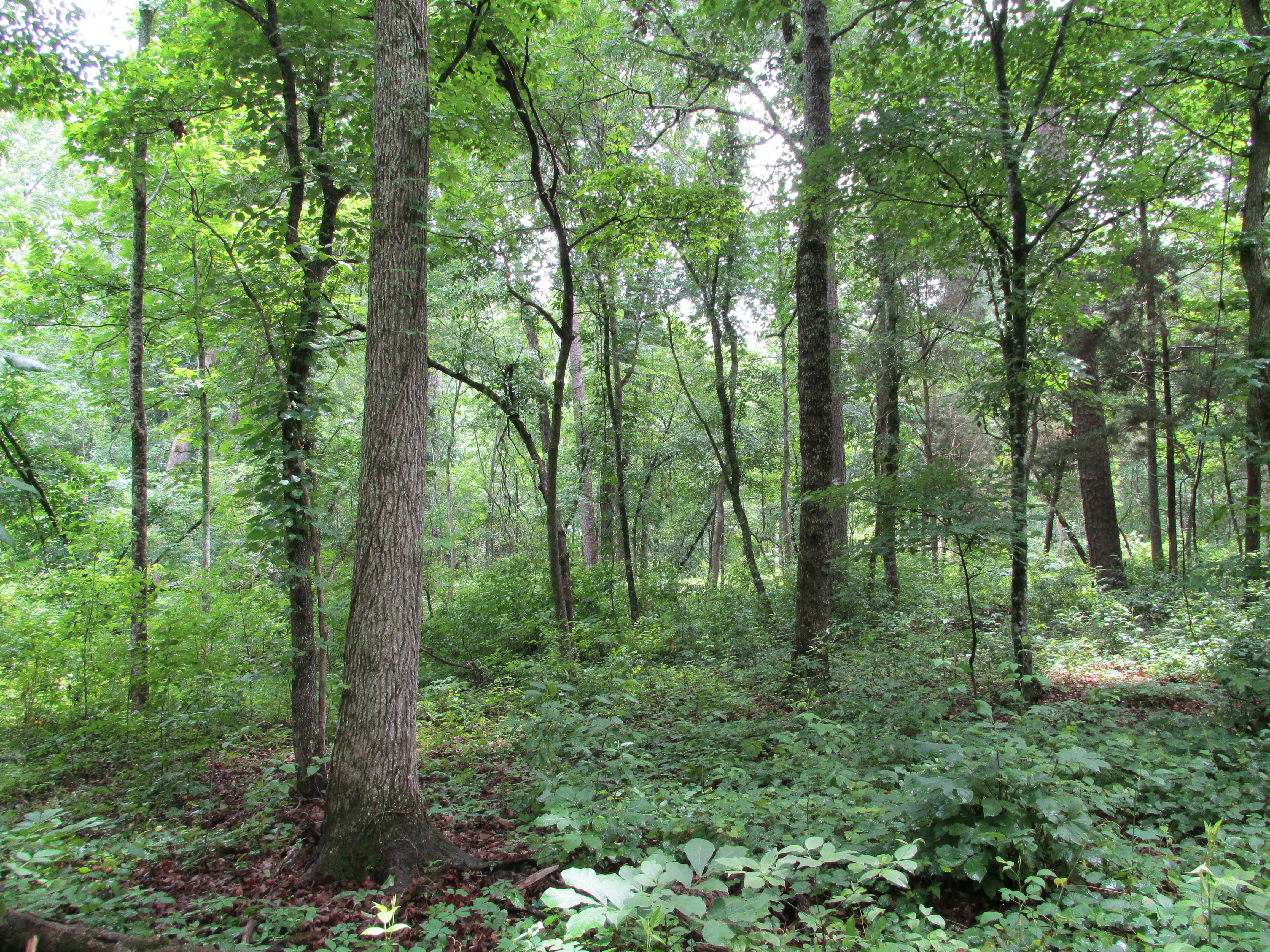
Wooded terrain around the Battle of Chickamauga

Wooded terrain around the Battle of Chickamauga

Then Swaine ordered an advance. Brave men leaped to their feet to obey the command despite the muskets aimed at them. They checked the Confederate advance as the two sides peppered one another with lead.

Fighting went against them when they were flanked on the right. Swaine ordered his men to fall back to the La Fayette Road. Bullets and cannon fire came in such rapid succession in several areas of the battlefield that it made one continuous uproar. Smoke and the smell of gunpowder surrounded them.

Darkness ended the day’s fighting though gunfire continued on the picket line from those assigned to guard the troops.

landscape-1259711_960_720The night turned bitterly cold. Campfires to make coffee were forbidden as the light would give away their position and make them a target.

The worst part of the long, frosty night for most soldiers was listening to the cries of the wounded that lay between the opposing lines.

Ambulance wheels ambled near to pick up wounded. Artillery creaked to new locations. Troops repositioned. No one slept much.

civil-186719_960_720The next day’s fighting intensified. When the Southerners broke through a gap in the Union line, panic sent the northern army retreating in mass confusion. The withdrawal eventually led to Chattanooga.

The last of the Union soldiers finally reached Chattanooga on September twenty-second. There had been so much confusion during the retreat that many soldiers didn’t find their regiments until reaching town.

The huge battle fought near the Chickamauga Creek in Georgia was a decisive win for the Confederates.

-Sandra Merville Hart


Sources

Korn, Jerry. The Fight for Chattanooga: Chickamauga to Missionary Ridge, Time-Life Books, 1985.


Swanson, Mark. Atlas of the Civil War Month by Month: Major Battles and Troop Movements, The University of Georgia Press, 2004.


Woodworth, Steven E. Six Armies in Tennessee: The Chickamauga and Chattanooga Campaigns, University of Nebraska Press, 1998.