Mark Twain Writes of a “Soda Lake” on the Oregon Trail


oregon-264458_960_720

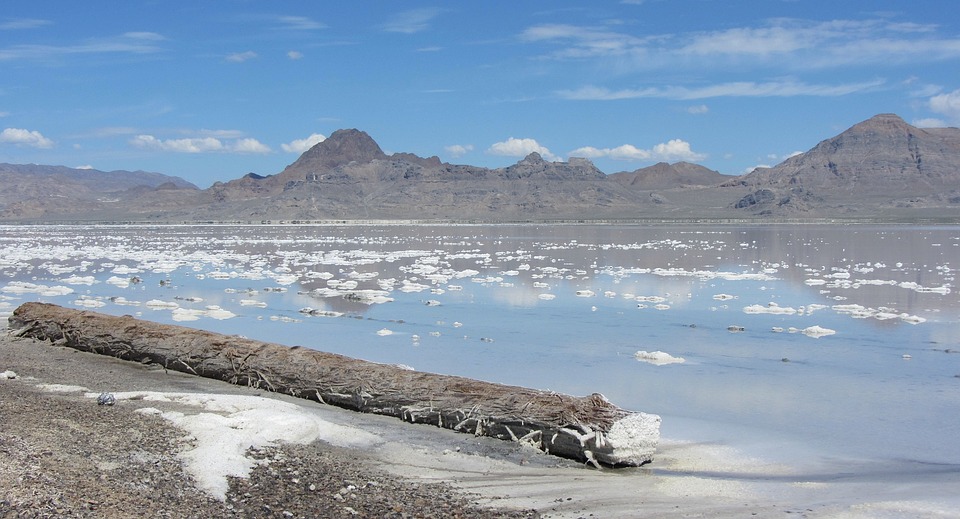
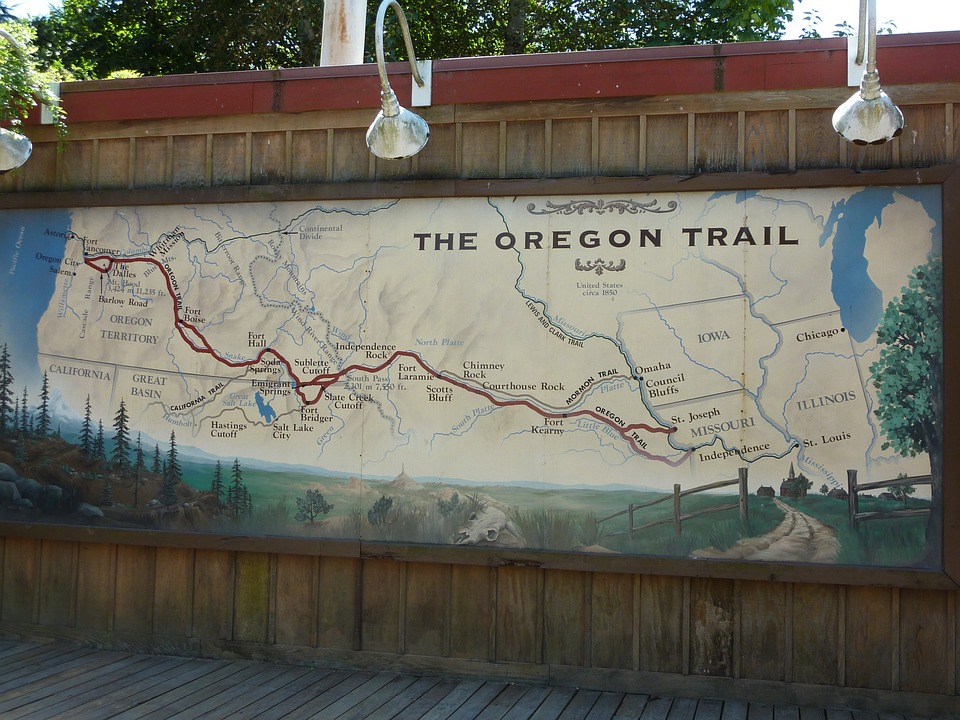
Mark Twain wrote of traveling by stagecoach on the Oregon Trail. One of the fascinating sights he talked about was a dry lake he called “Alkali” or “Soda Lake.” He saw these after passing Independence Rock, located in what is now Alcova, Wyoming.

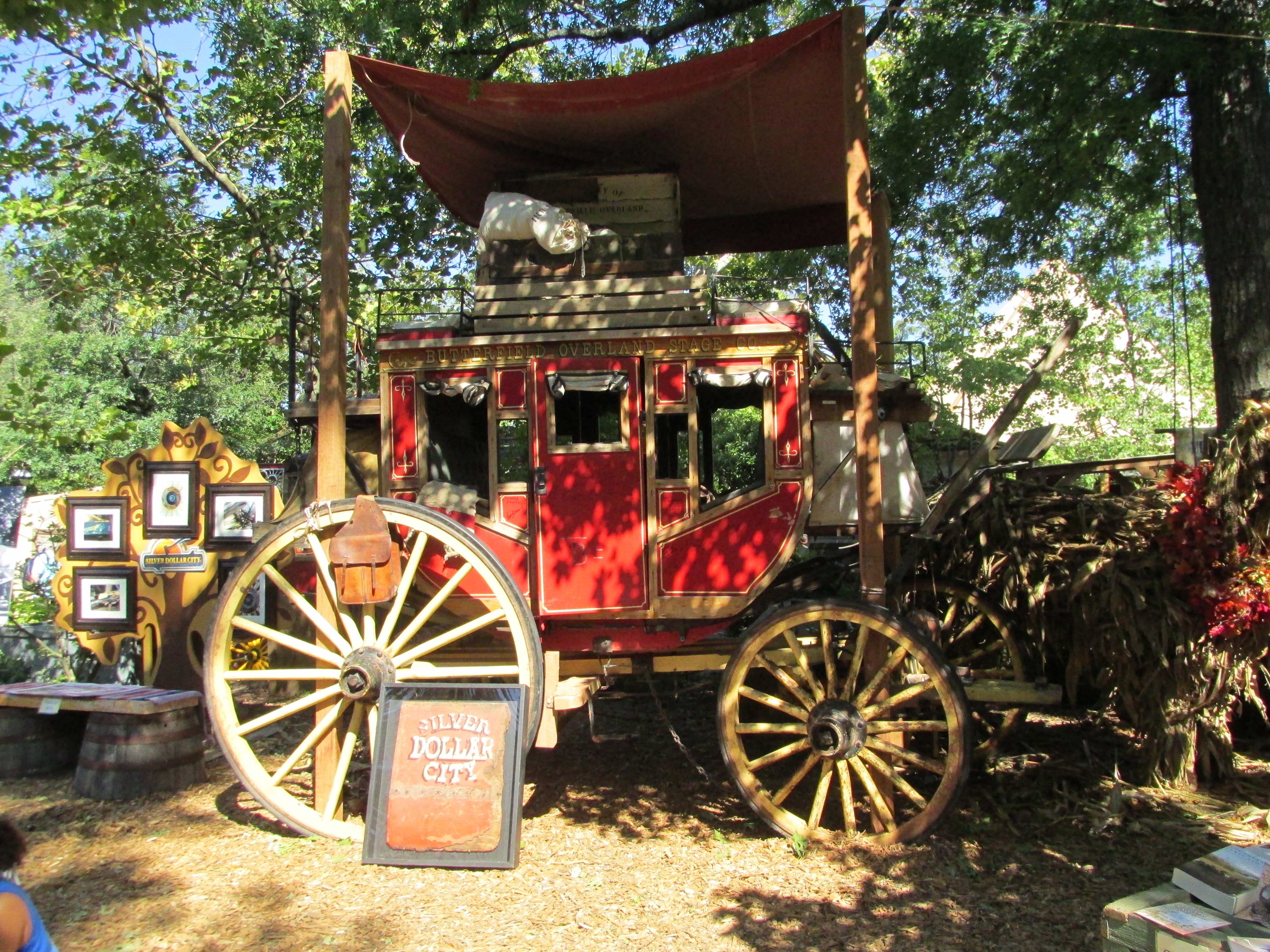
img_2270The stagecoach driver informed him that Mormons traveled from Great Salt Lake City with wagons to shovel pure saleratus from the dry lake. The driver had seen them haul away two wagon loads a few days before Twain passed by. The Mormons sold the drug for twenty-five cents a pound, a nice profit for a product that cost only their labor.

Carried by the wind, the white powder blew into the travelers’ faces, irritating their eyes. Some early pioneers described the strong odor as smelling like lime or having an “acrid caustic smell.”

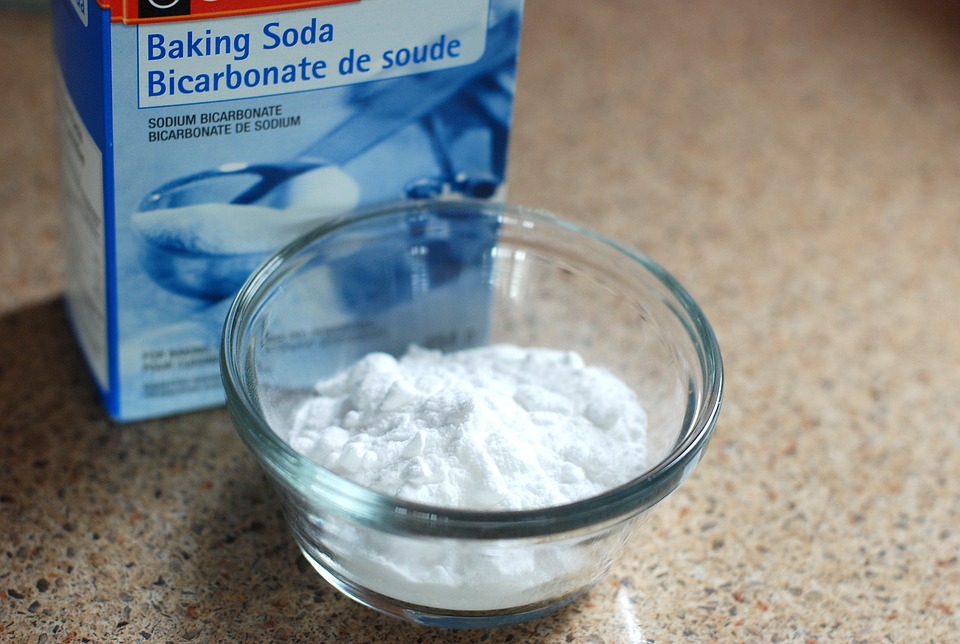
baking-soda-768950_960_720The shallow lakes were sometimes dry but might not be depending on the season. The water could be poisonous; animals that refused to stay away from it sometimes sickened and died from drinking it.

Saleratus, or bicarbonate of soda, is a white substance we know as baking soda. Bakers use it as a leavening agent for biscuits, pancakes, cakes, and cookies.

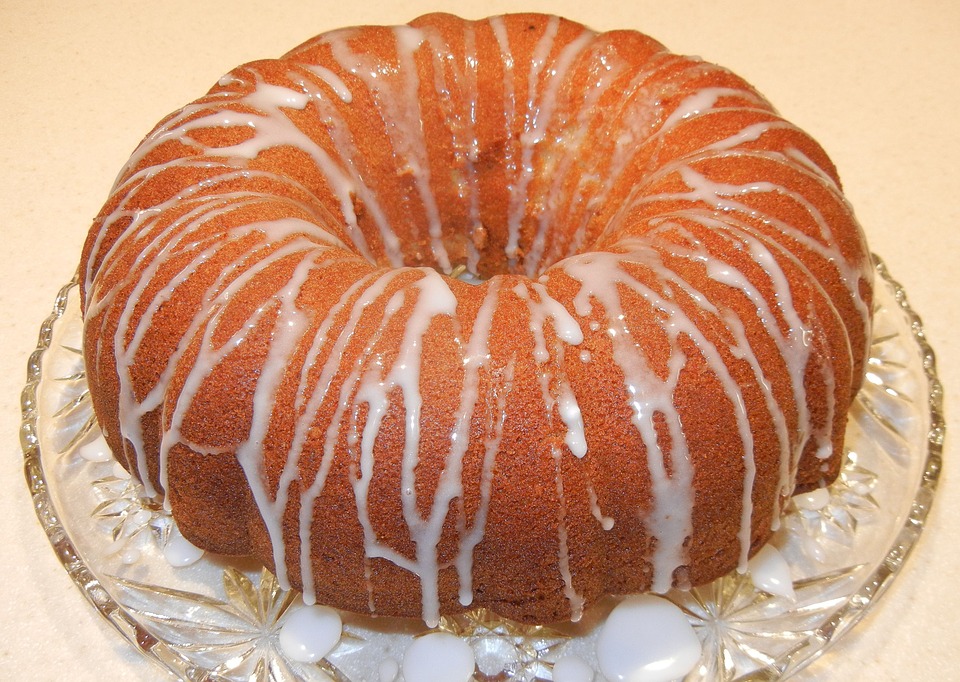
cake-596918_960_720When mixed with water, sodium bicarbonate may treat heartburn and acid indigestion but this comes with a caution: don’t use on a regular basis as an excess may cause Alkalosis.

Make a paste of baking soda and water to relieve pain of burns, insect bites, and stings. This paste also treats the itch caused by allergic reactions to poison oak, poison ivy, and poison sumac—or add a cup of baking soda to bath water.

Baking soda has been used in toothpaste for years and my mother used baking soda and water to brush her teeth when growing up.

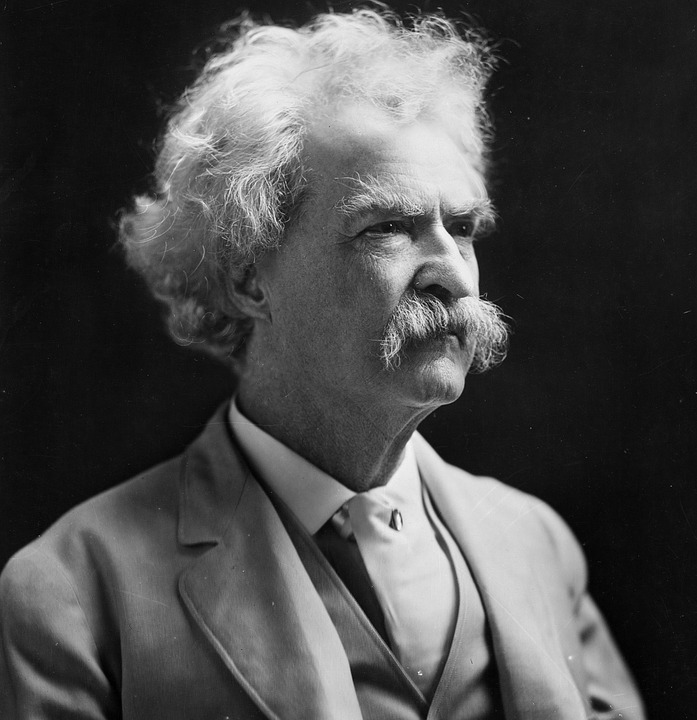
mark-twain-391112_960_720What Twain called “Soda Lake” is now known as Playa Lake or Saleratus Lake and is easily seen from Independence Rock.

-Sandra Merville Hart


Sources

“Saleratus Lake,” The Wyoming State Historical Society, 2016/09/27 http://www.wyohistory.org/encyclopedia/saleratus-lake.

“Sodium bicarbonate,” The Free Dictionary by Farlex, 2016/09/27 http://medical-dictionary.thefreedictionary.com/saleratus.

“Sodium bicarbonate,” Wikipedia, 2016/09/27, https://en.wikipedia.org/wiki/Sodium_bicarbonate.

Twain, Mark. Roughing it, Penguin Books, 1985.


Finding Treasures Along Historic Route 66

img_2236


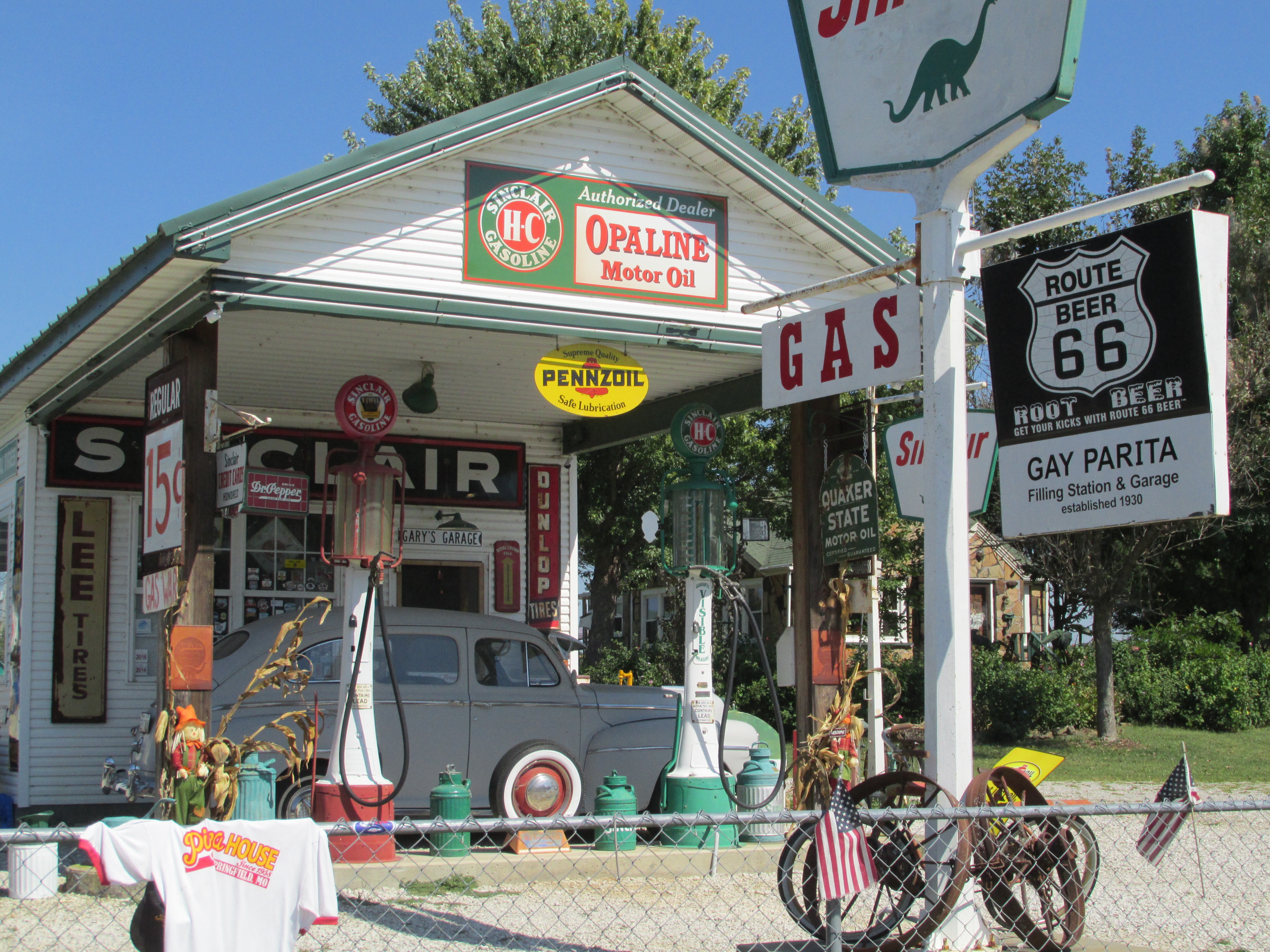
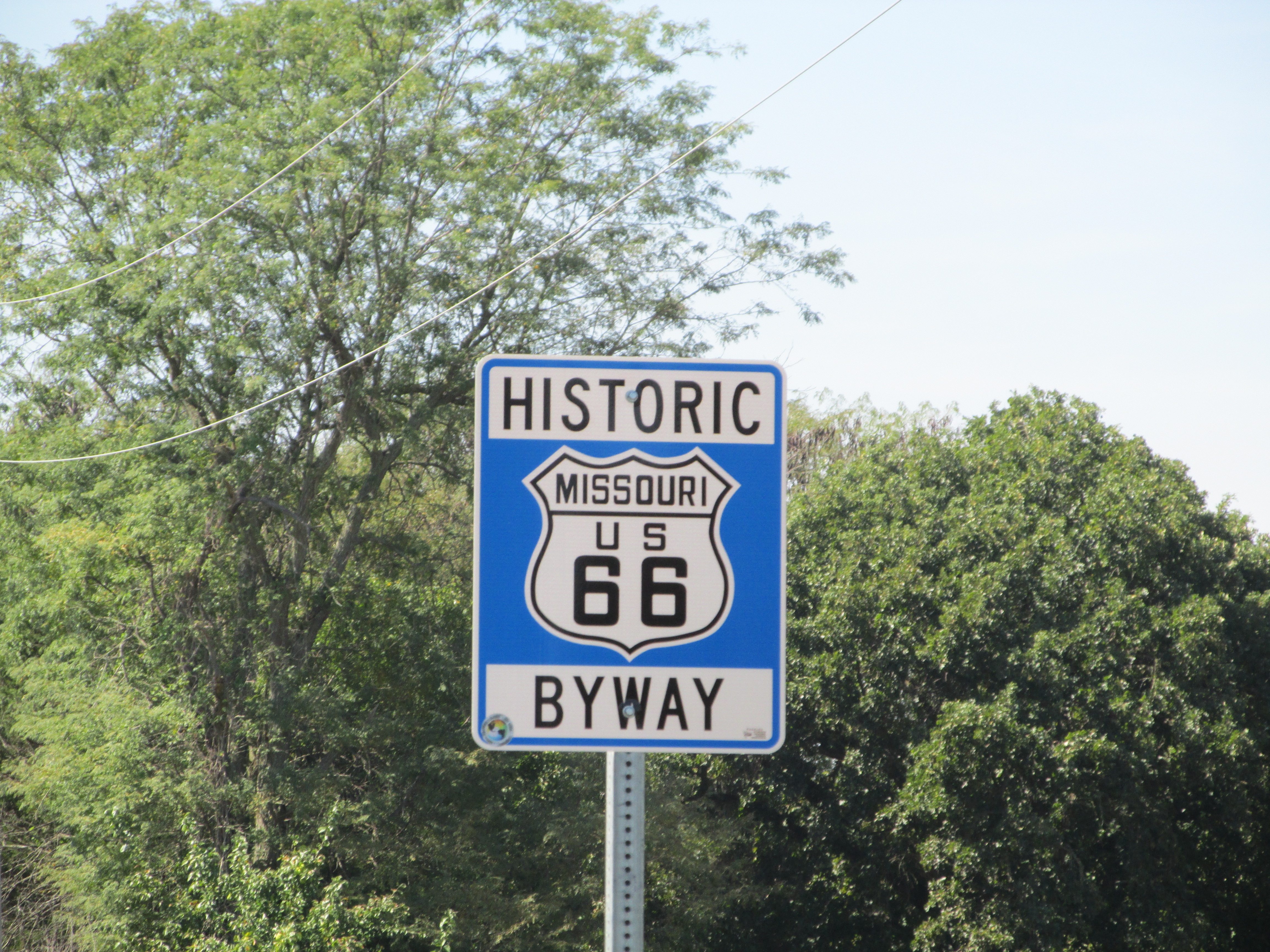
My husband and I set aside a day to explore the historic Route 66 on a recent vacation to Missouri. I hoped to find an old diner for lunch and experience a small part of what those early travelers found along the way.

The historic route began in Chicago, Illinois, and wound through eight states until it reached Los Angeles, California. Besides Illinois and California, the route went through Missouri, Kansas, Oklahoma, Texas, New Mexico, and Arizona.

img_2233The road, which opened in 1926, spans over 2,300 miles. The greatest stretch of miles is in Oklahoma with 432; with only 13 miles, Kansas has the smallest distance covered.

Missouri, where my husband and I vacationed, contained 317 miles in its heyday. We picked up the route, which follows other state routes, at Springfield and quickly discovered lots of farms, cattle ranches, and small towns. I began to think that my hopes of eating at an old diner were not to be realized.

img_2242The towns on this historic section of Route 66 likely boasted of gas stations, motels, restaurants, and attractions that have long since closed. Once the interstates removed traffic from this route, the small businesses lost the majority of their customers and shut down.


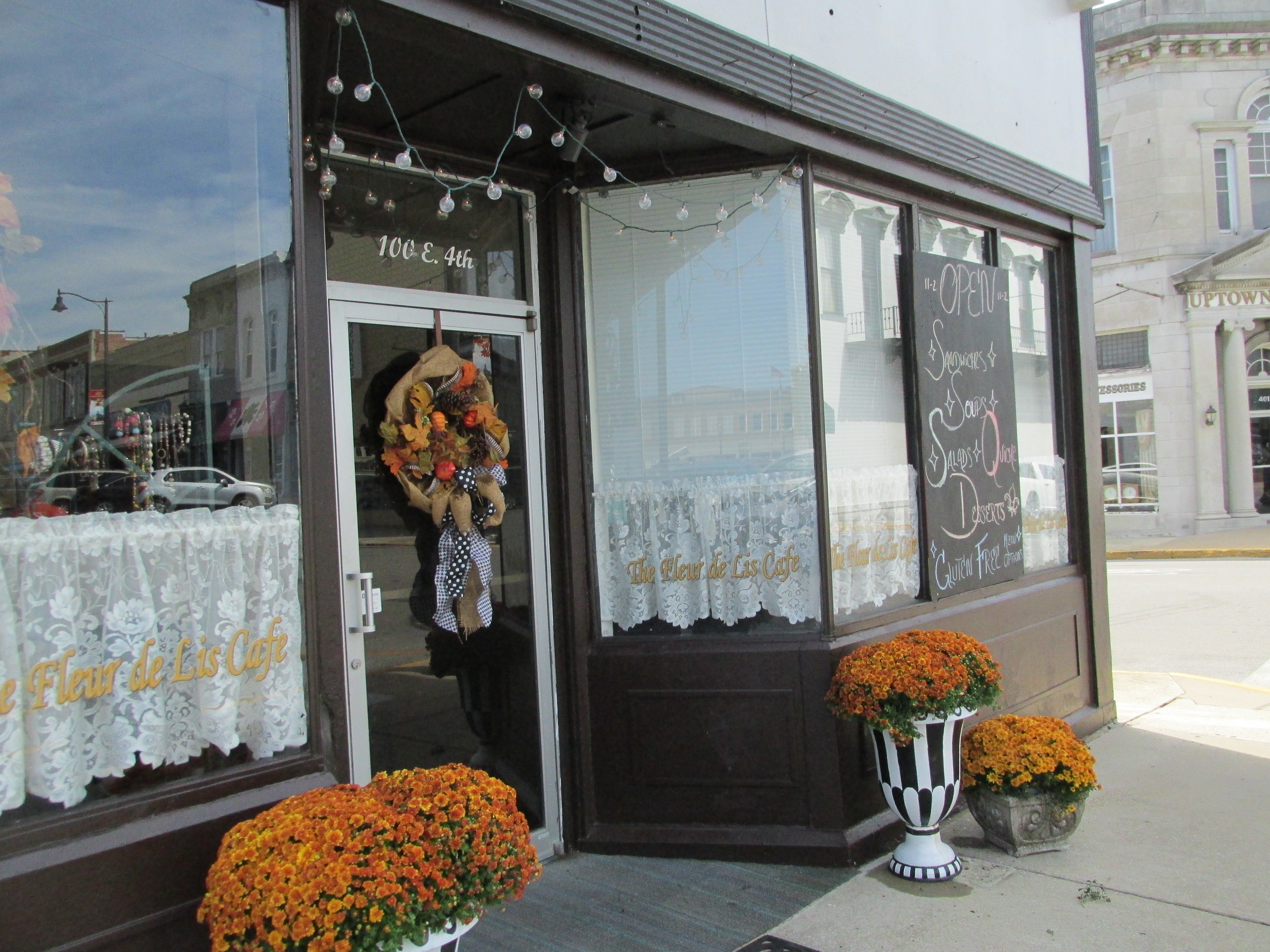
img_2247Our journey led us to the city of Carthage, Missouri. We quickly discovered that a Civil War battle that preceded the Battle of Bull Run took place in the town square. We ate at a quaint French café in the square that, though it wasn’t there at the time of the Route 66 travelers, delighted us with its friendly owners and menu. A motel, Boots Court, was a popular stopping place for weary travelers. The motel serves customers today and is being restored by current owners.

So we found unexpected treasures along the way in a few hours that convinced me there is more to be discovered.

The National Park Service has a website that lists a few of the old locations within each state along the historic route.

Though the entire route does not exist any longer, travelers can drive along the interstates to pick it up again in a few miles. It can take from two weeks to a month to drive it this way, depending on how much time is spent in different locations.

If your plans take you near the Historic Route 66, consider adding a few travel hours into the schedule and get off the highway for a little while. Check out the National Park Service’s listing for some diners or motels still in operation, and go back in time for a day.

-Sandra Merville Hart

Sources

“Historic Route 66 Travel Guide,” Route66Guide, 2016/09/26 http://www.route66guide.com/.

“Route 66 Map,” National Park Service, 2016/09/26 https://www.nps.gov/Nr/travel/route66/maps66.html.


Siege of Chattanooga

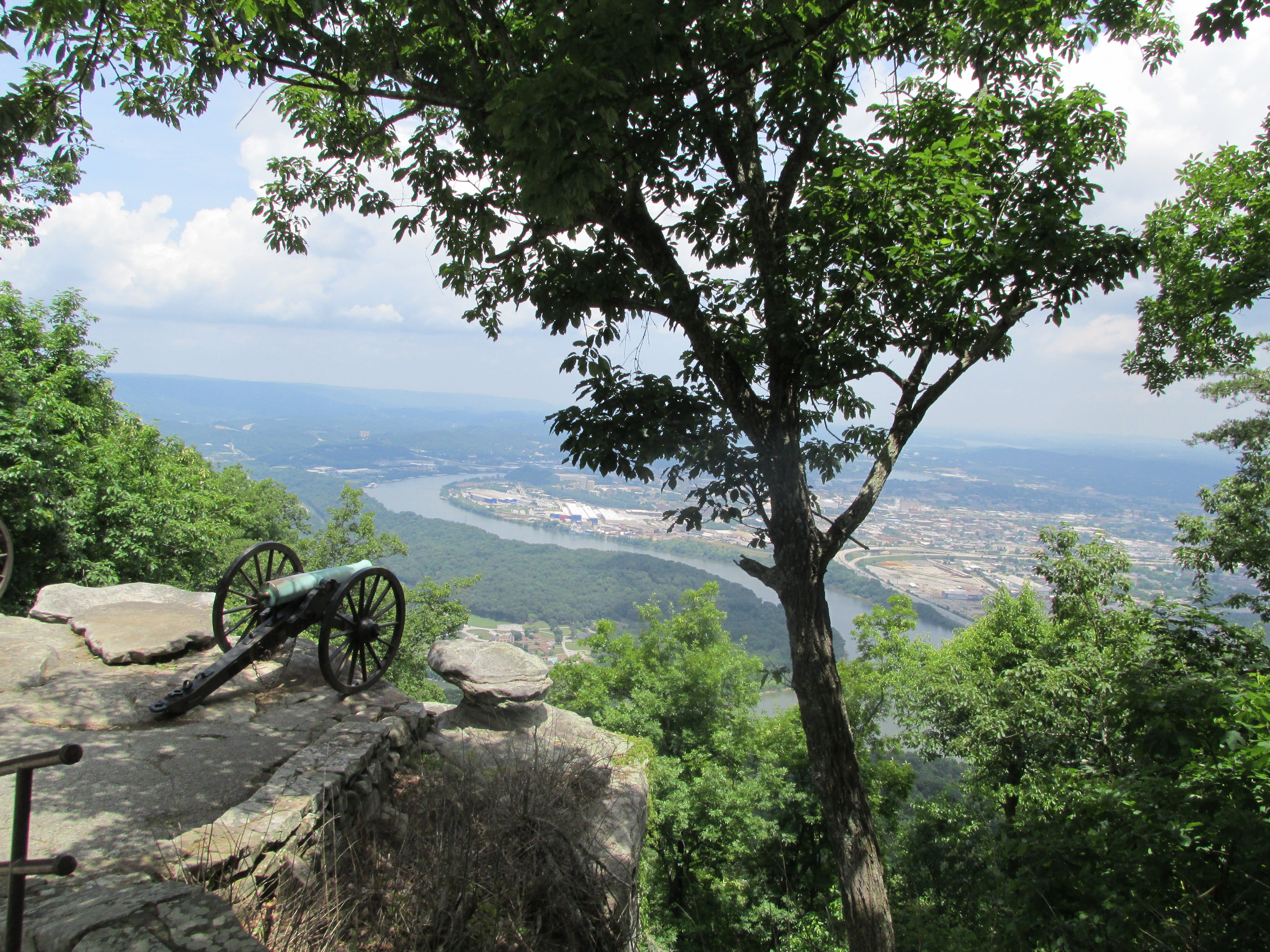
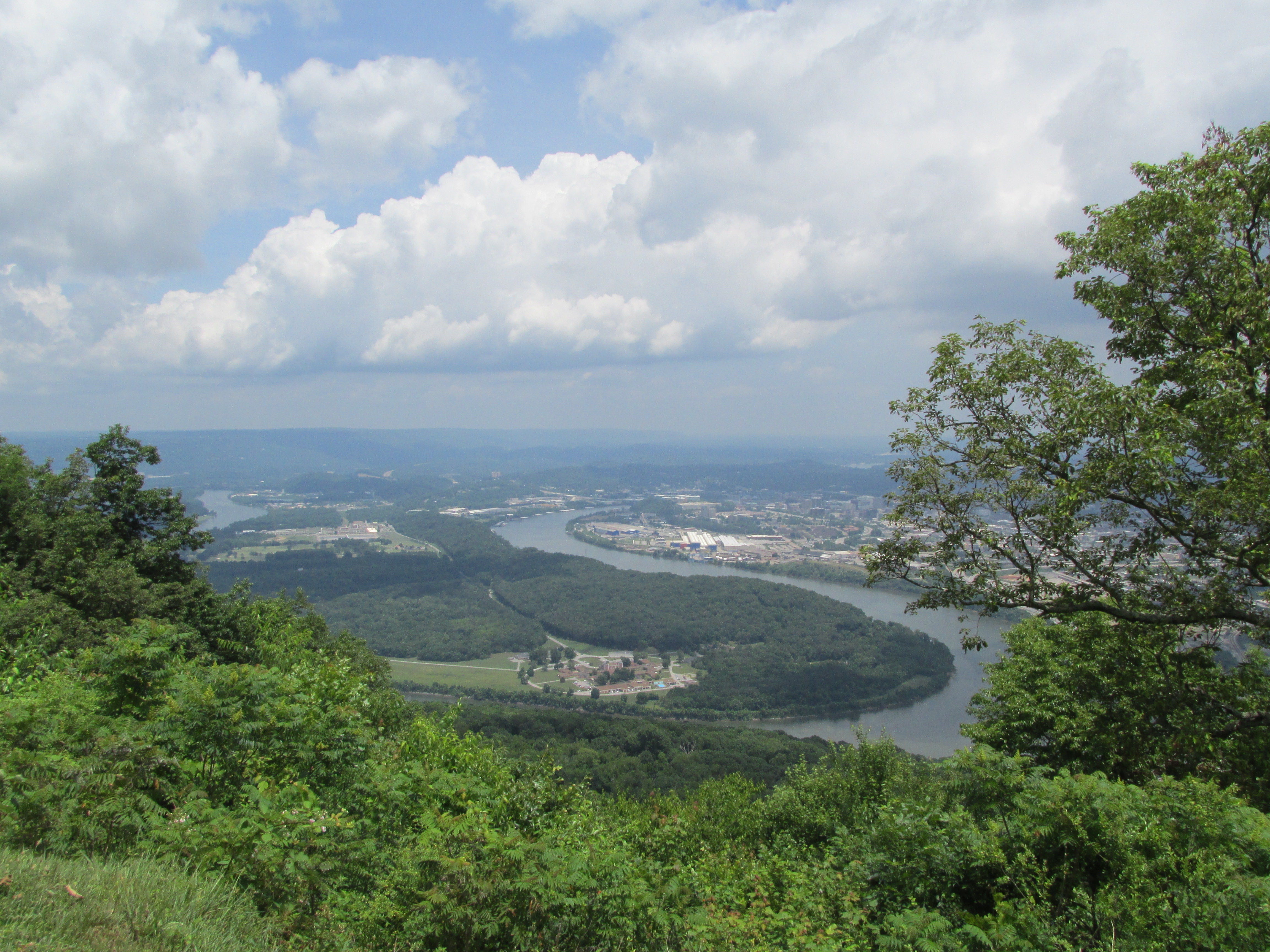
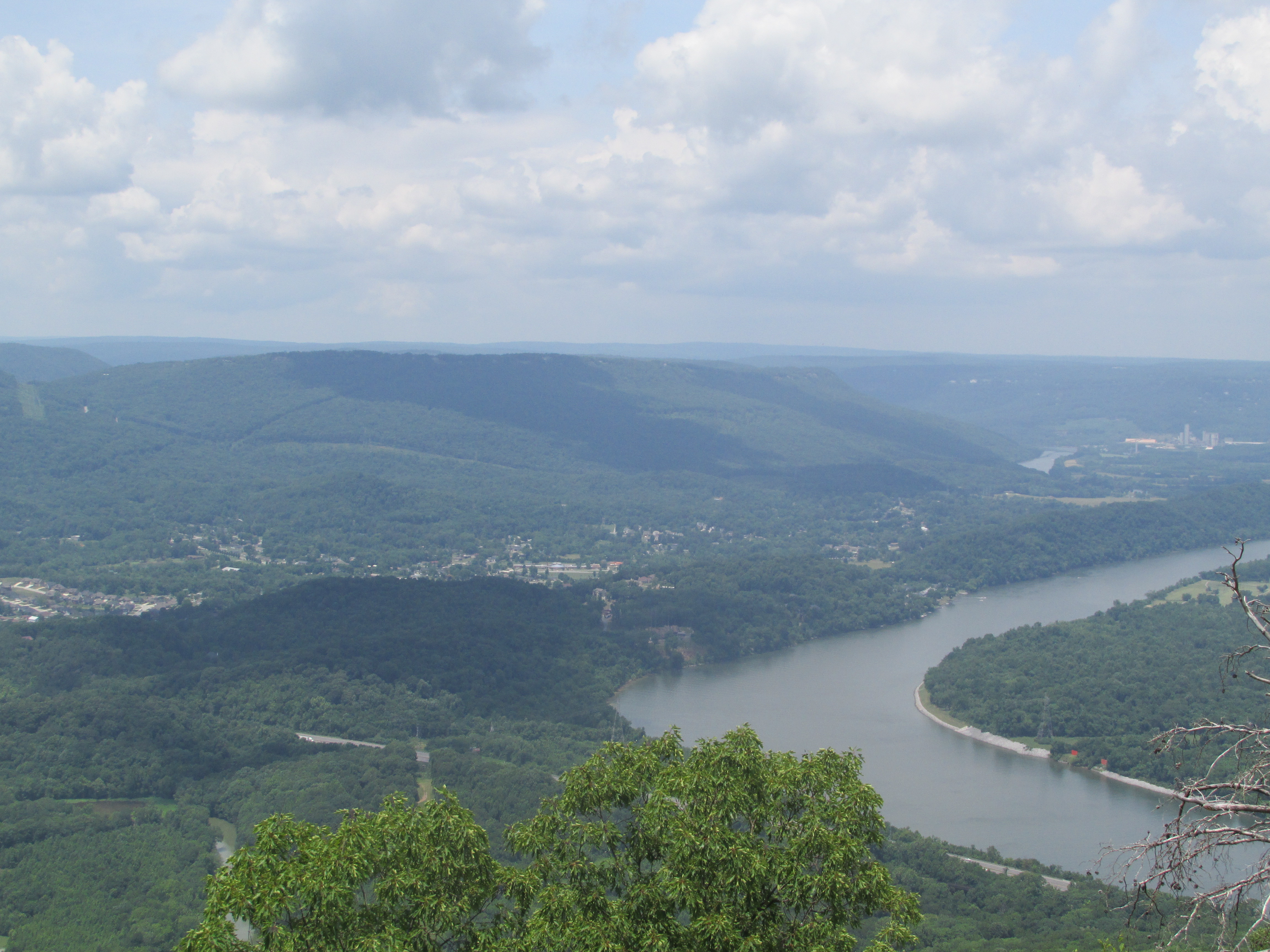
Beautiful view of the Tennessee River and Chattanooga from Point Park on Lookout Mountain

Beautiful view of the Tennessee River and Chattanooga from Point Park on Lookout Mountain

After the Confederates won the Battle of Chickamauga in September of 1863, Union generals anticipated an attack in Chattanooga. Those not working to build up fortifications waited in lines of battle to ward off an attack.

Another major battle didn’t come though some fighting erupted as the two armies met again. Southern soldiers took up positions on Missionary Ridge, which rose to about six hundred feet and formed a wall on the east side of Chattanooga. On the west side of the valley stood the impressive Lookout Mountain. Union General Rosecrans withdrew his troops from this mountain on September twenty-fourth.

Confederate cannons at Point Park Lookout Mountain with a view of Chattanooga and the Tennessee River in the background

Confederate cannons at Point Park Lookout Mountain with a view of Chattanooga and the Tennessee River in the background

The Confederate Army immediately occupied the dominant mountain that rose over two thousand feet above sea level. The southerners placed sharpshooters and artillery along the Tennessee River valley.

This blocked the flow of supplies to the Union Army in Chattanooga and placed them under siege.

Union soldiers waited anxiously for a truce to retrieve the wounded from Chickamauga and bury the dead. Confederate General Bragg allowed Union General Rosecrans to send ambulances and hospital supplies to the thousands of Northern wounded. These ambulance wagons crossed into Confederate lines where southern soldiers took over, picked up the wounded, and returned them as paroled prisoners of war.

Those who stood guard on the picket lines of both sides agreed not to fire on each other. This truce brought about socializing between the soldiers of both lines. They began trading coffee and tobacco or swapping newspapers. Soldiers crossed picket lines to play cards together, building tentative friendships that couldn’t last.

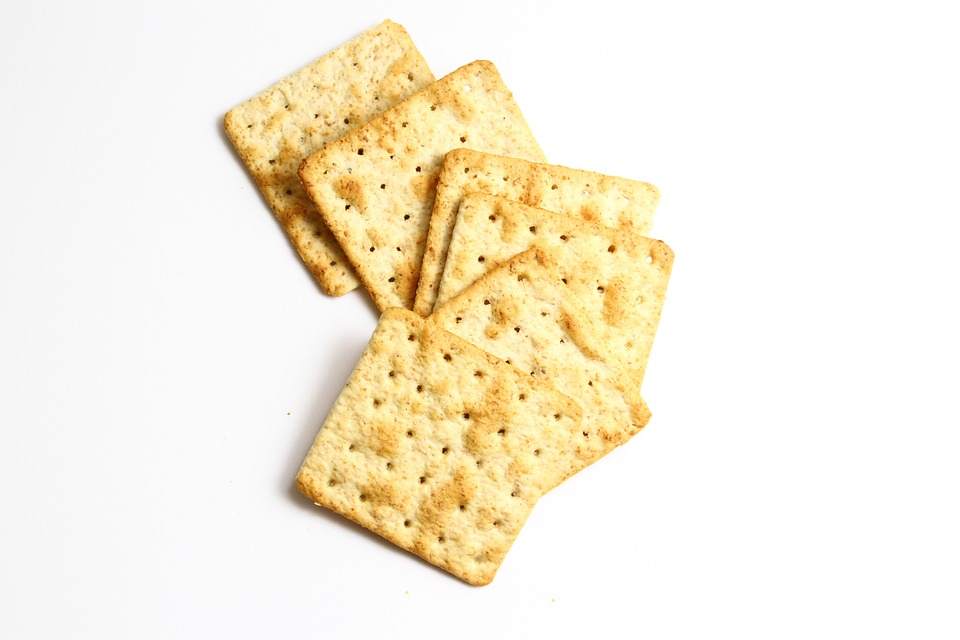
biscuit-crackers-973915_960_720Union supplies dwindled. Soldiers received half-rations of food. They built fortifications and worked harder than normal, but no one received sufficient food. This affected the animals. Mules and horses, so important in moving artillery and supply wagons, started dying by the dozens.

When the food was cut to quarter-rations, many wondered if they would all starve to death in Tennessee. Men lost too much weight to be healthy.

Ipresident-391121_960_720n mid-October, leaders in Washington combined the Departments of the Ohio, the Tennessee, and the Cumberland into the Military Division of the Mississippi and chose General Ulysses S. Grant to command it. Rosecrans was relieved of his command. Maybe Grant could unlock the siege and open supply lines.

IMG_0127After Union troops captured Brown’s Ferry, a supply route to provide food opened. The soldiers called it the “Cracker Line” for the hard squares of bread known as hard tack, a staple in their diet. A few days later, jubilant soldiers drew full rations. Only after stomachs were satisfied did some realize their dire circumstances. Before the shipment arrived, only four boxes of hard tack remained in the commissary warehouses.

Only then did they realize how close to starving the Union Army had come.

-Sandra Merville Hart

Sources

Korn, Jerry. The Fight for Chattanooga: Chickamauga to Missionary Ridge, Time-Life Books, 1985.

Sword, Wiley. Mountains Touched with Fire: Chattanooga Besieged, 1863, St. Martin’s Press, 1995.

Woodworth, Steven E. Six Armies in Tennessee: The Chickamauga and Chattanooga Campaigns, University of Nebraska Press, 1998.


This Week In History: Battle of Perryville

landscape-1259711_960_720

Wednesday, October 8, 1862

Confederate General Braxton Bragg led his army into Kentucky, a border state, in the summer of 1862. The largest battle fought in that state happened near Perryville at the Chaplin Hills; therefore, it is called the Battle of Perryville and the Battle of Chaplin Hills.

Buell’s Union troops in the rear didn’t hear cannons and musket fire from the front lines because of an atmospheric phenomenon that masked the noise. Buell didn’t hear the familiar combat sounds that would have prompted him to send in reserve soldiers.

This phenomenon also affected Bragg. Though the Southerners won, being outnumbered more than two-to-one and low on supplies prompted him to retreat.

This ended the Confederate invasion of Kentucky.

-Sandra Merville Hart

Sources

Long, E.B with Long, Barbara. The Civil War Day by Day: An Almanac 1861-1865, A Da Capo Paperback, 1971.

“Perryville,” Civil War Trust, 2016/08/03 http://www.civilwar.org/battlefields/perryville.html.

This Week In History: Civil War Battle of Poplar Springs Church (Peebles’ Farm)

civil-186719_960_720

Thursday, September 29 – October 2, 1864

The Union lines under General Ulysses S. Grant had faced Confederate lines under General Robert E. Lee in trenches around Petersburg, Virginia, since June. The line extended to Richmond 25 miles to the north.

Grant attempted to drive the Southerners from the trenches. Warren’s Fifth Corps led an advance toward Poplar Spring Church with John G. Parke’s Ninth Corps following. Warren attacked successfully at first, but Confederate General A.P. Hill led a strong counterattack that drove Parke’s troops back and prevented territory loss.

The two Union corps then entrenched close to Peebles’ Farm. This newly formed line on Squirrel Level Road forced Confederates to shift positions. Hill brought in two additional divisions to meet the new threat.

Union soldiers attacked unsuccessfully on October 1st. They failed to reach the Southside Railroad, which remained under Confederate control.

-Sandra Merville Hart


Sources

Long, E.B with Long, Barbara. The Civil War Day by Day: An Almanac 1861-1865, A Da Capo Paperback, 1971.

“Battle of Poplar Springs Church (Peebles’ Farm,)” History.com This Day in History, 2016/08/04 http://www.history.com/this-day-in-history/battle-of-poplar-springs-church-peebles-farm.


Battle of Chickamauga

At the Chickamauga Battlefield Visitor Center

At the Chickamauga Battlefield Visitor Center

In the second week of September, 1863, the Ninety-ninth Ohio regiment marched with the Twenty-first Army Corps under the leadership of Major General Thomas L. Crittenden into Chattanooga after the Confederate Army, under General Braxton Bragg, evacuated without firing a shot.

Crittenden secured the town with troops before heading south to Georgia.

By Sunday, September 13th, the corps reached the area of Lee & Gordon’s Mills, a two-story white building on the Chickamauga Creek.

When fighting started on Saturday, September 19, Major General George H. Thomas’ Fourteenth Corps and Major General Alexander McCook’s Twentieth Corps were also in the Union’s line of defense. A Reserve Corps under Major General Gordon Granger waited to be called if needed. All these army corps made up the Army of the Cumberland with Major General William S. Rosecrans in charge.

The Ninety-ninth Ohio infantry was part of Brigadier General Van Cleve’s division. Divisions were divided into brigades and Colonel Sidney M. Barnes led the brigade for the Ohio regiment.

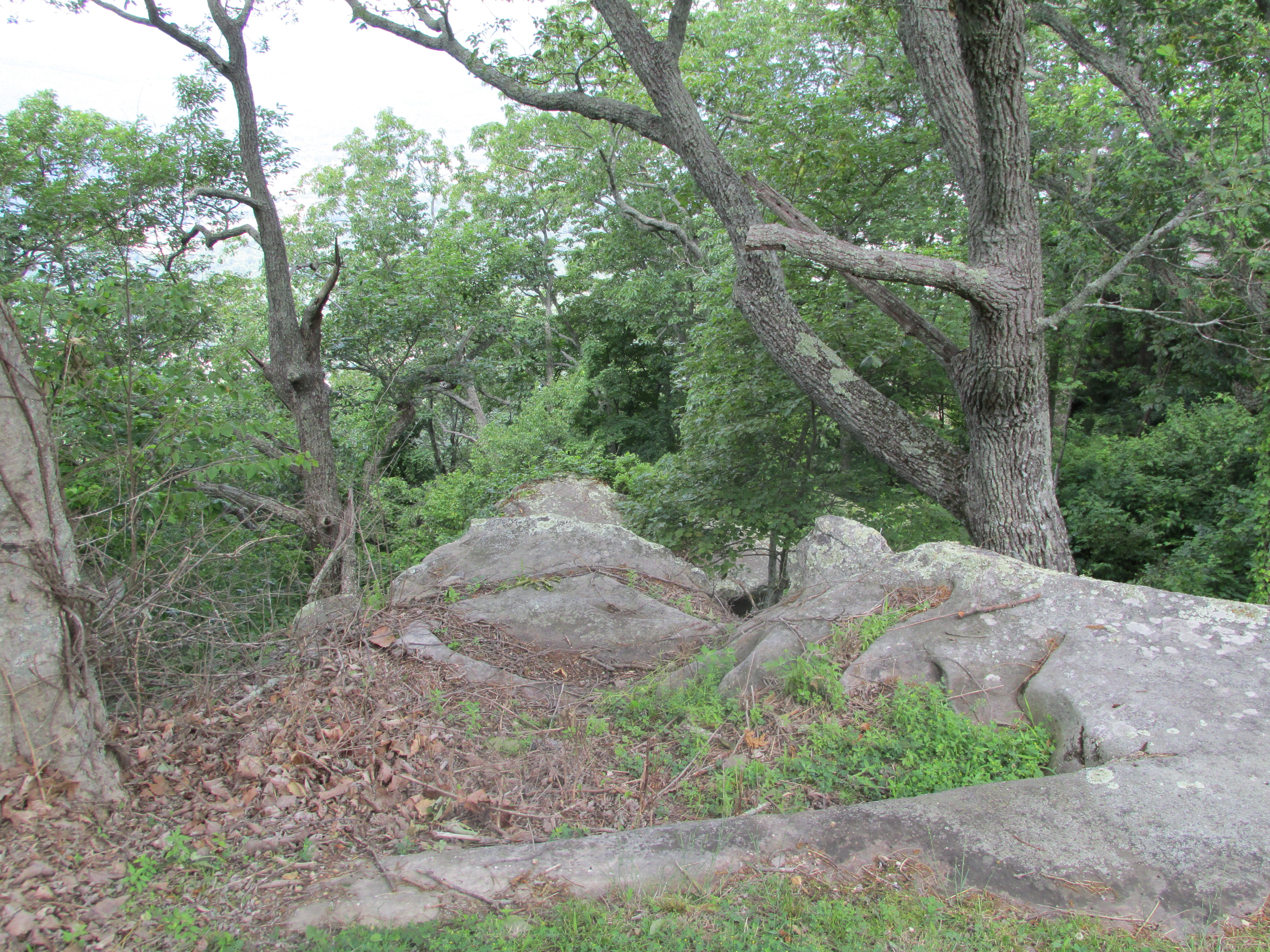
The woods where the Battle of Chickamauga was fought

The woods where the Battle of Chickamauga was fought

The amount of activity on the Confederate line showed that a large force waited to meet the Union Army in the coming battle. Most realized it would be a fierce fight before the first shot fired.

Confederate soldiers attacked the Union line where the Ninety-ninth Ohio laid waiting under the command of Colonel Swaine. Though unprepared for the swiftness of the assault, their training took over. When Union troops began retreating behind his regiment, Colonel Swaine ordered his men to lie flat until the soldiers in blue passed them.

Wooded terrain around the Battle of Chickamauga

Wooded terrain around the Battle of Chickamauga

Then Swaine ordered an advance. Brave men leaped to their feet to obey the command despite the muskets aimed at them. They checked the Confederate advance as the two sides peppered one another with lead.

Fighting went against them when they were flanked on the right. Swaine ordered his men to fall back to the La Fayette Road. Bullets and cannon fire came in such rapid succession in several areas of the battlefield that it made one continuous uproar. Smoke and the smell of gunpowder surrounded them.

Darkness ended the day’s fighting though gunfire continued on the picket line from those assigned to guard the troops.

landscape-1259711_960_720The night turned bitterly cold. Campfires to make coffee were forbidden as the light would give away their position and make them a target.

The worst part of the long, frosty night for most soldiers was listening to the cries of the wounded that lay between the opposing lines.

Ambulance wheels ambled near to pick up wounded. Artillery creaked to new locations. Troops repositioned. No one slept much.

civil-186719_960_720The next day’s fighting intensified. When the Southerners broke through a gap in the Union line, panic sent the northern army retreating in mass confusion. The withdrawal eventually led to Chattanooga.

The last of the Union soldiers finally reached Chattanooga on September twenty-second. There had been so much confusion during the retreat that many soldiers didn’t find their regiments until reaching town.

The huge battle fought near the Chickamauga Creek in Georgia was a decisive win for the Confederates.

-Sandra Merville Hart


Sources

Korn, Jerry. The Fight for Chattanooga: Chickamauga to Missionary Ridge, Time-Life Books, 1985.


Swanson, Mark. Atlas of the Civil War Month by Month: Major Battles and Troop Movements, The University of Georgia Press, 2004.


Woodworth, Steven E. Six Armies in Tennessee: The Chickamauga and Chattanooga Campaigns, University of Nebraska Press, 1998.


Never Buy Flour with a Bluish-White Tinge

flour-791840_960_720

An 1877 cookbook advised bread makers never to buy flour tinged with blue. Poor flour may have a dingy look as if it had been mixed with ashes.

The author suggested one way to test flour quality: when pressing your hand against it, good flour will show the skin imprint lines. It will be a creamy white color.

High-quality yeast and flour make the best bread. That was true both then and now.

It isn’t clear what gave the bluish color to the flour in those early days. It may have been the same thing that causes green flour today.

Today, freshly milled flour that is not given time to age and oxidize in storage is called green flour. It’s used within two days. Bakeries using this type of flour add ingredients to give the oxidation needed.

People in the 1800s didn’t count carbs. They ate rolls at breakfast, sweet breads at lunch, and biscuits at supper.

And if they followed the advice of cookbook writers, they stayed away from blue flour.

-Sandra Merville Hart

Sources

Compiled from Original Recipes. Buckeye Cookery and Practical Housekeeping, Applewood Books, 2011.

“Green Flour,” Bakerpedia, 2015/06/08 http://bakerpedia.com/green-flour/.


How Fashion Changed Dramatically in 1920

1920 Fashion (002)*** Today’s article was written by guest author, Tamera Lynn Kraft. Welcome to Historical Nibbles, Tamera!


Studying fashion in 1919-1920 for my novella, Resurrection of Hope, was difficult because fashion changed so much in the couple of years leading up to the roaring twenties. Only ten years earlier, women had to contend with bustles and corsets. Hobble skirts that gathered close around the ankles made walking difficult. By the 1915, shirts became full and were just above the ankles. The bustles and corsets that had cursed women for decades were being thrown out. In 1918, straight line dresses were becoming popular, and skirts were actually a few inches above the ankle. The flapper style we know from the roaring 20s was starting to make its appearance.

In 1918, the flapper era started showing up in the cities first. Most women were conservative and wore their skirts a few inches below their knees which was scandalous five years earlier. By 1922, skirts were worn to the knee even in rural areas. The shift or chemise dress with the lowered waistline became popular in 1916 and continued throughout the 1920s. Tailored suits became popular among working women. Most dresses were sleeveless, and women wore sweaters over them on cold days. Jewelry to accessorize the new look became important, and women wore long beaded and pearl necklaces looped around the neck and large bracelets. In the winter, women finished the look with long fur coats.

Kraft 1920 Fashion (002)During World War I, many women had to work outside the home. They started to wear bobbed hair styles because they were easier to take care of. By 1920, the style took off and most women bobbed their hair even in more rural areas and conservative areas of the country. Cloche hats that fit tight around the face were becoming popular and went with the new short hair styles.

In the Victorian era, make-up was considered vulgar, but that changed in the early 1900s. By 1900, women started wearing powder to achieve a pale look. Once that became acceptable, women started wearing makeup to look younger without looking like they were actually wearing makeup. Max Factor opened in 1909 with its first makeup counter and supplied makeup to silent movie actresses. In 1917, Theda Bara started a trend by wearing heavy eye makeup in the movie Cleopatra. Women in the city started wearing make-up to look like the actresses on the silent movie screen. It was a few more years before the average farmwife would be seen in public wearing makeup.

-Tamera Lynn Kraft


ResurrectionOfHopeCoverArt72dpiResurrection of Hope

She thought he was her knight in shining armor, but will a marriage of convenience prove her wrong?

After Vivian’s fiancé dies in the Great War, she thinks her life is over. But Henry, her fiancé’s best friend, comes to the rescue offering a marriage of convenience. He claims he promised his friend he would take care of her. She grows to love him, but she knows it will never work because he never shows any love for her.

Henry adores Vivian and has pledged to take care of her, but he won’t risk their friendship by letting her know. She’s still in love with the man who died in the Great War. He won’t risk heartache by revealing his true emotions.

Amazon

Web1Tamera Lynn Kraft has always loved adventures. She loves to write historical fiction set in the United States because there are so many stories in American history. There are strong elements of faith, romance, suspense and adventure in her stories. She has received 2nd place in the NOCW contest, 3rd place TARA writer’s contest, and is a finalist in the Frasier Writing Contest and has other novellas in print. She’s been married for 37 years to the love of her life, Rick, and has two married adult children and two grandchildren.

You can contact Tamera on her website.

Mark Twain Glimpses a Pony Express Rider on a Delivery

mark-twain-391112_960_720

It can’t be said the Mark Twain met a Pony Express Rider on his stagecoach trip from Missouri to Carson City, Nevada.

He and his brother deeply desired to see a “pony-rider.” A few streaked past during the night, hailing the passengers who didn’t get their heads out the windows quickly enough to catch a glimpse of the man racing by.

But Twain hoped for better luck during daylight hours. The driver alerted his passengers to look behind them.

All Twain saw at first was a moving speck on the prairie. In two seconds, the speck became a horse and rider sweeping closer.

Twain kept his gaze trained on the pony-rider. Hoofs fluttered against the ground as he neared.

The driver whooped and hollered. The rider’s only answer was a wave as he burst past the coach.

Then the man disappeared on the road ahead in a cloud of dust.

It ended so quickly that Twain almost wondered if he actually witnessed the rider racing past.

Twain was about twenty-five at that time and full of adventure. Did that adventurous spirit long to join the ranks of those chosen few?

The author who gave us such characters as Tom Sawyer and Huckleberry Finn probably would have ridden one of the relays if asked.

-Sandra Merville Hart

Sources

Twain, Mark. Roughing It, Penguin Books, 1985.


Mark Twain’s Observations about Pony Express Riders

mark-twain-391112_960_720

Pony Express Riders delivered mail from 1860 – 1861. Mark Twain traveled west by stagecoach during this time and longed to see one of the riders.

Twain and his fellow travelers hoped to spot one of the “pony-riders” on their way from St. Joseph, Missouri, to Sacramento, California. It took a remarkable eight days for letters to travel 1,900 miles, an unheard-of speed.

Before seeing a pony-rider, Twain already had an idea what to expect. Small men filled with spirit and endurance rode fifty miles by day or night.

Splendid horses “fed and lodged like a gentleman” raced at top speeds for ten miles or so until reaching the next relay station. The rider crashed up to two men holding a fresh steed. He mounted the new horse and transferred the precious mailbag “in the twinkling of an eye” and was off again in a cloud of dust.

Riders wore thin, close-fitting clothing and a skull-cap. His pantaloons were tucked into his boots “like a race-rider.” He carried no weapons.

Horses traveled lightly, too. A small racing saddle hid a blanket if one existed.

A child’s primer would fill one of the two mail pockets. Mostly business or newspaper letters filled these mail bags; postage alone was five dollars per letter.

Forty pony-riders rode west toward California at the same time as forty traveled east toward Missouri all day and night, in spite of bad weather.

Stagecoaches traveled between 100 and 125 miles in twenty-four hours; pony-riders managed about 250 miles.

-Sandra Merville Hart

Sources

“Pony Express,” Wikipedia, The Free Encyclopedia, 2016/06/03 https://en.wikipedia.org/wiki/Pony_Express.

Twain, Mark. Roughing It, Penguin Books, 1985.