Household Hints from Early 1900s – Part 2

blue-flower-812739_960_720

A plate of lavender water prevents a sick-room from smelling like a hospital room. Light and burn the lavender water for a refreshing aroma that permeates the area. (This is one of my favorite scents, but today we might light a lavender-scented candle.)

Brush a cold, rusty stove top with kerosene. Allow it to stand for thirty minutes before rubbing it dry with soft paper towels. Apply a second coat of kerosene and wait a bit before scrubbing the stove with steel wool.

Here is a trick to soften cold butter. Pour hot water into a bowl and wait a few minutes. Empty the water. Turn the warmed bowl upside down over the butter, which will soon soften.

A metal bread box becomes a warming cabinet for food or dishes when placed on top of a radiator. The same metal box becomes a cooler in the summer by allowing it to sit in an ice chest. Then take it camping to keep foods cool. (Not sure how long the bread box retains the chill.)

Wipe windows with rubbing alcohol in the winter to prevent them from steaming in the cold.

Old cigar boxes make great first-aid boxes. Items suggested for the box were a jar of salve, small scissors, sterilized gauze, antiseptic wash, adhesive tape, and Band-Aids – not so different from today. These have gone a little out of style but it’s still a good idea to store necessary items in the same area for quick retrieval.

Leave a comment if you have tried any of these household hints or have a new one to add!

-Sandra Merville Hart


Source

Rodack, Jaine. Forgotten Recipes, Wimmer Books, 1981.


Household Hints from the Early 1900s – Part 1

crayons-879974_960_720

If you mix three pounds of margarine with one pound of butter, your family may think all four pounds are butter.

Have unused clothespins? Paint them. Apply the name or initials of each family member with nail polish. Use these to hang towels in the bathrooms. (Sounds like an early Pinterest idea!)

Put a brown paper bag over your hand to wipe a lantern chimney clean.

Scratch soap under your fingernails before gardening to keep the dirt away. (This might be worth a try.)

This one may be fun for children. Draw a name or design on handkerchiefs or scarves with wax crayons. Press a hot iron over the back of the cloth to permanently seal a decoration that doesn’t fade or wash away. (Sounds like a fun way to personalize t-shirts.)

Pour ammonia into water. Place a small amount of soap on a soap brush and dip it into the ammonia water to clean jewelry. Rinse with cold water. Wipe it dry with a handkerchief or cloth before rubbing the jewelry with a chamois skin. (Chamois is a non-abrasive leather.)

This next suggestion is for those with trouble sleeping. Before bedtime, sprinkle a “good-sized” raw onion with salt. You are supposed to eat it. Buttered bread may help to get it down. If it is still difficult to eat, you may also squeeze a little lemon juice onto the onion.

Add warm seedless raisins to hot honey for a tasty sandwich spread.

After opening a bottle of olives, preserve them in vinegar, olive oil, and salt.

Keep lemon peels for future use. When needed, place them in warm oven for a few minutes to soften.

I’d love to hear your comments if you try any of these hints.

-Sandra Merville Hart

Source

Rodack, Jaine. Forgotten Recipes, Wimmer Books, 1981.


Cass Scenic Railroad State Park – A Fun Way to Spend a Day!

IMG_1835

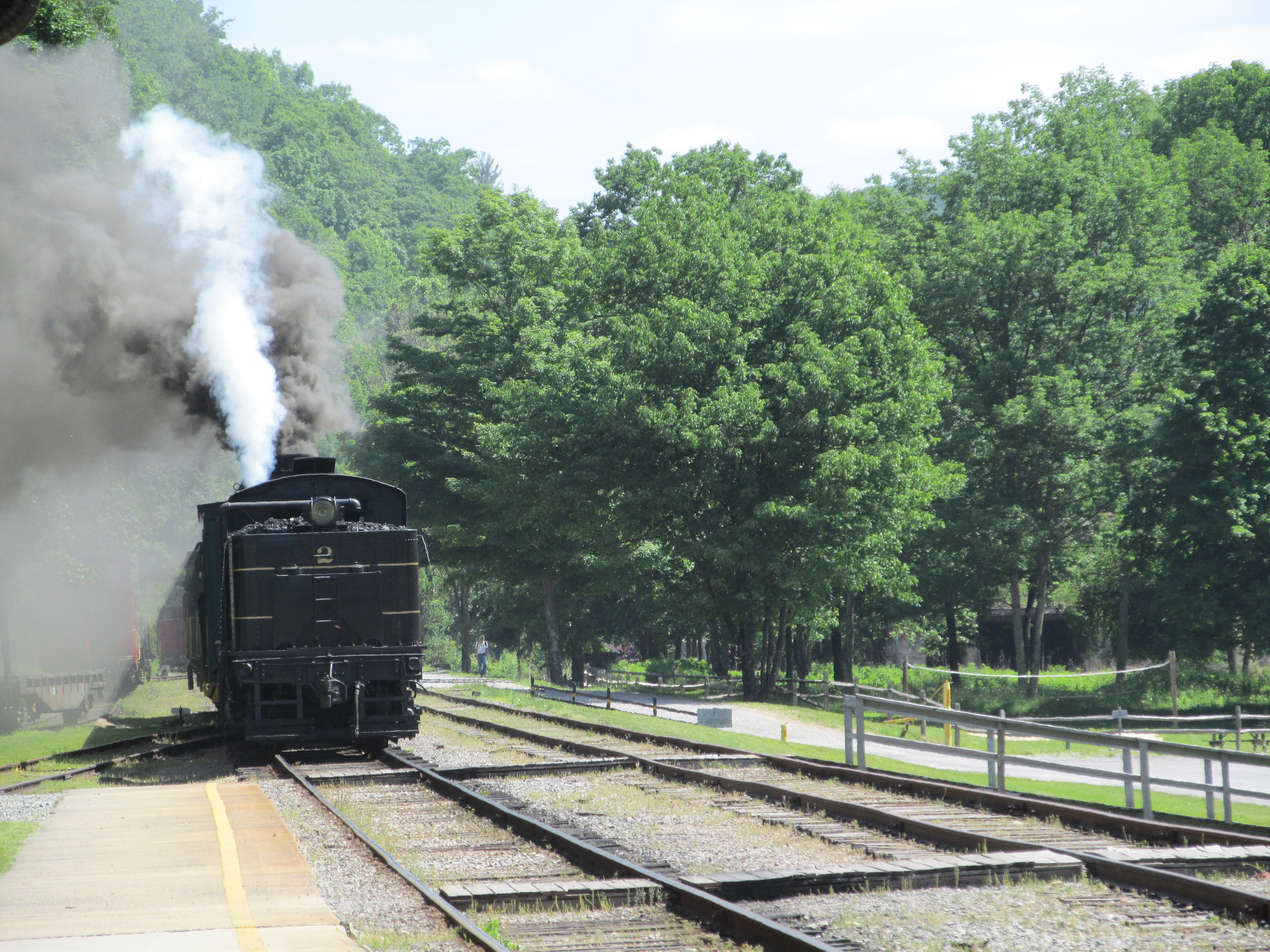
My husband and I traveled to the beautiful state of West Virginia earlier this summer. I had heard about train rides in Cass that took visitors back to logging days from family members who returned on multiple vacations. Hoping to experience an earlier era, we drove along state routes to the small town of Cass.

What a fun day!

We chose to take a 4 ½ hour train to Bald Knob and made reservations a few days ahead. It was a great decision.

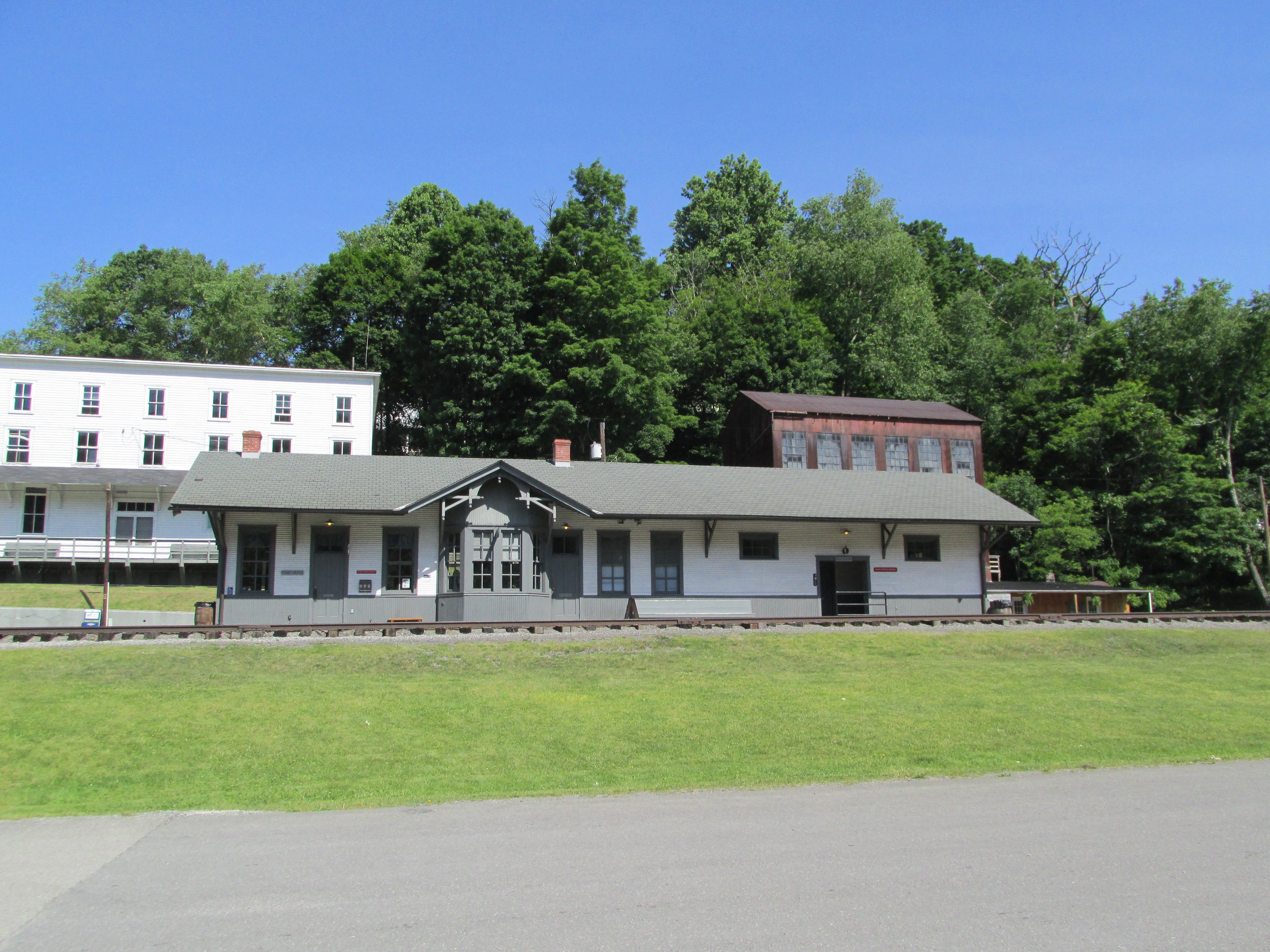
IMG_1790Cass, a logging town founded in 1900, was built by the West Virginia Pulp & Paper Company. Workers of the West Virginia Pulp and Paper Mill in Cass lived there.

During the peak of the milling operation in 1908 to 1922, 2,500 – 3,000 people worked for the company. Twelve logging camps in the mountains received as many as ten carloads of food and supplies weekly.

The business was sold in 1943 and operated until July 1, 1960. Employees discovered the closing on June 30th; they feared the town would die.

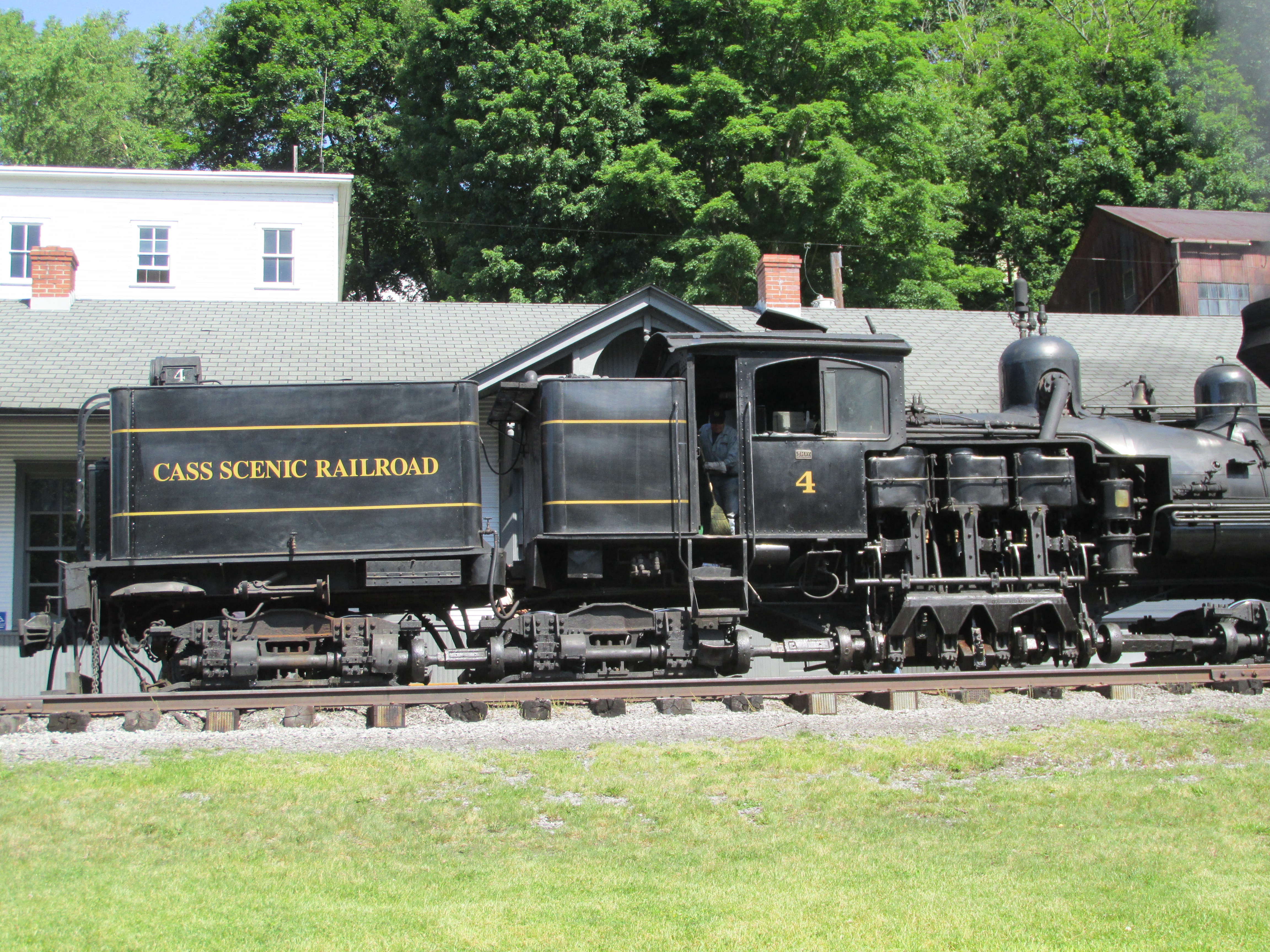
IMG_1816Russel Baum, a railroad fan living in Pennsylvania, believed that the Shay engines running over old logging tracks would draw tourists and convinced local businessmen. Cass Scenic Railroad State Park is the result of their vision and planning.

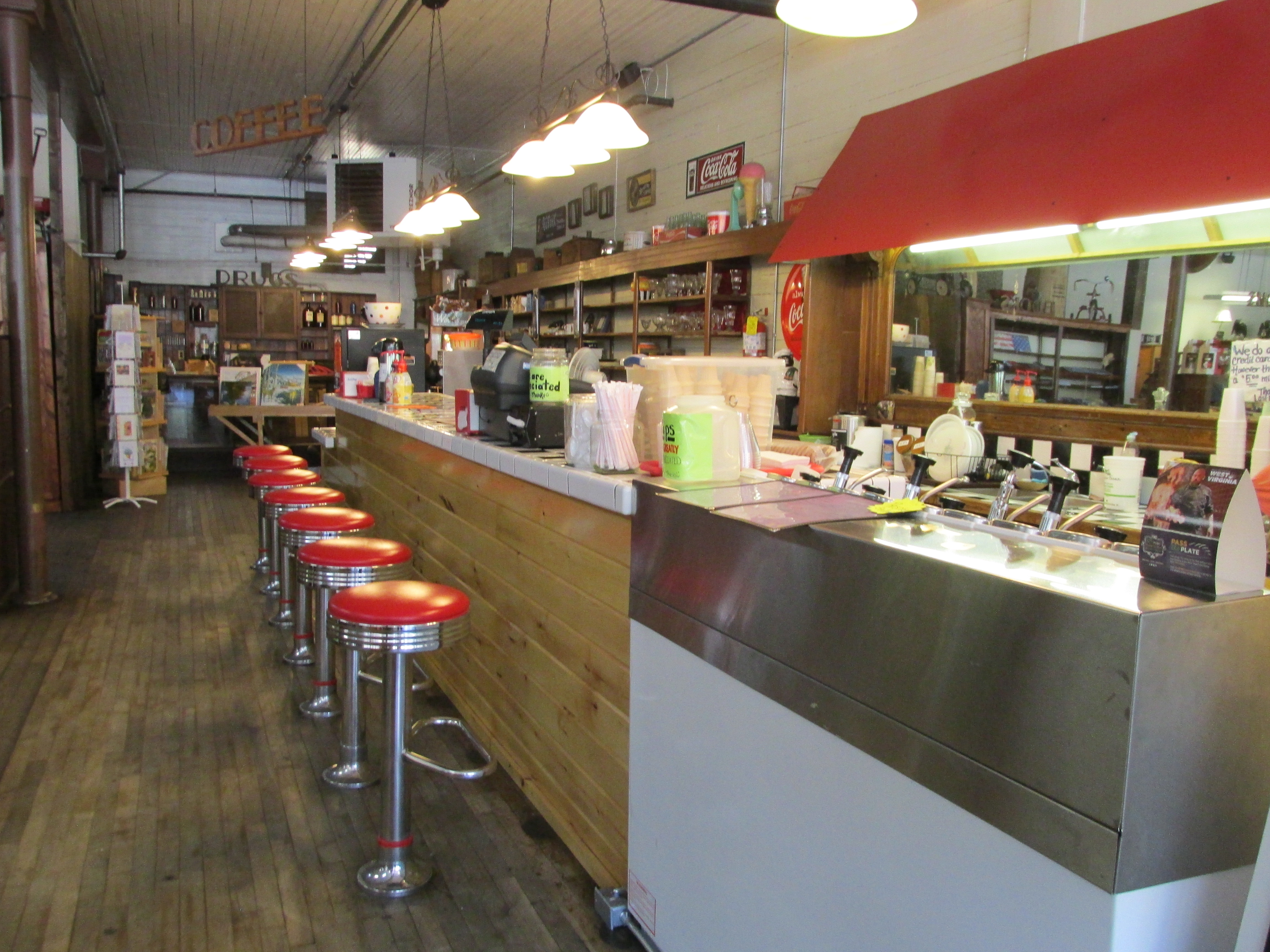
IMG_1830Stop for a sandwich or enjoy one of the daily specials at Last Run Restaurant. Visit friendly folks at the Company Store for a variety of local goods and souvenirs. Enjoy an ice cream at the ice cream counter. Talk to Bud Cassell, a 50-year employee of the Cass Scenic Railroad, at the museum.

Most of all, ride the logging train, pulled by century-old Shay engines, to old logging camps.

Go back in time for a day.

-Sandra Merville Hart


Sources

“The Town of Cass,” Cass Scenic Railroad State Park, 2016/08/01 http://www.cassrailroad.com/history.html.


Feeding a Family of Three in 1949

retro-1291745_960_720


According to a magazine article in 1949, a family of three ate well for $10 a week. With that budget, here are a few of the meals this family might consume:

beef liver                                           carrot-bacon-egg sandwiches

creamed hamburger                   vegetable-bean soup

meatloaf                                             scalloped potatoes

potato soup                                       molasses sweet potatoes

green pepper strips                       macaroni and cheese

beef stew                                             mashed potatoes

I know what you’re thinking … in today’s prices we’re already pushing $100 but read on. You haven’t spent the whole $10 yet. Add these delicacies to the menu:

fish                                                          green beans

egg sandwiches                                bean soup

bologna sandwiches                      cabbage salad

prune whip                                         applesauce

eggs au gratin                                   custard

After buying ingredients for a few more side dishes, you’d have enough money left from the original $10 to buy juice and cereal for every breakfast. You’d also enjoy milk, bread, and margarine at every meal. Whether or not this list appeals to you (and who knows what prune whip is!) it’s a lot of variety for the money.

Wouldn’t you love to visit those old corner stores and fruit and vegetable markets with a $10 bill in your purse? Just for one week to go back to a time when everyone in the community knew each other’s name and the store’s competition was another business of the same size two blocks away.

Who knew $10 could go so far?

-Sandra Merville Hart

Source

Rodack, Jaine. Forgotten Recipes, Wimmer Books, 1981.


Sporting Events in the Early 1800s


horse-444017_960_720

It wasn’t all hard work for the early pioneers. Those living in the country enjoyed sporting activities just as we do today.

Shooting Matches were great fun for early settlers. Participants aimed their rifles at targets hoping to be the most accurate. These matches normally occurred around Christmas and New Year’s Day.

Horse races were always popular events. The races varied in length from a quarter mile or half mile on a straight path.

One, two, and three mile races, called Fairs, happened on circular tracks. The races took place at harvest time. Large crowds attended to watch the best horses in the area compete during the event that lasted three to four days.

Sports were part of most public gatherings. Country folks enjoyed foot races, jumping, wrestling, and pitching quoits (horseshoes.)

Pioneers also loved fishing. Passing a few hours on the riverbank also provided tasty suppers – as long as the fish took the bait!

-Sandra Merville Hart


Sources

“History of The Game of Quoits,” http://www.quoits.com 2015/06/15

http://www.quoits.info/history/history.html.

Welker, Martin. 1830’s Farm Life in Central Ohio, Clapper’s Print, 2005.


Wedding Traditions in Early 1800s

bouquet-of-flowers-261231_960_720

As might be expected, pioneer wedding traditions were much simpler than today but there were few old maids and bachelors.

If possible, families provided their daughters with six knives, forks, plates, cups, and saucers, a good bed, bedding, side saddle, teaspoons, tablespoons, teakettle, wash tub, and Dutch oven.

The bride also received her clothes. Her wedding dress was inexpensive. She wore a cap trimmed with ribbons. The groom wore his best suit. Gifts weren’t expected.

Friends and family serenaded the new couple on the wedding night with horns, cow bells, and horse fiddles. Apparently this music was as inharmonious and loud as might be imagined.

The groom invited guests to an Infair the day after the wedding. Wedding guests gathered for a big dinner.

Male guests often raced on horseback to the Infair in a custom called “running for the bottle.” Whoever arrived at the groom’s home first received a whiskey bottle with a red ribbon tied around it. He took it to the party.

If younger siblings married first, the older ones “danced in the hog trough.”

-Sandra Merville Hart


Sources

“Infair,” Wiktionary, 2015/06/15 https://en.wiktionary.org/wiki/infair.

Welker, Martin. 1830’s Farm Life in Central Ohio, Clapper’s Print, 2005.


School in the Early 1800s

school-543041_960_720

Attending school in the early 1800s was a privilege because every community didn’t have one. In those days, children went to subscription schools where parents paid the teacher a certain amount for each child. Parents also provided wood for the fireplace.

Families usually took turns boarding the teacher, or “master” as he might be called. The young scholars liked this arrangement as it gave them extra time with their teacher. Country schools didn’t hire women.

Boys and girls learned the three R’s together — “reading and ‘riting and ‘rithmetic,” better known as reading, writing, and math. They also played blind man’s bluff and ran races at recess. Cat and corner ball were two of the ball games they enjoyed.

School usually lasted four months during the fall and winter and then students were done for the year.

The master quizzed students on spelling daily where he gave the words aloud for the class to spell. Neighborhood schools competed periodically throughout the winter so the best spellers from each school could go toe to toe.

The schools were usually log cabins with a puncheon floor, clapboard roof and door, and greased paper in the windows. One wide fireplace took up one side of the school. The clay and wood chimney was built on the outside.

Split log benches with the flat side facing upward and round stick legs served as seats. Students used wide split slabs along one side of the room for writing tables.

-Sandra Merville Hart


Sources

“Clapboard,” Dictionary.com 2015/06/15 http://dictionary.reference.com/browse/clapboard.

“Puncheon floor room,” Historic New England, 2015/06/09  http://www.historicnewengland.org/historic-properties/homes/gilman-garrison-house/photographic-tour/puncheonfloor-web.jpg/view.

Welker, Martin. 1830’s Farm Life in Central Ohio, Clapper’s Print, 2005.


Religious Meetings in the Early 1800s

church-729250_960_720


Villages and neighborhoods contained well-attended churches of various denominations. Church meetings were not held as often as today.

A general custom of the day was that women sat on one side with men on the other.

The Methodists had a circuit system for ministers. Each minister was assigned to a particular circuit of churches that he traveled to on horseback. He stayed with a church member living near the location of the preaching.

Single preachers received one hundred dollars per year. Married ministers received one hundred dollars for himself, one hundred dollars for his wife, and fifty dollars for each of his children. This likely encouraged matrimony!

Camp meetings lasted a week. Thousands traveled from miles around to attend services held in a shady grove near a public road.

The most eloquent preachers spoke at camp meetings during the day and evening. Log huts were built for families traveling too far to return home each day. The minister stood on quickly erected platforms.

Powerful sermons touched listeners at these festive occasions. People gathered to worship and sing but also to spend time with old friends and meet new ones. Many converts emerged from this week with sincere faith.

These meetings not only educated those attending about God’s love and forgiveness, but also exerted moral influence over the country.

Night meetings lit by lamp and torches illuminated the woods. The preaching and congregational singing inspired true worship that remained with those experiencing it.

-Sandra Merville Hart


Sources

“Camp Meeting,” New World Encyclopedia, 2015/06/15 http://www.newworldencyclopedia.org/entry/Camp_meeting.

Welker, Martin. 1830’s Farm Life in Central Ohio, Clapper’s Print, 2005.


Militia Forces in Early 1800s

colonial-378730_960_720


The law made every male between 18 and 45 part of the Militia of the day. This was usually one regiment plus officers for each county.

Law required every company meet once a year for drills. After this, the entire regiment met for a one day drill at the county seat or some other designated location.

In addition, one or more rifle regiments had company meetings. These men were required to wear uniforms. The rifle regiments and commissioned officers met at the county seat for “Officer’s Muster,” a two-day drill.

All the rifle regiments were required to meet annually for a regimental drill. These Military displays drew large crowds as a pleasant change from the daily routine. It was considered a general holiday.

Usually held in the fall, these “big musters” brought opportunities for horse races, foot races, and wrestling matches.

-Sandra Merville Hart


Sources

Welker, Martin. 1830’s Farm Life in Central Ohio, Clapper’s Print, 2005.