Never Buy Flour with a Bluish-White Tinge

flour-791840_960_720

An 1877 cookbook advised bread makers never to buy flour tinged with blue. Poor flour may have a dingy look as if it had been mixed with ashes.

The author suggested one way to test flour quality: when pressing your hand against it, good flour will show the skin imprint lines. It will be a creamy white color.

High-quality yeast and flour make the best bread. That was true both then and now.

It isn’t clear what gave the bluish color to the flour in those early days. It may have been the same thing that causes green flour today.

Today, freshly milled flour that is not given time to age and oxidize in storage is called green flour. It’s used within two days. Bakeries using this type of flour add ingredients to give the oxidation needed.

People in the 1800s didn’t count carbs. They ate rolls at breakfast, sweet breads at lunch, and biscuits at supper.

And if they followed the advice of cookbook writers, they stayed away from blue flour.

-Sandra Merville Hart

Sources

Compiled from Original Recipes. Buckeye Cookery and Practical Housekeeping, Applewood Books, 2011.

“Green Flour,” Bakerpedia, 2015/06/08 http://bakerpedia.com/green-flour/.


How Fashion Changed Dramatically in 1920

1920 Fashion (002)*** Today’s article was written by guest author, Tamera Lynn Kraft. Welcome to Historical Nibbles, Tamera!


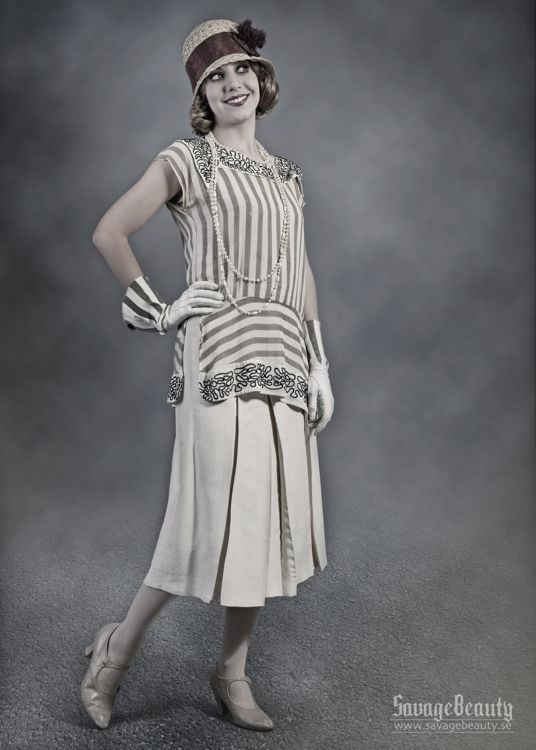
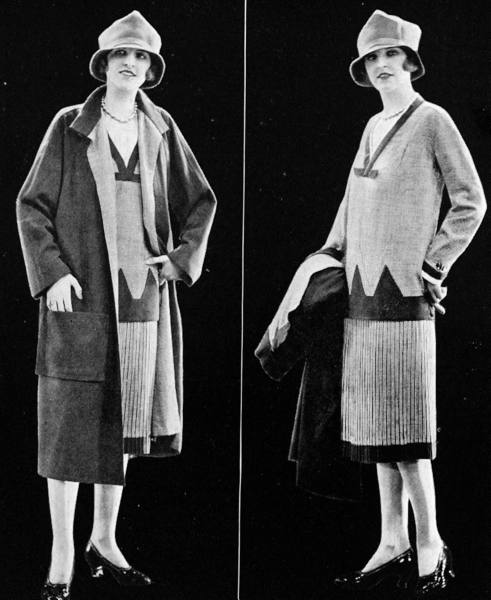
Studying fashion in 1919-1920 for my novella, Resurrection of Hope, was difficult because fashion changed so much in the couple of years leading up to the roaring twenties. Only ten years earlier, women had to contend with bustles and corsets. Hobble skirts that gathered close around the ankles made walking difficult. By the 1915, shirts became full and were just above the ankles. The bustles and corsets that had cursed women for decades were being thrown out. In 1918, straight line dresses were becoming popular, and skirts were actually a few inches above the ankle. The flapper style we know from the roaring 20s was starting to make its appearance.

In 1918, the flapper era started showing up in the cities first. Most women were conservative and wore their skirts a few inches below their knees which was scandalous five years earlier. By 1922, skirts were worn to the knee even in rural areas. The shift or chemise dress with the lowered waistline became popular in 1916 and continued throughout the 1920s. Tailored suits became popular among working women. Most dresses were sleeveless, and women wore sweaters over them on cold days. Jewelry to accessorize the new look became important, and women wore long beaded and pearl necklaces looped around the neck and large bracelets. In the winter, women finished the look with long fur coats.
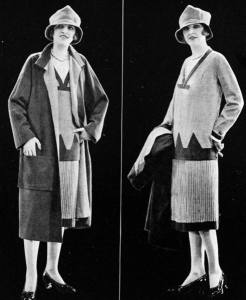
Kraft 1920 Fashion (002)During World War I, many women had to work outside the home. They started to wear bobbed hair styles because they were easier to take care of. By 1920, the style took off and most women bobbed their hair even in more rural areas and conservative areas of the country. Cloche hats that fit tight around the face were becoming popular and went with the new short hair styles.

In the Victorian era, make-up was considered vulgar, but that changed in the early 1900s. By 1900, women started wearing powder to achieve a pale look. Once that became acceptable, women started wearing makeup to look younger without looking like they were actually wearing makeup. Max Factor opened in 1909 with its first makeup counter and supplied makeup to silent movie actresses. In 1917, Theda Bara started a trend by wearing heavy eye makeup in the movie Cleopatra. Women in the city started wearing make-up to look like the actresses on the silent movie screen. It was a few more years before the average farmwife would be seen in public wearing makeup.

-Tamera Lynn Kraft
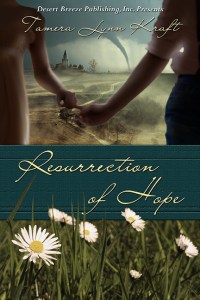
 

ResurrectionOfHopeCoverArt72dpiResurrection of Hope

She thought he was her knight in shining armor, but will a marriage of convenience prove her wrong?

After Vivian’s fiancé dies in the Great War, she thinks her life is over. But Henry, her fiancé’s best friend, comes to the rescue offering a marriage of convenience. He claims he promised his friend he would take care of her. She grows to love him, but she knows it will never work because he never shows any love for her.

Henry adores Vivian and has pledged to take care of her, but he won’t risk their friendship by letting her know. She’s still in love with the man who died in the Great War. He won’t risk heartache by revealing his true emotions.

Amazon

Web1Tamera Lynn Kraft has always loved adventures. She loves to write historical fiction set in the United States because there are so many stories in American history. There are strong elements of faith, romance, suspense and adventure in her stories. She has received 2nd place in the NOCW contest, 3rd place TARA writer’s contest, and is a finalist in the Frasier Writing Contest and has other novellas in print. She’s been married for 37 years to the love of her life, Rick, and has two married adult children and two grandchildren.

You can contact Tamera on her website.

Mark Twain Glimpses a Pony Express Rider on a Delivery

mark-twain-391112_960_720

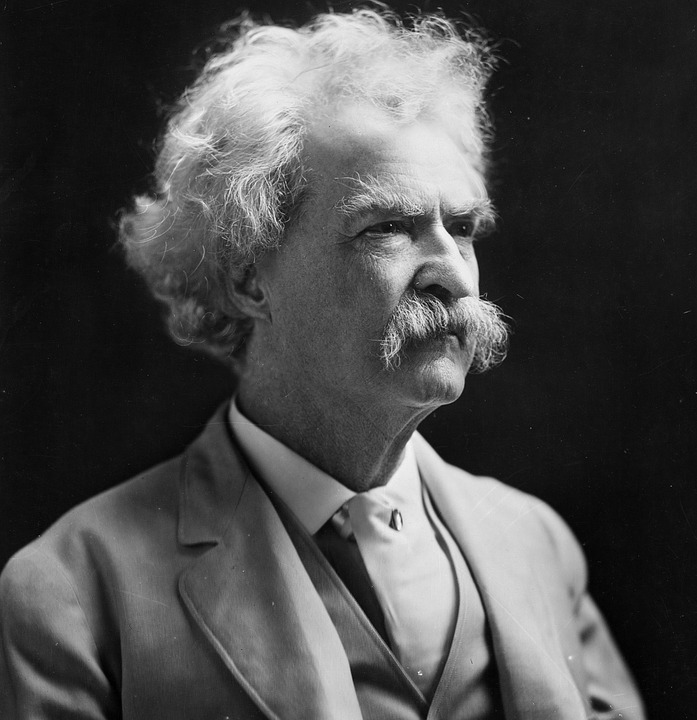
It can’t be said the Mark Twain met a Pony Express Rider on his stagecoach trip from Missouri to Carson City, Nevada.

He and his brother deeply desired to see a “pony-rider.” A few streaked past during the night, hailing the passengers who didn’t get their heads out the windows quickly enough to catch a glimpse of the man racing by.

But Twain hoped for better luck during daylight hours. The driver alerted his passengers to look behind them.

All Twain saw at first was a moving speck on the prairie. In two seconds, the speck became a horse and rider sweeping closer.

Twain kept his gaze trained on the pony-rider. Hoofs fluttered against the ground as he neared.

The driver whooped and hollered. The rider’s only answer was a wave as he burst past the coach.

Then the man disappeared on the road ahead in a cloud of dust.

It ended so quickly that Twain almost wondered if he actually witnessed the rider racing past.

Twain was about twenty-five at that time and full of adventure. Did that adventurous spirit long to join the ranks of those chosen few?

The author who gave us such characters as Tom Sawyer and Huckleberry Finn probably would have ridden one of the relays if asked.

-Sandra Merville Hart

Sources

Twain, Mark. Roughing It, Penguin Books, 1985.


Mark Twain’s Observations about Pony Express Riders

mark-twain-391112_960_720

Pony Express Riders delivered mail from 1860 – 1861. Mark Twain traveled west by stagecoach during this time and longed to see one of the riders.

Twain and his fellow travelers hoped to spot one of the “pony-riders” on their way from St. Joseph, Missouri, to Sacramento, California. It took a remarkable eight days for letters to travel 1,900 miles, an unheard-of speed.

Before seeing a pony-rider, Twain already had an idea what to expect. Small men filled with spirit and endurance rode fifty miles by day or night.

Splendid horses “fed and lodged like a gentleman” raced at top speeds for ten miles or so until reaching the next relay station. The rider crashed up to two men holding a fresh steed. He mounted the new horse and transferred the precious mailbag “in the twinkling of an eye” and was off again in a cloud of dust.

Riders wore thin, close-fitting clothing and a skull-cap. His pantaloons were tucked into his boots “like a race-rider.” He carried no weapons.

Horses traveled lightly, too. A small racing saddle hid a blanket if one existed.

A child’s primer would fill one of the two mail pockets. Mostly business or newspaper letters filled these mail bags; postage alone was five dollars per letter.

Forty pony-riders rode west toward California at the same time as forty traveled east toward Missouri all day and night, in spite of bad weather.

Stagecoaches traveled between 100 and 125 miles in twenty-four hours; pony-riders managed about 250 miles.

-Sandra Merville Hart

Sources

“Pony Express,” Wikipedia, The Free Encyclopedia, 2016/06/03 https://en.wikipedia.org/wiki/Pony_Express.

Twain, Mark. Roughing It, Penguin Books, 1985.


Household Hints from Early 1900s – Part 2

blue-flower-812739_960_720

A plate of lavender water prevents a sick-room from smelling like a hospital room. Light and burn the lavender water for a refreshing aroma that permeates the area. (This is one of my favorite scents, but today we might light a lavender-scented candle.)

Brush a cold, rusty stove top with kerosene. Allow it to stand for thirty minutes before rubbing it dry with soft paper towels. Apply a second coat of kerosene and wait a bit before scrubbing the stove with steel wool.

Here is a trick to soften cold butter. Pour hot water into a bowl and wait a few minutes. Empty the water. Turn the warmed bowl upside down over the butter, which will soon soften.

A metal bread box becomes a warming cabinet for food or dishes when placed on top of a radiator. The same metal box becomes a cooler in the summer by allowing it to sit in an ice chest. Then take it camping to keep foods cool. (Not sure how long the bread box retains the chill.)

Wipe windows with rubbing alcohol in the winter to prevent them from steaming in the cold.

Old cigar boxes make great first-aid boxes. Items suggested for the box were a jar of salve, small scissors, sterilized gauze, antiseptic wash, adhesive tape, and Band-Aids – not so different from today. These have gone a little out of style but it’s still a good idea to store necessary items in the same area for quick retrieval.

Leave a comment if you have tried any of these household hints or have a new one to add!

-Sandra Merville Hart


Source

Rodack, Jaine. Forgotten Recipes, Wimmer Books, 1981.


Household Hints from the Early 1900s – Part 1

crayons-879974_960_720

If you mix three pounds of margarine with one pound of butter, your family may think all four pounds are butter.

Have unused clothespins? Paint them. Apply the name or initials of each family member with nail polish. Use these to hang towels in the bathrooms. (Sounds like an early Pinterest idea!)

Put a brown paper bag over your hand to wipe a lantern chimney clean.

Scratch soap under your fingernails before gardening to keep the dirt away. (This might be worth a try.)

This one may be fun for children. Draw a name or design on handkerchiefs or scarves with wax crayons. Press a hot iron over the back of the cloth to permanently seal a decoration that doesn’t fade or wash away. (Sounds like a fun way to personalize t-shirts.)

Pour ammonia into water. Place a small amount of soap on a soap brush and dip it into the ammonia water to clean jewelry. Rinse with cold water. Wipe it dry with a handkerchief or cloth before rubbing the jewelry with a chamois skin. (Chamois is a non-abrasive leather.)

This next suggestion is for those with trouble sleeping. Before bedtime, sprinkle a “good-sized” raw onion with salt. You are supposed to eat it. Buttered bread may help to get it down. If it is still difficult to eat, you may also squeeze a little lemon juice onto the onion.

Add warm seedless raisins to hot honey for a tasty sandwich spread.

After opening a bottle of olives, preserve them in vinegar, olive oil, and salt.

Keep lemon peels for future use. When needed, place them in warm oven for a few minutes to soften.

I’d love to hear your comments if you try any of these hints.

-Sandra Merville Hart

Source

Rodack, Jaine. Forgotten Recipes, Wimmer Books, 1981.


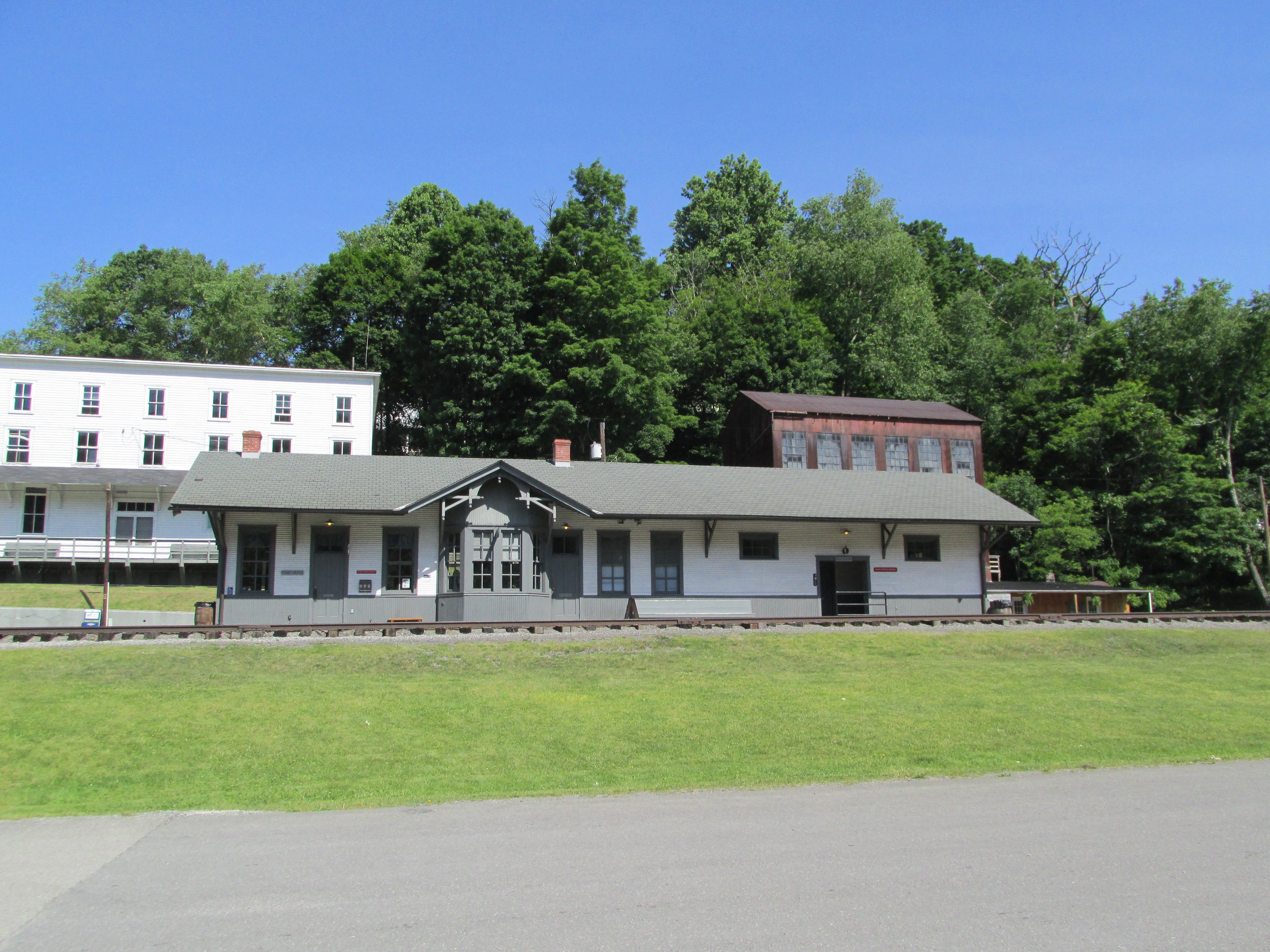
Cass Scenic Railroad State Park – A Fun Way to Spend a Day!

IMG_1835

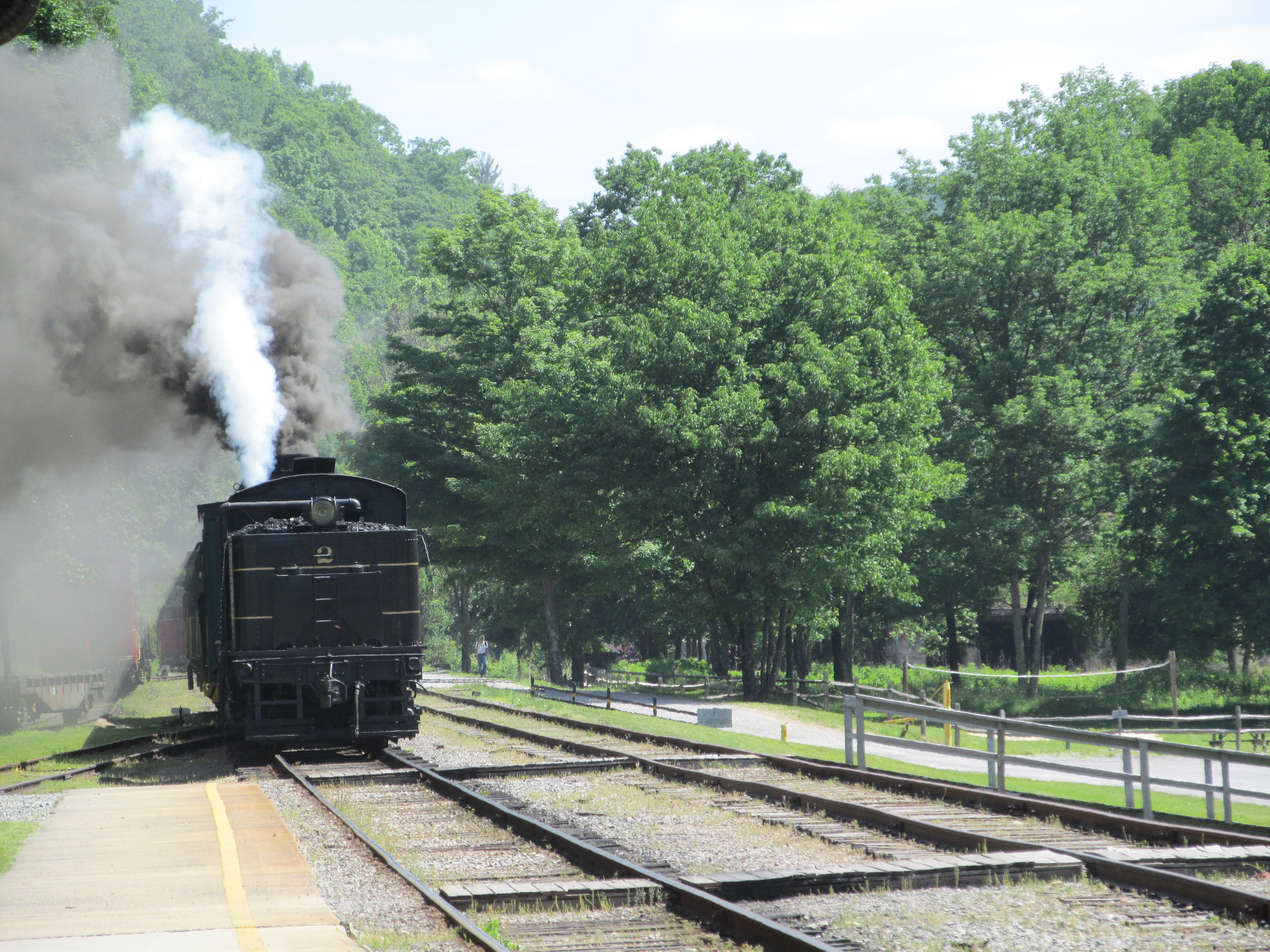
My husband and I traveled to the beautiful state of West Virginia earlier this summer. I had heard about train rides in Cass that took visitors back to logging days from family members who returned on multiple vacations. Hoping to experience an earlier era, we drove along state routes to the small town of Cass.

What a fun day!

We chose to take a 4 ½ hour train to Bald Knob and made reservations a few days ahead. It was a great decision.

IMG_1790Cass, a logging town founded in 1900, was built by the West Virginia Pulp & Paper Company. Workers of the West Virginia Pulp and Paper Mill in Cass lived there.

During the peak of the milling operation in 1908 to 1922, 2,500 – 3,000 people worked for the company. Twelve logging camps in the mountains received as many as ten carloads of food and supplies weekly.

The business was sold in 1943 and operated until July 1, 1960. Employees discovered the closing on June 30th; they feared the town would die.

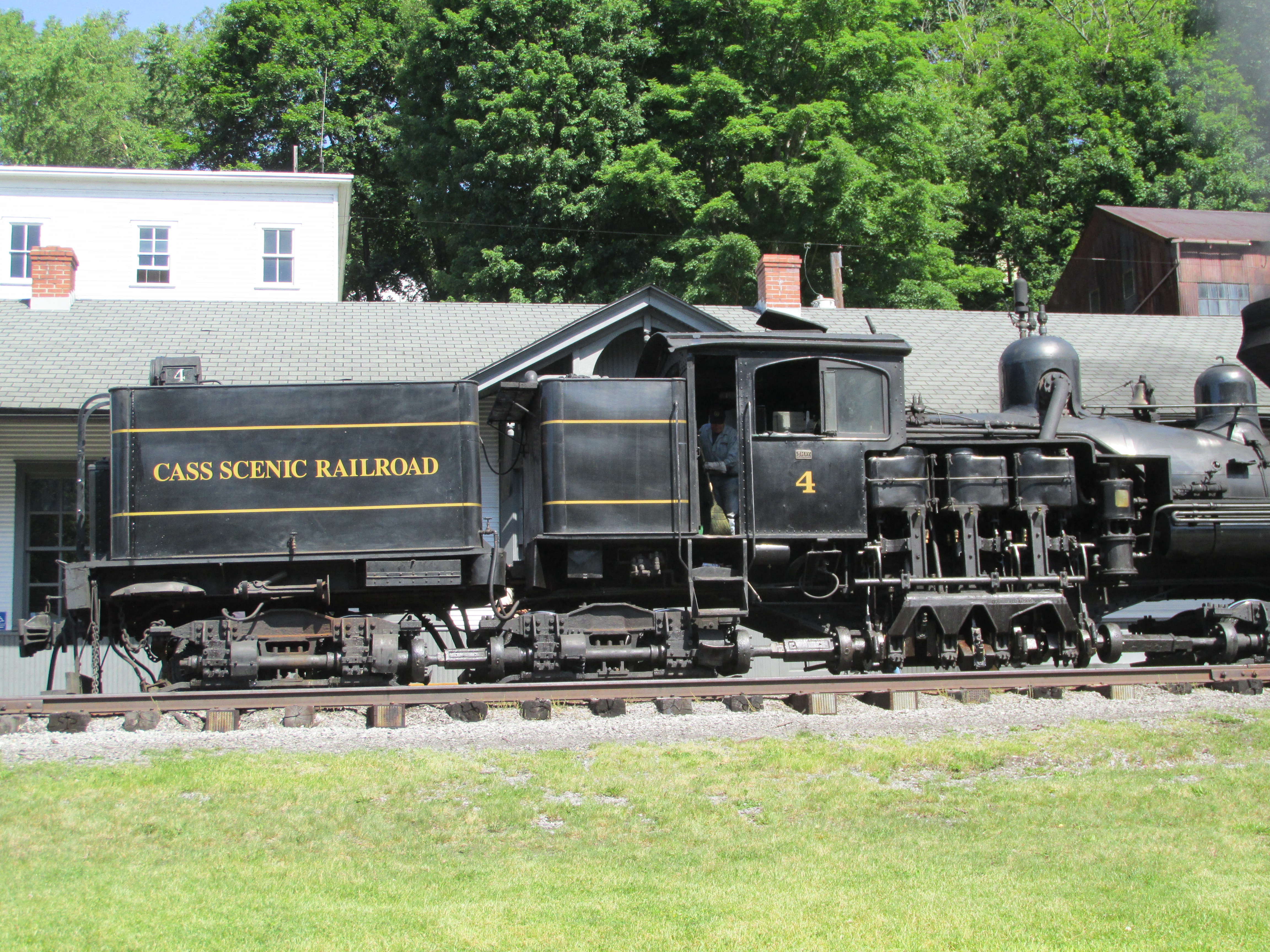
IMG_1816Russel Baum, a railroad fan living in Pennsylvania, believed that the Shay engines running over old logging tracks would draw tourists and convinced local businessmen. Cass Scenic Railroad State Park is the result of their vision and planning.

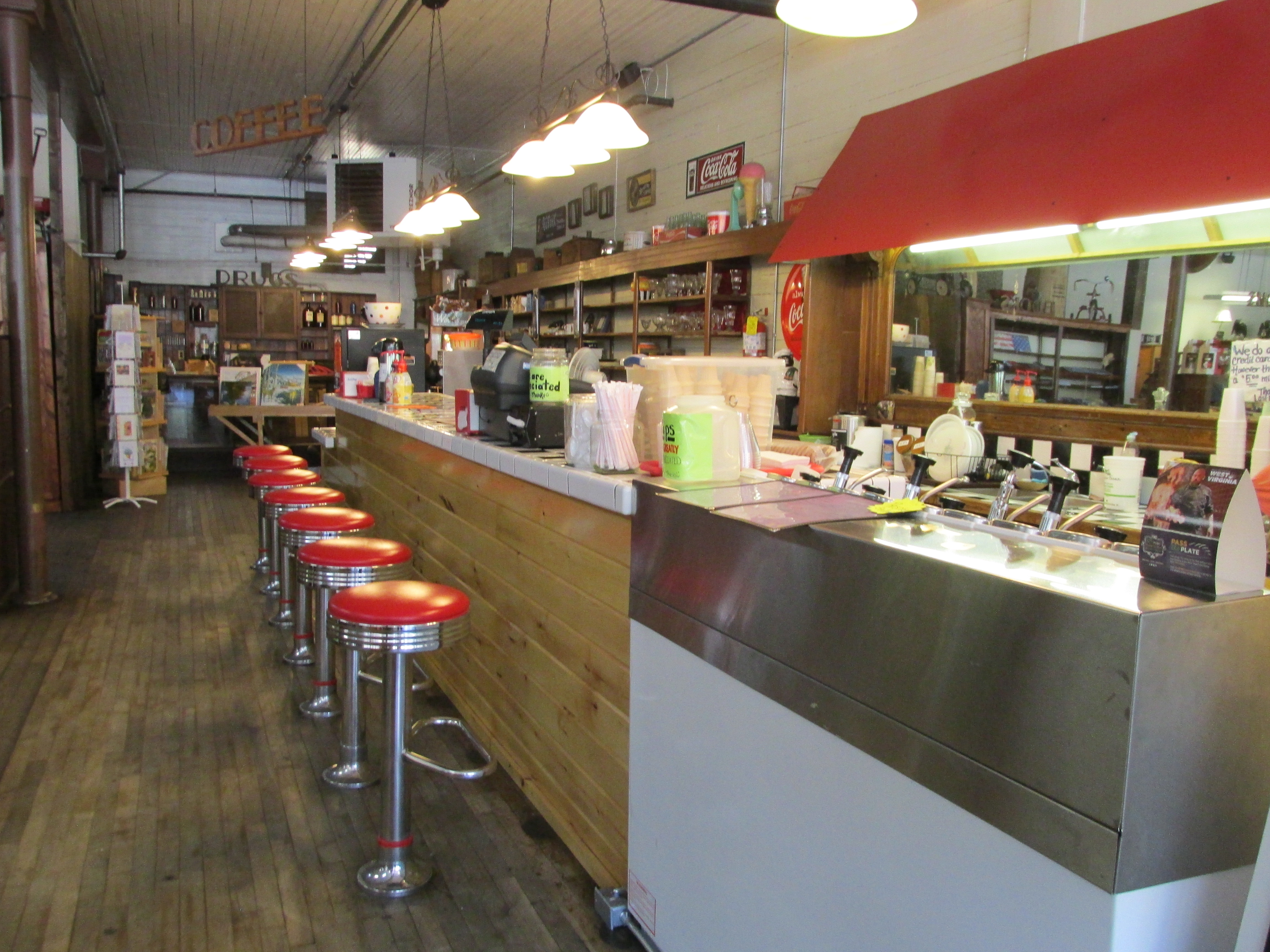
IMG_1830Stop for a sandwich or enjoy one of the daily specials at Last Run Restaurant. Visit friendly folks at the Company Store for a variety of local goods and souvenirs. Enjoy an ice cream at the ice cream counter. Talk to Bud Cassell, a 50-year employee of the Cass Scenic Railroad, at the museum.

Most of all, ride the logging train, pulled by century-old Shay engines, to old logging camps.

Go back in time for a day.

-Sandra Merville Hart


Sources

“The Town of Cass,” Cass Scenic Railroad State Park, 2016/08/01 http://www.cassrailroad.com/history.html.


Feeding a Family of Three in 1949

retro-1291745_960_720


According to a magazine article in 1949, a family of three ate well for $10 a week. With that budget, here are a few of the meals this family might consume:

beef liver                                           carrot-bacon-egg sandwiches

creamed hamburger                   vegetable-bean soup

meatloaf                                             scalloped potatoes

potato soup                                       molasses sweet potatoes

green pepper strips                       macaroni and cheese

beef stew                                             mashed potatoes

I know what you’re thinking … in today’s prices we’re already pushing $100 but read on. You haven’t spent the whole $10 yet. Add these delicacies to the menu:

fish                                                          green beans

egg sandwiches                                bean soup

bologna sandwiches                      cabbage salad

prune whip                                         applesauce

eggs au gratin                                   custard

After buying ingredients for a few more side dishes, you’d have enough money left from the original $10 to buy juice and cereal for every breakfast. You’d also enjoy milk, bread, and margarine at every meal. Whether or not this list appeals to you (and who knows what prune whip is!) it’s a lot of variety for the money.

Wouldn’t you love to visit those old corner stores and fruit and vegetable markets with a $10 bill in your purse? Just for one week to go back to a time when everyone in the community knew each other’s name and the store’s competition was another business of the same size two blocks away.

Who knew $10 could go so far?

-Sandra Merville Hart

Source

Rodack, Jaine. Forgotten Recipes, Wimmer Books, 1981.


Sporting Events in the Early 1800s


horse-444017_960_720

It wasn’t all hard work for the early pioneers. Those living in the country enjoyed sporting activities just as we do today.

Shooting Matches were great fun for early settlers. Participants aimed their rifles at targets hoping to be the most accurate. These matches normally occurred around Christmas and New Year’s Day.

Horse races were always popular events. The races varied in length from a quarter mile or half mile on a straight path.

One, two, and three mile races, called Fairs, happened on circular tracks. The races took place at harvest time. Large crowds attended to watch the best horses in the area compete during the event that lasted three to four days.

Sports were part of most public gatherings. Country folks enjoyed foot races, jumping, wrestling, and pitching quoits (horseshoes.)

Pioneers also loved fishing. Passing a few hours on the riverbank also provided tasty suppers – as long as the fish took the bait!

-Sandra Merville Hart


Sources

“History of The Game of Quoits,” http://www.quoits.com 2015/06/15

http://www.quoits.info/history/history.html.

Welker, Martin. 1830’s Farm Life in Central Ohio, Clapper’s Print, 2005.